Inflation has fallen slightly in recent months, with the Consumer Price Index rising 3.4% annually in July, down from 3.5% in June. This cooling inflation could affect mortgage rates, but other economic factors like the job market and Federal Reserve policies also play important roles.
Key Facts
Inflation measured by the Consumer Price Index rose 3.4% in July, down from 3.5% in June and 4.2% in May.
Core inflation, which excludes volatile food and energy prices, decreased from 2.6% in June to 2.5% in July.
The average 30-year fixed mortgage rate was 6.75% as of August 12, much higher than rates under 3% earlier this decade.
Mortgage rates often move with the 10-year Treasury yield, which is influenced by inflation expectations.
Lower inflation can reduce Treasury yields, potentially leading to lower mortgage rates.
The Federal Reserve does not set mortgage rates but influences market rates through its interest rate decisions.
The Fed aims for 2% inflation, and falling inflation may give it more room to lower rates in the future.
The labor market showed unexpected job losses in July, which combined with lower inflation could increase chances of future rate cuts.
Read the Original
Want the full story? Tap a source to open the original
article.
The New York City Council is investigating four companies that run prediction markets for potentially using harmful marketing to attract young people. The companies Polymarket, Kalshi, Coinbase, and Gemini Titan were asked to provide details about their advertising in New York City.
Key Facts
The investigation targets marketing practices by prediction market companies.
Four companies are involved: Polymarket, Kalshi, Coinbase, and Gemini Titan.
The focus is on whether these companies use "predatory marketing" aimed at young people.
New York City Council Speaker Julie Menin sent letters to these companies.
The companies must provide more information about their marketing in New York City.
Prediction markets allow people to bet on future events, like elections or sports outcomes.
The investigation began as of Wednesday after letters were sent on Monday.
The city council is concerned about protecting young residents from risky advertising.
Read the Original
Want the full story? Tap a source to open the original
article.
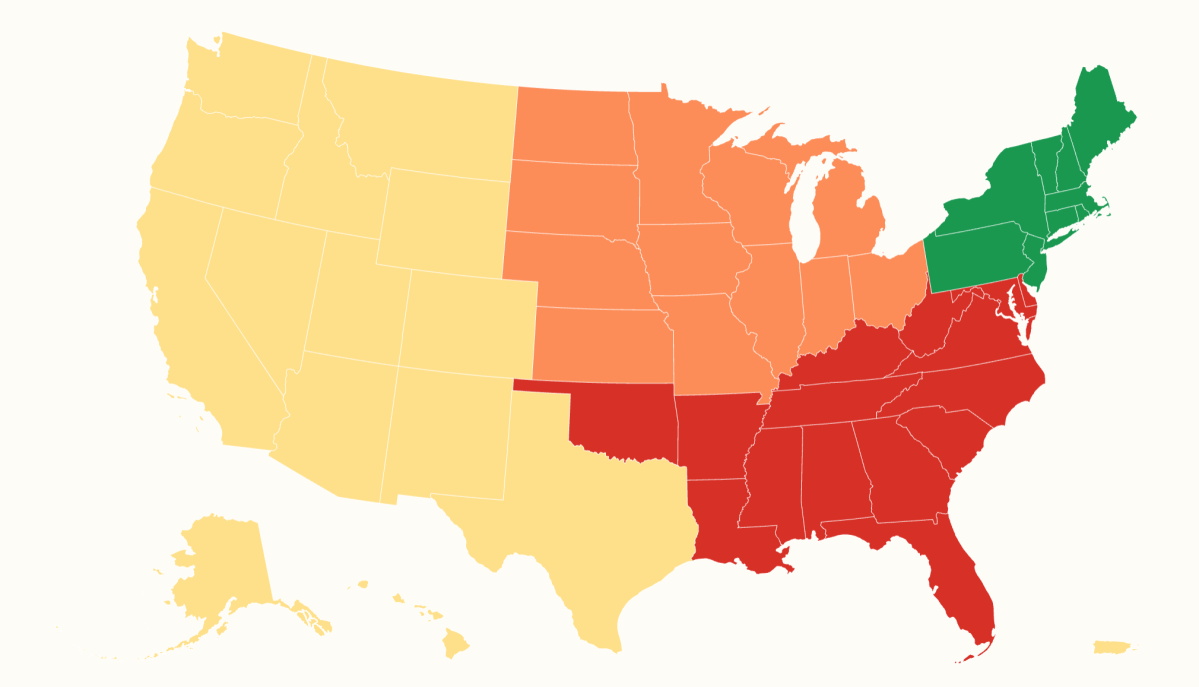
In July, sales of existing homes in the U.S. fell compared to June, partly because mortgage rates rose above 6.5 percent, making it harder for many people to afford buying a home. Home prices continued to rise in most regions, with some areas like the Northeast seeing increased sales despite higher prices.
Key Facts
Existing home sales dropped 1.7% in July compared to June, with 4.06 million homes sold.
Mortgage rates averaged 6.69% in late July, increasing for five straight weeks.
The median price for an existing home was $434,100 in July, marking 37 months of price increases.
The Northeast was the only region where home sales rose in July, increasing by 2%, even though prices there grew by 5.2% from last year.
The Midwest saw a 2% drop in sales from June but remains more affordable, with median home prices around $342,900.
The South experienced a 3.1% sales decrease from June, with home prices slightly up by 0.9% year-over-year.
In the West, sales stayed flat in July but were up 1.4% compared to a year ago, with median prices at $622,200.
Expected improvements in housing affordability did not occur this year, keeping the market slow.
Read the Original
Want the full story? Tap a source to open the original
article.
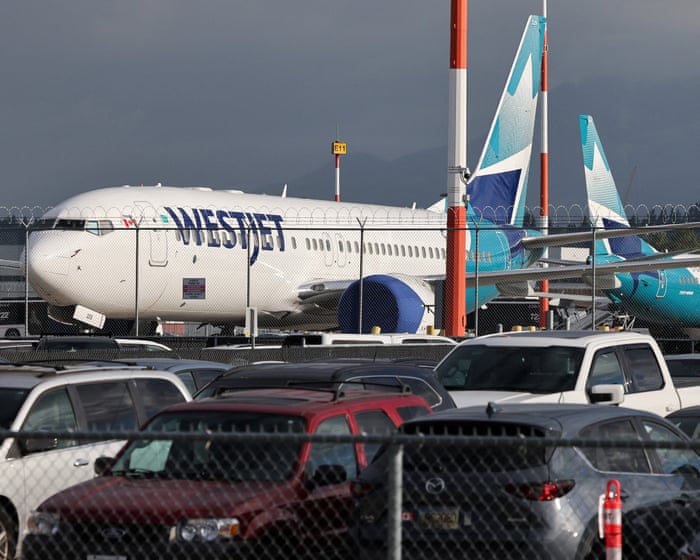
WestJet, a Canadian airline, has agreed to pay C$4.5 million to settle a class action lawsuit brought by female flight attendants over sexual harassment claims. The settlement will be shared among more than 3,400 flight attendants and includes hiring an independent group to investigate workplace harassment.
Key Facts
WestJet faced a class action lawsuit alleging it failed to provide a safe workplace free from sexual harassment.
The lawsuit was filed in 2016 by Mandalena Lewis, a former flight attendant who reported being sexually assaulted by a WestJet pilot.
Despite reports, the pilot involved remained employed by WestJet, raising concerns about employee safety.
A British Columbia judge approved the C$4.5 million settlement in June 2024.
The payment will be divided among 3,452 flight attendants after legal fees and expenses are deducted.
WestJet agreed to hire an independent third party to review harassment issues and improve reporting systems.
The settlement does not include mandatory anti-harassment training for pilots or an admission of wrongdoing by WestJet.
Some members of the class action expressed disappointment with the settlement, feeling the payout was low and that the airline lacked accountability.
Read the Original
Want the full story? Tap a source to open the original
article.
The Powerball lottery jackpot has reached over $1 billion for the drawing on Wednesday, making it the eighth-largest prize in Powerball history. The jackpot amount is before taxes and can be taken as either a $1 billion prize paid over 30 years or a lump sum payment of $433.1 million.
Key Facts
The $1 billion jackpot grew after no one won in Monday’s drawing.
It is the 15th time a $1 billion Powerball prize has been reached in U.S. lottery history.
The lump sum cash option is $433.1 million, both amounts before taxes.
This is the biggest jackpot so far in 2026.
The last billion-dollar jackpot winner was in Arkansas, winning $1.82 billion in December 2025.
The Powerball game is available in 45 states, the U.S. Virgin Islands, Washington, D.C., and recently started selling tickets in the U.K.
The odds of winning the jackpot are about 1 in 292.2 million.
Some smaller prizes were won in recent drawings, including $2 million in Tennessee and $1 million prizes in California and Maryland.
Read the Original
Want the full story? Tap a source to open the original
article.
Paramount's chief legal officer said the company’s CEO is thinking about moving the company out of California. This is because the state government is increasing its antitrust investigations of the media company.
Key Facts
Paramount’s chief legal officer is Makan Delrahim.
Delrahim spoke at Politico’s California Agenda: Sacramento Summit.
Paramount faces more antitrust scrutiny from California’s state government.
The CEO of Paramount is considering leaving California due to this scrutiny.
Delrahim said the CEO still wants to be committed to California but is open to leaving if necessary.
Antitrust scrutiny means the government is concerned about possible unfair business practices.
No official decision to leave California has been announced yet.
Read the Original
Want the full story? Tap a source to open the original
article.
The article argues that taxes should be based on the real income a person earns, not on the increased amounts caused by inflation. It suggests that inflation can make people appear to earn more money even when their actual purchasing power does not increase.
Key Facts
Inflation causes prices to rise over time.
When incomes increase just to keep up with inflation, the real value of earnings stays the same.
Taxing income that only grows due to inflation can take more money from people without increasing their real wealth.
The article recommends taxing only the true earnings after adjusting for inflation.
This approach is meant to prevent unfair tax burdens caused by inflation.
Read the Original
Want the full story? Tap a source to open the original
article.
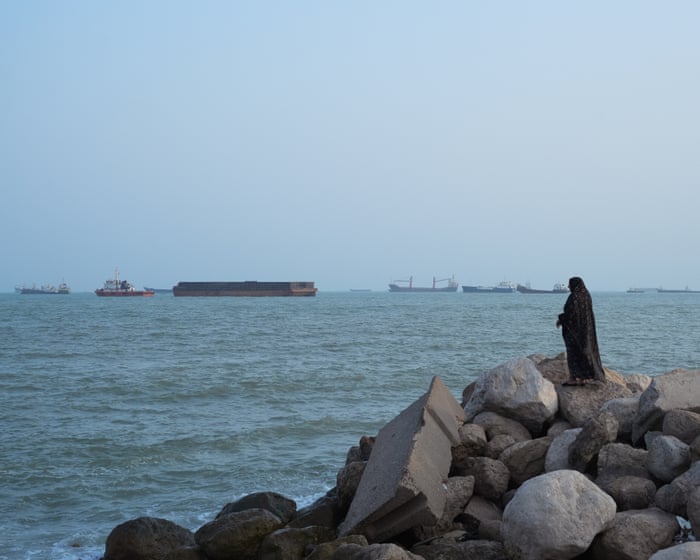
Global diesel supplies are shrinking due to unrest from the Russia-Ukraine war and the Iran crisis. This has caused diesel prices to rise worldwide, affecting industries that rely on diesel fuel.
Key Facts
Diesel prices in the U.S. rose by 44 cents last month to $5.32 per gallon, higher than a year ago but below the 2022 peak of $5.82.
Refineries globally processed 7.5 million fewer barrels of crude oil daily last month compared to 2025.
Conflicts in the Middle East, including the Strait of Hormuz, have reduced refinery operations and diesel supply.
Russian diesel exports dropped by 10% due to restrictions after drone strikes damaged their refineries.
Diesel exports from Russia, the Middle East, and Asia fell by 1.3 million barrels per day in July, about 20% of global sea trade.
U.S. refineries are operating at 96% capacity and increasing diesel exports amid the tight market.
The U.S. Energy Information Administration raised its diesel price forecast for 2026 and 2027.
Diesel is critical for trucking and heating, making supply tightness a concern for the coming winter.
Read the Original
Want the full story? Tap a source to open the original
article.
Andy Burnham was told that if problems in the Strait of Hormuz continue until 2026, the UK economy will grow very little in 2027. The conflict involving Iran has caused higher oil and fuel prices and disrupted supply chains, slowing down economic growth.
Key Facts
UK officials have a report saying the economy might only grow by 0.3% in 2027 if the Strait of Hormuz issues last until late 2026.
The conflict in the Middle East has affected UK businesses and slowed economic growth this year.
Higher costs for oil and fuel are linked to the Iran war.
Supply chains have been disrupted due to the conflict.
The UK economy started the year strong but then slowed down.
Official UK statistics for April to June growth are expected to show about 0.4% growth.
Government planners consider different possible future scenarios for the economy.
The new prime minister and chancellor have seen this economic forecast.
Read the Original
Want the full story? Tap a source to open the original
article.
A family from Somerset, England, won almost £1 million in the National Lottery after ignoring calls and emails for nine days. The family had formed a lottery group to celebrate a birthday, and the prize will be shared between the parents and their four children.
Key Facts
The Jefferson family won nearly £1 million by matching five numbers plus the Bonus Ball.
They formed a lottery syndicate in July 2025 to celebrate builder Mark Jefferson’s birthday.
Mark Jefferson ignored National Lottery notifications for nine days, thinking they were sales calls.
The winning numbers were picked by Jefferson’s daughter, Alexandra.
The family was surprised and emotional when they finally learned about the win.
The prize money will be shared equally among Mark Jefferson, his wife Naomi, and their four adult children.
The lottery draw took place on 24 June.
The family describes winning as a life-changing moment.
Read the Original
Want the full story? Tap a source to open the original
article.
The Powerball lottery jackpot has reached $1 billion for the eighth time. However, if you win, taxes in 31 states would reduce the amount you actually receive to less than $600 million.
Key Facts
The Powerball jackpot is currently $1 billion.
This is the eighth time the jackpot has been this high.
Tax laws in 31 U.S. states reduce lottery winnings.
After taxes, the payout is less than $600 million in these states.
Taxes include federal and state deductions from the prize amount.
The large difference shows how much taxes impact lottery winnings.
Not all states tax lottery prizes equally; some may have no state tax.
Winners usually choose between a lump sum payment or annual payments.
Read the Original
Want the full story? Tap a source to open the original
article.
Inflation in the U.S. rose by 3.4% over the past year as of July, showing a slight slowdown from previous months. Higher energy prices, especially gas, pushed inflation up, but overall consumer price increases are easing, which may influence Federal Reserve decisions on interest rates.
Key Facts
Inflation grew at a 3.4% annual rate in July, matching economist predictions.
Core inflation, which excludes food and energy prices, rose 2.5% annually in July, down from 2.6% in June.
Inflation peaked at 4.2% in May mainly due to a spike in oil and gasoline prices.
Gasoline prices jumped 24.6% compared to last year, averaging $4.06 per gallon in July.
Oil prices increased sharply in July due to conflicts near the Strait of Hormuz and attacks in the Red Sea.
In the year ending July, U.S. prices increased by 3.4%, which is a small drop from the 3.5% rise seen in June. Monthly inflation went up by 0.1%, mainly because housing costs increased, while food prices rose slowly and energy prices fell.
Key Facts
Inflation rose 3.4% from July last year, down slightly from 3.5% in June.
Prices went up 0.1% from June to July.
Housing costs, especially rent, caused most of the monthly price increase.
Food prices increased only a little in July and more slowly than in June.
Energy prices dropped, helping to lower overall costs for consumers.
Prices without food and energy went up 0.2% in July after no change in June.
Medical care and airline tickets became a bit more expensive.
Car insurance prices decreased during this period.
Read the Original
Want the full story? Tap a source to open the original
article.
A Sunoco gas station in Halfmoon, New York, is giving customers a 20% discount if they show their best dance moves. This offer is a unique way to attract customers to the gas station.
Key Facts
The gas station is a Sunoco location in Halfmoon, New York.
Customers can get 20% off their gas purchase by dancing.
The discount is given for showing dance moves at the station.
This promotion is meant to encourage more people to visit the gas station.
The offer was reported on August 12, 2026.
It is an example of a creative marketing strategy by a business.
Read the Original
Want the full story? Tap a source to open the original
article.
Janes Pantry, a bakery company from Gloucestershire, has bought 20 shops that belonged to Coughlan's Bakery, which closed in June due to high costs like business rates and employer taxes. Janes Pantry plans to reopen these shops under its own name and invite former Coughlan's staff to apply for jobs.
Key Facts
Coughlan's Bakery closed in June, citing high business rates and increased employer national insurance taxes.
Coughlan's had locations in Kent, Surrey, West Sussex, and south London.
Janes Pantry bought 20 former Coughlan's shops from the liquidators.
Janes Pantry will reopen these shops with its own brand.
Former Coughlan’s employees are encouraged to apply for jobs at the reopened shops.
Janes Pantry currently operates 12 shops and has over 100 employees.
Comedian Romesh Ranganathan partly owned Coughlan’s but will not be involved in the new business.
The bakery reopening is expected to restore jobs and bring customers back to the high street.
Read the Original
Want the full story? Tap a source to open the original
article.
Costs for ships using the Panama Canal have risen due to disruptions caused by the war in Iran and low water levels linked to this year’s El Niño weather event. Ships face long delays, with some paying millions of dollars to move ahead in the queue, as water shortages have led the Panama Canal Authority to impose limits on ship sizes and cargo weight.
Key Facts
A ship reportedly paid $4 million to jump the queue and pass through the Panama Canal faster.
Ships currently wait about 10 days to transit the canal, the longest backlog since May.
The war in Iran has closed nearby key shipping routes, increasing demand for the Panama Canal.
Water levels in the canal are falling due to El Niño, a weather pattern causing drought and heat.
The Panama Canal Authority sets limits on how deep ships can sit in the water to keep traffic moving safely.
Larger ships must carry lighter loads because of these water level restrictions.
The number of transits through the canal increased by 5% from October to June, driven by container ships and gas carriers.
Other major trade routes, like Europe’s Rhine River, face similar problems with low water impacting shipping.
Read the Original
Want the full story? Tap a source to open the original
article.
A giant, 30-foot tall replica of a Hoosier cabinet was unveiled in Nappanee, Indiana, to celebrate the 150th anniversary of Coppes Napanee, a company that still makes cabinets and was one of the original makers of Hoosier cabinets. These cabinets were popular kitchen workstations in American homes in the early 1900s and helped speed up food preparation.
Key Facts
The Hoosier cabinet is a freestanding kitchen workstation and storage unit from the early 20th century.
The replica cabinet in Nappanee is 30 feet tall and has stairs leading to a small loft for visitors to climb and look out from.
Coppes Napanee, one of the two original Hoosier cabinet makers still in business, created the replica as part of its 150th anniversary.
The cabinet’s design centralized and sped up food preparation before built-in kitchen cabinets became common after World War II.
Originally, Hoosier cabinets were sold through about 5,000 dealers nationwide.
The replica is located near Coppes Commons, a marketplace and museum on the site of the original factory.
Wesley Mast, owner and president of Coppes Napanee, said the giant cabinet helps attract visitors and promotes the company’s history and brand.
Read the Original
Want the full story? Tap a source to open the original
article.
The International Energy Agency (IEA) reported that global oil reserves have dropped below 7.9 billion barrels, the lowest since April 2025. This decline increases pressure to reopen key shipping routes like the Strait of Hormuz, as oil supply forecasts for 2026 have been reduced due to ongoing conflicts affecting production in the Middle East and Russia.
Key Facts
The IEA says oil stockpiles are quickly running out and fell below 7.9 billion barrels recently.
Oil prices swung widely in July, from about $70 to $105 per barrel, due to changes in the Iran-US conflict.
The IEA cut its global oil supply forecast for 2026, expecting a drop of 4.3 million barrels per day.
Growth in oil production in the Americas will not fully make up for losses in the Middle East and Russia.
The IEA stresses the need to reopen the Strait of Hormuz and ensure free passage through the Bab el-Mandeb Strait.
OPEC lowered its forecast for 2024 world oil demand growth for the fourth month in a row, now expecting an increase of 580,000 barrels per day.
The UK’s energy grid operator canceled an electricity shortage warning for an upcoming solar eclipse day after securing enough power offers.
Balfour Beatty raised its profit outlook due to increased spending on UK infrastructure and US data centers, despite contract renegotiations on a railway project.
Read the Original
Want the full story? Tap a source to open the original
article.
Several car models will stop being made after 2026, creating chances for buyers to get discounts on remaining stock. These vehicles, including the Ford Escape and Volkswagen ID.4, offer unique features and may become valuable classics in the future.
Key Facts
The Ford Escape, a small SUV with hybrid and plug-in hybrid versions, will end production after 25 years and four generations.
The 2026 Ford Escape starts at $31,845 and offers good comfort and fuel-saving options.
The Volkswagen ID.4, an electric SUV first released in 2021, will also be discontinued after 2026.
Buyers can potentially save about $10,000 off the price of a 2026 ID.4, which starts at $46,570.
The ID.4 has features like heated front seats, wireless charging, a large touchscreen, and driver assistance technology.
The Jaguar F-Pace, a luxury SUV, is ending production as the company moves to electric vehicles.
The Toyota GR Supra sports car, known for its power and manual transmission, will be discontinued.
The Tesla Model S electric car, known for its long driving range, is also on the list of discontinued models.
Read the Original
Want the full story? Tap a source to open the original
article.