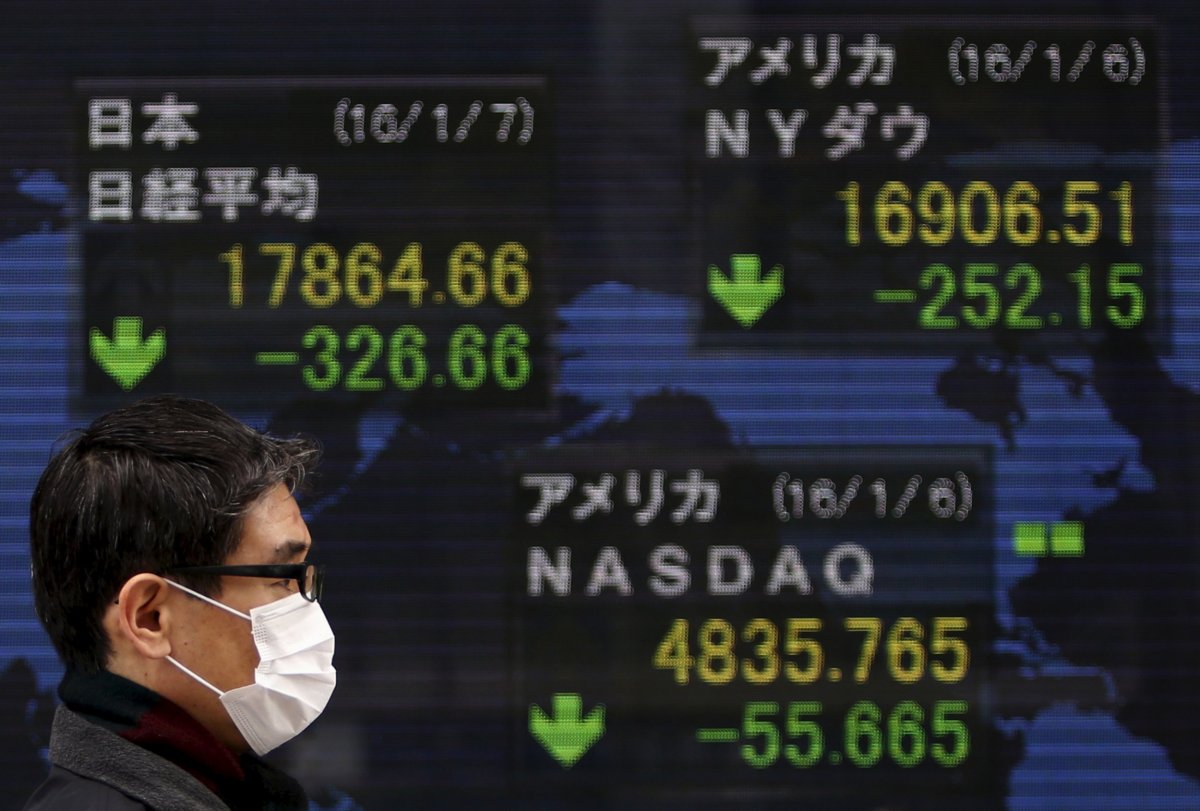
China’s stock market dropped in July despite government efforts to support it. Investors sold technology stocks even after China announced major tech advances, showing concern over profits and the wider economy.
Key Facts
China’s CSI 300 stock index fell 7.9% in July despite government support.
Chinese state-owned firms bought $8.9 billion in shares to try to stabilize the market.
Authorities held meetings urging stable and healthy capital markets.
China announced two major technology developments: a deep ultraviolet lithography machine and an advanced AI model called Kimi K3.
Investors sold technology stocks because they doubted these advances would lead to profits.
The biggest new stock offering was CXMT, a memory-chip company, but investors saw it as heavily subsidized and risky.
The Chinese economy faces challenges like a falling property market, 20% unemployment, and many people working gig jobs.
The government is trying to boost market confidence to encourage spending.
Read the Original
Want the full story? Tap a source to open the original
article.
A mining company in Rwanda called Trinity Metals exports tungsten from its Nyakabingo mine. This tungsten makes up about 20% of the tungsten used in the United States, including for defense purposes.
Key Facts
Trinity Metals is a mining company based in Rwanda.
It operates the Nyakabingo tungsten mine.
Tungsten from this mine accounts for up to 20% of the US primary tungsten concentrate consumption.
The tungsten is part of the US defense supply chain.
The article was issued on August 11, 2026.
Tungsten is a metal used in various industries, including defense.
This connection shows Rwanda as a supplier to the US mineral needs.
No further details about contract terms or volumes were given.
Read the Original
Want the full story? Tap a source to open the original
article.
A group of Malaysian farmers and environmental organizations wants the government to stop a test project involving genetically modified (GM) rice. They are concerned the GM rice could harm regular rice crops, the environment, and food safety.
Key Facts
The group includes 61 organizations representing farmers, consumers, and environmentalists.
The project is a field trial for GM rice tolerant to glyphosate herbicide and resistant to diseases.
The trial is proposed by Zen Cropscience and planned for northern Perak state.
The group worries GM rice could mix with normal and wild rice, causing contamination.
They fear increased use of glyphosate could create stronger weeds needing more chemicals.
There are concerns that leftover glyphosate could end up in food.
The group says Malaysia’s laws do not protect farmers well if their crops are harmed by contamination.
The National Biosafety Board says the trial will be contained and claims the risk is low but has not completed all safety tests.
Malaysia currently imports much of its rice and produces only about half of its consumption needs.
Read the Original
Want the full story? Tap a source to open the original
article.
Ina and David Steiner, a husband-and-wife reporting team, experienced a harassment campaign linked to eBay after covering the company for many years. After six years of legal battles, they settled for $55.7 million with eBay over threats and disturbing deliveries sent to their home in 2019.
Key Facts
Ina and David Steiner started reporting in Silicon Valley around 2000, focusing on tech and ecommerce.
They created EcommerceBytes, an online magazine with over 600,000 readers, supporting small business owners using platforms like eBay.
In 2019, they were subjected to a harassment campaign including live spiders, a bloody mask, and disturbing mail sent to their home and neighbors.
The Steiners installed home security and took safety precautions during the threats.
Police investigation linked the harassment to eBay employees using company resources.
The harassment appeared connected to Steiner’s reporting on eBay’s CEO and company issues.
In 2024, eBay and former executives agreed to a $55.7 million settlement with the Steiners after criminal and civil cases.
The case highlights risks journalists can face when reporting critically on powerful companies.
Read the Original
Want the full story? Tap a source to open the original
article.
The Lloyd Center shopping mall in Portland, which opened in 1960 with a popular ice rink, has closed along with its rink after nearly 70 years. This closure reflects a broader trend in the U.S. where mall ice rinks, once common and accessible community spaces, have disappeared as malls decline or are redeveloped.
Key Facts
Lloyd Center had an ice rink since 1960, first outdoor then enclosed by a glass ceiling.
The rink was a popular community spot for skating lessons, holiday events, and social gatherings.
The rink supported a Learn To Skate USA program with one of the highest enrollment rates in the country.
Lloyd Center’s ice rink closed recently, marking the end of rink skating within Portland city limits.
Mall ice rinks historically offered easy public access to skating without needing private club memberships.
The rink was downsized in 2016 to an oval shape, which limited competitive skating opportunities.
The mall also hosted other community activities like chess clubs, study groups, and social meet-ups.
Lloyd Center coach Alec Schmitt called it the “most inclusive rink” he had known, highlighting its community role.
Read the Original
Want the full story? Tap a source to open the original
article.
A woman bought a Prada handbag on the secondhand platform Vinted for £400, using their paid authentication service. Later, she found out at a Prada store and through an independent check that the bag was fake, but she could not get a refund because she had already accepted the item.
Key Facts
Dani Bekyarova-Delev bought a handbag in 2024 on Vinted for £400 with authentication for £10.
The handbag was later declared counterfeit by Prada and an independent authentication service.
Vinted’s experts check items offline by looking at details like stitching and logos but can’t guarantee authenticity.
Buyers have 2 days after receiving an item to report doubts if verification was used; 14 days if from a professional seller.
After accepting the bag as genuine, Bekyarova-Delev could not get a refund despite showing proof it was fake.
Designer bags like the one she bought normally sell for about £1,500 on the official Prada website.
Online sales of fake designer goods increased by 30% in 2025, according to Citizens Advice.
Platforms like Vinted, Depop, and eBay say they ban users who sell counterfeit items.
Read the Original
Want the full story? Tap a source to open the original
article.
Delivery drivers working for gig economy platforms in Australia will get a minimum pay rate of $31.30 an hour and personal injury insurance under new rules set by the Fair Work Commission. These standards aim to protect workers while keeping the flexible nature of on-demand delivery jobs.
Key Facts
The Fair Work Commission approved a minimum hourly pay rate starting at $31.30 for gig delivery workers.
The rules apply to workers delivering food, drinks, and groceries for platforms like UberEats and DoorDash.
The new standards take effect from August 17, 2024.
Delivery workers must maintain insurance for damage caused by their vehicles, but platforms will provide and pay for personal accident insurance.
Pay rates will increase by 50 cents per hour beginning January 1, 2027.
The standards provide clearer ways to resolve disputes and allow workers unpaid time off.
The rules cover any on-demand delivery platform operating in Australia, not just those involved in the application.
These changes follow workplace reforms by the Albanese government giving the industrial umpire power to set minimum standards for gig workers.
Read the Original
Want the full story? Tap a source to open the original
article.
France has introduced a new law banning unsolicited telemarketing calls to protect consumers from unwanted sales calls and fraud. The law requires companies to get prior consent before calling and imposes heavy fines on violators.
Key Facts
The new law in France prohibits businesses from calling consumers without their prior permission.
People can withdraw their consent to receive marketing calls at any time.
Violators face fines up to 75,000 euros per illegal call for individuals and 375,000 euros for companies.
About 75% of people in France receive at least one unwanted marketing call per week.
There are exceptions, like calls to customers who already have contracts or who gave explicit consent.
Consumers can report unwanted calls on a government website.
The law has raised concerns in Morocco, where call center jobs might be at risk due to less telemarketing work from France.
Morocco has a strong telemarketing industry, earning over $1 billion annually, mainly from French companies outsourcing there.
Read the Original
Want the full story? Tap a source to open the original
article.
Heathrow Airport has lost its title as Europe’s busiest airport to Istanbul Airport, which had more passengers in July 2024. Heathrow is operating nearly at full capacity and is pushing for government approval to build a third runway to handle more passengers and support economic growth.
Key Facts
Heathrow had 7.86 million passengers in July 2024.
Istanbul Airport had 8.15 million passengers in the same month, overtaking Heathrow.
Heathrow was Europe’s busiest airport from 1996 to 2019 and regained the title after 2020 until now.
Passenger traffic at Heathrow on Middle East routes dropped by 20.2% due partly to the US-Israel-Iran conflict.
Heathrow runs nearly at full capacity with two runways and wants permission to add a third runway.
The planned expansion would allow Heathrow to serve up to 150 million passengers a year; it handled 84.46 million passengers in 2023.
The UK government is consulting on Heathrow’s expansion plan, with aims to build the third runway by 2035.
New airlines from Italy, the US, and Saudi Arabia have started flights to Heathrow, showing high demand.
Read the Original
Want the full story? Tap a source to open the original
article.
London Heathrow Airport lost its position as Europe’s busiest airport to Istanbul Airport in July, with Istanbul serving 8.15 million passengers compared to Heathrow’s 7.86 million. Heathrow has faced a drop in Middle East passenger traffic due to the US-Israel conflict with Iran and is planning to expand by building a third runway to handle more passengers.
Key Facts
Istanbul Airport had 8.15 million passengers in July 2025, while Heathrow had 7.86 million.
Heathrow was Europe’s busiest airport from 1996 to 2019 and again since 2023, except during the 2020 pandemic.
Passenger numbers on routes to the Middle East from Heathrow fell by 20.2% in July 2025.
Heathrow operates two runways nearly at full capacity and wants approval to build a third runway.
The airport recorded 84.46 million passengers in the first half of 2025.
Heathrow’s busiest day in 2025 was July 19, with 267,000 passengers.
Heathrow plans an expansion to handle up to 150 million passengers annually.
The airport will charge airlines higher fees to recover costs spent on the third runway project’s early work.
Read the Original
Want the full story? Tap a source to open the original
article.
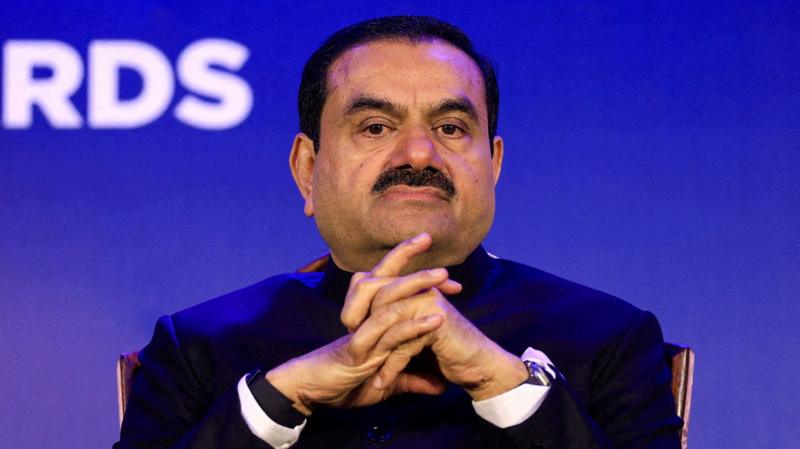
A US judge dismissed criminal bribery and fraud charges against Indian billionaire Gautam Adani. The judge criticized the unusual way the case was dropped but confirmed the charges could not be brought back.
Key Facts
Gautam Adani was accused in 2024 of bribing Indian officials and misleading US investors.
Adani and his companies denied any wrongdoing.
US District Judge Nicholas Garaufis approved the Justice Department’s request to drop the charges.
The judge criticized that a top official made the decision without consulting prosecutors and investigators.
The Justice Department said the case was hard to prosecute because much alleged conduct happened outside the US.
Adani hired a new legal team led by Robert Giuffra Jr., a personal lawyer to President Donald Trump.
Adani promised to invest $10 billion in the US and create 15,000 jobs, but the judge said this did not influence the dismissal decision.
The charges were dismissed with prejudice, so they cannot be filed again.
Separate from this case, Adani and related companies settled other US regulatory penalties worth millions of dollars.
Read the Original
Want the full story? Tap a source to open the original
article.
Nvidia has teamed up with six big Wall Street firms to raise over $500 billion to fund artificial intelligence projects. The plan will create special financing platforms to help investors put money into AI computing as a new type of investment.
Key Facts
Nvidia partnered with Apollo, BlackRock, Blackstone, Brookfield, Goldman Sachs, and KKR.
The total money to be raised for AI infrastructure is more than $500 billion.
Nvidia CEO Jensen Huang said Nvidia can back up to $125 billion of this financing.
The deal will allow outside investors to treat AI computing power as an investment asset.
Big tech companies’ AI spending is expected to go beyond $730 billion this year.
Nvidia is valued at $5.3 trillion and supplies AI technology to companies like Google, Amazon, Microsoft, and Meta.
The exact financial terms and schedule for using the $500 billion were not revealed.
Executives emphasize AI computing as a crucial infrastructure for industries and countries.
Read the Original
Want the full story? Tap a source to open the original
article.
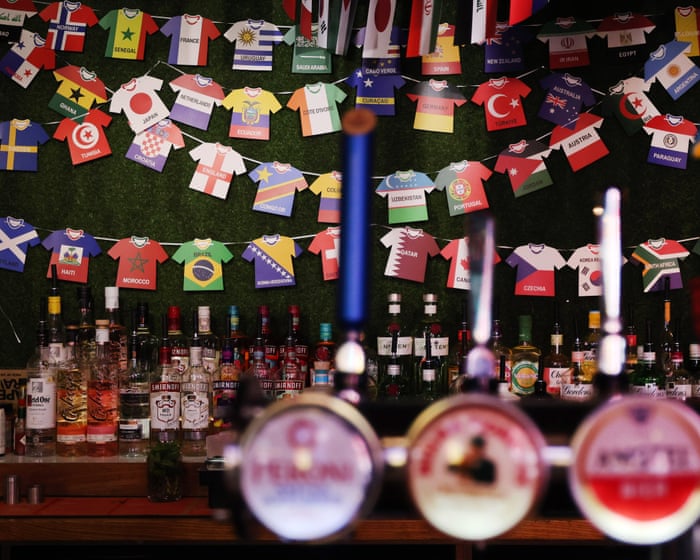
Consumer confidence in the UK reached its highest level in nearly two years in July, helped by the final stages of the men’s football World Cup and more people taking holidays within the country. Barclays reported a rise in consumer spending, especially in pubs, cinemas, and UK accommodations, while some retailers saw mixed results during the summer heat.
Key Facts
In July, 30% of people surveyed felt confident about the UK economy, the best since February 2022.
Consumer card spending increased by 2% compared to the same month last year.
Spending in pubs rose by 10%, partly due to England’s World Cup performance, adding about £150 million in sales.
Cinema card spending grew by 2.6%, supported by popular movies like Toy Story 5 and The Odyssey.
Heatwaves led to less spending on airplane tickets and more on UK holidays, with accommodation spending up 2.6%.
Food sales grew by 3.8% year on year in July, while sales of big items like furniture and computers fell.
Retailers such as John Lewis, H&M, and Zara reported tough trading conditions, but toy shops like HMV saw visitor numbers rise by 12%.
Next upgraded its profit forecast for the third time in 2024 due to good weather and a calmer global economy.
Read the Original
Want the full story? Tap a source to open the original
article.
Oil prices stayed steady after a big jump the previous day, as uncertainty remains about when the Strait of Hormuz will reopen for oil shipments. Asian stock markets showed mixed results, with some rising and others falling, while U.S. futures moved slightly higher.
Key Facts
Brent crude oil held steady at $87.72 per barrel, and U.S. crude was steady at $82.13 after a 5% rise the day before.
Oil prices have been volatile recently due to hopes and concerns over a U.S.-Iran deal affecting shipping through the Strait of Hormuz.
South Korea’s Kospi index rose by 1.5%, helped by a 4.6% gain in Samsung Electronics shares.
Hong Kong’s Hang Seng index dropped 0.6%, and Shanghai’s index edged down 0.1%.
Australia’s main stock index went up 0.5% after the Reserve Bank kept interest rates unchanged at 4.35%.
U.S. stock indices showed small declines after recent records, with the S&P 500 down 0.1%.
U.S. companies are reporting strong profit growth, with earnings up about 50% from last year.
Berkshire Hathaway gained 1.5% after reporting better profits and increasing stock investments under CEO Greg Abel.
MarineMax shares jumped 46.1% after agreeing to sell itself for $1.5 billion in cash to a Blackstone portfolio company.
Varex Imaging shares rose 48.8% following an acquisition announcement by Teledyne Technologies.
Read the Original
Want the full story? Tap a source to open the original
article.
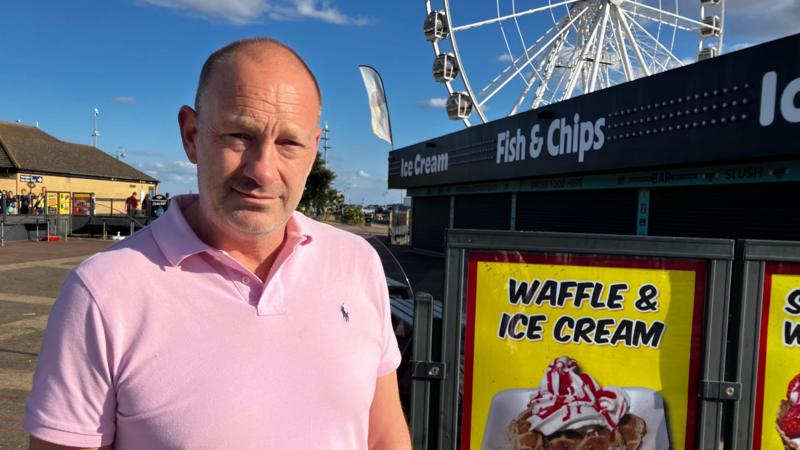
Seaside businesses in Skegness, England, report fewer evening customers and less spending despite a rise in overall visitors. Traders say many visitors are day trippers who come during the day but leave early, affecting local shops, cafes, and pubs.
Key Facts
Visitor numbers on the east coast increased by 8% in 2025 compared to 2024, reaching 2.94 million.
The economic impact of tourism in East Lindsey District was about £752 million in 2025, up 15%.
Local businesses like fish and chip cafes and pubs have fewer customers in the evening and are closing earlier.
Many visitors now are day trippers who spend less time and money than holidaymakers staying overnight.
Visitor days in serviced accommodations dropped from 856,000 in 2023 to 722,000 in 2025.
Non-serviced accommodation visitor days increased from 8.1 million to 8.9 million in the same period.
Tourism supports nearly 7,000 jobs in the East Lindsey District, a 5% increase from before.
Visitors say they enjoy their holidays but cut back on spending due to rising costs.
Read the Original
Want the full story? Tap a source to open the original
article.
President Donald Trump’s media company, Trump Media & Technology Group (TMTG), reported a loss of $238 million in the second quarter of 2026, despite earning $1.7 million in revenue. Most of the loss was due to decreases in the value of digital assets and securities, with the company’s total losses reaching $644 million in the first half of 2026.
Key Facts
TMTG reported a net loss of $238 million for April-June 2026.
The company earned $1.7 million in revenue during the same period.
$190.4 million of the loss came from unrealized losses on digital assets and securities.
Additional losses included $11.7 million in unpaid interest added to loans and $8.1 million from stock-based pay.
The company’s revenue grew 89% compared to last year, mostly from advertising and subscriptions.
TMTG’s total losses in the first half of 2026 were $644 million against $2.5 million in revenue.
TMTG owns Truth Social, Truth+ streaming, and Truth.Fi fintech, and recently launched Truth API, a paid market data service.
Truth Social’s user visits dropped by more than one-third year-over-year in July 2026, lagging behind bigger social platforms.
Read the Original
Want the full story? Tap a source to open the original
article.
The Reserve Bank of Australia (RBA) kept the official cash rate steady at 4.35% after three hikes earlier in the year. The RBA warned that house prices are falling across several cities, which will slow income growth and household spending, but said it may raise rates again if inflation remains high.
Key Facts
The RBA held the cash rate at 4.35% following three increases in 2024.
House prices are falling in Sydney, Melbourne, Brisbane, Perth, and Adelaide.
Inflation is still above the target at 3.8% yearly, with the goal of reaching 2.5% by late 2027.
Falling home values are expected to reduce household wealth and spending in 2026.
New home loans have slowed, with a sharp drop in investor loan commitments and home loan applications.
Some banks are lowering advertised mortgage rates to compete for customers.
Most mortgage holders have buffer savings covering around a year of repayments.
Economic growth is forecast to be about 1.4% in 2026, partly supported by increased datacentre investment.
Read the Original
Want the full story? Tap a source to open the original
article.
President Donald Trump’s media company, Trump Media & Technology Group, is stopping most of its new business projects to focus again on its main media platform, Truth Social. The company is now selling fast access to President Trump’s posts for a high fee, which could significantly increase its income despite raising ethical concerns.
Key Facts
Trump Media & Technology tried several new businesses like online betting, finance, bitcoin storage, and nuclear energy but none succeeded.
The company is returning to its original focus on Truth Social, a social media platform started by President Trump after being banned from other sites.
They are offering a service that sells rapid access to President Trump’s posts for a fee to clients including traders and data companies.
Trading firms pay between $60,000 and $100,000 per month for this fast access.
This new service could boost the company’s revenue two to three times what it earned last year.
The company lost over $1 billion since early last year, including a $238 million loss in the latest quarter.
Much of the recent loss is due to a drop in the value of bitcoin the company holds.
The company has a $1 billion loan with a repayment deadline in November 2026, adding financial pressure to improve results soon.
Read the Original
Want the full story? Tap a source to open the original
article.
Trump Media and Technology Group, which runs President Trump’s Truth Social platform, reported a $238 million loss from April to June. The company’s losses increased mainly due to its investments in cryptocurrencies, but its revenue grew by 89% compared to last year.
Key Facts
The company lost $238 million between April and June 2024, over 10 times more than the same period in 2023.
Revenue for the quarter was $1.7 million, up 89% from the year before.
Losses were caused mainly by a drop in cryptocurrency values held by the company.
Total assets at the end of June were about $2 billion, including $1.9 billion in cash, short-term investments, and digital currencies.
The company has not yet made a profit.
Trump Media expanded into areas like cryptocurrency and clean energy investment.
It launched a new paid service giving traders faster access to President Trump’s posts on Truth Social.
More than 10 customers have signed up for this new service, which aims to create a new revenue stream.
Read the Original
Want the full story? Tap a source to open the original
article.
Donald Trump’s media company, which owns the social media platform Truth Social, reported a loss of $238 million in the second quarter. The company is shifting its focus back to social media after trying new ventures like cryptocurrency and online betting.
Key Facts
Trump Media & Technology lost $238 million from April to June.
The company tried expanding into crypto and online betting but will now focus on social media.
They launched a service called Truth API that sells early access to Trump’s Truth Social posts to trading firms for $60,000 to $100,000 a month.
Ten high-frequency trading firms have signed up for Truth API, which helps them trade stocks fast based on Trump’s posts.
Critics say this paid access could be a conflict of interest because Trump is president, but the company says such services are common in finance and media.
Trump Media plans to continue a merger with energy company TAE Technologies for a nuclear fusion project.
In the quarter, the company made $1.7 million in revenue, more than double from last year.
The company holds $1 billion in debt due in 2028, with lenders possibly requiring repayment in November, and has over $400 million in cash plus $1.2 billion in bitcoin assets.
Read the Original
Want the full story? Tap a source to open the original
article.