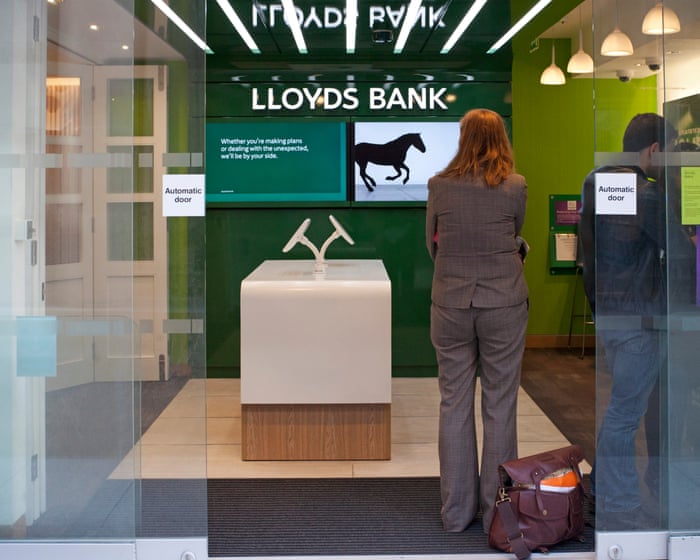
Lloyds Banking Group plans to cut £2 billion in costs over the next four years by using new technology and artificial intelligence (AI) to grow. The bank will invest £13 billion by 2030 to improve services, expand internationally, and increase shareholder returns.
Key Facts
Lloyds will launch a new strategy in January focusing on AI and technology to attract customers and improve efficiency.
The bank aims to provide AI-powered advice for pensions and personalized offers based on customer behavior.
Lloyds plans to reduce costs by £2 billion, possibly affecting jobs and office spaces, but details remain unclear.
The bank will expand its corporate banking in the US and Europe, shifting from past retrenchment after the 2008 crisis.
AI and blockchain are expected to speed up mortgage approvals to around three days.
Lloyds will strengthen its car loan business with a new app for drivers to buy, insure, and charge electric vehicles.
Second-quarter profits rose 14% to £2.3 billion, allowing for higher dividends and a £1 billion share buyback.
Lloyds’s share price increased by 1.7% after the announcement.
Read the Original
Want the full story? Tap a source to open the original
article.
The Federal Reserve kept its main interest rate steady this week, even though some policymakers wanted to raise it. Mortgage rates have been rising due to higher energy prices and concerns about inflation, which could make home loans more expensive for buyers soon.
Key Facts
The Federal Reserve's benchmark interest rate remains between 3.50% and 3.75%.
Three out of 12 Federal Reserve policymakers voted to increase rates.
President Donald Trump supports the Fed chairman but says the board wants to keep rates high.
Mortgage rates, especially 30-year fixed loans, have reached their highest level in nearly a year.
Long-term Treasury yields influence mortgage rates and recently hit their highest since 2007.
Rising oil prices and inflation are major reasons mortgage rates are climbing.
Analysts expect possible interest rate hikes later this year, which could push mortgage rates above 7%.
Borrowers are advised to consider locking in current mortgage rates to avoid potential increases.
Read the Original
Want the full story? Tap a source to open the original
article.
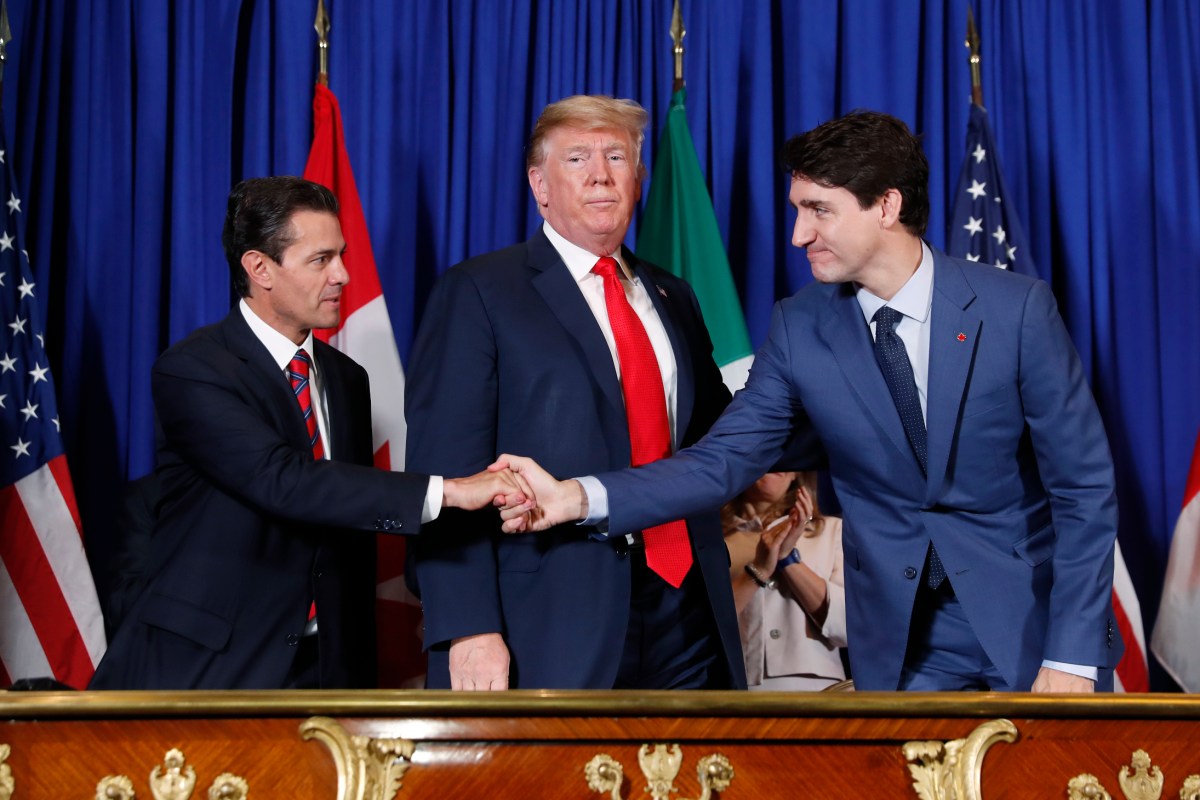
The United States, Canada, and Mexico are negotiating changes to the United States-Mexico-Canada Agreement (USMCA). The key issue is how much the countries value the stable legal rules that have supported decades of economic cooperation across North America, rather than just focusing on tariffs and trade rules.
Key Facts
US, Canadian, and Mexican officials are discussing updates to the USMCA trade deal.
The current US government declined to renew the USMCA in its existing form.
North America has developed strong economic ties over 30 years through integrated supply chains and investments.
The stability of legal rules and institutions has been a main reason businesses invest across the region.
Businesses value predictable legal frameworks more than just low tariffs because it reduces uncertainty.
Changes or uncertainty in trade agreements can affect investments in factories and infrastructure.
The Gordie Howe International Bridge is a new project to support cross-border commerce between Canada and the U.S.
Despite trade disputes, the bridge aims to improve trade flow and economic integration in the region.
Read the Original
Want the full story? Tap a source to open the original
article.
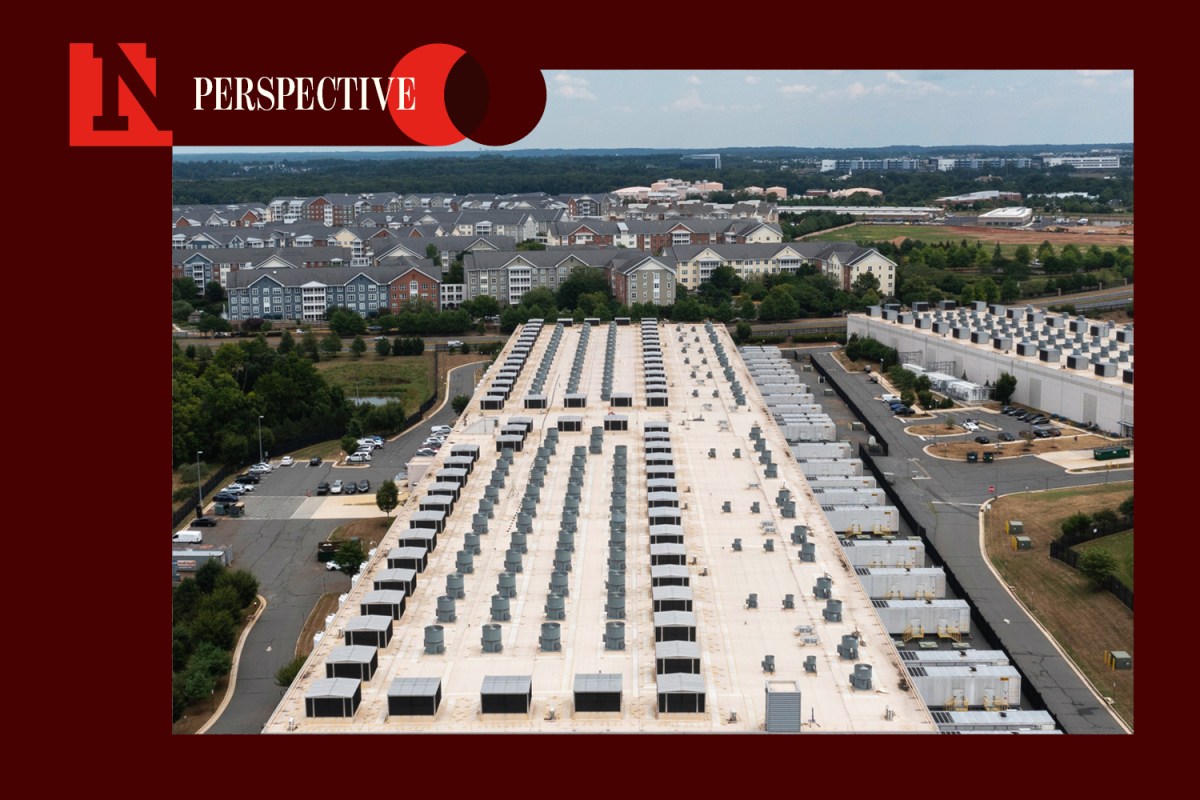
Data centers are growing in many American towns, bringing new buildings full of computers that use lots of power and water. If local leaders make good deals, these data centers can bring in tax money that helps lower property taxes and fund schools and infrastructure without raising costs for residents.
Key Facts
Data centers are large facilities filled with computers that store and process data.
They use significant land, electricity, and water resources in communities where they build.
Unlike homes, data centers bring in commercial tax revenue without increasing local service needs like schools or roads.
In Loudoun County, Virginia, data centers helped fund public services and kept property taxes low.
Local officials should negotiate clearly to ensure data centers lower residents’ property taxes and contribute to community costs.
Agreements can include funds for specific needs like teacher bonuses, school grants, and facility upgrades.
The cost of new electric infrastructure needed by data centers should be paid by the companies, not the residents.
Proper deals can make data centers help communities financially, but poor negotiations might leave residents paying more.
Read the Original
Want the full story? Tap a source to open the original
article.
US government borrowing costs rose to their highest level in 19 years after the Federal Reserve decided to keep interest rates the same. The Fed’s choice raised concern about whether it is acting fast enough to control inflation, which has been affected by recent conflict involving President Trump.
Key Facts
The yield on the 30-year US Treasury bond increased to about 5.24%, the highest since 2007.
The Federal Reserve kept its main interest rate between 3.5% and 3.75% for the fifth time in a row.
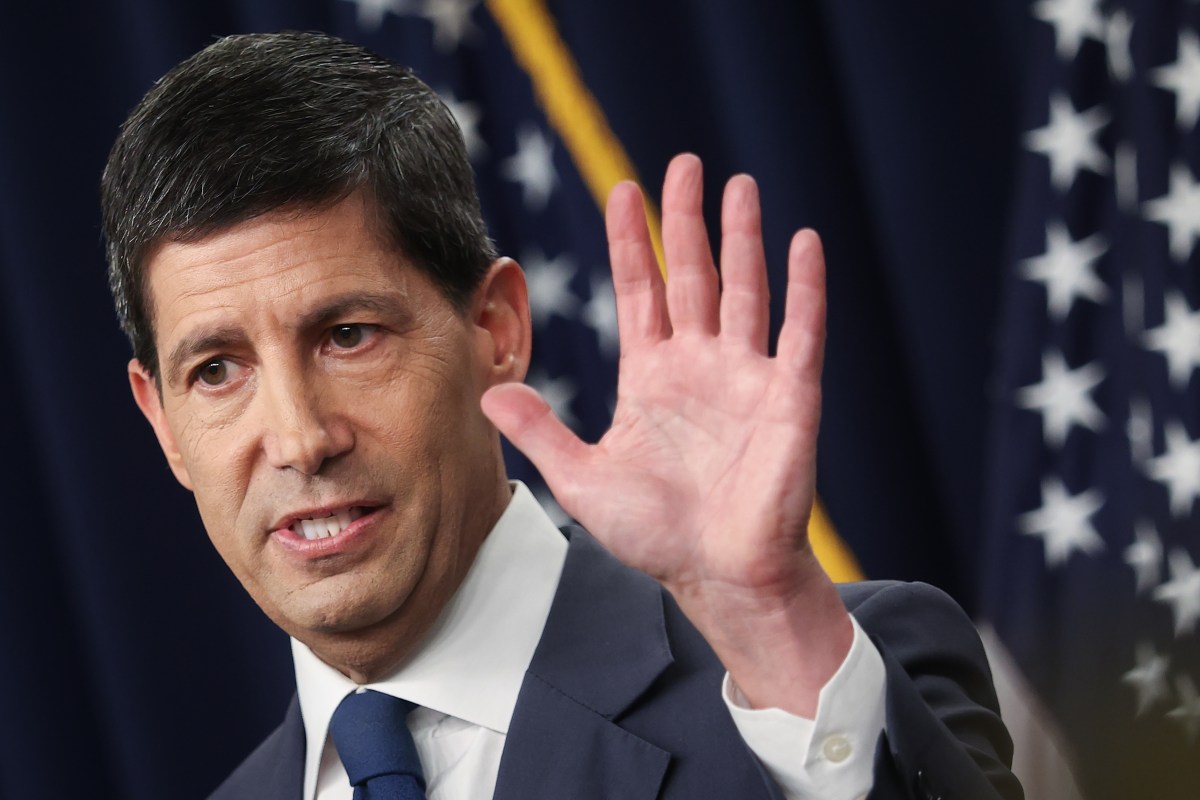
Fed Chair Kevin Warsh affirmed the Fed’s commitment to keeping inflation at a 2% target.
Inflation in the US slowed to 3.5% annually in June but risks rose again after fighting resumed between the US and Iran.
Higher bond yields have already increased borrowing costs for the overall economy.
Markets reduced their expectation of a rate increase in September after the Fed’s decision.
US stock markets dropped following the Fed meeting, with major indexes falling between 1.5% and 2.2%.
Some experts feel the Fed’s reasons for not raising rates now were not clearly explained.
Read the Original
Want the full story? Tap a source to open the original
article.
Aidan and Catherine McGowan recently bought a 1906 farmhouse in South Dakota and discovered severe stains and bad smells under the carpet while renovating. They plan to repair the floors and walls themselves despite having no renovation experience.
Key Facts
The McGowans bought a 120-year-old farmhouse on 10 acres in South Dakota.
They noticed a strange smell and stains under the carpet in one room.
The stains were brown and yellow, covering almost the entire floor underneath the carpet.
The couple plans to remove the subfloor, cut out the bottom part of the drywall, and install new hardwood floors.
Their renovation projects keep growing bigger, leading to many trips to the hardware store.
They have no prior experience in home renovation and are learning as they go.
Renovation costs for whole houses in the U.S. can range from $20,000 to $200,000.
Some social media viewers shared their own stories of hidden problems found during home renovations.
Read the Original
Want the full story? Tap a source to open the original
article.
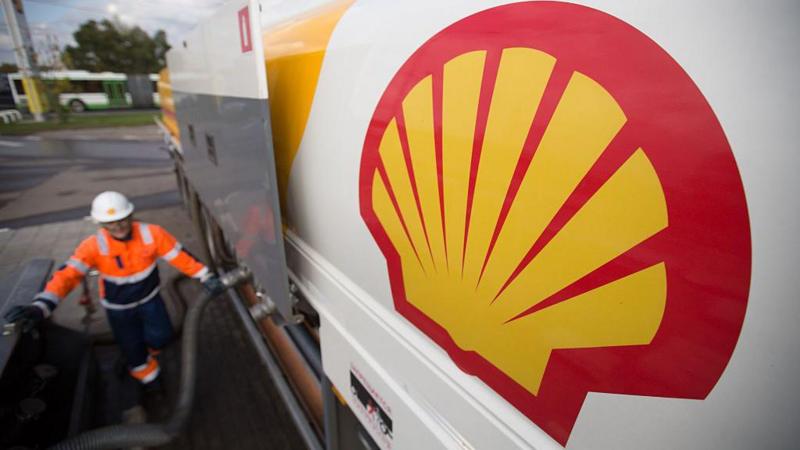
Shell’s profits for the second quarter of 2026 more than doubled compared to last year, reaching $9.84 billion. The rise in oil prices followed the outbreak of a war involving Iran, which disrupted global oil and gas supplies through the key shipping route, the Strait of Hormuz.
Key Facts
Shell earned $9.84 billion in profits from April to June 2026, up from $4.26 billion in the same period last year.
The US-Israel war with Iran caused major disruptions to oil and liquid natural gas supply via the Strait of Hormuz.
Oil prices increased sharply, with Brent crude rising from about $73 per barrel before the conflict to above $120 at peak.
Shell’s CEO Wael Sawan said the company’s strong operations helped it achieve high profits despite energy market disruptions.
Shell’s total earnings in the first half of 2026 rose by 70% compared to last year, totaling over $16 billion.
Other energy companies like BP and Equinor also saw large profits this year due to oil price changes.
Large shifts in oil prices allow traders to profit more by buying and selling at wider price differences.
The Strait of Hormuz remains a critical oil route, and its closure impacts global energy markets significantly.
Read the Original
Want the full story? Tap a source to open the original
article.
Shell’s profit more than doubled to $9.84 billion in the second quarter of 2024. The rise in profits is linked to higher oil and gas prices caused by disruptions from the Middle East conflict.
Key Facts
Shell’s net profit for April to June 2024 was $9.84 billion, more than twice the amount a year earlier.
Oil prices increased from about $61 per barrel in January to a high of $126 in late April.
The conflict in the Middle East disrupted oil and gas flows, especially through the Strait of Hormuz.
Shell’s gas production dropped by 30%, partly due to a strike that damaged its Qatar LNG plant in March.
Repairs to the damaged LNG plant will take about one year.
Environmental groups are calling for a windfall tax on oil companies to support households facing high energy costs.
Campaigners urge governments to use tax revenue to help with climate resilience and energy transition.
Read the Original
Want the full story? Tap a source to open the original
article.
An Italian friar discovered a 19th-century recipe from a Florence convent for a wine-based tonic made with coca leaves and kola nuts. The recipe resembles the original formula used by John Pemberton to create Coca-Cola, though there is no direct evidence linking the two.
Key Facts
The recipe was found in archives at the San Marco convent in Florence by Father Manuel Russo.
The tonic combined Bolivian coca leaves, kola nuts, and wine, meant to fight fatigue and aid recovery.
Coca leaves were imported to Italy by missionaries and widely used before being banned in 1961.
John Pemberton created Coca-Cola in 1886 using coca leaf extract and kola nuts but mixed them with carbonated water instead of wine.
Similar coca leaf medicines were produced in Italy and France during the 19th century.
The San Marco tonic was popular and sold for 2 to 6 Italian lira, which equals less than a cent today.
The convent pharmacy still exists and has historic items like a crocodile hanging from the ceiling, a symbol of rare ingredients.
Another possible inspiration for Coca-Cola is an alcoholic syrup called Kola Coca made in Spain in 1885.
Read the Original
Want the full story? Tap a source to open the original
article.
The FTSE 100 index is expected to drop after the US Federal Reserve decided to keep interest rates unchanged despite concerns about rising inflation. Oil prices increased due to tensions between the US, Israel, and Iran, putting additional pressure on markets. Meanwhile, Rolls-Royce raised its profit forecast, showing strong business performance.
Key Facts
The FTSE 100 index reached a record high of 10,951 points but fell to 10,864 points later.
The US Federal Reserve kept interest rates the same amid rising inflation concerns.
Oil prices rose because of conflicts involving the US, Israel, and Iran.
Investors are worried the Fed may struggle to control inflation, leading to higher bond yields.
The S&P 500 index closed down 1.52% after fluctuating during the Fed announcement.
Semiconductor stocks fell sharply, with the Philly semiconductor index dropping 5.33%.
Some UK companies like BAE Systems, Lloyds Banking Group, and Shell reported earnings.
Rolls-Royce raised its full-year profit forecast to between £4.7 billion and £4.9 billion.
Read the Original
Want the full story? Tap a source to open the original
article.
Lettuce prices rose sharply in early 2026 due to hot weather in Arizona, affecting supply for many restaurants. A cyclospora parasite outbreak linked to shredded lettuce, especially at Taco Bell, has caused health concerns and lowered customer visits at several salad chains.
Key Facts
Arizona produces about one-third of the lettuce in the U.S., and hot weather there caused supply problems early in 2026.
Prices for iceberg and other lettuces increased significantly, with iceberg costing about 25 cents more per head than last year.
A cyclospora parasite outbreak linked to shredded iceberg lettuce caused thousands of Americans to get sick.
Taco Bell stopped using shredded iceberg lettuce from Taylor Farms after the outbreak and saw a 21% drop in customer visits.
Other salad chains like Chopt and Sweetgreen also experienced fewer customers and lower sales during the outbreak period.
The Food and Drug Administration continues investigating the outbreak to understand its full scope.
Fuel price increases, related to geopolitical events in the Persian Gulf, contributed to higher costs for producing and transporting lettuce.
Some salad mixes were sold cheaper than last year, offering some relief to shoppers.
Read the Original
Want the full story? Tap a source to open the original
article.
Oil prices dropped and most Asian stock markets fell, with South Korea’s main stock index, the Kospi, continuing to lose value after recent sharp declines. The changes come amid ongoing U.S.-Iran tensions, including recent U.S. military strikes on Iran and President Trump’s warning of strong retaliation.
Key Facts
Oil prices went down despite renewed conflict between the U.S. and Iran.
The Kospi stock index in South Korea fell 1.3% on Thursday, continuing a recent drop of more than 16% over two days.
The Kospi has dropped over 35% from its June high but is still up about 30% for the year.
Samsung Electronics reported record profits and its stock rose 2.4%.
SK Hynix also reported record profits but its shares fell 4% after missing analyst expectations.
Japan’s Nikkei 225 index gained 0.6%, with some chip-related stocks rising.
Taiwan’s Taiex stock index gained 0.8%, helped by gains in semiconductor company TSMC.
Oil prices remain volatile amid U.S.-Iran military tensions, with President Trump stating the U.S. would respond strongly to Iranian attacks.
Read the Original
Want the full story? Tap a source to open the original
article.
Car makers in the UK are waiting for the government to relax rules that require more electric car sales before they invest in new factories. The government is considering weakening these rules to support the industry, which is facing challenges like competition from China and extra costs for electric car technology.
Key Facts
The UK government enforces a rule called the zero emission vehicle mandate, which requires car makers to sell more electric cars each year until 2030.
The Society of Motor Manufacturers and Traders (SMMT) says car makers are delaying investments until this rule is eased.
Business Secretary Jonathan Reynolds has said the government will likely soften the mandate.
UK car production dropped by 7.5% in the first half of 2026 compared to last year.
Some companies that might delay investment include Toyota, Mini, Nissan, and Jaguar Land Rover.
The UK’s trading relationship with the EU affects car makers, especially if tariffs are applied or if batteries must be sourced from Europe.
The electric car charging industry and environmental groups oppose weakening the mandate due to concerns about increased carbon emissions.
The EU is also reviewing subsidy rules for cars made in Europe, which may affect UK manufacturers.
Read the Original
Want the full story? Tap a source to open the original
article.
The U.S. Department of Agriculture (USDA) will invest $25 million to open a new facility in Arizona that produces sterile flies. These flies will help control the New World Screwworm, an insect that harms livestock. The announcement was made by Agriculture Secretary Brooke Rollins during a visit to Arizona.
Key Facts
The USDA is investing $25 million to build a sterile fly dispersal facility in Arizona.
The facility aims to fight the New World Screwworm insect.
New World Screwworms cause damage to livestock by infesting wounds.
Agriculture Secretary Brooke Rollins announced the investment.
Arizona Republican Representatives Andy Biggs, Juan Ciscomani, and Eli Crane supported the project.
The sterile fly method works by releasing sterilized flies to reduce the pest population.
The project is part of efforts to protect the agricultural industry in the U.S.
Read the Original
Want the full story? Tap a source to open the original
article.
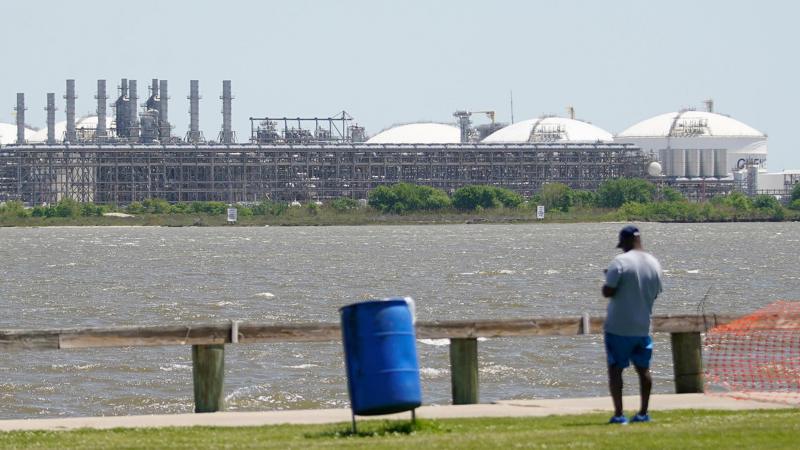
Cameron Parish in Louisiana was devastated by Hurricane Rita in 2005, but it has since become a major center for exporting liquefied natural gas (LNG). The area now hosts the world’s largest LNG export terminal and is expected to generate over $4 billion in tax revenue during the next decade.
Key Facts
Hurricane Rita in 2005 destroyed or badly damaged over 90% of homes in Cameron Parish.
The Sabine Pass LNG terminal in Cameron Parish is the largest LNG export terminal in the world and started exports in 2016.
LNG is natural gas cooled to -162°C so it becomes liquid, shrinking its volume and making storage and shipping easier.
Cameron Parish has two more LNG terminals, with a fourth one under construction costing $13 billion.
The new Commonwealth LNG terminal aims to produce 9.5 million tonnes of LNG annually by 2030.
Louisiana ships about 60% of the U.S. LNG exports, and Cameron Parish is responsible for two-thirds of Louisiana’s total export.
Tax revenues from all LNG terminals in Cameron Parish are expected to exceed $4 billion over the next 10 years.
Local household income in the parish increased by 25% from 2010 ($59,555) to 2024 ($75,000).
Read the Original
Want the full story? Tap a source to open the original
article.
Japan is importing crude oil from Canada for the first time since 2025 due to supply problems through the Strait of Hormuz caused by the conflict involving the US and Israel in Iran. The Trans Mountain pipeline in Canada is now a key source of oil for Japan and other Asian countries, helping them diversify their supplies.
Key Facts
A shipment of Canadian crude oil is on its way to Japan, carried by the ship Freedom Glory.
The oil was bought by Eneos, Japan’s largest oil refiner.
Japan lowered its economic growth forecast to 0.9% because of higher oil prices.
Before February, Japan got over 90% of its oil through the Strait of Hormuz, which is now disrupted by conflict.
The Trans Mountain pipeline carries up to 890,000 barrels of oil daily from Alberta to the west coast of Canada.
Around 77% of oil exported from Vancouver this year went to Asia, up from 51% in 2024.
Other Asian countries like India, Malaysia, and Singapore are also buying Canadian oil via this pipeline.
Canadian Prime Minister Mark Carney said Canada does not plan to use its oil supplies as a political tool despite US tariffs on Canadian products.
Read the Original
Want the full story? Tap a source to open the original
article.
Samsung Electronics reported a record operating profit of 89.5 trillion won ($62 billion) for the April-June 2026 quarter, mainly from its semiconductor business driven by demand for AI-related memory chips. Despite this, its stock price fell amid investor worries over high spending plans and growing competition from Chinese chipmakers.
Key Facts
Samsung’s operating profit for Q2 2026 increased more than 19 times compared to the previous year.
The semiconductor division, especially memory chips for AI servers, was the main profit source.
Samsung’s revenue reached a record 171.5 trillion won ($119 billion) in the same period.
SK Hynix also reported record revenue of 60.5 trillion won ($42 billion) but fell short of profit expectations.
Shares of Samsung and SK Hynix declined due to concerns about heavy investments and competition.
Chinese companies are advancing in chipmaking technology, increasing competition threat.
South Korea is investing heavily in semiconductor manufacturing to support AI growth.
Investor uncertainty comes from whether large capital spending will bring enough financial returns.
Read the Original
Want the full story? Tap a source to open the original
article.
The UK government is investing £8.4 billion in building new Dreadnought-class nuclear submarines to replace older vessels and maintain the country’s security. This project will also support tens of thousands of jobs and apprenticeships, especially around Barrow-in-Furness, where the submarines are being built.
Key Facts
The UK is building four new Dreadnought-class nuclear submarines to replace four older Vanguard-class submarines.
The Vanguard submarines have been in use since 1992 and will be retired in the 2030s.
The £8.4 billion investment marks the start of the fourth phase of this long-term project, first announced in 2006.
The Defence Investment Plan includes £63.6 billion over four years for nuclear defence, most of which supports submarines and related facilities.
About 47,000 jobs currently depend on the UK’s nuclear defence spending, expected to rise to 65,000 by 2030.
The government plans to increase apprenticeships, with a goal of 22,000 apprenticeships by 2035.
Public contracts will favor companies offering 45-day work placements to help young people gain job experience.
Prime Minister Andy Burnham emphasized that defence investment also helps local economies and skills development.
Read the Original
Want the full story? Tap a source to open the original
article.
The Dow Jones stock market index fell sharply on Wednesday, marking its worst day since April 2025. This drop happened after the Federal Reserve decided not to change interest rates because inflation remains high and energy prices increased.
Key Facts
The Dow experienced its largest single-day decline since April 2025.
The Federal Reserve kept interest rates the same instead of raising or lowering them.
Inflation is still high, which means prices for goods and services are increasing.
Energy prices went up, adding pressure to the economy.
Investors reacted negatively to the Federal Reserve's decision.
The Federal Reserve's choice affects borrowing costs and the stock market.
Experts, like Emily Russell from Barron’s, provide analysis on these market moves.
Read the Original
Want the full story? Tap a source to open the original
article.
The cost of burgers and related foods like bread and salad has gone up a lot since last summer, but farmers and food producers are not making more money. Farmers say they get paid less for their beef while shoppers pay more in stores. Other parts of the supply chain, like bakers and flour mills, also face rising costs.
Key Facts
Prices for beef, bread buns, and salad have risen sharply over the past year.
Farmers are receiving on average 8% less money for beef compared to the previous year.
Shoppers are paying about 9% more for beef products like burgers.
A cattle farmer in Lincolnshire has 200 animals sold to a supermarket but struggles with falling beef prices.
Bakers have increased prices slightly to cover higher costs like wages, rent, and fuel but do not make large profits.
Farm wheat prices have dropped slightly, while bread roll prices have increased by 2%.
A flour mill in North Yorkshire raised prices due to higher transportation costs.
Government says it is investing £11.8 billion to support farmers, but some still feel economic pressure.
Read the Original
Want the full story? Tap a source to open the original
article.