After the Federal Reserve paused interest rate changes, high-yield savings accounts have become a good choice for savers. These accounts offer higher interest rates than traditional savings accounts and can increase rates if the Fed raises interest rates later.
Key Facts
The Federal Reserve paused interest rate changes for the fifth time in 2024 but may increase rates in 2026.
Traditional savings accounts now offer very low interest rates, about 0.38%.
High-yield savings accounts can offer interest rates of around 4.10%, higher than money market accounts.
Interest rates on high-yield savings accounts are variable, meaning they can go up or down with market changes.
If the Fed raises rates, high-yield savings accounts are likely to increase their rates as well.
High-yield savings accounts allow easy access to money, unlike certificates of deposit (CDs) that lock funds for a set time.
These accounts help savers earn more interest while keeping funds flexible during uncertain economic times.
Online banks often offer better rates and terms for high-yield savings accounts than traditional banks with physical branches.
Read the Original
Want the full story? Tap a source to open the original
article.
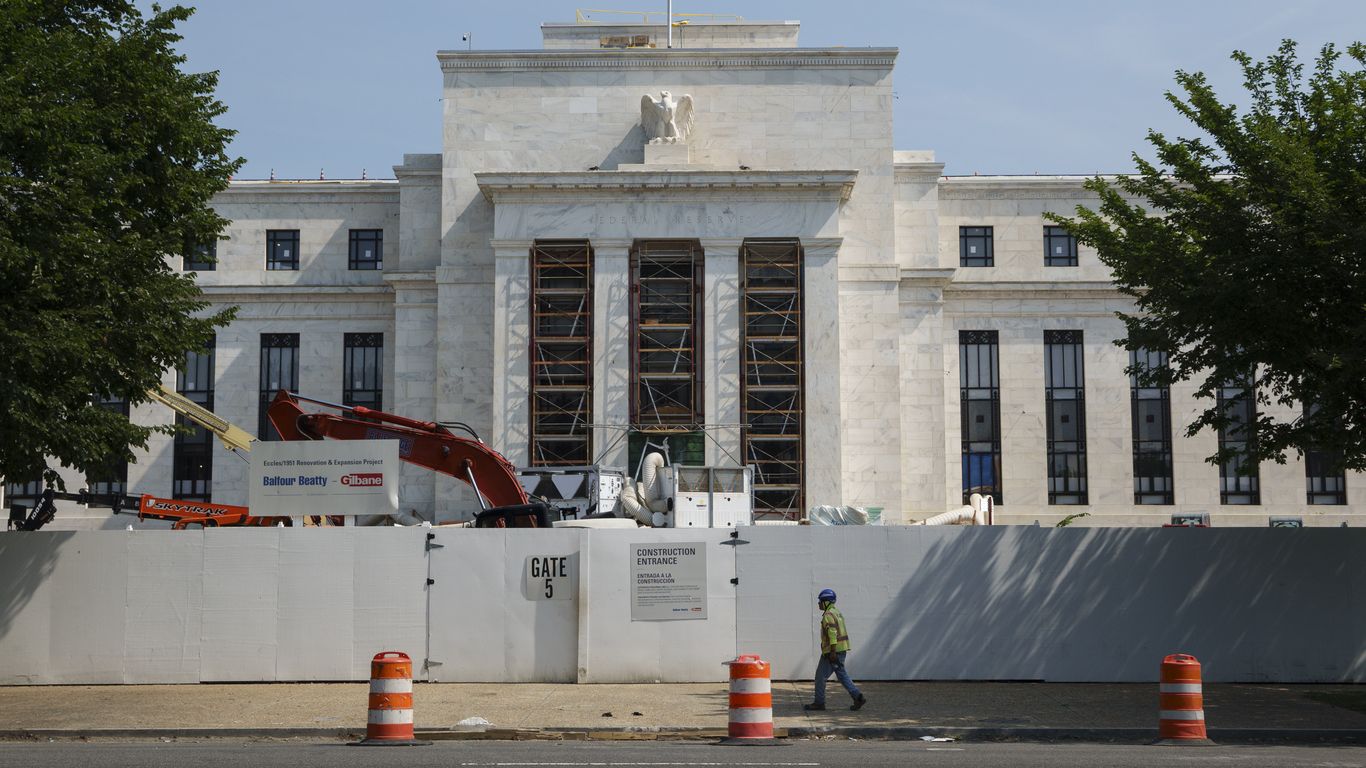
The Federal Reserve decided to keep interest rates steady at 3.5% to 3.75% for the fifth time in a row. However, three Fed officials disagreed, wanting to raise rates to control inflation, which remains above the Fed’s 2% target partly due to higher energy prices linked to tensions in the Middle East.
Key Facts
The Fed’s benchmark interest rate stayed at 3.5% to 3.75%.
This is the fifth consecutive time the Fed has held rates steady.
Three of the 12 Federal Open Market Committee (FOMC) members voted to raise rates.
Inflation is still high, driven partly by supply issues and higher energy costs.
The recent conflict in the Middle East has caused oil prices and gas prices to rise.
Some analysts say the Fed may increase rates later if inflation grows again.
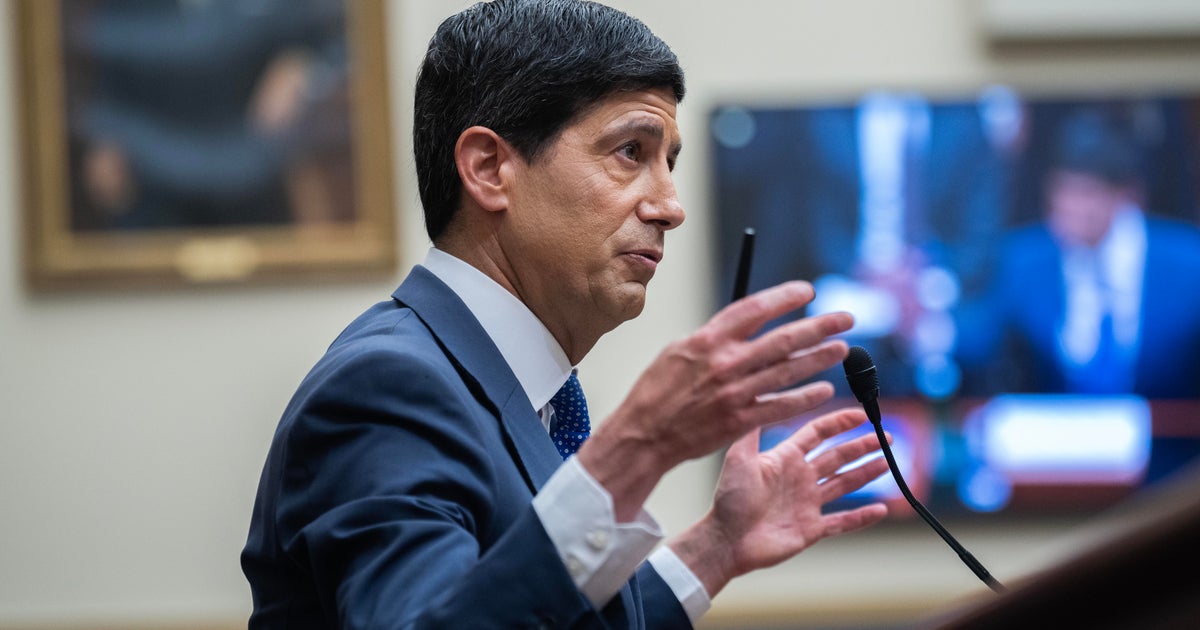
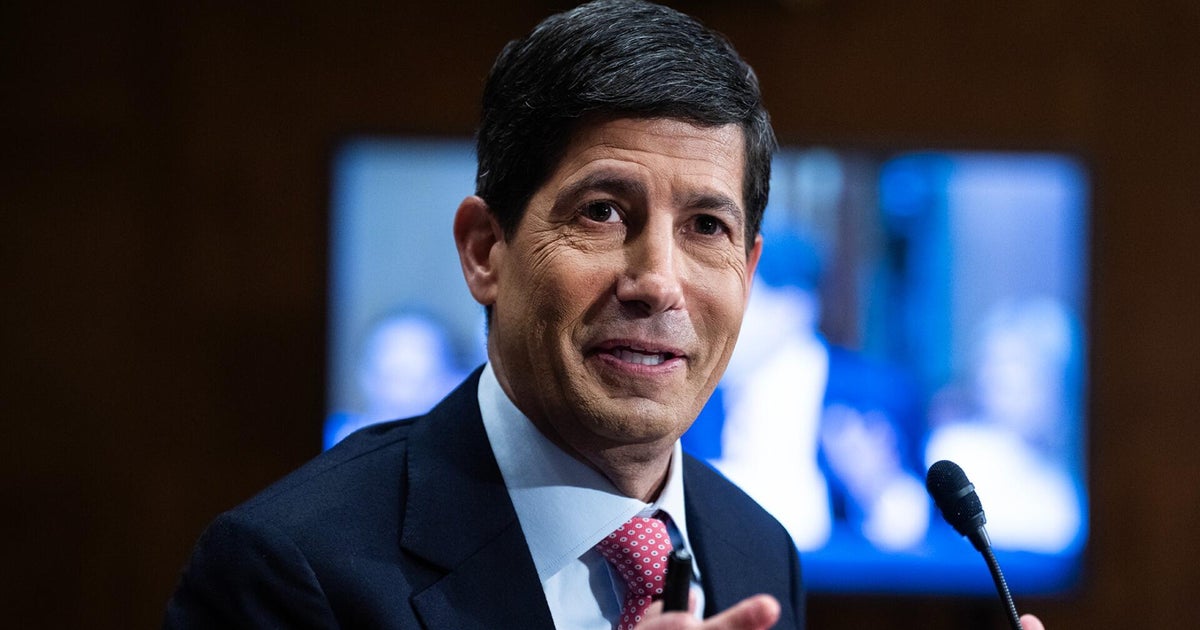
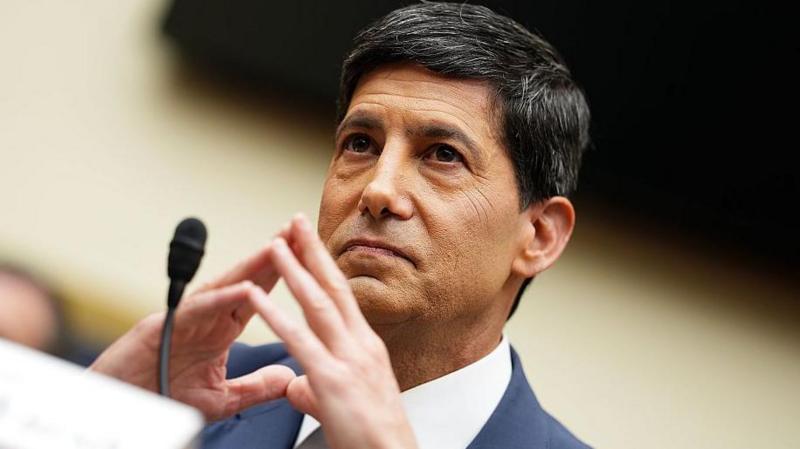
Fed Chairman Kevin Warsh will give a press conference to explain the decision.
President Trump has urged the Fed regarding interest rates, but the article doesn’t detail his specific position.
Read the Original
Want the full story? Tap a source to open the original
article.
The Federal Reserve decided to keep interest rates steady between 3.5% and 3.75%. This decision came even though there are concerns about rising inflation and oil prices. Not all members agreed with the decision.
Key Facts
The Federal Reserve kept interest rates unchanged at 3.5% to 3.75%.
There are ongoing worries about inflation increasing.
Rising oil prices are also a concern influencing the economic outlook.
The vote to keep rates steady was not unanimous, meaning some members wanted a different decision.
Interest rates affect borrowing costs for individuals and businesses.
The Fed's decisions aim to balance controlling inflation and supporting economic growth.
Read the Original
Want the full story? Tap a source to open the original
article.
Many American shopping malls are changing, with some closing while others do well. Older malls like Livingston Mall are mostly empty and rundown, while upscale malls like The Mall at Short Hills attract many shoppers, especially young people.
Key Facts
Livingston Mall, opened in 1972, is mostly empty and in poor condition.
Major department stores like Macy’s, Sears, and Lord & Taylor have closed at Livingston Mall.
Only a Barnes & Noble store remained at Livingston Mall but it is moving out after 18 years.
About 900 malls remain in the U.S., down from 1,100 in 2008.
Shoppers have shifted toward online shopping and away from traditional department stores.
The Mall at Short Hills, featuring high-end stores, is busy and popular, especially for teenagers.
The mall trend shows a split: upscale malls thrive while middle- and lower-income malls struggle.
The pandemic accelerated the decline of many malls.
Read the Original
Want the full story? Tap a source to open the original
article.
Federal Reserve Chair Kevin Warsh will speak after the central bank decided to keep interest rates unchanged for the fifth time. The Federal Open Market Committee held the baseline interest rate between 3.5% and 3.75%, citing uncertainty caused by rising energy prices linked to the conflict in Iran.
Key Facts
The Federal Reserve kept interest rates steady this time.
This is the fifth time in a row the rates have not changed.
The baseline interest rate remains between 3.5% and 3.75%.
Energy prices are rising due to the ongoing conflict in Iran.
The uncertainty around energy prices influenced the Fed’s decision.
Fed Chair Kevin Warsh will make remarks about this decision.
The Federal Open Market Committee is the group that sets these rates.
Read the Original
Want the full story? Tap a source to open the original
article.
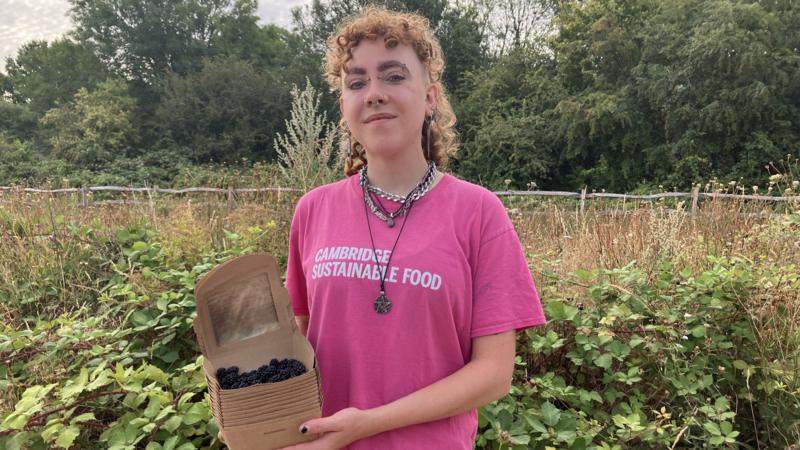
A community group in Cambridge is collecting unpicked blackberries from local bushes to provide free food for low-income families. They want to prevent the fruit from going to waste.
Key Facts
The group is called Cambridge Sustainable Food.
They noticed many blackberries growing that were not being picked.
The group aims to rescue this fruit to help people who need free food.
The initiative is based in Cambridge, England.
It supports low-income households by offering fresh, free fruit.
The group wants to reduce food waste in the community.
This activity connects to concerns about the cost of living and food access.
Read the Original
Want the full story? Tap a source to open the original
article.
CAF Bank in Kent has suspended its online banking services since July 24 due to suspected cyber fraud affecting over 14,000 charities. This disruption has made it hard for some charities to pay staff and suppliers on time.
Key Facts
CAF Bank serves more than 14,000 charities across the UK.
Online banking services have been suspended since July 24 because of suspected cyber fraud.
Some charities, like 21 Together in Maidstone, are worried they may not pay their workers on time.
Staff at affected charities have had trouble reaching CAF Bank for help.
CAF Bank is owned by the Charities Aid Foundation.
The bank says the main banking system is not affected, only the online service.
The bank is working with experts to fix a third-party software issue connected to the online portal.
CAF Bank is prioritizing urgent payments such as payroll, even though online access remains unavailable.
Read the Original
Want the full story? Tap a source to open the original
article.
The Federal Reserve has kept interest rates unchanged for the fifth time in a row, holding them between 3.5% and 3.75%. This decision comes as inflation has slowed but remains above the Fed’s target, and concerns about rising oil prices due to the conflict in the Middle East remain.
Key Facts
The US Federal Reserve maintained interest rates at 3.5% to 3.75%.
This is the fifth consecutive time rates have been held steady this year.
Inflation slowed to 3.5% in the year ending June but is still above the 2% goal.
Nine policymakers voted to keep rates steady; three preferred a small rate increase.
Rising energy prices, partly due to Middle East tensions, are contributing to ongoing inflation.
Higher interest rates make loans and credit more expensive but can improve savings returns.
There is uncertainty about how the conflict between the US and Iran may affect future prices.
The Federal Reserve described inflation as still “elevated” despite recent improvements.
Read the Original
Want the full story? Tap a source to open the original
article.
The Federal Reserve decided to keep its interest rates unchanged, despite some officials wanting to raise them. The central bank left its main borrowing cost target at 3.5% to 3.75% because they see the economy growing steadily but remain cautious due to global uncertainties like the conflict in the Middle East.
Key Facts
The Federal Reserve's rate target remains between 3.5% and 3.75%, unchanged since December.
Three Fed officials wanted to increase rates by 0.25 percentage points, but nine, including Chairman Kevin Warsh, voted to keep rates steady.
The decision was expected by most market watchers, though there was some chance (about 33%) of a rate hike before the meeting.
The Fed noted the economy is growing steadily despite uncertainty partly caused by the Middle East conflict.
Inflation, measured by the Personal Consumption Expenditures Price Index, has stayed above the Fed’s 2% goal every month since March 2021.
Some officials worry continuous high inflation could hurt the Fed’s credibility in controlling prices.
Warsh prefers open debate within the Fed, not predictable policy decisions.
The Commerce Department is due to release data on income and spending, which may influence future Fed actions.
Read the Original
Want the full story? Tap a source to open the original
article.
The U.S. Federal Reserve decided to keep interest rates steady at 3.50-3.75% due to ongoing inflation pressures, especially from higher fuel prices linked to tensions between the U.S. and Iran. The Fed aims to bring inflation down to its 2% target while navigating uncertain economic factors and has removed its usual forward guidance under new Chairman Kevin Warsh.
Key Facts
The Federal Reserve held interest rates at 3.50-3.75% during its latest meeting.
Inflation remains above the 2% goal, partly because of supply shocks and rising energy prices.
New Fed Chairman Kevin Warsh has stopped giving forward guidance, which usually helps predict future rate moves.
Three members of the 12-person Federal Reserve committee voted to raise rates by 0.25%.
Consumer inflation fell by 0.4% in June, the first monthly decline since April 2020.
Annual inflation is 3.5%, down from 4.2% in May, but still higher than desired.
Gas prices rose to an average of $4.09 per gallon, up from $3.86 last month and $2.98 in February.
Consumer confidence has dropped for three months in a row, reflecting economic concerns.
Read the Original
Want the full story? Tap a source to open the original
article.
The US Federal Reserve decided to keep interest rates unchanged, resisting President Donald Trump’s calls to lower them. The Fed’s decision comes amid mixed signals from inflation data and rising energy prices linked to tensions in the Middle East.
Key Facts
The Federal Reserve left interest rates steady at 3.5% to 3.75% for the fifth time since December.
The decision was made with a 9-3 vote; three members wanted to raise rates by 0.25%.
Cooler inflation data earlier lowered chances of a rate hike, but rising energy costs support a possible increase.
Kevin Warsh is the new Fed chair and is introducing changes to how the Fed communicates and makes decisions.
The ongoing conflict involving the US, Israel, and Iran has caused energy prices to rise in the US.
President Trump continues to push for lower interest rates, suggesting the US should have “the lowest rates in the world.”
Warsh has expressed confidence in his fellow Fed board members and their commitment to controlling inflation.
Half of the Fed's members now expect at least one rate hike by the end of the year, reversing earlier predictions of rate cuts.
Read the Original
Want the full story? Tap a source to open the original
article.
The Federal Reserve kept its key interest rate unchanged at 3.5% to 3.75% for the fifth meeting in a row. This decision comes as new tensions involving Iran raise concerns about higher energy prices and inflation risks.
Key Facts
The Federal Reserve’s main interest rate remains at 3.5% to 3.75%.
This is the fifth consecutive time the rate has stayed the same.
The decision was made by the Federal Open Market Committee (FOMC) with a 9-3 vote.
Rising tensions with Iran have caused worries about higher energy costs.
Higher energy prices can lead to increased inflation, which means prices for goods and services rise.
The Federal Reserve aims to manage inflation without slowing down the economy too much.
Keeping rates steady suggests the Fed is cautious about making changes amid global uncertainties.
Interest rates influence borrowing costs for people and businesses.
Read the Original
Want the full story? Tap a source to open the original
article.
The Federal Reserve has kept its main interest rate steady for the fifth time in 2026, but a rate increase may happen in September due to ongoing inflation and global issues. This situation affects mortgage rates, which could rise again, impacting homebuyers and people looking to refinance their homes.
Key Facts
The Federal Reserve paused interest rate changes for the fifth time in 2026.
Inflation remains above the Fed’s 2% target, raising chances of a rate increase soon.
A possible rate hike could happen at the Fed’s September meeting, the first since July 2023.
Mortgage rates had dropped in 2025 and early 2026 but have risen again recently.
Mortgage rates might return to around 7% or higher if the trend continues.
Locking in a mortgage rate now can protect borrowers from future rate increases.
Considering adjustable-rate mortgages, paying points for lower rates, or shorter loan terms may help save money.
Shopping around for the best mortgage rate is especially important before a possible rate hike.
Read the Original
Want the full story? Tap a source to open the original
article.
South Korea’s stock market has fallen sharply for two days in a row, losing about $2.18 trillion in value. The drop is linked to less interest in chipmaker stocks that had grown due to AI investments, and the government is considering new rules to stabilize the market.
Key Facts
South Korea’s stock market lost about $2.18 trillion after two days of sharp declines.
The KOSPI index fell up to 12.6% on Wednesday and dropped nearly 11% the day before.
The index has lost almost 40% of its value since early July.
Stocks of chipmakers, which benefited from AI investment, have seen decreased demand.
South Korean Finance Minister Koo Yun-cheol apologized for allowing risky leveraged ETFs (investment funds that borrow money to increase returns).
The government plans to limit how much investors can put into single-stock leveraged ETFs and increase trading costs to reduce risky trades.
Authorities, including the Bank of Korea governor, are meeting to discuss how to stabilize the market.
Despite recent losses, the KOSPI index is still up 41.5% in U.S. dollar terms so far this year, the best among major markets.
Read the Original
Want the full story? Tap a source to open the original
article.
Oil prices rose sharply after President Donald Trump promised to retaliate for a missile attack by Iran targeting U.S. forces. The price for a barrel of crude oil went above $90, causing stock markets to fall and increasing concerns about inflation and fuel costs.
Key Facts
Global oil prices increased by over 7%, surpassing $90 a barrel.
President Trump said the U.S. will respond strongly to Iran's missile attack.
The U.S. intercepted multiple ballistic missiles aimed at American forces in the Middle East.
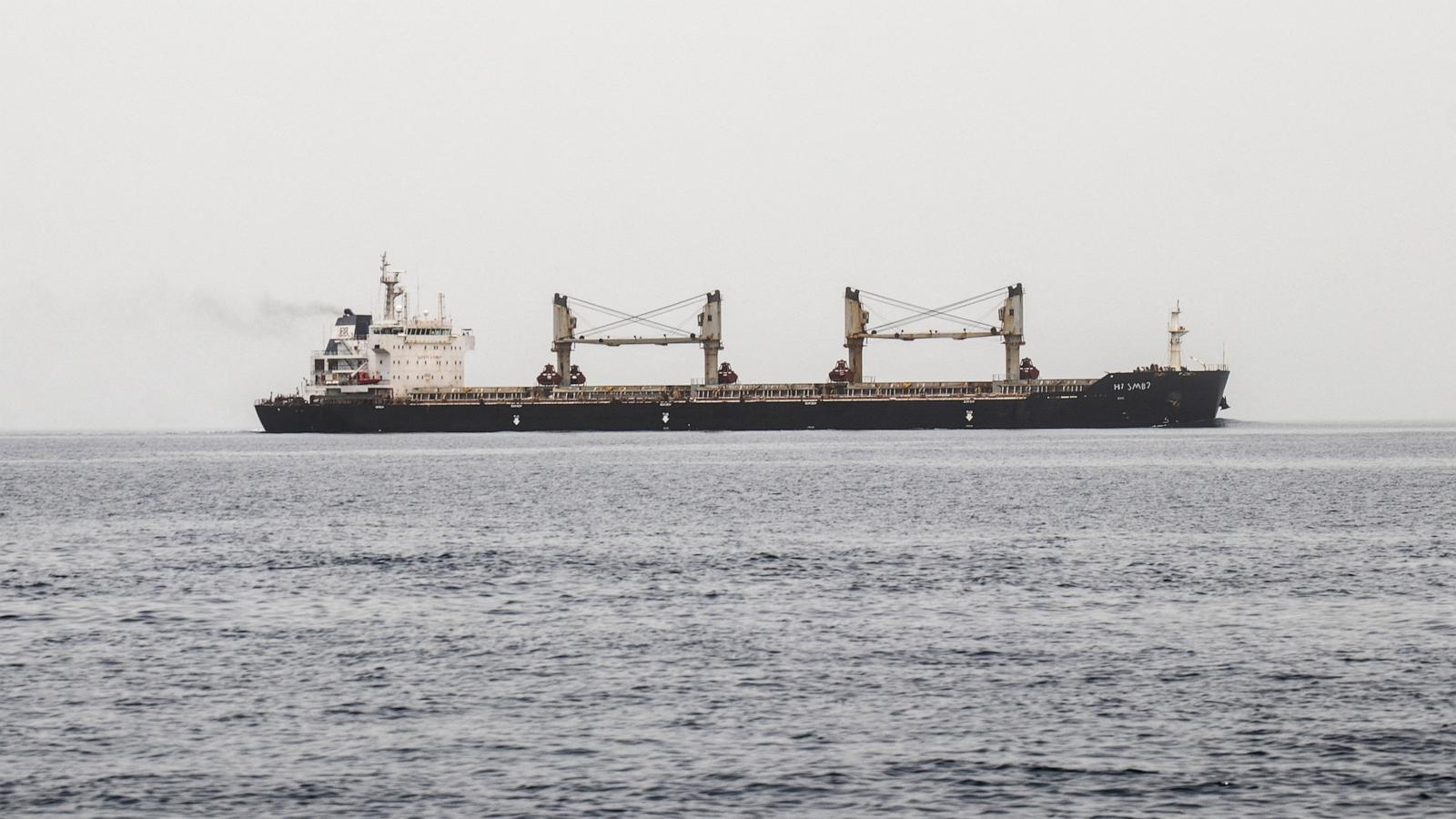
The conflict caused shipping in the Strait of Hormuz, a key oil route, to drop sharply.
Oil prices had fallen recently due to hopes for peace but rose again after renewed fighting.
Rising oil prices have contributed to higher inflation and gasoline prices in the U.S.
The Federal Reserve is considering raising interest rates to control inflation.
Stock markets reacted negatively, with the Dow Jones dropping 710 points on the news.
Read the Original
Want the full story? Tap a source to open the original
article.
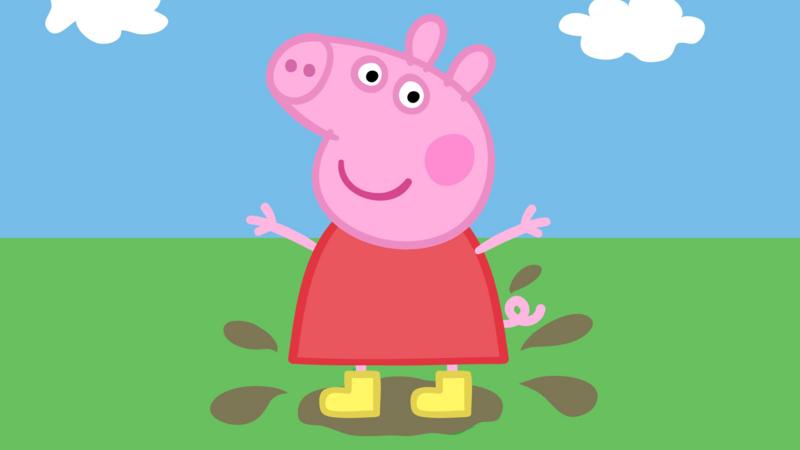
A judge in London ruled that videos featuring the animated character Wolfoo must be removed from platforms like YouTube because they copied audio clips from Peppa Pig. The court found that Wolfoo’s makers used sounds from Peppa Pig without permission, leading to a copyright infringement case won by Hasbro, the owner of Peppa Pig.
Key Facts
Wolfoo is a Vietnamese cartoon about a young wolf with a large online audience.
Hasbro owns Peppa Pig and sued Wolfoo’s makers, SConnect, for copying Peppa Pig’s audio.
The judge described the copying as extensive and ongoing, especially for English-language Wolfoo videos.
Audio clips of Peppa Pig saying words like "hooray!" were used without permission.
The judge ordered all Wolfoo videos to be removed by a set deadline.
SConnect claimed that third-party contractors provided the copied sounds without their knowledge.
The court ruled the third-party excuse irrelevant and found that not all copied videos were removed.
The ruling applies in the UK, EU, USA, Vietnam, and all World Trade Organization member countries.
Read the Original
Want the full story? Tap a source to open the original
article.
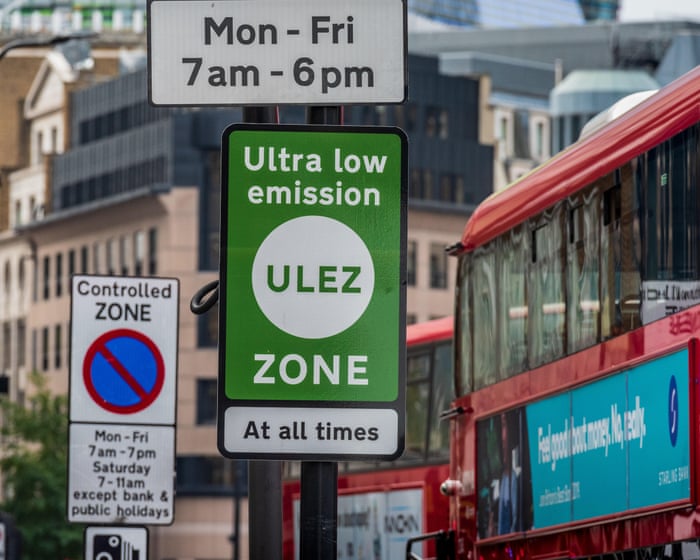
Transport for London (TfL) has started legal action seeking up to £1 billion from several car makers, accusing them of allowing certain diesel vehicles to enter London’s Ultra-Low Emission Zone (Ulez) without paying the required charge. TfL claims these manufacturers made false or misleading statements about their cars meeting emissions standards.
Key Facts
TfL alleges fraud and negligence by car companies including Stellantis, Jaguar Land Rover, BMW, and Nissan.
The lawsuit concerns diesel vehicles that should have paid the Ulez daily charge of £12.50 but did not.
Ulez was created to reduce pollution in London and was expanded in 2024 to cover the whole city.
The case was paused pending the outcome of a related "dieselgate" court case about cars cheating emissions tests.
The recent dieselgate case mostly rejected claims that manufacturers rigged tests, but appeals are being considered.
TfL says manufacturers said diesel vehicles complied with rules when they did not, causing financial loss.
Car companies argue TfL’s claims lack clear details and could have wide consequences.
The court has allowed a pause in the TfL case while related cases continue.
Read the Original
Want the full story? Tap a source to open the original
article.
The movie "Tony" is a film about a young Anthony Bourdain, focusing on a summer in 1975 when he worked in a restaurant kitchen on Cape Cod. The film shows the early struggles and growth of Bourdain but does not fully explore the side of him that made him famous later as a food and travel personality.
Key Facts
"Tony" is a biographical movie about Anthony Bourdain’s early life.
The story takes place during one summer in 1975 in Provincetown, Massachusetts.
The film shows Bourdain as a young man learning about kitchen work and facing challenges.
It covers his first experiences with hard drugs but does not show his later heroin use.
The movie is directed and co-written by Matt Johnson.
Dominic Sessa plays the young Bourdain in the film.
The film tries to portray Bourdain before he became famous but does not capture the full personality he showed in later years.
The movie is based partly on Bourdain’s memoir "Kitchen Confidential."
Read the Original
Want the full story? Tap a source to open the original
article.
Many homeowners spend too much on heating and cooling because of common mistakes with their HVAC systems. Small issues like ignoring maintenance, not changing air filters, or delaying minor repairs can make the system less efficient and more expensive to fix.
Key Facts
Regular HVAC maintenance is often skipped until the system breaks, leading to costly repairs.
Preventive maintenance once or twice a year helps catch small problems early.
Dirty or clogged air filters make the HVAC system use more energy and work harder.
Homeowners should change air filters every 1 to 3 months, depending on conditions.
Ignoring small problems like unusual noises or uneven temperatures can lead to big repairs.
Early repairs like fixing capacitors or thermostats save money compared to waiting for major damage.
HVAC systems can lose efficiency and cost more to run before they stop working completely.
Service plans and warranties often include regular check-ups to prevent expensive breakdowns.
Read the Original
Want the full story? Tap a source to open the original
article.
Staff at the V&A Storehouse museum in east London voted strongly to strike over not getting enough toilet and drink breaks during work. They join other V&A staff striking in a dispute about pay, working conditions, and the museum not becoming a living wage employer.
Key Facts
V&A Storehouse staff say they do not get enough paid breaks for toilet use and hydration.
The dispute involves collections access officers who manage public access to objects.
Staff want two paid breaks a day to manage their health and workload.
Staff have tried petitions and formal complaints but say management hasn’t addressed their concerns.
100% of Storehouse voters supported strike action, with 88% turnout.
Across all V&A sites in London, 83% voted for strike action with 82% turnout.
Prospect union demands include a 4% pay rise, better pay for holiday work, London living wage accreditation, and improved food at V&A sites.
The V&A says all staff have access to water, toilets, and regular breaks and introduced extra measures during heatwaves.
Read the Original
Want the full story? Tap a source to open the original
article.