Many homeowners spend too much on heating and cooling because of common mistakes with their HVAC systems. Small issues like ignoring maintenance, not changing air filters, or delaying minor repairs can make the system less efficient and more expensive to fix.
Key Facts
Regular HVAC maintenance is often skipped until the system breaks, leading to costly repairs.
Preventive maintenance once or twice a year helps catch small problems early.
Dirty or clogged air filters make the HVAC system use more energy and work harder.
Homeowners should change air filters every 1 to 3 months, depending on conditions.
Ignoring small problems like unusual noises or uneven temperatures can lead to big repairs.
Early repairs like fixing capacitors or thermostats save money compared to waiting for major damage.
HVAC systems can lose efficiency and cost more to run before they stop working completely.
Service plans and warranties often include regular check-ups to prevent expensive breakdowns.
Read the Original
Want the full story? Tap a source to open the original
article.
Staff at the V&A Storehouse museum in east London voted strongly to strike over not getting enough toilet and drink breaks during work. They join other V&A staff striking in a dispute about pay, working conditions, and the museum not becoming a living wage employer.
Key Facts
V&A Storehouse staff say they do not get enough paid breaks for toilet use and hydration.
The dispute involves collections access officers who manage public access to objects.
Staff want two paid breaks a day to manage their health and workload.
Staff have tried petitions and formal complaints but say management hasn’t addressed their concerns.
100% of Storehouse voters supported strike action, with 88% turnout.
Across all V&A sites in London, 83% voted for strike action with 82% turnout.
Prospect union demands include a 4% pay rise, better pay for holiday work, London living wage accreditation, and improved food at V&A sites.
The V&A says all staff have access to water, toilets, and regular breaks and introduced extra measures during heatwaves.
Read the Original
Want the full story? Tap a source to open the original
article.
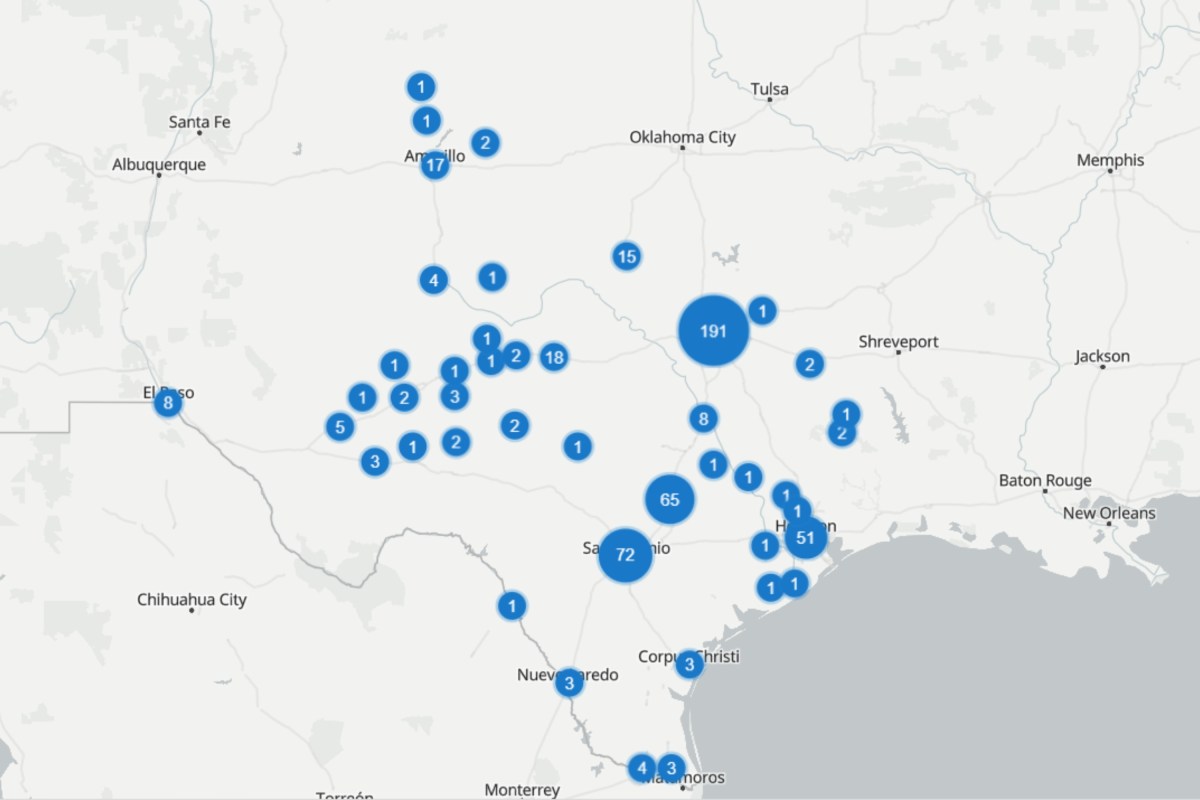
Country singer Willie Nelson spoke out against the rapid growth of data centers in Texas, saying they threaten farmland, water, and rural communities like his hometown. Texas has over 500 data centers, with many new projects planned, raising concerns about water use, noise, and land loss in rural areas.
Key Facts
Texas has 510 data centers, with about 200 in the Dallas area alone.
Willie Nelson warned that data centers use too much water, create noise, and cause light pollution.
Many Texans oppose new data centers in their communities, according to a recent poll.
Data centers often require large amounts of water, which worries residents, especially during droughts.
A planned data center near Cedar Creek Reservoir was canceled after local opposition due to water concerns.
Texas leaders have encouraged data centers to build in the state with few limits on resources.
Critics say the growth of data centers threatens farmland and small family farmers’ way of life.
Public Citizen and other groups fear data centers will raise electric rates and harm rural quality of life.
Read the Original
Want the full story? Tap a source to open the original
article.
George Cottrell, who has been convicted of fraud, transferred over $2 million to his mother in the days before she donated large sums to the UK political party Reform UK in 2024. These money transfers involved cryptocurrency exchanges and are now being investigated by the police to see if there was an attempt to hide the real source of the donations.
Key Facts
George Cottrell sent more than $2 million to his mother, Fiona Cottrell, shortly before her donations to Reform UK.
Fiona received one deposit of $1.4 million and two other deposits over $300,000 each from her son.
These transfers happened 1 to 3 days before Fiona donated money directly or through a fundraising group linked to Reform UK.
The money passed through US cryptocurrency exchanges and money transfer services before reaching Fiona.
Police are investigating Reform UK’s funding for possible hiding of donation sources.
Fiona gave a total of £1.5 million to Reform UK and its fundraising group in 2024.
Some donations were publicly declared to the Electoral Commission; others were not transparently reported.
George Cottrell described his mother’s political donations as her own decision and did not deny giving her the money.
Read the Original
Want the full story? Tap a source to open the original
article.
Putting $15,000 into a 1-year certificate of deposit (CD) can earn about $615 to $625 in interest at current rates near 4%. CDs offer a fixed interest rate and protect the initial money, but savers should consider that other accounts like high-yield savings or money market accounts might offer variable rates that could rise later.
Key Facts
Current 1-year CD interest rates range from about 4.10% to 4.17%.
A $15,000 deposit in a 1-year CD earns roughly $615 to $625 in interest by the time it matures.
CDs offer guaranteed fixed rates, meaning the interest rate does not change during the term.
Early withdrawal from CDs might result in penalties that reduce or remove earned interest.
Traditional savings accounts have much lower interest rates, around 0.38% on average.
High-yield savings and money market accounts have variable rates that can increase if market rates rise.
A 1-year CD term is shorter than some longer CDs that can last up to 10 years, making it easier to plan for access to funds.
Savers can split money among CDs, high-yield savings, and money market accounts to balance guaranteed returns and potential rate increases.
Read the Original
Want the full story? Tap a source to open the original
article.
A recent report from the Bank for International Settlements explains that artificial intelligence (AI) is making the job of central banks harder. AI affects both supply and demand in the economy, changes key economic measures, and creates uncertainty about how to set policies that keep prices stable and jobs strong.
Key Facts
Central banks aim to keep prices stable, maintain jobs, and ensure a healthy financial system.
AI disrupts traditional economic signals that central banks use to decide policies.
The AI boom currently increases demand for technology parts like semiconductors and boosts stock markets.
There are concerns about an AI-related investment bubble that could burst.
AI could cause large job losses in the future, but evidence of this happening now is unclear.
Increased productivity from AI could lower inflation by boosting supply.
Central banks worldwide, including the U.S. Federal Reserve, are trying to understand and respond to AI’s complex effects.
The Federal Reserve has set up teams to study AI’s impact on the economy, with reports expected by the end of the year.
Read the Original
Want the full story? Tap a source to open the original
article.
The article explains how decisions made by the Bank of England affect people's money. It discusses the role of interest rates and their impact on finances.
Key Facts
The Bank of England influences interest rates.
Changes in interest rates affect people's savings and loans.
Higher interest rates can increase the cost of borrowing money.
Lower interest rates can make borrowing cheaper.
Interest rate decisions impact the overall economy.
The article provides a simple guide to understanding interest rates.
It highlights the importance of these decisions for personal finance.
Read the Original
Want the full story? Tap a source to open the original
article.
Noma, a famous restaurant in Copenhagen, is reopening on August 5 without its founder and head chef, René Redzepi. The restaurant lost its three Michelin stars and will now be led by new chefs with a changing monthly menu focused on seasonal ingredients.
Key Facts
Noma is a well-known restaurant in Copenhagen famous for "New Nordic" cuisine.
René Redzepi, the founder and celebrity chef, stepped away in March after abuse and assault allegations surfaced.
The allegations cover incidents from about 2009 to 2017 and include verbal and physical mistreatment of staff.
Redzepi apologized publicly and now serves as a creative director instead of head chef.
The restaurant closed in January and delayed reopening partly due to these controversies.
Noma lost its three Michelin stars because it was not open long enough in 2026 to qualify for the guide.
New executive head chef Pablo Soto and other longtime chefs now lead the restaurant.
The menu will change every month and emphasize fresh, seasonal ingredients.
Read the Original
Want the full story? Tap a source to open the original
article.
The Federal Reserve is deciding whether to raise interest rates because inflation remains high and oil prices are changing quickly. These economic factors affect the cost of borrowing money and overall prices in the economy.
Key Facts
The Federal Reserve is considering increasing interest rates.
Inflation pressure in the economy is persistent.
Oil prices are volatile, meaning they change quickly and unpredictably.
Higher interest rates typically make borrowing money more expensive.
The decision aims to control inflation and stabilize the economy.
The Federal Reserve’s choices impact financial markets and everyday costs.
Read the Original
Want the full story? Tap a source to open the original
article.
The Federal Reserve is expected to keep interest rates the same for now. However, some experts think inflation might require the Fed to raise interest rates soon.
Key Facts
The Federal Reserve controls interest rates to help manage the economy.
Currently, most believe the Fed will not change interest rates.
Inflation means prices for goods and services are going up.
Some analysts worry inflation is high enough to need higher rates.
Higher interest rates can slow down inflation by making borrowing more expensive.
CBS News reported on this topic with correspondent Kelly O'Grady.
Read the Original
Want the full story? Tap a source to open the original
article.
Natural disasters in the U.S. caused $115 billion in damage last year. CBS News explains the types of insurance homeowners and renters should have to protect their homes from damage during such events.
Key Facts
Natural disasters caused $115 billion in damage in the U.S. last year.
Home insurance can help protect owners from financial loss due to disaster damage.
Renters also need insurance to cover their belongings in a disaster.
Different types of insurance cover different risks, like flooding or earthquakes.
It is important to understand what your insurance policy includes and excludes.
Some natural disasters require separate insurance policies beyond standard coverage.
Read the Original
Want the full story? Tap a source to open the original
article.
Hospitals can still send unpaid medical bills to collection agencies if patients do not pay or arrange payments. Before sending bills to collections, many hospitals try to help patients with payment plans or financial assistance, especially nonprofit hospitals. Recent changes have made it harder for some medical debts to hurt credit scores immediately, but unpaid bills can still cause other problems.
Key Facts
Hospitals usually try to work with patients to set up payment plans before sending bills to collections.
Nonprofit hospitals must try to see if patients qualify for charity care before using tougher collection methods.
Collection agencies can contact patients, offer payment deals, or take legal action to collect unpaid bills.
Credit reporting agencies now limit how medical collections show up on credit reports, often removing paid accounts and delaying reports of unpaid debts.
Small medical debts have less impact on credit scores than before.
Even if medical debt doesn’t appear right away on credit reports, patients can still get collection notices or face lawsuits.
Patients are encouraged to contact their hospital billing department early if they cannot pay their bills.
Some hospitals offer interest-free payment plans or financial aid programs to help reduce bills.
Read the Original
Want the full story? Tap a source to open the original
article.
CBS Mornings is offering special discounts on products that aim to improve daily life. People can visit cbsdeals.com to find and buy these items at reduced prices.
Key Facts
CBS Mornings features exclusive deals on various products.
The products are meant to help improve everyday lifestyle.
Customers can access these deals on the website cbsdeals.com.
CBS earns a commission when purchases are made through their site.
The deals are highlighted in a segment called CBS Mornings Deals.
The promotion is available through the CBS News app and website.
Read the Original
Want the full story? Tap a source to open the original
article.
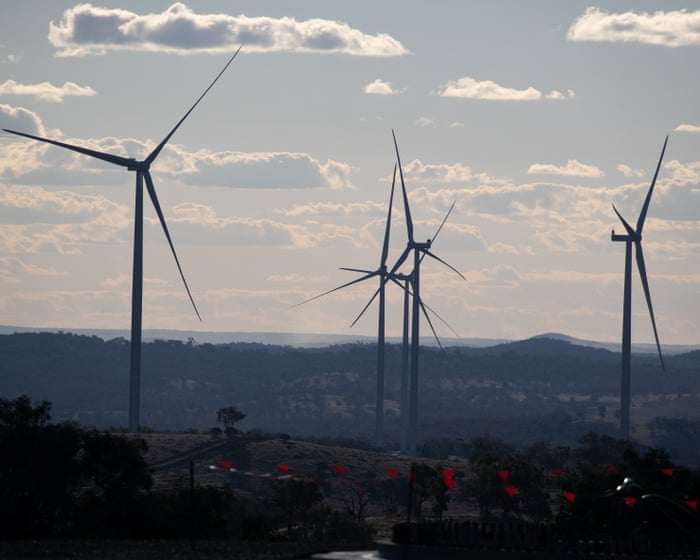
A survey revealed Australians strongly support home batteries and rooftop solar panels, but are less supportive of wind and large solar farms due to negative campaigns. The renewable energy industry faces a trust problem in regional areas and is encouraged to share more benefits with local communities to increase support.
Key Facts
Australians show highest support for home batteries and rooftop solar systems.
Support for onshore wind and large solar farms has decreased compared to last year.
Negative campaigns organized by conservative groups have impacted opinions about wind farms.
People often think more others are against renewables than they actually are, creating a false perception.
Many Australians underestimate how much electricity already comes from renewable sources (actual is 46%).
Electric vehicle interest increased after President Trump’s conflict with Iran caused fuel worries.
The Clean Energy Council says renewable companies must build trust in rural and regional communities.
Industry leaders suggest renewable companies should contribute to local infrastructure, like past coal or gold industries did.
Read the Original
Want the full story? Tap a source to open the original
article.
Housing prices increased the most in Chicago and New York City in May, according to the S&P CoreLogic Case-Shiller Index. Meanwhile, home prices in many cities in the West and South, like Las Vegas and Seattle, fell, showing a growing divide in the U.S. housing market after the pandemic.
Key Facts
Chicago had the largest yearly home price increase at 6.9% in May.
New York City and Cleveland also saw price rises of 4.2% and 3.1%, respectively.
Las Vegas home prices dropped by 1.9%, the biggest decline among tracked cities.
Seattle and Denver prices each fell by about 1.8% year-over-year.
Tampa’s housing prices decreased by 1.6%, following a pandemic boom and increased supply.
Nationally, home prices rose 1.1% compared to last year, but inflation at 4.2% outpaced these gains.
The Northeast and Midwest markets have strong demand but limited home supply.
Western and Southern markets face declining prices due to less demand and more available homes.
Read the Original
Want the full story? Tap a source to open the original
article.
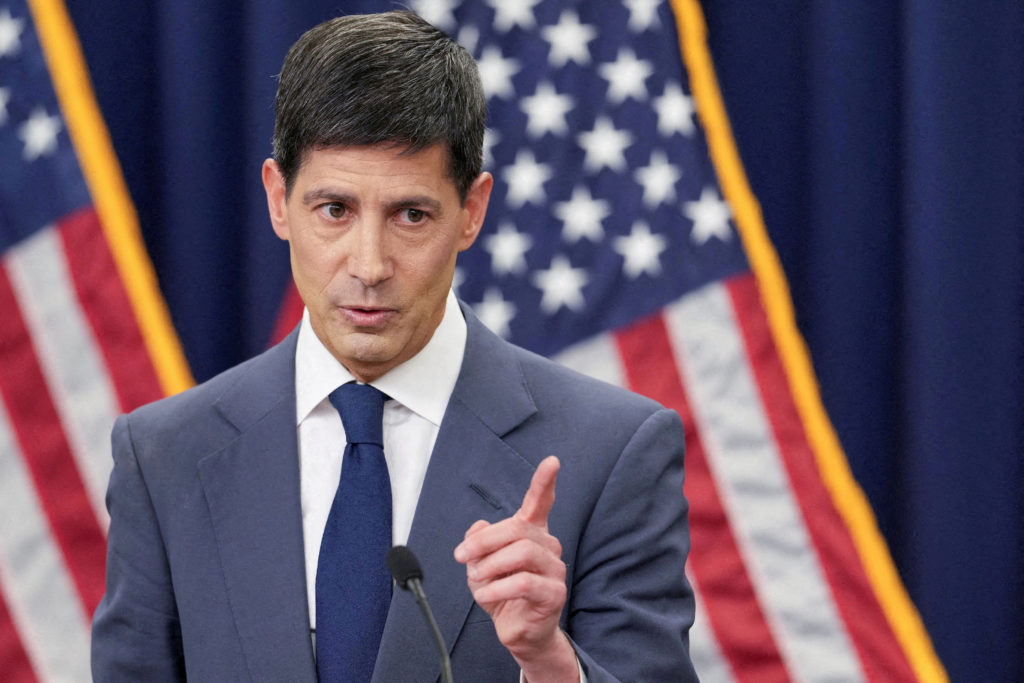
Federal Reserve Chair Kevin Warsh is holding a news conference after a meeting where the central bank is expected to keep interest rates the same. The Fed has been concerned about inflation staying above its target, but it is not likely to raise rates this week.
Key Facts
The Federal Reserve met on Tuesday and Wednesday in Washington.
The central bank will likely keep its main interest rate unchanged for now.
Inflation has been higher than the Fed’s 2% goal for over five years.
Fed Chair Kevin Warsh said earlier this month he has "no tolerance" for high inflation.
This is Warsh’s second policy meeting as Fed Chair this week.
The Fed’s rate-setting committee may act when they meet again in September.
Americans’ confidence in the economy dropped partly due to rising gas prices linked to the Iran conflict.
Read the Original
Want the full story? Tap a source to open the original
article.
People are changing how they think about eating out at restaurants. Because of higher costs and changing habits, many now save dining out for special events, spending more each time but going less often.
Key Facts
Rising living costs have made many families choose dining out only for special occasions like birthdays and anniversaries.
People spend more money per restaurant visit but eat out less frequently during weekdays.
Younger people see restaurants as important places to socialize, while older people are more selective about when to dine out.
Dining experiences are becoming valued not just for the food but for the social interaction and atmosphere.
Some restaurants, like Delucca Gaucho, offer family-style or endless serving meals to provide convenience and good value.
Flexibility and convenience are increasingly important factors for diners, influencing how restaurants design their services.
The trend suggests consumers want meaningful experiences without always spending a lot of money or turning dining out into a big event.
Restaurants have opportunities to create enjoyable experiences that fit into everyday life, not just special occasions.
Read the Original
Want the full story? Tap a source to open the original
article.
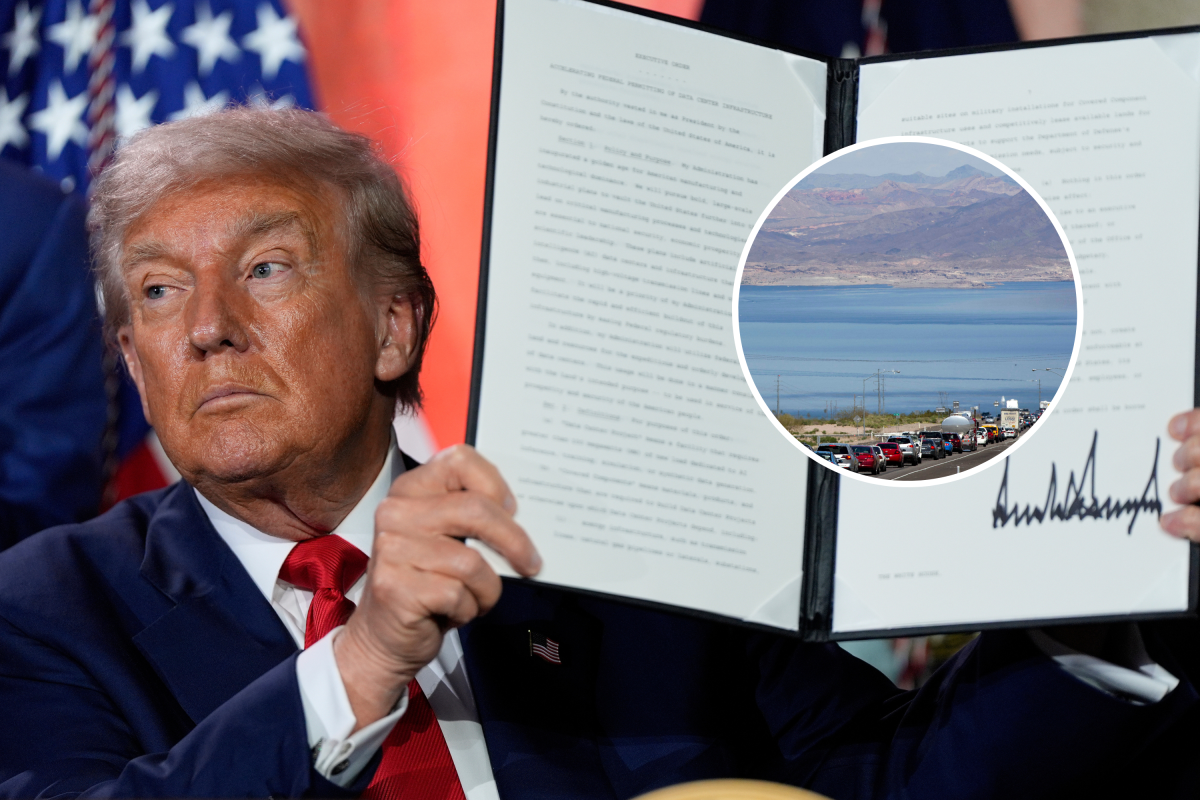
The Bureau of Land Management approved a plan to build a large data center on public land in southern Nevada. Local officials and environmental groups are challenging the approval, saying the proper environmental review was skipped. This case could affect how future data center projects on federal land are approved.
Key Facts
The Townsite Data Center is planned on 81 acres of federal land near Boulder City, Nevada.
The project was approved through an amended right-of-way by the Bureau of Land Management (BLM).
Boulder City officials and environmental groups argue the approval used an outdated review tied to a previous solar project.
The Center for Biological Diversity and Sierra Club Toiyabe Chapter have filed an official appeal to challenge the decision.
Boulder City also filed its own appeal and is trying to stop the project from moving forward.
Many Americans express concern about data centers due to energy use, water demand, and environmental harm.
Supporters say data centers are important for economic growth and advancing artificial intelligence technology in the U.S.
The case may set a national example for how the Trump administration approves data center developments on public lands.
Read the Original
Want the full story? Tap a source to open the original
article.
Shares of companies that make computer chips used in artificial intelligence (AI) have fallen sharply in the last month. Investors are worried that the recent fast growth and high spending on AI technology might slow down or not bring enough profit soon.
Key Facts
Shares of South Korean chip makers SK Hynix and Samsung dropped 46% and 35% in one month.
US chip makers Micron and Intel saw their shares fall 28% and 35% recently.
A Chinese company’s new chip manufacturing breakthrough raised concerns about competition in chip supply.
Big AI companies like Meta, Alphabet, and Open AI are facing pressure to make enough money to cover their high chip and data center costs.
Meta’s shares fell 15% in the last month; SpaceX shares also dropped significantly after its recent stock market debut.
Apple’s shares rose 21% as it has stayed mostly out of the AI chip race.
Some governments are limiting new data centers because they use a lot of water and energy.
Investors are cautious but some tech investors believe the current slowdown is a normal correction after big gains last year.
Read the Original
Want the full story? Tap a source to open the original
article.