Small businesses are suing to stop the latest tariffs imposed by President Donald Trump's administration. These tariffs target imports from over 60 countries accused of using forced labor, but courts have already challenged earlier versions of these tariffs.
Key Facts
Small businesses including Burlap & Barrel, Collective Horology, and Learning Resources are suing to block new tariffs.
The new tariffs took effect recently under Section 301 of the Trade Act, after earlier temporary tariffs expired.
The tariffs charge 10% to 12.5% on imports from countries accused of not stopping forced labor.
Previous tariff programs faced legal defeats in courts, including a Supreme Court win for Learning Resources.
Lawsuits claim the administration is stretching its trade authority and not proving how each country harms U.S. business.
Collective Horology reported losing over $160,000 due to tariffs and has not yet received refunds.
The Trump administration says the tariffs aim to stop unfair trade, not just replace earlier tariffs.
Courts are now focusing on how the administration uses its tariff powers rather than if it has the power at all.
Read the Original
Want the full story? Tap a source to open the original
article.
Cracker Barrel has named David Deno as its new CEO, starting August 10, replacing Julie Felss Masino who will remain as an adviser until October. This change comes after a challenging year for the company, including public criticism and falling sales linked to changes in the brand’s logo and image.
Key Facts
David Deno previously led Bloomin’ Brands, which owns Outback Steakhouse and Carrabba’s Italian Grill.
Julie Felss Masino became CEO in July 2023 but will step down on August 10 and advise until October.
Cracker Barrel changed its logo for the first time in 48 years, removing the "Uncle Herschel" image.
The logo change and other company diversity efforts faced backlash from some conservative groups and influencers.
President Donald Trump publicly called for Cracker Barrel to return to its old logo and manage the company better.
Deno has 40 years of experience in the restaurant and retail industries, including senior roles at Yum! Brands and Burger King.
The leadership change aims to stabilize Cracker Barrel’s operations after a year of controversy and financial difficulties.
Read the Original
Want the full story? Tap a source to open the original
article.
The New Bedford Whaling Museum is selling shirts and other items featuring a viral one-star review calling it the “worst aquarium ever.” This merchandise has become very popular, leading to a big increase in sales after news coverage and social media attention.
Key Facts
The phrase “worst aquarium ever” came from a 2020 one-star Google review of the museum.
The museum does not have live aquatic animals but displays large whale skeletons.
The museum started selling T-shirts, hoodies, and tote bags with the review printed on them, along with a whale skeleton drawing.
After local and national TV coverage, online orders surged to 738 in less than a day.
Weekly sales increased by 250% following the recent media attention.
The merchandise first gained popularity after a TikTok video got over 96,000 views.
The museum has restocked with hundreds of new shirts, crewnecks, hoodies, and bags due to high demand.
Prices are $32.50 for adult T-shirts, $50 for crewnecks, and $60 for hoodies.
Read the Original
Want the full story? Tap a source to open the original
article.
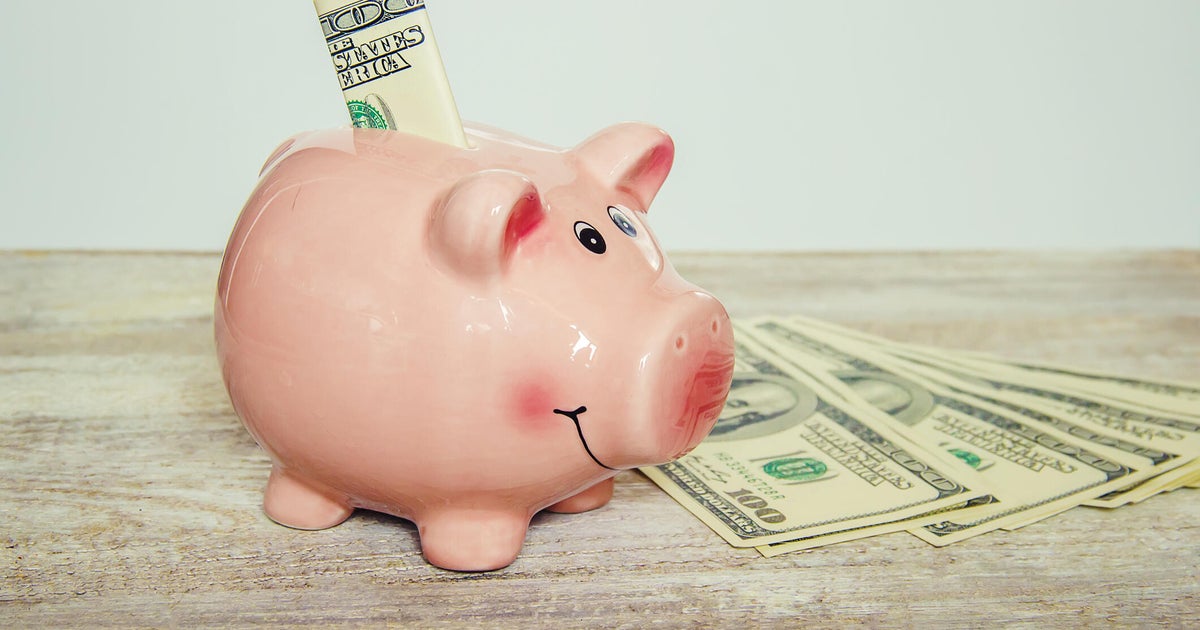
A $25,000 deposit into a 1-year certificate of deposit (CD) can earn over $1,000 in interest with current rates around 4.1% to 4.17%. Although the money is locked in for a year, the fixed interest rate offers a safe way to grow savings more than a typical savings account.
Key Facts
CDs require locking your money for a fixed time, like one year, to earn interest.
Current 1-year CD rates range from 4.10% to 4.17%.
At these rates, $25,000 in a CD can earn between $1,025 and $1,042.50 after one year.
Early withdrawal from a CD usually results in penalties and loss of some interest.
Interest rates vary by bank, making it important to compare before choosing a CD.
CDs protect the original money (principal) and provide guaranteed returns.
If you need access to the money during the year, alternatives like high-yield savings accounts or money market accounts offer competitive interest with more flexibility.
Rates might change soon after the next Federal Reserve meeting, so timing can affect earnings.
Read the Original
Want the full story? Tap a source to open the original
article.
Movie theaters are earning more money by selling special popcorn buckets designed around popular movies. These themed buckets attract fans who want unique souvenirs while enjoying their snacks.
Key Facts
Movie theaters are using custom popcorn buckets based on popular films.
These buckets are designed to attract movie fans.
Themed buckets encourage more people to buy popcorn.
Selling these special containers is increasing theater profits.
Examples include buckets from movies like "The Odyssey."
Fans enjoy owning unique movie-related items.
This trend is helping theaters make more money beyond ticket sales.
Read the Original
Want the full story? Tap a source to open the original
article.
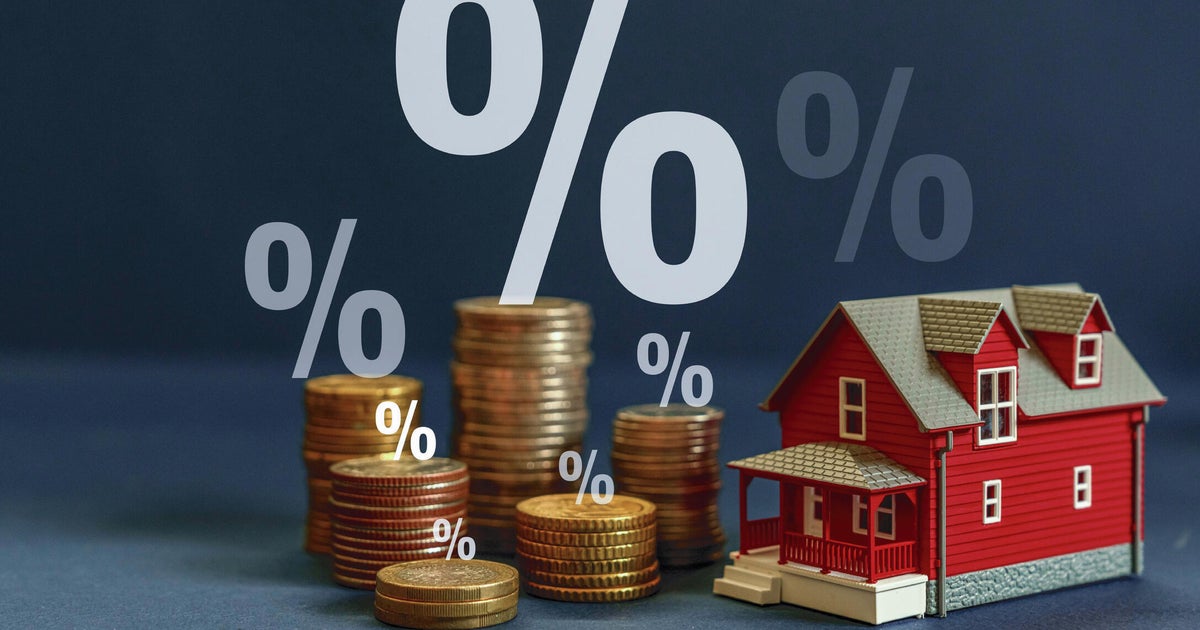
The Federal Reserve will meet this week and might raise interest rates, which could cause mortgage rates to rise. Most experts expect mortgage rates to stay the same or increase, making it important for borrowers to consider locking in current rates.
Key Facts
The Fed may raise interest rates by 0.25% during this two-day meeting, with about a 35% chance according to market tools.
Higher Fed rates tend to push mortgage rates higher, affecting homebuyers and people refinancing.
Mortgage rates dropped last year but have increased recently due to global issues like conflicts and rising oil prices.
Even if the Fed pauses rate changes, mortgage rates could still increase because of expectations for future hikes.
Borrowers might protect themselves by locking in current mortgage rates before the meeting.
Other factors like government bond yields, inflation reports, and global events can also affect mortgage rates.
Borrowers can try to get lower-than-average mortgage rates by paying fees called points, choosing adjustable-rate loans, or comparing lender offers.
Read the Original
Want the full story? Tap a source to open the original
article.
A recent Gallup report shows that worker engagement worldwide has dropped to 20 percent in 2025, the lowest since 2020. This decline is linked to anxiety about artificial intelligence (AI) and job security, which affects employees’ connection to their work and harms the global economy.
Key Facts
Only 20 percent of workers globally feel engaged with their jobs in 2025, down for the second year in a row.
Low worker engagement cost the global economy about $10 trillion last year, equal to 9% of the world’s economic output.
AI is causing many workers, especially in junior roles, to worry about their job security and skills becoming outdated.
Managers’ engagement has dropped the most recently; they need to feel secure to help their teams use AI well.
Mental health support for managers is necessary to maintain team productivity and wellbeing.
“AI-induced anxiety” includes fears that workers’ skills are obsolete and concerns about losing their jobs to technology.
In the US and Canada, worker engagement remains higher at 31 percent, showing some potential to improve global trends.
Research suggests people still value human work highly, creating a “human premium” for tasks done by people rather than AI.
Read the Original
Want the full story? Tap a source to open the original
article.
Cracker Barrel’s chief executive, Julie Masino, will step down in August after the company faced backlash over a logo redesign and store changes. David Deno, former boss of Bloomin' Brands, will replace her as the company works to recover from financial and customer challenges.
Key Facts
Julie Masino will leave her role as Cracker Barrel CEO in August.
David Deno will become the new CEO and help lead the company forward.
Cracker Barrel faced strong criticism last year after trying to simplify its logo and update store interiors.
Critics said the changes removed the company’s traditional Southern charm.
President Trump supported returning to the original logo after the backlash.
Cracker Barrel operates about 660 stores in 44 US states.
The company’s stock price is down about 20% from last year due to falling sales and fewer customers.
Cracker Barrel competes with other casual dining chains like Denny's and IHOP.
Read the Original
Want the full story? Tap a source to open the original
article.
Cracker Barrel’s CEO, Julie Masino, announced she will step down after about a year, following controversy over the company’s updated logo. The company faced backlash on social media and from President Donald Trump, leading it to revert to its old logo. David Deno will become the new CEO in August.
Key Facts
Julie Masino became Cracker Barrel’s CEO in 2023 and is leaving by October, with David Deno taking over in August.
Last August, Cracker Barrel changed its logo by removing the character Uncle Herschel, sparking social media criticism.
President Donald Trump publicly criticized the logo change and called for the company to reverse it.
After the backlash, Cracker Barrel returned to its original logo design.
The company’s stock fell nearly 3% after Masino’s departure was announced.
Masino said in a December interview she felt “fired by America” after the controversy.
The article mentions that consumer habits are increasingly influenced by political views, affecting brand sales.
Cracker Barrel has a past of discrimination complaints and lawsuits related to LGBTQ+ and Black employees and customers.
Read the Original
Want the full story? Tap a source to open the original
article.
A certificate of deposit (CD) is a type of savings account where you deposit money for a set time and earn interest, usually higher than regular savings accounts. CDs are low risk, offer better interest rates, and come in various term lengths, but withdrawing early can mean fees and missing out on higher future rates.
Key Facts
CDs pay a fixed interest rate for a set term, giving predictable earnings.
Money in CDs is usually safe if the bank is insured by the FDIC or NCUA.
CD interest rates tend to be higher than those on checking or savings accounts.
Example: Capital One offers an 11-month CD with a 5.00% annual interest rate and no minimum deposit.
CDs can have terms ranging from one month up to five years or more, letting you pick what fits your goals.
A CD ladder involves buying multiple CDs with different term lengths to balance access and interest.
Early withdrawal from a CD often incurs a penalty fee.
If interest rates rise while your money is locked in a CD, you cannot take advantage of the higher rates without ending the CD early.
Read the Original
Want the full story? Tap a source to open the original
article.
Financial experts recommend different strategies depending on how quickly you want to double your money. For short-term goals, higher-risk investments like cryptocurrency or trading can work but come with big risks. For long-term goals, a mix of safer investments like stocks, real estate, and retirement accounts is better.
Key Facts
The "Rule of 72" helps estimate how many years it takes to double money by dividing 72 by the annual return rate.
A 6% return doubles money in about 12 years; a 12% return doubles money in about 6 years.
Traditional savings accounts offer very low returns (around 0.42% APY) and are not effective for doubling money quickly.
Higher-risk investments, including cryptocurrency and day trading, can double money faster but can also cause total losses.
Long-term strategies include maxing out employer 401(k) matches, investing in stocks, CDs, money markets, and real estate.
Diversifying investments reduces risk and helps grow money steadily over time.
Financial experts generally advise a balanced approach for long-term financial growth instead of seeking quick gains.
Read the Original
Want the full story? Tap a source to open the original
article.
Interest rates have risen as the Federal Reserve works to reduce inflation, making borrowing more expensive but also increasing the returns on some savings options. High-yield savings accounts, certificates of deposit (CDs), and money market accounts now offer higher interest rates, helping savers earn more on their savings with relatively low risk.
Key Facts
The Federal Reserve raised interest rates over 17 months to fight inflation.
Higher interest rates increase the cost of loans like credit cards, personal loans, and mortgages.
High-yield savings accounts offer annual yields around 4.30% to 5.50%, much higher than the average savings account rate of 0.42%.
These high-yield accounts are often offered by online banks with fewer overhead costs.
Certificates of deposit (CDs) pay fixed interest rates for a set term, usually from one month to five years.
Withdrawing money early from a CD usually triggers fees, often losing some or all interest earned.
Money market accounts combine savings and checking features, often with higher interest rates and easier access to funds than CDs.
Money market accounts may require higher minimum balances, or you could choose a high-yield savings account instead.
Read the Original
Want the full story? Tap a source to open the original
article.
This article explains four ways to earn higher interest on your savings in today’s economy. It highlights options like high-yield savings accounts, certificates of deposit, online banks, and money market accounts as safer ways to grow your money more than regular savings accounts.
Key Facts
The typical savings account currently pays about 0.42% interest yearly.
High-yield savings accounts now offer about 4.5% interest, the highest since 2008.
The Federal Reserve has raised short-term interest rates 11 times since March 2022, helping boost savings rates.
Certificates of deposit (CDs) pay higher interest if you agree to leave your money untouched for a set time.
Online banks often pay 4 to 5 times higher interest rates than traditional brick-and-mortar banks because they have lower costs.
Money market accounts usually offer higher interest than regular savings and allow check writing.
These higher rates may stay the same or increase until the Federal Reserve decides to lower rates.
Locking in a higher interest rate through CDs can protect your earnings if rates drop later.
Read the Original
Want the full story? Tap a source to open the original
article.
A recent survey found that the average income for people in Guernsey has fallen by 12% in real terms compared to five years ago, after adjusting for inflation. Although people are earning more money before taxes, the cost of living and other expenses mean their actual purchasing power is lower.
Key Facts
The 2023/24 Household Expenditure Survey had over 2,000 participants from Guernsey.
Average gross income was £77,619 per year, which is 12% higher than in 2018/19 without adjusting for inflation.
When inflation is considered, average income is 12% lower in real terms compared to five years ago.
Average spending was £67,411 per year, 19% higher nominally, but 6% lower in real terms after inflation.
After taxes, social insurance, and other funding sources, average money available for spending per household is £69,067 annually.
41% of respondents have no savings or less than the equivalent of one month’s income saved.
People renting in affordable or partial ownership housing spend 33% of their income on housing; private renters spend 22%, and homeowners with mortgages spend 19%.
The data helps ensure inflation measures are accurate and supports policy and market research decisions.
Read the Original
Want the full story? Tap a source to open the original
article.
Some borrowers may qualify to have part of their debt forgiven this August. Creditors are more likely to agree to debt forgiveness for people facing serious financial hardships, who have missed payments, or who owe large amounts on credit cards and other unsecured debts.
Key Facts
Debt forgiveness means creditors agree to accept less than the full amount owed.
Borrowers with financial hardships like job loss, medical emergencies, or divorce have a better chance of qualifying.
Those who have missed several payments may find lenders more willing to negotiate.
Large balances on credit cards or other unsecured debts increase the possibility of settling for less.
Borrowers need to prove their hardship with documents like pay stubs or bills.
Missing payments harms credit and causes stress, so it’s not advised to stop paying just to seek forgiveness.
Creditors prefer settling debts for less rather than risking getting no payment at all.
Borrowers should understand their situation before trying to negotiate with lenders.
Read the Original
Want the full story? Tap a source to open the original
article.
Putting $40,000 into an 18-month certificate of deposit (CD) can earn savers more than $2,400 in interest if rates are around 4.1% to 4.2%. CDs lock in your money for a set time, helping protect it and guaranteeing a fixed return, but withdrawing early can cause penalties.
Key Facts
A certificate of deposit (CD) is a bank account that pays a fixed interest rate if money is left untouched until it matures.
For 18 months, a $40,000 CD at a rate of 4.10% to 4.20% can earn between $2,485 and $2,546 in interest.
If you withdraw money before the CD matures, you may lose some or all of the interest earned as a penalty.
Online banks often offer higher CD interest rates compared to traditional banks.
Other CD terms like 1-year or less than 12 months also offer competitive interest rates around 3% to 4%.
Using online marketplaces helps savers compare CD rates easily and find terms that fit their budgets.
CDs protect your initial money better than stocks or other investments, which can lose value.
Locking money in a CD can be a way to earn guaranteed interest during uncertain economic times.
Read the Original
Want the full story? Tap a source to open the original
article.
John Burford, a former NASA scientist, was sentenced to two years in prison for defrauding about 100 investors of more than £1 million through illegal investment schemes. Authorities have recovered and ordered him to repay nearly £656,000, with most of the stolen money expected to be returned to the victims.
Key Facts
John Burford admitted to defrauding over 100 investors from 2016 to 2021.
He ran investment schemes through his company Financial Trading Strategies without proper authorization.
Burford earned more than £1 million from these illegal activities but only traded £760,000, losing most of it.
Much of the money was used to buy a house and support his lifestyle.
The Financial Conduct Authority (FCA) obtained a court order to recover £655,951.40 from Burford.
Including previous repayments, about 99% of the stolen money will be returned to the investors.
Burford holds a PhD in physics and worked on NASA’s manned Mars exploration team before moving into finance.
He was sentenced at Southwark Crown Court in 2025 and ordered to pay back the recovered funds.
Read the Original
Want the full story? Tap a source to open the original
article.
The Federal Reserve may raise interest rates at the end of its meeting this week, which would show a shift to less predictable actions under new chairman Kevin Warsh. Markets are increasingly expecting a rate hike due to recent global events that have increased economic uncertainty, though Fed officials usually try to warn markets in advance.
Key Facts
The Federal Reserve is considering raising interest rates this week, with about a 34% chance according to market tools.
Chairman Kevin Warsh may be starting a new approach with more surprise moves, moving away from the previous "no-surprises" policy.
Recently, tensions in the Persian Gulf raised oil prices and bond yields, influencing market expectations for a rate increase.
Warsh emphasizes flexible decision-making and talks about Fed members debating policy openly, called a "family fight."
Some experts say surprising markets is acceptable if the Fed clearly explains its reasons afterward.
The European Central Bank recently kept interest rates steady, warning not to overreact to quick changes in oil prices.
In past crises like 2008 and 2020, the Fed surprised markets with emergency rate cuts to support the economy.
Larger interest rate increases in 2022 were also somewhat anticipated because they aimed to show the Fed’s firm stance against inflation.
Read the Original
Want the full story? Tap a source to open the original
article.
President Donald Trump has placed 50% tariffs on certain Canadian goods, including wine, hockey sticks, and cement, affecting about $20 billion in imports. This move has caused concern among the National Association of Home Builders (NAHB), a major Republican donor, because it could increase building material costs and worsen the housing crisis.
Key Facts
On July 20, the White House imposed 50% tariffs on selected Canadian imports under a 1930 trade law.
Tariffs cover items like wine, hockey sticks, and cement and take effect on August 19.
The NAHB says the tariffs will raise building material prices and hurt home builders.
The NAHB’s political action committee gave over $1.6 million to Republicans in 2024 and is a major GOP donor.
NAHB has urged President Trump to exclude construction materials from tariffs to protect housing affordability.
Canada supplies about 85% of U.S. softwood lumber and nearly 25% of the country’s overall supply.
Current tariffs do not affect softwood lumber, steel, aluminum, or copper, and some duties on Canadian softwood may be reduced soon.
Republican senators have expressed concern that tariffs could increase costs and inflation, complicating GOP messages before the November elections.
Read the Original
Want the full story? Tap a source to open the original
article.
Delta Air Lines announced a change to its SkyMiles rewards program with Starbucks. Starting August 5, 2024, members will earn 1 mile for every $1 spent at Starbucks, returning to the original rewards model after testing a different system this year.
Key Facts
Delta SkyMiles members earn miles by spending money at partner brands like Starbucks.
In 2022, members earned 1 mile for every $1 spent at Starbucks.
In 2024, Delta changed the program to give fixed mile amounts based on how much money was added to Starbucks cards.
On August 5, 2024, Delta will return to the original 1 mile per $1 spent model.
Some benefits remain, like double Stars on Delta travel days and exclusive offers.
To participate, members must have flown with Delta within the last 12 months, but those inactive can still earn points until October 5, 2026.
Starbucks has over 41,000 locations worldwide, including spots in 47 of the 50 busiest U.S. airports.
About 40% of Starbucks locations come from licensed spots like airport stores or inside retail chains like Target.
Read the Original
Want the full story? Tap a source to open the original
article.