Rent prices in Manhattan reached a new high of $5,295 per month in June, according to data from real estate company The Corcoran Group. Other boroughs like Brooklyn also saw record rent increases, driven by high demand and limited available apartments.
Key Facts
Manhattan's median rent hit $5,295 in June, surpassing the previous record of $4,995 from November.
Brooklyn's median rent increased 8% year-over-year to a record $4,350 per month.
The number of available rental listings in Manhattan fell 16% compared to last year, while Brooklyn’s listings remained almost unchanged.
Apartments in Manhattan stayed on the market for an average of 36 days, 29% faster than a year ago; in Brooklyn, it was 37 days, 30% faster.
High demand and low supply are causing rents to rise quickly in New York City.
New York City had the highest average rent among U.S. cities in June, at about $4,107 per month.
Other expensive rental markets include San Francisco, Jersey City, and Boston.
Officials warn that the housing shortage in NYC is severe and requires stronger efforts to fix.
Read the Original
Want the full story? Tap a source to open the original
article.
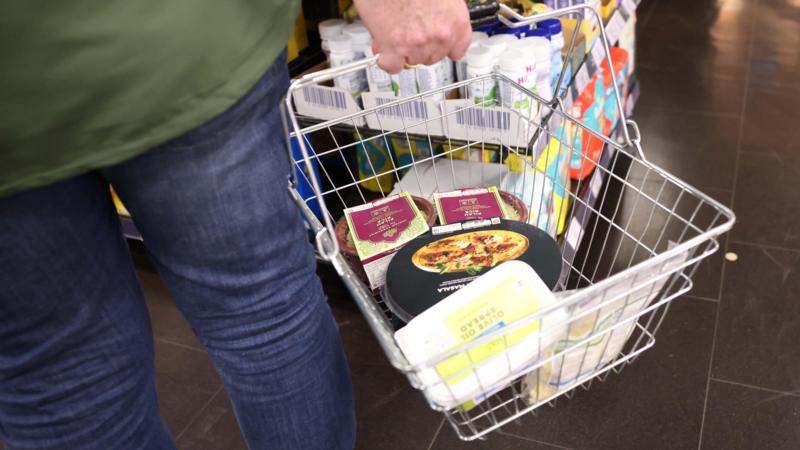
Removing the island’s goods and services tax (GST) from food would cost £14.4 million a year, according to the treasury minister. The tax removal would mainly benefit wealthier islanders, as they spend more on food, while lower-income households would save less.
Key Facts
GST currently applies to food on the island.
Removing GST from food would reduce government revenue by £14.4 million yearly.
Wealthier islanders would benefit more because they spend more on food.
Lower-income households would save around 12% annually, while the richest could save 28%.
When GST was introduced, the government increased personal tax allowances and support payments to help residents.
Officials say a broad GST with targeted support helps people best manage food costs.
A protest happened in Guernsey against a proposed new 3% GST, which might start in 2028.
Read the Original
Want the full story? Tap a source to open the original
article.
New York Governor Kathy Hochul has announced a pause on new large-scale data centers in the state for up to one year. This pause aims to allow time to create rules that protect the environment, the energy system, and electricity costs for residents.
Key Facts
New York is the first state in the U.S. to impose a statewide freeze on new hyperscale data centers.
The freeze will last for up to one year.
This pause stops state approval of environmental permits for new large data centers.
The goal is to develop a plan to protect the environment and the state’s power grid.
Officials want to prevent sharp increases in electric bills for New Yorkers.
Hyperscale data centers are very large facilities that store and process vast amounts of digital information.
The freeze gives New York more time to balance technology growth with environmental and energy concerns.
Read the Original
Want the full story? Tap a source to open the original
article.
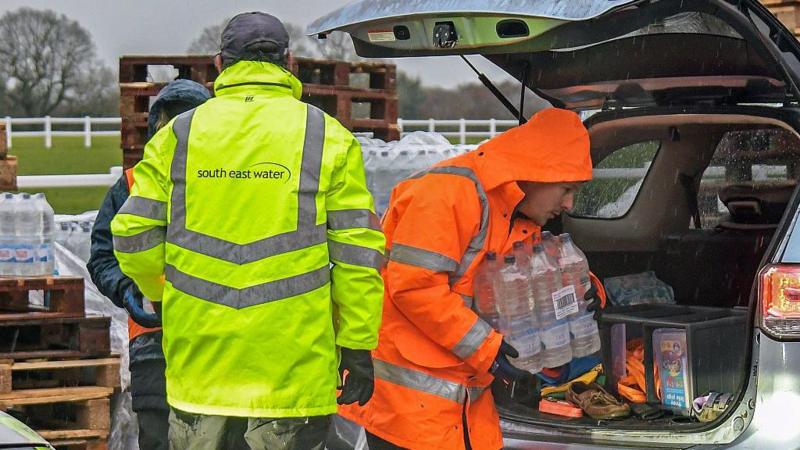
South East Water must pay £30.5 million after failures caused water supply problems for hundreds of thousands of homes in Kent and Sussex. The company’s shareholders will cover the cost, not the customers, and the payment includes support to help customers affected by the disruptions.
Key Facts
The water supply interruptions affected over 286,000 people between 2020 and 2023.
More recent supply issues occurred between November 2025 and January 2026, leaving up to 70,000 homes without water.
Customers could not use tap water, shower, or flush toilets during these outages.
Schools closed and some people had to miss work due to childcare problems caused by the water cuts.
Ofwat, the water regulator, said the company failed to communicate properly and did not provide enough bottled water during the outages.
The £30.5 million payment will fund free water butts, early smart water meters for businesses, and on-site storage to manage high demand.
An independent monitor will be hired to check South East Water’s improvement plans, with the company paying for this separately.
South East Water accepted the failures and apologized for the disruptions and the inconvenience caused.
Read the Original
Want the full story? Tap a source to open the original
article.
South East Water will pay a £30.5 million penalty after investigations found it failed to provide reliable water supply and breached its licence. The regulator Ofwat said the fine covers multiple supply interruptions affecting hundreds of thousands of customers between 2020 and 2023.
Key Facts
South East Water faced three separate investigations by water regulator Ofwat.
The company caused water supply problems for over 286,000 people from 2020 to 2023.
Additional supply issues occurred between November and January, affecting up to 70,000 homes in Kent and Sussex.
Moody’s lowered South East Water’s credit rating in May, causing a licence breach.
Ofwat imposed a £30.5 million penalty, including a previously proposed £22 million fine.
An independent monitor will now oversee South East Water’s improvement efforts.
Ofwat expects the company to make lasting improvements to avoid future supply interruptions.
Read the Original
Want the full story? Tap a source to open the original
article.
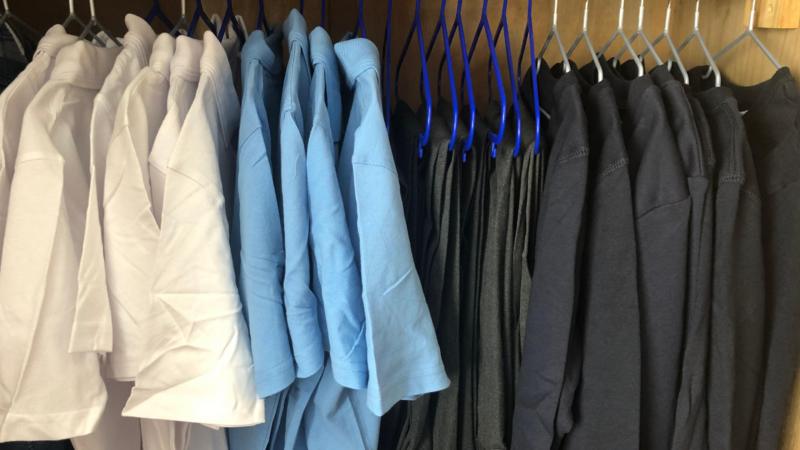
Peterborough City Council is hosting a pop-up event on July 31 where people can donate or pick up school uniforms and prom dresses for free. The event aims to help families save money and promote recycling by reusing clothing.
Key Facts
The pop-up shop will open on July 31 from 12:00 to 17:00 at 31 Bridge Street, near the Town Hall.
Families can bring clean, good-quality school uniforms and prom dresses to donate.
Donated clothing can be swapped or taken for free by those who need it.
The event supports the idea of reducing waste by reusing and recycling clothes.
Peterborough City Council held a similar event last summer and wants to continue helping local families.
The council believes this helps reduce clothing waste and protects the environment.
The event aims to ease the financial burden on families preparing for the new school year.
Local council members encourage participation to support the community and sustainable living.
Read the Original
Want the full story? Tap a source to open the original
article.
A U.S. trade expert says the United States, Mexico, and Canada should have three-way talks to finalize a trade agreement. The expert also says that the longer it takes President Trump to reach a deal, the more it may strengthen China’s position.
Key Facts
The United States, Mexico, and Canada are trying to reach a cross-border trade deal.
A U.S. trade expert, Harry Broadman, recommends trilateral talks involving all three countries.
Harry Broadman is a former lead U.S. international trade negotiator.
The trade talks have been delayed and are not yet finalized.
The expert warns delays could make the U.S. appear weaker, especially to China.
President Trump is leading the effort to negotiate the trade deal.
Read the Original
Want the full story? Tap a source to open the original
article.
The British Beer and Pub Association (BBPA) says that strict UK rules on what counts as alcohol-free beer are stopping pubs and brewers from growing the market. They want the government to raise the alcohol limit from 0.05% to 0.5%, which is common in other countries, to encourage more sales and investment in no- and low-alcohol beers.
Key Facts
Over 64 million pints of low- and no-alcohol beer are expected to be sold in the UK this summer, 8 million more than in 2025.
The UK’s current legal limit for alcohol-free beer is 0.05% alcohol by volume, much lower than the 0.5% limit used in many other countries.
Making beer with zero alcohol but keeping its taste and smell is very difficult and costly.
No- and low-alcohol beer sales have grown by 870% in the UK since 2013.
Brewers and the BBPA believe raising the alcohol limit to 0.5% would boost investment and expand the market.
The trend is driven by younger people drinking less alcohol and the popularity of moderation during events like hot weather and football matches.
The BBPA’s chief executive says changing the definition would help keep the UK competitive internationally and offer more choices to consumers.
Lucky Saint, a no-alcohol beer brand, saw increased sales during the World Cup, showing demand for these drinks during social occasions.
Read the Original
Want the full story? Tap a source to open the original
article.
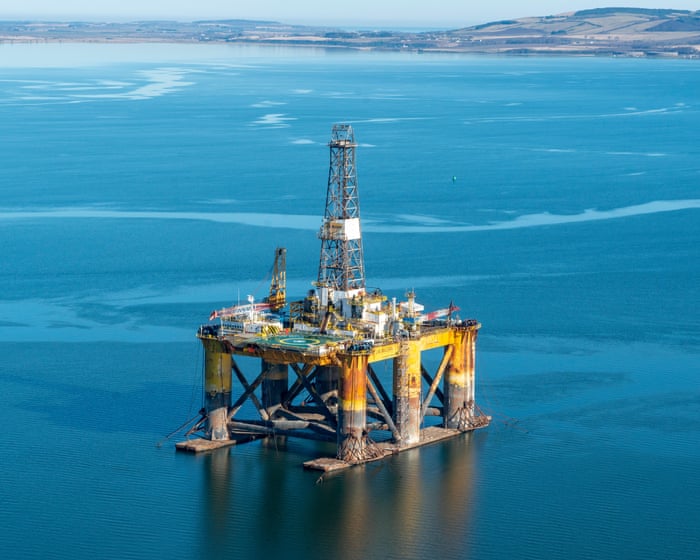
The UK North Sea oil industry is urging the Labour government, expected to be led by Andy Burnham, to approve more oil and gas drilling in UK waters. Industry groups say increased domestic production will support British manufacturing and energy security while critics argue the focus should be on renewable energy.
Key Facts
Over 400 Labour MPs received a letter from the oil industry group Offshore Energies UK (OEUK) asking for approval of new drilling projects.
The letter emphasizes using Britain's existing oil and gas resources alongside building a lower-carbon energy system.
Andy Burnham, likely next UK prime minister, aims to revive British manufacturing and industrial jobs, including energy and steel sectors.
Two major North Sea projects, Rosebank (oil) and Jackdaw (gas), have uncertain futures under the current Labour government.
Jackdaw gas project could start supplying homes by next winter if approved; Rosebank oil project would take longer and mostly export to Europe.
Energy Secretary Ed Miliband has previously criticized new drilling but may approve the Jackdaw project to strengthen his political standing.
Critics argue continued drilling delays the shift to renewables and increases reliance on imports; they call for investment in renewable energy industries like wind power.
The government faces pressure to lower electricity costs, which are currently high due to expensive imported gas.
Read the Original
Want the full story? Tap a source to open the original
article.
Rising oil prices caused by renewed conflict between President Donald Trump and Iran could lead to a fourth interest rate increase by Australia’s central bank this year. Economists warn that if the conflict is not resolved within a week, fuel prices will keep increasing, which may hurt consumer confidence and add to inflation.
Key Facts
US missile strikes on Iran and a new maritime blockade announced by President Trump have pushed oil prices to their highest point in a month.
Brent crude oil reached US$85 per barrel, and West Texas Intermediate crude passed US$80 per barrel, up from about US$70 in early July.
Economists predict that continued conflict could push Brent oil prices to US$100 per barrel in 10 days and US$150 per barrel within 10 weeks.
Higher crude prices previously led to Australian petrol prices near 260 cents per litre and diesel near 320 cents per litre in April.
Wholesale diesel prices in Australia rose from 177.1 cents to 186 cents per litre in July, with retail prices around 190 cents per litre in major cities.
The federal fuel excise relief in Australia will end on 2 August, adding about 16 cents per litre to fuel costs.
The Reserve Bank of Australia (RBA) has already raised interest rates three times in 2026, reaching 4.35%, and increased oil prices boost the chance of another rate increase in August.
Consumer confidence in Australia has dropped due to the conflict and rising prices, reversing some earlier optimism about family finances and falling fears of rate rises.
Read the Original
Want the full story? Tap a source to open the original
article.
Oil prices reached their highest point in a month due to ongoing fighting between the United States and Iran near the Strait of Hormuz, an important route for global oil shipments. The conflict has made it harder for ships to safely pass, causing concerns about oil supply and pushing prices up.
Key Facts
Brent crude oil prices rose 2 percent on Tuesday, reaching $84.91 per barrel, the highest since June 15.
Oil prices have increased about 17 percent since fighting began between the US, Israel, and Iran in late February.
The US Central Command reported continued strikes on Iran to prevent attacks on civilians and shipping in the Strait of Hormuz.
Iran’s military said it attacked two oil supertankers and launched missile and drone strikes on US forces in Kuwait and Bahrain in response.
President Donald Trump announced Washington would block Iranian ports again and charge fees for ships passing the Strait of Hormuz.
Ship traffic through the Strait of Hormuz fell by more than 50 percent recently, dropping to pre-peace agreement levels.
The US military said it helped oil shipments continue through the strait, with 8.5 million barrels passing the previous day.
Analysts warn oil prices might rise to $100 per barrel if supply risks increase due to ongoing conflict and reduced oil reserves.
Read the Original
Want the full story? Tap a source to open the original
article.
Chipotle Mexican Grill will open its first restaurant in Mexico this week. The restaurant is located in Nuevo León state, and the company plans to expand further in Mexico, including Mexico City in 2027.
Key Facts
Chipotle has over 4,100 restaurants around the world.
This will be Chipotle’s first restaurant in Mexico, the country that inspired its menu.
The new location is in Nuevo León, near the Texas border.
Chipotle plans to open more locations in Mexico and enter Mexico City in 2027.
The company is working with Mexican restaurant operator Alsea to expand.
Some people on social media expressed doubt about Chipotle’s success in Mexico.
Other US chains like Taco Bell and Domino’s Pizza have failed to last in countries where their dishes have origin.
Chipotle says it respects Mexico’s food culture and aims to deliver a quality experience.
Read the Original
Want the full story? Tap a source to open the original
article.
Twelve U.S. states filed a lawsuit to stop Paramount Skydance from buying Warner Bros. Discovery. This deal would combine two of the biggest media companies in the country and is valued at $110 billion.
Key Facts
Twelve states joined together to sue against the merger.
The lawsuit aims to block Paramount Skydance’s purchase of Warner Bros. Discovery.
Paramount Skydance owns CBS News.
Warner Bros. Discovery is a major media company.
The merger deal is worth $110 billion.
The case represents a legal challenge to the merger.
The action was announced on Monday.
CBS News reported on the lawsuit.
Read the Original
Want the full story? Tap a source to open the original
article.
Nadiem Makarim, cofounder of Indonesia’s popular app Gojek and former education minister, was sentenced to 10 years in prison for corruption related to a government laptop purchase deal favoring Google during the COVID-19 pandemic. This case has raised concerns about investor confidence in Indonesia due to questions about the fairness of the trial and possible political motives.
Key Facts
Nadiem Makarim was found guilty of abusing his authority as education minister by favoring Google in buying laptops for schools.
Over 1 million Chromebooks were purchased, but many did not work well in remote areas due to poor internet access.
Prosecutors claim Indonesia lost $120 million because of this deal.
The case involved allegations that the tender was tailored to benefit Google, an investor in Gojek's parent company.
Some believe the corruption charges lack strong evidence and may be politically motivated under President Prabowo Subianto's administration.
Experts warn that this verdict could reduce foreign investment in Indonesia due to concerns about legal fairness and the judicial system.
Google denied any wrongdoing and was not charged in the case because of insufficient evidence.
Indonesia’s efforts to digitalize public services may be affected by tensions between government actions and big tech companies.
Read the Original
Want the full story? Tap a source to open the original
article.
Many parents face pressure and uncertainty about how much money to give teachers and school staff as end-of-year thank-you gifts. Collections organized by parents can add up to significant amounts, causing financial strain for some families and creating complex social expectations.
Key Facts
Parents often collect money to thank teachers and school staff at the end of the school year.
Contributions can be as high as £18 per child when split among several staff members.
Parents sometimes feel pressured to give more money to avoid appearing "tight" or stingy.
Collections are often organized via group messages and can include gifts like flowers, vouchers, or spa days.
Some parents see group collections as more affordable than giving individual gifts.
Discussions on forums like Mumsnet show mixed opinions on the right amount to give and the pressure involved.
Psychologists suggest a fixed amount like £5 per child is generous and helps avoid showing off or making some children feel left out.
Children from families with less money benefit when gift-giving is kept simple and fair for everyone.
Read the Original
Want the full story? Tap a source to open the original
article.
In the UK, sunny weather and the World Cup caused people to spend more on beer, clothes, and online shopping in June. Pubs had higher sales, especially on days England played football, while many shoppers bought items online due to the heatwave.
Key Facts
UK consumer spending rose 1.9% in June compared to last year, an increase from 0.8% in May.
Pubs saw big jumps in sales during England’s World Cup matches, with some days having five times the usual takings.
England’s football success may add around £385 million to the UK economy by the quarter-finals.
The British Beer and Pub Association expects 6 million extra pints to be sold during the semi-final game.
Hot weather led to a 2.4% rise in clothing sales, and department stores increased sales by 9.7%.
Non-food store sales dropped 1.1%, but online non-food sales grew 5.1% compared to last June.
The share of non-food items bought online went up from 37.7% to 39%.
The heatwave encouraged people to buy cooling products like electric fans and paddling pools, while gaming and big-ticket item sales fell.
Read the Original
Want the full story? Tap a source to open the original
article.
Tether, a crypto company based in El Salvador, bought more gold last year than any other buyer, according to data from the European Central Bank. Tether also owns a large amount of U.S. government debt and acts like a private central bank, despite having only 200 employees. One of its main shareholders, Christopher Harborne, has donated large sums of money to Nigel Farage’s Reform party, raising questions about cryptocurrency regulation discussions between Farage and the Bank of England.
Key Facts
Tether runs USDT, the world’s largest stablecoin, which is a type of cryptocurrency backed by real money.
Last year, Tether purchased more gold than countries like China, Japan, or Gulf states.
The company stores its gold in a secure former nuclear bunker in Switzerland.
Tether owns about $135 billion in U.S. government debt, more than South Korea.
Christopher Harborne, a significant Tether shareholder, donated a total of £15 million to Nigel Farage’s Reform party.
Farage met with Bank of England Governor Andrew Bailey to discuss cryptocurrency regulation in September 2023.
There was lobbying to limit stablecoin holdings in the UK, which Farage opposed.
Reform party’s crypto legislation draft mentioning stablecoins was removed from their website.
Read the Original
Want the full story? Tap a source to open the original
article.
Ukrainian drone attacks have nearly stopped shipping in the Sea of Azov, disrupting an important route that carries about a quarter of Russia's wheat exports. These strikes have also damaged fuel refining in the area, causing Russia to ban diesel exports until the end of July and leading to higher fuel prices in Russian-controlled Crimea.
Key Facts
Ukrainian drones attacked shipping routes in the Sea of Azov, almost stopping shipments.
This sea route carries about 25% of Russia's wheat exports.
The attacks damaged many fuel refineries in the region.
Due to refinery damage, Russia banned diesel fuel exports through July.
Fuel prices, especially petrol, hit record highs in Crimea, controlled by Russia.
The disruption affects global grain and fuel markets.
The situation adds pressure to Russia’s already difficult fuel supply issues.
This is part of ongoing conflict and economic tensions between Ukraine and Russia.
Read the Original
Want the full story? Tap a source to open the original
article.
A funding problem in Social Security could lead to much higher mortgage rates in the future. If Congress does not fix the country's Social Security finances by 2032, the government may need to borrow more money, which can cause mortgage interest rates to rise.
Key Facts
Social Security’s main retirement trust fund may run out of money by late 2032, earlier than previously expected.
After the trust fund is depleted, payroll taxes will cover only about 78% of scheduled retirement benefits.
Increased government borrowing to cover Social Security could raise Treasury yields, which influence mortgage rates.
Higher Treasury yields can push 30-year mortgage rates up from about 6.3% to nearly 9%.
A rise in mortgage rates to 9% would increase monthly payments by about $743 on a $400,000 home loan.
The Social Security funding gap could reach $600 billion in 2033 and $700 billion by 2036 if not addressed.
Experts warn that failure to act before the crisis point could cause financial instability and higher home borrowing costs.
Congressional action is needed to prevent the situation from worsening and avoid a fiscal crisis.
Read the Original
Want the full story? Tap a source to open the original
article.
Twelve U.S. states filed a lawsuit to stop Paramount from buying Warner Bros. Discovery in an $81 billion deal. The states say the merger would reduce competition in Hollywood and limit choices for viewers across the country.
Key Facts
Twelve states are suing to block Paramount’s takeover of Warner Bros. Discovery.
The proposed merger is valued at $81 billion.
The states argue the deal would reduce competition in the entertainment industry.
Officials say this could lead to fewer movies and TV shows for consumers.
They also warn it might cause higher prices and lower quality content.
California Attorney General Rob Bonta is leading the lawsuit.
The states believe the merger would negatively affect audiences nationwide.
Read the Original
Want the full story? Tap a source to open the original
article.