The book "Mighty Real: A History of LGBTQ Music, 1969-2000" by Barry Walters explores how LGBTQ musicians, songwriters, and fans influenced pop culture and music from 1969 to 2000. An excerpt focuses on Elton John’s early career and how his music gradually expressed LGBTQ themes more openly.
Key Facts
Barry Walters is a writer for magazines like Rolling Stone and Spin.
His book covers the role of LGBTQ people in shaping music and pop culture between 1969 and 2000.
In the 1970s, Elton John’s music included hints of LGBTQ themes before he publicly came out.
Songs like "Rocket Man" and "Daniel" contained messages relatable to LGBTQ listeners.
Elton John’s 1973 album "Goodbye Yellow Brick Road" marked a noticeable change in style and expression.
The album cover showed Elton wearing bright, colorful clothing symbolizing his emerging openness.
Elton John publicly identified as bisexual in 1976 and as gay in 1988.
The book highlights how LGBTQ music culture became less hidden and more visible over time.
Read the Original
Want the full story? Tap a source to open the original
article.
The article argues that taxing energy producers will not solve the problem of high energy costs. It suggests that such taxes could make the supply crisis worse instead of better.
Key Facts
High energy costs are a current issue.
Some people propose taxing energy producers to address the problem.
The article states that taxing producers will not fix the supply shortage.
It implies that taxes on producers could reduce the energy supply.
The article points out that this could backfire and increase energy problems.
Read the Original
Want the full story? Tap a source to open the original
article.
Home prices in the U.S. reached a record high of $440,600 in June, driven by low housing supply and rising demand. This rise in price makes it harder for first-time buyers to buy homes, even as existing homeowners benefit from increased property values.
Key Facts
The median price for existing homes in the U.S. hit $440,600 in June, the highest ever recorded.
Home prices grew in all regions, with the Northeast and Midwest seeing the largest increases of 2.7%.
Sales of existing homes dropped 2.4% from May to June, with most regions experiencing a decline except the Northeast.
First-time buyers made up 33% of home sales in June, down slightly from 35% in May but up from 30% a year earlier.
Although home prices are high, wage growth is currently faster than home price increases, helping affordability to improve slightly.
The supply of homes for sale remained low, with just 1.56 million homes available nationally, increasing only 1.3% from last year.
Experts say the U.S. needs 7 to 10 million more homes to fix the supply shortage and improve affordability.
A bipartisan housing bill passed by Congress is expected to become law soon, despite President Trump not signing it yet.
Read the Original
Want the full story? Tap a source to open the original
article.
The UK government is thinking about stepping in to review the planned merger between Paramount-Skydance and Warner Bros. Discovery because they worry it might reduce the variety of voices in the media. Billionaires Larry and David Ellison, who are behind the merger, also have political connections that could influence the future of the media industry.
Key Facts
The merger involves Paramount-Skydance acquiring Warner Bros. Discovery.
UK officials are concerned the deal could limit media diversity, meaning fewer different viewpoints and sources.
Larry and David Ellison, two billionaires, are key figures supporting the merger.
The Ellisons have political ties that might impact media control and influence.
Media plurality means having a range of independent media sources to ensure balanced information.
The UK’s potential intervention aims to protect this media diversity.
The merger could reshape how media companies operate and compete.
The discussion about the merger reflects broader concerns about media concentration worldwide.
Read the Original
Want the full story? Tap a source to open the original
article.
SK Hynix, a leading memory chip maker from South Korea, has launched its shares on the U.S. stock market through American depositary receipts (ADRs). The company’s chips are in high demand because of the growth in artificial intelligence, leading to strong profits and a major stock sale in the U.S.
Key Facts
SK Hynix is one of the largest memory chip makers globally and is already traded on South Korea’s KOSPI index.
The company priced 177.9 million ADR shares at $149 each, raising $26.5 billion—the largest initial share sale in the U.S. by a foreign firm.
Its shares are expected to start trading on the Nasdaq stock exchange.
SK Hynix specializes in high bandwidth memory chips essential for advanced artificial intelligence technology.
The U.S. is SK Hynix’s biggest market, making up 68.8% of its revenue in 2025.
The company reported nearly $65 billion in revenue and about $28 billion in profits in 2025.
SK Hynix recently partnered with Nvidia for AI memory chip development and plans to build its first U.S. factory in Indiana.
Along with Samsung and the South Korean government, SK Hynix will invest about $518 billion to build a new chipmaking hub in South Korea’s southwest region.
Read the Original
Want the full story? Tap a source to open the original
article.
Disney released a live-action remake of the 2016 animated film Moana, starring Dwayne Johnson and newcomer Catherine Laga'aia. Most critics gave the movie negative reviews, calling it dull and overly reliant on animation effects, though a few reviewers praised its visuals and family appeal.
Key Facts
The live-action Moana came out on a Friday and features Dwayne Johnson returning as Maui.
Catherine Laga'aia, 19 years old and Australian-Samoan, plays the lead role of Moana.
Critics commonly described the film as flat, dismal, and lacking excitement.
Some reviewers said the movie felt more like animation due to heavy use of CGI (computer-generated imagery).
A few critics praised the film's beauty, colors, and that it offers family entertainment.
The original screenwriter Jared Bush adapted the script, and Lin-Manuel Miranda's music remains in the film.
Disney has made over 20 live-action remakes of its animated movies in the last 15 years, with mixed results.
Recent Disney live-action films have varied financially, with successes like Mufasa: The Lion King and losses like the Snow White remake.
Read the Original
Want the full story? Tap a source to open the original
article.
Ministers in England are planning to introduce legal limits on how much debt water companies can have. This move aims to prevent future financial problems like those faced by Thames Water and protect customers and the environment.
Key Facts
Environment Secretary Emma Reynolds is working on proposals to set legal debt limits for water companies.
Companies breaking these debt limits could face legal consequences.
Thames Water has £17.6 billion in debt, with a debt-to-value ratio of 86%, much higher than recommended levels.
The water regulator, Ofwat, currently suggests debt should not exceed 55% of company value, but many companies exceed this.
Plans may be part of a new Clean Water bill aimed at improving financial resilience and service quality.
Incoming Prime Minister Andy Burnham supports public control or strong regulation of water companies.
If companies fail to meet debt targets, they must explain to ministers, and further penalties could follow.
Some industry leaders warn that stricter debt rules might reduce funds for infrastructure improvements.
Read the Original
Want the full story? Tap a source to open the original
article.
Volkswagen reported a drop in car sales, especially in China, during the second quarter of 2026. In response, the company announced plans to reduce its number of car models by about half to become faster and more competitive.
Key Facts
Volkswagen's global sales fell 8.6% in the second quarter to just under 2.1 million vehicles.
Sales in China dropped by more than one-third.
Volkswagen plans to cut its number of car models by nearly 50%, though detailed plans were not given.
CEO Oliver Blume said the company aims to reduce complexity and improve efficiency amid tougher market conditions.
Sales of Volkswagen’s main brand fell 14%, Audi’s sales dropped 8%, and Porsche’s fell 18%.
Some brands like Lamborghini, Skoda, and the truck division saw sales increases.
Challenges include geopolitical tensions, rising costs (like tariffs), stricter regulations, and strong competition, especially in China.
Hundreds of Volkswagen employees protested job security and plant closure plans at the Zwickau electric car factory.
Read the Original
Want the full story? Tap a source to open the original
article.
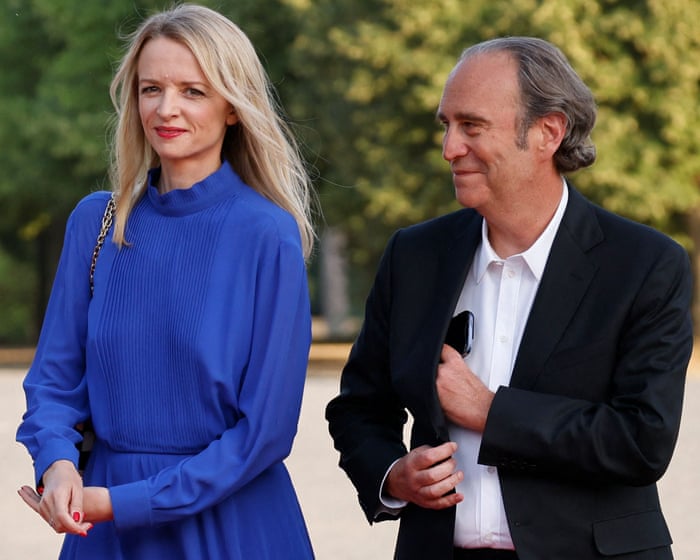
French billionaire Xavier Niel has become the largest shareholder in Vodafone by buying a 16% stake worth £4.4 billion. He plans to hold this investment long term and help Vodafone grow its business across Europe and Africa.
Key Facts
Xavier Niel bought 16% of Vodafone shares for £4.4 billion through his family company, Vega.
The shares were bought at a 15% higher price than Vodafone’s share price the day before.
Vodafone recently restructured by selling parts of its business in Italy, Spain, and the Netherlands.
Niel sees Vodafone as ready for growth and wants to support the company’s future success.
The Emirati group e& sold its shares in Vodafone to Niel for 112.5p per share.
Vodafone plans to take full control of its UK joint venture with Three by buying the remaining 49% stake.
Niel has a history of active investments in telecom firms, including cutting jobs after acquiring shares in Tele2.
Vodafone’s stock price increased by 12% after the announcement of Niel’s investment.
Read the Original
Want the full story? Tap a source to open the original
article.
Many homes in the U.S. sit empty even though the country faces a serious housing shortage. A recent report shows about 14.5 million homes are vacant, but many are seasonal or recreational and not available for people to live in year-round.
Key Facts
The U.S. needs 7 to 10 million more homes to meet demand and improve affordability.
Around 14.5 million U.S. homes are currently vacant.
Of these vacant homes, 4.7 million are used seasonally, 2.6 million are available to rent, and fewer than 800,000 are for sale.
The national vacancy rate is 10.1%, higher than the normal 7-8% considered healthy.
Maine has the highest vacancy rate at 20.6%, followed by Vermont (19.4%) and Alaska (17.6%).
Some states like Connecticut have much lower vacancy rates, around 7%.
Florida has about 1.5 million vacant homes, the highest in number despite ranking fifth in vacancy rate.
Not all vacant homes help solve the housing shortage because many are seasonal and not available for long-term living.
Read the Original
Want the full story? Tap a source to open the original
article.
Weidong "Bill" Guan, the former chief financial officer of The Epoch Times, pleaded guilty to conspiracy in a $67 million money laundering scheme involving stolen unemployment benefits. Guan admitted to knowingly allowing fraudulent funds to pass through the company's and his own bank accounts, and he faces up to 10 years in prison.
Key Facts
Weidong "Bill" Guan is the ex-CFO of The Epoch Times media company.
He pleaded guilty to conspiracy in a $67 million fraud and money laundering case.
The scheme involved laundering fraudulently obtained unemployment benefits and other criminal proceeds.
Fraudulent funds were moved through The Epoch Times’ bank accounts and related entities.
Cryptocurrency and prepaid debit cards were used to handle illegal money.
Guan admitted he knew the money was probably from crimes but did not investigate further.
The company’s revenue reportedly increased by about 410% during the scheme.
The Epoch Times states it was not involved in the crime and is cooperating fully with authorities.
Read the Original
Want the full story? Tap a source to open the original
article.
Younger generations like Gen Z and millennials are investing in high-risk assets such as cryptocurrency, sports betting, and new financial products because traditional ways to build wealth no longer work well for them. These behaviors reflect changes in the economy, including high student debt, expensive housing, and less access to steady jobs and savings compared to previous generations.
Key Facts
About half of Gen Z investors have some form of cryptocurrency.
Nearly one-third of adults under 30 bet on sports.
Gen Z and millennials have much less wealth than older generations did at the same age.
The median home price can be over seven times the median income in many cities.
Young people are moving toward risky investments because safer options don’t work due to economic challenges.
Legal sports betting in the U.S. grew from $4 billion to $165 billion annually after a 2018 Supreme Court ruling.
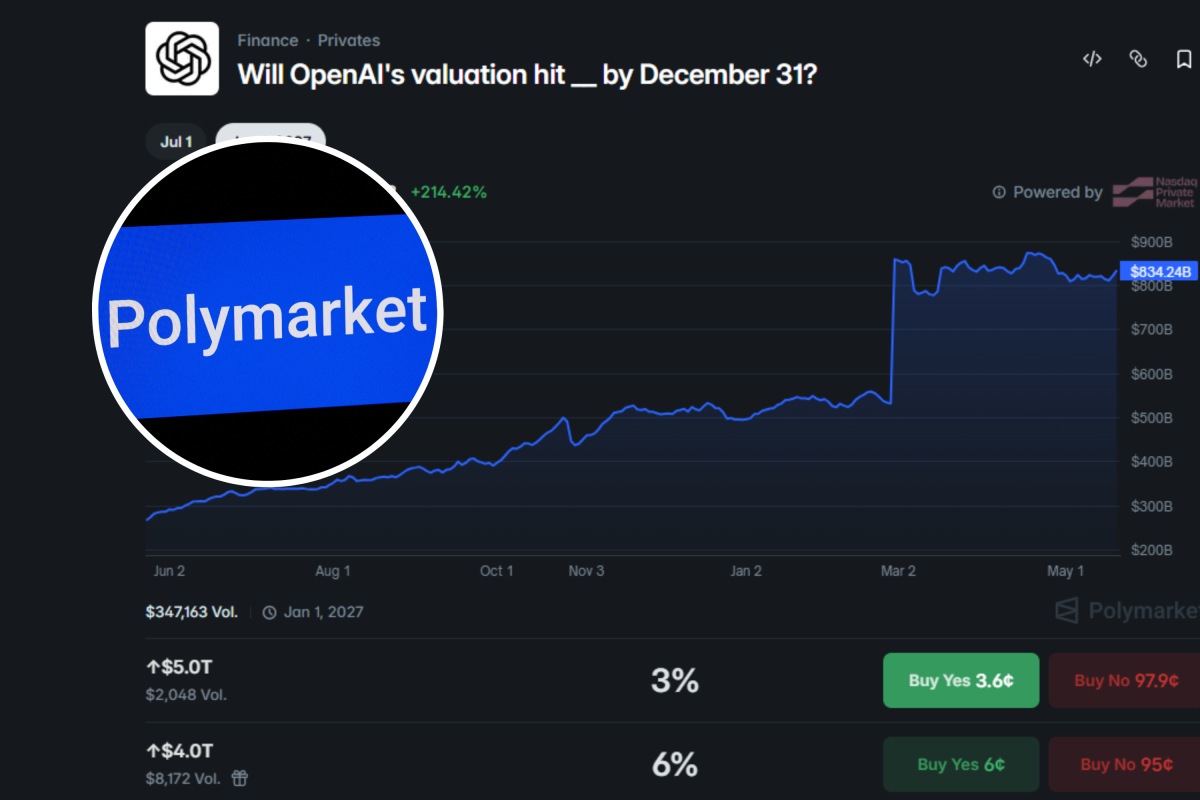
New investment types like prediction markets and options trading have grown rapidly and attract many retail investors.
Some new platforms use public blockchains, making market rules transparent and open for anyone to check.
Read the Original
Want the full story? Tap a source to open the original
article.
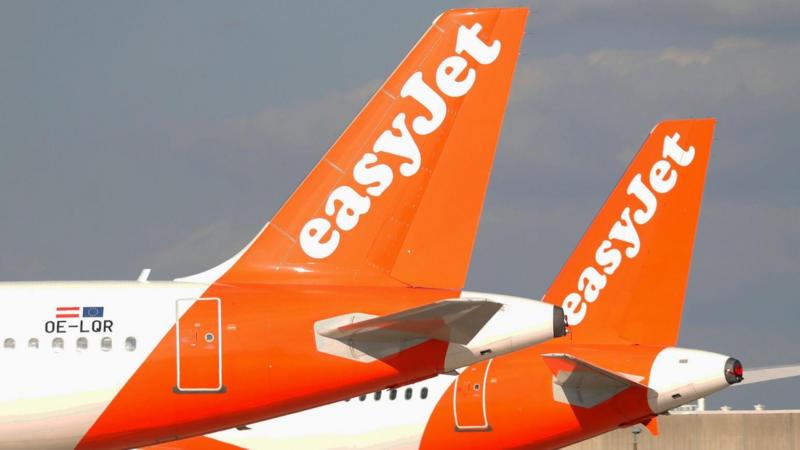
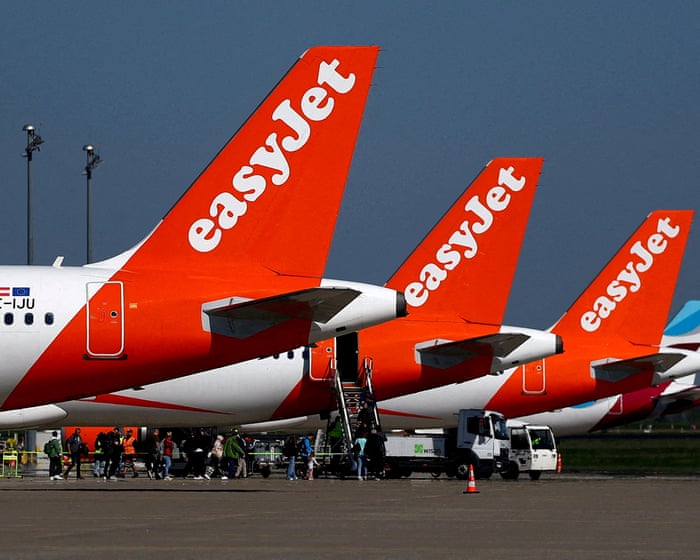
EasyJet agreed to a £5.7 billion takeover offer from the U.S. private equity firm Apollo, which is higher than a competing bid from another American firm, Castlelake. EasyJet's board believes Apollo's offer is better for shareholders and has stopped recommending Castlelake’s proposal.
Key Facts
Apollo offered £7.15 per EasyJet share, worth about £5.7 billion ($7.7 billion).
Castlelake’s rival bid was £6.90 per share, valued at about $6.7 billion.
EasyJet’s board sees Apollo’s offer as a better deal for shareholders.
Apollo has until August 7 to make a final offer or abandon the bid, under UK rules.
EasyJet opened discussions with Apollo on June 25 by sharing company information.
Castlelake had earlier been set to take EasyJet private after its previous offer was accepted.
EasyJet reported a 27% increase in losses in the first half of the financial year, due to rising fuel costs and travel disruptions linked to the US-Iran conflict.
EasyJet’s CEO said the company is prepared to handle ongoing challenges in the latter half of the year.
Read the Original
Want the full story? Tap a source to open the original
article.
A North Carolina woman bought a wallet at a thrift store and later found a small bag with powdery contents and a note inside it. She is unsure if the powder is ashes, sand, or something else and plans to return to the store to learn more about the wallet’s origin.
Key Facts
Jennifer Barnes from North Carolina bought a wallet at a thrift store in Asheboro.
She saw a folded piece of paper inside the wallet but did not inspect it closely at first.
Days later, she found a small zip-top plastic bag hidden behind the paper containing powdery material and a note saying “Uncle Joe Disney.”
Barnes believes the contents could be ashes, sand from Disney, or a prank, but she hasn’t opened the bag to avoid disturbing it.
She contacted her family to share the surprising discovery.
Barnes plans to talk to the thrift store owner to find out the wallet’s history and possibly return it to the original owner.
Thrift stores are popular for affordable and nostalgic items, with about one-third of U.S. apparel purchases expected to be from them in 2025.
Barnes and her husband enjoy thrifting for unique items with stories behind them.
Read the Original
Want the full story? Tap a source to open the original
article.
Asian stock markets rose on Friday, led by gains in technology companies, while oil prices fell slightly as traders watched conflict developments in Iran. Despite tensions and recent conflicts between the U.S. and Iran, markets in South Korea, Japan, and Hong Kong gained, and U.S. futures dipped a little.
Key Facts
South Korea’s Kospi index increased by 2.5%, partly due to gains in memory chipmaker SK Hynix.
Tokyo’s Nikkei 225 rose 1.9%, with major jumps in SoftBank Group (10.5%) and Tokyo Electron (4%).
Hong Kong’s Hang Seng index was up 1.8%, while Shanghai Composite fell 0.5% after recovering losses.
Australia’s S&P/ASX 200 gained 0.5%, and India’s Sensex increased by 0.9%.
Brent crude oil price fell 0.3% to $76.07 per barrel amid pressure on global oil supplies due to limited ship movements through the Strait of Hormuz.
U.S. stock indexes rose on Thursday, with the S&P 500 increasing 0.8%, Dow Jones gaining 0.3%, and Nasdaq climbing 1.3%.
Semiconductor stocks like Micron Technology, AMD, Marvell Technology, and ON Semiconductor showed strong gains.
The U.S. dollar weakened against the Japanese yen and the euro.
Read the Original
Want the full story? Tap a source to open the original
article.
South Korean chip maker SK Hynix raised $26.5 billion in its initial public offering (IPO) on the Nasdaq stock exchange, setting a record for a foreign company in the U.S. The strong demand for semiconductors used in artificial intelligence (AI) helped drive the success of the IPO, which was oversubscribed by more than seven times.
Key Facts
SK Hynix sold 177.9 million American depositary shares (ADS) at $149 each before listing on Nasdaq.
The IPO raised $26.5 billion, surpassing Alibaba’s $25 billion IPO in 2014 as the largest foreign company listing in the U.S.
SK Hynix’s IPO was the second-largest global listing after SpaceX’s $85.7 billion offering in June 2026.
The IPO was more than seven times oversubscribed, with about $171 billion in orders.
SK Hynix earned 40.34 trillion won ($26.6 billion) in net income during the first quarter of 2026.
Since the start of 2026, SK Hynix shares on the South Korean stock exchange have risen about 229%.
SK Hynix joined the $1 trillion club in May alongside Samsung Electronics and Micron Technology.
The company and Samsung agreed to invest $518 billion in AI-related chipmaking facilities as part of a South Korean government initiative.
Read the Original
Want the full story? Tap a source to open the original
article.
EasyJet has agreed in principle to a £5.7 billion takeover offer from US firm Apollo Management. This offer is higher than a previous bid from US investment firm Castlelake, and EasyJet's board prefers Apollo's proposal for its shareholders.
Key Facts
EasyJet is a major European airline with over 19,000 employees.
It flies about 1,200 routes in 35 European countries.
Apollo Management offered £7.15 per share in its takeover bid.
This bid is higher than Castlelake’s earlier offer of £6.90 per share.
EasyJet’s board no longer supports Castlelake’s offer.
Apollo must make a firm bid by 7 August or withdraw.
Castlelake’s deadline for a firm offer is 3 August.
European Union rules require EasyJet to be majority-owned by EU citizens.
Castlelake planned a partnership with two EU businessmen to meet EU ownership rules.
Read the Original
Want the full story? Tap a source to open the original
article.
The board of easyJet is considering a £5.7 billion cash offer from US private equity firm Apollo, which values the airline at £7.15 per share. This offer has led easyJet’s board to favor Apollo’s bid over an earlier £5.5 billion proposal from another US firm, Castlelake.
Key Facts
easyJet’s board is likely to recommend Apollo’s £5.7 billion all-cash offer to shareholders.
Apollo’s offer values easyJet shares at £7.15 each, higher than Castlelake’s £6.90 per share bid.
easyJet had previously agreed “in principle” to accept Castlelake’s £5.5 billion offer after several increases.
Analysts say Castlelake’s offer undervalued easyJet.
Apollo’s bid allows shareholders to keep their shares if the company is taken private.
Apollo supports easyJet’s current strategy and plans to keep the company intact, without breaking it up.
Apollo values easyJet’s management and employees and wants to retain key staff.
Apollo has until 7 August to make a final offer for the airline.
Read the Original
Want the full story? Tap a source to open the original
article.
Fuel prices vary by more than 11 pence per litre at different petrol stations within a few miles in Hull, UK. Drivers are encouraged to use price comparison tools like the government's Fuel Finder to save money, but some petrol stations do not update prices regularly as required by law.
Key Facts
Petrol prices in Hull differ by over 11p per litre at stations less than three miles apart.
Filling a 50-litre tank can cost around £5.65 more at the most expensive station compared to the cheapest nearby.
The government requires all UK petrol stations to update price changes within 30 minutes since February 2.
Some stations fail to update prices frequently, affecting the accuracy of comparison tools.
Taxi driver Wayne Parsons says even cheaper prices remain very high for those who rely on fuel for work.
Average UK petrol prices are about 19p per litre higher than before the Middle East conflict, despite oil prices returning to normal.
Factors affecting price differences include local competition, location, and how often stations receive fuel deliveries.
The Fuel Finder app aims to help drivers save about £40 yearly by promoting price competition.
Read the Original
Want the full story? Tap a source to open the original
article.
The price of fish and chips has increased in the UK due to rising costs of fish, energy, and other expenses. A regular portion of cod and chips now costs about £12, with much of the price covering expenses like fish, wages, and taxes.
Key Facts
The average price for haddock and chips is just over £10, and cod and chips costs about £11.41.
Jon Long, a fish and chip shop owner in Dorset, charges around £12 for a regular portion of cod and chips.
About £2 of this price goes to government tax (VAT), food costs are about 35% (around £3.50 to £4), and wages make up about 40% (£4).
The remaining £2 covers business reinvestment and income for the owner, not just profit.
Fish prices have risen from £7 per kilo to £16-£17 due to supply issues linked to the war in Ukraine and tariffs on Russian-caught fish.
Over half of the fish coming into the UK used to be Russian caught, but this supply has stopped.
Energy price increases and general cost rises affect both businesses and customers.
Despite challenges, some shop owners are reopening or investing because they believe there is still a future in the fish and chips industry.
Read the Original
Want the full story? Tap a source to open the original
article.