Marks & Spencer (M&S), a British high-street retailer, will celebrate its 100th anniversary by joining London Fashion Week (LFW) with a catwalk show featuring its latest clothing collections. M&S aims to attract younger customers by offering trend-focused, affordable fashion that is available to buy immediately after the show.
Key Facts
M&S is participating in London Fashion Week for the first time to mark 100 years in fashion.
The retailer will showcase both women’s and men’s clothing collections on the runway.
The catwalk show will be livestreamed for customers to watch at home.
Unlike many luxury brands, M&S’s clothes will be available to buy right after the show online and in larger stores.
M&S is working to change its image from older, unfashionable styles to trendier clothing for younger shoppers.
Fashion consultant trends like monthly product drops and viral social media items are part of M&S’s new strategy.
The brand’s younger customer base has grown by offering affordable versions of popular fashion trends seen on social media and worn by celebrities.
Previous events supporting this change include a summer fashion show in Ibiza and a recent show at Silverstone.
Read the Original
Want the full story? Tap a source to open the original
article.
A nuclear power plant called Sizewell B in Suffolk, England, will keep producing electricity for 20 more years, until 2055. The plant’s owner, EDF, made a deal with the government to invest around £800 million to upgrade the plant and protect jobs.
Key Facts
Sizewell B started working in 1995 and was originally planned to close in 2035.
The plant will now operate until 2055 after a new agreement.
EDF employs 620 staff and 300 contractors at Sizewell B.
The extension will support hundreds of jobs and allow new local hires.
Sizewell B provides power to over two million homes and contributes 3% of the UK's energy.
EDF plans to invest about £800 million to upgrade the plant.
The government supports the extension as it provides clean electricity and secures jobs.
A campaign group called Together Against Sizewell C expressed concerns about safety, environmental risks, and long-term costs of nuclear power and waste.
Read the Original
Want the full story? Tap a source to open the original
article.
The rise of artificial intelligence (AI) companies in San Francisco is driving up house prices in the city. Wealthy AI workers with high salaries and valuable stock options are buying expensive properties, causing a record increase in housing costs.
Key Facts
A renovated three-bedroom apartment in San Francisco’s Duboce Triangle was listed for nearly $3 million.
The seller of this property was willing to accept shares from AI companies OpenAI or Anthropic instead of cash.
San Francisco became the most expensive US city for homebuyers in March 2026, with median house prices rising 19% from the previous year.
By May 2026, the median home price in San Francisco reached a record $1.76 million, compared to $400,000 for the US overall.
The housing price increase is linked to the influx of AI workers who receive high salaries, bonuses, and stock options from companies like OpenAI and Anthropic.
In October 2025, over 600 OpenAI employees sold shares worth a total of $6.6 billion, averaging $11 million per person.
Anthropic employees have also sold shares estimated at $6 billion.
OpenAI and Anthropic plan to go public soon, which could increase the number of wealthy employees and further boost San Francisco’s housing market.
Read the Original
Want the full story? Tap a source to open the original
article.
Charlie Nunn, CEO of Lloyds Banking Group, shared five money management tips based on his experience running the UK's largest bank. His advice includes automating savings, being open about money in relationships, teaching children about budgeting with pocket money, pausing before making purchases to avoid fraud, and being cautious of financial influencers on social media.
Key Facts
Lloyds Banking Group is the UK’s biggest bank, managing about one in four current accounts.
Automating savings helps people regularly put money aside without needing to make a new decision each time.
Having an emergency fund covering 1 to 3 months of salary is recommended to cover unexpected expenses.
Charlie Nunn and his wife use a joint bank account and share all financial details openly.
Giving children pocket money can teach them budgeting and money management skills early.
Many people, especially young ones, face risks of online fraud through social media and marketplaces.
Lloyds has a tool that lets customers check if online deals or tickets are genuine to avoid scams.
Financial influencers promoting risky products, like some cryptocurrencies, can be misleading.
Read the Original
Want the full story? Tap a source to open the original
article.
Electric vehicles (EVs) often cost more to insure than petrol or diesel cars because they are more expensive and take longer to repair. Some EV repairs require replacing large, integrated parts rather than smaller pieces, increasing repair costs and leading insurers to charge higher premiums.
Key Facts
EV repairs cost 30% more on average than repairs for petrol or diesel cars.
It takes 14% longer, on average, to fix EVs.
Insurance premiums for EVs can be 10-25% higher depending on the model.
EV components are often glued or combined to reduce weight, making repairs more costly.
A minor crash can cause expensive damage, such as a £4,000 repair to a charging port and related parts.
The battery makes up about 40% of an EV’s total value and usually must be replaced as a single unit.
EVs accounted for nearly one in three new cars sold in the UK in June.
Experts say lowering insurance costs and making EVs easier to repair could encourage more buyers.
Read the Original
Want the full story? Tap a source to open the original
article.
The UK government is planning reforms for the veterinary sector, including requiring vets to have a licence and capping pet medicine prescriptions at £21. The proposed changes aim to increase transparency, improve competition, and protect pet owners from high and unexpected costs.
Key Facts
UK vets may need an official operating licence similar to GP surgeries and care homes.
Prescription costs for pet medicines could be capped at £21.
Over 60% of UK veterinary practices are owned or partly owned by six large groups controlled by private equity or big companies.
The Competition and Markets Authority found low public satisfaction with veterinary costs and weak competition among vet businesses.
Proposed reforms include mandatory price lists and clearer ownership information to help pet owners compare prices.
Pet owners spent more than £6.7 billion on vet and related services in 2024, averaging £390 per household.
The Veterinary Surgeons Act has not been updated since the 1960s, when most vets worked in agriculture and small family practices.
Supporters say the reforms will hold vet businesses to account, protect consumers, and modernize the profession.
Read the Original
Want the full story? Tap a source to open the original
article.
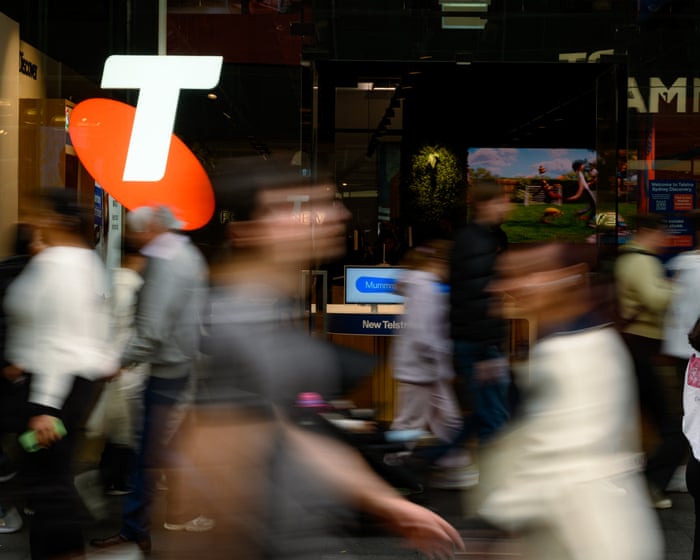
Telstra, an Australian telecom company, is still experiencing problems after a national outage caused by a software fault. The issues are affecting emergency calls to triple zero and disrupting Victoria’s regional train services. The government has said a full investigation will take place to find out what happened.
Key Facts
Telstra’s outage began on Wednesday due to a software fault related to its GPS timing system.
The fault caused emergency triple-zero calls to fail or go to voicemail.
By Thursday morning, the problem with emergency calls was 90% reduced but not fully fixed.
Victoria’s regional trains remained suspended because of the Telstra outage.
Telstra performed over 300 welfare checks on people who tried to call triple zero during the outage.
Six people needed immediate help, and others were referred to police for checks.
The government wants a full investigation and possible penalties for the outage.
Opposition officials criticized Telstra's network reliability, calling it critical infrastructure.
Read the Original
Want the full story? Tap a source to open the original
article.
The Federal Trade Commission (FTC) and several states have reached a settlement with John Deere, requiring the company to let farmers and independent repair shops fix their own equipment. This agreement ends John Deere’s practice of limiting repair tools to authorized dealers, giving equipment owners more control over repairs.
Key Facts
John Deere must now provide diagnostic and repair tools to equipment owners and independent shops.
The FTC and attorneys general from Arizona, Illinois, Michigan, Minnesota, and Wisconsin led the lawsuit against Deere.
Deere previously required customers to use authorized dealers for repairs by restricting access to software tools.
The company will pay $1 million to the five states for antitrust enforcement costs.
Deere will be under strict compliance oversight for 10 years to ensure it follows the settlement.
Deere denied that its repair policies were anticompetitive but agreed to the settlement.
The settlement follows a $99 million class-action settlement Deere reached earlier in 2025 over repair issues.
The right-to-repair movement involves giving consumers and independent workers the ability to fix products without relying on manufacturers only.
Read the Original
Want the full story? Tap a source to open the original
article.
Starbucks will start paying its baristas to create TikTok videos that promote the company. Baristas can earn a share of the advertising money if their videos are approved by Starbucks, beginning this summer.
Key Facts
Starbucks plans to pay baristas for making TikTok videos.
The videos must be approved by Starbucks to qualify for payment.
Payments come as a share of the ad revenue generated by the videos.
This program will start in the summer of 2026.
The initiative aims to engage baristas in promoting the brand on social media.
TikTok is a popular video-sharing platform used for marketing and entertainment.
Starbucks is exploring new ways to connect with customers through digital content.
This effort reflects a growing trend of companies using employee-created content for promotion.
Read the Original
Want the full story? Tap a source to open the original
article.
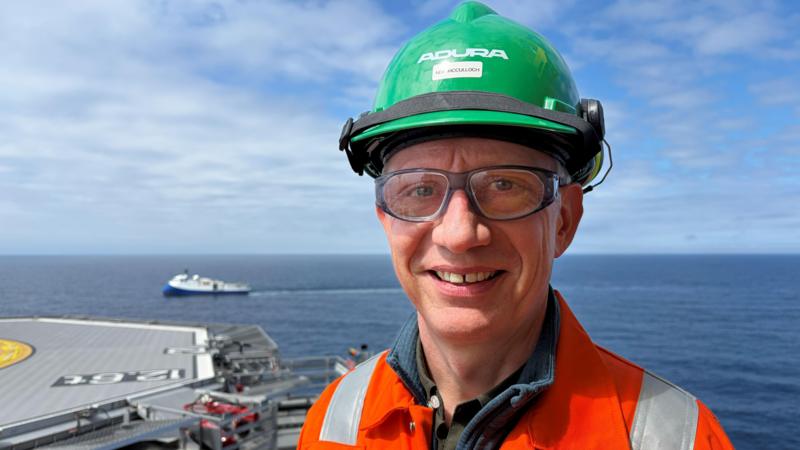
The Jackdaw gas field in the North Sea needs UK government approval to start production and help avoid gas shortages this winter. The project could supply about six percent of the UK’s gas needs starting October 1, but environmental groups oppose it due to climate concerns.
Key Facts
Jackdaw is a gas field located 150 miles east of Aberdeen in the North Sea.
The UK government is reviewing new applications to approve production at Jackdaw and another field called Rosebank.
If approved, Jackdaw could supply six percent of the UK’s gas demand from October 1.
The UK currently has only about eight days of gas storage available.
Delays in approval could risk gas shortages, especially during bad weather or geopolitical threats.
The Jackdaw project has cost around £1.5 billion and is owned by Adura, a joint venture of Shell and Equinor.
Environmental groups argue that approving new oil and gas projects worsens climate change and serves only a small part of UK’s gas needs.
Some UK politicians and unions support expanding North Sea oil exploration to secure jobs and energy supply.
Read the Original
Want the full story? Tap a source to open the original
article.
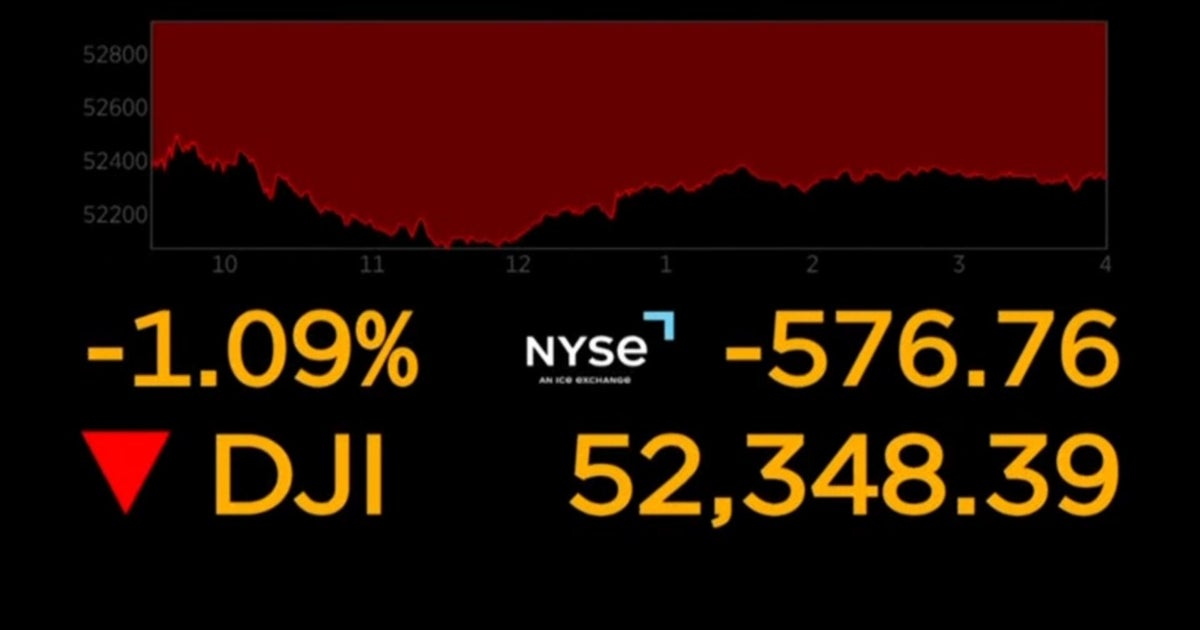
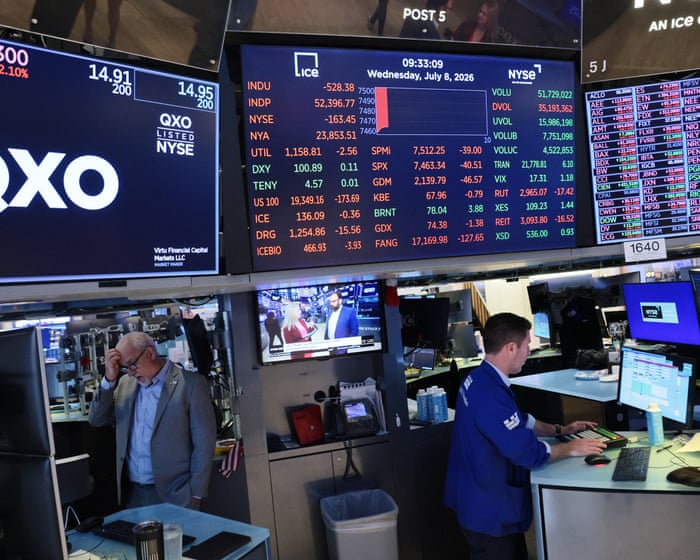
The Dow Jones stock market index fell by almost 600 points on Wednesday. This drop happened because oil prices went up after President Donald Trump said the ceasefire with Iran had ended.
Key Facts
The Dow Jones dropped nearly 600 points in one day.
Oil prices increased at the same time as the Dow's decline.
President Donald Trump announced that the ceasefire with Iran is over.
The statement about the ceasefire likely affected investor confidence.
The news caused concern about renewed fighting between the U.S. and Iran.
Rising oil prices often lead to stock market declines due to economic worries.
The Dow Jones is a major U.S. stock market index used to track economic health.
The situation reflects how political events can quickly impact financial markets.
Read the Original
Want the full story? Tap a source to open the original
article.
The International Monetary Fund (IMF) has lowered its forecast for global economic growth in 2026 to 3% due to risks from the war in Iran and other factors. However, it expects the global economy to improve again in 2027.
Key Facts
The IMF reduced the 2026 global growth forecast for the second time this year.
The war in Iran is causing uncertainty and risks for the global economy.
The forecast for 2026 growth is now 3%.
The IMF expects economic growth to rebound in 2027.
The situation is affecting countries differently, with low-income countries facing more challenges.
External events like US trade threats and regional conflicts are impacting economic stability.
The IMF monitors these developments to update its growth predictions regularly.
Read the Original
Want the full story? Tap a source to open the original
article.
US stock markets dropped after President Donald Trump said the ceasefire with Iran had ended, causing oil prices to rise sharply. At the same time, the Federal Reserve pointed to concerns about inflation that could lead to higher interest rates later this year.
Key Facts
President Trump declared the ceasefire with Iran over during a NATO summit in Turkey.
Brent crude oil price rose over 5%, reaching above $80 per barrel.
The Dow Jones Industrial Average fell by 1.09%, or 500 points, while the S&P 500 had a small loss and Nasdaq gained slightly.
The International Monetary Fund lowered its global economic growth outlook from 3.1% to 3% due to Middle East conflict and spending on artificial intelligence (AI).
US gas prices average $3.79 per gallon, which is 65 cents higher than a year ago.
US inflation hit 4.2% in May, above the Federal Reserve’s 2% target and the highest in three years.
Federal Reserve meeting notes showed debate about inflation timing but little talk of cutting interest rates soon; some officials expect rates to rise before year-end.
Rising inflation is linked to past tariffs, higher energy costs due to the Middle East conflict, and increased AI-related demand.
Read the Original
Want the full story? Tap a source to open the original
article.
The price of starter homes in many parts of the U.S. has risen to around $1 million. This increase is causing younger people to question if buying a home is still a realistic part of their future.
Key Facts
Starter homes now cost about $1 million in many areas of the country.
Higher home prices make it harder for younger generations to buy houses.
The traditional idea of homeownership as part of the American dream is being questioned.
The article includes advice on financial topics like wedding costs and buying life insurance.
The discussion is part of a CBS News segment on personal money matters.
Viewers can send money questions to the email askjill@jillonmoney.com.
Read the Original
Want the full story? Tap a source to open the original
article.
The US summer travel season is slowing down due to rising airfare and fuel costs, worsened by tensions between the US, Israel, and Iran. These factors have caused higher fuel prices, reduced travel demand, and disrupted airline operations both in the US and Europe.
Key Facts
President Donald Trump declared the ceasefire with Iran over, leading to expectations of more attacks and rising fuel costs.
US crude oil prices rose by 4.84% in one day amid these tensions.
More than 7.3 million people passed through US airport security over the Fourth of July weekend, a 2.3% drop from last year.
Around 45% of Americans chose not to travel this summer due to high costs, down 2% from last year.
Airfare prices in the US have increased by 8.2% since February 2024.
United Airlines announced up to 20% price increases, and American Airlines cut some routes because of rising fuel prices.
Budget airline Spirit Airlines shut down in May, citing geopolitical conflicts and fuel costs.
European airlines like Lufthansa and British Airways also reduced flights to save fuel amid rising costs.
Read the Original
Want the full story? Tap a source to open the original
article.
The UK’s welfare spending on sickness and disability benefits has been rising steadily, reaching £58 billion in 2025 and expected to hit £78 billion by 2030. A significant increase in Personal Independent Payments (PIP) claims is linked to more people being diagnosed with ADHD and other mental health conditions.
Key Facts
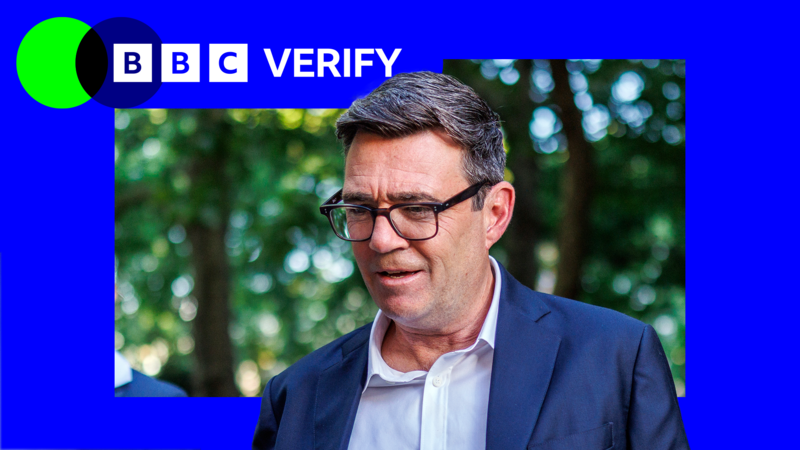
Andy Burnham plans to reduce the UK’s welfare bill by encouraging more people to work.
The sickness and disability benefits bill for working-age people is currently £58 billion and projected to rise to £78 billion by 2030.
Personal Independent Payments (PIP) help cover extra costs for physical or mental health conditions and disabilities.
PIP claims in England and Wales increased from 3.6 million to 4 million since Labour took office.
Claims related to mental health or developmental conditions like ADHD rose from 16.5% in 2020 to 24% in 2026.
Over 100,000 people currently receive PIP for ADHD, up 40% since Labour became the government.
Half of the people claiming PIP for ADHD are aged 16 to 24.
The rise in ADHD claims is partly due to better diagnosis and more people seeking support.
The overall share of non-pensioner welfare spending has fallen since 2010 due to cuts in benefits like housing and Universal Credit.
Read the Original
Want the full story? Tap a source to open the original
article.
The article explains important advice for people who want to buy a house together but are not married. It shares a real example of a man whose cousin bought a house with a girlfriend, and after they broke up, the cousin’s credit stayed tied to the house while the ex kept living there without refinancing. The article also discusses new student loan rules that began on July 1, 2026, and why taking on college debt may now be less beneficial.
Key Facts
Buying a house with someone you’re not married to can create financial problems if the relationship ends.
One common issue is that both people remain legally responsible for the mortgage even if one moves out.
Refinancing means replacing the old mortgage with a new one, which can remove one person’s name from the loan.
The cousin in the example still has credit tied to the house because the ex refuses to refinance.
New student loan rules started on July 1, 2026, affecting how parents and students manage college debt.
The changes may make borrowing money for college less attractive or helpful than before.
It is important to understand financial agreements before buying big things or taking on loans.
People with money questions can email askjill@jillonmoney.com for advice.
Read the Original
Want the full story? Tap a source to open the original
article.
A high-yield savings account allows people to earn more interest on money like $18,000 without locking it away for a long time. With current rates around 4.10%, savers could earn over $300 in interest within six months if rates stay steady.
A certificate of deposit (CD) account with a 4.20% interest rate offers savers a guaranteed way to earn money on their deposits over a fixed period. The total interest earned depends on how much money is deposited and the length of the CD term, with options like 18-month and 5-year CDs currently available at this rate.
Key Facts
CDs with a 4.20% interest rate are available for terms of 18 months and 5 years.
Interest earned increases with both higher deposits and longer terms.
Example: A $1,000 deposit in an 18-month CD earns about $63.66; the same deposit in a 5-year CD earns about $228.40.
Larger deposits yield proportionally more interest, for example, $100,000 earns $6,365.69 in 18 months and $22,839.66 in 5 years.
CD accounts have fixed interest rates, so the return is guaranteed if the money stays until maturity.
Early withdrawal from a CD can lead to penalties that may cancel out earned interest.
CDs are insured by the FDIC up to $250,000, providing safety for deposits.
Online platforms make it easy to compare CD rates, terms, and lenders.
Read the Original
Want the full story? Tap a source to open the original
article.
A federal judge rejected Kalshi’s request to block New York’s gambling laws that stop the company from offering sports-event bets. Kalshi is appealing this decision while New York continues to enforce its laws to protect consumers. The court ruled that federal regulation does not prevent states from applying their own gambling rules.
Key Facts
Kalshi is a prediction market company registered under the Commodity Futures Trading Commission (CFTC).
New York’s State Gaming Commission told Kalshi to stop offering sports betting contracts in October 2025.
A federal judge ruled that New York’s gambling laws apply to Kalshi despite its CFTC registration.
The judge said federal law allows states to regulate gambling alongside federal rules.
Kalshi argues its contracts are financial swaps regulated by the CFTC, but New York views them as gambling.
Kalshi is appealing the ruling to the US Court of Appeals for the 2nd Circuit.
New York officials want to protect consumers, especially young adults, from unregulated sports gambling.
Kalshi and its competitor Polymarket are connected to Donald Trump Jr. as an advisor or investor.
Read the Original
Want the full story? Tap a source to open the original
article.