Marks & Spencer (M&S) held a fashion show on the Silverstone Formula One pit lane for the first time ever, showcasing their summer clothing line. This event is part of M&S’s new long-term partnership with Silverstone and the Williams F1 Team, aiming to attract a younger, global audience.
Key Facts
M&S staged a fashion show on an active F1 pit lane at Silverstone on July 2nd, 2026.
The show featured the "Dress to Thrill" summer collection with neutral colors and racing red highlights.
M&S has a long-term deal with Silverstone covering major events like the British Grand Prix and MotoGP.
M&S is the official travel kit partner for the Atlassian Williams F1 Team, providing clothing for drivers and staff at races worldwide.
The Williams partnership marks M&S’s first entry into Formula 1 and targets younger customers.
The 2026 British Grand Prix broke attendance records with 564,000 people over four days and a global broadcast reach of over 1.8 billion viewers.
M&S’s previous summer show in Ibiza attracted over 26 million viewers, showing their focus on large-scale cultural moments.
The fashion show helped engage new audiences by combining F1 and fashion in a unique way, aiming to grow M&S’s relevance and customer base.
Read the Original
Want the full story? Tap a source to open the original
article.
Virgin Media was fined £28 million by the UK telecom regulator Ofcom for making it difficult for customers to cancel their contracts between 2022 and 2024. The company admitted to mishandling millions of calls by delaying cancellations and rewarding staff for doing so.
Key Facts
Virgin Media was fined £28 million by Ofcom, the largest fine under its consumer protection rules.
The company delayed or blocked contract cancellations from January 2022 to September 2024.
Tactics included dropping calls on purpose, unnecessary transfers, and putting customers on hold without reason.
A staff commission system encouraged agents to prevent cancellations.
Around 2,000 complaints were made to Ofcom about this issue.
Virgin Media admitted fault and settled the case, leading to a 30% reduction of the fine.
The company has since improved staff training, commission schemes, and service monitoring.
Ofcom requires Virgin Media to compensate affected customers within six months.
Read the Original
Want the full story? Tap a source to open the original
article.
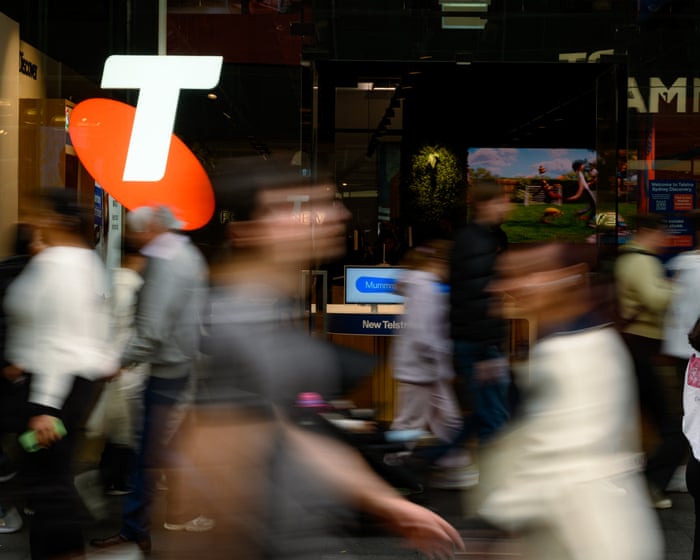
A nearly five-hour outage on Telstra’s mobile network in Australia caused major disruptions to trains, traffic lights, payment systems, and electric vehicle charging. The outage was linked to a problem with time-keeping servers that synchronize the network, but the exact cause is still unknown and is under investigation.
Key Facts
The outage lasted about five hours and affected many services across Australia.
The problem involved time-keeping servers that keep network systems synchronized.
Telstra’s CFO said the time synchronization failed, causing widespread issues.
The root cause of the outage is not yet identified, and Telstra is investigating.
Telstra is the largest mobile network provider in Australia, with many smaller companies relying on it.
Similar outages have happened before with Optus and other companies, showing risks of single points of failure.
The government responded quickly, with the communications minister addressing the situation.
The Australian Communications and Media Authority will investigate the outage to help prevent future problems.
Read the Original
Want the full story? Tap a source to open the original
article.
Virgin Media was fined £28 million by Ofcom for making it hard for customers to cancel their contracts. The company used call center tactics that delayed or stopped customers from switching to other providers.
Key Facts
Virgin Media was fined £28 million by Ofcom for mishandling customer cancellation calls.
Millions of calls from January 2022 to September 2024 were affected.
Call center agents dropped calls deliberately, kept customers on hold unnecessarily, and transferred calls excessively.
Agents were financially rewarded for delaying or preventing cancellations.
The fine was reduced by 30% because Virgin Media admitted the problems and agreed to settle.
The penalty is Ofcom’s largest ever under consumer protection rules and its third largest overall.
Ofcom received 1,881 complaints about difficulty canceling contracts.
Ofcom criticized Virgin Media for not fully cooperating with the investigation.
Read the Original
Want the full story? Tap a source to open the original
article.
Britons are expected to buy nearly 8 million mini electric fans this year due to hot weather. Nearly half of these fans are low-quality and likely to be thrown away within a year, causing environmental and waste management concerns.
Key Facts
About 8 million mini fans will be bought in the UK in 2026.
Almost half of these fans may end up in landfill within a year because they are low quality.
Online searches for handheld electric fans have more than doubled compared to the previous month.
Sales of fans increased by over 2,500% during a recent heatwave, with some shops running short of stock.
Fans are sold cheaply, sometimes for as little as £2 to £5.
Waste experts warn that improperly thrown away fans, which may have lithium-ion batteries, can cause fires in waste facilities.
Recycling groups encourage buying better-quality fans or using alternatives like paper fans.
Consumers are advised to recycle used fans properly and check local recycling rules or take-back programs.
Read the Original
Want the full story? Tap a source to open the original
article.
Oil prices rose sharply after the U.S. launched strikes on Iran, following Iran’s attack on three ships in the Strait of Hormuz. Asian stock markets showed mixed results, with some markets up and others down, influenced by tech stock movements and geopolitical tensions.
Key Facts
Oil prices increased by about 2.6% after the U.S. strikes on Iran.
Brent crude price rose to $76.09 per barrel; U.S. crude rose to $72.25 per barrel.
Asian stock markets had mixed results: Hong Kong and Shanghai rose, while Tokyo, Seoul, Taiwan, Australia, and India mostly fell.
South Korea’s Kospi index dropped 2.9%, partly due to declines in big tech companies like Samsung.
Chinese tech stocks, such as Tencent, Alibaba, and Baidu, gained value amid domestic AI development efforts.
U.S. stock indexes fell slightly, with technology and AI-related stocks declining the most.
There are concerns investors might be overvaluing AI stocks and that heavy investments in AI technology may not deliver expected profits.
Read the Original
Want the full story? Tap a source to open the original
article.
A report finds that the gap in household income between rich and poor areas in the UK has not improved much in the last 30 years. Despite government promises, incomes in wealthier places like London remain much higher than in poorer regions. The report says big investment in transport, housing, and regeneration is needed to reduce these regional income differences.
Key Facts
From 1997 to 2023, London’s average household income was about 60% higher than Northern Ireland’s.
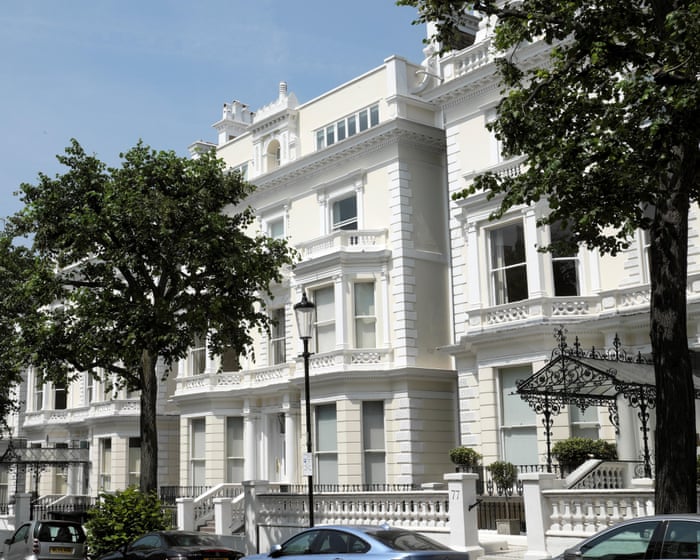
The richest local area (Kensington and Chelsea) has incomes over four times higher than the poorest area (Leicester), a gap stable for nearly 30 years.
More than half of the poorest local authorities in 1997 are still among the poorest in 2023; 82% of the richest places remained wealthy.
Some cities like Manchester have seen income growth of 40% since 1997 but still lag behind London and other major northern cities.
Employment has grown most in low-employment areas, and pay gaps narrowed partly due to the rising minimum wage.
Andy Burnham, the likely next prime minister, plans to focus on local growth and economic rebalancing through investment and devolution.
Britain’s investment in regional economic rebalancing is much lower than countries like Germany, which spent roughly £70 billion yearly on similar efforts.
The report states that serious, sustained funding is necessary for reducing deep economic divides across UK regions.
Read the Original
Want the full story? Tap a source to open the original
article.
Oil prices rose sharply after the United States launched strikes on Iran and ended a temporary permission allowing limited Iranian oil sales. This increased tensions between the two countries and raised concerns about safety in the Strait of Hormuz, a key route for global oil shipments.
Key Facts
Brent crude oil prices increased by as much as 3 percent, reaching $76.07 per barrel, the highest since June 23.
The US launched military strikes against Iran after attacks on three commercial ships in the Strait of Hormuz.
The US blamed Iran for the attacks, while Iran warned ships not to use certain routes in the strait without its approval.
The US revoked a 60-day waiver that temporarily allowed limited Iranian oil sales as part of earlier negotiations.
The revocation restricts new purchases or loading of Iranian oil starting July 17.
Iran said it would take strong actions to protect its interests after the waiver was canceled.
The dispute involves whether the Strait of Hormuz is an international waterway or part of Iran’s territorial waters.
Analysts expect oil prices to stay high due to ongoing risks and possible continued control by Iran over the strait.
Read the Original
Want the full story? Tap a source to open the original
article.
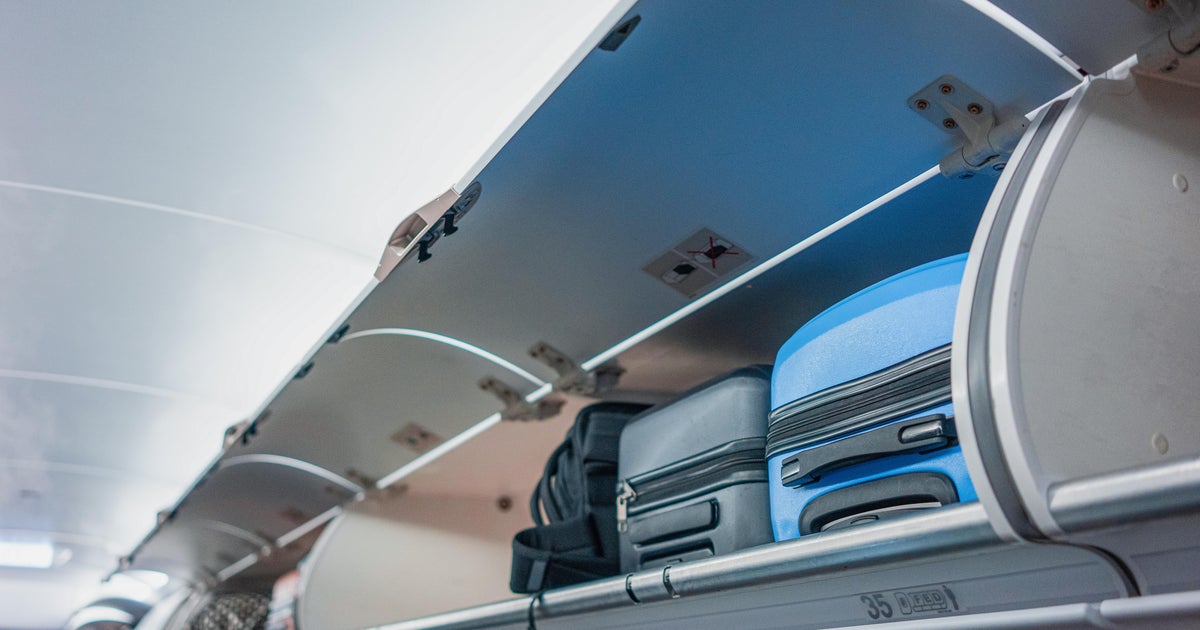
Airlines ask passengers to check their carry-on bags at the gate mainly because smaller planes cannot fit all the luggage in the overhead bins. Rising fees for checked bags have led more travelers to bring larger carry-ons, which makes it harder to store bags quickly during boarding and can cause flight delays.
Key Facts
Smaller planes, especially on short regional flights, often cannot hold all carry-on bags in overhead bins.
More travelers bring full-sized carry-ons due to higher checked bag fees.
Airlines say gate-checking carry-ons helps speed up boarding times and keep flights on schedule.
Delta Airlines uses tools to predict if overhead bins will be full and gate-checks bags only as a last option.
Some airlines offer free checked bags at the airport if a flight is expected to be full.
Boarding earlier by buying a higher fare class can increase the chance of keeping your carry-on.
Airlines like Southwest usually ask for gate-check bags only from passengers who board last.
Checked bag fees recently increased to help airlines cover higher jet fuel costs caused by the conflict with Iran.
Read the Original
Want the full story? Tap a source to open the original
article.
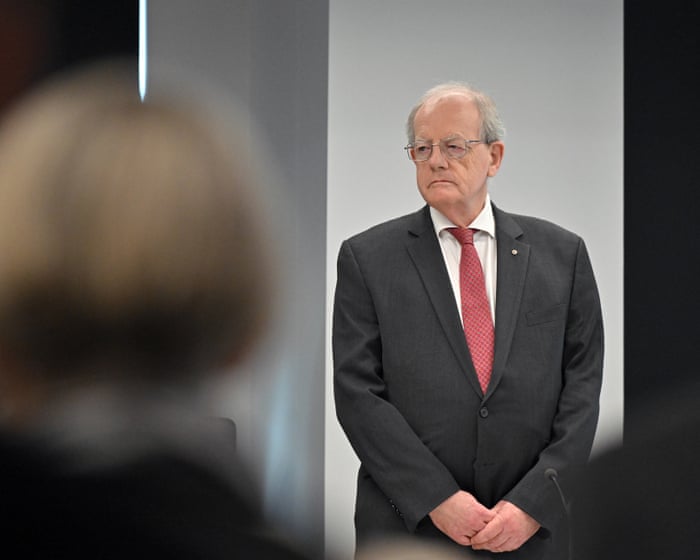
Two investigations into complaints against Paul Brereton, the former national anti-corruption commissioner of Australia, will end due to cost concerns and his resignation. The National Anti-Corruption Commission inspector, Gail Furness, said the issues identified have been addressed and further spending could not be justified.
Key Facts
Paul Brereton resigned from his role as the anti-corruption commissioner after three years of a five-year term.
The National Anti-Corruption Commission decided to stop two ongoing investigations into complaints against him.
Investigator Gail Furness cited high public spending and Brereton’s resignation as reasons to end the investigations.
One investigation involved Brereton’s failure to declare conflicts of interest related to his former position with the Australian Defence Force.
Furness prepared a draft report but found continuing the investigation unnecessary since relevant information was publicly available.
Another investigation concerned a complaint over Brereton’s conduct in two separate operations, but details remain mostly confidential due to safety concerns.
Brereton’s lawyers contested the investigations’ validity.
Changes have been made in the commission to improve conflict of interest declarations.
Read the Original
Want the full story? Tap a source to open the original
article.
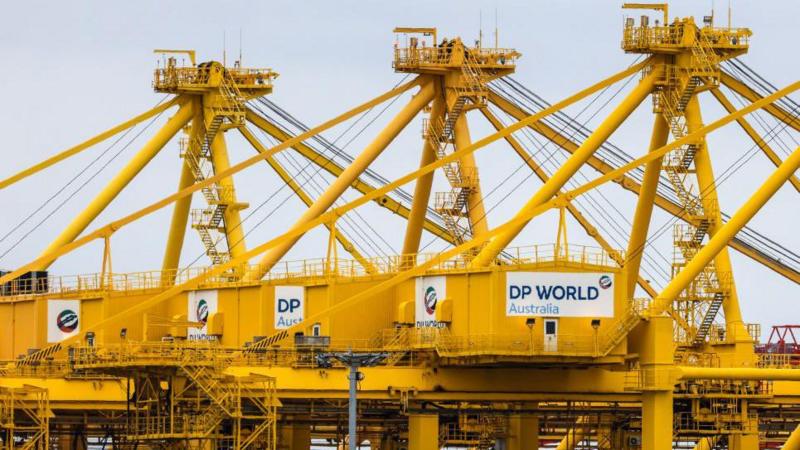
Australian dock workers want to work only 28 hours a week without losing pay because new technology like artificial intelligence (AI) and automation might cut jobs at ports. The union says the company DP World is using AI to run the ports and schedule work, which threatens many jobs.
Key Facts
Australian dock workers demand a 28-hour work week with the same pay.
DP World, a port company, is introducing AI and automation at Australian ports.
The Maritime Union of Australia (MUA) says this technology puts workers' jobs at risk.
A study says over 60% of the dock and maintenance workforce (about 1,000 jobs) could be affected.
DP World wants to use AI to manage work schedules, remote-control cranes, and driverless vehicles.
Current dock worker hours are between 32 and 35 hours a week, depending on the location.
DP World is a major global port operator based in Dubai and controls about 10% of the world’s container traffic.
The union requests that technology improvements benefit workers without hurting their jobs or income.
Read the Original
Want the full story? Tap a source to open the original
article.
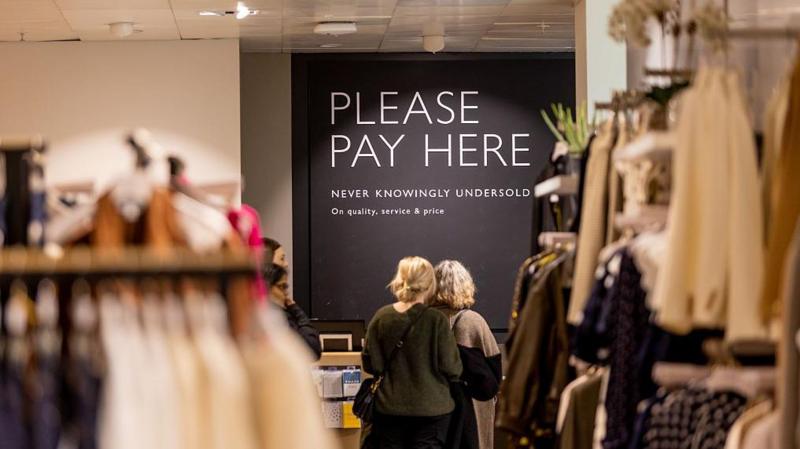
John Lewis plans to cut about 200 jobs by closing its in-store money exchange and dedicated gift wrapping services this autumn, pending approval. The changes respond to lower demand for these services and shifts in how customers shop and pay.
Key Facts
Around 200 John Lewis staff may lose jobs due to closing money exchange and gift wrapping services.
The money exchange closure will affect 30 stores and gift wrapping closure will affect 25 stores.
Customers are ordering foreign currency online more and using credit cards or digital payments abroad.
Gift wrapping will move from special areas to regular tills to be more accessible.
John Lewis said it will support employees during the consultation and try to find other roles for them.
The retailer’s underlying profits rose 6% to £134 million despite a £21 million pre-tax loss mainly due to one-off costs.
Sales grew by 5% overall, with Waitrose supermarket sales rising 7% and John Lewis department stores 3%.
John Lewis recently closed its housebuilding business and plans to modernize services to fit customers’ needs.
Read the Original
Want the full story? Tap a source to open the original
article.
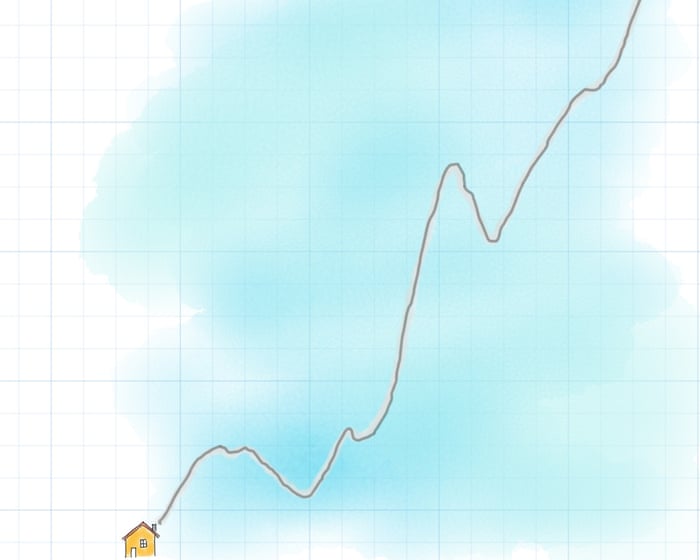
House prices in several Australian cities have recently dropped slightly, with banks expecting a 2-3% fall by the end of the year. However, over the past ten years, home prices have more than doubled, making housing less affordable for many people.
Key Facts
House prices in major Australian cities have dropped recently.
Banks predict house prices could fall by 2-3% by year-end.
The median home price peaked at $944,000 in March 2024.
By June 2024, the median price fell slightly to $937,000.
Over the last ten years, the median home price increased by more than $400,000.
In 2016, the average home cost about 13 years and 4 months of typical household income.
By March 2024, this increased to more than 17 years of income.
Even if prices drop 10% from their peak, homes still cost over 15 years of household income.
Read the Original
Want the full story? Tap a source to open the original
article.
Family package holidays to Dubai and Egypt are cheaper this summer than last year because tour operators lowered prices. However, prices for holidays in popular European destinations like Spain, Portugal, and Greece have increased slightly. Concerns about the war near Iran have made some travelers avoid Middle Eastern countries.
Key Facts
Holiday prices to the UAE have dropped by about 25% this August compared to last year.
Egypt holiday prices are about 8% cheaper this summer than last.
Prices for holidays to Spain, Portugal, and Greece have gone up by 3-5%.
The UK Foreign Office recently removed its travel warning for Dubai but still advises caution due to ongoing regional risks.
Holiday packages to Morocco, Tunisia, and Turkey are slightly cheaper than last summer.
Some families changed their travel plans from Dubai to destinations like Mexico due to the Iran conflict.
Car hire prices have fallen this year because of more supply and competition among rental companies.
Data is based on TravelSupermarket searches for all-inclusive family holidays in August 2025 and 2026.
Read the Original
Want the full story? Tap a source to open the original
article.
The UK government plans to end leasehold ownership for new flats and replace it with commonhold, where residents collectively own and manage their buildings. Leaseholders often face rising fees and little control over their homes, but commonhold has been rare since its introduction in 2004 and its wider adoption may bring new challenges.
Key Facts
About five million people in England and Wales own leasehold properties.
Leaseholders face rising costs for service charges and ground rents, causing stress.
The government’s Commonhold and Leasehold Reform Bill aims to stop new leasehold flats and promote commonhold ownership.
Commonhold means residents share ownership and control of their building, managing shared spaces and costs together.
The leasehold system comes from medieval land practices where land is rented for a fixed period.
Commonhold was introduced in 2004 but has been rarely used, with only 18 developments registered in England.
Experts believe commonhold could give flat owners more control but are unsure if it will avoid new problems.
Housing Minister Matthew Pennycook supports commonhold, saying residents should control their buildings, not outside landlords.
Read the Original
Want the full story? Tap a source to open the original
article.
Weight-loss drugs like Wegovy and Mounjaro have become popular in the UK, with over two million users. Studies show these medications reduce hunger, which changes how people buy groceries and eat out, often leading to spending less on food but more on items that counteract side effects.
Key Facts
Wegovy and Mounjaro work by copying a natural hormone that controls hunger, helping users eat less.
UK households with someone using these drugs spent about £418 less on groceries annually compared to non-users.
This drop in spending represents an estimated £780 million cut in grocery sales across the UK.
Users tend to buy less chocolate, pastries, snacks, cheese, butter, and soft drinks, and more fruit, protein, and yoghurt.
They also purchase more chewing gum, mouthwash, and hair dye to manage side effects like bad breath and thinning hair.
Around two-thirds of users try to reduce eating out, with fast-food and coffee shop spending dropping by 8% in the US.
Most UK users pay privately for these drugs, which can cost over £300 per month, causing some to stop using them due to price.
Wealthier areas in the UK have higher prescription rates for these drugs, despite having lower obesity levels.
Read the Original
Want the full story? Tap a source to open the original
article.
A consumer group called Which? found 150 baby products sold online that could be dangerous to infants. These items, sold on popular websites like Amazon, eBay, and Alibaba, include feeding devices, sleep pillows, and sleeping bags that may cause choking or suffocation.
Key Facts
Which? identified 150 potentially harmful baby products on major online marketplaces.
Dangerous items include self-feeding devices, baby sleep pillows, and hooded sleeping bags without arm holes.
These products can cause choking, suffocation, overheating, or sudden infant death syndrome (SIDS).
Almost 25% of these unsafe products were found on Amazon.
Many products ignored official safety warnings issued by the UK’s Office for Product Safety and Standards (OPSS).
Online sellers have removed some flagged items after being contacted, but unsafe listings reappear.
Which? wants new laws to make online marketplaces legally responsible for unsafe products sold by third parties.
Alibaba, AliExpress, Etsy, and Amazon stated they are working to remove dangerous products and improve safety controls.
Read the Original
Want the full story? Tap a source to open the original
article.
U.S. airlines spent $6.66 billion on jet fuel in May 2026, marking the second month in a row with costs over $6 billion. This spending is 84% higher than the same month last year, mainly because fuel prices increased, while the amount of fuel used stayed about the same.
Key Facts
U.S. airlines spent $6.66 billion on jet fuel in May 2026.
This amount is 84% higher than in May 2025.
Airlines used 1.627 billion gallons of jet fuel in May 2026, slightly less than the previous year.
The average price for jet fuel in May was $4.09 per gallon, up 85% from $2.21 in May 2025.
Fuel costs are a major expense for airlines, making them sensitive to price changes.
The rise in fuel prices is linked to disruptions in the Middle East affecting global oil shipping routes.
Some easing in fuel prices occurred after a ceasefire agreement between the U.S. and Iran, but tensions remain.
Lower fuel prices recently may improve airlines’ financial results, with Delta and other carriers preparing to report earnings.
Read the Original
Want the full story? Tap a source to open the original
article.
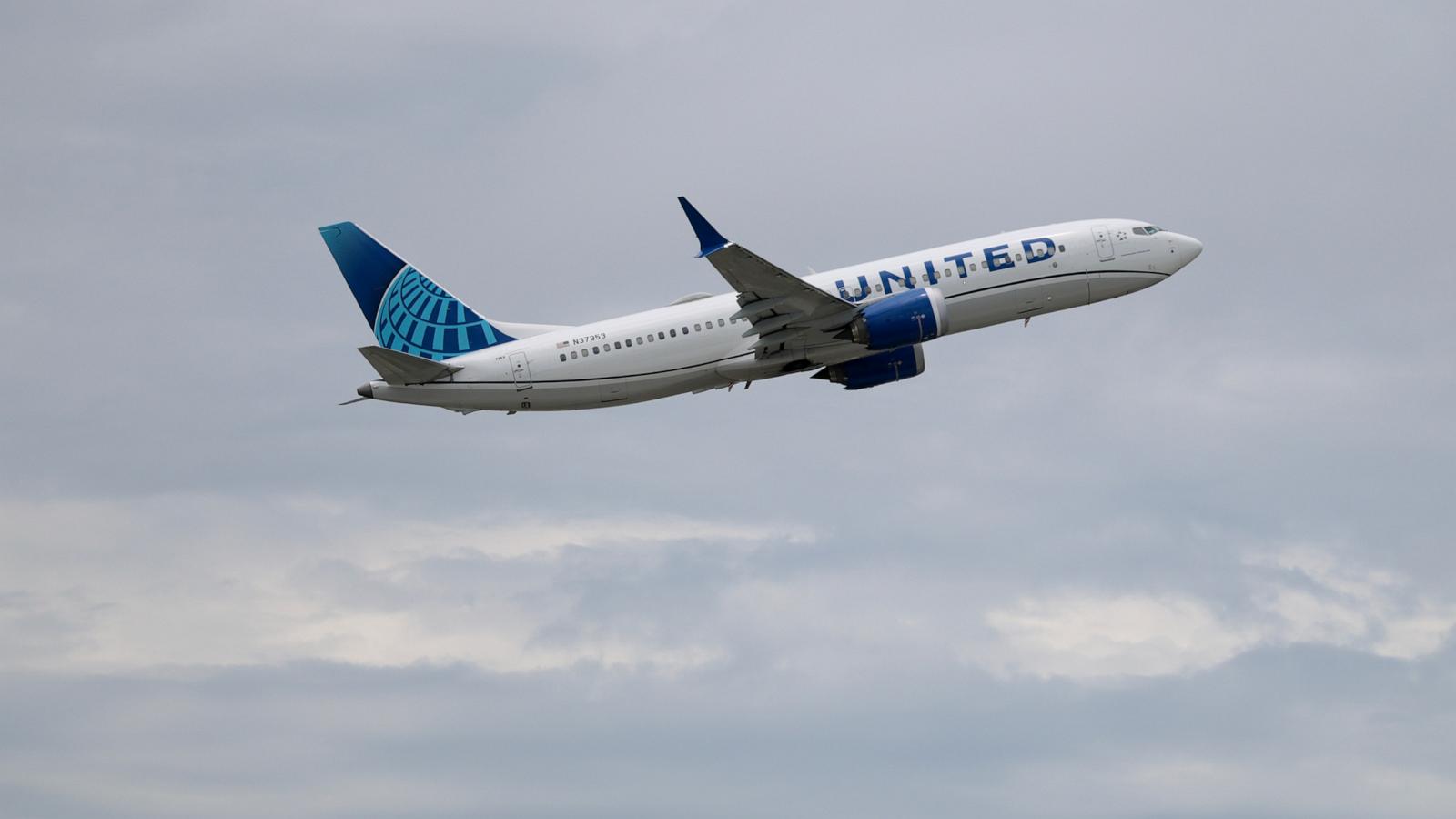
A judge has allowed a lawsuit against United Airlines to continue. The lawsuit claims the airline charged passengers extra for “window seats” that do not actually have windows.
Key Facts
A passenger in California sued United Airlines for charging extra for a window seat without a window.
United defines a window seat by location, not necessarily by having an actual window.
The judge said the airline’s websites and boarding passes identify these seats as window seats.
The judge ruled this could be a breach of contract and let the case move forward.
United updated its seat selection process in 2025 to provide more details to customers.
Similar lawsuits have been filed against Delta Air Lines for the same issue.
Aircraft designs can prevent windows from being installed in some seats due to ducts or wiring.
Some airlines, like American and Alaska, inform passengers about windowless window seats; Delta and United have not.
Read the Original
Want the full story? Tap a source to open the original
article.