The UK's Financial Conduct Authority (FCA) recommends giving itself stronger powers to protect consumers from risks linked to artificial intelligence (AI) in financial services. A recent review found AI could improve access to financial advice but might also increase fraud, cyber threats, and consumer harm.
Key Facts
The FCA’s Mills review looked at how AI will change financial services by 2030.
AI is helping companies shift from human-led services to AI-powered ones for everyday customers.
AI may make financial advice more accessible, especially for lower-income people.
Risks include higher fraud, cybersecurity threats, consumer harm, and less competition.
The FCA wants to use AI itself to better monitor and regulate financial firms.
Recommendations include expanding the FCA’s powers over AI companies and cloud service providers.
Around 11 million people in the UK are willing to use AI for financial decisions despite limited regulation.
The report urges another review within six months to study risks tied to AI in managing personal finances and unregulated companies using AI.
Read the Original
Want the full story? Tap a source to open the original
article.
A watchdog group called the Private Equity Stakeholder Project (PESP) warns that partnerships between private equity firms and nonprofit healthcare providers in the U.S. may create risks for patients, payers, and employees. Their report highlights over 500 such joint ventures and calls for stronger government oversight to protect the quality of care and nonprofit missions.
Key Facts
PESP identified more than 500 joint ventures between private equity firms and nonprofit healthcare providers, including hospitals and hospice care.
Private equity firms have invested over $1 trillion in healthcare deals over the past decade.
About 488 hospitals, or 8.5% of all private hospitals, are owned by private equity.
Private equity investments often use debt and focus on short-term profits, which experts say may conflict with medical care goals.
Nonprofit healthcare providers must legally prioritize their charitable mission over profits.
The IRS allows joint ventures if nonprofits keep control and continue serving community health without focusing on profits.
Some research links private equity ownership to increased medical errors, but experts disagree on the cause.
PESP urges more government oversight to ensure that joint ventures follow nonprofit rules and protect patient care.
Read the Original
Want the full story? Tap a source to open the original
article.
The UK’s Competition and Markets Authority (CMA) is taking action against online shops that do not show all costs clearly before checkout. They want shoppers to see any extra fees upfront and know if they can get compensation for hidden charges.
Key Facts
The CMA is focusing on unclear pricing in online shopping.
Hidden fees often appear only at checkout, surprising buyers.
Shoppers are advised to watch for extra charges before completing a purchase.
The CMA aims to make online prices clearer and fairer.
Consumers may be able to claim money back if they were charged hidden fees.
BBC Money Box explains how to identify these fees and understand rights.
The news is recent, published less than an hour ago.
Read the Original
Want the full story? Tap a source to open the original
article.
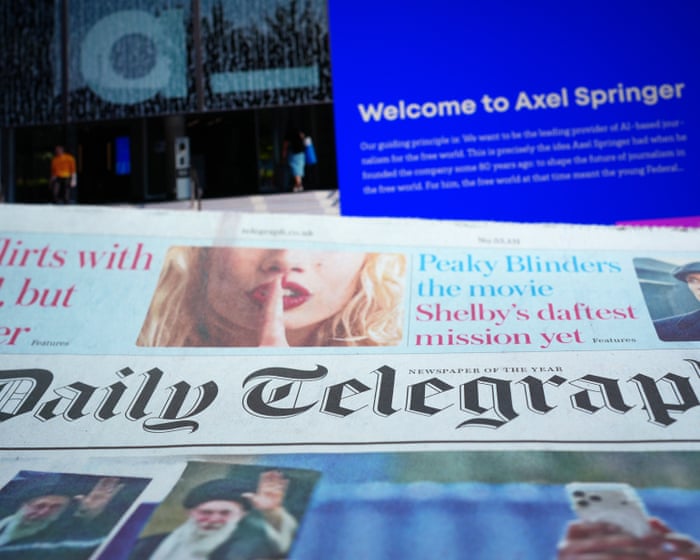
Mathias Döpfner, CEO of Axel Springer, aims to expand the UK’s Daily Telegraph newspaper into the large US media market. He sees a chance to reach conservative readers in America where there are few established right-leaning news sources compared to liberal outlets.
Key Facts
Axel Springer, led by Mathias Döpfner, recently bought the Daily Telegraph for £575 million.
Döpfner’s goal is to make the Telegraph a global brand, with a special focus on the US market.
The US media landscape is seen as a big opportunity due to under-served center-right and conservative audiences.
Other regions like Asia and Latin America are also considered potential expansion areas.
Industry experts say building a presence in the US will be costly and take many years because few Americans currently know the Telegraph.
Döpfner has also acquired other US media assets like Politico and Business Insider, which could support the Telegraph’s growth.
Past attempts to establish a right-wing US news outlet have faced challenges, including a failed 2023 bid led by former CNN president Jeff Zucker.
The Telegraph’s strategy aims for a socially conservative, free-market audience similar to the era of Ronald Reagan.
Read the Original
Want the full story? Tap a source to open the original
article.
Ornn, a startup backed by Andreessen Horowitz, raised $33 million to create a marketplace where computing power—used in AI—can be traded like a commodity such as oil. The company aims to help investors and AI firms manage the costs of computing by offering ways to buy, sell, and hedge computing power more efficiently.
Key Facts
Ornn raised $33 million in a seed funding round.
The startup wants to build a market for trading AI computing power similar to commodity markets.
Commodity markets help companies lock in prices for materials like oil or metals to reduce financial risk.
Currently, AI companies mostly secure computing power through long-term purchase agreements.
Goldman Sachs estimates $7.6 trillion will be spent globally on computing and data centers from 2026 to 2031.
Computing power differs from traditional commodities because it cannot be stored and loses value as new technology appears.
Ornn’s platform helps lenders benchmark prices and lets buyers and sellers hedge against price changes.
Futures contracts for compute power are planned by major exchanges but still need regulatory approval.
Read the Original
Want the full story? Tap a source to open the original
article.
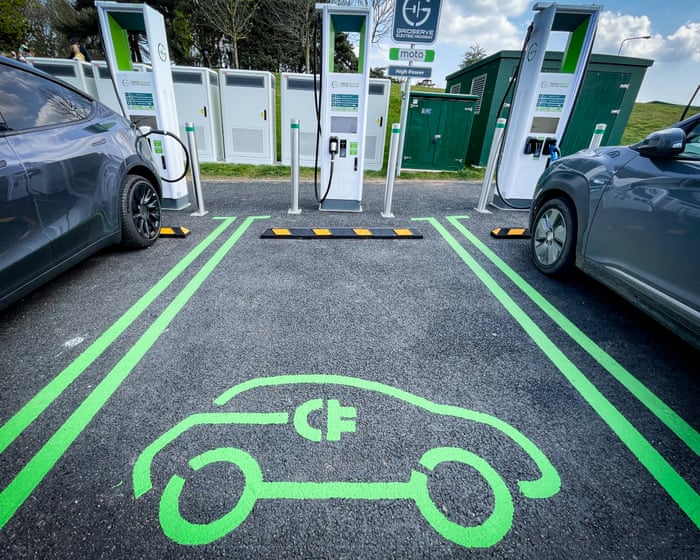
The UK is installing electric vehicle (EV) chargers more slowly due to higher costs and unclear government goals. The number of public chargers increased by 10% in early 2026, but this is much slower than previous years. The government may lower its target for EV sales, which has caused uncertainty for investors and the charging industry.
Key Facts
UK installed 5,100 public EV chargers in the first half of 2026, reaching 121,171 total chargers.
Charger growth was 10% year-on-year, down from over 40% in 2024.
The UK government aims for 300,000 public chargers by 2030.
Over 2 million electric vehicles are on UK roads as of April 2026.
Car makers and industry groups want the government to reduce strict EV sales targets (ZEV mandate).
The Labour government added “flexibilities” allowing more petrol car sales and is considering lowering the EV sales target from 80% to 50% by 2030.
Ultra-rapid chargers grew by 37% and are mostly located on motorways for quick charging.
Investor confidence is wavering due to ongoing changes and debates about the government’s EV policies.
Read the Original
Want the full story? Tap a source to open the original
article.
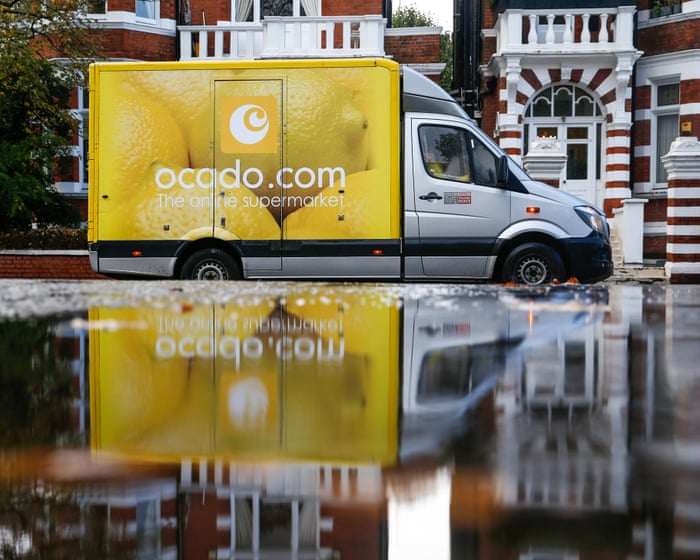
Tim Steiner, co-founder and CEO of Ocado, will step down as CEO in 2028 but remain with the company in a founder role until 2029. Ocado supplies automated warehouse technology and operates an online grocery service in the UK. The company has faced financial challenges, share price drops, and job cuts, but is planning for future leadership changes.
Key Facts
Tim Steiner co-founded Ocado in 2000 and is currently its CEO.
Steiner will leave the CEO position in December 2027 (start of 2028 financial year) but continue advising until 2029.
Ocado provides robots and technology to automate grocery warehouse packing.
The company runs a UK online grocery service with Marks & Spencer.
Ocado’s shares have lost over 50% of their value in the past year.
Ocado is cutting 1,000 jobs to reduce costs.
North American partners Kroger and Sobeys closed robotic warehouses due to lower-than-expected demand.
There has been leadership tension and investor unrest, but Steiner remains focused on company growth.
Steiner owns 2.35% of Ocado and has earned nearly £100 million since the company's 2010 stock market listing.
Read the Original
Want the full story? Tap a source to open the original
article.
Sky, a UK TV and internet company owned by Comcast, has agreed to buy ITV’s media and entertainment business for about $2.1 billion. This deal aims to create a bigger company that can better compete with global streaming services.
Key Facts
Sky is a British provider of TV, internet, and mobile phone services.
Comcast owns Sky.
Sky will buy ITV’s media and entertainment division for up to 1.6 billion pounds ($2.1 billion).
ITV is the largest commercial broadcaster in Britain.
The deal includes ITV’s TV channels and streaming service.
ITV Studios, which produces shows like “I’m A Celebrity,” will stay separate and independent.
After the deal, the combined Sky-ITV group will be part of NBCUniversal once it splits from Comcast.
The goal is to build a UK-based company large enough to compete with international streaming giants.
Read the Original
Want the full story? Tap a source to open the original
article.
The beer group Camra says large beer companies are confusing customers by calling their beers “craft” when many come from big global firms. Camra wants the government watchdog to check if these companies use unfair tactics to keep small independent brewers out of pubs and off shelves.
Key Facts
Camra, a beer lovers’ club, claims big brewers mislead customers about their beers being “craft.”
Seven of the top 10 craft beers in the UK are actually owned by four big international companies.
These companies sometimes own pubs or have deals to promote their own beers over smaller brewers.
Camra asked the Competition & Markets Authority to investigate if small breweries face unfair competition.
Some beers marketed as foreign are actually brewed in the UK, like Madri by Molson Coors.
The trade group for independent brewers now calls their beer “indie” instead of “craft” to avoid confusion.
Big brewers like Asahi say they clearly label who owns each beer brand.
Camra wants the government to support pubs and fair competition for small brewers.
Read the Original
Want the full story? Tap a source to open the original
article.
ITV is selling its media and entertainment divisions to Sky for £1.6 billion. The deal includes ITV’s broadcast channels and streaming service ITVX but does not include its studio business.
Key Facts
ITV is selling its media and entertainment arms to Sky.
The sale price is £1.6 billion.
The deal includes ITV’s TV channels and the ITVX streaming service.
ITV’s studio division is not part of the sale.
Comcast, an American company that owns Sky, began talks for this takeover in November 2025.
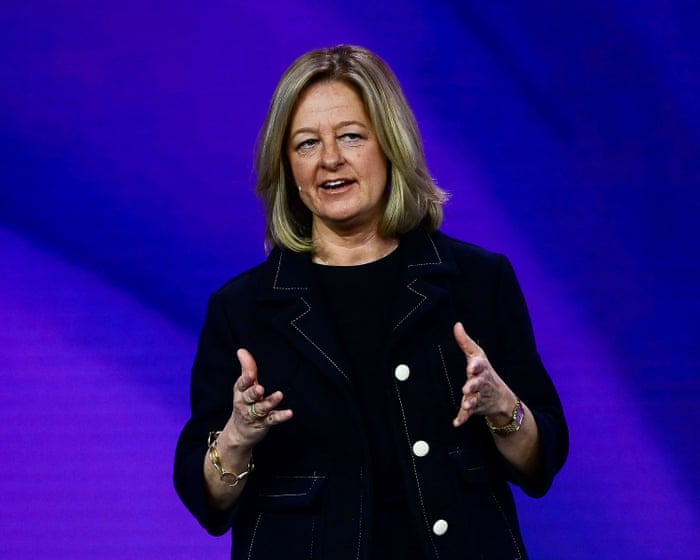
Sky’s CEO Dana Strong called this a major moment for British media.
The move aims to create a strong competitor to global streaming services and YouTube in the UK.
The UK media market is changing quickly and competition for viewers is increasing.
Read the Original
Want the full story? Tap a source to open the original
article.
Sky, owned by Comcast, will buy ITV’s broadcasting and streaming business for £1.6 billion to form the UK’s largest commercial broadcaster. The deal includes ITV’s free TV channels and streaming service but does not include ITV Studios, its show-making division.
Key Facts
Sky will initially pay £1.2 billion in cash for ITV’s media and entertainment business.
An extra payment up to £200 million may be made in late 2028, based on 2027 advertising revenue.
Comcast will sell its Love Productions company, which makes The Great British Bake Off, to ITV for £200 million.
ITV Studios, which produces shows like Love Island and I’m a Celebrity, is not part of this deal.
Sky plans to invest at least £2.1 billion in the combined business between 2028 and 2032.
The deal aims to help ITV compete better with global streaming services.
The announcement follows months of complex negotiations between Sky and ITV.
Read the Original
Want the full story? Tap a source to open the original
article.
The UK government is considering changes to rules that require private housing builders to include affordable homes in new rural developments of 10 to 49 houses. Analysis shows this change could risk half of the affordable housing supply in rural England and reduce the total affordable homes built by 32,000 over 10 years.
Key Facts
The government may end the rule that developers must build affordable homes in medium-sized developments (10-49 houses).
These rules are called section 106 agreements, which require some homes to be affordable.
In rural areas, over half of affordable homes come from developments of this size.
Ending these rules could lead to 32,000 fewer affordable homes over the next decade.
Affordable housing is important for rural families who often cannot afford market prices.
Developers might instead pay money to local councils to build affordable homes elsewhere.
Section 106 agreements currently provide about 36% of all affordable homes built in 2024-25.
Officials say no final decision has been made, but changes aim to simplify the building process amid concerns about building costs and delays.
Read the Original
Want the full story? Tap a source to open the original
article.
Asian stock markets and U.S. futures showed mixed results after a long holiday weekend in the U.S. Oil prices fell slightly after some OPEC+ members decided to increase their oil production in August. Uncertainty about oil supplies remains due to delayed talks related to the Strait of Hormuz during funeral ceremonies in Iran.
Key Facts
Asian shares and U.S. futures were mixed, with some stock indexes falling and others rising.
Technology stocks contributed to declines in Tokyo and Seoul markets.
OPEC+ members Saudi Arabia, Russia, Iraq, Kuwait, Kazakhstan, Algeria, and Oman will increase oil production by 188,000 barrels per day in August.
This is the fifth month in a row that OPEC+ has agreed to raise oil output.
Brent crude oil price dropped 25 cents to $71.87 per barrel; U.S. crude dropped 10 cents to $68.59 per barrel.
Talks about reopening the Strait of Hormuz are on hold during the funeral of Iran’s Supreme Leader Ayatollah Ali Khamenei.
Japan’s Nikkei 225 fell by 0.4%, and South Korea’s Kospi dropped by 0.8%.
The U.S. dollar rose against the Japanese yen, trading at about 161.92 yen compared to 140 yen a year ago.
Read the Original
Want the full story? Tap a source to open the original
article.
Two major fuel providers in the Channel Islands, Rubis and ATF Fuels, say that lower wholesale fuel prices are starting to reduce the prices at gas stations in Guernsey and Jersey. Prices reached a high due to the Iran war in May but have since dropped, and further reductions are expected if wholesale prices keep falling.
Key Facts
Fuel prices at pumps in Guernsey and Jersey are gradually going down.
Petrol and diesel prices peaked in May because of the Iran war.
Global oil prices have recently returned to levels seen before the Iran war.
Diesel prices fell by 17p per liter in June, the fastest monthly drop since 2000.
Petrol prices have also decreased, but less quickly than diesel.
Rubis expects more price cuts at pumps as new lower-cost fuel stocks arrive.
ATF Fuels said refining costs and war damage in Iran slow the drop in fuel prices.
A local politician suggested temporarily cutting fuel taxes to ease living costs.
Read the Original
Want the full story? Tap a source to open the original
article.
Allison Kirkby became BT’s first female chief executive over two years ago, and since then, the company’s share price has increased by 80%. Under her leadership, BT has made progress in selling its international division, expanding full-fibre broadband coverage in the UK, and raising cost-saving targets, though some credit earlier progress to her predecessor.
Key Facts
Allison Kirkby became BT’s first female CEO more than two years ago.
Since she took over, BT’s share price has risen by 80%.
Kirkby earned a pay and bonus package of £5.6 million last year, the largest at BT in over a decade.
BT’s international division, which had been a financial drag, is being sold off to focus on UK operations.
More than two-thirds of UK homes now have full-fibre broadband thanks to BT’s investments.
BT expects to reduce its workforce by about 40% by the end of the decade, partly due to AI and fewer engineering needs.
The company raised its cost-saving target from £3 billion to £3.7 billion.
BT faces competition from Vodafone and had revenue decline by 3% last year.
BT reversed a plan to retire its brand in favor of EE, aiming to position BT as a national connectivity brand.
Read the Original
Want the full story? Tap a source to open the original
article.
OPEC+ members including Saudi Arabia and Russia plan to increase oil production by 188,000 barrels per day starting in August. This is their fifth monthly increase as they respond to improving market conditions following disruptions caused by the US-Israel conflict with Iran.
Key Facts
Seven OPEC+ countries will raise oil output by 188,000 barrels per day from August.
The countries involved are Saudi Arabia, Russia, Iraq, Kuwait, Kazakhstan, Algeria, and Oman.
This marks the fifth straight monthly production increase by these countries.
OPEC+ had cut oil production in 2023 due to supply disruptions and financial market impacts.
The Strait of Hormuz near Iran, a key shipping route, was partially blocked but traffic is now increasing after a peace agreement.
Brent crude oil prices have dropped from over $126 per barrel in April to around $72 recently.
Total OPEC+ oil production fell from 42.77 million barrels per day in February to 33.13 million in May due to the blockade.
Analysts say the new production increases reflect easing shipping limits and higher supply, causing prices to fall.
Read the Original
Want the full story? Tap a source to open the original
article.
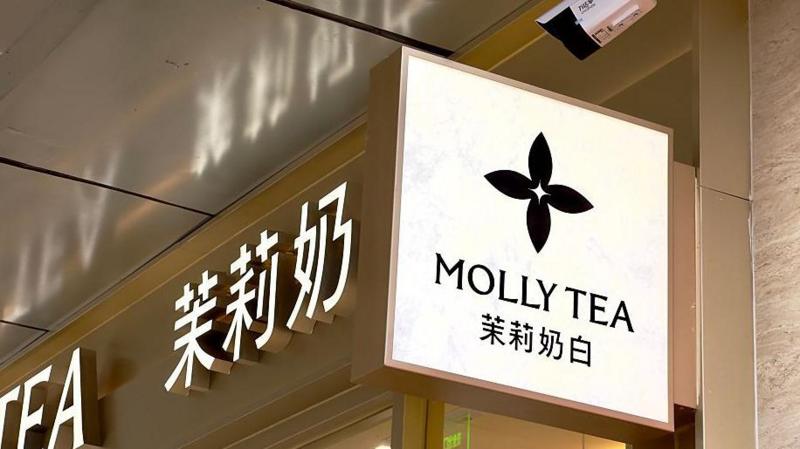
A Chinese tea company called Molly Tea was ordered by a court in Jiangsu province to pay about $1.5 million to Louis Vuitton for copying its trademarked four-petal flower logo. The court also required Molly Tea to stop using the logo and publicly apologize, sparking a large online debate in China about copyright and design inspiration.
Key Facts
Molly Tea, based in Shenzhen, was found to have copied Louis Vuitton’s four-petal flower logo.
The court ruling came from Suzhou city in eastern China.
Molly Tea must pay 10.3 million yuan (about $1.5 million) in damages and stop using the logo.
The tea company’s affiliated firms had several trademark applications rejected by China’s intellectual property agency.
Only Molly Tea’s trademark with Chinese characters was approved officially.
The court decision led to heated discussions on Chinese social media, reaching over 400 million views.
Some users defended Molly Tea, saying Western luxury designs are inspired by Chinese art.
Others supported the ruling, saying Louis Vuitton legally owns the trademark and must protect it.
Read the Original
Want the full story? Tap a source to open the original
article.
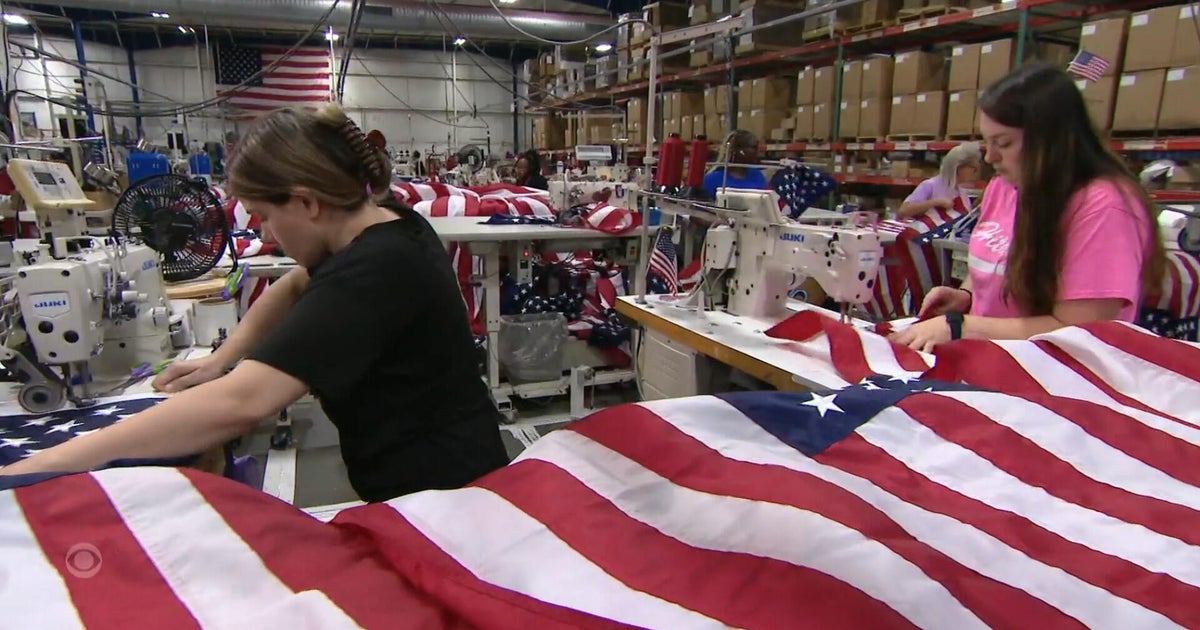
Annin Flagmakers is the oldest and largest company that makes flags in the United States. The company has a factory in South Boston, Virginia, where they produce flags.
Key Facts
Annin Flagmakers is the oldest flag-making company in the U.S.
It is also the largest flagmaker in the country.
The company has a factory located in South Boston, Virginia.
CBS News correspondent Jericka Duncan visited the factory.
The company produces various types of flags used across the U.S.
Read the Original
Want the full story? Tap a source to open the original
article.
A report says making UK public transport fully accessible for disabled people could add £176 billion to the economy by helping millions find jobs. The Institution of Mechanical Engineers highlights current transport barriers that prevent many disabled people from working or taking part in daily activities.
Key Facts
Nearly one quarter of working-age people in the UK find the transport system inaccessible.
Problems include lack of lifts, ramps, tactile paving, and sensory-friendly environments at stations.
Almost half of disabled professionals have turned down jobs because of transport issues.
About 2.8 million disabled people are partly excluded from the workforce due to these barriers.
The potential economic benefit of full accessibility is estimated at £176.4 billion annually.
The cost of making the rail network fully accessible is expected to be between £20 billion and £24 billion over several years.
Improving accessibility could also boost sectors like retail, leisure, and tourism by £22.3 billion per year.
There could be an extra £10 billion to £34 billion annually in fare revenue from more passengers using public transport.
Read the Original
Want the full story? Tap a source to open the original
article.
Seven countries in the OPEC+ group agreed to increase their oil production by 188,000 barrels per day in August. This decision comes as oil prices have fallen close to levels seen before recent conflicts involving the U.S., Israel, and Iran.
Key Facts
The seven countries increasing production are Saudi Arabia, Russia, Iraq, Kuwait, Kazakhstan, Algeria, and Oman.
This is the fifth month in a row that OPEC+ has raised oil production.
Oil prices recently dropped to under $72 a barrel, near pre-conflict levels.
The drop in prices follows an interim deal between the U.S. and Iran to end fighting and ease port blockades.
The deal allows ships to pass through the Strait of Hormuz, a key route for about one-fifth of the world’s oil.
Despite the deal, ship traffic through the strait is still below levels before the conflict.
Iran warns oil tankers to use approved routes through the strait or face strong consequences.
Earlier conflicts caused an energy crisis by limiting shipping and oil supplies worldwide.
Read the Original
Want the full story? Tap a source to open the original
article.