Private student housing in UK cities is growing quickly, but rents are becoming very expensive. Many students, like Lara Reader from Edinburgh, find these costs hard to manage and struggle to find affordable places to live.
Key Facts
Private Purpose-Built Student Accommodation (PBSA) is increasing in UK university cities.
These housing options often include private rooms with amenities like gyms and study areas.
Rents for PBSA are higher than traditional student housing and often exceed student loans.
Lara Reader’s rent in Edinburgh was £1,022 per month, more than £200 above her monthly maintenance loan.
To pay rent, Lara worked 20 hours a week while studying, which affected her exam results.
The number of students living in private-sector halls in the UK rose from about 118,000 in 2014/15 to over 206,000 in 2024/25.
Scotland’s PBSA supply increased notably, with Glasgow and Edinburgh seeing significant growth and many new developments planned.
Average weekly rent is around £268 in Edinburgh and £243 in Glasgow, higher than the UK average outside London (£191).
Read the Original
Want the full story? Tap a source to open the original
article.
This report highlights key moments from a recent fashion week event, including insights from a fashion stylist and a professor discussing the fashion industry's environmental impact. It also lists recent news headlines related to various topics such as politics, health, technology, and international events.
Key Facts
Fashion stylist Emily Evans shared notable highlights from fashion week.
Professor Shawn Grain Carter discussed how the fashion industry affects the environment.
The article includes live stream links and recent news updates on topics like Middle East violence, measles deaths, and cyberattacks.
Gas and diesel prices have risen amid impending interest rate decisions.
The Kennedy Center main building will close following a board vote related to President Trump's name.
Warnings about AI safety and regulation are increasing among tech leaders and politicians.
Reports mention a suspected cyberattack on a tanker headed to the U.S.
There are updates on social, health, and cultural news including a tribute to Dolly Parton and the impact of whole grains on heart health.
Read the Original
Want the full story? Tap a source to open the original
article.
A federal appeals court canceled an EPA rule that banned most uses of methylene chloride, a chemical used in paint stripping. The EPA had said this chemical is likely to cause cancer in people.
Key Facts
The EPA issued a rule to ban most uses of methylene chloride (MC), a paint stripper chemical.
The EPA described methylene chloride as "likely to be carcinogenic to humans," meaning it probably causes cancer.
A federal appeals court overturned this EPA rule, blocking the ban.
Methylene chloride is a highly toxic chemical commonly used in paint stripping products.
The court ruling means that restrictions on this chemical’s use are no longer in effect.
The EPA had aimed to protect public health by limiting exposure to methylene chloride.
The legal dispute focuses on balancing chemical safety with regulatory authority.
Read the Original
Want the full story? Tap a source to open the original
article.
The US Federal Reserve raised its main interest rates for the first time in three years to try to lower high inflation. This move goes against President Donald Trump’s calls to reduce interest rates.
Key Facts
The Federal Reserve increased interest rates after three years of holding them steady.
The goal of raising rates is to control and reduce inflation.
President Donald Trump has repeatedly asked the Federal Reserve to cut interest rates instead.
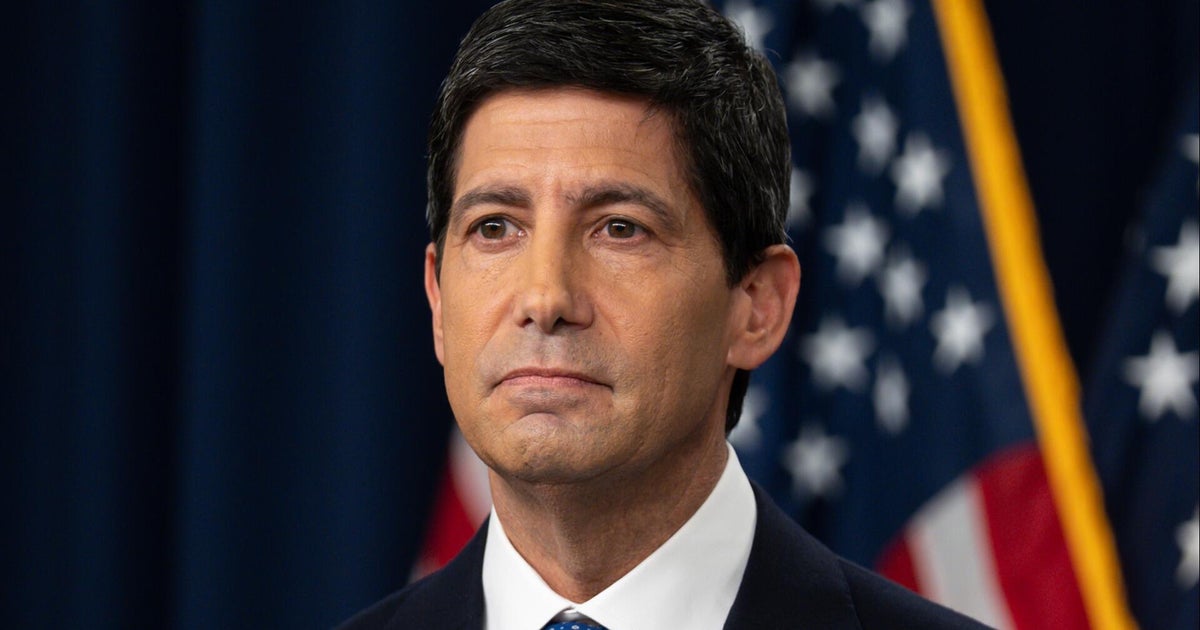
The Federal Reserve’s decision may cause tension between its Chairman Kevin Warsh and President Trump.
High inflation means that prices for goods and services are rising faster than usual.
Interest rates control the cost of borrowing money; higher rates make loans more expensive.
This rate hike shows the Federal Reserve’s focus on fighting inflation despite political pressure.
Read the Original
Want the full story? Tap a source to open the original
article.
Federal Reserve Chair Kevin Warsh said the central bank is paying close attention to the fast growth of artificial intelligence (AI) technology. He made these remarks after the Federal Open Market Committee increased interest rates by 0.25 percentage points.
Key Facts
Kevin Warsh is the Chair of the Federal Reserve.
The Federal Reserve is closely monitoring developments in AI technology.
The Federal Open Market Committee recently raised interest rates by a quarter point (0.25%).
Warsh emphasized the Fed's interest in understanding AI’s impact.
The focus on AI comes alongside ongoing economic decisions by the Fed.
The Fed’s interest rate changes affect borrowing costs and the overall economy.
AI models are developing rapidly and causing attention from financial regulators.
Read the Original
Want the full story? Tap a source to open the original
article.
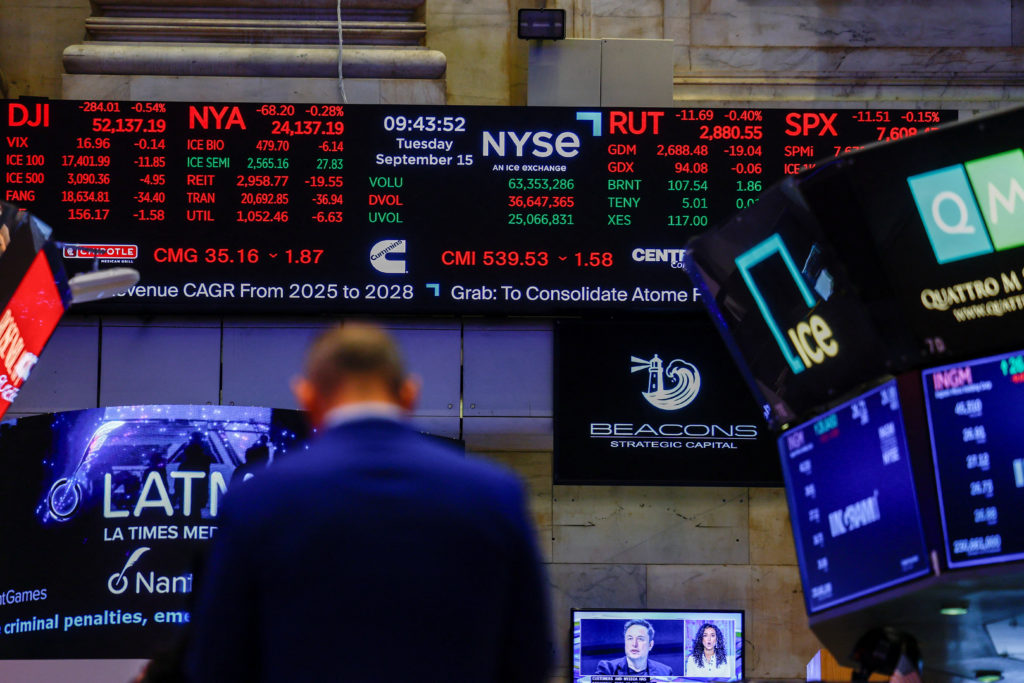
U.S. stocks fell after the Federal Reserve raised its main interest rate for the first time in three years. The Fed also indicated it may raise rates further to help control high inflation.
Key Facts
The Federal Reserve increased its key interest rate on Wednesday.
This was the first rate hike in three years.
The S&P 500 dropped by 0.4%.
The Dow Jones Industrial Average fell 631 points, a 1.2% decline.
The Nasdaq composite was nearly unchanged, slipping less than 0.1%.
Higher interest rates can slow economic growth.
Higher rates tend to lower stock prices and other investment values.
The Fed’s goal is to reduce high inflation in the U.S. economy.
Read the Original
Want the full story? Tap a source to open the original
article.
The US Federal Reserve raised interest rates for the first time in over three years, increasing them from 3.5%-3.75% to 3.75%-4%. The move aims to reduce high inflation, despite opposition from President Donald Trump, who wants rates cut to support borrowing and spending.
Key Facts
The Federal Reserve increased interest rates by 0.25 percentage points in a unanimous decision.
This is the first rate increase since July 2023 and the first change in any direction since December 2025.
The rate hike is meant to slow inflation by making borrowing more expensive and encouraging saving.
President Trump opposes the increase and called for rates to be lowered to 1% or less.
Higher rates may increase mortgage and loan costs, affecting homebuyers and borrowers.
Major US banks raised their prime lending rate to 7% following the Fed’s decision.
Rising oil prices due to the US-Israel-Iran conflict are contributing to higher costs of goods and fuel in the US.
The Federal Reserve operates independently and does not respond directly to political pressure from the White House.
Read the Original
Want the full story? Tap a source to open the original
article.
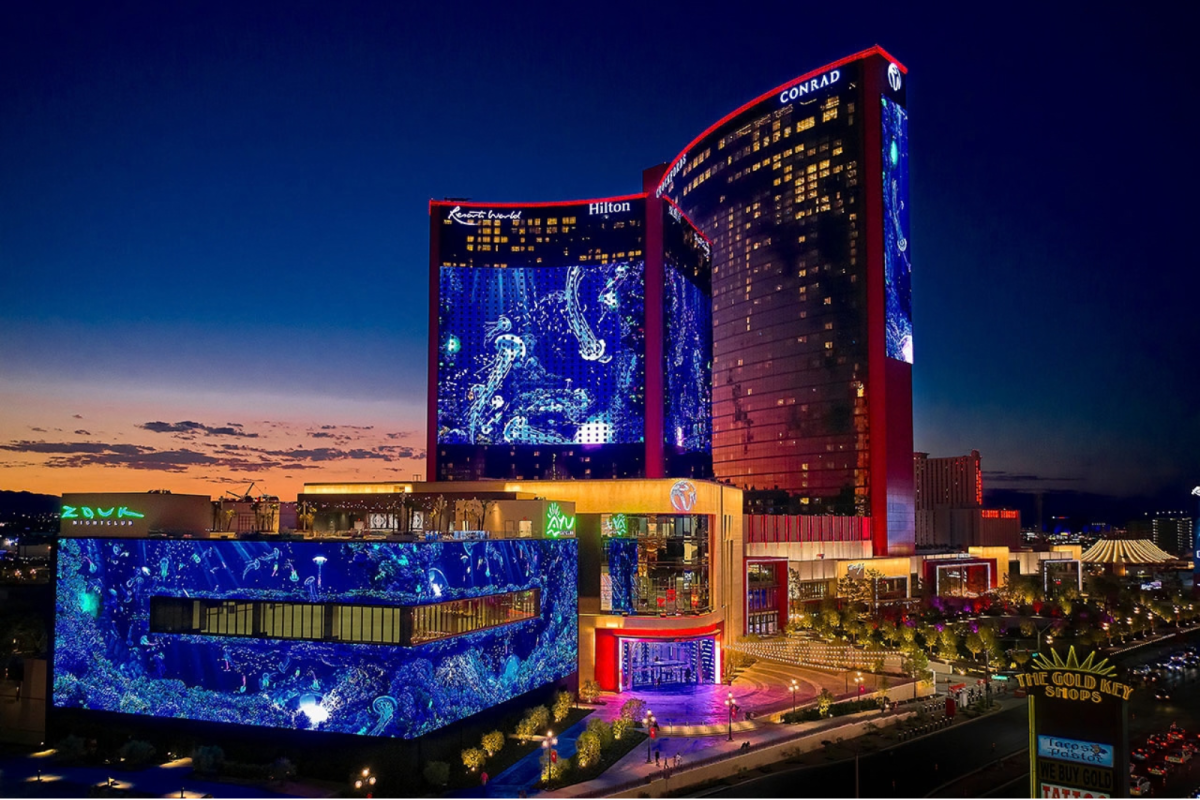
Resorts World Las Vegas is adjusting its business strategy to attract customers who want good value for their money. The city and its casinos are working to improve safety, service, and reinvestment in their properties to keep Las Vegas appealing to visitors.
Key Facts
Las Vegas faced economic challenges in 2025, especially during the summer.
Price-conscious travelers are looking for better value in their vacations.
Political issues with Canada reduced Canadian visitors to Las Vegas.
Resorts World’s CFO, Carlos Castro, says the city and casinos need to balance making money with offering good value.
Business improved in the summer after changes were made.
Castro believes Las Vegas should focus on safety and support for law enforcement.
He calls for better guest service and reinvestment in casino properties on the Las Vegas Strip.
The goal is to make Las Vegas the safest city with the best service and attractions to attract visitors and investors.
Read the Original
Want the full story? Tap a source to open the original
article.
Lionsgate released a new trailer for The Hunger Games: Sunrise on the Reaping, a sequel to Ballad of Songbirds and Snakes and a prequel to the original Hunger Games film. The story focuses on a young Haymitch Abernathy competing in the 50th Hunger Games and setting the stage for a future rebellion. Laika Studios also released a new trailer for its animated film Wildwood, featuring a magical adventure involving a young girl named Prue McKee.
Key Facts
The Hunger Games: Sunrise on the Reaping is the next film in the Hunger Games series, coming out November 20.
It is set 24 years before the original Hunger Games movie and follows young Haymitch Abernathy.
Haymitch forms alliances and fights to stop the Games from inside the arena.
The movie stars Joseph Zada, Mckenna Grace, Ralph Fiennes, and features appearances by Jennifer Lawrence and Josh Hutcherson.
The film includes characters tied to the original story, such as a young Effie Trinket and Caesar Flickerman.
Laika Studios’ Wildwood is a stop-motion animated film about a girl searching for her kidnapped baby brother in a magical forest.
Wildwood features voices from Peyton Elizabeth Lee, Carey Mulligan, Jacob Tremblay, and Mahershala Ali.
Both trailers highlight upcoming entertainment releases from Lionsgate and Laika Studios.
Read the Original
Want the full story? Tap a source to open the original
article.
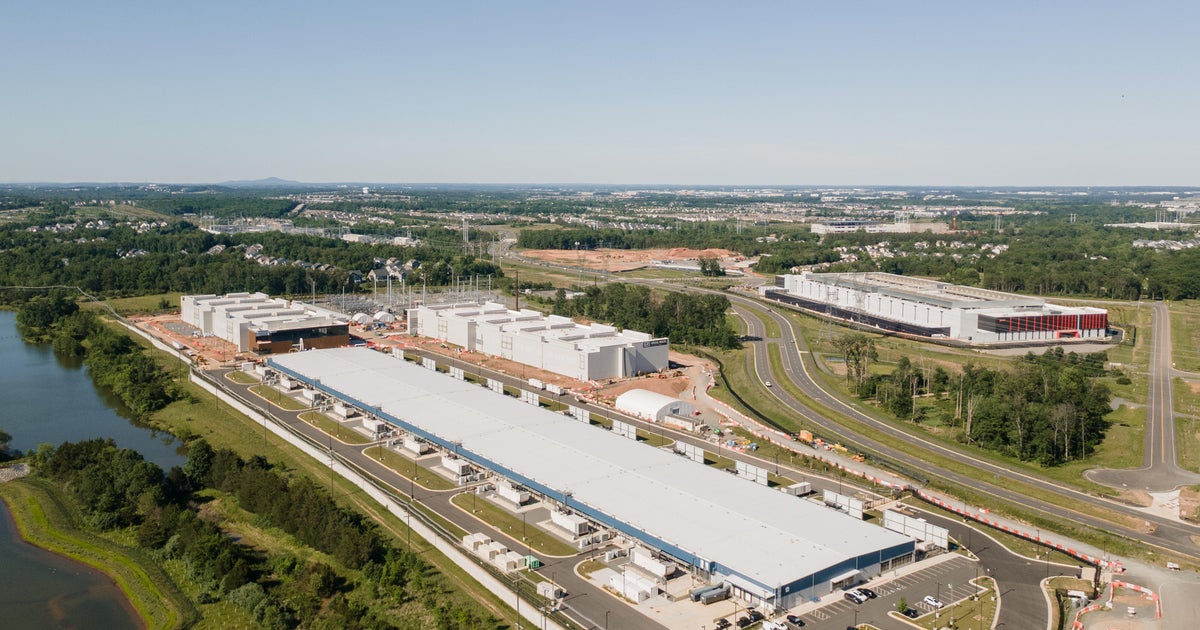
Virginia fined Microsoft nearly $2.5 million because its Leesburg data center exceeded pollution limits during an equipment failure in June 2025. Microsoft agreed to invest $2.4 million in a local project to monitor air quality in Loudoun County, an area with a high number of data centers.
Key Facts
Virginia's Department of Environmental Quality fined Microsoft $2.5 million for emissions violations at its Leesburg data center.
The data center ran 62 emergency engines for seven days after an electrical substation failure in June 2025.
Pollutants released included carbon monoxide (CO), volatile organic compounds (VOC), and fine particulate matter (PM10 and PM2.5).
Microsoft will invest $2.4 million to help expand air-quality monitoring in Loudoun County, known as "Data Center Alley."
Loudoun County has over 250 data centers, raising community concerns about pollution and health effects.
The county board voted to pause approval of new data center applications for one year starting September 15, 2025, but applicants can still submit proposals.
Critics want stricter rules for future data center construction to reduce environmental impact.
Supporters of data centers highlight their economic benefits, including a projected $1.3 billion in local tax revenue.
Read the Original
Want the full story? Tap a source to open the original
article.
The Dow Jones stock market index fell about 1.2% after the Federal Reserve raised interest rates for the first time since July 2023. This rate increase can make borrowing more expensive and affect the stock market.
Key Facts
The Federal Reserve increased interest rates on Wednesday.
This is the first rate hike since July 2023.
Following the announcement, the Dow Jones index dropped around 1.2%.
Higher interest rates typically raise borrowing costs for businesses and consumers.
The stock market often reacts negatively to rising interest rates.
The news was reported by CBS News correspondents Kelly O'Grady and Aaron Navarro.
Read the Original
Want the full story? Tap a source to open the original
article.
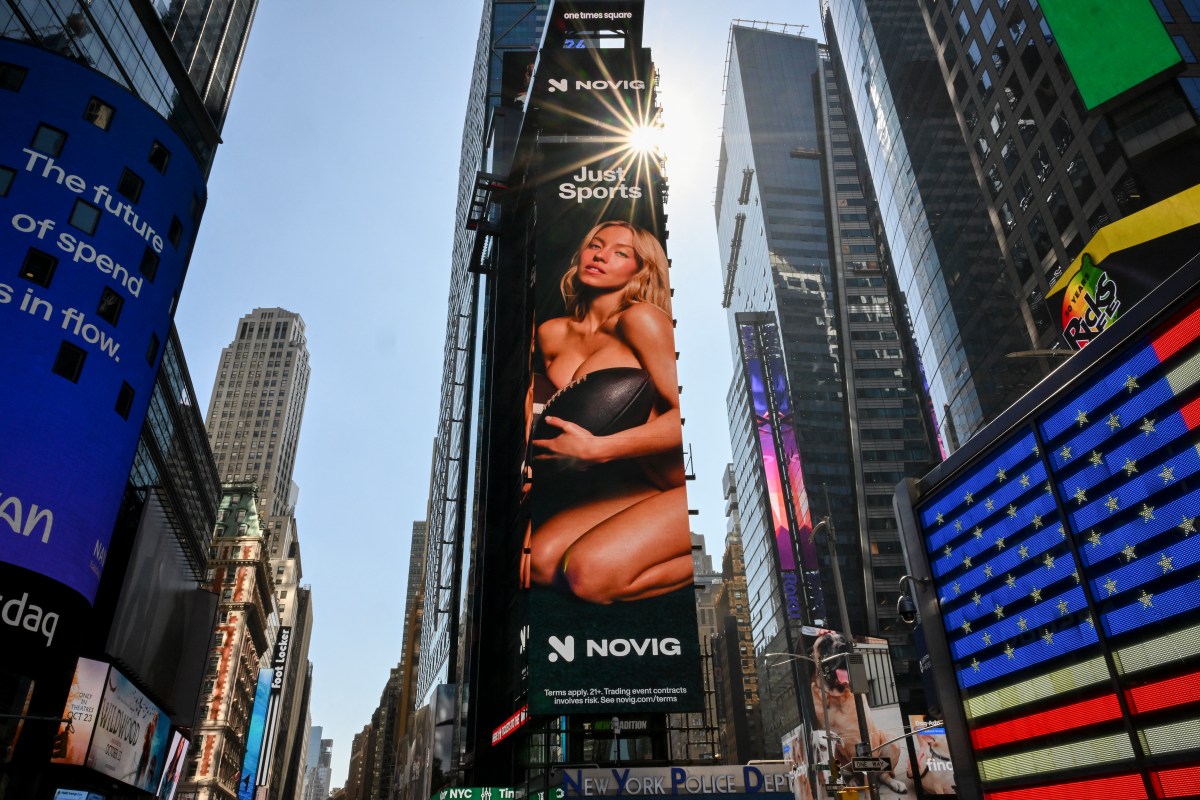
Sydney Sweeney lost about 200,000 social media followers after a sports ad controversy but then quickly gained back over 100,000 followers. The advertisement, made by the sports prediction company Novig, sparked criticism for sexualizing women’s sports, leading to strong reactions from athletes and the public.
Key Facts
Sydney Sweeney appeared in a mostly nude ad for Novig, a sports prediction market company.
The ad led to complaints that it sexualized women’s sports.
Some female athletes, including Olympic champion Ariarne Titmus, publicly criticized the ad.
Sweeney’s social media followers dropped by more than 200,000 in two days after backlash went viral.
She regained over 100,000 followers within the next two days.
Novig was founded in 2021 and is valued at around $500 million.
Sweeney previously faced public reaction after an American Eagle ad in 2025 and is a registered Republican.
The controversy made Sweeney a highly searched topic, surpassing searches for “Donald Trump” and “Iran war” briefly.
Read the Original
Want the full story? Tap a source to open the original
article.
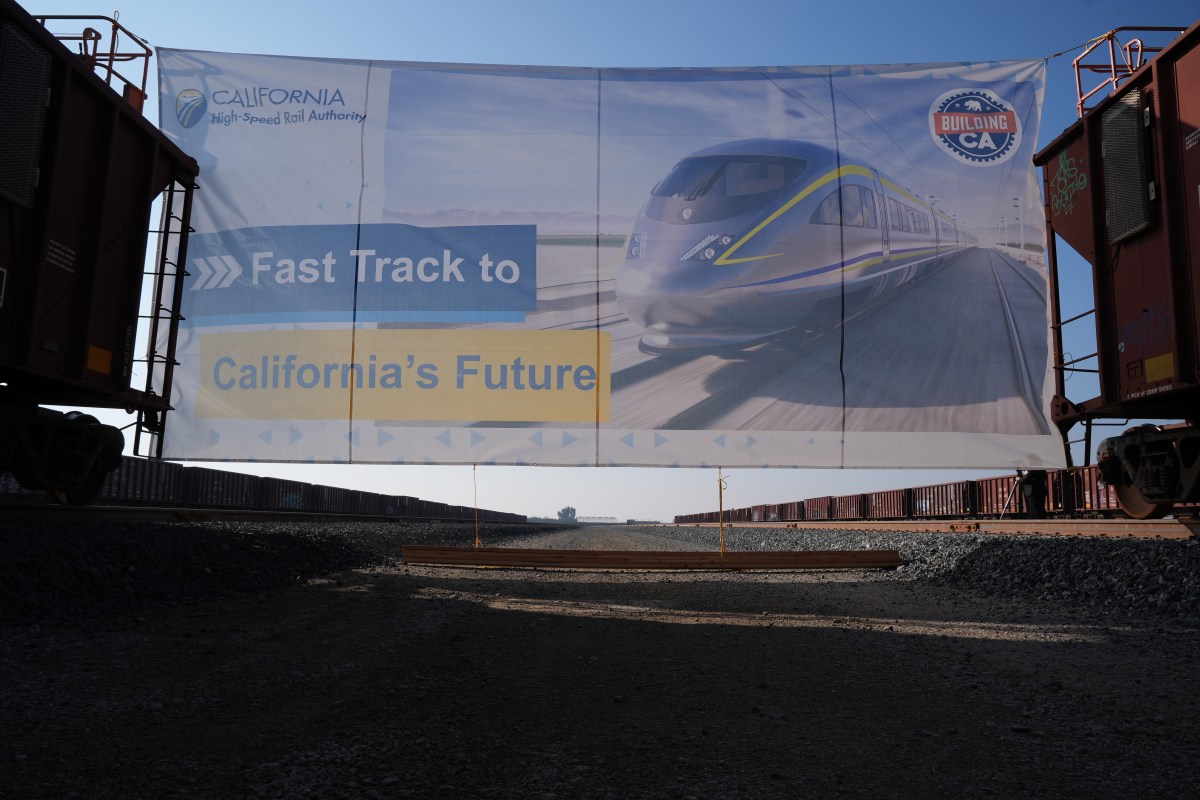
A state report found that California’s High-Speed Rail Authority paid nearly $593,000 for questionable travel costs by consultants, including expensive flights and rides with unclear state-related reasons. The Authority said it will improve its rules, recover improper costs, and work with the watchdog to fix problems.
Key Facts
The California High-Speed Rail Authority spent over $2 million on travel for contractors in 2024-25 and 2025-26 fiscal years.
Inspectors reviewed $1.15 million in travel expenses and found about 60% lacked proper approval before the trips.
The questionable $592,900 included $81,000 breaking state travel rules and $543,400 violating contract terms.
Some consultants claimed first-class flights, a private plane, and luxury rides such as expensive Uber trips for very short distances.
The report noted trips to places like nightclubs, bars, restaurants, and a cigar lounge without any clear state business purpose.
One legal consultant had 30 travel claims with only three pre-approved; the Authority paid for travel time as well.
Approximately $118,000 was paid for international travel that was not allowed under a specific contractor’s rules.
California voters initially approved the rail project in 2008 with an estimated cost of $33 billion; the 2026 plan projects $126 billion for its first phase.
Read the Original
Want the full story? Tap a source to open the original
article.
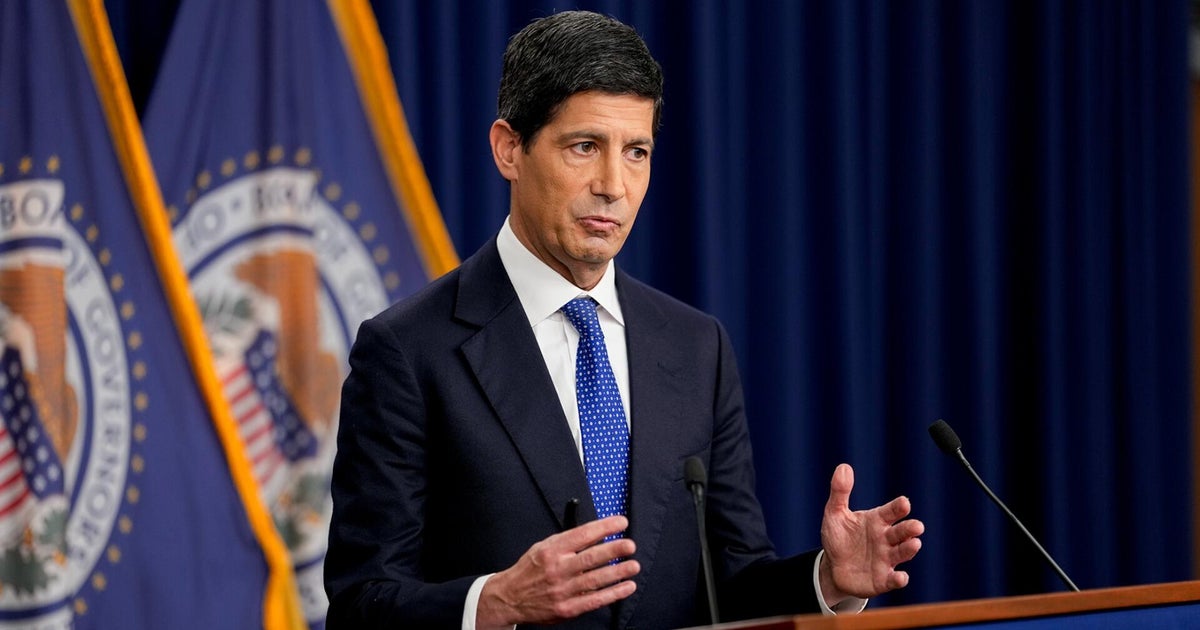
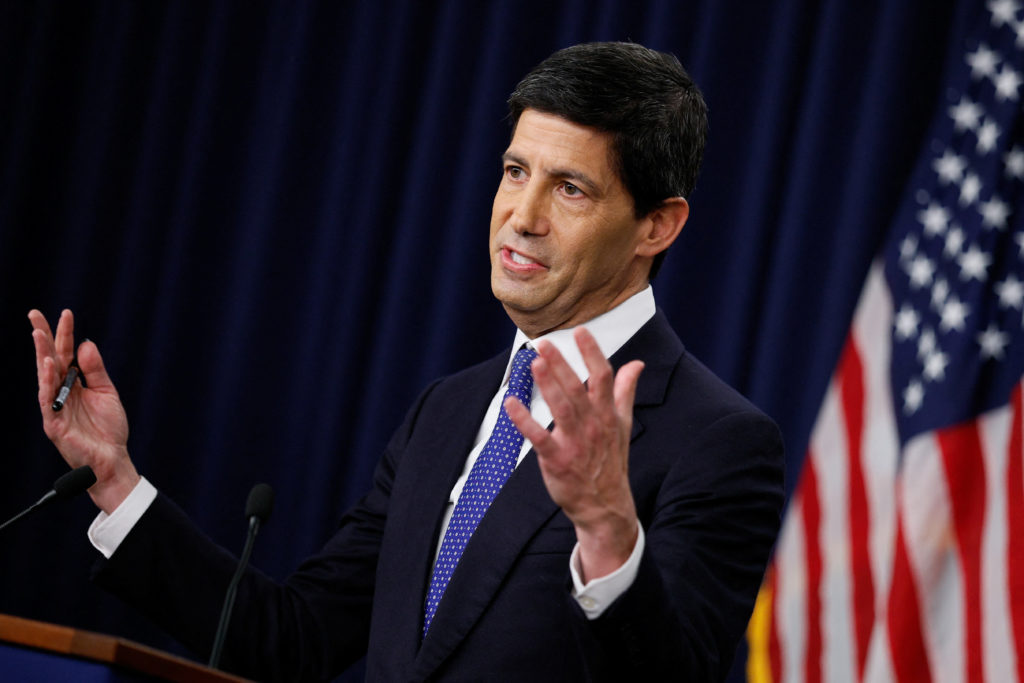
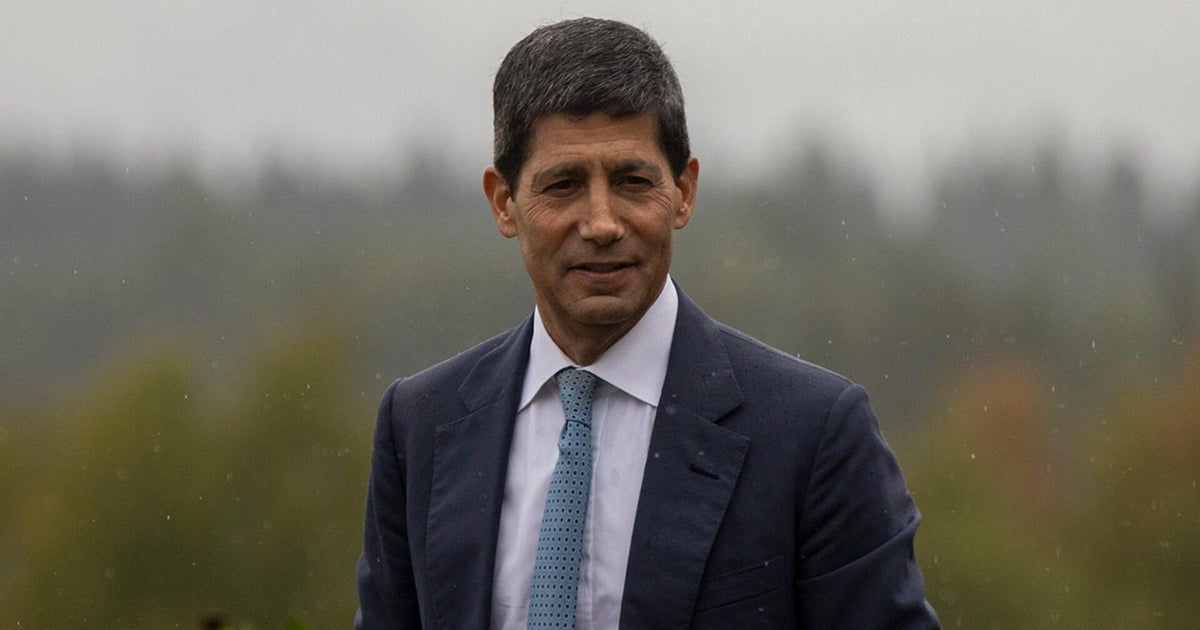
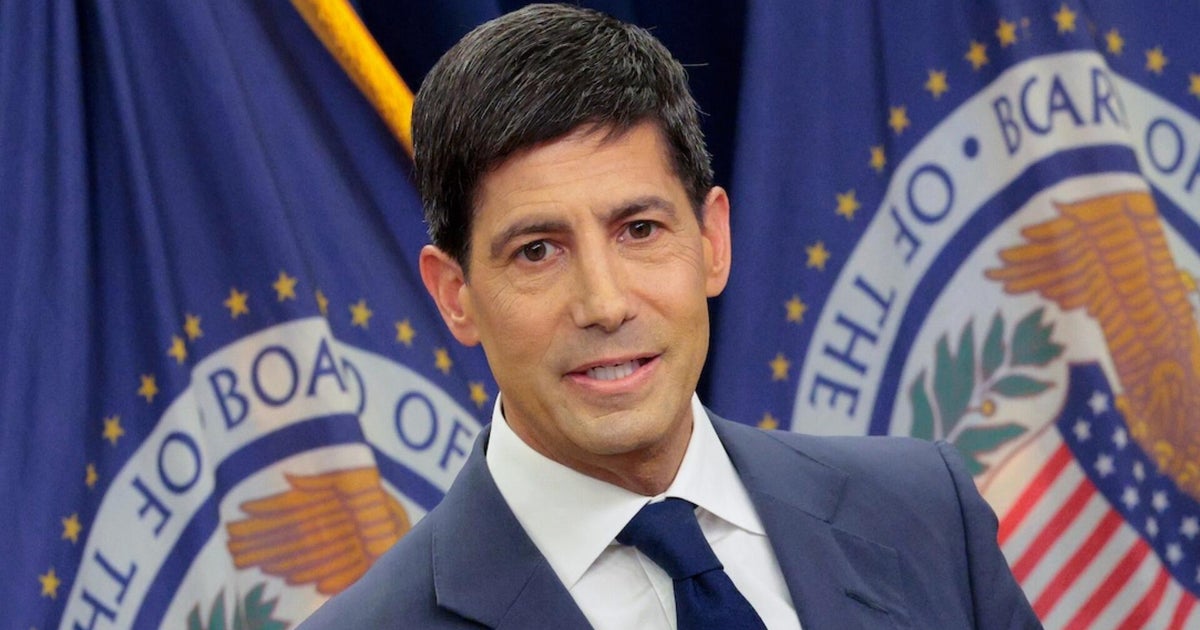
Federal Reserve Chair Kevin Warsh spoke to reporters after the Fed raised interest rates by 0.25 percentage points. This increase is the first rate hike since 2023.
Key Facts
The Federal Reserve raised interest rates by 0.25 percentage points.
This is the first rate increase since 2023.
Kevin Warsh is the current chair of the Federal Reserve.
The rate hike aims to influence economic activity, usually to control inflation.
Warsh answered questions from reporters following the decision.
The Federal Reserve sets interest rates that affect borrowing costs for consumers and businesses.
The news coverage was provided by CBS News.
Read the Original
Want the full story? Tap a source to open the original
article.
The Federal Reserve raised its main interest rate by 0.25 percentage points, the first increase since summer 2023. This change will make borrowing money more expensive but will help savers earn more interest on their deposits.
Key Facts
The Fed increased its benchmark interest rate by a quarter-point.
This is the first rate hike since summer 2023.
The new target rate range is 3.75% to 4.00%.
Borrowing money for things like homes and cars will likely cost more.
People who save money in banks may earn higher interest.
The decision impacts loans, credit cards, and savings rates.
The Fed adjusts rates to manage the economy’s growth and inflation.
Read the Original
Want the full story? Tap a source to open the original
article.
Putting $50,000 into a 3-year certificate of deposit (CD) account can provide a fixed and guaranteed interest return. Currently, the best rates for these CDs are about 4.35% to 4.50%, which could earn between $6,800 and $7,000 in interest by the time the account matures in three years.
Key Facts
A 3-year CD offers a fixed interest rate, so the return does not change even if the market changes.
Current 3-year CD rates range from 4.35% to 4.50%.
At these rates, a $50,000 deposit could earn about $6,813 to $7,058 after three years.
Online banks often offer higher CD rates than traditional banks.
The interest is paid only if the money stays in the CD until the 3-year term ends.
Withdrawing money early from a CD can result in penalties that may reduce or erase earned interest.
Inflation remains above the Federal Reserve’s target, and interest rate hikes may continue, increasing the value of fixed-rate CDs.
Read the Original
Want the full story? Tap a source to open the original
article.
Federal Reserve Chair Kevin Warsh will speak after the Federal Reserve raised interest rates by 0.25%. This increase aims to reduce inflation amidst concerns related to the war in Iran.
Key Facts
The Federal Reserve raised interest rates by 0.25%.
The new interest rate range is 3.75% to 4%.
The decision was unanimous by the Federal Open Market Committee.
This is the first rate increase in several months.
The rate hike is intended to control inflation.
The increase comes during ongoing instability connected to the war in Iran.
Kevin Warsh is the Chair of the Federal Reserve.
He is scheduled to give remarks following the rate hike announcement.
Read the Original
Want the full story? Tap a source to open the original
article.
The average interest rate on a $90,000 home equity loan is about 8.14% as of September 2026, with monthly payments ranging from around $867 to $1,099 depending on the loan term. These payments are lower than rates and costs seen in past years, making home equity loans more affordable for homeowners now.
Key Facts
The average interest rate for a home equity loan is 8.14% as of September 16, 2026.
Monthly payments for a $90,000 loan are about $1,099 for a 10-year loan and $867 for a 15-year loan.
Interest rates on home equity loans have decreased compared to rates from 2024 and 2025.
Homeowners have record-high home equity available to borrow against in 2025.
Borrowers receive the loan amount in one lump sum and must start repaying right away.
Failure to repay can lead to foreclosure, where the lender can take the home.
Shopping around for lower interest rates can help homeowners save money on payments.
Borrowers should only take as much as they can afford to repay to avoid financial trouble.
Read the Original
Want the full story? Tap a source to open the original
article.
The Federal Reserve increased its main interest rate by 0.25 percentage points to a range of 3.75% to 4%, the highest since December 2025. This move aims to reduce inflation, which remains higher than the Fed’s 2% target, due in part to rising energy costs caused by the conflict in Iran.
Key Facts
The Federal Reserve raised the federal funds rate by 0.25 percentage points on Wednesday.
The new target range for the interest rate is between 3.75% and 4%.
Inflation, measured by the Consumer Price Index, is at 3.4% annually, above the Fed’s 2% goal.
The increase reverses earlier expectations that the Fed would lower rates in 2026.
Rising oil prices from the Iran war have pushed diesel prices up 71% compared to last year.
Gasoline prices have risen from $2.98 per gallon before the war to $4.37 now.
Higher interest rates typically slow the economy because they make borrowing more expensive, reducing spending and investment.
Fed Chairman Kevin Warsh will discuss this policy change at a news conference.
Read the Original
Want the full story? Tap a source to open the original
article.