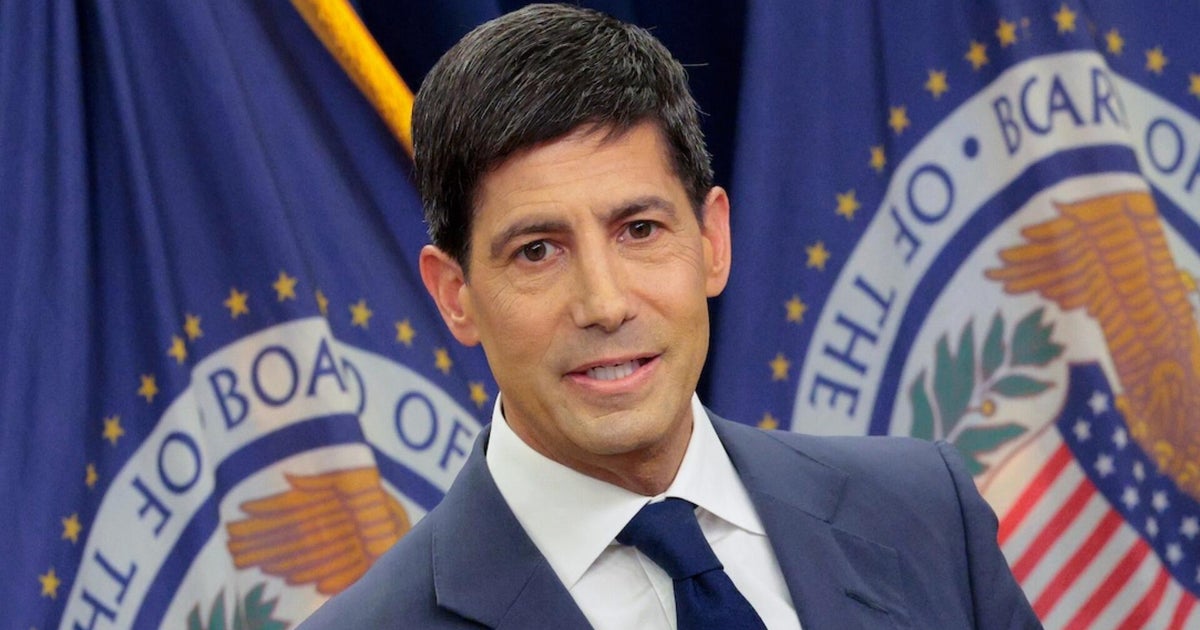
The Federal Reserve increased its main interest rate by 0.25 percentage points to a range of 3.75% to 4%, the highest since December 2025. This move aims to reduce inflation, which remains higher than the Fed’s 2% target, due in part to rising energy costs caused by the conflict in Iran.
Key Facts
The Federal Reserve raised the federal funds rate by 0.25 percentage points on Wednesday.
The new target range for the interest rate is between 3.75% and 4%.
Inflation, measured by the Consumer Price Index, is at 3.4% annually, above the Fed’s 2% goal.
The increase reverses earlier expectations that the Fed would lower rates in 2026.
Rising oil prices from the Iran war have pushed diesel prices up 71% compared to last year.
Gasoline prices have risen from $2.98 per gallon before the war to $4.37 now.
Higher interest rates typically slow the economy because they make borrowing more expensive, reducing spending and investment.
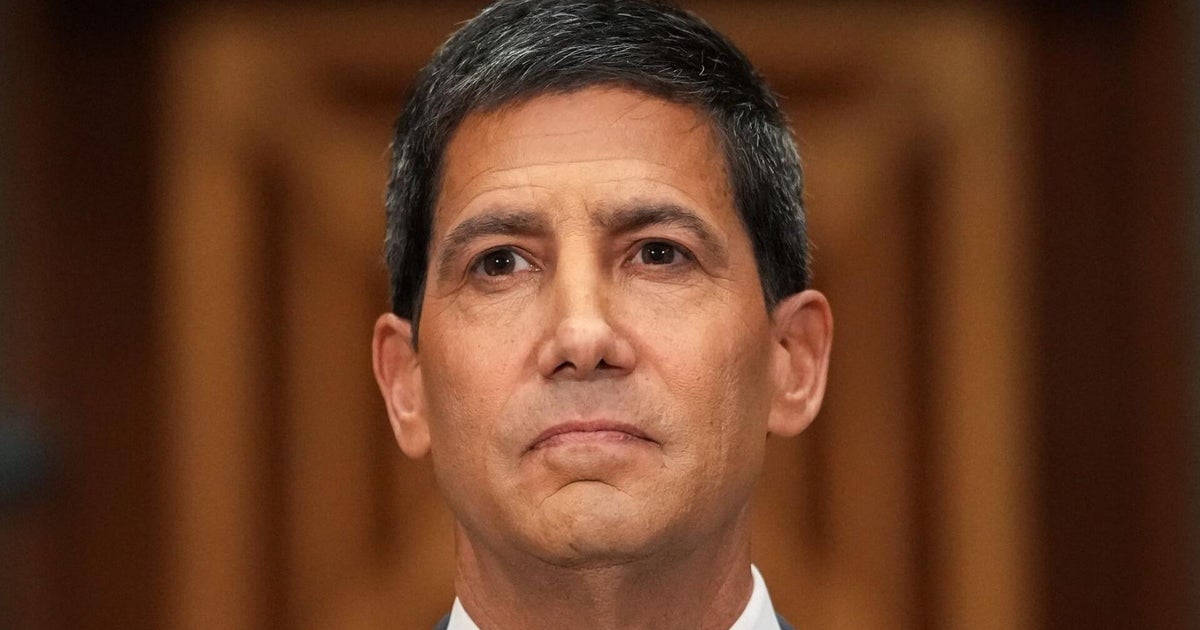
Fed Chairman Kevin Warsh will discuss this policy change at a news conference.
Read the Original
Want the full story? Tap a source to open the original
article.
The Federal Reserve raised interest rates for the first time since mid-2023, increasing the benchmark rate to between 3.75% and 4.00%. This change affects how savers can earn interest, making high-yield savings accounts more attractive now because their rates can rise with further hikes, unlike fixed-rate CDs.
Key Facts
The Fed's interest rate is now between 3.75% and 4.00%, after being cut in September 2024 and September 2025.
High-yield savings accounts have variable rates that adjust when the Fed changes rates, potentially increasing savers' returns.
Certificates of deposit (CDs) offer fixed interest rates that do not change after being set.
After the Fed’s recent rate hike, high-yield savings accounts may provide higher returns over time compared to CDs.
CDs offer guaranteed, stable interest that some savers prefer for security and predictability.
If the Fed continues raising rates, high-yield savings accounts will benefit more quickly than CDs.
Splitting savings between a CD and a high-yield account can balance fixed returns with potential rate increases.
Online marketplaces can help savers find the best interest rates and account terms easily.
Read the Original
Want the full story? Tap a source to open the original
article.
The Federal Reserve raised its interest rates by 0.25% for the first time since 2023, aiming to control inflation. This rate change may increase mortgage rates, which are already high, affecting homebuyers and the housing market.
Key Facts
The Fed raised its benchmark interest rate to a range of 3.75% to 4.00%.
The increase was 25 basis points (0.25%), the first hike since 2023.
Average 30-year fixed mortgage rates are around 7.43% as of mid-September 2026.
Mortgage rates generally follow the 10-year Treasury yield more closely than the Fed rate.
This rate hike signals the Fed's concern about persistent inflation.
Mortgage rates may rise or stabilize depending on future Fed actions and inflation reports.
High mortgage rates are making it harder for buyers to afford homes.
Homeowners who locked in lower rates may be less likely to move now.
Read the Original
Want the full story? Tap a source to open the original
article.
The Federal Reserve raised interest rates by a quarter-point to between 3.75% and 4%. This is the first rate increase in several years and aims to address persistent inflation.
Key Facts
The Federal Reserve increased the federal funds rate by 0.25 percentage points.
The new interest rate range is 3.75% to 4%.
The decision was unanimous by the Federal Open Market Committee (FOMC).
The move was made to combat ongoing inflation that remains high.
Kevin Warsh is the chair of the Federal Reserve.
This is the first interest rate hike in several years.
Higher interest rates often make borrowing more expensive to slow inflation.
Read the Original
Want the full story? Tap a source to open the original
article.
The US Federal Reserve raised its interest rates by 0.25% to a range of 3.75% to 4% to help reduce inflation and support the economy. This decision was unanimous among committee members and comes after inflation remained high despite previous rate pauses.
Key Facts
The Federal Reserve increased its key interest rate by a quarter percentage point.
The new target range for the federal funds rate is 3.75% to 4%.
The decision was unanimous, with all 12 voting members in favor.
Inflation in the US has stayed above the Fed’s 2% target for over five years.
Job growth remains strong and the unemployment rate is stable.
Energy prices and other factors have kept inflation high.
Some experts believe inflation may not return to 2% soon without rate hikes.
President Trump has publicly pushed for interest rate cuts despite Fed’s actions.
Read the Original
Want the full story? Tap a source to open the original
article.
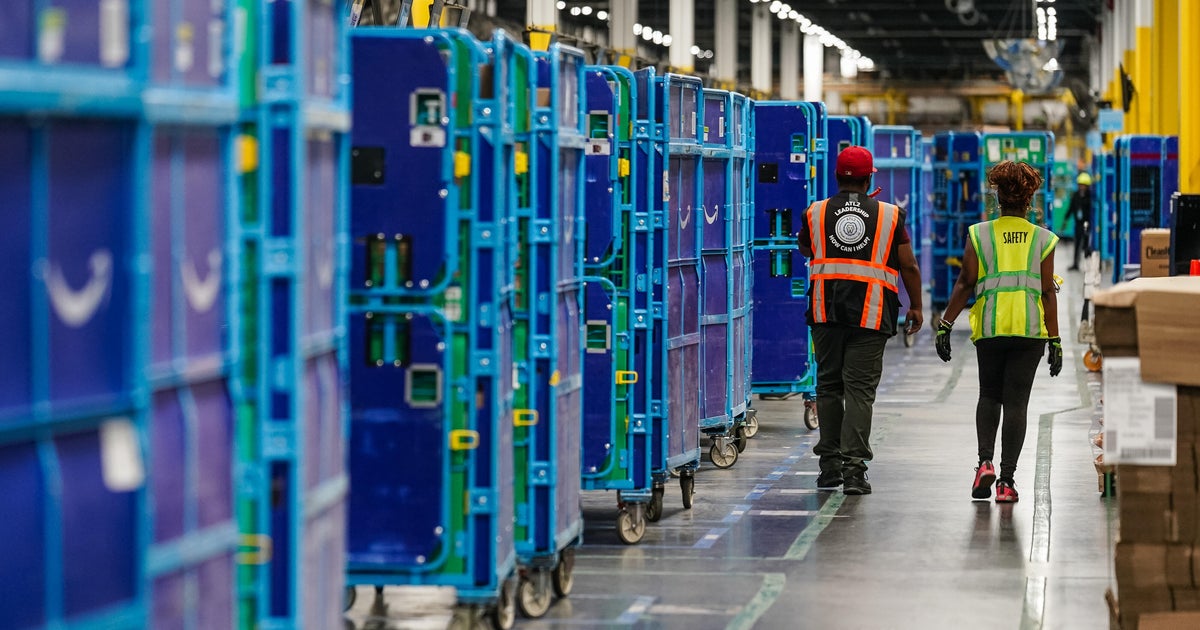
Amazon has increased its starting pay in the US to $20 an hour, which is $1 more than before. The company also added a grocery discount for employees at Amazon.com and Whole Foods stores.
Key Facts
Amazon raised its minimum wage to $20 an hour in the US.
The average pay at Amazon is now $24 an hour.
Employees get a grocery discount: up to 10% off online and 20% off in Whole Foods stores.
Costco also pays a $20 minimum wage starting in 2025, with many workers earning over $30 an hour.
Target and Walmart pay less, with starting wages of $15 and $14 an hour respectively.
Amazon has about 1.1 million employees in the US, the second-largest private employer after Walmart.
The company added 390,000 delivery service jobs managed by contractors.
A company leader said the pay increase and benefits are meant to help workers and their families do better over time.
Read the Original
Want the full story? Tap a source to open the original
article.
Retail sales in the U.S. rose by 1.2% in August, beating expectations after a small decline in July. This shows that despite worries about high prices, people are still buying goods and helping the economy grow.
Key Facts
Retail sales increased 1.2% in August according to the Commerce Department.
July retail sales were revised down to a 0.5% decrease.
Economists had expected a 0.7% increase in August sales.
Consumers continued spending even with higher prices for fuel and other items.
Strong sales in April and May were boosted by government tax refunds.
Summer events like the World Cup and Amazon Prime Day encouraged spending.
The data suggests that American shoppers remain active despite economic concerns.
Read the Original
Want the full story? Tap a source to open the original
article.
Amazon will raise the starting pay for full-time operations workers in the U.S. to $20 an hour, a $1 increase. The company will also offer grocery discounts and new banking memberships to its employees.
Key Facts
Amazon’s new starting wage for full-time operations workers is $20 per hour.
The average pay for Amazon workers will now be $24 per hour.
Operations workers do jobs like logistics and transportation at fulfillment centers.
Starting October 1, all U.S. employees get 10% off fresh groceries online and 20% off in-store at Whole Foods.
Amazon will offer employee memberships with First Tech Federal Credit Union beginning in late 2026.
Employees, spouses, and children qualify for lifetime First Tech memberships.
Other benefits include free Prime memberships and healthcare insurance for eligible workers.
Amazon has about 1.5 million employees in total.
Read the Original
Want the full story? Tap a source to open the original
article.
The article discusses how many leaders focus on measuring success by numbers and titles instead of true purpose and positive change. It highlights the importance of purposeful leadership, which combines clear goals with meaningful intentions, especially as artificial intelligence changes the workplace.
Key Facts
Only 20% of employees worldwide were engaged at work in 2025, causing a $10 trillion productivity loss globally.
Leadership often measures success by external goals like revenue but overlooks internal purpose and employee well-being.
Artificial intelligence is rapidly increasing workplace automation, but it cannot replace human judgment or moral decisions.
A Microsoft report showed a large increase in AI use, but only 26% of users felt their leaders provided clear guidance on AI.
Employees with a strong sense of purpose at work are 5.6 times more likely to be engaged according to Gallup research.
Purposeful leadership requires clarity about goals, responsibility for decisions, and actions that build trust and communication.
The best leaders stay connected with frontline employees and encourage open communication to solve problems.
Read the Original
Want the full story? Tap a source to open the original
article.
The Federal Reserve is expected to increase interest rates for the first time since 2023. This change could affect borrowing costs for individuals and businesses.
Key Facts
The Federal Reserve, often called the Fed, controls interest rates in the U.S.
Interest rates have stayed the same for about three years.
Increasing rates means loans and credit could become more expensive.
The move aims to manage inflation and stabilize the economy.
Higher rates can influence spending, saving, and investing habits.
The Fed's decision will be announced on Wednesday.
CBS News business contributor Javier David provided the explanation.
Read the Original
Want the full story? Tap a source to open the original
article.
Amazon has raised its minimum starting pay, which increased the average hourly wage for its employees to nearly $24 per hour. The company also introduced a new discount benefit for its workers.
Key Facts
Amazon increased the minimum starting pay for its employees.
The new wages raise the average hourly rate to about $24.
Amazon added a new discount program available to employees.
This change aims to improve earnings and benefits for workers.
The update affects Amazon’s hourly wage structure.
The discount is a separate benefit from the pay increase.
These measures are part of Amazon’s efforts to support its workforce.
Read the Original
Want the full story? Tap a source to open the original
article.
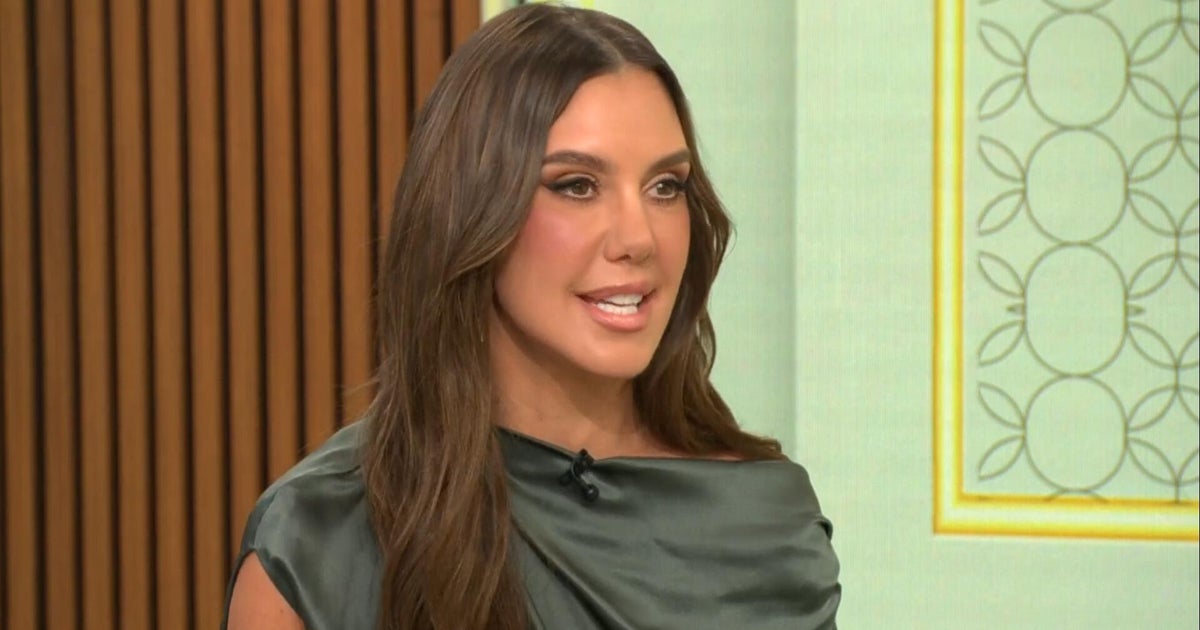
Kendra Scott, a jewelry designer, has joined the TV show "Shark Tank" as a full-time investor. She built her successful business from a small start with just $500.
Key Facts
Kendra Scott is a jewelry designer and entrepreneur.
She started her business with $500.
Her company grew into a billion-dollar empire.
She joined the TV show "Shark Tank" as a full-time investor.
"Shark Tank" is a show where investors fund new businesses.
Scott described joining the show as a "natural fit" for her career.
The interview took place on "CBS Mornings."
Read the Original
Want the full story? Tap a source to open the original
article.
A debt relief company can sometimes help you after a creditor has sued you for unpaid debt by negotiating a lower settlement amount. However, joining a debt relief program does not stop the lawsuit or legal deadlines, so you must still manage the court process separately.
Key Facts
Credit card debt increased by $21 billion in the second quarter of 2026, totaling $1.26 trillion.
About 4.7% of household debt is currently late or unpaid (delinquent).
If sued by a creditor, a debt relief company might negotiate a lump-sum payment for less than what you owe, sometimes 30% to 50% less.
A debt relief program does not stop court deadlines or prevent the creditor from getting a judgment against you.
If you do not respond to the lawsuit, the court may issue a default judgment requiring you to pay.
Creditors are not required to accept any settlement offer made by a debt relief company.
Even if you join a debt relief program, creditors can continue collection actions and lawsuits.
Managing the debt lawsuit and debt relief negotiation are two separate issues that both need attention.
Read the Original
Want the full story? Tap a source to open the original
article.
Several major UK unions plan to meet with Labour's John Healey to push for changes before the upcoming Budget. They want to reverse the freeze on tax thresholds that has increased tax for lower-paid workers and to raise taxes on big tech companies to fund public services and green energy.
Key Facts
Unite, the UK’s second largest union, wants tax thresholds to rise again so fewer low-paid workers pay tax.
Freezing tax thresholds means earnings that were tax-free have become taxed due to inflation.
The winter fuel allowance cut to poorer pensioners under Labour leadership has been criticized by unions.
Unison, the largest union, demands higher taxes on large tech companies to support public sector and green projects.
Unison also calls for research on shifting tax focus from income to wealth.
GMB union supports new oil and gas fields to boost jobs and economy while reducing carbon-heavy imports.
Decisions on new oil and gas projects like Rosebank and Jackdaw are expected after an October by-election.
Unions see Healey’s upcoming Budget as a sign of Labour’s new leadership approach.
Read the Original
Want the full story? Tap a source to open the original
article.
Some companies are using artificial intelligence (AI) but causing trust problems by not being clear with employees and cutting many jobs. This approach makes workers worried they will be replaced, which can hurt teamwork and productivity.
Key Facts
AI can help workers do more and create new job opportunities.
Some companies, like Meta, considered cutting large parts of their workforce due to AI plans.
Employees often assume they will lose jobs if companies are not clear about AI changes.
When leaders do not explain their decisions, employees create their own often negative stories.
Ignoring employee feedback can lead to lower motivation and more people leaving the company.
Lack of trust makes employees share less information and focus on protecting themselves over doing their work.
Good leadership means involving employees early, explaining changes, and listening to their concerns.
Clear communication about AI helps prevent fear and builds a stronger, more loyal workforce.
Read the Original
Want the full story? Tap a source to open the original
article.
Several support acts quit Ed Sheeran’s U.S. Loop Tour after rapper Macklemore was removed for making pro-Palestinian statements. Fans are asking for refunds due to the lineup changes, but Ticketmaster and SeatGeek generally do not offer refunds unless the event is canceled or changed by the organizer.
Key Facts
Macklemore was removed from Ed Sheeran’s tour after pro-Palestinian comments during shows sparked controversy.
The tour promoter said some venues would not allow Macklemore to perform, risking canceled shows.
Ticketmaster and SeatGeek say refunds are usually not provided if only the supporting acts change, as ticket sales are mostly final.
Following Macklemore’s removal, all other supporting musicians also quit the tour in protest.
Ed Sheeran said removing Macklemore was the promoter’s decision, not his, and he avoids using concerts for political messages.
Macklemore claimed stadium owners, led by New England Patriots owner Robert Kraft, pressured Sheeran to remove him.
Some departing acts said they quit to support Palestine and oppose silencing artists who speak out on political issues.
News outlets contacted involved parties and venues for comments about the situation and refund requests.
Read the Original
Want the full story? Tap a source to open the original
article.
CBS Mornings is offering special discounts on various products to help improve daily life. People can visit cbsdeals.com to shop these deals, and CBS earns a commission from sales made through the website.
Key Facts
CBS Mornings features exclusive discounts on everyday items.
The deals aim to improve lifestyle and daily routines.
Shoppers can access the discounts by going to cbsdeals.com.
CBS News makes money through commissions on these sales.
The deals are promoted through CBS Mornings and the CBS News app.
Customers browse and buy these products online.
The offers are available for a limited time on the website.
Read the Original
Want the full story? Tap a source to open the original
article.
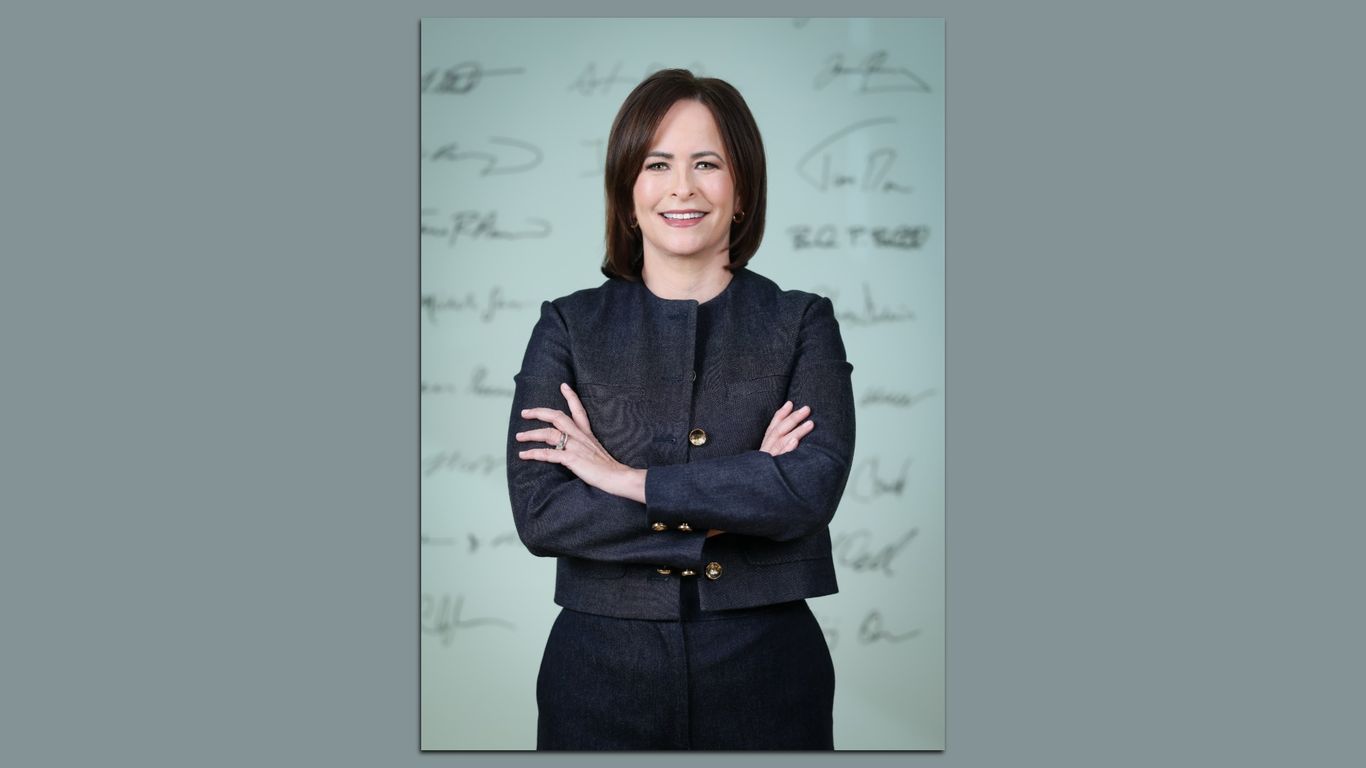
Kristen Silverberg will become the new president and CEO of Business Roundtable on February 1, succeeding Josh Bolten, who has led the group for ten years. Business Roundtable is a key organization where CEOs of major U.S. companies share important business views with the government.
Key Facts
Kristen Silverberg is currently the president and chief operating officer of Business Roundtable.
She served as U.S. ambassador to the European Union from 2008 to 2009.
Silverberg worked in the White House with Josh Bolten, the outgoing CEO.
The Business Roundtable includes CEOs from over 200 major U.S.-based companies.
The organization focuses on promoting policies to support American business growth and job creation.
Silverberg was an assistant secretary of State under President George W. Bush.
She graduated from Harvard College and the University of Texas School of Law.
Josh Bolten plans to join several major boards and aims to visit all 30 Major League Baseball stadiums with his son.
Read the Original
Want the full story? Tap a source to open the original
article.
Prime Minister Andy Burnham said he is ready to make hard choices about government spending and denied claims that his government is following a "tax and spend socialist" approach. He plans to keep tax rates steady but faces challenges due to rising borrowing costs and inflation partly caused by global events.
Key Facts
Andy Burnham rejected the idea that his government is focused on raising taxes and spending more.
Former Bank of England economist Andy Haldane said investors worry Burnham won't cut public spending.
Burnham said he has already made tough decisions, like changing government spending priorities and canceling a digital ID program.
The UK faces rising costs to borrow money, making it harder to stick to budget targets.
Burnham promised not to raise income tax, VAT, or National Insurance rates.
The government also plans to keep debt and spending levels set by the previous administration.
Rising inflation has been linked to international issues, including the situation in the Middle East.
Burnham committed about £1.8 billion to help with the cost of living, partly by moving money within government budgets.
Read the Original
Want the full story? Tap a source to open the original
article.