Top AI experts and leaders have called for slowing down AI development due to potential risks, causing concern that this could slow the U.S. economy. The close link between AI investments and the stock market means changes in AI development might impact economic growth and job markets.
Key Facts
Leading AI figures, like OpenAI’s Sam Altman and Anthropic’s Dario Amodei, warn rapid AI advances may create dangerous AI systems.
Some experts urge governments and companies to slow AI progress to build safety measures.
President Donald Trump has dismissed fears about AI risks and supports continuing development to compete with China.
About one-third of the S&P 500 stock index value is tied to seven big tech companies heavily involved in AI.
Investors worry a slowdown in AI growth could cause a stock market drop similar to the Dot-Com Crash.
Fitch Ratings warns a big drop in AI spending and stock prices could trigger a U.S. economic recession.
Recent stock market drops reflect investor concerns about future AI growth, not confirmation of an AI bubble bursting.
AI infrastructure development is important for the economy, so slowing AI investment could affect jobs and financial growth.
Read the Original
Want the full story? Tap a source to open the original
article.
A new book by economists Owen Zidar and Eric Zwick shows that many millionaires in the U.S. are small business owners, like dentists or HVAC contractors, rather than tech or finance workers. These "everywhere millionaires" have built wealth mainly through their own businesses, making up a large part of the country’s rich people.
Key Facts
There are about 5 million U.S. households with at least $5 million in wealth.
These millionaires often own small or local businesses, such as dental offices or HVAC companies.
Their combined wealth is over 13 times greater than that of the Forbes 400 richest Americans.
Most did not inherit wealth but built it themselves by running their businesses.
These businesses often use tax structures called "pass-through" entities, like sole proprietorships or partnerships.
About 3 million of these millionaires own private businesses with an average wealth of $25 million.
Unlike the very wealthy in Silicon Valley or Wall Street, these millionaires are spread across the country and have more typical, physical businesses.
The typical millionaire is around 62 years old, married, and slightly more likely to have a college degree than average.
Read the Original
Want the full story? Tap a source to open the original
article.
Sugar prices in India have risen sharply this year due to lower sugar production caused by less sugarcane planting, lower rainfall from El Nino, and other factors. This increase is affecting the cost of sweets, which are important for festival celebrations like Diwali, making it harder for people to afford traditional treats.
Key Facts
Sugar prices reached up to 75 rupees ($0.79) per kilogram in some markets, almost double the price from September 2025.
India’s festival season, including Diwali, creates high demand for sweets that contain 30-60% sugar by weight.
India is the world’s largest consumer and second-largest producer of sugar.
Expected sugar production for 2025-26 is about 30.6 million tonnes, 11% less than earlier estimates.
The sugar shortage is mainly due to less sugarcane planting, bad weather from El Nino, and some farmers switching to other crops.
The government says hoarding has worsened the sugar shortage.
Farmers also say high labor costs and low profits from sugarcane farming reduce their incentive to grow it.
The government denies that diverting sugarcane to ethanol production is causing the price rise.
Read the Original
Want the full story? Tap a source to open the original
article.
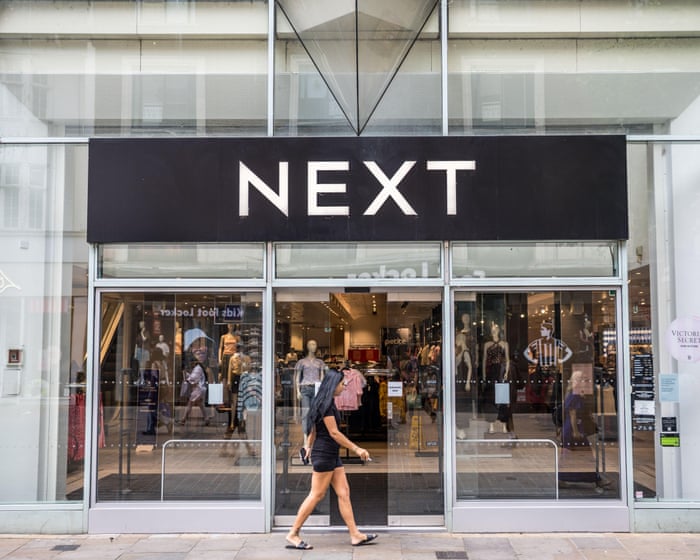
Next, a UK clothing retailer, raised its profit forecast for the fourth time this year after warmer weather increased sales. The company reported a 9% rise in sales and an 11% increase in pre-tax profits in the first half of the year, helped by cost-cutting and strong online demand.
Key Facts
Next raised its full-year profit forecast by £12 million to £1.26 billion.
Total sales grew by 9% in the six months to July.
Pre-tax profits rose 11% to £566 million in the first half of the year.
Warmer UK weather during two summers helped boost sales.
Next owns UK rights to US brands like Gap and Victoria’s Secret.
The company cut costs mainly in its warehouses.
Next uses AI but focuses on human-led fashion design for creativity.
Rising inflation and potential tax increases are concerns for the company’s future.
Read the Original
Want the full story? Tap a source to open the original
article.
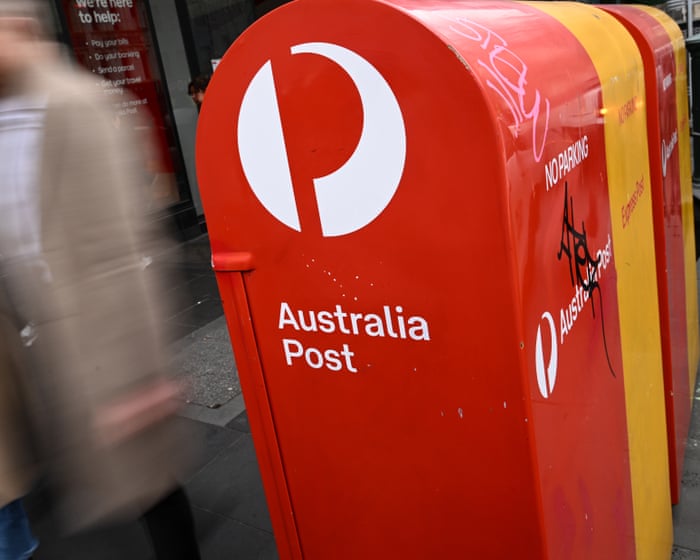
An Australia Post worker, Mauro Paul Coluzzi, used stolen bank cards from the mail to support his severe gambling addiction. Over 15 months, he and two others stole more than $100,000 in cash and goods, leading to his jail sentence until December 2027.
Key Facts
Mauro Paul Coluzzi worked for Australia Post since 2007 without prior issues.
He stole dozens of bank cards from secure mail over 15 months in Sydney.
Coluzzi and two accomplices used the cards to fraudulently obtain more than $100,000.
He personally spent about $30,000 on cash, gold jewelry, phones, and online gift cards.
His gambling addiction was described as severe and had harmed his marriage.
Australia Post cooperated with NSW Police and stated they have zero tolerance for illegal activity.
Judge Jillian Kiely ordered prison time, with parole eligibility in December 2027.
Coluzzi’s family showed strong emotional distress during the court hearing.
Read the Original
Want the full story? Tap a source to open the original
article.
An experimental weight loss drug called Retatrutide, made by Eli Lilly and still being tested, is being sold illegally online to customers in the United States. CBS News investigated and found that this unapproved drug is being marketed without the company’s permission.
Key Facts
Retatrutide is a weight loss drug still in clinical trials by Eli Lilly.
The drug has not been approved for public use by health authorities.
CBS News found that some websites are selling Retatrutide illegally.
These illegal sales target customers in the United States.
Selling unapproved drugs online can be unsafe for buyers.
Eli Lilly has not authorized these sales.
Authorities warn against buying drugs that haven’t been officially approved.
The investigation aimed to inform the public about this illegal activity.
Read the Original
Want the full story? Tap a source to open the original
article.
The Federal Reserve raised interest rates for the first time in three years because they are worried about increasing prices. At the same time, the price of diesel fuel reached a new record high for the eighth day in a row.
Key Facts
The Federal Reserve increased interest rates on Wednesday.
This is the first rate hike in three years.
The increase shows concern about rising inflation (price increases).
Diesel fuel prices hit a new high on the same day.
Diesel prices have been rising for eight consecutive days.
Higher interest rates can make borrowing money more expensive.
The Fed’s action aims to slow down inflation.
Rising fuel costs can add to overall price increases for goods.
Read the Original
Want the full story? Tap a source to open the original
article.
A new study released on Wednesday ranked airports based on how travelers rated their overall experience. The study highlights which airports provide the best service and comfort to passengers.
Key Facts
The study was published on Wednesday.
It evaluated airports based on passenger ratings.
The focus was on the overall airport experience, including comfort and service.
Some airports scored higher than others in traveler satisfaction.
The rankings are for the year 2026.
The study aims to help travelers choose airports with better experiences.
Airports with top ratings may improve their reputation and attract more passengers.
Read the Original
Want the full story? Tap a source to open the original
article.
Some tech companies like Nvidia, OpenAI, and Palantir are selling branded clothing as a way to promote their brands and connect with fans. These items are often limited in number and sell out quickly, turning them into exclusive products rather than a major source of income.
Key Facts
Nvidia sells exclusive clothes like jumpers and hoodies that quickly sell out, often through limited online "drops" or pop-up stalls at events.
Fans wear Nvidia clothing like a sports team uniform to show support and pride in the company.
Other tech firms, such as OpenAI and Anthropic, also offer branded clothing, sometimes only to employees or through short public sales.
Limiting availability makes these clothes more desirable, a strategy borrowed from the fashion industry.
Palantir Technologies calls itself a "lifestyle brand" and sells clothing to improve its public image amid criticism of its military and police work.
Palantir’s clothing attracts customers worldwide who support the company and what it represents.
Some companies like Anduril, a defense contractor, use clothing to promote political messages, such as increasing defense spending.
The clothing lines are generally about brand promotion and reputation rather than making money.
Read the Original
Want the full story? Tap a source to open the original
article.
Networking helps people find jobs and career opportunities by making professional connections. Experts say starting with people you already know, doing research before reaching out, and being polite are good strategies for successful networking.
Key Facts
Networking means meeting and talking to people who can help you with your career.
Nearly half of Gen Z say not having a strong network makes it harder to get entry-level jobs.
You can start networking with friends, family, teachers, and past coworkers.
Sending clear, polite messages and saying thank you increases chances of getting help.
Building relationships early, before you need a job, is more effective than asking for a job directly.
Attending events for short times and practicing talking to people helps improve networking skills.
A simple conversation starter or commenting online can begin a professional connection.
It is normal to face rejection, and not to be discouraged when someone says no.
Read the Original
Want the full story? Tap a source to open the original
article.
The Bank of England is expected to keep interest rates at 3.75% despite rising inflation driven by higher energy prices linked to the conflict in the Middle East. Inflation rose to 3.1% in August, and central banks in Europe and the US have recently increased their rates to tackle similar cost pressures.
Key Facts
The Bank of England’s Monetary Policy Committee (MPC) is likely to keep the Bank rate steady at 3.75% for the sixth meeting in a row.
Inflation, measured by the Consumer Prices Index (CPI), increased to 3.1% in August from 2.9% in July.
Rising costs of petrol, diesel, and airfares have contributed to inflation increases.
Oil prices have stayed above $100 per barrel due to the ongoing Middle East conflict.
The Bank of England aims to keep inflation around 2% but expects it to remain above target for some time.
The European Central Bank recently raised interest rates to 2.5%, and the US Federal Reserve increased rates to 3.5%-3.75%.
Lenders have raised fixed mortgage rates, with average two-year and five-year rates at their highest levels since mid-2023 and late 2023, respectively.
Higher interest rates may benefit savers with better returns but could reduce the real value of savings because of inflation.
Read the Original
Want the full story? Tap a source to open the original
article.
All homes in Northern Ireland will receive a one-time £63 discount on their electricity bills starting next month. The UK government funds this payment, which will be applied automatically, either as a bill reduction or as credit for pay-as-you-go customers.
Key Facts
Every household in Northern Ireland gets a £63 electricity bill discount next month.
The discount comes from UK government schemes that also run in Great Britain but are adjusted for Northern Ireland.
Bank payment customers will see the discount automatically on their bills.
Pay-as-you-go customers will get £63 credit when they top up their meters.
Pay-as-you-go users should not add more than £112 in one top-up to get the full discount at once.
The discount is meant to help families with rising energy costs during winter.
A separate £100 heating oil voucher is available for some users through a different scheme.
Rising energy prices are partly linked to global events such as the US-Iran conflict.
Read the Original
Want the full story? Tap a source to open the original
article.
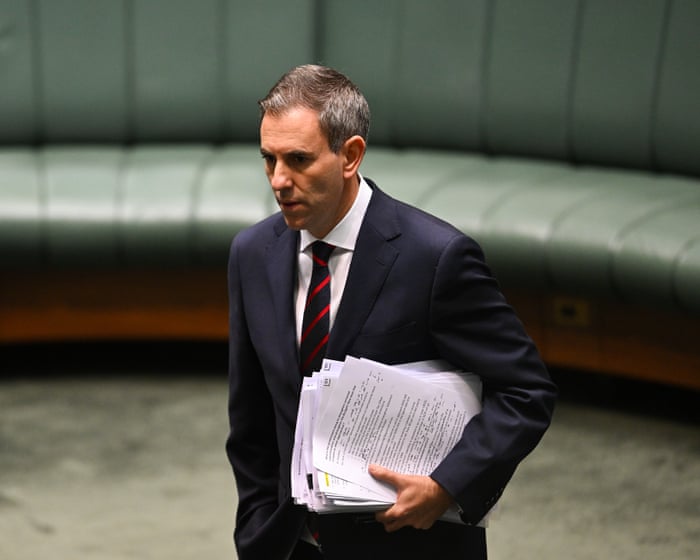
The International Monetary Fund (IMF) lowered its forecast for Australia’s economic growth in 2027 due to concerns about inflation and the possibility of higher interest rates. It advised Australian governments to control spending and debt to help manage inflation and support economic stability.
Key Facts
The IMF forecasted Australia’s economy to grow by 1.9% in 2024 but reduced the 2027 growth forecast to 1.6%.
The forecast downgrade is related to the likelihood of the Reserve Bank of Australia (RBA) increasing interest rates again.
Inflation and weak productivity growth are key challenges affecting Australia’s economic outlook.
Rising global energy prices, especially fuel costs, are increasing inflation risks in Australia.
Financial markets expect an 80% chance of an RBA interest rate hike on 29 September 2024.
The IMF supports recent changes to investor taxes but urges minimizing negative effects on investment.
It highlighted the need for governments to reduce budget deficits and manage rising debt and interest costs.
The IMF called improving productivity a vital long-term goal to raise living standards and debt sustainability.
Read the Original
Want the full story? Tap a source to open the original
article.
The House passed a bill designed to protect Americans from higher electricity bills linked to large data centers. It asks states to think about rules that would make tech companies pay more of the electricity costs from these centers but does not force states to create such rules.
Key Facts
The bill is called the Ratepayer Protection Act.
It was approved by the House on a Tuesday.
The purpose is to shield Americans from rising electricity costs tied to data centers.
The bill encourages states to consider creating standards but does not require them.
If states choose to act, tech companies could pay more of the electricity costs from their data centers.
The bill has support from both political parties (bipartisan).
Data centers are large facilities that store and manage internet data and use a lot of electricity.
Read the Original
Want the full story? Tap a source to open the original
article.
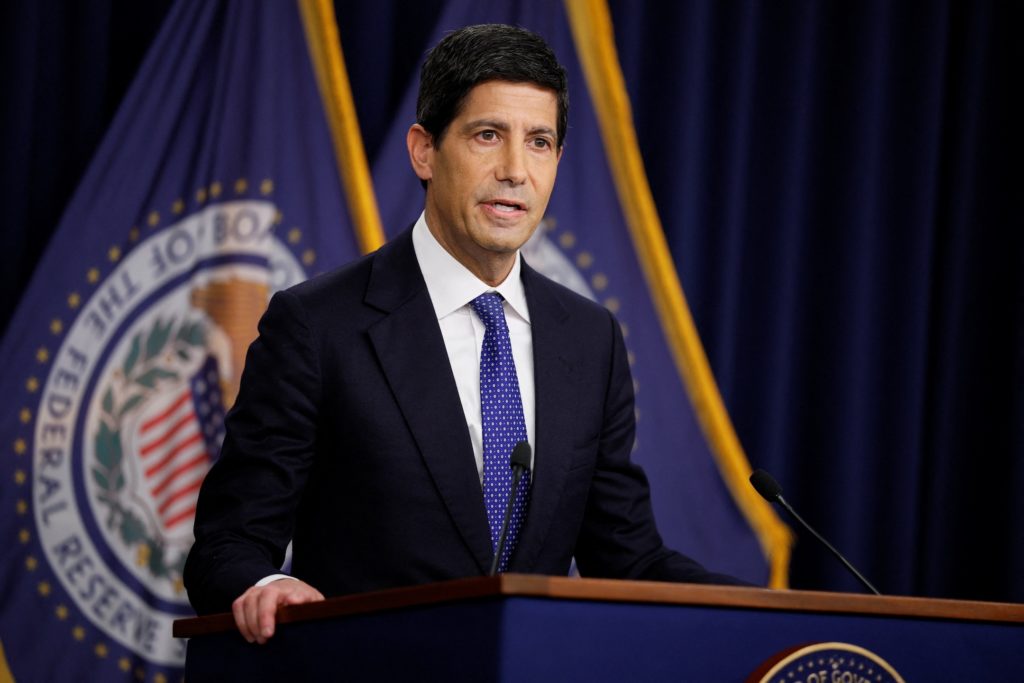
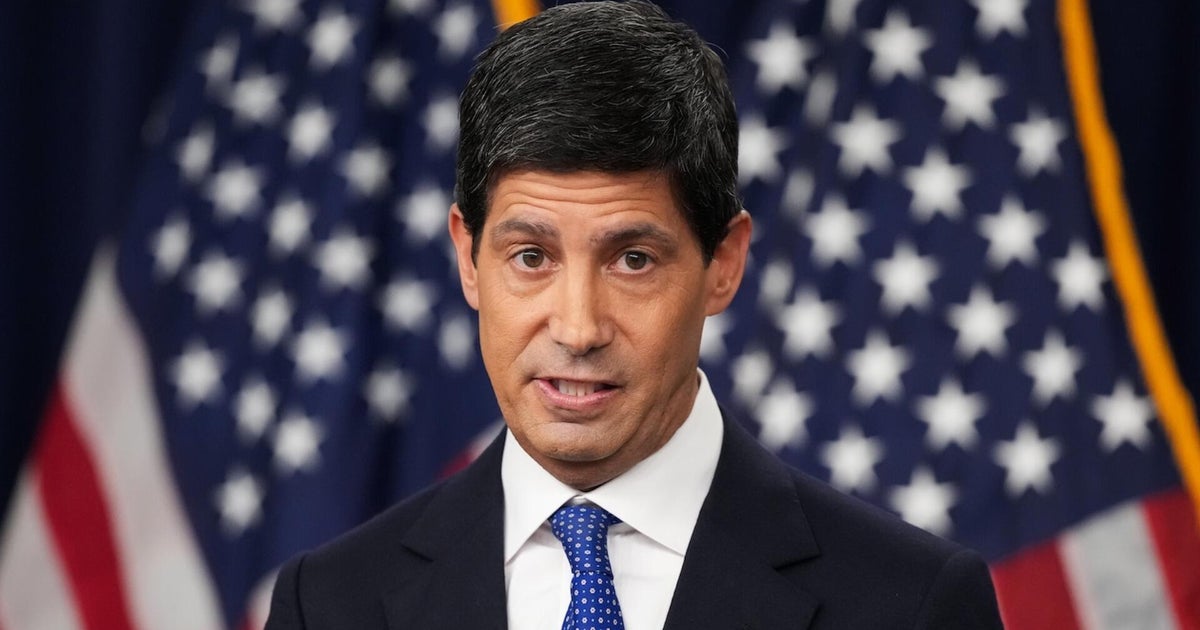
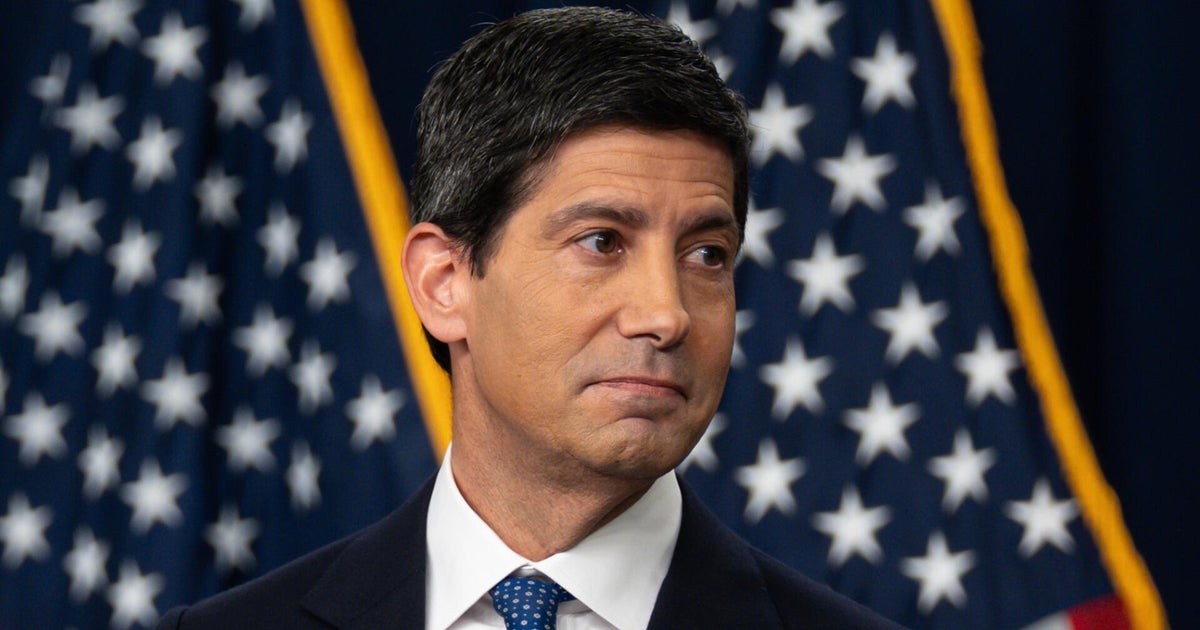
The Federal Reserve increased interest rates by 0.25%, the first increase in three years. This action aims to address rising prices during ongoing inflation pressures linked to the war in Iran.
Key Facts
The Federal Reserve raised interest rates by a quarter of a point (0.25%).
This is the first rate increase in three years.
The rate hike is a response to elevated inflation.
Inflation is being influenced by the war in Iran, which is causing price pressures.
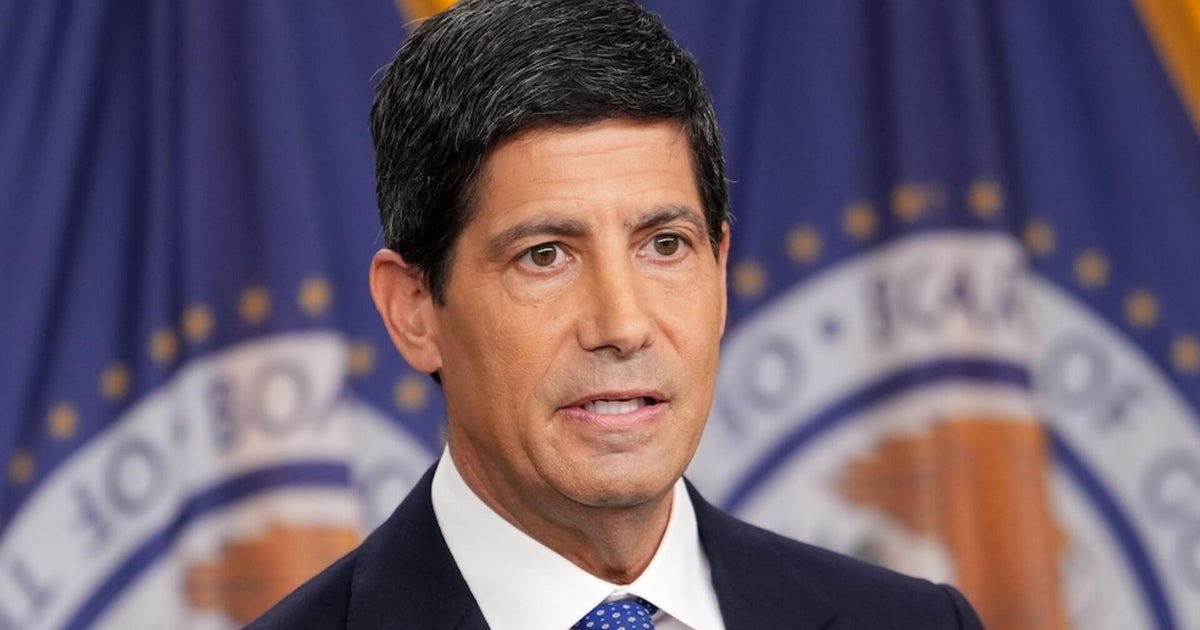
Fed Chair Kevin Warsh led this first major step to tackle inflation.
Economist Julia Coronado commented on this development in an interview.
The rate increase signals the Fed is acting independently from external influences.
Read the Original
Want the full story? Tap a source to open the original
article.
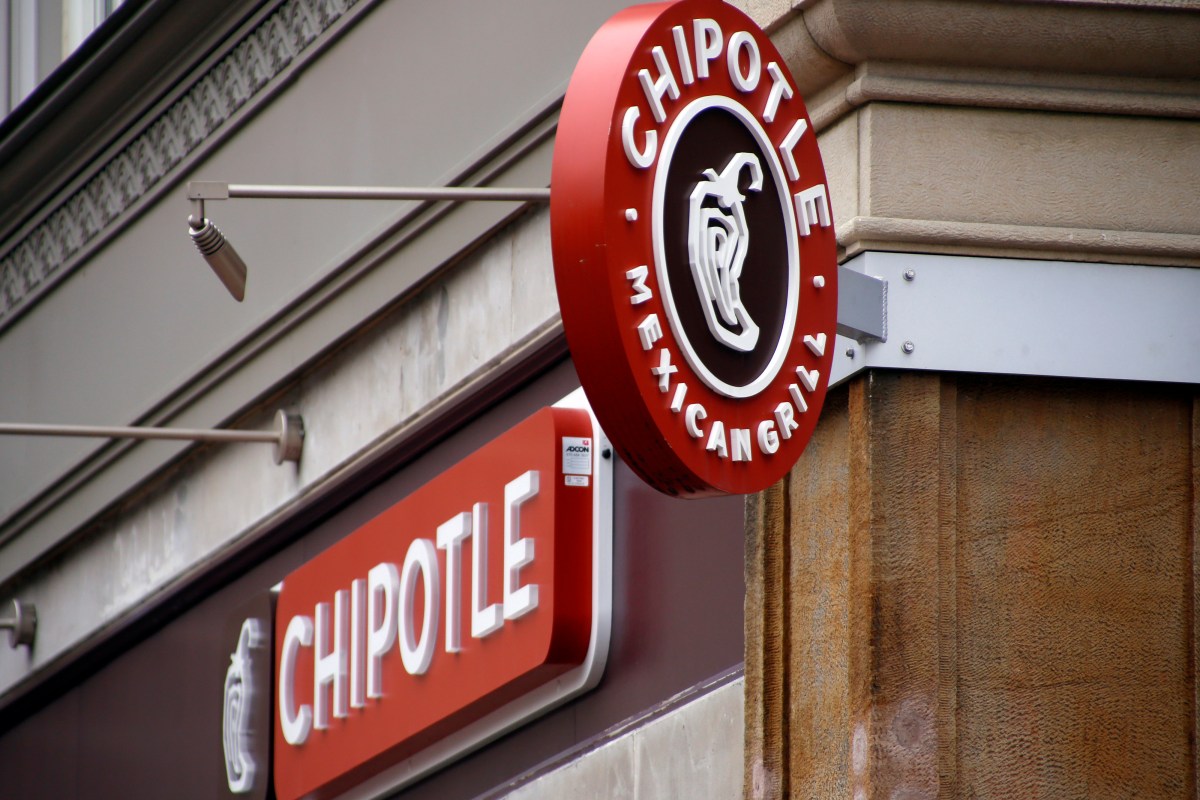
Chipotle is working with Palantir, a data company, to develop a system that tracks food safety risks in its restaurants. This move comes after several foodborne illness outbreaks affected many people across the United States this summer.
Key Facts
Chipotle partnered with Palantir to build a platform to monitor food safety risks in its stores.
The platform will create a food safety score for each Chipotle location using data like health inspections and employee illnesses.
The summer saw outbreaks of illnesses caused by Cyclospora, Salmonella, and other pathogens, leading to large product recalls.
Chipotle was not involved in the Cyclospora outbreak but did pull jalapeños linked to a Salmonella outbreak.
The recalled jalapeños came from a grower in Sinaloa, Mexico; Chipotle replaced them with peppers from a different supplier.
Health authorities stated there is no ongoing risk from Chipotle restaurants in the Salmonella outbreak.
The platform’s launch date and whether customers will see food safety scores have not been announced.
This partnership might encourage other food companies to use technology to improve food safety monitoring.
Read the Original
Want the full story? Tap a source to open the original
article.
Harold Hamm’s oil company, Continental Resources, announced a deal with Venezuela’s state oil company to drill for oil in a large area called the Orinoco Belt. This agreement could allow Continental Resources to operate on 126,000 acres in Venezuela.
Key Facts
Continental Resources is owned by Harold Hamm, who is a donor to President Trump.
The company signed a memorandum of understanding with Venezuela’s state-run oil firm.
The agreement covers a 126,000-acre area in the Orinoco Belt, which is rich in oil.
This deal gives Continental Resources the right to explore and drill for oil in this region.
The announcement was made on a Wednesday, according to a press release.
The Orinoco Belt is known for its large oil reserves.
Read the Original
Want the full story? Tap a source to open the original
article.
The Federal Reserve has increased U.S. interest rates from 3.5%-3.75% to 3.75%-4%. This is the first rate hike in three years and is meant to help reduce inflation.
Key Facts
The Federal Reserve raised interest rates to between 3.75% and 4%.
The previous rate was between 3.5% and 3.75%.
This increase is the first since three years ago.
The goal of raising rates is to lower inflation, which means slowing down price increases.
Higher interest rates usually make borrowing money more expensive for people and businesses.
The Federal Reserve controls these rates to help manage the economy.
Inflation has been a concern that influenced this decision.
Read the Original
Want the full story? Tap a source to open the original
article.
The Federal Reserve raised interest rates by 0.25 percentage points in its latest decision, marking the first increase since 2023. This change brings the target interest rate range to between 3.75% and 4%.
Key Facts
The Federal Reserve raised interest rates on a recent Wednesday.
The increase was 0.25 percentage points (a quarter of a percent).
This is the first rate hike since 2023.
The new target range for interest rates is 3.75% to 4%.
The Federal Reserve’s decisions influence borrowing costs for loans and mortgages.
Higher interest rates typically aim to slow inflation by making borrowing more expensive.
Greg Robb, a MarketWatch reporter, provided analysis on the rate hike.
Read the Original
Want the full story? Tap a source to open the original
article.