Oil and gas prices have risen after the United States and Iran exchanged attacks, reducing hopes for a peace deal. Brent crude oil reached $94.29 a barrel, and UK gas prices increased by nearly 6%. Meanwhile, UK house prices fell in May.
Key Facts
The US military struck Iranian radar and drone control sites in Goruk and Qeshm Island as a self-defense action.
Iran's Islamic Revolutionary Guard Corps targeted a US air base in southern Iran without naming it.
Brent crude oil prices increased by 3.5% to $94.29 per barrel after hitting a six-week low.
British wholesale gas prices rose by almost 6% since the Iran conflict started.
President Donald Trump said Iran wants to make a deal, but markets remain skeptical.
Bank of England is monitoring public-sector pay hikes as a possible inflation risk.
UK house prices dropped in May, adding to economic concerns.
UK Competition and Markets Authority found some fuel retailers increased profit margins amid the Middle East conflict.
Read the Original
Want the full story? Tap a source to open the original
article.
The UK government is proposing a national blacklist to stop abusive air passengers from flying with any airline. Airlines would share information about disruptive passengers to prevent trouble on flights and improve safety.
Key Facts
The proposal aims to create a national list banning disruptive passengers from all airlines.
Airlines would share details of troublemakers, preventing them from booking other flights.
The government and airlines plan to manage the blacklist together.
Current laws do not allow passenger data sharing due to privacy rules like GDPR.
The proposal would not need changes in law but must address data protection issues.
Disruptive behavior on flights has increased, especially in busy travel times.
Some passengers have faced criminal charges or lifetime airline bans for bad behavior.
Airlines UK supports the plan and wants to help develop it to stop flight disruptions.
Read the Original
Want the full story? Tap a source to open the original
article.
Royal Mail is under investigation for failing to deliver almost a quarter of first-class mail on time, missing the official target. The postal regulator Ofcom is checking if Royal Mail prioritizes parcels over letters, as the company continues to struggle with delivery speeds despite a large investment to improve service.
Key Facts
Royal Mail missed its delivery target, with 24.3% of first-class mail arriving late in the year ending March.
The required target is to deliver 93% of first-class mail within one working day, excluding Christmas.
Second-class mail was delivered on time 90.2% of the time, below the 98.5% target.
Ofcom has fined Royal Mail £37 million since 2023 for poor delivery performance.
Ofcom is investigating if Royal Mail prioritizes parcel delivery over letters, which the company denies.
Royal Mail has not met first-class delivery targets since 2017 and second-class targets since 2020.
Royal Mail’s parent company was bought by Czech billionaire Daniel Křetínský for £3.6 billion.
Royal Mail has raised stamp prices recently due to rising delivery costs and is investing £500 million to improve service over five years.
The volume of letters sent has dropped from 20 billion a decade ago to 6.7 billion now, while the number of delivery addresses has increased.
Read the Original
Want the full story? Tap a source to open the original
article.
The horror movie "Backrooms," made by an independent film company, earned $82 million from ticket sales in the U.S. during its first weekend. This achievement is notable for an independent horror film at the box office.
Key Facts
"Backrooms" is a horror movie created by an independent film company.
It earned $82 million in domestic ticket sales during its opening weekend.
The film’s box office performance is considered very strong for an independent horror movie.
The earnings were recorded in the United States market.
The movie was released recently, with the report dated June 1, 2026.
Box office success usually measures ticket sales and audience attendance.
Read the Original
Want the full story? Tap a source to open the original
article.
Disneyland is expected to raise ticket prices again by October 2026, continuing a pattern of yearly price increases. These hikes may make visiting Disney parks more expensive, especially during busy times like holidays and weekends.
Key Facts
Disney has increased ticket prices every October from 2022 to 2025 and is likely to do so again in 2026.
Recent price rises ranged from $3 to $18 depending on ticket type and demand.
The most expensive (Tier 6) Disneyland tickets have gone up to $224.
A single day at Disney can cost a family of five over $1,000 during busy periods when including tickets, food, and hotels.
Disney uses demand-based pricing, charging more on weekends, holidays, and special events.
Add-ons like Park Hopper (visiting multiple parks in one day) and Lightning Lane (skip-the-line passes) also increase the total cost.
Walt Disney World’s pricing hints at similar trends, with peak tickets reaching $219 or more.
No official announcement has been made yet by Disney about the 2026 price increase.
Read the Original
Want the full story? Tap a source to open the original
article.
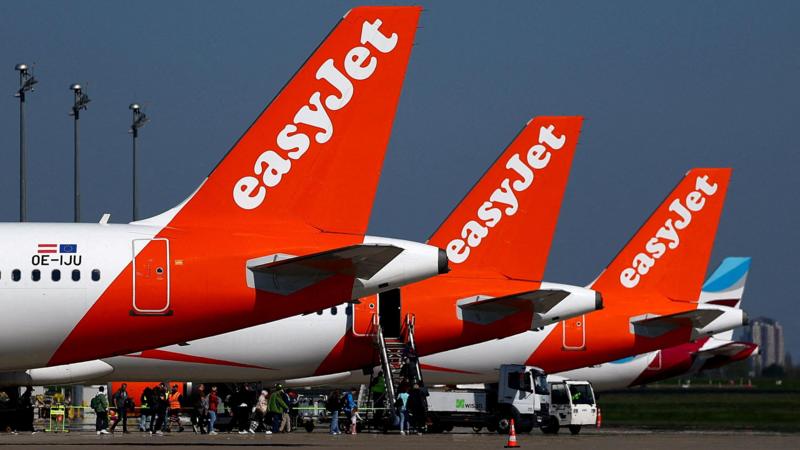
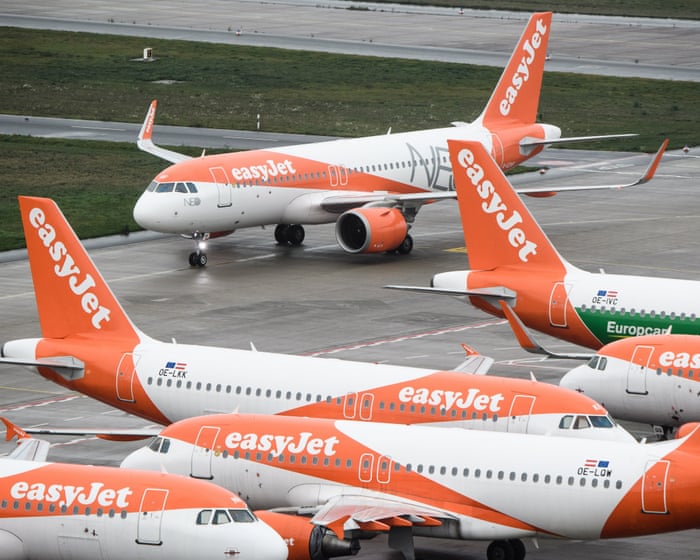
EasyJet said that a possible takeover offer from a US investment fund called Castlelake is "highly opportunistic" because it comes when EasyJet’s share price is low due to worries about the war in the Middle East. Castlelake owns a small part of EasyJet and has until June 26 to make a formal offer or stop trying.
Key Facts
EasyJet’s share price dropped 31% over the past year, partly due to concerns about the war in the Middle East.
Castlelake, a US investment fund, owns about 2.14% of EasyJet’s shares.
Castlelake values EasyJet at a minimum of £3.06 billion ($3.89 billion).
EasyJet has not yet received any official takeover proposal from Castlelake.
EasyJet says it has a strong financial position and aims to make over £1 billion in pre-tax profits in the medium term.
The company reported a half-year pre-tax loss of £552 million ($700 million), larger than the loss a year earlier.
Castlelake must decide to make a firm offer or walk away by June 26 under UK takeover rules.
Castlelake has experience in airline investments, including talks with Spirit Airlines and involvement with Scandinavian Airlines.
Read the Original
Want the full story? Tap a source to open the original
article.
Kane Parsons, at 20 years old, became the youngest director to have a film open at number one at the North American box office with his debut movie Backrooms. The film earned $81 million in its first weekend, setting a new record for its studio, A24.
Key Facts
Kane Parsons is 20 years old.
He directed the film Backrooms, which opened at number one in North America.
Backrooms made $81 million in its first weekend.
Parsons is seven years younger than the previous record holder, Josh Trank.
The film is based on Parsons’ YouTube series and a fictional horror story called “creepypasta.”
Some online users doubted Parsons directed the film, but actor Mark Duplass confirmed Parsons was fully in charge.
Another low-budget horror, Obsession, made $17.1 million in its opening weekend and $104.7 million after four weeks.
Backrooms’ success is notable for a debut film by a very young director.
Read the Original
Want the full story? Tap a source to open the original
article.
EasyJet said a possible £3 billion takeover bid by the US investment firm Castlelake is “highly opportunistic” because the airline’s share price is low due to current problems in the Middle East. Castlelake owns just over 2% of easyJet and may make a formal offer, but easyJet’s board is confident in their current plan and notes challenges with a takeover.
Key Facts
Castlelake, a US private credit firm, bought a 2.14% stake in easyJet and may offer at least 403p per share, valuing the airline at about £3 billion.
EasyJet’s share price rose to 444.7p after news of Castlelake’s interest, the highest since early March, valuing the company at about £3.4 billion.
EasyJet says the timing of the bid takes advantage of a share price lowered by events in the Middle East affecting customer confidence and fuel costs.
EasyJet will consider any formal offer but notes there are big regulatory, financial, and practical challenges with a takeover.
EU rules require European airlines to be mostly owned by investors within Europe, potentially complicating a US-led takeover.
Castlelake already invests in other airlines like Scandinavian SAS and Virgin Atlantic.
EasyJet is one of Europe’s largest budget airlines, based in Luton and founded by Stelios Haji-Ioannou, who owns about 15% of the company.
London’s stock market has seen many big companies bought by foreign investors in recent years, reflecting lower UK stock prices compared to other markets.
Read the Original
Want the full story? Tap a source to open the original
article.
The number of layoffs in the United States appears to be slowing down as June 2026 begins, after a surge in job cuts in 2025. Companies are cutting jobs due to automation, AI, and changes in consumer demand, shifting focus to essential services like healthcare and infrastructure.
Key Facts
Layoffs in June 2026 are fewer compared to 2025 but some companies have announced job cuts including Apple, Wells Fargo, and Ryder.
Industries hit hardest by layoffs are government, technology, retail, warehousing/logistics, and professional services.
Healthcare remains strong with continued hiring despite other sectors cutting jobs.
AI and automation contribute to layoffs mainly in technology, but financial strain on consumers also affects retail and transportation.
There were 1.2 million job cuts announced in 2025, a 58% increase from 2024.
Several layoffs are related to government workforce reductions, especially from a now-closed department called the Department of Government Efficiency (DOGE).
Experts say the labor market is stabilizing but is still under pressure from tariffs, transportation costs, and weak consumer spending.
Read the Original
Want the full story? Tap a source to open the original
article.
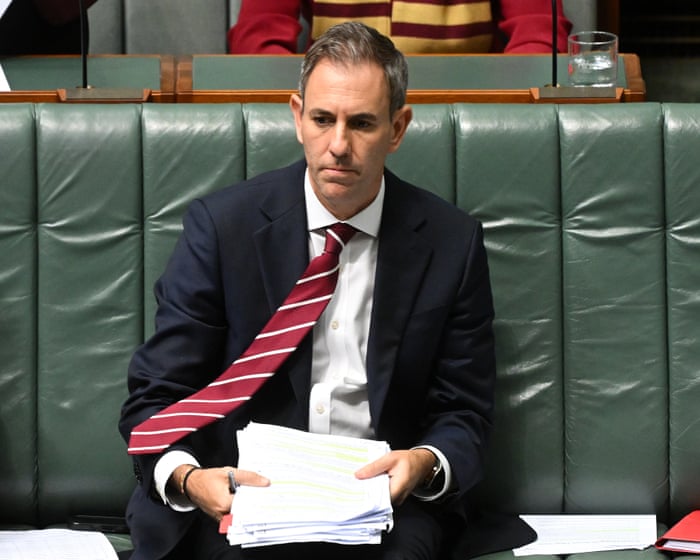
Australia’s home auction clearance rates have recently fallen, meaning fewer homes are selling at auction. Treasurer Jim Chalmers said this may help first-time buyers because they face less competition from property investors. The government’s new property tax changes, along with interest rate rises and economic conditions, are affecting the housing market.
Key Facts
Home prices in Australia’s capital cities have started to fall.
Auction clearance rates dropped to about 54.5%, the lowest since 2020 lockdowns.
Treasurer Jim Chalmers said fewer auctions clearing may help first-time buyers.
The Albanese government plans to change property taxes by replacing the 50% capital gains tax discount with an indexation model.
Negative gearing (a way investors reduce taxable income on rental losses) will be limited to new homes only.
Ray White, a major real estate company, reported a higher clearance rate of 57.6% on their auctions.
Opposition members had mixed reactions, some seeing falling prices as a chance for buyers and others warning of risks like negative equity (owing more on a home than it’s worth).
Falling house prices are linked to lower buyer confidence and broader economic factors.
Read the Original
Want the full story? Tap a source to open the original
article.
House prices in the UK fell by 0.6% in May, the first drop this year, due to rising interest rates linked to the war in Iran. Although prices are still higher than last year, growth has slowed, and experts predict a possible price decline this year because borrowing costs have increased.
Key Facts
UK house prices dropped 0.6% in May compared to April, ending a period of price rises.
The average UK home price in May was £278,024, which is 1.7% higher than in May 2023.
Rising mortgage rates have made borrowing more expensive; the average two-year fixed mortgage rate was 5.68% at the end of May.
The war in Iran has caused uncertainty, leading to higher energy prices and interest rates worldwide.
Estate agents and economists expect house prices to fall about 2% this year because of higher mortgage costs.
Despite increased rates, some experts say the impact on how much people can afford is still limited.
The Bank of England is keeping interest rates steady for now due to economic uncertainty linked to the Iran conflict and weak growth.
Mortgage payments take up a large portion of household income, making the housing market vulnerable even if rates do not rise further.
Read the Original
Want the full story? Tap a source to open the original
article.
French President Emmanuel Macron is hosting the annual "Choose France" investment summit, where foreign investors have already promised billions of dollars for projects in artificial intelligence (AI) and data centers. Major companies like SoftBank and Brookfield are making large investments, and France aims to become a global leader in AI and related technologies.
Key Facts
The "Choose France" summit is held annually by President Macron to attract foreign investments.
At the 2025 summit, a record €20 billion ($23.3 billion) in projects were announced.
SoftBank plans to invest €75 billion in AI infrastructure in France.
Brookfield will invest $10 billion in a data center in northern France.
Ardian and Verne will invest $5 billion in a data center near Paris.
Foxconn will invest €120 million in AI-related motherboard production in Angers, France.
Since 2018, France has announced over 230 investment projects totaling around €87 billion, creating thousands of jobs.
France has been the top destination for foreign investment in Europe for seven years, especially in AI.
Macron has committed €1.55 billion in public funds to develop quantum technologies and semiconductors in France.
Read the Original
Want the full story? Tap a source to open the original
article.
The UK Financial Conduct Authority (FCA) is working with the US tech company Palantir to help detect financial crime by using its AI systems on sensitive data. Some UK politicians and campaigners worry this deal might let the US government, under President Trump’s administration, access confidential UK financial information through US laws like the Cloud Act.
Key Facts
Palantir, a US tech company co-founded by billionaire Peter Thiel, uses AI to analyze data for the FCA’s financial crime investigations.
The FCA’s partnership with Palantir is currently in a 12-week trial phase.
US laws such as the Cloud Act may require US companies like Palantir to share data with US government authorities.
UK MP Martin Wrigley expressed concerns about Palantir’s US connections and potential data access by the Trump administration.
The FCA says it remains the controller of the data and that Palantir only processes data, not controls it.
Data rights groups warn that US laws like the Patriot Act and surveillance laws could expose UK data held by Palantir.
Other UK government departments and agencies, including the NHS and the Ministry of Defence, also use Palantir software.
London’s mayor blocked a separate Palantir contract with the Metropolitan Police over concerns about company values and public money use.
Read the Original
Want the full story? Tap a source to open the original
article.
Guinea has the world’s largest bauxite reserves, used to make aluminum, and mining companies from several countries operate there. While mining has boosted the economy in some ways, local communities face problems like loss of farmland, water pollution, and limited financial benefits. Many farmers struggle because mining takes over land they used to farm for food and income.
Key Facts
Guinea holds the largest bauxite reserves in the world, essential for aluminum production.
Bauxite mining in Guinea has increased ten times over the last 30 years.
Around 75% of Guinea’s bauxite exports go to China, which produces 60% of global aluminum.
Mining companies from India, Russia, the US, and UAE operate in Guinea.
Village of Bembou Silaty experienced changes after mining began in 2019, including environmental issues.
Local farmers lose farmland to mining, impacting food production and their income.
Some locals earn around $300 a month in mining jobs, while farmers often lack regular wages.
Compensation for lost land is often considered insufficient and quickly spent by recipients.
Read the Original
Want the full story? Tap a source to open the original
article.
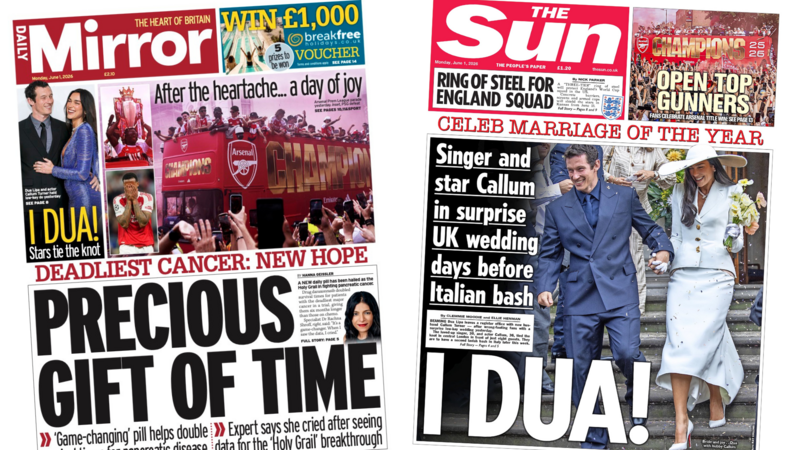
A new daily pill for pancreatic cancer patients nearly doubles survival time and is considered the biggest advance against this deadly cancer in decades. Experts hope the drug may also help extend life for patients with other types of cancer in the future.
Key Facts
The pill nearly doubles survival time for people with pancreatic cancer.
Pancreatic cancer is one of the deadliest forms of cancer.
In the UK, 75% of adults with pancreatic cancer die within one year of diagnosis.
Half of pancreatic cancer patients die within three months without treatment.
The cancer pill is described as a major breakthrough in medical treatment.
Researchers believe the drug may help patients with other cancers as well.
The news about the pill was featured on front pages of several UK newspapers.
Pancreatic cancer survival improvements have been limited for many years before this.
Read the Original
Want the full story? Tap a source to open the original
article.
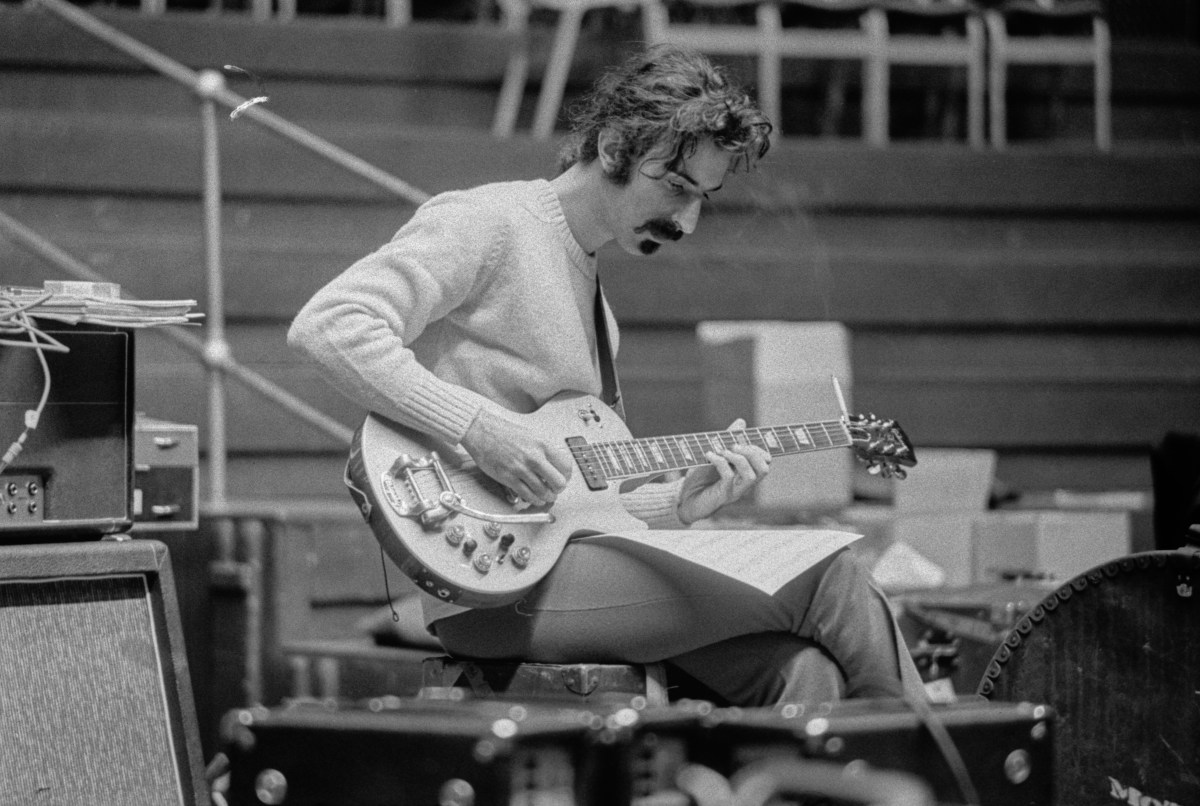
The Frank Zappa compilation album "ZAPPAtite – Frank Zappa's Tastiest Tracks," originally released on CD and digital in 2016, is set to be available on vinyl for the first time on July 17. The 2-LP set includes a variety of songs from Zappa's career and is designed as an introduction to his rock-oriented music.
Key Facts
"ZAPPAtite – Frank Zappa's Tastiest Tracks" is a compilation album by musician Frank Zappa.
The album was first released in 2016 on CD and digital formats.
The vinyl edition will be released on July 17.
The set is a 2-LP vinyl collection divided into four parts: Appetizers, Entrées, Second Course, and Desserts.
It features songs from three decades of Zappa’s music, covering rock, jazz, and other styles.
Ahmet Zappa, Frank’s son, said the album is neither a greatest hits nor a best-of collection but a selection of his favorite songs by his father.
The release aims to introduce listeners to the rock side of Zappa’s diverse and experimental music.
Frank Zappa was known for blending sharp satire, musical skill, and experimental sounds in his work.
Read the Original
Want the full story? Tap a source to open the original
article.
Waste companies in the UK are asking for a £5 deposit on vapes to encourage proper disposal and recycling. Despite a ban on disposable vapes, many are still thrown away with regular trash, causing fire risks and waste of valuable materials.
Key Facts
Disposable vapes were banned in the UK a year ago due to waste and safety concerns.
Many vapes are still littered or thrown in normal bins, which creates fire hazards and wastes materials.
The Environmental Services Association (ESA) suggests a refundable deposit of up to £5 charged when buying vapes.
Customers would get the deposit back by returning vapes to stores or recycling centers.
Some vape companies worry a deposit would push people to buy from illegal sellers who don’t charge the fee.
The Local Government Association reports vape waste dropped from 8.2 million to 6 million per week after the ban.
Officials want to close loopholes where some vapes are sold as reusable but act like disposables.
The government says it is taking steps to improve vape recycling and hold retailers responsible.
Read the Original
Want the full story? Tap a source to open the original
article.
Many Americans are finding it harder to buy new cars because prices are very high. What used to be a normal purchase for most people is now becoming something only wealthier buyers can afford.
Key Facts
New car prices have risen significantly in recent years.
High prices are causing fewer Americans to buy new cars.
Buying a new car is increasingly seen as a luxury rather than a common event.
This trend affects many people across the country.
The price increase may be linked to factors like supply shortages or higher production costs.
Used cars might be more in demand as a result.
The shift could impact the car industry and related businesses.
Read the Original
Want the full story? Tap a source to open the original
article.
Caribbean hot sauce producers, especially in Jamaica, face shortages of Scotch bonnet peppers due to severe weather, disease, and pests. This shortage is causing higher costs and limiting the supply of their popular sauces both locally and for export.
Key Facts
Scotch bonnet peppers are essential for Caribbean hot sauces and are hard to grow because they are sensitive to heavy rain, viruses, and pests.
Recent hurricanes in Jamaica, including Hurricane Melissa in October and Hurricane Beryl the previous year, severely damaged pepper crops.
Walkerswood, a major hot sauce maker in Jamaica, exports over 95% of its products, mostly to the US.
The company has had to cancel orders due to the shortage of fresh Scotch bonnet peppers.
Some farmers have switched to growing sweet potatoes because they are easier to grow and more profitable.
Heavy rains not only reduce pepper supply but also affect the heat level and flavor of the sauces.
Prices for Scotch bonnet peppers increased about 10 times just after Hurricane Melissa due to scarcity.
Many Jamaican producers are reluctant to replant peppers because of climate change and repeated hurricane damage.
Read the Original
Want the full story? Tap a source to open the original
article.
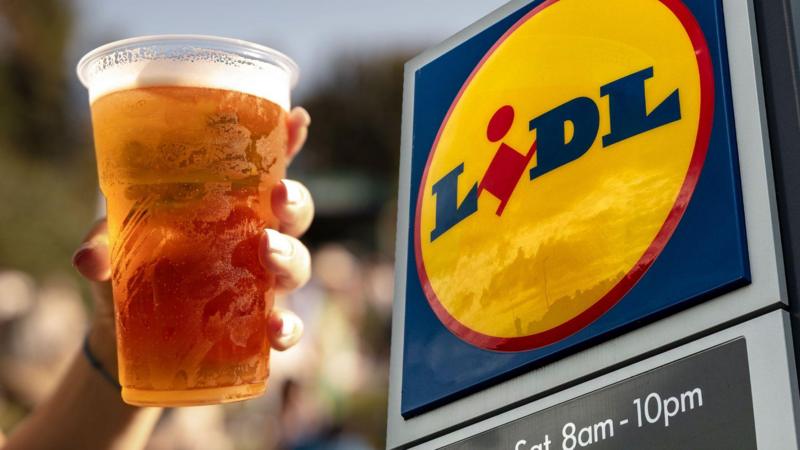
Lidl is opening its first pub called The Middle Ale next to its store in Dundonald, east Belfast. This move challenges Northern Ireland’s strict alcohol licensing laws, which require buying a licence from a closing business before opening a new pub or off-licence.
Key Facts
Northern Ireland has strict rules for opening pubs, known as the "surrender principle," requiring one pub to close before another opens.
Lidl bought a £500,000 licence from a closing pub to open its new venue.
The new pub will hold up to 60 customers and is separate from the Lidl store.
Lidl first tried to open an off-licence in the store but was stopped because there were already enough off-licences nearby.
Lidl then argued there were not enough pubs, allowing them to use the licence for a pub that also sells takeaway alcohol.
The surrender principle has been in place since 1923 to control alcohol consumption in Northern Ireland.
An independent report suggested changing these licensing laws to encourage competition and innovation, but the government rejected these changes.
Current pub owners oppose changes because they paid a lot for their licences and fear losing their value.
Read the Original
Want the full story? Tap a source to open the original
article.