Ohio Governor Mike DeWine stopped the state’s tax break for new data centers that support artificial intelligence projects. This pause is due to ongoing discussions about who should pay for the high electricity costs these centers use.
Key Facts
Governor Mike DeWine is from the Republican Party.
Ohio had a tax exemption to attract new data centers, which help power AI technologies.
The tax break was encouraging companies to build data centers in Ohio.
DeWine directed the Ohio Tax Credit Authority to pause new tax break approvals.
The suspension is temporary while the state reviews who should cover the large power expenses of these centers.
The decision was announced on a Wednesday.
The issue highlights the balance between attracting businesses and managing state costs related to energy use.
Read the Original
Want the full story? Tap a source to open the original
article.
The U.S. Consumer Product Safety Commission (CPSC) has recalled more than 1,000 Giantex outdoor lounge chairs after a report of a finger amputation while adjusting the chair. The chairs have a design flaw that can pinch fingers, and owners are advised to stop using them and either return or destroy the chairs.
Key Facts
About 1,155 Giantex lounge chairs are recalled in the U.S. due to a finger amputation risk.
The chairs have a five-position adjustable locking system that can pinch fingers.
The reported injury occurred when a consumer was adjusting the chair.
The recalled chairs are blue, measure 76 by 23 by 13 inches, and have model number NP10025NY.
The chairs were sold online via Giantex and Amazon from August 2023 to October 2025.
Consumers should stop using the chairs immediately and contact Giantex for a refund.
Instructions for destroying the chair include removing the headrest pillow, cutting the fabric, and throwing it away.
CPSC has been working with China since 2014 to improve the safety of products made there and sold in the U.S.
Read the Original
Want the full story? Tap a source to open the original
article.
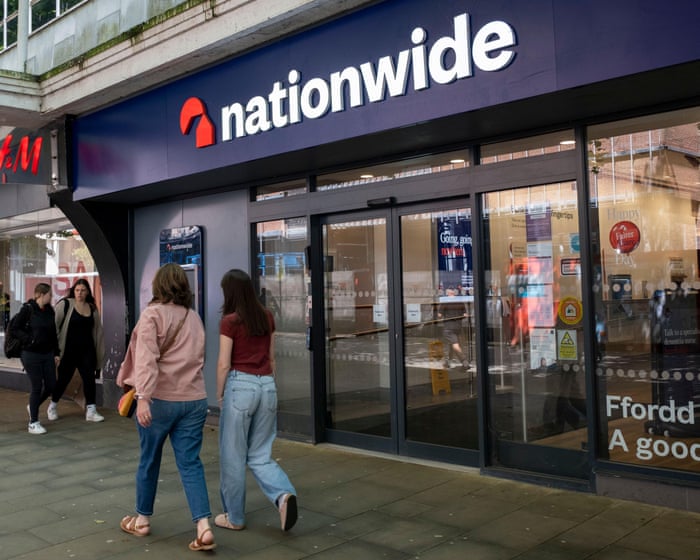
A Nationwide customer, James Sherwin-Smith, wants to be elected to the building society’s board but says the lender is treating him unfairly by encouraging members to vote against him. Nationwide says Sherwin-Smith does not have the experience needed to be on the board and has set up an easy voting option that defaults to opposing his election.
Key Facts
James Sherwin-Smith is a Nationwide customer seeking election to the building society’s board.
Nationwide plans to tell members to vote against Sherwin-Smith and set a default quick vote option opposing him.
Nationwide is the UK’s largest building society with 17 million members and £377 billion in assets.
Sherwin-Smith argues that members currently lack enough say and wants better democratic governance.
Nationwide’s chair, Kevin Parry, said Sherwin-Smith lacks the skills and experience needed for the board.
Sherwin-Smith has worked in management consulting and payments but Nationwide blocked him from changing election materials.
Last year, 87% of votes used the quick vote system, making it harder for Sherwin-Smith to get support.
Sherwin-Smith believes diverse board members improve governance and wants members to elect representatives directly.
Read the Original
Want the full story? Tap a source to open the original
article.
A $70,000 certificate of deposit (CD) can earn varying amounts of interest depending on the term length and rate. CDs offer fixed interest rates that are much higher than traditional savings accounts, but funds must remain untouched until the CD matures to avoid penalties.
Key Facts
CD interest rates currently range from about 3.90% for 3 months to 4.16% for 2 years.
A $70,000 CD at 3.90% for 3 months earns around $673 in interest.
A $70,000 CD at 4.16% for 2 years earns about $5,945 in interest.
Early withdrawal from a CD usually results in a penalty that can reduce or eliminate earned interest.
Traditional savings accounts pay an average interest rate of only 0.38%, much lower than CDs.
High-yield savings and money market accounts offer rates close to those of CDs but allow easier access to funds.
Keeping money in low-rate accounts risks losing purchasing power due to inflation.
Savers are encouraged to move funds to higher-interest accounts to maximize earnings.
Read the Original
Want the full story? Tap a source to open the original
article.
Private members’ clubs from London are opening new branches in New York City, especially on the Upper East Side. Some local residents are unhappy about the increase in these clubs, fearing noise and disruption, and have opposed a liquor license for the British club Maison Estelle.
Key Facts
London private members’ clubs like 5 Hertford Street, Oswald’s, and Annabel’s are opening locations in New York City.
Maison Estelle, a British club visited by celebrities, wants to open a five-story venue with a roof terrace on the Upper East Side.
Local residents and the community board opposed Maison Estelle’s liquor license, voting 29 to 13 against it.
Residents worry about noise and loss of privacy from club patrons gathering near their homes late at night.
Upper East Side is mainly a residential area, and locals feel it does not need more clubs.
Some club owners argue that new venues bring life to a quiet neighborhood and should be welcomed.
Maison Estelle operates three UK clubs and plans additional locations, including one in upstate New York.
The popularity of British culture and hospitality businesses is growing in New York City.
Read the Original
Want the full story? Tap a source to open the original
article.
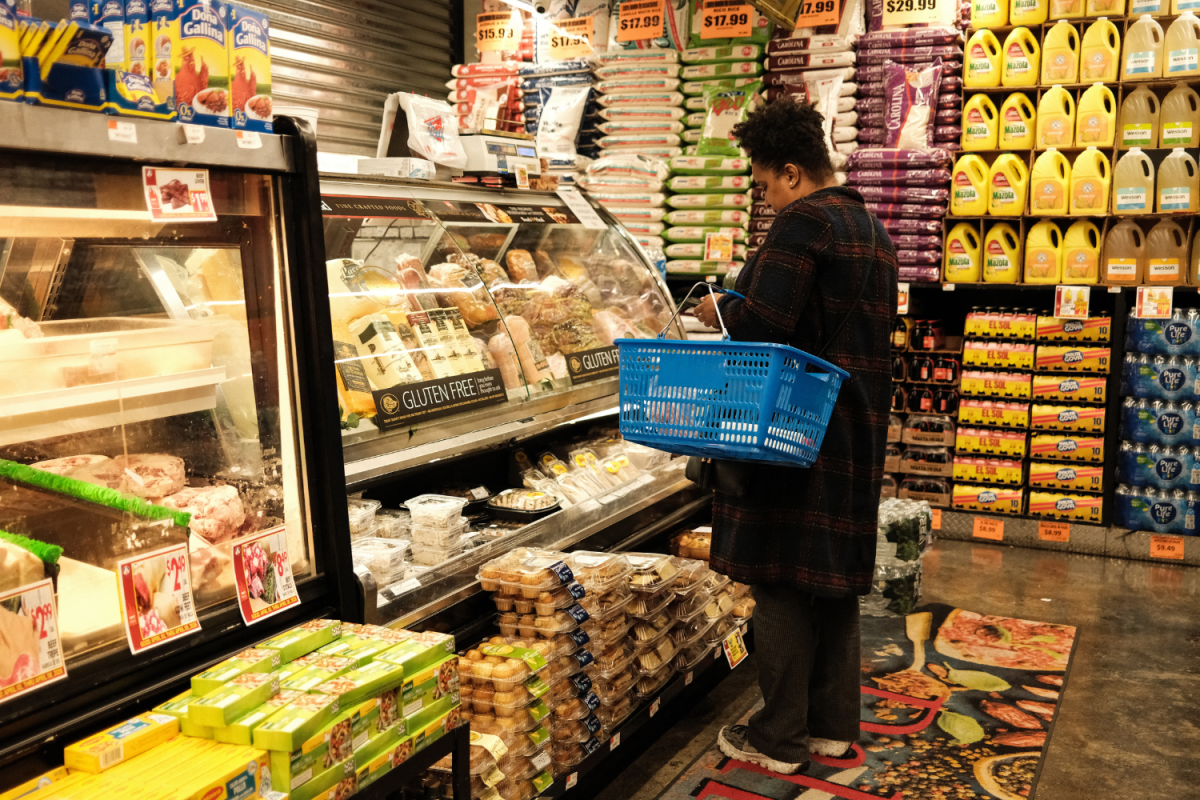
Food prices in the United States are expected to rise in 2026, with grocery prices increasing by about 3.2 percent. Experts say that extreme weather, especially drought, is playing a growing role in driving these price increases, along with inflation and supply chain issues.
Key Facts
The U.S. Department of Agriculture (USDA) predicts overall food prices will rise 3.4% in 2026.
Grocery prices at home are expected to increase by 3.2%, higher than the long-term average.
Prices for beef, vegetables, and nonalcoholic drinks are forecasted to rise faster than other food items.
Grocery prices were already 2.9% higher in April 2026 compared to the previous year.
Extreme weather, especially drought and water shortages, reduces crop yields and raises production costs.
Beef and veal prices are expected to increase 12.1%, partly due to drought forcing ranchers to reduce herd sizes.
Six major U.S. reservoirs are at their lowest water levels in over 30 years, indicating ongoing drought.
Fresh vegetable prices are projected to rise 7.8%, with volatile price changes already seen, such as for tomatoes affected by weather and supply disruptions.
Read the Original
Want the full story? Tap a source to open the original
article.
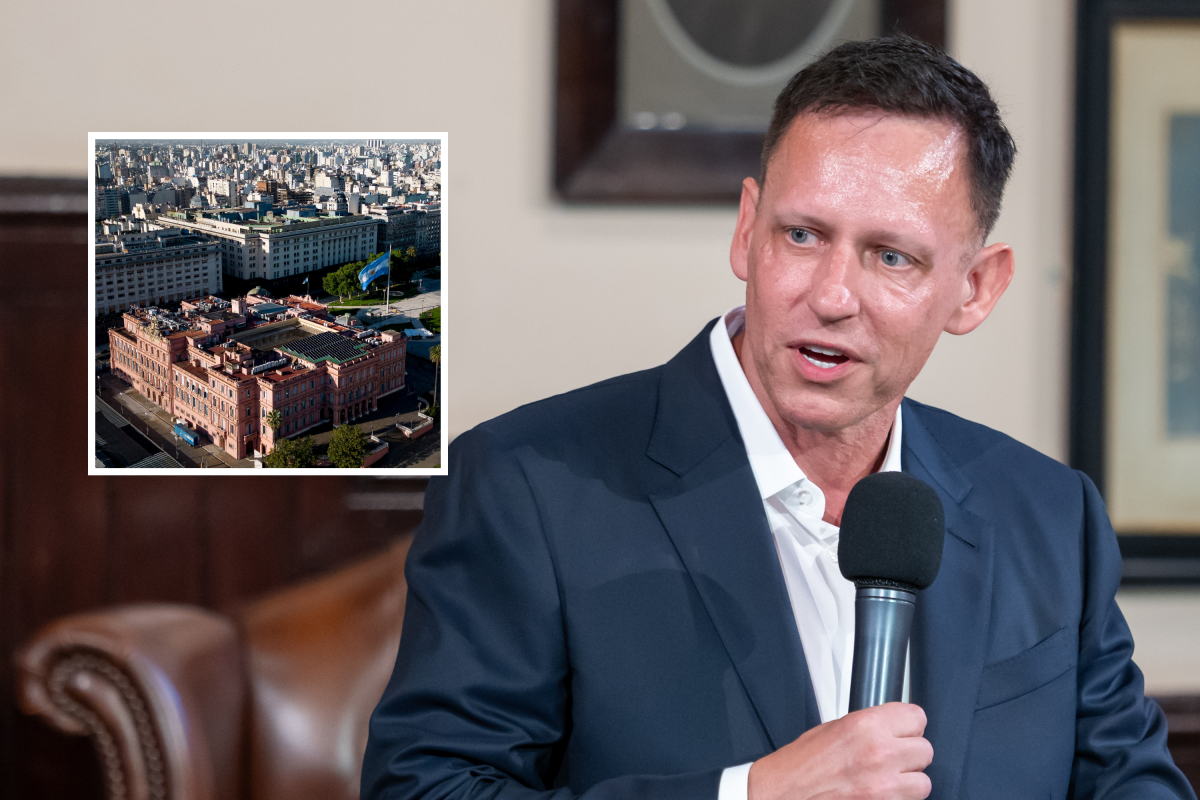
Tech billionaire Peter Thiel has temporarily moved to Buenos Aires, Argentina, with his family, buying a $12 million mansion and meeting with Argentina’s President Javier Milei. Although this move is linked to concerns about U.S. politics and new tax proposals targeting the wealthy, there is no proof he has permanently left the United States.
Key Facts
Peter Thiel bought a large $12 million mansion in Buenos Aires’ Palermo Chico neighborhood.
He has met multiple times with Argentina’s President Javier Milei to discuss political and economic ideas.
Thiel’s move is described as temporary, with his main wealth and businesses still in the U.S.
Reports say the move relates partly to concern over U.S. political changes and a proposed California billionaire tax.
Social media has spread claims that Thiel has “left” the U.S., but this is unconfirmed.
Thiel has previously sought other “backup” citizenship or residency options, including in New Zealand.
His growing presence in Argentina reflects broader debates about wealth taxes, political confidence, and capital flight.
The luxury property purchase aligns with a recent wave of high-profile foreign investment in Argentina.
Read the Original
Want the full story? Tap a source to open the original
article.
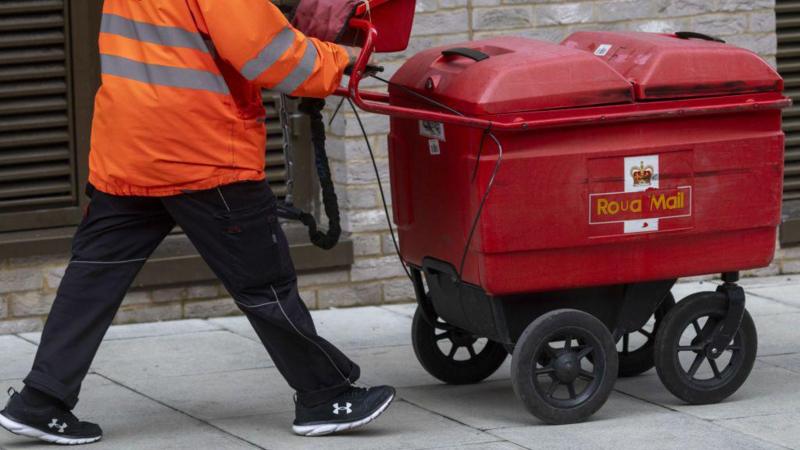
Royal Mail delivered 75.7% of first class letters on time in the year ending March, missing its 93% target. The company, now owned by Daniel Kretinsky's EP Group, said it is investing to improve delivery times and aims to meet new, lower targets by next year.
Key Facts
Only 75.7% of first class letters were delivered on time, below the 93% target.
90.2% of second class letters were delivered within three days, under the 98.5% goal.
Royal Mail is working to meet new targets of 90% for first class and 95% for second class by next year.
The company has faced criticism and a £21 million fine from Ofcom for poor delivery performance.
Postal workers reported letters being delayed for weeks and said parcels are prioritized as they bring more profit.
Royal Mail’s new owner, Daniel Kretinsky, apologized for late letters but denied prioritizing parcels over letters.
To improve service, part-time workers may be asked to work longer hours, and second class Saturday deliveries will stop.
Royal Mail has not met its annual delivery targets for six years, partly due to effects from the Covid-19 pandemic.
Read the Original
Want the full story? Tap a source to open the original
article.
Wall Street stock futures rose slightly as investors grew hopeful about a possible extension of the ceasefire in the conflict involving Iran. Oil prices fell due to this optimism, while Dell Technologies' strong financial results and a large Pentagon contract helped boost its stock.
Key Facts
U.S. stock futures for the S&P 500 and Dow Jones rose slightly before trading started.
The Nasdaq futures stayed mostly unchanged after hitting a record high.
Dell Technologies’ shares jumped 33% after beating sales and profit expectations in the first quarter.
Dell also received a $9.7 billion Pentagon contract to improve the military’s use of Microsoft products.
The retail company Gap’s shares dropped 15% after lowering its full-year sales forecast despite beating quarterly profit targets.
U.S. and Iran negotiators agreed on a tentative 60-day extension of the ceasefire and planned further talks on Iran’s nuclear program.
Oil prices dropped, with Brent crude falling to $91.44 and U.S. crude to $87.87 per barrel, due to hopes for easing tensions and a possible reopening of the Strait of Hormuz.
The ceasefire deal would prevent Iran from charging tolls on ships passing through a key waterway and would gradually end the U.S. blockade on Iranian ports.
Read the Original
Want the full story? Tap a source to open the original
article.
Jamie Dimon, the leader of JPMorgan Chase, will speak at the Reagan National Economic Forum. He recently warned that ongoing inflation and higher interest rates, partly due to the war in Iran, could harm the U.S. economy.
Key Facts
Jamie Dimon is chairman and CEO of JPMorgan Chase.
He is scheduled to speak at the Reagan National Economic Forum on Friday.
The U.S. is experiencing rising inflation.
The war in Iran is influencing economic conditions.
Dimon recently wrote to shareholders about risks to the economy.
He mentioned that long-lasting inflation and increased interest rates could cause economic trouble.
Interest rates are the cost of borrowing money and can affect spending and growth.
Read the Original
Want the full story? Tap a source to open the original
article.
The United States Postal Service (USPS) has signed a new multiyear deal worth over $10 billion with DHL eCommerce. Under this agreement, USPS will handle the final delivery step for DHL eCommerce packages across the U.S., helping both companies meet growing online shopping demand.
Key Facts
The new contract between USPS and DHL eCommerce is for more than $10 billion.
USPS will manage the "last mile" delivery, which is the delivery from a local center to the customer’s address.
This deal builds on a 25-year relationship and is much larger in scale than previous agreements.
DHL eCommerce will continue to pick up, sort, and transport packages before handing them to USPS.
USPS delivers to over 170 million addresses six days a week, covering more than 41,550 ZIP Codes.
The last mile is often the most expensive and challenging part of shipping.
Using USPS for last-mile delivery helps reach remote areas more efficiently than private companies alone.
The deal aims to provide stable service for customers and reduce extra delivery vehicles on the road.
Read the Original
Want the full story? Tap a source to open the original
article.
The Bank of England governor, Andrew Bailey, said that the bank will not quickly raise interest rates because the UK economy is weak and the impact of the Iran conflict is uncertain. Inflation may stay above the 2% target for a while, but the bank will act if higher prices become a long-term problem.
Key Facts
The Bank of England’s current interest rate is 3.75%.
Bailey said borrowing costs have already risen for homeowners and businesses without rate changes by the bank.
Inflation is allowed to stay above the 2% target temporarily to support the economy.
The Iran war has caused uncertainty and higher energy prices, affecting economic decisions.
Financial markets now expect the Bank to raise interest rates to 4% by the end of the year.
Other central banks, like the U.S. Federal Reserve and European Central Bank, are also responding to global economic risks.
Higher mortgage costs have reduced activity in the UK housing market.
The Bank is using scenario planning to understand how energy prices might cause longer inflation increases.
Read the Original
Want the full story? Tap a source to open the original
article.
Tomato prices in the United States have risen by about 40% in the past year, becoming one of the fastest-growing food costs. Experts link the price increase to President Donald Trump’s policies, including tariffs on Mexican tomatoes and effects from the Iran war, which raised fuel and shipping costs.
Key Facts
Tomato prices increased around 40% from last year, more than other foods like coffee and beef.
Prices for tomatoes have become a big concern for many families and restaurants.
The U.S. withdrew from a duty-free tomato import deal with Mexico in July, adding a 17% tariff on those tomatoes.
U.S. tariffs on tomatoes rose dramatically from about $16,400 in 2024 to nearly $4.6 million.
Gas price increases from the Iran war contributed to higher shipping costs for tomatoes.
Domestic tomato farmers supported the tariff changes to protect their shrinking industry.
The price increase is expected to ease later in the year when domestic tomatoes are harvested.
Some shoppers have reacted to high prices by filming the costs and planning to grow their own tomatoes.
Read the Original
Want the full story? Tap a source to open the original
article.
OurCoop, a mutual food retailer in England, increased its chief executive’s pay to £2.2 million despite falling sales and profits. The company also raised pay for other top executives while not paying an annual profit share to members this year.
Key Facts
OurCoop runs about 500 food stores in England and is separate from the larger Co-op Group.
CEO Deborah Robinson’s total pay rose to £2.16 million, including salary increases and bonus payments.
Another top executive’s pay increased to £1.13 million with similar bonus and one-off payments.
The company’s sales fell 4.4% to £844.6 million, and trading profit fell by nearly half to £4.3 million in the year ending January 2026.
Net debt rose to £36 million during the same period.
OurCoop was formed by merging three co-operative societies between 2025 and early 2026.
The pay increases were explained by the company as necessary to retain executives during a period of major change.
Members approved the pay packages in a vote, with 85% in favour, despite some criticism around transparency and financial results.
Read the Original
Want the full story? Tap a source to open the original
article.
Asian stock markets are rising because of hopes for a peace deal between the US and Iran. This deal includes reopening the Strait of Hormuz for shipping and lifting the US blockade on Iranian ports. Oil prices are falling as investors react to the news.
Key Facts
President Donald Trump has shared a draft peace agreement for the conflict with Iran with allies, including Israel.
The draft proposes reopening the Strait of Hormuz to commercial shipping and lifting the US blockade on Iranian ports.
Iran could receive access to up to $12 billion in frozen assets as part of the deal.
The goal is to restore shipping in the Strait of Hormuz to pre-war levels within 30 days.
Negotiations on Iran’s nuclear program may take up to 60 days.
Asian stock markets rose: Japan’s Nikkei up 2.65%, Hong Kong’s Hang Seng up 0.9%, South Korea’s Kospi up 3.6%.
Shares of tech companies like TSMC, Samsung Electronics, and SK Hynix also increased due to AI enthusiasm.
Brent crude oil price dropped about 1% to $93.02 a barrel amid hopes for peace and reopening of the Strait.
Read the Original
Want the full story? Tap a source to open the original
article.
Four well-known UK chefs and restaurant owners asked the government to lower the value added tax (VAT) on pubs and restaurants from 20% to 10%. They said the hospitality industry is struggling with high costs and fewer customers, making it very hard to keep businesses open. A government minister said tax cut requests are common but must be balanced against public spending needs.
Key Facts
Chefs Tom Kerridge, Yotam Ottolenghi, Ravneet Gill, and Simon Rogan want VAT on pubs and restaurants cut to 10%.
The current UK VAT rate for hospitality is 20%, which is the second highest in Europe.
Countries like Germany, Ireland, France, Italy, and Spain have VAT rates near or below 10% for hospitality.
The hospitality industry faces high costs from energy prices, wages, and taxes like National Insurance and business rates.
Since 2026, three hospitality businesses have closed every day in the UK.
Government support during Covid, like the "Eat Out to Help Out" scheme, helped temporarily but didn’t solve long-term issues.
Chefs say lowering VAT would help businesses survive and allow them to invest and keep staff.
A government minister said tax cuts must be weighed against other demands on public money.
Read the Original
Want the full story? Tap a source to open the original
article.
Asda has agreed to use Ocado’s technology for its online grocery shopping and home delivery services starting in early 2027. This deal will help Asda improve its website and delivery options, while Ocado will manage Asda’s online orders, including those from delivery apps like Uber Eats and Just Eat.
Key Facts
Asda will use Ocado software to run its online grocery orders and home deliveries from stores and special warehouses called dark stores.
The partnership starts in early 2027 and includes managing click-and-collect services.
Ocado already supports online deliveries for Morrisons and sells groceries with Marks & Spencer on its Ocado.com site.
Asda will not use Ocado’s robot warehouses nor sell directly on Ocado.com.
Ocado’s shares rose nearly 14% after the deal was announced, showing investor confidence.
Asda’s market share fell from 14.3% in 2021 to 11.5% recently, and it faces strong competition from Aldi and Lidl.
Ocado has faced challenges, including closing warehouses in the US and Canada, and has rarely made a profit in its 26 years.
Leaders from both companies expressed optimism that the partnership will help Asda improve customer experience and keep pace in a competitive market.
Read the Original
Want the full story? Tap a source to open the original
article.
A UK thinktank backed by the Trades Union Congress (TUC) says workers need more power to influence how artificial intelligence (AI) is used at work so they can share its benefits fairly. The report suggests new rules requiring employers to consult staff on AI and a worker support fund that helps employees with things like training and insurance.
Key Facts
The Institute for Public Policy Research (IPPR) says AI is changing work and workers need more say in how it is adopted.
Survey data shows 20% of workers feel AI improves their job, 21% say it makes work worse, and 4% believe AI has cost them a job.
The report identifies three AI effects: helping workers (augmentation), harming work experience (degradation), and replacing workers (displacement).
It recommends a legal requirement for employers to discuss AI adoption with employees.
A proposed "worker support levy" would fund benefits like union membership, insurance, and training that workers could carry between jobs.
Employee consultation could happen through unions, worker board representatives, or new advisory groups.
TUC General Secretary Paul Nowak says AI’s benefits depend on workers actively shaping its use, drawing parallels with the Industrial Revolution’s impact on labor.
The UK government supports AI adoption as a key driver for economic growth and public sector improvement.
Read the Original
Want the full story? Tap a source to open the original
article.
Power NI will raise electricity prices by 6.2% starting July 1, adding about £5 per month to the average household bill. Firmus will increase its natural gas prices by 15.65%, which means an extra £10.70 a month for customers in the Ten Towns area. Both companies point to higher global energy costs, linked to ongoing conflicts in the Middle East, as the main reason for the price hikes.
Key Facts
Power NI’s electricity prices in Northern Ireland will rise by 6.2% from July 1.
The average household with Power NI will pay about £5 more per month.
Firmus will increase natural gas prices by 15.65% for Ten Towns customers.
This increase equals roughly £2.47 extra per week or £10.70 per month for Firmus customers.
Both companies blame higher global energy and gas prices due to conflicts in the Middle East.
Power NI delayed the price increase as long as possible but could not avoid it because of rising costs.
Firmus previously reduced its tariffs by over 27% in the past year, saving customers around £300 annually before this increase.
The Utility Regulator confirms global conflicts have pushed energy costs up, affecting heating oil, petrol, and diesel prices as well.
Read the Original
Want the full story? Tap a source to open the original
article.
America's richest people are concerned that artificial intelligence (AI) could increase wealth inequality and cause political unrest. Some billionaires and AI leaders propose new ideas like shared wealth funds, lower taxes for low-income earners, and universal access to AI tools to address these issues.
Key Facts
AI technology could eliminate millions of jobs and create some of the world's first trillionaires.
Jeff Bezos suggested that the poorest 50% of earners should pay no federal income tax.
OpenAI CEO Sam Altman supports giving people access to AI's power instead of just cash payments.
Elon Musk called for "universal high income" checks, predicting growth without inflation due to robots.
AI companies warn that wealth and power might become more concentrated if no action is taken.
OpenAI committed $250 million to support workers affected by AI and test ways to share AI benefits.
Politicians like Sen. Elizabeth Warren are pushing for new taxes on wealth and AI-related businesses.
California unions want a one-time 5% wealth tax on billionaires to fund public services, supported by some progressive politicians.
Read the Original
Want the full story? Tap a source to open the original
article.