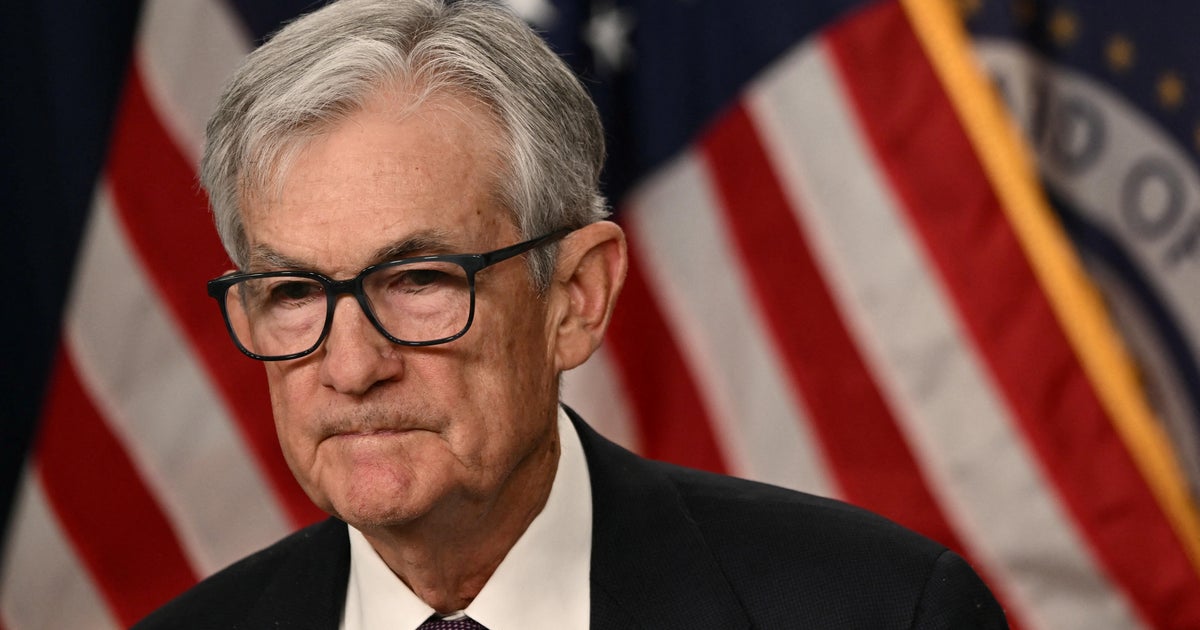
Jerome Powell is stepping down as chair of the Federal Reserve after eight years leading the U.S. central bank through major events like the pandemic and high inflation. He is recognized for protecting the Fed's independence during political pressures and managing economic challenges with steady leadership.
Key Facts
Powell served as Federal Reserve chair for eight years, guiding the U.S. economy through the pandemic and high inflation.
He defended the Fed's independence, especially against pressure from President Donald Trump to lower interest rates.
Powell led emergency actions during the 2020 pandemic, cutting interest rates to nearly zero to support jobs and the economy.
Inflation reached its highest level in 40 years during his tenure, which many see as his biggest challenge.
Powell initially called the inflation rise "transitory," expecting it to be temporary due to supply chain problems.
He will remain a Federal Reserve governor after stepping down as chair to help protect the Fed from legal challenges.
Kevin Warsh, nominated by President Trump, will succeed Powell as the new Fed chair.
Economists praised Powell for his pragmatic approach and steady leadership during turbulent economic times.
Read the Original
Want the full story? Tap a source to open the original
article.
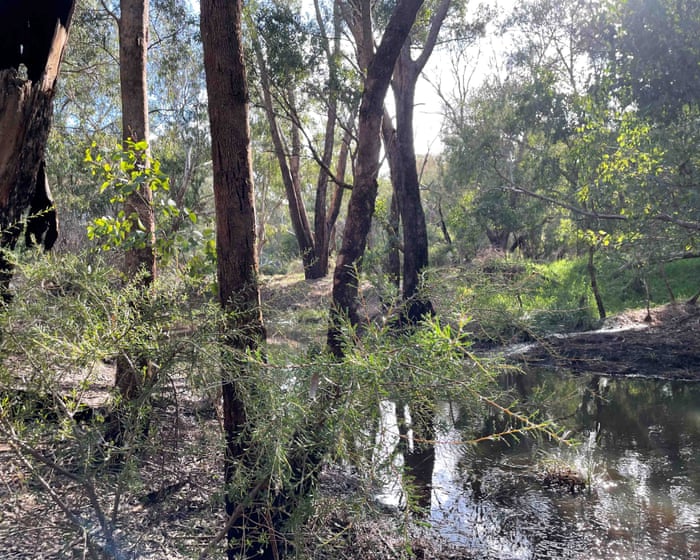
A developer has stopped plans to build a large datacentre near Perth after strong community opposition. Concerns included damage to important cultural sites, noise from emergency generators, and impact on nearby residents and a school.
Key Facts
The proposed datacentre was to be 15,000 square meters and three stories tall in Hazelmere, 15 km east of Perth.
It would have used 120 megawatts of power for cloud computing and artificial intelligence work.
Nearly 1,900 people submitted opinions to the local City of Swan council about the project.
The council recommended rejecting the proposal due to noise concerns from diesel generators during power outages.
GreenSquare, the developer, said the emergency generators would rarely run and only briefly if needed.
Aboriginal Heritage groups raised concerns about the site being near sensitive river channels, wetlands, and heritage locations.
A local school and residents would be affected by noise if generators ran.
Local community members, Aboriginal groups, and a federal MP supported the withdrawal as a win for the area.
Read the Original
Want the full story? Tap a source to open the original
article.
UK government borrowing costs went up and the pound’s value dropped after Andy Burnham decided to run in a by-election as part of the Labour leadership contest. Markets worry that a government led by Burnham would increase borrowing, causing uncertainty and lower investor confidence.
Key Facts
The 10-year UK government bond yield rose to 5.11% from 4.99%. This means borrowing costs for the UK government increased.
The British pound fell 0.3% against the US dollar to $1.3371 after Burnham’s announcement.
Long-term borrowing costs also rose, with 30-year bond yields going up to 5.779%.
Other European countries also saw borrowing costs rise, partly due to concerns about the Iran war and rising energy prices.
Analysts say Burnham is seen as less friendly to markets because he may increase public borrowing.
Burnham aims to enter Parliament by running in a by-election in Makerfield after the current MP steps down.
UK stock markets fell, with the FTSE 100 index down by 0.6%.
Uncertainty over UK political leadership and potential policy changes is causing some foreign investors to reduce their holdings in UK government bonds.
Read the Original
Want the full story? Tap a source to open the original
article.
Christopher Harborne, a crypto billionaire, has entered the UK’s richest people list for the first time, ranking sixth with an estimated fortune of £18.17 billion. The 2024 Sunday Times Rich List also featured other new billionaires and detailed investigations into donations to politician Nigel Farage.
Key Facts
Christopher Harborne gave Nigel Farage £5 million weeks before Farage announced his 2024 election candidacy.
Harborne is ranked as the sixth-richest UK billionaire and the wealthiest British-born person on the list.
The Sunday Times Rich List ranks the 350 wealthiest UK residents and Britons living abroad.
Several new billionaires made the list, including the Beckhams, who are the first billionaire sportspeople in the UK.
Farage initially said the money was for personal security but later called it a “reward” for campaigning for Brexit.
A parliamentary watchdog is investigating whether Farage should have declared the £5 million gift under rules for gifts received before entering parliament.
The total wealth of the UK’s 350 richest people rose by 1.4% to £784 billion, with 157 billionaires currently on the list.
Many foreign billionaires living in the UK have left, while more British billionaires now live in places like Dubai, Switzerland, and Monaco.
Read the Original
Want the full story? Tap a source to open the original
article.
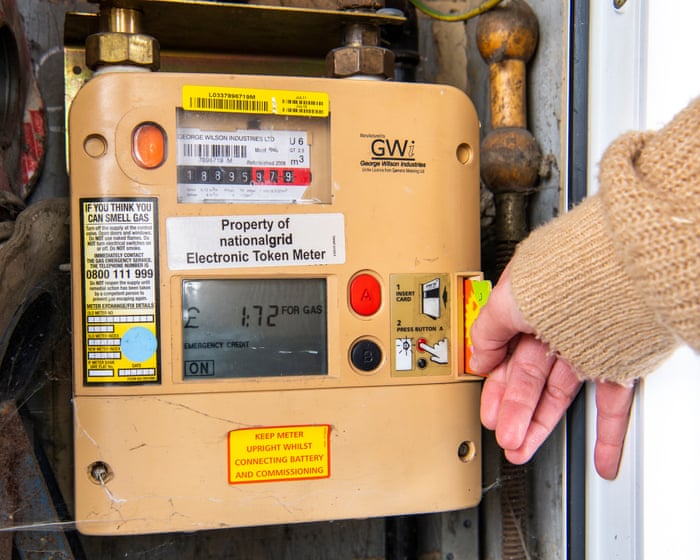
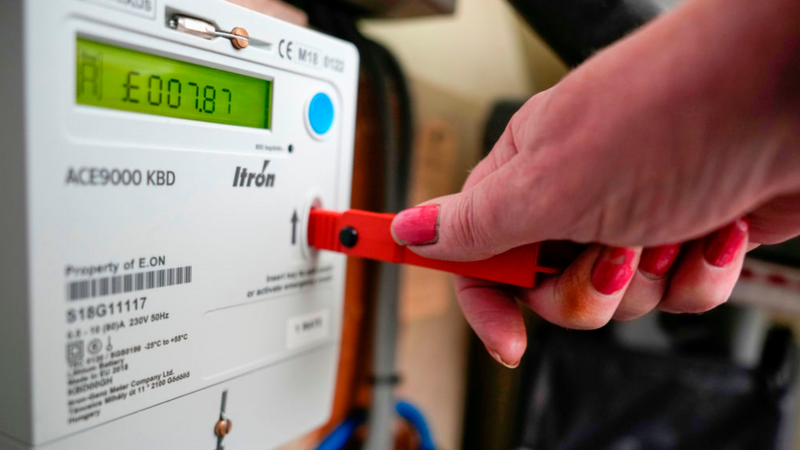
British Gas will pay up to £112 million to customers who were forced to use prepayment energy meters without consent during the 2022 energy crisis. The payments include compensation, debt write-offs, and support packages following an investigation by the energy regulator Ofgem.
Key Facts
British Gas forced prepayment meters on some customers behind on energy bills during the Russian gas crisis.
Ofgem fined British Gas £20 million and required up to £70 million in customer debt to be written off.
British Gas will provide the rest of a £22.4 million voluntary support fund for affected customers.
Ofgem banned forced prepayment meter installation temporarily after reports of unfair treatment in early 2023.
Most major energy suppliers were found to have wrongly fitted prepayment meters during the 2022 energy cost crisis.
Other energy companies agreed to pay more than £18.6 million to 40,000 households last year.
Forced meter installations are now allowed again but remain banned in homes with young children or elderly residents over 75.
British Gas’ owner, Centrica, apologized and said it has changed practices to prevent future problems.
Read the Original
Want the full story? Tap a source to open the original
article.
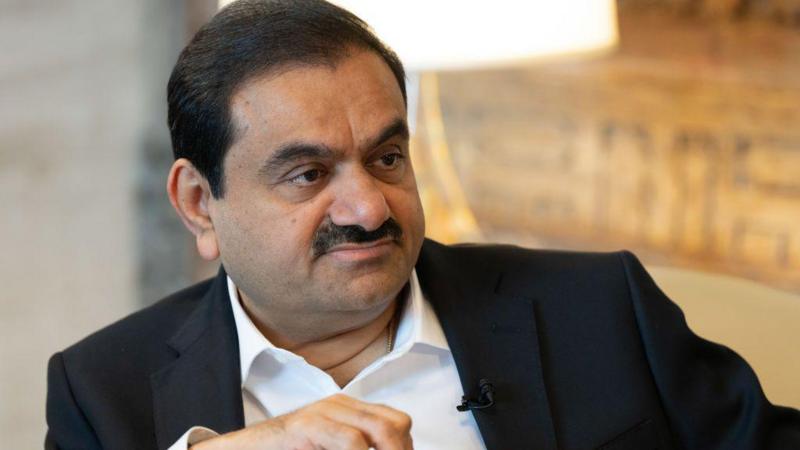
Indian billionaire Gautam Adani and his nephew Sagar Adani have agreed to pay $18 million to settle a civil fraud case brought by the US Securities and Exchange Commission (SEC). The case involved allegations of bribery and misleading investors, but the Adanis did not admit or deny the claims, and the settlement requires court approval.
Key Facts
The SEC accused the Adanis of bribing Indian officials for renewable energy projects and misleading US investors.
The lawsuit said the Adanis raised $750 million, including $175 million from US investors, by not following anti-bribery laws properly.
The $18 million settlement includes penalties and bans the Adanis from future violations of US investor protection laws.
The Adani Group denied all allegations, calling them baseless.
Gautam Adani is worth about $82 billion and is one of the richest people in the world.
The US Department of Justice decided to drop criminal fraud charges against Gautam Adani after he hired a new legal team.
Adani’s lawyers argued he would invest $10 billion in the US and create 15,000 jobs if charges were dropped.
The decision to drop charges is seen as part of a shift in US policy under President Donald Trump's administration.
Read the Original
Want the full story? Tap a source to open the original
article.
British Gas has agreed to pay £20 million to settle an investigation into its practice of installing prepayment energy meters without customers' permission. The regulator Ofgem also ordered British Gas to cancel up to £70 million of energy debt for vulnerable customers as part of the compensation.
Key Facts
British Gas paid £20 million into a fund to resolve an investigation by energy regulator Ofgem.
The investigation focused on the forced installation of prepayment meters in customers’ homes.
Some British Gas debt agents entered homes without permission to fit these meters.
British Gas apologized for this practice.
Ofgem banned the installation of prepayment meters without customer consent in high-risk households.
Up to £70 million of energy debt owed by vulnerable customers will be written off by British Gas.
The debt write-off serves partly as compensation to affected customers.
The controversy came to light about three years ago.
Read the Original
Want the full story? Tap a source to open the original
article.
The owner of the former WH Smith high street stores, now called TG Jones, plans to change contracts with the Post Office to allow easier and quicker closure of post office counters inside its shops. This could lead to many post offices closing, risking the loss of postal services in some communities.
Key Facts
TG Jones operates 180 post offices and may close up to 60 of them under a new plan.
Modella, a private equity firm that bought WH Smith’s high street business, wants to cut rent for many stores.
Landlords may end leases instead of accepting lower rent, which could close about 150 TG Jones stores and cost many jobs.
Changes to Post Office contracts would let stores close with only 56 days’ notice instead of six months.
Eight stores are already set to close, with seven containing Post Office counters in locations across England and Scotland.
If a post office inside a store closes, the service will try to move elsewhere or shut entirely in that area.
The Communications Workers Union warned closures would create “postal deserts,” meaning areas without local post office services.
Modella said the restructuring aims to save the business amid weak sales and higher costs, and the Post Office has pledged support.
Read the Original
Want the full story? Tap a source to open the original
article.
The average cost of a basic funeral in England rose to about £4,285 in 2025, increasing by 3.5% from the previous year. Due to high costs, more families are choosing direct cremations without attendees, but this can leave some people with feelings of unresolved grief and regret.
Key Facts
The average price for a basic funeral in England in 2025 is around £4,285.
Funeral costs have been rising steadily over the years and went up by 3.5% from 2024 to 2025.
Many families pick direct cremations, where no one attends, to save money.
About 1 in 5 people who chose direct cremations regret the decision and feel unresolved grief.
The government offers Funeral Expenses Payments to help eligible people pay for funerals, covering about 46% of costs on average.
Public health funerals are provided by local authorities as a basic, government-funded option.
Funeral directors advise families to discuss wishes and explore options to balance cost and emotional needs.
Rising expenses for services like crematorium use and coffins make funerals more expensive each year.
Read the Original
Want the full story? Tap a source to open the original
article.
Hotel owners in U.S. cities hosting the World Cup expected to see a big increase in bookings, but so far bookings are lower than last year. Industry experts blame factors like high ticket prices, political issues, and global events for the weaker demand.
Key Facts
Many hotels in World Cup host cities have fewer bookings than the same time last year.
The Wanderstay Boutique Hotel in Houston is only 45% booked during the tournament, compared to 70% last year.
High ticket prices for World Cup matches, with some final tickets costing up to $32,970, are seen as a barrier.
Hotel owners point to the political climate under President Donald Trump’s second term, especially immigration raids, as a reason for lower tourism.
The ongoing US-Israel conflict and rising living costs also affect travelers' plans.
The American Hotel and Lodging Association (AHLA) reports 80% of hotels in host cities see less demand than expected.
Some fans may delay booking until they know where their teams will play.
In contrast, Airbnb says this World Cup will be its biggest hosting event ever.
Read the Original
Want the full story? Tap a source to open the original
article.
A historic sandstone building in Sydney, originally used for land management, has been carefully restored and transformed into a luxury lifestyle and event space called The Lands by Capella. The renovation won a 2026 heritage award for preserving the building’s historic features while adding modern design elements.
Key Facts
The building was constructed between 1876 and 1892, designed by Colonial Architect James Barnet.
It was once the center of land administration in New South Wales and hosted important events like land lotteries for returned soldiers.
Over the 20th century, the building’s interior was altered with office cubicles and lost much of its original grandeur.
The recent restoration project was led by Hassell architects with heritage conservation by Purcell Architecture.
The restoration revealed original features like three grand staircases and circular corridors hidden for decades.
The project won a top prize at the 2026 National Trust (NSW) heritage awards.
The building now offers luxury retail, dining, and spaces for weddings, galas, and conferences.
It is part of a larger Sandstone Precinct redevelopment that includes a neighboring former Department of Education building converted into a boutique hotel.
Read the Original
Want the full story? Tap a source to open the original
article.
US mining company Alcoa is under further federal investigation for destroying protected wildlife habitats in Western Australia. The company faced a $40 million settlement for breaking environmental laws by clearing forest land, and new inquiries focus on additional breaches at its mines.
Key Facts
Alcoa’s strip-mining in Western Australia’s jarrah forest damaged habitats for protected species like black cockatoos, quokkas, and numbats.
The company paid $40 million to avoid prosecution over clearing 318 hectares of forest during an ongoing investigation in 2023-2024.
Alcoa has destroyed about 280 square kilometers of jarrah forest in 60 years without replanting or restoring the land.
The mining activities affect water catchments near Perth, including around the Serpentine Dam, a major drinking water source.
Alcoa is seeking permission to expand its Huntly mine near important water supplies despite environmental concerns.
The company claims it operated under legal grandfathering rules but acknowledged destroying habitats, denying violations of the law.
The government requires Alcoa to spend at least $40 million on buying land to offset the environmental damage by 2026.
An ongoing investigation looks into possible illegal clearing at Alcoa’s Willowdale mine, linked to another alumina refinery.
Read the Original
Want the full story? Tap a source to open the original
article.
Chinese car makers are increasing their presence in Europe by importing more vehicles and seeking to produce cars locally, either by building new factories or buying existing plants from European companies. At the same time, European car makers are reducing factory numbers due to lower sales and are selling factory space to Chinese firms to avoid layoffs.
Key Facts
Chinese car brands now make up 8.6% of the Western European market, nearly double from a year ago.
Chinese companies like Xpeng, BYD, Changan, and Geely want to build or use factories in Europe.
European manufacturers like Volkswagen, Nissan, Ford, and Stellantis are selling or sharing their factories with Chinese firms.
European car sales dropped from 15.3 million in 2019 to less than 13 million in 2025.
Selling factory space to Chinese companies helps European firms avoid closing plants and firing workers.
Volkswagen is trying to reduce its number of factories but has not found buyers for some plants.
Some European executives worry Chinese carmakers could threaten traditional European brands.
Stellantis sees partnerships with Chinese companies as potentially beneficial for both sides.
Read the Original
Want the full story? Tap a source to open the original
article.
Some restaurants are using retro or old-fashioned themes to attract more customers to dine in their locations. This approach taps into nostalgia by offering familiar dishes and a vintage atmosphere.
Key Facts
Restaurants are adopting retro styles to increase customer visits.
They use nostalgia, which means reminding people of good memories from the past.
Menus include classic or old-fashioned dishes.
The goal is to encourage more people to eat inside the restaurant.
This trend is a response to changes in dining habits or competition.
Some restaurants decorate their spaces to look vintage or from past decades.
This strategy aims to create a unique and enjoyable experience for diners.
Read the Original
Want the full story? Tap a source to open the original
article.
Research from the University of Sydney shows that climate change could make housing more expensive and increase homelessness in Australia over the next decade if greenhouse gas emissions remain high. The study highlights that poorer renters and homeless people will suffer the most without strong housing policies and efforts to reduce emissions.
Key Facts
Climate change will worsen housing affordability and push rents higher in Australia.
Homelessness could increase four times by 2036 under a future with high emissions.
The researchers used 20 years of data and tested housing impacts under different climate scenarios.
High emissions mean more expensive homes and rents rising faster than incomes.
Low-emission scenarios align with global goals to limit warming under 2°C or 1.5°C.
Australia aims to reduce emissions by 43% by 2030, 62–70% by 2035, and reach net zero by 2050.
The study says climate change affects renters and homeless people the most and should be part of housing policy.
Experts call for targeted social housing increases and policies tested for climate impact to prevent greater inequality.
Read the Original
Want the full story? Tap a source to open the original
article.
India's Prime Minister Narendra Modi has urged citizens to spend less on gold, foreign travel, and fuel to help the country's economy during ongoing challenges caused by the war in Iran. India relies heavily on imported oil and gas, which has become more expensive, increasing the need to save foreign currency reserves.
Key Facts
India imports about 90% of its crude oil and half of its gas needs.
The war in Iran has closed the Strait of Hormuz, a key oil shipping route, causing fuel prices to rise.
Modi asked Indians to work from home, avoid unnecessary foreign travel, and reduce gold purchases.
Gold and silver import duties in India have been raised to 15% to reduce spending.
India’s foreign currency reserves have decreased by $38 billion since the war began.
India currently holds around $690 billion in reserves, enough to cover 11 months of imports.
Rising fuel costs are increasing airline ticket prices and holiday expenses.
India faces a growing gap between government spending and revenue, with the fiscal deficit expected to increase by 2027.
Read the Original
Want the full story? Tap a source to open the original
article.
Hundreds of comedians who performed at the Leicester Comedy Festival in the UK have not been paid yet. The festival organizers say they are facing money problems and hope to pay the performers soon after receiving the funds owed to them.
Key Facts
Leicester Comedy Festival had about 100,000 visitors and over 500 performers this year.
Many comedians, including well-known acts, have not received their payment.
The festival ran from February 4 to February 22.
Organizers say the delay is due to cashflow problems and they are waiting on money from sponsors, commissions, and ticket sales.
Comedians reported being owed amounts from £180 up to nearly £2,000.
Some event hosts and organizers who worked with the festival are also unpaid.
Festival CEO said the delay is temporary and they are committed to paying all owed performers.
Performers expressed frustration as they have costs and bills to pay but want the festival to succeed.
Read the Original
Want the full story? Tap a source to open the original
article.
Former employees of Spirit Airlines have filed a lawsuit against the company. They claim they were not paid and did not receive benefits after Spirit Airlines stopped its operations.
Key Facts
Spirit Airlines stopped its operations.
Some former workers say they were owed pay and benefits.
These workers have sued the airline.
The lawsuit involves claims about unpaid wages.
The issue arose after Spirit Airlines shut down.
The airline is facing legal action from these employees.
Read the Original
Want the full story? Tap a source to open the original
article.
Cuba has run out of fuel and diesel because of the ongoing U.S. blockade, causing a serious energy crisis on the island. The Cuban government is thinking about accepting new aid from President Donald Trump's administration, but this help would have certain conditions.
Key Facts
Cuba has run out of fuel and diesel supplies.
The cause is linked to the U.S. blockade against Cuba.
This situation has led to a deep energy crisis in Cuba.
The Cuban government is considering a new offer of aid from the U.S. under President Trump.
Any aid from the Trump administration would come with conditions that Cuba must meet.
President Trump also announced a deal where China will buy 200 airplanes from Boeing during his visit to Beijing.
Trump's visit to China includes discussions on trade and attempts to improve business relations.
The fuel shortage in Cuba affects everyday life because fuel is essential for transportation and electricity.
Read the Original
Want the full story? Tap a source to open the original
article.
Hong Kong is carefully creating rules to regulate stablecoins, a type of digital money tied to real currencies. The city aims to avoid two problems: unstable markets from weak rules and losing market share by waiting too long to act. Hong Kong wants to balance safety with speed to stay competitive in digital finance.
Key Facts
Stablecoins link their value to real currencies and need trust through clear rules and strong controls.
Hong Kong is issuing stablecoin licenses step-by-step to ensure safety and avoid early failures.
The city wants to avoid attracting weak issuers by setting high standards rather than racing to the bottom.
Digital money is growing fast, and stablecoins can improve cross-border payments and settlements.
Hong Kong risks losing influence if it only uses foreign stablecoins like those based on the U.S. dollar.
Creating its own Hong Kong Dollar stablecoin can keep the local currency relevant in digital markets.
The goal is to prove that regulated stablecoin issuance is reliable and works well in real business uses.
Success will be measured by how well stablecoins can reduce delays and costs in international trade and banking.
Read the Original
Want the full story? Tap a source to open the original
article.