New York Fashion Week is starting this week, featuring new spring clothing collections. Reporter Lauren Sherman shares information about what to expect during the event.
Key Facts
New York Fashion Week begins this week.
The focus is on spring clothing collections.
The event showcases designs and trends for the upcoming season.
Lauren Sherman is providing coverage and details about the event.
Fashion Week is a major event for the fashion industry to reveal new styles.
CBS News is covering the event and has content available in their app.
Read the Original
Want the full story? Tap a source to open the original
article.
The BBC is facing the possibility of strikes as it deals with a dispute over pay and plans to cut up to 2,000 jobs to save £500 million by 2028. The BBC’s director general, Matt Brittin, said the corporation’s financial problems are serious, with falling income and limited funds making it hard to offer higher pay without cutting more jobs.
Key Facts
Matt Brittin, BBC director general since May, said strikes over pay and job cuts could happen.
The BBC plans to cut up to 2,000 jobs to save £500 million by 2028.
Staff rejected an average pay rise offer of 2.1%, causing tension in negotiations.
The BBC lost £1.3 billion in revenue over the last ten years due to government decisions and fewer people paying the licence fee.
Increasing pay by 1% equals the cost of about 180 jobs, according to Brittin.
Senior executives will not get a pay rise, while the lowest-paid staff may get over a 2.5% increase.
There was anger over cancelled job guarantees for apprentices because of budget cuts.
Other broadcasters, like Channel 4, are also cutting jobs due to financial pressures.
Read the Original
Want the full story? Tap a source to open the original
article.
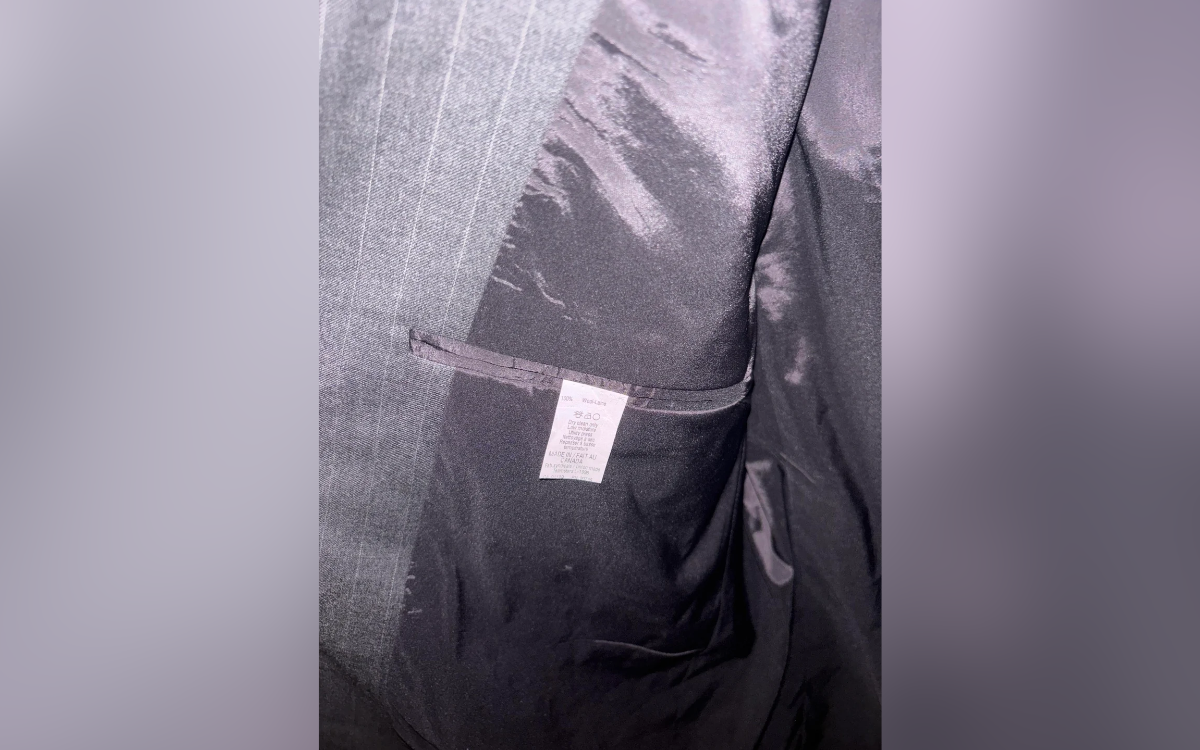
A man in Southern California bought a $13 Ralph Lauren suit at a thrift store and found $250 in one of its pockets. This discovery highlights how popular thrift shopping has become in the U.S., with many people looking for affordable secondhand clothing to save money.
Key Facts
Mark Grayson bought a Ralph Lauren Green Label suit at a Goodwill thrift store for $12.99.
When he got home, he found $250 inside a pocket of the suit.
Grayson was surprised and unsure why the money was left in the suit.
Thrifting is popular in the U.S.; a 2025 survey found 66% of Americans shop at thrift stores regularly.
72% of people who thrift do so mainly to save money.
Thrift store workers sometimes find money in donated items, but large amounts like $250 are rare.
Grayson used some of the money to buy school supplies for his brother and saved the rest in a bank.
He continues to look for bargains and occasionally checks pockets when buying secondhand clothes.
Read the Original
Want the full story? Tap a source to open the original
article.
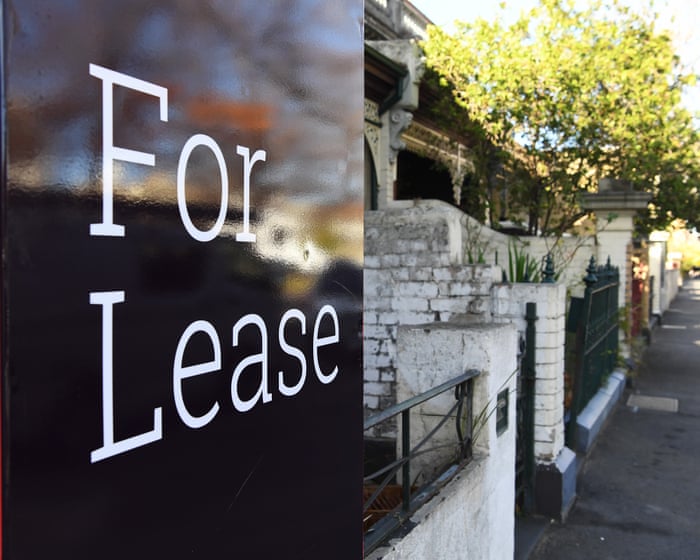
A review found that RentTech companies in Australia are still asking tenants for personal details outside the new limits set by Victorian laws. These platforms collect more information than allowed, risking tenants’ privacy, and use screening tools and fees that may harm renters.
Key Facts
Victorian laws introduced a standard rental application form to limit what personal data rental agents can request.
RentTech companies sometimes bypass these laws by asking tenants for extra personal data beyond the official form.
The Consumer Policy Research Centre (CPRC) reviewed six RentTech platforms and found excessive data collection and ongoing use of screening tests and reward schemes.
RentTech platforms store sensitive information and may share it with debt collectors or financial service providers.
In some Australian states, such as New South Wales and South Australia, RentTech companies cannot charge tenants for background checks but can still request them.
Tenants have little choice but to use these platforms, creating a power imbalance between renters and RentTech companies.
An April report by the privacy commissioner revealed that a major RentTech platform collected unnecessary personal information unfairly over five years.
The CPRC suggests that improvements in Victoria have not been matched in other states.
Read the Original
Want the full story? Tap a source to open the original
article.
High-end homes in Australia’s biggest cities like Sydney and Melbourne have fallen in price by more than 10%, while more affordable homes have stayed more stable. Rising interest rates and tax changes are making the housing market slower, but lower-priced homes are still attracting buyers, especially first-time owners.
Key Facts
Houses in the top price range in Sydney and Melbourne have dropped over 10% from their highest prices.
More affordable homes in these cities have dropped less, around 4% to 6%.
Nationally, home values fell 3.1% over the last three months but still grew slightly over 12 months.
Expensive homes tend to change price more sharply because buyers buy them more on hopes of profit.
Changes in tax rules have made housing less attractive to investors but better for people buying to live in.
First-time buyers benefit from a government scheme letting them buy homes with just a 5% deposit, with price limits depending on the city.
Experts warn that unemployment rising sharply would be the biggest threat to housing prices.
Current job levels in Australia remain strong, helping support the housing market.
Read the Original
Want the full story? Tap a source to open the original
article.
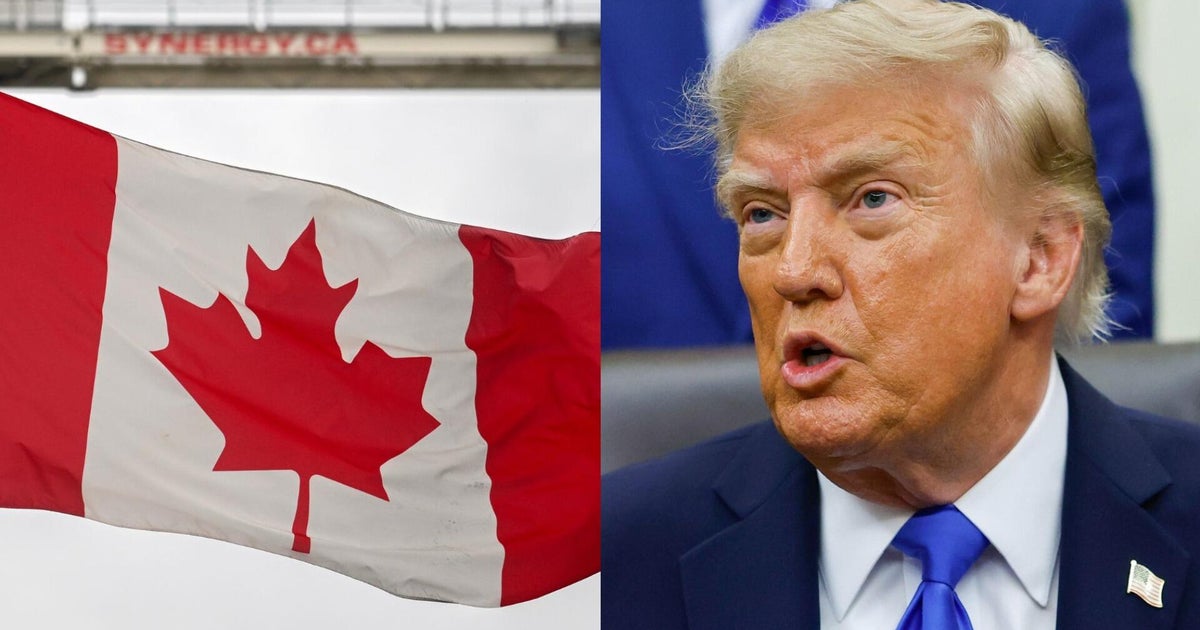
The trade conflict between Canada and the United States has intensified recently. This shows deeper problems in how the U.S. manages its supply chains and trade relationships.
Key Facts
Canada and the U.S. are currently in a trade dispute.
The conflict involves tariffs, which are taxes on imported goods.
The trade war has recently become more severe.
The issue highlights long-term problems in U.S. supply chains.
Supply chain resilience means the ability to handle disruptions in production and delivery.
These structural challenges affect trade policies and economic stability.
Resolving tariffs alone may not fully solve the trade conflict.
The situation requires deeper fixes in how goods and services move between countries.
Read the Original
Want the full story? Tap a source to open the original
article.
CBS Mornings Deals offers special discounts on products that can help improve daily life. Customers can visit the website cbsdeals.com to buy these items and save money.
Key Facts
CBS Mornings Deals features exclusive discounts on various products.
The deals focus on items that may enhance everyday living.
Shoppers can access these discounts by visiting cbsdeals.com.
CBS earns commissions when purchases are made through their website.
The promotion is part of CBS News programming.
Read the Original
Want the full story? Tap a source to open the original
article.
A new analysis shows how much money a single working parent needs to earn to support a family with a stay-at-home parent. The study compares costs across different places to find where this is most affordable.
Key Facts
The analysis looks at households with only one working parent.
It calculates the income needed for the working parent to cover all expenses.
Expenses include housing, food, healthcare, and other living costs.
The study ranks areas based on affordability for a stay-at-home parent family.
Some locations require higher earnings due to cost of living differences.
Other areas are cheaper, making it easier to manage with one income.
This information helps families plan where to live based on expenses.
The focus is on financial needs for single-income homes with stay-at-home caregiving.
Read the Original
Want the full story? Tap a source to open the original
article.
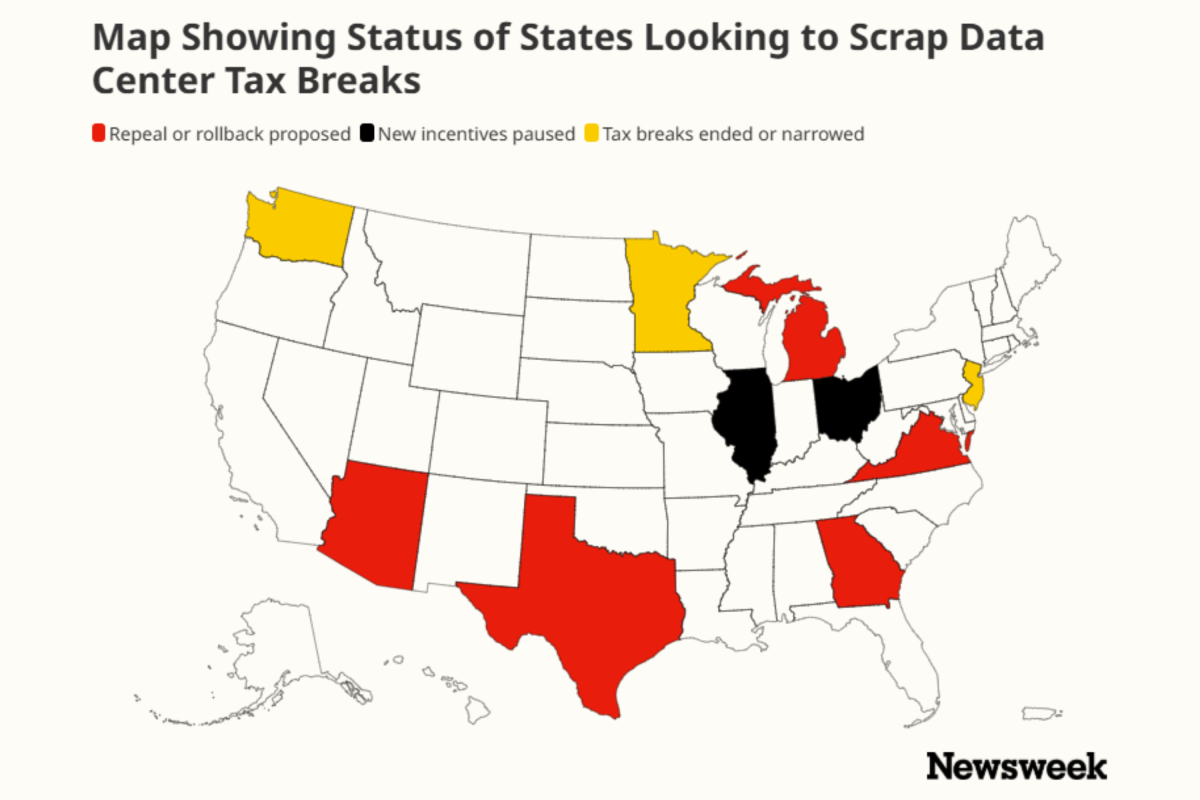
Many U.S. states are reconsidering tax breaks for data centers because the rapid growth of artificial intelligence (AI) has increased energy and water use, and these incentives now cost more than expected. Some states have paused or ended these tax incentives to study their effects on resources and public finances.
Key Facts
States offered tax benefits like sales tax exemptions and property tax breaks to attract data centers for over ten years.
The AI boom has increased data center demand, causing higher electricity use and water consumption.
Arizona, Georgia, Illinois, Michigan, Minnesota, New Jersey, Ohio, and Texas are among states reviewing or cutting data center tax incentives.
Illinois plans a two-year pause on incentives starting July 1, 2026, to study industry impacts.
New Jersey ended $250 million in tax credits for data centers in August 2026.
Some states propose or have introduced bills to eliminate or reduce these tax breaks but have not yet passed them.
Lawmakers are concerned about electricity grid costs and lost tax revenue from these incentives.
Ohio paused new applications for its data center tax exemptions in May 2026 during a legislative review.
Read the Original
Want the full story? Tap a source to open the original
article.
The peanut butter and jelly (PB&J) sandwich has been a popular American lunch choice for 125 years. It started as a fancy snack for wealthy people but became widely popular after peanut butter and sliced bread became common. Today, PB&J remains a versatile and affordable food that continues to adapt with new variations.
Key Facts
The first PB&J recipe was published in 1901 as a tea-time snack for wealthy people.
Peanut butter and machine-sliced bread became widely available in the 1920s and 1930s.
Popular early peanut butter brands include Peter Pan, Skippy, and later Jif in the 1950s.
Natural peanut butter, which separates oil naturally and requires stirring, is now popular.
Schools banned peanut butter due to allergies, leading to alternatives like almond and sunflower seed butters.
The classic sandwich uses white or wheat bread with peanut butter on one side and jelly on the other.
New creative versions include griddled (pan-fried) sandwiches and adding pickles, chips, or marshmallow fluff.
Changes in taste and food preferences have made PB&J sandwiches more varied and accepted over time.
Read the Original
Want the full story? Tap a source to open the original
article.
Jamie Dimon, CEO of JP Morgan, plans to warn UK Chancellor John Healey against raising taxes on banks in the upcoming budget. Dimon argues that higher taxes on banks could reduce investment and jobs in the UK’s financial sector.
Key Facts
JP Morgan CEO Jamie Dimon will meet Chancellor John Healey before the October budget.
Dimon warns that higher taxes on banks might hurt jobs and investment in the UK.
The UK banks already pay a 28% corporation tax plus a bank surcharge.
Healey may consider a windfall tax on banks and oil companies in his budget.
Dimon has a history of opposing extra bank taxes in the UK.
JP Morgan plans to build a new London headquarters tower, but may cancel it if the business environment worsens.
The UK’s biggest four banks made £200 billion in profits over the last five years.
UK banks paid about £43.3 billion in taxes in the financial year ending March 2025.
Read the Original
Want the full story? Tap a source to open the original
article.
Northern Ireland electricity supplier Share Energy will raise its prices by 12.6% starting October 1st. The company says rising costs are due to global events affecting energy prices and calls for government action to reduce dependence on gas.
Key Facts
Share Energy has 41,092 customers, mostly domestic.
The price increase will add about £129 per year to typical bills.
Other suppliers like SSE Airtricity and Firmus Energy also recently raised their prices.
The company has absorbed rising costs as long as possible but must now increase prices.
Share Energy promises to share half its profits with customers.
The supplier is locally owned and has experience in renewable energy.
Customers will be contacted directly and offered help if they struggle to pay.
The Consumer Council encourages people to look for ways to reduce energy costs and seek help if needed.
Read the Original
Want the full story? Tap a source to open the original
article.
Channel 4 plans to cut 340 jobs by the end of the year, reducing its staff by about 28%. This is part of a plan to make the company simpler and more efficient, so it can focus more on making shows viewers enjoy.
Key Facts
Channel 4 currently has around 1,270 employees.
The job cuts represent the largest layoffs in the network’s history.
The changes follow a review aimed at adjusting the company to new challenges like digital competition and a shrinking TV advertising market.
The CEO, Priya Dogra, said the goal is to spend more money on making TV shows.
Channel 4 is publicly owned but funded by advertising revenue.
There will be a consultation process with staff before final decisions.
The network faces challenges due to changes in how audiences watch TV and global competition.
Some shows, like Married at First Sight, are currently off air due to serious misconduct investigations.
Read the Original
Want the full story? Tap a source to open the original
article.
The United States is responding to Canada’s tariffs by banning certain Canadian products like motorcycles, dairy, and most alcohol. This move is part of an ongoing trade conflict between the two countries.
Key Facts
The U.S. is banning Canadian motorcycles.
Dairy products from Canada are also banned by the U.S.
Most Canadian alcohol products will no longer be allowed in the U.S.
These actions are a response to Canada’s tariffs on U.S. goods.
The bans represent an escalation in the trade dispute between the U.S. and Canada.
The trade conflict involves tariffs, which are taxes on imported goods.
The bans affect popular Canadian products sold in the U.S.
Read the Original
Want the full story? Tap a source to open the original
article.
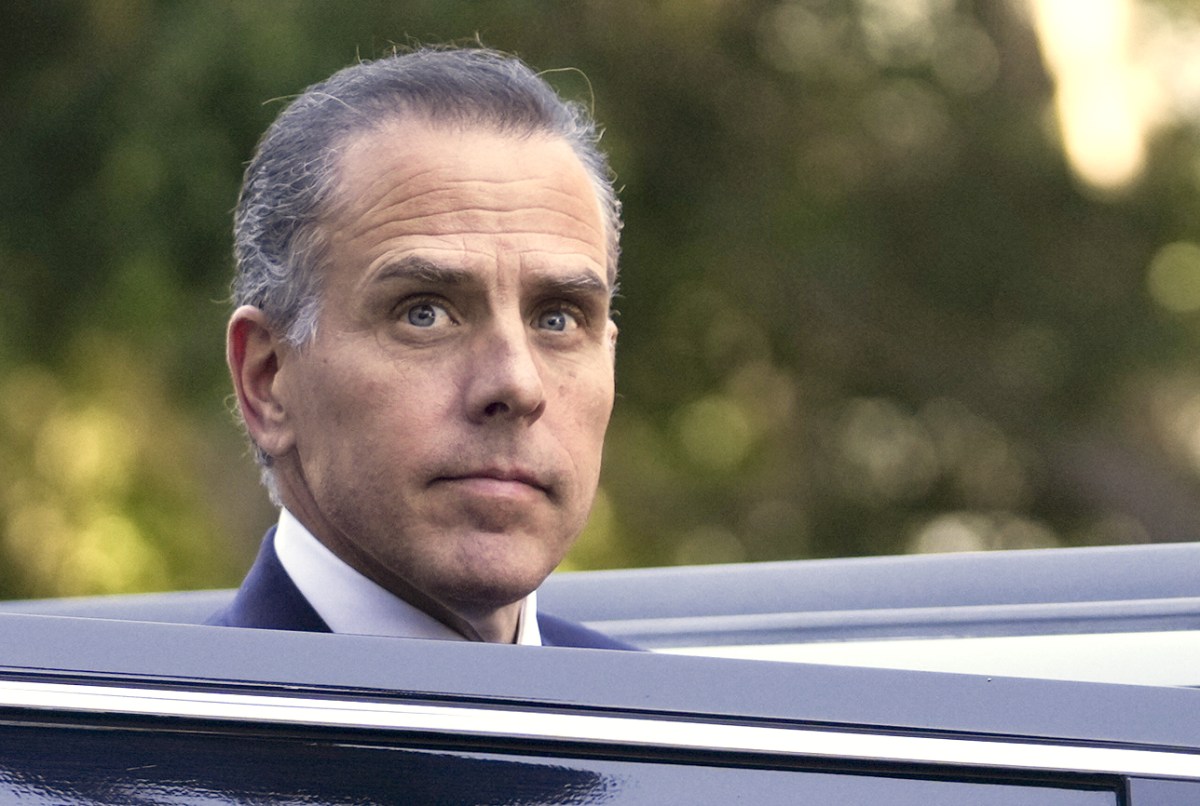
Hunter Biden has created a digital token called $LAPTOP using the Ethereum-based Base network, turning the controversy around his laptop into a commercial product. The article compares this use of notoriety to historical examples where people profited from infamy, showing how digital platforms make it easier to turn scandals into money.
Key Facts
Hunter Biden made a meme cryptocurrency called $LAPTOP based on his controversial laptop story.
The token is based on Base, a layer-2 Ethereum network created by Coinbase, with one billion coins available.
The laptop was used as evidence in Hunter Biden’s 2024 federal trial involving firearm charges.
The concept of profiting from infamy, called "infamy premium" here, has historical examples like Jesse James’ family selling items related to him.
Jesse James’ mother sold pebbles from his grave and tours of their farmhouse, showing early forms of monetizing notoriety.
Serial killers like John Wayne Gacy sold artworks while in prison, which later gained value after his death.
Laws like New York’s "Son of Sam" tried to stop criminals from profiting from crimes but were partly overturned for free speech reasons.
Digital platforms reduce the barriers to turning notoriety into profit by providing quick and direct access to wide audiences.
Read the Original
Want the full story? Tap a source to open the original
article.
The European Commission has proposed new public procurement rules to encourage European public agencies to buy more goods and services made in Europe. The plan aims to give public buyers more clarity and the option to prefer European products over non-European ones, especially from countries without fair procurement agreements, to address competition from subsidized Chinese companies.
Key Facts
The EU wants public bodies like schools and hospitals to buy more European-made goods and services.
The new rules do not set mandatory quotas but encourage preference for European products.
The plan aims to clarify that public buyers can choose European bids over cheaper non-European ones.
The European Commission is concerned about Chinese firms using state subsidies to undercut European companies.
In April, the EU blocked a Chinese company from joining a metro project due to unfair subsidy advantage.
An investigation is ongoing into a Chinese security firm suspected of benefiting from unfair subsidies.
The proposals must be approved by the European Parliament and EU member states before becoming law.
The rules are part of a broader move to support European industry and simplify procurement laws.
Read the Original
Want the full story? Tap a source to open the original
article.
Certified preowned (CPO) cars are used vehicles inspected and backed by the car maker. They cost about 4% to 5% more than regular used cars but come with benefits like warranties and inspections that lower the risk of problems.
Key Facts
CPO vehicles are usually only a few years old and inspected by factory-trained technicians.
These vehicles include a manufacturer’s warranty and sometimes extras like roadside assistance.
CPO cars are sold only at official brand dealerships, not independent dealers.
Dealer-certified cars are not the same as manufacturer CPO cars and offer different levels of inspection and warranty.
Warranty coverage varies by brand; for example, Honda covers powertrain issues for up to seven years or 100,000 miles.
Powertrain coverage usually includes important parts like the engine and transmission, but not minor wear items.
Buyers should compare different manufacturer CPO programs to understand what is covered.
CPO cars often come with perks such as lower interest rates on loans and loaner cars during repairs.
Read the Original
Want the full story? Tap a source to open the original
article.
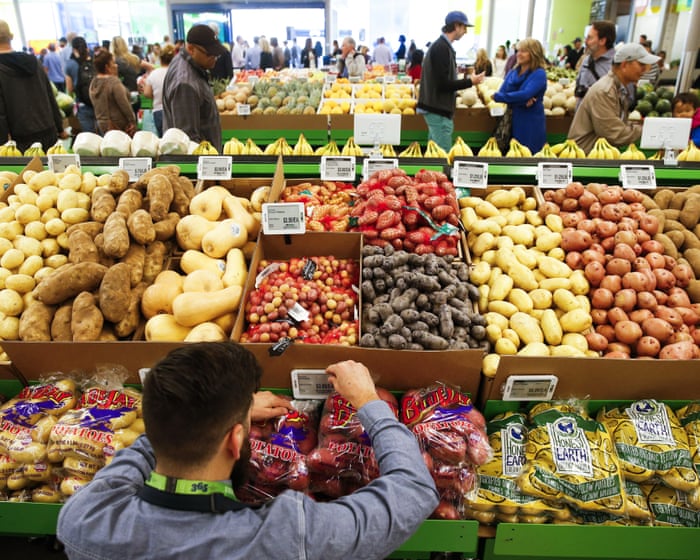
A report by the AFL-CIO Tech Institute warns that electronic shelf labels in US grocery stores could result in job losses, lower wages, and higher grocery prices. These digital price tags allow rapid price changes based on customer data, raising concerns about fairness and the impact on both workers and shoppers.
Key Facts
Electronic shelf labels can cause a loss of 44,223 to 191,633 jobs in grocery stores.
Workers may lose between $1.6 billion and $6.9 billion in wages annually due to these labels.
The labels enable quick price changes using algorithms and personal data, a practice called surveillance pricing.
Food prices in the US have increased by 33% over the past seven years, outpacing wage growth and inflation.
Maryland, Connecticut, and New Jersey have passed laws banning surveillance pricing and electronic shelf labels.
A poll found about two-thirds of Americans support banning these labels and surveillance pricing.
Electronic labels lead to gradual cutting of workers’ hours, moving many from full-time to part-time or no hours.
Paper price labels have been used for over 100 years, providing consistent pricing for shoppers.
Read the Original
Want the full story? Tap a source to open the original
article.
The price of unleaded petrol in the UK has increased by 5 pence per litre in one week, reaching 167.17 pence per litre. This rise is linked to conflict involving the US, Israel, and Iran, which has disrupted oil supplies and pushed global oil prices higher.
Key Facts
Unleaded petrol prices rose by 5p per litre in one week.
Average petrol price is now 167.17p per litre; diesel also rose to 188.63p per litre.
The rise is connected to fighting in the Middle East involving the US, Israel, and Iran.
Brent crude oil price returned to $100 a barrel due to the conflict.
US forces attacked Iranian tankers after Iran targeted a US warship.
Iran-backed Houthi forces also attacked Saudi oil facilities.
High oil prices increase the wholesale fuel cost, leading to higher prices at petrol stations.
Drivers face higher costs when filling their cars, with no immediate relief expected.
Read the Original
Want the full story? Tap a source to open the original
article.
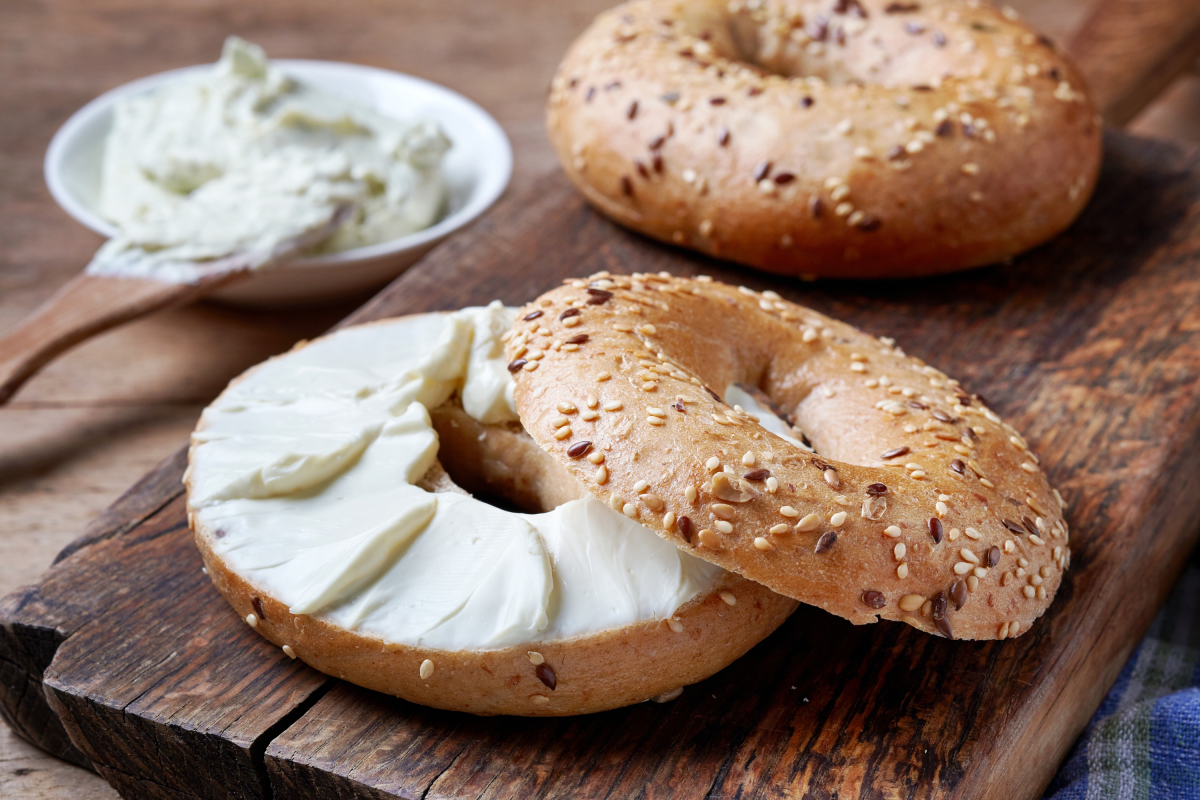
Made Fresh Salads Inc., a company in New York, recalled all its ready-to-eat deli salads and cream cheese products after the FDA found Listeria bacteria in its production area. The recall affects products sold in New York City with expiration dates from September 3 to 18, 2026, and no illness has been reported yet.
Key Facts
Made Fresh Salads Inc. is based in Bay Shore, New York.
The FDA found Listeria monocytogenes bacteria inside the company's production facility.
Listeria can cause serious infections, especially in children, elderly, pregnant women, and those with weak immune systems.
The recalled products include deli salads, seafood salads, pasta salads, and flavored cream cheeses under Made Fresh Salads and Northside brands.
Products with expiration dates from September 3 to September 18, 2026, are affected.
Some products may have been repackaged by stores into different containers.
No illnesses related to these products have been reported so far.
Production and distribution have stopped while the company and FDA investigate the cause.
Consumers are advised to return the recalled products for a full refund.
Read the Original
Want the full story? Tap a source to open the original
article.