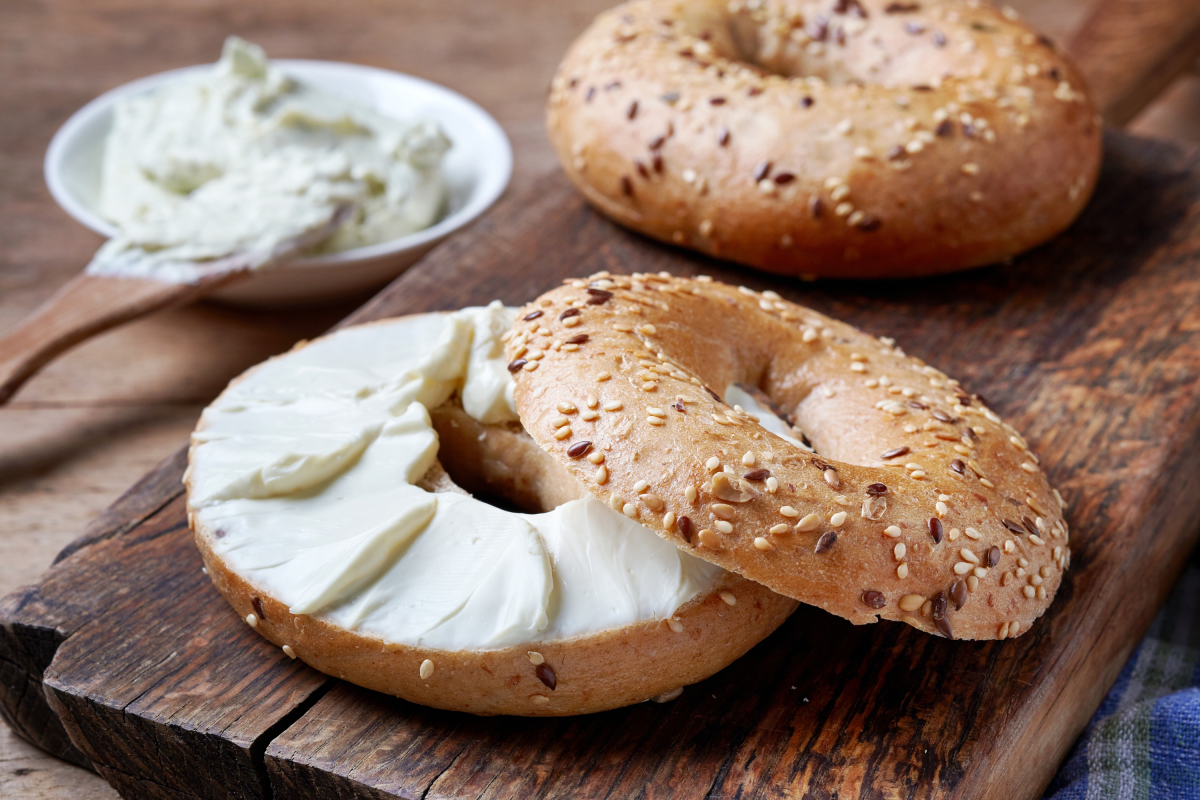
Made Fresh Salads Inc., a company in New York, recalled all its ready-to-eat deli salads and cream cheese products after the FDA found Listeria bacteria in its production area. The recall affects products sold in New York City with expiration dates from September 3 to 18, 2026, and no illness has been reported yet.
Key Facts
Made Fresh Salads Inc. is based in Bay Shore, New York.
The FDA found Listeria monocytogenes bacteria inside the company's production facility.
Listeria can cause serious infections, especially in children, elderly, pregnant women, and those with weak immune systems.
The recalled products include deli salads, seafood salads, pasta salads, and flavored cream cheeses under Made Fresh Salads and Northside brands.
Products with expiration dates from September 3 to September 18, 2026, are affected.
Some products may have been repackaged by stores into different containers.
No illnesses related to these products have been reported so far.
Production and distribution have stopped while the company and FDA investigate the cause.
Consumers are advised to return the recalled products for a full refund.
Read the Original
Want the full story? Tap a source to open the original
article.
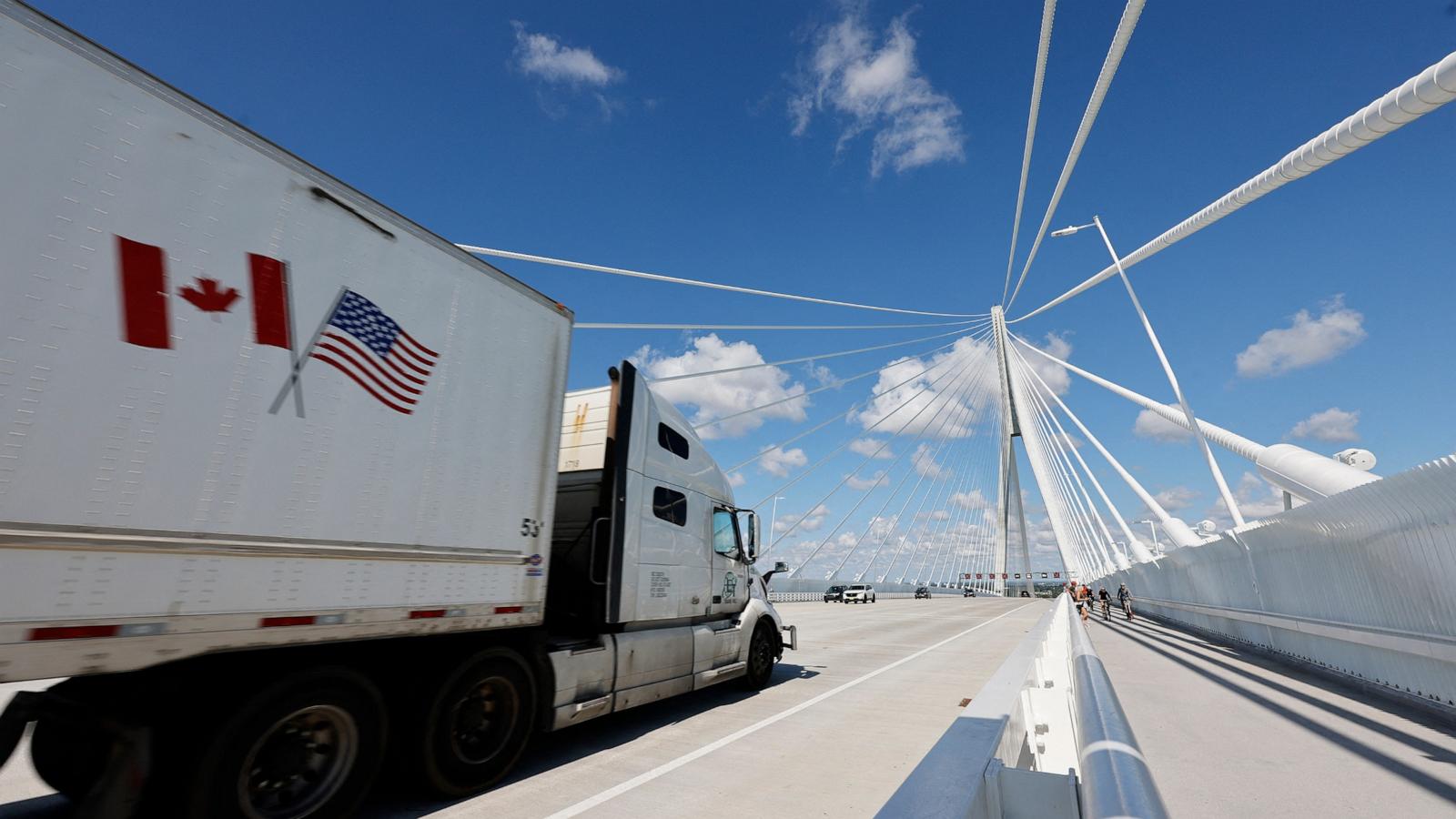
The United States and Canada have imposed tariffs on each other's goods, causing a trade dispute. This conflict risks harming businesses and consumers, especially in states near the border that rely heavily on trade and tourism between the two countries.
Key Facts
The US and Canada recently added tariffs on $20 billion worth of each other's goods.
These tariffs mainly affect border states like Maine, Michigan, and Ohio.
Canadian tourists visiting US border states dropped due to the trade tensions, hurting local businesses.
Some businesses, like a honey seller in Maine, saw sales fall then recover as tensions eased and tourism returned.
Canada is the biggest trading partner for 26 US states, while 22 states rely heavily on imports from Canada.
Trade between border states and Canada makes up a large part of their economies.
The tariffs currently affect only about 5-6% of the total trade between the two countries.
Experts say the trade dispute will likely influence upcoming US midterm elections in key border states.
Read the Original
Want the full story? Tap a source to open the original
article.
McLaren, the British supercar maker, will create 1,000 new jobs as part of a £450 million investment in its technology center in Woking, UK. This move comes as other UK carmakers, like Jaguar Land Rover and Volkswagen, are cutting jobs due to financial challenges and changing global markets.
Key Facts
McLaren plans to add 1,000 jobs at its UK technology center near its manufacturing plant.
The £450 million investment follows McLaren’s merger with UK electric vehicle startup Forseven Holdings.
McLaren currently employs about 2,500 people and will add both direct and agency workers.
Jaguar Land Rover is cutting 4,000 jobs over two years due to falling sales and financial issues, including the impact of tariffs from President Donald Trump’s trade policies and a cyber-attack.
CYVN Holdings from Abu Dhabi bought McLaren’s automotive business and plans to invest $2 billion (£1.4 billion) over five years.
European carmakers face stiff competition from Chinese companies like BYD and Chery, which are growing in the UK and Europe.
Volkswagen announced it will cut 100,000 jobs by 2030 and reduce the number of car models it produces.
From next year, UK-made electric vehicles will face a 10% tariff when shipped to the EU and will not qualify for EU “made in Europe” subsidies.
Read the Original
Want the full story? Tap a source to open the original
article.
A South Korean court has ordered gaming entrepreneur Kwon Hyuk-bin to pay his ex-wife 2.55 trillion won (about $1.87 billion) in assets, the largest divorce settlement in South Korea's history. The court transferred a 35% stake in his company Smilegate and ordered an additional cash payment to his ex-wife.
Key Facts
Kwon Hyuk-bin founded Smilegate, South Korea's third-largest video game company.
The court ruled that Kwon must give his ex-wife 35% of Smilegate, worth around 2.5 trillion won.
He must also pay her an additional 65 billion won in cash.
This settlement more than doubles the previous record divorce payout of 944 billion won.
Kwon and his ex-wife Lee Hwa-jin married in 2001, one year before Smilegate was founded.
Lee claimed she helped finance the company and spent 20 years raising their children and managing the household.
Kwon argued Lee did not invest in or work for the company, and Smilegate stated all initial capital came from him.
Both parties have the option to appeal the court’s decision.
Read the Original
Want the full story? Tap a source to open the original
article.
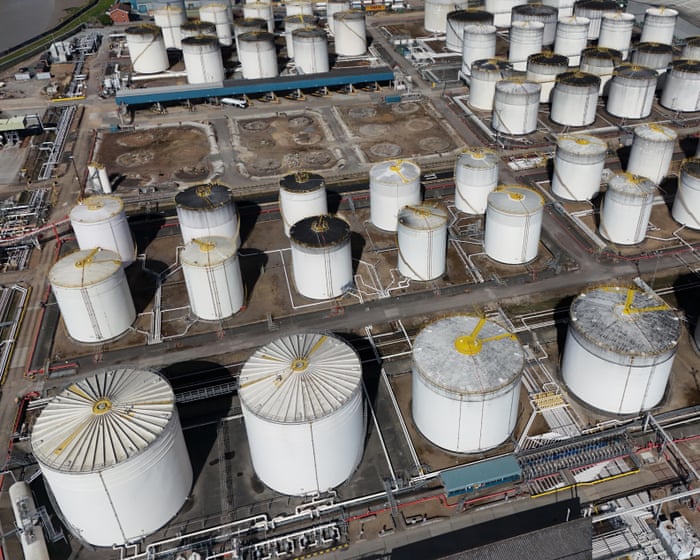
Oil prices have gone above $100 a barrel for the first time since July because fighting between the US and Iran increased. This conflict in the Middle East is causing worry about losing important oil supplies worldwide.
Key Facts
Brent crude oil price rose 2.1% and passed $100 a barrel.
The US military destroyed several Iranian tankers after Iran tried to attack a US warship with missiles.
Iran-backed Houthis attacked cities in Saudi Arabia, injuring over 70 people and damaging oil facilities.
Oil prices have risen about 25% since early August as the war in the region worsened.
The conflict began after Iran blocked the Strait of Hormuz, a key waterway for shipping oil.
Oil prices previously peaked at $126 per barrel in April but had fallen before rising again.
UK natural gas prices recently reached their highest point in over three years, partly due to the conflict.
Higher energy prices are raising concerns about inflation and possible interest rate increases by the US Federal Reserve.
Read the Original
Want the full story? Tap a source to open the original
article.
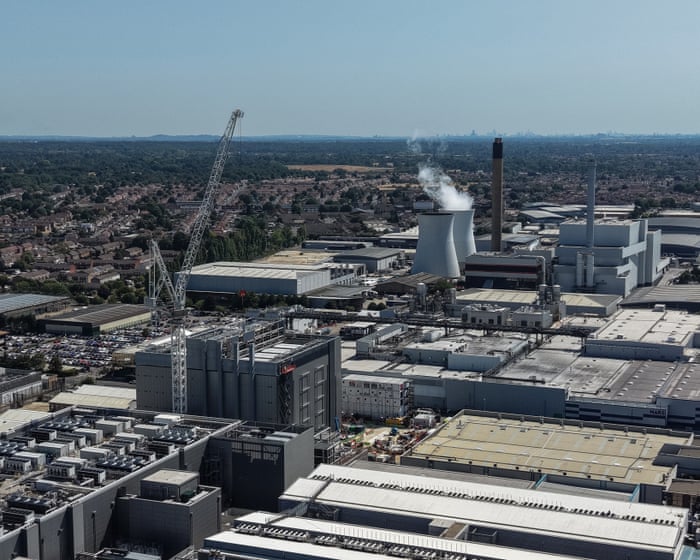
New research finds UK datacentres will create only about 10,400 jobs, much fewer than the 40,000 predicted by industry groups. These datacentres use a lot of energy and create fewer jobs per unit of power compared to other industries, raising concerns about their economic benefits and environmental impact.
Key Facts
UK datacentres planned will directly employ about 10,400 workers, not 40,000 as claimed by TechUK.
Current datacentres have created fewer than 4,400 permanent jobs.
Datacentres create about 8.6 jobs per megawatt of energy used, compared to 400 in car plants and over 3,600 in hospitals.
Future datacentres planned are larger but will likely create fewer jobs per megawatt, possibly as low as 1.6 jobs per megawatt.
Permanent jobs are for operating datacentres; temporary construction jobs are higher but not included in these figures.
Environmental thinktank Verdant raises concerns about high energy and water use by datacentres and questions their economic value.
The government rejects Verdant's job comparisons and methodology, emphasizing national security and digital infrastructure importance.
Labour supports fast approval of AI datacentres, calling them critical national infrastructure for UK sovereignty.
Read the Original
Want the full story? Tap a source to open the original
article.
A woman named Ella was hired as a tour guide by a company called Haggis Waggon Tours after meeting the boss, Darryl Smith, at a job fair. She later found out the company’s office was empty, some website claims were false, and the tour buses never actually arrived.
Key Facts
Ella, 23, was hired on the spot as a tour guide with no formal interview.
The company’s listed office was a vacant building with no lease held by the boss.
The website showed the office address as Paisley but was later changed to Edinburgh.
Ella was asked for personal documents and bank details by email after hiring.
A training walk was done, but the promised tour buses never appeared.
Photos of buses on social media and the website were created by AI (artificial intelligence).
The boss said the buses exist but have not been decorated yet.
Other candidates met Smith at a job fair organized by local job agencies.
Read the Original
Want the full story? Tap a source to open the original
article.
A rural charity in Northern Ireland had over 1,000 litres of heating oil stolen from its tank, prompting warnings about rising oil thefts. Since 2021, there have been around 600 reports of heating oil thefts in the region, which often increase during times of global conflict that push up oil prices.
Key Facts
The Rural Community Network charity in Cookstown found over 1,000 litres of heating oil had been stolen from their locked tank.
Since 2021, Northern Ireland has had about 600 reports of heating oil and fuel theft.
Most homes in Northern Ireland use heating oil for warmth and hot water.
Oil thefts tend to rise when global events, like wars, cause oil prices to increase.
Theft numbers peaked around Russia’s invasion of Ukraine and slightly rose again during the US-Israel conflict involving Iran in 2026.
The Consumer Council advises using locks, alarms, security lighting, and locking gates to protect oil tanks.
The cost of 500 litres of heating oil jumped from about £347 to £491 between May and September 2026 due to geopolitical tensions.
Police and community groups are warning people to secure their oil tanks to prevent theft.
Read the Original
Want the full story? Tap a source to open the original
article.
Lee Slocombe, a builder from Swansea, was jailed for six years after cheating nine people out of £400,000 by doing poor and dangerous building work. The UK government plans to create a database of trusted tradespeople to protect customers from dishonest builders.
Key Facts
Lee Slocombe defrauded nine victims of a total of £400,000 over 11 years.
He was jailed for six years in February 2026 for dangerous building work in Cardiff, Bridgend, and Swansea.
Slocombe used fake names and unqualified workers to avoid detection.
His fraud caused victims to spend more than £547,000 fixing the damage.
Slocombe was banned from doing any building or gardening work in the UK for life.
In August 2026, the UK government announced plans for a voluntary database of trusted builders to help protect homeowners.
Victims criticized the power imbalance between homeowners and dishonest builders.
Slocombe had previous convictions and prison sentences for fraud starting from 2015.
Read the Original
Want the full story? Tap a source to open the original
article.
A group of experts has suggested that Andy Burnham introduce a wealth tax, free personal social care, and public ownership of energy networks to reduce inequality in the UK. Their report offers many policy ideas aimed at changing the current tax system and social services before the upcoming budget.
Key Facts
The Compass thinktank collected 70 policy ideas from 15 left-wing thinkers.
They propose a wealth tax on assets over £10 million to raise about £24 billion a year.
Ideas include replacing council tax and stamp duty with a property tax based on property value.
Equalizing capital gains tax with income tax could raise £11.3 billion more, enough to build 90,000 social homes.
Free personal social care would be funded by a tax surcharge on people over 40 and housing wealth contributions.
Energy networks could be owned and run by government companies, with regional energy boards set up.
Universal free childcare is suggested to support families, help children, and improve the economy.
Some experts warn against following moderate policies that may limit achieving these goals.
Read the Original
Want the full story? Tap a source to open the original
article.
Asian stock markets showed mixed results as investors stayed cautious about interest rate changes and rising tensions in the Middle East pushed oil prices higher. Brent crude oil neared $100 a barrel, increasing concerns about inflation, while the U.S. and Japanese central banks prepare for upcoming rate decisions.
Key Facts
Japan’s Nikkei 225 index was almost unchanged at 65,249.95.
South Korea’s Kospi index rose 1.2%, while Hong Kong’s Hang Seng fell 0.1%.
The Shanghai Composite and Taiwan’s Taiex indexes each gained about 0.2%.
Australia’s S&P/ASX 200 dropped 0.2%, and India’s Sensex fell 0.7%.
Brent crude oil price surged 1.4% to around $99.30 a barrel due to Middle East conflicts.
Rising oil prices increase worries about inflation, which remains above the Federal Reserve’s 2% target.
A U.S. inflation report is expected on Friday, with inflation forecasted to slightly ease to 3.3%.
The U.S. Federal Reserve and Japan’s central bank are scheduled to meet soon to decide on interest rates.
Read the Original
Want the full story? Tap a source to open the original
article.
A Singaporean man, Malone Lam, pleaded guilty in the US to leading a group that stole $245 million in bitcoin. The group used the stolen money to buy luxury goods and spent large amounts at nightclubs. Lam faces up to 20 years in prison.
Key Facts
Malone Lam, 22, admitted to running a criminal group stealing cryptocurrency.
The theft involved $245 million in bitcoin.
The group laundered the stolen money, meaning they tried to hide its illegal origin.
Money was spent on expensive cars, watches, clothes, handbags, private jets, and parties.
The group included people from various US states and outside the US who met online through gaming platforms.
They tricked victims into giving private information and sometimes broke into homes to get access to cryptocurrency wallets.
Lam used online nicknames like Anne Hathaway, $$$, and King Greavy.
US authorities say the conspiracy lasted from late 2023 until at least May 2025.
Read the Original
Want the full story? Tap a source to open the original
article.
The US announced a ban on Canadian dairy, most alcoholic drinks, and motorcycles starting in three weeks. This move follows Canada’s decision to add tariffs on $20 billion of US goods, escalating an ongoing trade dispute between the two countries.
Key Facts
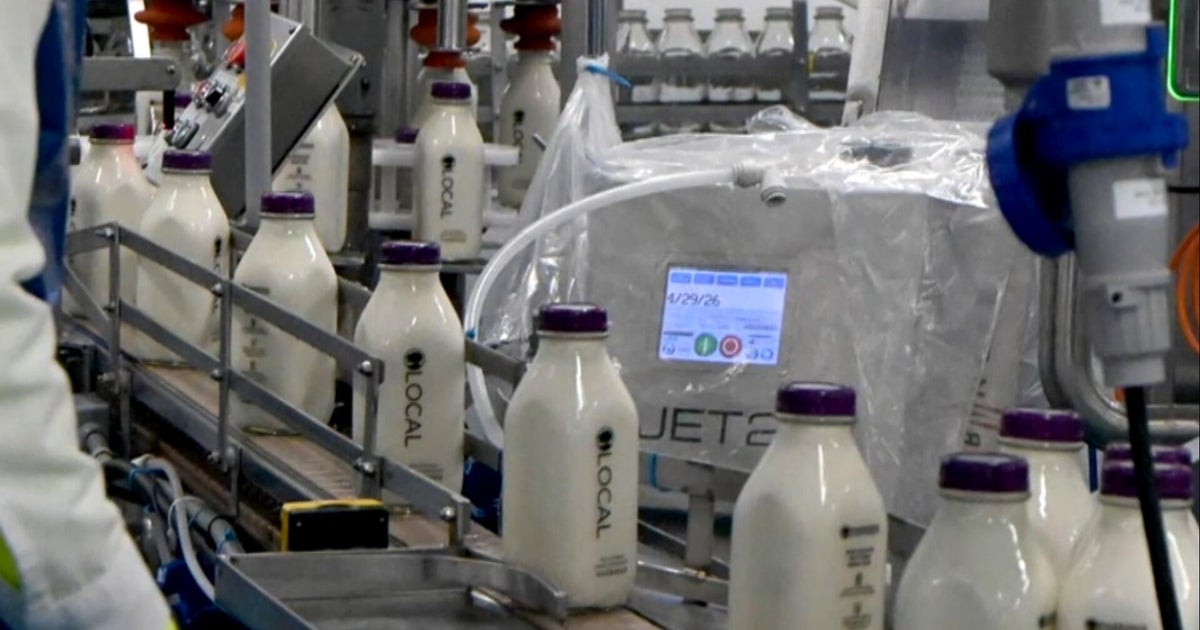
The US will ban certain Canadian products, including dairy, alcohol, and motorcycles.
The ban begins three weeks after the announcement by the White House.
Canada imposed tariffs on $20 billion worth of US goods in response to US tariffs.
President Trump stopped Canadian products from winning large US government contracts until trade rules are fair for US goods.
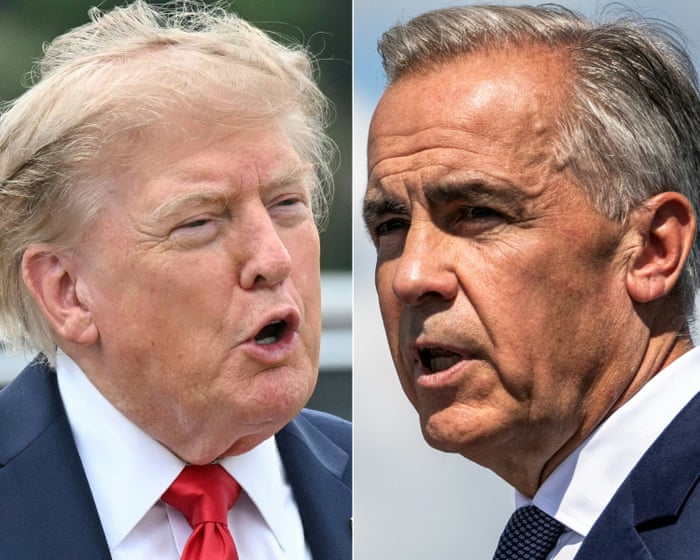
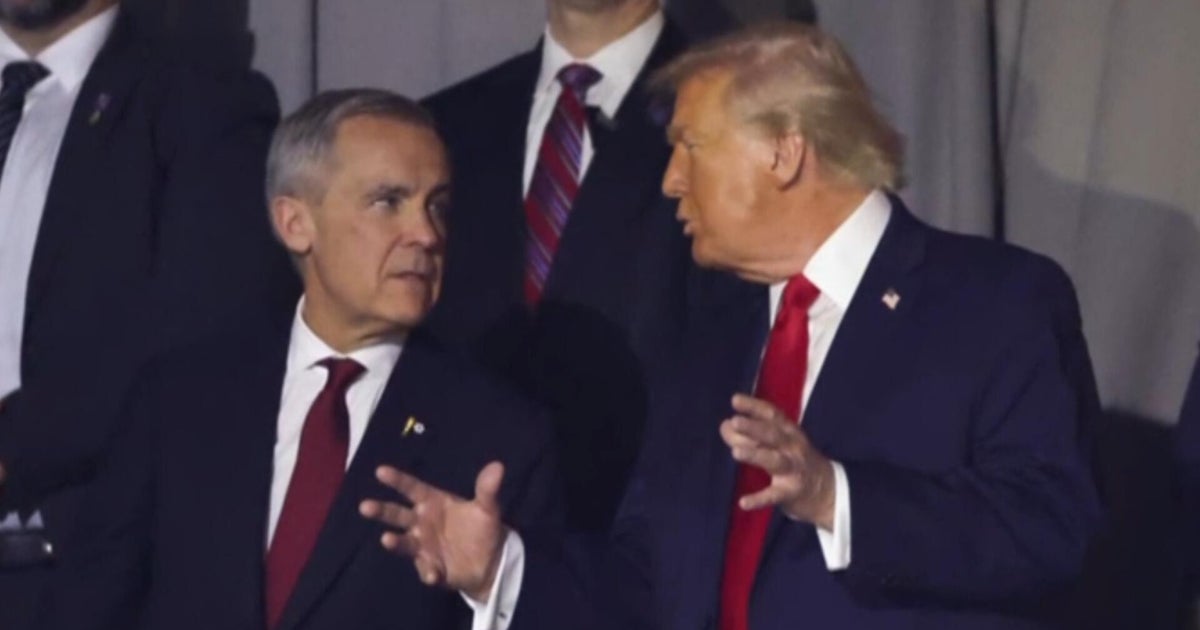
Canada’s prime minister, Mark Carney, said Canada wants to reduce reliance on the US and be more independent.
The trade dispute started when the US placed a 50% tariff on some Canadian imports, accusing Canada of unfair treatment to US industries.
This dispute has harmed the long-standing friendly relationship between the US and Canada.
Canadians have responded by reducing travel to the US and avoiding US products, showing strong national feeling.
Read the Original
Want the full story? Tap a source to open the original
article.
U.S. consumers will pay more for some dairy products like milk and cheese because Canada has added tariffs on these goods. This action is part of Canada’s response to trade measures taken during President Trump’s trade policies.
Key Facts
Canada has imposed tariffs on U.S. dairy products such as milk and cheese.
These tariffs are a response to trade actions by the U.S. government.
The higher tariffs will raise prices for U.S. consumers buying dairy products.
Rick Naerebout is CEO of the Idaho Dairymen's Association and Washington State Dairy Federation.
The issue is linked to the ongoing trade war under President Trump’s administration.
Tariffs are taxes on imported goods that make them more expensive.
U.S. dairy farmers and associations are affected by these tariffs and price changes.
Read the Original
Want the full story? Tap a source to open the original
article.
Canada started charging extra taxes called tariffs on about $20 billion worth of products from the United States. These tariffs affect goods like dairy, steel, aluminum, and appliances and are part of an ongoing trade dispute between the two countries.
Key Facts
Canada imposed tariffs on U.S. dairy products, steel, aluminum, and home appliances.
The tariffs apply to roughly $20 billion in U.S. goods.
These tariffs began on a Tuesday (specific date not provided).
This action is part of a trade conflict between Canada and the U.S.
The trade war shows ongoing disagreements with no clear solution yet.
Tariffs are extra taxes that make imported goods more expensive.
The dispute affects industries like agriculture and manufacturing in both countries.
Read the Original
Want the full story? Tap a source to open the original
article.
Canada has started charging extra taxes (tariffs) on about $20 billion of U.S. goods. This move matches tariffs that President Donald Trump put on Canadian products and comes after trade talks between the two countries did not succeed.
Key Facts
Canada began applying tariffs on U.S. goods worth roughly $20 billion.
These tariffs are a response to duties imposed by President Donald Trump on Canadian imports.
The tariffs show increased tension in trade relations between Canada and the U.S.
The two countries had several months of trade talks that did not lead to an agreement.
Canadian Prime Minister Mark Carney said Canada will try to depend less on the U.S. economically.
The tariffs affect a wide range of American products entering Canada.
This marks a significant change in how Canada and the U.S. handle their economic relationship.
Read the Original
Want the full story? Tap a source to open the original
article.
Canada is placing tariffs on $20 billion worth of goods from the United States. This action is a response to threats from President Donald Trump, who warned of more measures, including a possible ban on bombsarder planes made in Canada.
Key Facts
Canada has started charging extra taxes (tariffs) on $20 billion of U.S. products.
These tariffs are a response to actions or threats from the U.S. government.
President Donald Trump has warned he might take more steps against Canada.
One of the possible U.S. actions is banning Canadian-made Bombardier planes.
These trade measures affect goods coming from the U.S. to Canada and could impact prices.
The dispute shows ongoing trade tensions between Canada and the United States.
Tariffs are usually used to protect local industries by making imported products more expensive.
Read the Original
Want the full story? Tap a source to open the original
article.
The U.S. and Canada have a trade dispute involving tariffs, which are taxes on goods coming from another country. Matthew Shoemaker, the mayor of Sault Ste. Marie, Ontario, talks about how these tariffs affect the economy in both Canadian and U.S. border cities.
Key Facts
The trade dispute involves tariffs between the United States and Canada.
Tariffs are extra taxes placed on imports.
Sault Ste. Marie, Ontario, and Sault Ste. Marie, Michigan, are sister cities on the U.S.-Canada border.
Matthew Shoemaker is the mayor of the Canadian city Sault Ste. Marie.
The discussion focuses on how tariffs impact the economies of cities on both sides of the border.
Economies on each side are connected because of close trade ties.
The tariffs can affect businesses and jobs in border cities.
Understanding this trade issue helps explain cross-border economic challenges.
Read the Original
Want the full story? Tap a source to open the original
article.
Stablecoins are digital tokens tied to the U.S. dollar designed to move money quickly using blockchain technology. While traditional banks take days and multiple fees to send payments internationally, stablecoins settle transactions in seconds, even outside business hours. However, simply adding stablecoins to old banks is difficult because of outdated systems, so new banks built specifically for stablecoins are being created.
Key Facts
Sending money through traditional banks often involves multiple middle banks, fees, and delays.
Banks usually don't transfer physical dollars abroad but adjust account balances through complex systems.
Stablecoins are digital tokens linked to the dollar that use blockchain networks to settle payments instantly.
Blockchain payments work 24/7, unlike traditional banking systems that close on weekends and holidays.
Stablecoins can be programmed to automate transactions and react to conditions, useful for future AI payments.
Large banks have old, complex technology and processes, making it hard to fully adopt stablecoin systems quickly.
Creating new federally approved banks from scratch to support stablecoin technology could solve current banking limitations.
A startup named Augustus got conditional approval from the federal agency that oversees banks to explore this new banking model.
Read the Original
Want the full story? Tap a source to open the original
article.
Burton Snowboards chose Denny Bruce as their new CEO. Bruce previously worked for Burton and has led other companies before returning to Burton Snowboards.
Key Facts
Denny Bruce was once Burton Snowboards' Mid-Atlantic Brand Manager from 2003 to 2005.
Bruce has worked in leadership roles at Vans, Skullcandy, Traeger, and Dickies.
He will replace Donna Carpenter, who was interim CEO.
Donna Carpenter is the wife of Jake Burton Carpenter, the company founder.
Jake Burton Carpenter started Burton Snowboards in 1977 in Vermont.
Burton Snowboards is still privately owned.
The company is nearing its 50th anniversary.
Read the Original
Want the full story? Tap a source to open the original
article.