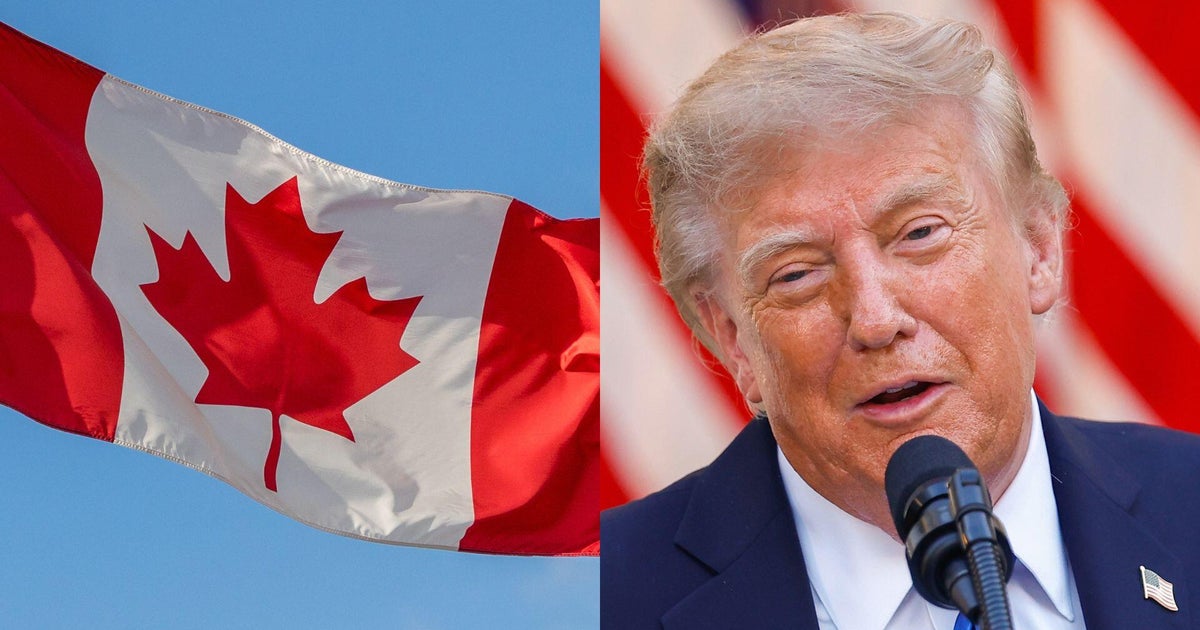
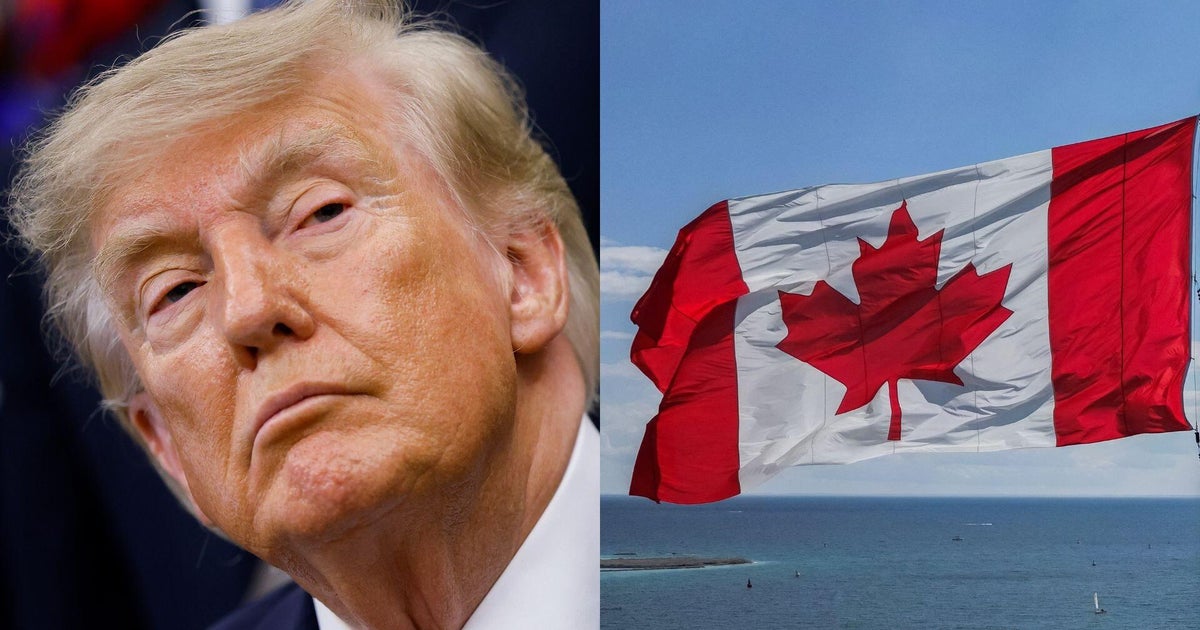
The article discusses trade tensions between Canada and the United States that are affecting businesses in Kansas. It highlights how Canadian tariffs are having an impact on local industries in the U.S. Midwest.
Key Facts
Canada has imposed tariffs on certain goods from the United States.
These tariffs are part of an ongoing trade dispute between Canada and the U.S.
Kansas businesses are feeling the effects of these tariffs.
The tariffs make some American products more expensive for Canadian buyers.
This trade fight is causing economic challenges in local U.S. communities.
The issue is part of broader trade tensions between the two countries.
Read the Original
Want the full story? Tap a source to open the original
article.
A new movie called *Artificial* about OpenAI CEO Sam Altman will be released in the US on December 25 by Neon. The film shows events around Altman's firing and return as CEO and was previously dropped by Amazon, which is investing heavily in OpenAI.
Key Facts
*Artificial* is a biopic about OpenAI CEO Sam Altman, directed by Luca Guadagnino.
The film will premiere at the New York Film Festival in October and release on December 25 in the US by Neon.
Amazon MGM Studios dropped the film in June, saying it would be better released by another studio.
Amazon is investing up to $35 billion in OpenAI, following an earlier $15 billion investment.
Andrew Garfield plays Sam Altman in the movie.
The story covers Altman's firing and reinstatement as OpenAI CEO amid control conflicts.
Other cast members include Yura Borisov as Ilya Sutskever and Ike Barinholtz as Elon Musk.
Neon is known for successfully releasing award-winning films like *Parasite* and *Anatomy of a Fall*.
Read the Original
Want the full story? Tap a source to open the original
article.
Charlotte Blandford Tagg, a content creator with a popular TikTok account, was fired from her job at a small magazine in England for being "unprofessional online" during her probation period. Her case highlights growing tensions as some employers disapprove of employees’ social media activity outside work hours.
Key Facts
Charlotte Blandford Tagg has over 46,000 TikTok followers.
She was fired on August 27 for failing her probation, citing "unprofessional online" behavior.
Blandford Tagg creates personal, open content about her life, including videos addressing social issues like racism.
A complaint was made by a volunteer worker about Blandford Tagg not responding to messages while active on TikTok.
She says employees should be free to live their personal lives outside work hours without losing their jobs.
Blandford Tagg joined a PR agency focused on women who don’t fit traditional professional molds.
TikTok has nearly 27 million users in the UK and about 2 billion users worldwide.
The case reflects wider challenges in balancing personal expression with employers’ rules in the digital age.
Read the Original
Want the full story? Tap a source to open the original
article.
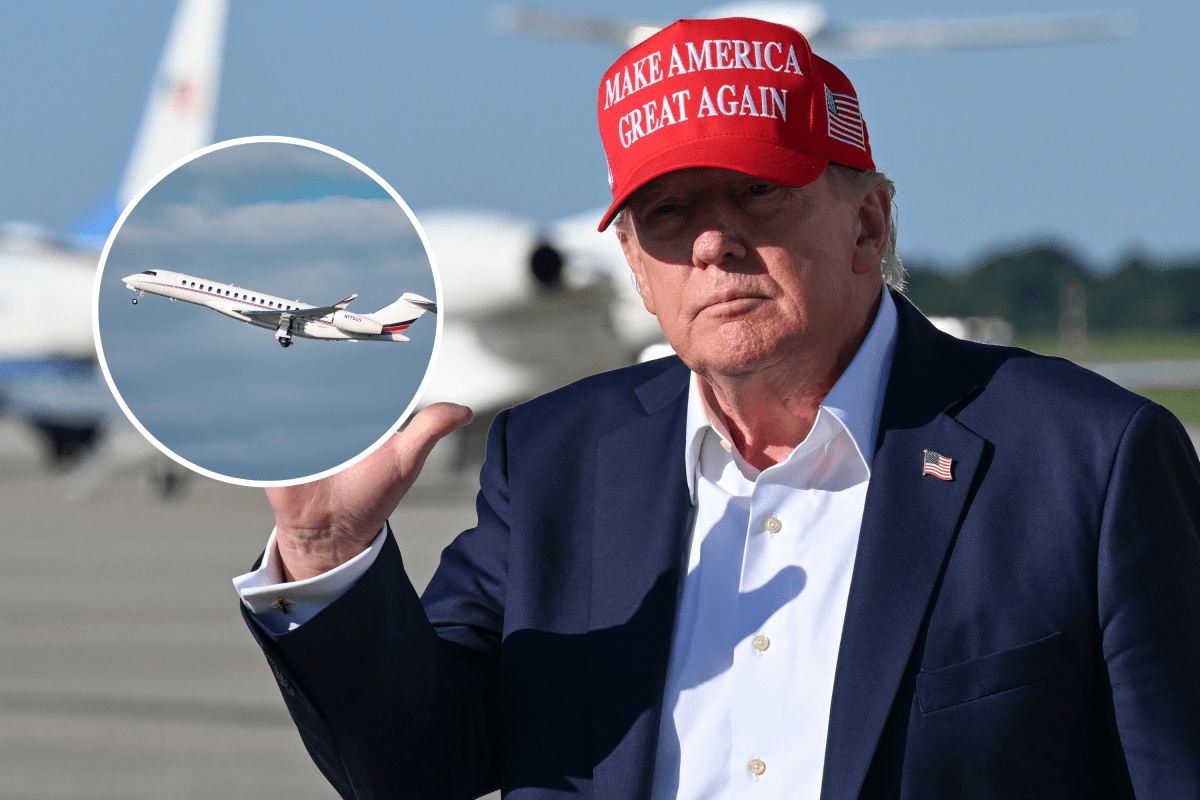
President Donald Trump has warned Bombardier, a Canadian plane maker, that it must build its aircraft in the United States to keep selling them there. Bombardier is linked to private jets owned or used by many celebrities, and it has a large network of American suppliers and workers.
Key Facts
President Trump threatened to stop Bombardier from selling jets in the U.S. unless they are made there.
Bombardier is a Canadian company that makes business jets used by celebrities like Beyoncé, Kylie Jenner, and Dwayne Johnson.
The company spends over $2.5 billion annually with about 2,800 U.S. suppliers in 47 states.
Bombardier’s aircraft include U.S.-made engines, electronics (called avionics), and have wing parts made in Texas.
Celebrities associated with Bombardier jets include Barry Diller, Elton John, John Travolta, Kid Rock, Mark Cuban, Matt Damon, and Tom Cruise.
The jets linked to these stars vary in price from about $4 million to $78 million.
There have been prior trade tensions between the U.S. and Canada involving tariffs and certification of business jets.
Bombardier employs workers directly in over 20 U.S. states.
Read the Original
Want the full story? Tap a source to open the original
article.
Goldman Sachs warns that ongoing attacks in the Persian Gulf and Red Sea could push global oil prices over $120 a barrel. This would increase fuel costs for Americans, which have already risen sharply due to the war in Iran and related conflicts.
Key Facts
Goldman Sachs predicts oil prices could rise above $120 per barrel if fighting in the Middle East worsens.
Brent crude, the international oil price benchmark, is currently near $100 a barrel, up from about $72 two months ago.
Attacks on Iranian oil tankers and Saudi oil facilities have increased concerns about oil supply.
American consumers have spent an extra $100 billion on fuel since the Iran war began in late February 2024.
Diesel fuel prices reached a record $5.90 per gallon on Labor Day, affecting transportation and goods costs.
Goldman’s base forecast expects prices to drop to $85 per barrel by the end of 2024 if conditions improve.
U.S. Treasury Secretary Scott Bessent said oil prices may fall below pre-war levels when the conflict ends.
Markets now see a higher chance that Brent crude will stay above $100 per barrel through early 2027.
Read the Original
Want the full story? Tap a source to open the original
article.
Several UK airports, including Heathrow and Gatwick, are experiencing flight delays due to a technical problem with the air traffic control system provided by Nats. Engineers are working to fix the issue, but some departures remain disrupted while arrivals continue as normal.
Key Facts
Heathrow, Gatwick, Stansted, East Midlands, and Manchester airports are affected by the air traffic control problem.
Departures at Heathrow were paused around lunchtime and faced stop-start delays later in the day.
Incoming flights are landing normally despite the disruption.
Nats identified the problem in their flight processing system and are working urgently to fix it.
Passengers are advised to check their flight status with their airlines.
Edinburgh, Dublin, and Cork airports are also experiencing delays linked to the issue.
Nats apologized for the delays and promised updates on their website and social media channels.
Flight operations remain open, but recovering normal schedules will take time.
Read the Original
Want the full story? Tap a source to open the original
article.
Costco plans to open more than 14 new warehouse stores soon, mostly in the United States. These openings will bring back favorite Kirkland brand products that were previously removed.
Key Facts
Costco is set to open over 14 new warehouses in the coming months.
Most of the new stores will be located across the U.S.
The new openings will offer popular Kirkland brand items again.
Costco is expanding alongside other big businesses like chicken chains and travel centers.
This growth reflects Costco’s ongoing business expansion efforts.
Read the Original
Want the full story? Tap a source to open the original
article.
Accrediting organizations that change their focus from professional skills to certain social ideas may lose their exclusive approval from the government. This could affect their control over who gets certified in various professions.
Key Facts
Accrediting bodies normally approve professionals based on skills and competence.
Some are shifting focus toward specific social theories.
Government grants these bodies exclusive rights, called monopolies, to certify professionals.
Changing the focus may lead to loss of these government-granted monopolies.
Losing accreditation powers could impact professional certification systems.
This issue affects how professionals are assessed and approved for work.
It raises questions about the purpose and fairness of accreditation.
Read the Original
Want the full story? Tap a source to open the original
article.
Many landowners in Salem Township, Pennsylvania, became millionaires after selling their land to data center developers. While many Americans oppose data centers due to noise and environmental concerns, the sales have brought large financial gains and community investments to this rural area.
Key Facts
Over 70% of Americans do not want data centers near their homes because of concerns like noise and environmental impact.
Michael Hodgson sold 14 acres of land for millions, about 60 times what he originally paid.
Nearly 100 families sold more than 1,700 acres to a data center developer, earning anywhere from $1 million to $35 million each.
The developer paid $586 million in total, averaging over $300,000 per acre, up from less than $5,000 per acre two years ago.
The sales deal includes agreements to improve local services like fire, police, medical care, water, sewer, and schools.
About 80% of the families who sold land plan to stay in the area, helping keep money local.
Data centers store and process digital information, and their demand has grown with advances in artificial intelligence (AI).
Pennsylvania introduced strict rules on data centers following resident concerns, but the governor remains open to projects supported by communities and that protect the environment.
Read the Original
Want the full story? Tap a source to open the original
article.
Canada has imposed new tariffs on many U.S. products in response to high U.S. tariffs introduced under President Trump's trade policies. This move continues the trade conflict between the two neighboring countries.
Key Facts
Canada has added tariffs on a range of goods imported from the United States.
These Canadian tariffs are a direct response to U.S. tariffs started by President Trump.
Both countries are imposing tariffs as part of a trade dispute.
The tariffs affect various products, impacting businesses and consumers.
This trade conflict is ongoing, with no immediate resolution.
Tariffs are taxes on imports meant to protect local industries or punish trade practices.
The situation influences economic relations between the U.S. and Canada.
Both governments are involved in negotiations to manage the dispute.
Read the Original
Want the full story? Tap a source to open the original
article.
Debt collectors sometimes offer to settle debts for less than what is owed. While the first offer can be considered, it may not always be the best deal, so borrowers can try to negotiate better terms. It’s important to understand the offer fully and get any agreement in writing before paying.
Key Facts
Credit card debt in the U.S. increased by $21 billion in the second quarter of 2026, reaching $1.26 trillion overall.
Many people are falling behind on credit card payments, leading to debts being sent to collections.
Debt collectors may offer to settle debts for a reduced lump-sum payment to close the account.
The first settlement offer is not always the best and can often be negotiated for a lower amount or better payment terms.
Accepting a settlement only makes sense if you can afford the payment without risking essential expenses.
It is important to confirm the debt amount, understand the settlement terms, and get the agreement in writing.
Negotiating on your own is easier with a single collection account, but more complicated cases might benefit from professional debt relief help.
Read the Original
Want the full story? Tap a source to open the original
article.
Some landowners have made millions by selling their land to companies building data centers. While data centers can cause concerns for local communities, these landowners benefited financially from the growing demand for these facilities.
Key Facts
Data centers are facilities that house computer servers and store digital information.
Many companies are building data centers to support growing internet and cloud services.
Landowners who sold property to data center developers became millionaires.
Data centers sometimes cause worries for nearby residents due to size, noise, or energy use.
The increase in data centers reflects growth in technology and online services.
This trend has created financial opportunities for certain landowners.
Read the Original
Want the full story? Tap a source to open the original
article.
Subscribers of some streaming services may be eligible to receive money from a $50 million settlement. This settlement comes from a lawsuit filed against Disney related to streaming prices.
Key Facts
A $50 million settlement was reached in a lawsuit involving Disney.
The lawsuit concerns the prices charged for certain streaming services.
Subscribers of specific streaming platforms could get payment from this settlement.
The settlement is connected to claims about overpricing or unfair charges.
There is a limited time to apply to receive money from the settlement.
Read the Original
Want the full story? Tap a source to open the original
article.
Canada has started new tariffs on $27.6 billion worth of American products. These tariffs charge fees between 15% and 50% on some U.S. goods, affecting about 6% of U.S. exports to Canada.
Key Facts
Canada imposed tariffs on Tuesday as a response to U.S. trade actions.
The tariffs apply to $27.6 billion of American products.
Tariff rates are set at 15%, 25%, and 50% depending on the product.
About 6% of the total U.S. exports to Canada are affected.
This move is part of an ongoing trade dispute between the two countries.
The tariffs increase the cost of U.S. goods sold in Canada.
Both countries have been using tariffs as trade tools in their dispute.
Read the Original
Want the full story? Tap a source to open the original
article.
Canada has started charging extra taxes, called tariffs, on some American products like milk, perfume, and golf clubs. This action is part of an ongoing trade dispute between Canada and the United States.
Key Facts
Canada began applying new tariffs against the U.S. early Tuesday.
These tariffs affect products such as milk, perfume, and golf clubs.
The tariffs are a response to a trade conflict between the two countries.
This trade dispute is often referred to as a trade war.
The tariffs aim to put pressure on the U.S. during trade negotiations.
The issue is causing economic tension between Canada and the U.S.
Both countries have imposed tariffs on each other's goods before.
Read the Original
Want the full story? Tap a source to open the original
article.
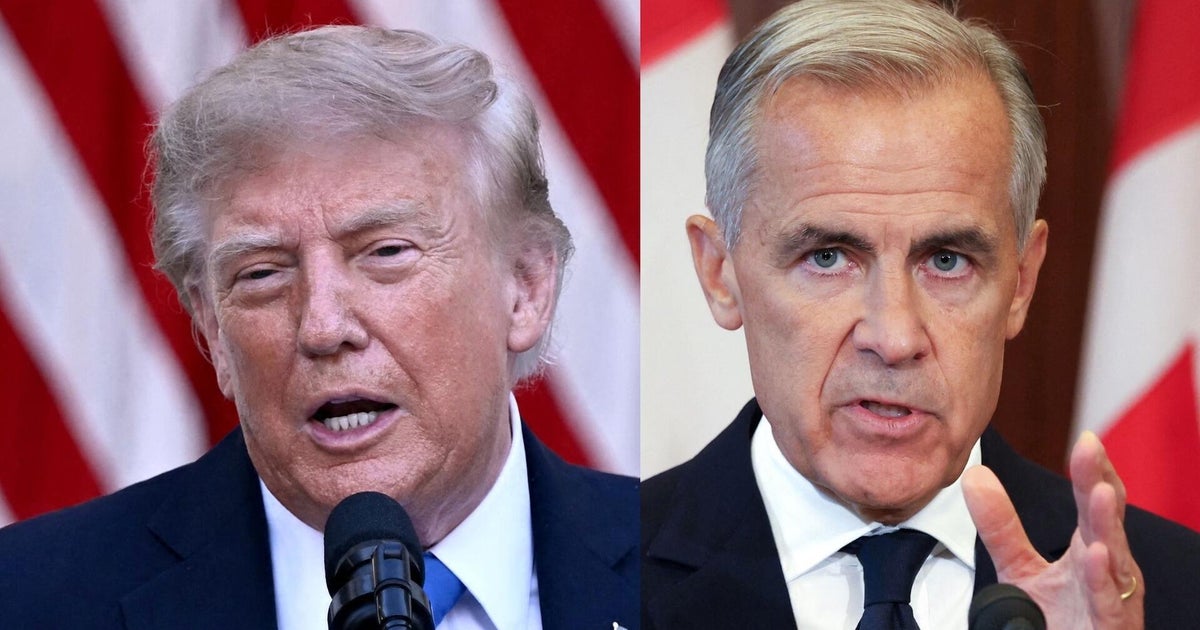
Canada started charging extra taxes called tariffs on many U.S. products, including steel, aluminum, and appliances. This happened after the U.S. government, led by President Donald Trump, placed tariffs on Canadian goods earlier.
Key Facts
Canada’s tariffs began at midnight on Tuesday.
The tariffs apply to many products like steel, aluminum, appliances, electronics, wood, pulp, and paper.
The U.S. had already placed 50% tariffs on $27.6 billion of Canadian goods.
These actions are part of a trade dispute between the U.S. and Canada.
So far, there have been no talks or agreements to resolve the issue.
President Trump warned the Canadian company Bombardier during this trade conflict.
The tariffs are meant to protect U.S. industries but also affect Canadian businesses.
Read the Original
Want the full story? Tap a source to open the original
article.
The article says that working from home is no longer just a temporary change because of the pandemic. Leaders who want to make employees come back to the office are arguing about a point that is now outdated.
Key Facts
Remote work started as a response to the pandemic.
Remote work has become a normal way of working, not just temporary.
Some leaders want to require employees to return to the office.
These leaders are holding on to old reasons that no longer fit today’s work environment.
The article suggests that forcing office attendance should not be seen as a test of loyalty.
Read the Original
Want the full story? Tap a source to open the original
article.
British fashion designer Paul Smith spoke about his daily habits and career in an interview. He emphasized the importance of good manners in business and shared that he sometimes works on the shop floor in his Covent Garden store.
Key Facts
Paul Smith is a well-known British fashion designer.
He writes thank you postcards every morning after his 5:30 AM swim.
Writing thank you notes is important to him for maintaining good business relationships.
He sometimes works in his store in Covent Garden, surprising customers.
The interview took place in his office and highlighted his collection of gifts from fans.
Paul Smith believes that past achievements in fashion do not guarantee current success.
Read the Original
Want the full story? Tap a source to open the original
article.
Canada has responded to President Donald Trump’s trade tariffs by placing heavy tariffs on some U.S. exports to Canada. This action is part of the ongoing trade dispute between the two countries.
Key Facts
The United States placed tariffs on Canadian goods under President Trump’s trade policies.
Canada has retaliated with heavy tariffs on certain U.S. exports.
These tariffs are meant to counteract the impact of U.S. levies on Canadian products.
The trade dispute affects businesses and markets in both countries.
Tariffs are taxes charged on imported goods to protect domestic industries or retaliate in trade conflicts.
Read the Original
Want the full story? Tap a source to open the original
article.
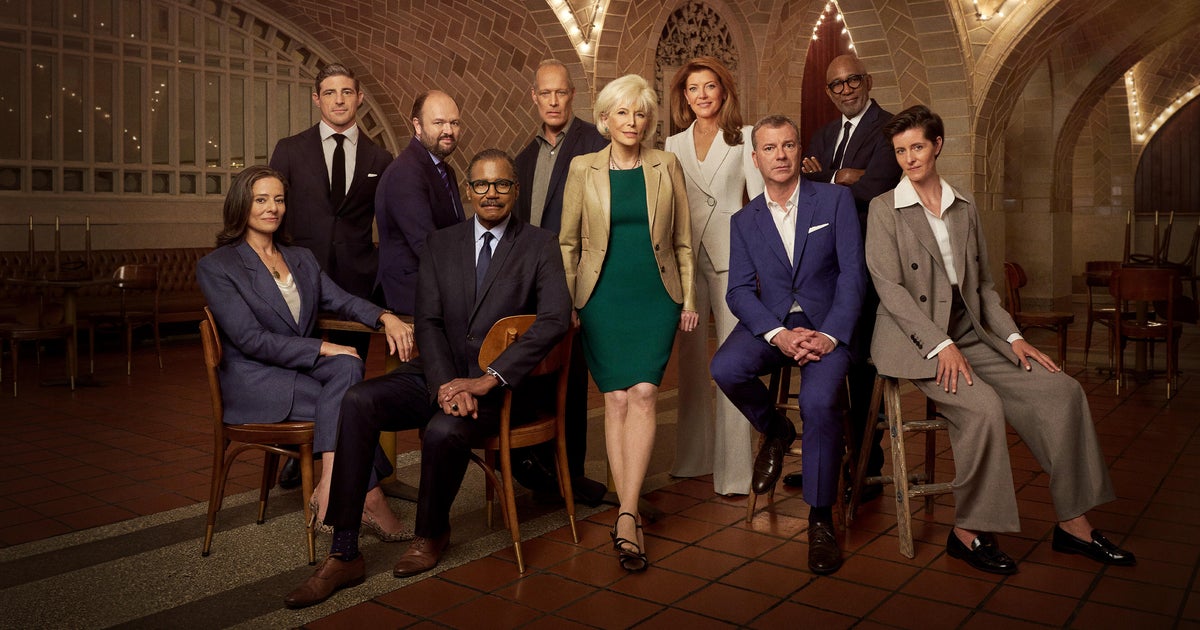
The 60 Minutes team recently took a group photo at the Oyster Bar in Grand Central Station, a historic CBS broadcasting location. The photo honors the show's history as it approaches its 59th season, which starts on September 13 and features stories including a military rescue and a profile of the Los Angeles Rams.
Key Facts
The photo was taken by Mark Seliger, a well-known portrait photographer.
The team includes correspondents like Lesley Stahl and Norah O'Donnell, along with contributors such as Sebastian Junger.
The Oyster Bar in Grand Central Station has historical significance for CBS News dating back to 1939.
Edward R. Murrow and Walter Cronkite once broadcasted from the Grand Central Terminal studios.
Murrow’s 1954 broadcast criticizing Senator Joseph McCarthy happened at this location.
The 59th season premiere will air on Sunday, September 13, at 7:30 p.m. ET/PT.
The premiere includes an interview with a U.S. Air Force officer involved in a complex rescue in Iran.
The season will also cover a story about the Los Angeles Rams football team.
Read the Original
Want the full story? Tap a source to open the original
article.