Some companies are turning job recruitment into competitions where candidates pitch ideas or perform tasks to win full-time positions. This new approach, used by companies like L’Oréal, aims to attract more applicants but can also be demanding and may disadvantage those who cannot afford to spend extra time competing for jobs.
Key Facts
Yumi Liberman and her friends competed in L’Oréal’s Brandstorm competition by pitching a business idea for a haircare app.
L’Oréal’s Brandstorm had 380,000 global applicants in 2024, a 58% rise from the previous year.
Only the first-place team automatically won full-time jobs; others, like Liberman, gained jobs by impressing company leaders.
These competition-style recruitments create publicity and attract diverse applicants.
The UK’s youth unemployment rate is 16.2%, much higher than the overall 4.9%.
Some participants find these competitions intimidating and time-consuming, needing to work on projects in their free time.
Experts warn such processes can cause economic discrimination, possibly excluding talented people who cannot afford to spend months competing.
Similar competition approaches have also been used at companies like MTV during internal promotions.
Read the Original
Want the full story? Tap a source to open the original
article.
The 2026 Abbey Road Music Photography Awards announced 40 finalists from over 24,500 photo submissions across eight categories. The nominated images include shots from Oasis’s reunion tour, Charli XCX’s Glastonbury performance, and other popular music moments, with winners to be revealed at a London ceremony on 24 September.
Key Facts
The awards received over 24,500 photo entries from 42 countries.
There are 40 finalists across eight categories like live music, portraits, and festivals.
Notable nominees include Liam Gallagher performing with Oasis, Charli XCX at Glastonbury, Kendrick Lamar at the Super Bowl halftime show, and Fontaines DC at a festival in Ireland.
The finalists' photos will be displayed at Outernet London from 8 to 14 September.
Fans can vote for the music moment of the year online or in person at the exhibition.
The awards began five years ago and are judged by a panel including British photographer Rankin and musicians like Nile Rodgers and Raye.
Special recognition will be given to photographers Roberta Bayley and Masayoshi Sukita for their work celebrating 50 years of punk.
The award ceremony will take place at the London studios associated with the famous 1969 Beatles album "Abbey Road."
Read the Original
Want the full story? Tap a source to open the original
article.
The Scottish government plans to introduce price caps on about 50 essential food items to make them more affordable for families. Farmers, like Jamie Wyllie, worry that while supermarkets are supposed to bear the cost, the financial burden will instead be passed down to producers who already have tight profit margins.
Key Facts
Scottish plans aim to cap prices on staples like milk, eggs, cheese, and rice.
Large supermarkets must offer at least one type of these items at the capped price.
The government hopes supermarkets will absorb financial losses from the price caps.
Farmers fear the cost will be pushed down the supply chain to them.
Jamie Wyllie, a farmer and National Union of Farmers office holder, says farms currently make little profit.
Wyllie mentions rising costs, including energy bills, taxes, and insurance, making farming harder.
Farmers worry the policy might make them switch from food growing to other activities.
The Scottish government will hold a 'fair food summit' soon to discuss the issue.
Read the Original
Want the full story? Tap a source to open the original
article.
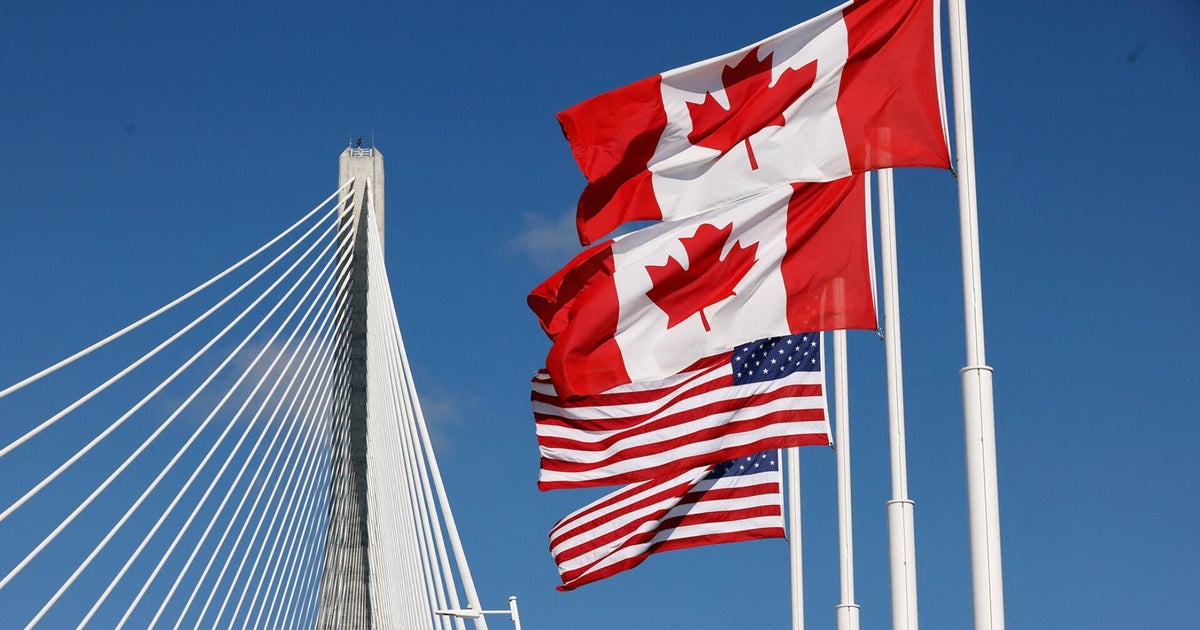
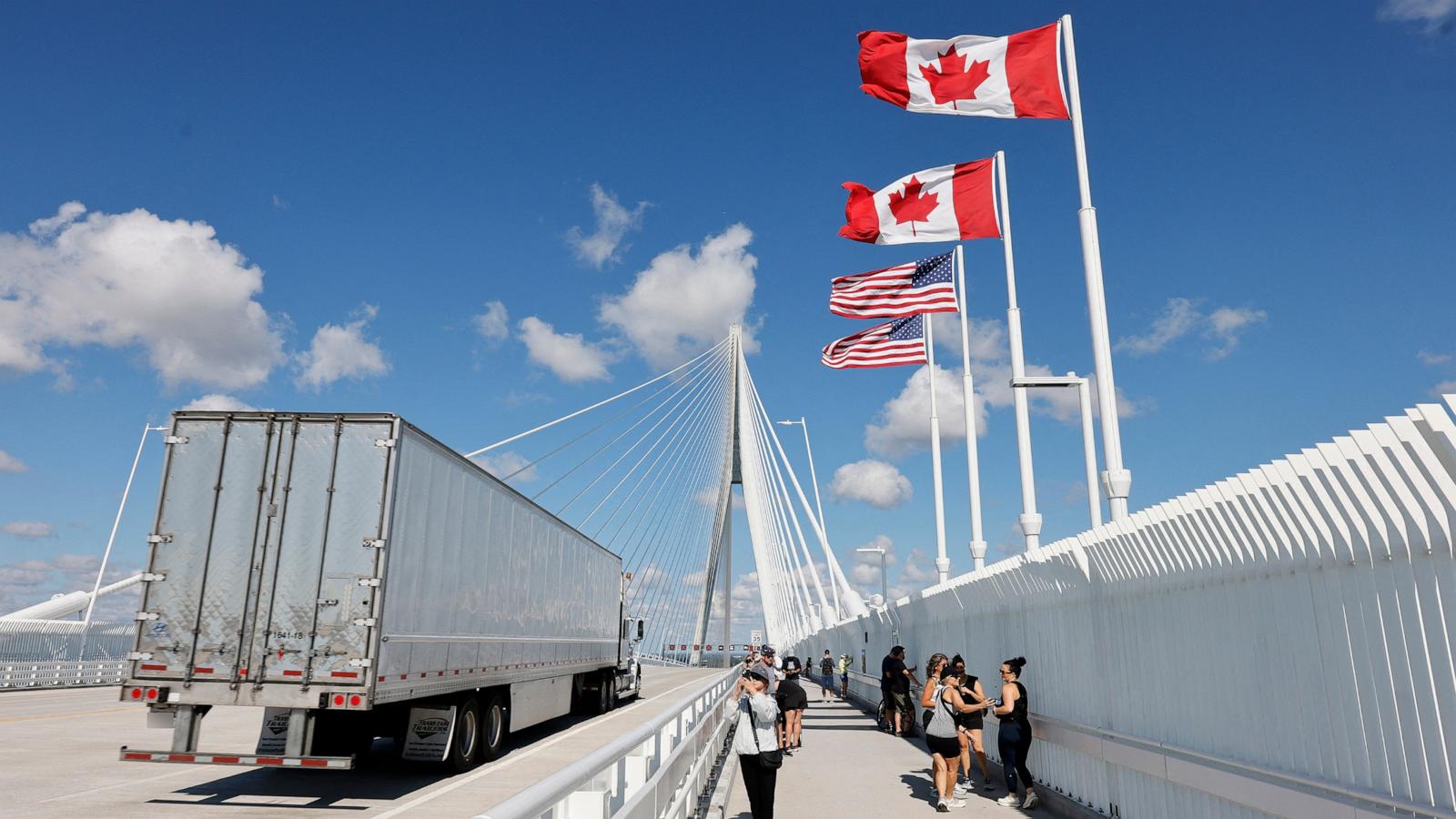
Canada will start new retaliatory tariffs against the United States beginning at midnight from Monday to Tuesday. These tariffs are a response to trade measures by the U.S. and may affect the prices of goods and finances on both sides.
Key Facts
Canada has announced new tariffs on certain U.S. goods.
These tariffs will begin at midnight overnight Monday to Tuesday.
The tariffs are in retaliation to U.S. trade actions against Canada.
Retaliatory tariffs mean Canada is responding by adding taxes on U.S. imports.
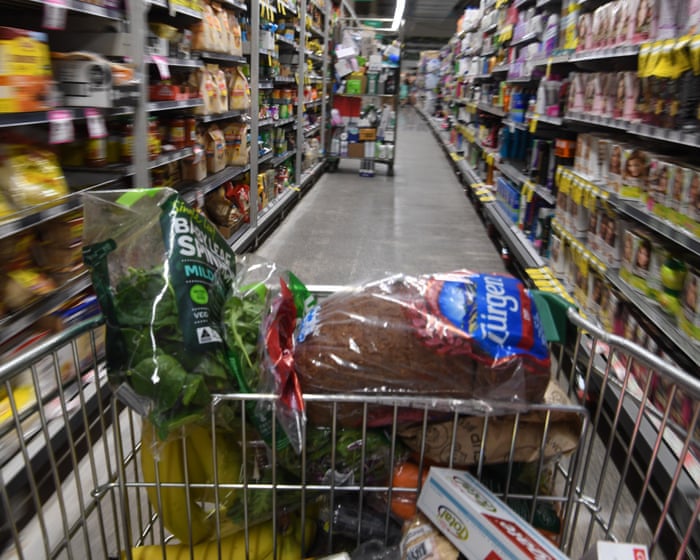
These tariffs could raise prices for some products for consumers and businesses.
The news was covered by CBS News and discussed by a business contributor Javier David.
The tariffs are part of ongoing trade tensions between Canada and the U.S.
Read the Original
Want the full story? Tap a source to open the original
article.
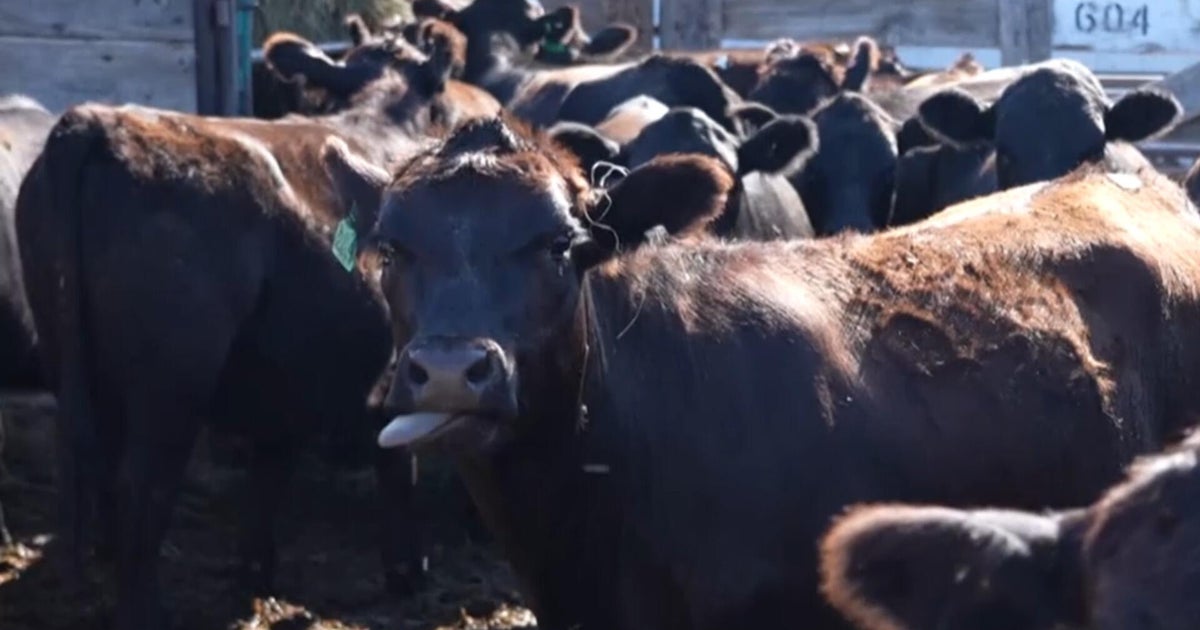
Beef prices in the United States have reached record high levels while the number of cattle is at historic lows. Ranchers face challenges including drought, rising costs, and smaller herds, which all contribute to the higher beef prices.
Key Facts
Beef prices are at their highest ever in the U.S.
The supply of cattle is shrinking to historic low numbers.
Drought conditions are affecting ranchers' ability to raise cattle.
Costs for ranchers, such as feed and other expenses, are increasing.
Smaller cattle herds mean less beef is available for sale.
The situation is putting pressure on both ranchers and consumers.
The article includes a report from CBS News correspondent Ian Lee in Wyoming.
Read the Original
Want the full story? Tap a source to open the original
article.
Canada is planning to start tariffs on some U.S. products at midnight on Tuesday in response to recent U.S. tariffs. These tariffs will affect goods like aluminum foil, raincoats, and cheese, intensifying the trade conflict between the two countries. President Donald Trump has warned he will respond with stronger tariffs if Canada goes ahead with its plans.
Key Facts
Canada will impose tariffs up to 50% on hundreds of U.S. products starting early Tuesday.
The tariffs will target about $20 billion worth of U.S. goods, about 6% of U.S. annual exports to Canada.
This is a response to U.S. tariffs that were introduced after trade talks between the two countries failed last month.
U.S. officials from states near the Canadian border say the tariffs will damage local businesses and consumers.
President Trump threatened to raise tariffs on Canadian cars and auto parts from 25% to 50% starting January.
Canadian Prime Minister Mark Carney said Canada will keep calling Lake Ontario by its current name despite President Trump’s executive order to rename it.
The U.S. exported $175.8 billion worth of goods to Canada in the first half of 2026, making Canada the second largest U.S. export partner.
The trade conflict currently affects a small part of overall trade but could increase if both sides escalate tariffs further.
Read the Original
Want the full story? Tap a source to open the original
article.
Chancellor John Healey gave his first big speech, focusing on improving the economy with more growth, investment, and jobs. However, Jaguar Land Rover announced thousands of job cuts due to tough competition and challenges in making electric vehicles.
Key Facts
John Healey spoke about boosting economic confidence and supporting growth.
His plan includes more investment and creating more jobs.
Jaguar Land Rover will cut thousands of jobs.
The company is struggling with competition from China.
Jaguar Land Rover is behind in producing electric vehicles.
There have been anti-migration protests in Dover and Portsmouth recently.
The speech is part of a campaign called “Make Great Britain Growth Britain Again.”
The news comes from a BBC Newscast episode released on September 7, 2026.
Read the Original
Want the full story? Tap a source to open the original
article.
Next won an appeal that lets it continue paying warehouse workers more per hour than shop floor staff, despite a previous ruling saying this was unfair. The Employment Appeal Tribunal agreed that higher pay for warehouse workers is justified due to difficulties in hiring and keeping these staff.
Key Facts
The Employment Appeal Tribunal overturned part of a 2024 ruling against Next about pay differences.
More than 3,500 current and former workers were expected to share over £30 million in back pay.
Next argued it must pay warehouse workers more to attract and keep employees in those roles.
The tribunal agreed with Next that market conditions justify paying warehouse staff a higher hourly wage.
Leigh Day, the law firm representing shop workers, plans to appeal the decision.
The tribunal did confirm issues with night-time premiums, overtime pay, and rest breaks, which Next may also appeal.
Both tribunals found no direct sex discrimination, though shop workers are mostly women and warehouse workers mostly men.
Similar equal pay disputes are happening at other organizations like Birmingham City Council and Brighton and Hove City Council.
Read the Original
Want the full story? Tap a source to open the original
article.
Your retirement age may have changed this year, affecting when and how much Social Security money you receive. Retiring too early can lower your monthly Social Security payments.
Key Facts
You can choose to retire at any age you want.
Social Security payments depend on your retirement age.
Retiring earlier than the full retirement age reduces your monthly benefits.
Full retirement age varies based on birth year and changes over time.
Waiting to retire past the full retirement age can increase your monthly payment.
Changes in retirement age rules can affect your financial planning for retirement.
Social Security is a government program that pays money to retirees.
Read the Original
Want the full story? Tap a source to open the original
article.
The UK chancellor gave a speech near Jaguar Land Rover's headquarters, confirming 4,000 job losses there. He emphasized maintaining economic confidence and did not clearly say whether tax rises would happen in the upcoming budget, which is due on October 28.
Key Facts
The chancellor spoke at Coventry Manufacturing and Technology Centre near Jaguar Land Rover (JLR).
JLR confirmed 4,000 office job losses, noted as part of global economic challenges.
The chancellor wants to boost confidence among consumers, businesses, and investors.
Borrowing costs are rising globally, which puts pressure on the UK budget.
The chancellor did not clearly confirm or deny tax increases in the October budget.
The prime minister and chancellor aim to promote a positive economic story despite challenges.
Investment in advanced manufacturing and innovation is part of their growth plan.
Public finance institutions like the British Business Bank could help fund growth without relying solely on government borrowing.
Read the Original
Want the full story? Tap a source to open the original
article.
A very strong El Niño weather event, the worst on record, is expected to raise food prices in Australia. This could make groceries more expensive for families and challenge the Reserve Bank’s goal to reduce inflation.
Key Facts
The Bureau of Meteorology predicts El Niño will be hotter and drier than any since 1950.
Dry and hot weather in eastern Australia is expected to affect food production and prices over the next year.
Global food prices are rising due to weather issues and other factors, increasing risks for consumers.
Wheat crop conditions in Australia could be affected, which will be clearer by the end of the year.
Global wheat prices have risen about 33% since July, while prices in Australia increased by 9%.
Rising oil prices (Brent crude over $97 a barrel) push up costs for farmers, including diesel and fertilizers.
Russia and Ukraine’s grain exports are hindered by ongoing conflicts, affecting global grain supply.
Over the past five years, prices for basic food items in Australia have increased around 28-30%, far more than in the previous five years.
Read the Original
Want the full story? Tap a source to open the original
article.
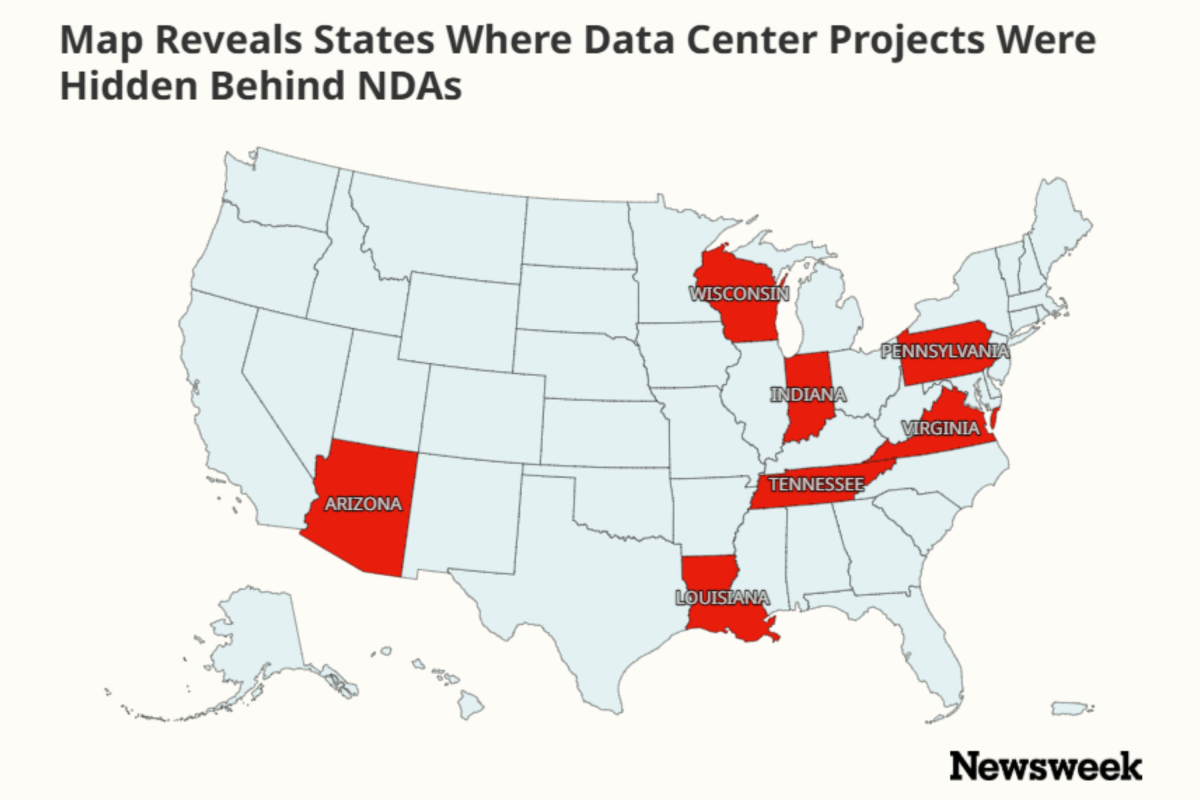
Data center construction is growing fast in the U.S., but many local governments are signing nondisclosure agreements (NDAs) that keep project details secret. This has raised concerns about transparency since these projects affect local energy use, water supplies, and communities.
Key Facts
Many local officials across several states sign NDAs with data center developers, limiting what they can share publicly.
Pennsylvania removed data centers from its fast-track permitting program and banned NDAs for data centers under the governor’s control.
Virginia, the largest data center hub, shows widespread use of NDAs in data center projects.
Arizona’s Amazon data center project led to a Senate inquiry on secrecy in data center negotiations.
Residents in Louisiana and Tennessee have expressed worries about not having enough information during data center planning because of NDAs.
Wisconsin communities have also signed NDAs for billion-dollar data center proposals, limiting public knowledge during early development stages.
Supporters claim NDAs protect sensitive business details, while critics say they block public oversight and transparency.
Read the Original
Want the full story? Tap a source to open the original
article.
Jaguar Land Rover announced it will cut 4,000 jobs worldwide over the next two years to save money and compete better with Chinese electric carmakers. The company plans to invest billions of pounds in electric cars and new technology amid falling sales and costs from U.S. tariffs.
Key Facts
Jaguar Land Rover will reduce its workforce by 4,000 jobs globally, mostly in the UK.
The company aims to save £1.7 billion ($2.3 billion) to improve competitiveness.
It plans to invest £15-18 billion ($20-24 billion) in electric cars and digital tech over five years.
Jaguar Land Rover faces challenges like rising costs, stiff competition from cheaper Chinese electric vehicles, and U.S. tariffs on British-made cars.
The 10% U.S. import tax on British cars rises to 27.5% after 100,000 vehicles annually.
Jaguar Land Rover, owned by India’s Tata Motors, employs about 34,000 people in the UK.
The company’s profits and sales have dropped partly due to a cyberattack that paused production.
The UK government said it will not bail out Jaguar Land Rover despite difficult market conditions.
Read the Original
Want the full story? Tap a source to open the original
article.
CBS Mornings Deals offers special discounts on various products that can make daily life easier. People can visit the website cbsdeals.com to find and buy these items with the discounts.
Key Facts
CBS Mornings Deals features products with exclusive discounts.
These products aim to improve everyday lifestyle.
Discounts are available by visiting cbsdeals.com.
CBS earns commissions when customers buy through their site.
The deals are promoted during CBS Mornings broadcasts.
The discounts are exclusive, meaning they are not widely available elsewhere.
Viewers can access deals on different devices like phones or computers.
Read the Original
Want the full story? Tap a source to open the original
article.
The article is about Lindsay Crouse, a journalist and author, who discusses her new book titled "The Case for Quitting: The Surprising Benefits of Opting Out." She talks about why quitting certain things in life can be helpful.
Key Facts
Lindsay Crouse is a journalist and author.
She wrote a new book called "The Case for Quitting: The Surprising Benefits of Opting Out."
The book explores how quitting can be a positive choice.
The interview took place on "CBS Mornings."
The discussion was available through CBS News and their app.
Read the Original
Want the full story? Tap a source to open the original
article.
A new survey shows that most Americans are worried about the number of food recalls and are less confident that recalls protect public health. Many people avoid buying certain food categories or brands after recalls, especially women, but only a small number refuse to ever buy a recalled brand again.
Key Facts
94% of U.S. adults are concerned about food recalls, up from 93% in 2025.
Confidence in the effectiveness of recalls dropped from 85% to 80%.
A salmonella outbreak linked to Mexican jalapeño peppers caused 431 illnesses across 32 states.
An outbreak of cyclospora linked to iceberg lettuce caused over 11,000 illnesses and two deaths across 20 states.
67% of adults have avoided an entire food category after a recall, up from 60% last year.
66% are hesitant to buy the same product or brand after a recall, up from 59% in 2025.
Allergen contamination caused 45.2% of recalls from 2021 to 2025; bacterial contamination accounted for 22.6%.
Total food recalls rose by 21.4% from 2021 to 2025; high-risk (Class I) recalls increased by 36.4%.
Read the Original
Want the full story? Tap a source to open the original
article.
The cost of new homes in the U.S. has dropped by about 15% compared to four years ago and is now cheaper than existing homes, which is unusual. Housing inventory is improving and almost back to pre-pandemic levels, but the supply is still not enough to meet the country’s needs, especially in high-demand areas.
Key Facts
New homes cost an average of $394,000, while existing homes cost $434,000 as of July 2026.
Normally, new homes are more expensive than existing homes, but now new homes are about 9.3% cheaper.
Builders have lowered new home prices due to slower demand and higher borrowing costs since mid-2022.
Existing home prices have increased by about 15% despite less market demand.
The U.S. has a housing shortage estimated at over 1.5 million units.
Inventory of new homes is about 488,000, equal to 9.6 months of supply, which is high compared to sales rates.
Restrictions on land use and high costs are limiting new housing construction, especially in the Northeast, Midwest, and California.
Housing construction is stronger in the Southern and Mountain West regions.
Read the Original
Want the full story? Tap a source to open the original
article.
Jaguar Land Rover (JLR) is cutting 4,000 jobs due to falling sales, increased competition, and the impact of a cyber-attack that halted production last year. The company is investing in electric vehicles but faces challenges in China and the US, including slower sales, tariffs, and high energy costs.
Key Facts
JLR’s sales in China dropped from 146,000 cars in 2017 to 62,400 in the last financial year.
Chinese carmakers backed by the government are increasing competition with advanced electric vehicles.
JLR was hit by a cyber-attack in September 2025 that stopped production and cost £1.9 billion.
In the US, JLR’s sales fell from over 120,000 cars to under 100,000, affected by tariffs and production issues.
JLR plans to partner with Stellantis to build vehicles in the US to avoid import tariffs.
Energy costs in the UK, among the highest in Europe, raise production expenses for JLR.
European carmakers like Volkswagen are also cutting jobs due to challenges in China.
Competition from Chinese brands is increasing in JLR’s home markets, such as the UK and Europe.
Read the Original
Want the full story? Tap a source to open the original
article.
John Healey, the UK’s new chancellor, said his main goal for the upcoming budget is to boost economic growth while controlling government spending. He emphasized sticking to the government’s plan to balance spending and tax income by 2029-30, and expressed a commitment to supporting jobs and regional economic development.
Key Facts
John Healey became chancellor in July and delivered his first major speech on economic plans.
He aims to support stronger growth across different parts of the UK.
Healey highlighted the need to control public spending to meet fiscal targets by 2029-30.
The UK is still dealing with financial market issues stemming from the 2022 mini budget crisis.
Healey confirmed Labour’s promise not to raise taxes on working people.
He plans to reduce welfare costs by tackling youth unemployment.
A government review on youth unemployment is expected to guide future policies.
The budget will include more powers for regional leaders over taxes and spending.
Read the Original
Want the full story? Tap a source to open the original
article.
The UK retailer Next won an appeal against a court ruling that required it to pay shop workers the same higher basic wages as warehouse staff under equal pay laws. The company argued that warehouse jobs need higher pay due to harder recruitment conditions, while the pay differences for night shifts and overtime remain under dispute.
Key Facts
Next overturned a 2024 court decision that said shop staff must get the same basic pay as warehouse workers.
The case involves more than 6,400 Next employees claiming unequal pay since 2012.
About 78% of shop staff are women, while 53% of warehouse staff are men.
Next said warehouse workers get higher pay to meet market demand and keep staff.
The appeal tribunal rejected Next’s challenge on lower night-time, overtime pay, and unpaid rest breaks for shop workers.
The tribunal also said the issue of lower Sunday pay for shop workers still needs to be decided.
Next warned the equal pay ruling could harm the business and put them at a disadvantage compared to competitors who outsource warehouse work.
The workers’ law firm plans to appeal the decision on basic pay.
Read the Original
Want the full story? Tap a source to open the original
article.