TalkTalk is close to selling its consumer and wholesale broadband businesses to avoid administration and save 900 jobs. The company has deals nearly finalized with Opus Broadband to buy its consumer division and Octopus Investments to buy its wholesale arm, PXC.
Key Facts
TalkTalk is the UK's fourth-largest broadband provider.
It has lost customers, dropping from 4 million in 2019 to about 1.5 million today.
The company faces financial trouble and risks going into administration (a form of bankruptcy protection).
TalkTalk plans to sell its consumer business to Opus Broadband for about £100 million.
Its wholesale operation, PXC, will be sold to Octopus Investments for an undisclosed amount.
Opus Broadband aims to keep all TalkTalk customers connected and protect employees' jobs.
PXC works with the UK Ministry of Defence, but the sale should not disrupt these services.
The sale would require TalkTalk’s owners to write off around £1 billion in debt.
Read the Original
Want the full story? Tap a source to open the original
article.
Canada is looking for new trading partners and foreign investment as its trade with the United States has decreased. Prime Minister Mark Carney aims to build closer ties with the European Union and Asian countries, especially to develop Canada’s energy and minerals industries.
Key Facts
Canada’s exports to the United States fell by about 4 percent in the last year.
At the same time, Canada's exports to other countries increased by 11 percent.
Prime Minister Mark Carney is focusing on trade relationships with Europe and Asia.
Canada wants to attract more foreign investment, especially in energy and critical minerals.
Recent tensions have strained US-Canada trade, but some recovery is possible.
Canada offers investment opportunities outside the US dollar, appealing amid US market volatility.
Trade relations between the US and Canada may remain changed even after President Trump.
Read the Original
Want the full story? Tap a source to open the original
article.
The FDA has classified a recall of frozen pasta sold at Walmart as its most serious type due to possible contamination with Listeria bacteria. The pasta, made by Gias Foods, was pulled from stores after routine tests found the risk, and no illnesses have been reported so far.
Key Facts
Frozen pasta called Authentic Italian Lemon Alfredo Fettuccine sold at Walmart is being recalled nationwide.
The recall started on September 15 following tests by Washington and Florida agriculture departments.
The FDA labeled the recall as Class I, meaning there is a strong chance the product could cause serious illness or death.
The contamination risk is from Listeria monocytogenes, a bacteria that can cause dangerous infections.
People most vulnerable to Listeria include young children, older adults, and those with weak immune systems.
Symptoms of Listeria infection include fever, headache, stiffness, nausea, stomach pain, and diarrhea.
The producer, Gias Foods, has stopped selling the affected pasta while the source of contamination is being investigated.
No cases of illness linked to the pasta had been reported when the recall was announced.
Read the Original
Want the full story? Tap a source to open the original
article.
Nigerian billionaire Aliko Dangote, Ethiopia, and Djibouti agreed to build a $660 million fuel pipeline and storage project linking the two countries. The pipeline will be 120 km long and aims to reduce fuel transport time from Djibouti’s port to Addis Ababa from five days to one.
Key Facts
The project involves a 120 km pipeline from Djibouti’s Damerjog port to Dewele, Ethiopia.
The storage facility will hold about 400 million liters of petroleum products.
The pipeline will transport jet fuel, diesel, and petrol in its first phase.
Ethiopia depends on Djibouti’s port for most of its imports since it has no coastline.
The project will lower transport time, helping industries like transport, aviation, agriculture, and construction.
Djibouti will gain from more port activity, job creation, and increased government income.
Aliko Dangote is expanding his business in Africa with this and other projects, including oil refineries and cement plants.
Dangote’s refinery in Nigeria processes 700,000 barrels a day, with plans to increase to 1.4 million barrels a day.
Read the Original
Want the full story? Tap a source to open the original
article.
This summer's extreme heat caused dairy farmers in England and Wales to produce 240 million litres less milk than expected. The hot weather harmed grass growth and stressed cows, making farmers feed their cattle winter food earlier, which added costs and reduced milk output.
Key Facts
Dairy farmers delivered milk for four fewer days than usual between May and August.
The lost milk production is worth over £83 million, enough to fill more than one billion school milk cartons.
The UK experienced its hottest summer on record in 2026 with five strong heatwaves and droughts.
Some farmers had built up extra milk earlier in the year, which helped keep total milk production near record levels for 2026.
Milk production benefits from larger farms with better machines, even if herd size drops.
Heat stress makes cows produce less milk, and milk cannot be stored for long, making losses hard to fix.
Farmers are using winter feed earlier due to poor grass growth, which increases their costs.
Experts say farmers need more shade, trees, and water to protect their animals from future extreme heat.
Read the Original
Want the full story? Tap a source to open the original
article.
Northern Ireland's economy grew by 2.3% in the year to June, faster than the rest of the UK. While manufacturing and services sectors grew, rising energy and food costs pose challenges for many businesses.
Key Facts
Northern Ireland's economic output increased by 2.3% in the year to June.
Economic growth in Northern Ireland surpassed that of the UK as a whole.
Ireland's GDP rose by 10.2% in the same quarter, but its domestic demand fell by 0.8%.
Growth in Northern Ireland was led by the manufacturing (production) sector.
BLK BOX, a gym equipment company from Newtownabbey, expanded internationally and benefited from the Windsor Framework agreement easing trade with Europe.
The services sector, the largest part of Northern Ireland’s economy, also grew over the past year.
Rising energy and food costs, including higher petrol prices, are increasing pressure on businesses.
Pastry chef Daniel Duckett partnered with a bakery chain to manage rising ingredient costs and highlighted concerns over fuel prices affecting delivery expenses.
Read the Original
Want the full story? Tap a source to open the original
article.
A major conflict has arisen between Tata Sons, the main holding company of the Tata Group, and Tata Trusts, its biggest shareholder. The fight centers on extending Tata Sons’ Chairman N Chandrasekaran’s term and the plan to make Tata Sons a publicly listed company. This dispute affects India’s large business group that controls many companies worth $277 billion.
Key Facts
Tata Group is one of India’s largest conglomerates with businesses in IT, cars, steel, power, and more.
It has 26 listed companies with a total market value of $277 billion, operating in over 100 countries.
Tata Sons is the holding company managing the group, while Tata Trusts, a family-linked charity, owns 66% of Tata Sons.
N Chandrasekaran was reappointed chairman of Tata Sons, beating Tata Trusts’ candidate Noel Tata by a 4-to-1 vote.
Noel Tata, half-brother of late chairman Ratan Tata, leads Tata Trusts and is Tata Sons’ only family-linked top executive.
The conflict grew after Ratan Tata’s death in 2024; he was chairman of both Tata Sons and Tata Trusts, linking the two.
Tata Sons wants to list publicly and extend Chandrasekaran’s term, but Tata Trusts opposes both moves.
Tata Group’s history goes back over 150 years, starting from trading and growing into global industries.
Read the Original
Want the full story? Tap a source to open the original
article.
A family booked a fake luxury London apartment through Booking.com, only to find the address was actually a Wetherspoon pub. Scammers hijacked real property listings to trick tourists, causing many to be turned away or lose money.
Key Facts
Paul Dawson booked a £73 stay at "The London Crown apartments" for a West End theatre visit.
The listed address was actually The Liberty Bounds, a Wetherspoon pub near Tower Bridge.
Up to 20 tourists a day have been turned away by Wetherspoon staff due to fake bookings.
Scammers also used the address of Portcullis House, part of the UK Parliament estate, for fake listings.
Booking.com said criminals used a "phishing attack" to hijack legitimate property listings.
Dawson received a fake Booking.com email asking for bank details after booking.
Booking.com told Dawson he had to go to the fake property before they would help find a real place.
The fake listing had many negative reviews but stayed live until Booking.com blocked bookings.
Wetherspoon reported the scam to Booking.com and urged permanent removal of the fraudulent listings.
Read the Original
Want the full story? Tap a source to open the original
article.
Oil prices rose sharply after Yemen’s Houthi rebels said they attacked Saudi Arabia’s Aramco energy facilities. The threats to supply came amid ongoing tensions in the Middle East, including the US-Iran conflict, raising concerns about oil availability.
Key Facts
Brent crude oil prices jumped over 3% after attacks by Yemen’s Houthis.
The attacks targeted Aramco facilities in Saudi Arabia, including in Yanbu and Riyadh.
Saudi forces intercepted six ballistic missiles fired by the Houthis.
Saudi authorities have not confirmed any damage or casualties.
Aramco supplies about 10% of the world’s oil demand.
Oil prices stayed above $100 per barrel due to continued Middle East tensions.
Diplomatic talks between the US and Iran are ongoing but no peace deal has been reached yet.
Analysts say oil markets remain at risk until the conflict de-escalates clearly.
Read the Original
Want the full story? Tap a source to open the original
article.
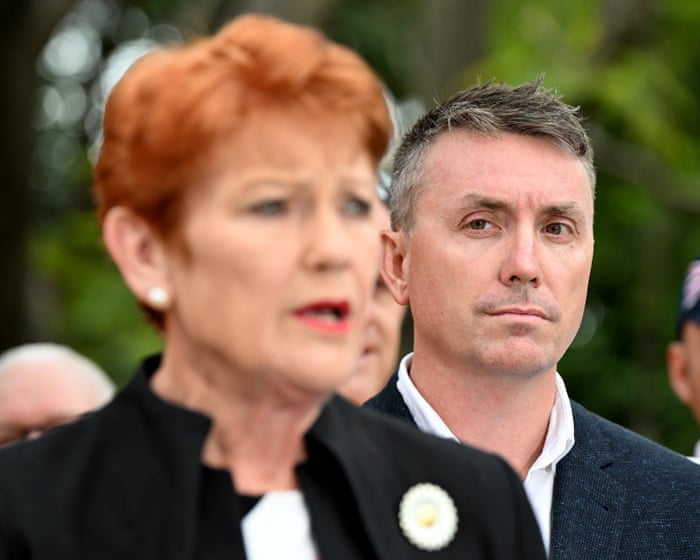
One Nation has admitted using party money to build a $56,000 shed on party executive member James Ashby’s private property. The shed is part of a planned micro distillery business run by a company linked to One Nation, which aims to start production in 2027 after securing the needed licenses.
Key Facts
One Nation used party funds to build a $56,000 shed on James Ashby’s private land.
The shed is intended for a micro distillery operated by Small Batch Brewing Pty Ltd, linked to One Nation.
Small Batch Brewing is currently not making money and does not yet have the required licenses to produce or sell alcohol.
The party’s national executive approved funding Small Batch Brewing as a business investment.
Small Batch Brewing is privately owned by Ashby, Pauline Hanson, and the former party treasurer Alex Jones.
Party documents project alcohol sales revenue between $400,000 and $500,000 annually once the business starts.
The distillery plans to begin production in 2027 after obtaining liquor licenses and meeting tax requirements.
Until now, the party has used a separate company, CAVU, to brew its alcohol products.
Read the Original
Want the full story? Tap a source to open the original
article.
Palm Beach County in Florida voted to stop accepting applications for large data centers for up to one year. This decision comes as local residents worry about the environmental impact and higher utility costs, while President Donald Trump supports expanding data centers to create jobs.
Key Facts
Palm Beach County commissioners voted 6-0 to pause new large-scale data center applications for up to one year.
The pause applies to data centers using at least 50 megawatts of electricity.
The moratorium does not cancel previously approved projects like Project Tango.
Residents expressed concerns about water use, power bills, noise, and environmental effects.
President Donald Trump criticized similar moratoriums, calling data centers vital for future jobs.
A Pew Research Center survey showed growing public concerns about data centers’ environmental impact and effects on local communities.
Several other Florida counties have also placed limits or pauses on large data center developments.
The county is considering hiring an outside expert to help create new rules for data centers but has not yet approved any spending.
Read the Original
Want the full story? Tap a source to open the original
article.
The UK’s trade gap in food and drink has reached over £21 billion, the largest since 2000. Exports have fallen due to Brexit, conflicts in the Middle East, and US tariffs, while imports have increased, partly because of eased trade rules and tariff suspensions.
Key Facts
The UK’s food and drink trade deficit rose above £21 billion.
Export volumes dropped by nearly 12% in the first half of 2026.
Exports to the EU fell by 0.9% in value; exports outside the EU fell by 6.9%.
Exports to the UAE dropped almost 25% due to the US-Israel war on Iran.
A 10% US import tariff reduced UK food sales in the US by 16.5%.
Food and drink imports hit 19.1 billion kg, the second highest ever.
Imports from countries outside the EU increased by more than 20%, especially from Australia.
Suspension of UK tariffs on some imported foods, like chocolate and biscuits, increased imports.
Industry leaders warn this situation poses risks to UK food security and call for government support.
Read the Original
Want the full story? Tap a source to open the original
article.
The article talks about how people decide when and how to ask friends to pay back small amounts of money they owe. It shares different opinions from young people in New York and compares cultural habits between the US and the UK, also mentioning how apps like Venmo help with money reminders.
Key Facts
Some people feel comfortable asking friends to repay as little as $5, while others prefer to only ask for amounts over $10 or $20.
A recent study found 76% of Gen Z who lent money for group expenses were not fully repaid, and 55% said this caused tension in relationships.
In the US, apps like Venmo make it easy to send money and remind friends to pay back small debts.
UK students find asking for money back more awkward partly because digital payment apps are less common.
Opinions vary: some find it easy to ask for money back, while others feel awkward or avoid asking altogether.
Experts suggest being polite but clear when requesting money and that if someone gets upset for asking, they might not be a good friend.
Young people use different personal rules about when and how often to remind friends about money owed.
Cultural differences influence how people handle money and friendships between Britain and America.
Read the Original
Want the full story? Tap a source to open the original
article.
Diesel fuel prices have risen quickly, causing challenges for many businesses and likely increasing costs for consumers. President Trump faces pressure from some Republican lawmakers to stop exporting diesel to help lower prices before the November midterm elections.
Key Facts
Diesel fuel prices have increased rapidly.
Higher diesel costs are affecting many parts of the economy.
Businesses are struggling with the rising fuel expenses.
There is concern the price rise will lead to higher costs for consumers.
Some Republican lawmakers want President Trump to ban diesel exports.
The export ban aim is to reduce diesel prices in the U.S.
The issue is gaining attention ahead of the midterm elections in November.
Read the Original
Want the full story? Tap a source to open the original
article.
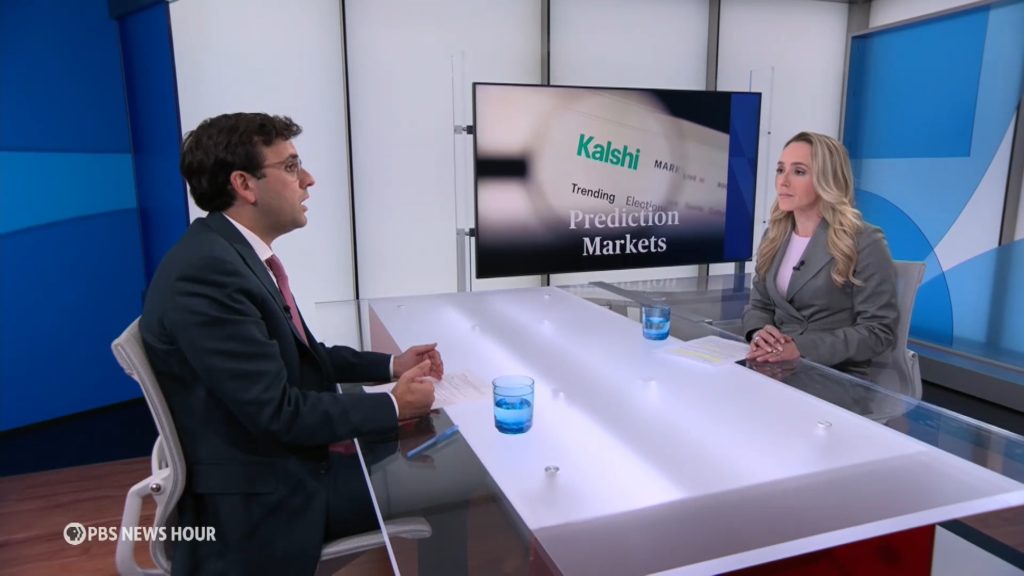
Prediction markets are growing in popularity, allowing people to trade contracts based on real-world events, like election results. Kalshi’s CEO, Tarek Mansour, supports stronger rules to keep these markets safe and fair as more attention comes from Washington and state governments.
Key Facts
Prediction markets let people bet on the outcomes of events such as elections.
Companies like Kalshi and Polymarket operate these markets.
These markets are expanding, drawing interest from regulators in Washington and states.
Kalshi CEO Tarek Mansour says more regulation is needed to protect users.
The focus is on creating "guardrails," or safety rules, for trading in these markets.
Discussions about regulation are increasing with the markets’ growth.
Read the Original
Want the full story? Tap a source to open the original
article.
Manchester United borrowed an additional £90 million after June 30, 2024, pushing their total debt to £1.15 billion. The club spent £191.7 million on new players this summer but still carries large outstanding transfer fees and historic debts despite some cost-cutting efforts.
Key Facts
Manchester United borrowed another £90 million since June 30, 2024.
Total club debt now stands at around £1.15 billion.
The club spent £191.7 million on new players this summer.
New player signings include Andrey Santos, Youri Tielemans, and Carlos Baleba.
Total outstanding debt includes £578 million in historic debt, £200 million in credit facility debt, and £375 million in unpaid transfer fees.
Outstanding transfer fees are scheduled to be paid within the next five years.
The club has repaid £30 million of its debt since July.
Some transfer fees due between 1 and 5 years still total over £156 million.
Read the Original
Want the full story? Tap a source to open the original
article.
Oil prices are rising because of the conflict involving Iran. Diesel costs $6.53 per gallon on average, while regular gas costs $4.48. A diesel export ban is being discussed as a possible way to lower fuel prices.
Key Facts
Oil prices are increasing due to the war involving Iran.
The current average price for regular gasoline is $4.48 per gallon.
The average price for diesel fuel is $6.53 per gallon.
There is a discussion about banning diesel exports to reduce fuel prices in the U.S.
Yahoo Finance reporter Brooke DiPalma provided information about the potential impact of this export ban.
The effectiveness of a diesel export ban in lowering fuel prices is still uncertain.
Read the Original
Want the full story? Tap a source to open the original
article.
Mortgage rates in the U.S. have gone above 7 percent again, making it harder for many people to afford homes. This has created a situation where buyers who can get a mortgage have more power to negotiate, but the overall number of buyers is smaller because many cannot afford the higher costs.
Key Facts
Mortgage rates rose above 7 percent, increasing the cost of borrowing money to buy homes.
Higher rates have reduced how much most households can borrow comfortably.
There are fewer buyers competing for homes, which gives those buyers more power to negotiate prices and terms.
Despite fewer buyers, home prices have not dropped much because many sellers have low-rate mortgages and can wait to sell.
In August, there were about 58 percent more sellers than buyers, a record gap since 2013.
Buyers may get sellers to pay some costs or accept lower offers, but high mortgage rates still make monthly payments expensive.
The housing market shows a paradox: it is easier to negotiate as a buyer, but harder for many people to afford becoming buyers.
If mortgage rates stay high, demand may weaken further, possibly leading to bigger price cuts later on.
Read the Original
Want the full story? Tap a source to open the original
article.
Many young Australians, especially Gen Z and millennials, are cutting back on spending to buy homes, making more financial sacrifices than peers in Canada, the US, and the UK. Meanwhile, Australian opposition figures question the timing of Prime Minister Albanese’s announcement about an AI-related Medicare hack involving OpenAI.
Key Facts
Over 75% of Australians are reducing their spending to afford property, higher than similar figures in Canada, the US, and the UK.
Young adults have cut back on expenses like eating out, owning cars, and moving out of family homes.
Millennials, the largest group of home buyers globally, are also sacrificing small luxuries to buy bigger homes.
Some buyers are selling second cars or delaying holidays to save money for housing.
Many Australians would wait to buy homes until mortgage interest rates average 4.9%, while current rates are around 6.3%.
Opposition spokesperson James Paterson suggested the Prime Minister’s announcement about the AI hack of Medicare was timed to coincide with the UN summit.
The breached data was publicly available health system information and did not include private personal details.
Paterson said the breach was not very serious but Australians deserve clear explanations and confidence in deals with big tech companies.
Read the Original
Want the full story? Tap a source to open the original
article.
The average interest rate for a 30-year fixed mortgage has risen to 7.03 percent this week, up from 6.95 percent last week. This increase shows a continuing rise in the cost of home loans for buyers.
Key Facts
The benchmark mortgage rate is now 7.03 percent for a 30-year fixed loan.
Last week, the rate was 6.95 percent.
The data comes from Freddie Mac, a company that tracks mortgage rates.
The increase means homebuyers will pay more in interest over the life of their loan.
Mortgage rates rising often affect the housing market and sales.
A 7 percent rate is higher than rates seen in recent years.
Higher mortgage costs can make it harder for people to afford new homes.
This change reflects broader trends in the economy and interest rates.
Read the Original
Want the full story? Tap a source to open the original
article.