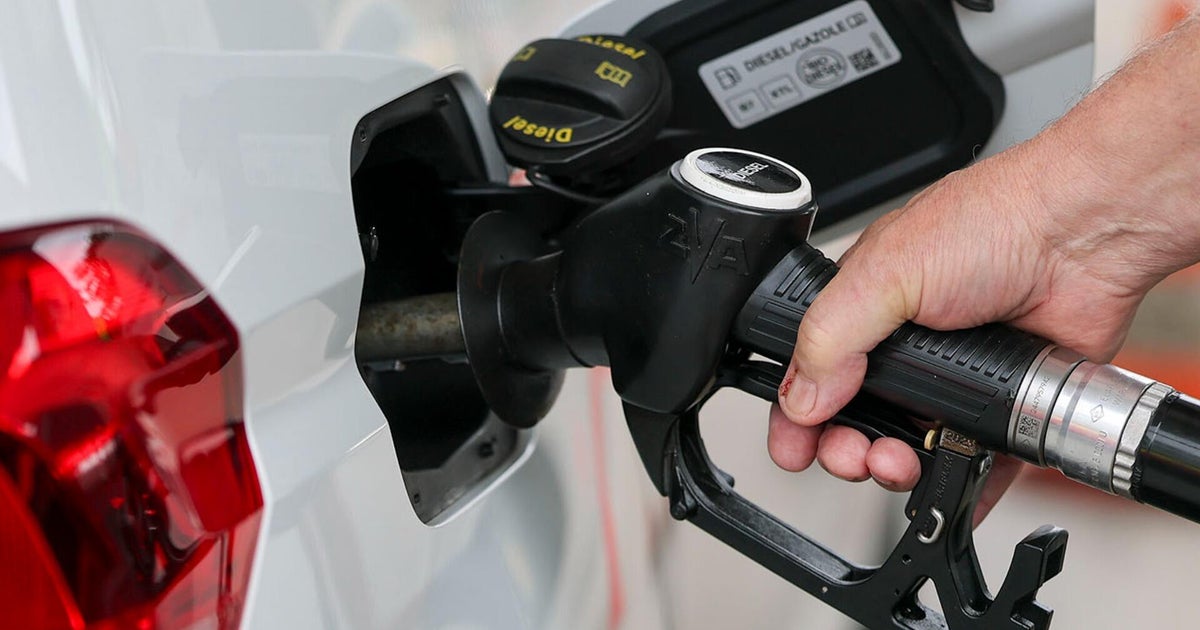
A new survey shows that about one-third of people in the UK think they lost money last year because they are not good at math. The government has asked a House of Lords committee to investigate this problem. The price of petrol is the highest in almost four years, and experts explain why and how to reduce costs. The programme also marks 50 years since the first index fund was created and discusses unclaimed government-backed Child Trust Funds.
Key Facts
Nearly one in three UK people believe poor math skills cost them money in 2025.
The estimated total cost of innumeracy (lack of math skills) to the UK economy is £25 billion a year.
The government has tasked a House of Lords committee, chaired by Lord Agnew, to look into this issue.
Petrol prices in the UK have reached 160p per litre for the first time since autumn 2022.
The 50th anniversary of the first index fund, started by John Bogle of The Vanguard Group, was noted.
Over £1.5 billion in Child Trust Funds remains unclaimed and will be reviewed by the Financial Conduct Authority.
The programme is presented by Paul Lewis and first aired on 5th September 2026.
Read the Original
Want the full story? Tap a source to open the original
article.
Marks & Spencer (M&S) has introduced a £28 bodysuit with hip padding to create an hourglass shape. This new shapewear aims to add curves instead of reducing size, reflecting a trend influenced by celebrities and fashion shows.
Key Facts
The M&S bodysuit includes pockets for pads that enhance hip size.
It costs £28 and is designed to create or suggest an hourglass figure.
This product follows earlier M&S shapewear like padded shorts and stick-on nipples.
Kim Kardashian’s brand, Skims, launched similar hip-padded shorts last year.
The trend responds to increased attention on body shape and image in society.
Designers have used padding on recent fashion runways to reshape silhouettes.
Some experts say this kind of shapewear allows people to change their body shape temporarily.
The use of padded shapewear continues a long history of people altering their body appearance with clothing.
Read the Original
Want the full story? Tap a source to open the original
article.
Many people who are turned down for Personal Independence Payment (PIP) benefits are winning when they appeal at independent tribunals. A consumer group also found that fake holiday rentals can appear on Booking.com, raising concerns about how well the site checks listings.
Key Facts
Thousands of people are challenging denied Personal Independence Payment (PIP) decisions.
Most of these appeals at tribunals are successful.
There are problems with the accuracy of initial PIP assessments.
A consumer group called Which? tested Booking.com by creating a fake rental at 10 Downing Street.
This test showed that fraudulent holiday listings can sometimes pass through Booking.com’s checks.
The program also discusses openly talking about debt and sharing personal finance stories.
Listeners are invited to share their experiences by emailing the show.
Read the Original
Want the full story? Tap a source to open the original
article.
Moto Guzzi, an Italian motorcycle maker, reopened its renovated factory and museum by Lake Como to celebrate its 105th anniversary. The upgraded space is larger and includes new technology to help build motorcycles, though many parts of the process remain handmade.
Key Facts
Moto Guzzi’s historic factory and museum near Lake Como were renovated and expanded by 5,500 square meters.
The renovations took five years and cost more than 50 million euros (about $58 million).
The factory now has automated systems to move parts and robots to handle finished motorcycles during final testing.
Despite automation, the company still hand-assembles its motorcycles, which feature distinctive two-cylinder engines.
The factory expansion could allow production of up to 30,000 motorcycles annually, potentially doubling past capacity.
Moto Guzzi has been owned by the Piaggio Group since 2004, the same company that makes Vespa scooters.
Thousands of Moto Guzzi fans attended the reopening event and an annual ride around the lake.
The renovation aims to make the facility welcoming to both motorcycle fans and curious visitors.
Read the Original
Want the full story? Tap a source to open the original
article.
Fitch Ratings has removed Qatar from its "Rating Watch Negative" but kept Qatar’s credit rating at AA. This change happened because the risks to Qatar’s liquefied natural gas (LNG) facilities have lessened recently, despite ongoing challenges from a nearby war and a blockade.
Key Facts
Fitch Ratings had placed Qatar on a "Rating Watch Negative" but recently removed it from this watch.
Qatar’s sovereign credit rating remains at AA, a high rating.
The change reflects reduced risks to Qatar’s LNG sites since March.
There is still a negative outlook because risks remain due to blockades at the Strait of Hormuz.
The US-Israel war on Iran and the Strait of Hormuz blockade affect Qatar’s gas exports.
Qatar is one of the largest exporters of liquefied natural gas in the world.
Earlier this year, other credit rating agencies, S&P and Moody’s, confirmed Qatar’s good credit rating.
Qatar has a strong financial position, which helps protect it from economic problems caused by the war.
Read the Original
Want the full story? Tap a source to open the original
article.
Norway's sovereign wealth fund plans to reduce its holdings of U.S. Treasury bonds by about $80 billion as part of a broader change in its investments. Several other countries, including China, Brazil, India, and Japan, have also decreased their U.S. Treasury holdings over the past year, while others like Belgium and the U.K. have increased theirs.
Key Facts
Norway’s Government Pension Fund Global wants to lower its U.S. Treasury bond holdings from 34.1% to 21.9% of its bond portfolio.
The proposed reduction by Norway equals about $80 billion from its $215 billion U.S. Treasury holdings at the end of June.
Norges Bank said it will balance this by buying other U.S. bonds, so total U.S. investments will not drop as much.
China decreased its U.S. Treasury holdings by $98 billion in one year, from $731.4 billion to $633.4 billion.
China’s Treasury holdings have fallen by over half since their peak of about $1.3 trillion in 2011.
Brazil reduced its holdings by $47 billion, India by $41 billion, and Japan by $38.1 billion over the past year.
Despite reductions, Japan remains the largest foreign holder of U.S. Treasuries with about $1.12 trillion.
Total foreign holdings of U.S. Treasuries actually rose by about 2.3% from June 2025 to June 2026, as some countries increased their holdings.
Read the Original
Want the full story? Tap a source to open the original
article.
This week, Wall Street will focus on two important inflation reports from the U.S. government: the Producer Price Index (PPI) on Thursday and the Consumer Price Index (CPI) on Friday. These reports will help investors and the Federal Reserve understand how much prices are rising and guide decisions on interest rates.
Key Facts
The Producer Price Index (PPI) measures price changes for goods at the wholesale level before reaching consumers.
The Consumer Price Index (CPI) tracks price changes for everyday items like groceries, furniture, clothing, and services such as travel and dining.
Inflation in the U.S. remains above 3%, which affects both households and businesses.
Inflation is growing faster than wages, putting financial pressure on families.
Rising energy prices are linked to the ongoing U.S. war with Iran, which has disrupted oil shipping through the Strait of Hormuz.
About 20% of the world's oil supply passes through the Strait of Hormuz before the conflict.
Tariffs between the U.S. and other countries may also increase prices.
The Federal Reserve has kept interest rates steady but is expected to raise them at least once this year to bring inflation down to 2%.
Read the Original
Want the full story? Tap a source to open the original
article.
A charity called the Greenaway Foundation is holding a music event at Crawley Rugby Club to raise money to help families pay for Christmas dinners. The charity provides ingredients for a two-course Christmas meal and also delivers Christmas presents to children from low-income families.
Key Facts
The Greenaway Foundation helps families in Kent, Sussex, and Surrey with Christmas dinner ingredients.
The charity’s music event, Greenaway Live, is held at Crawley Rugby Club and ticket sales support its work.
This year, the charity aims to raise about £200,000.
The event features musical acts who perform for free to help raise funds.
The charity expects to support over 1,000 families in 2026.
Children from low-income families can make a wish for a Christmas present, which the charity delivers on Christmas Eve.
The first Greenaway Live event was held in 2025, and the second year will be streamed on social media.
The charity founder started planning the event even while on his honeymoon.
Read the Original
Want the full story? Tap a source to open the original
article.
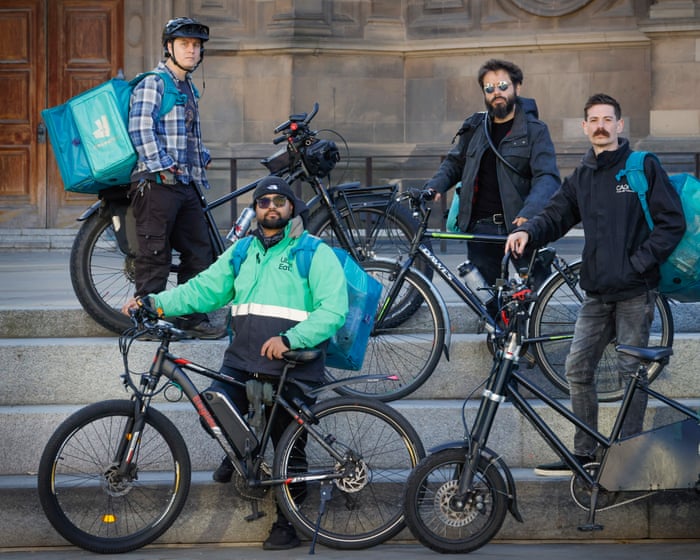
Food delivery riders in Edinburgh say their pay and work conditions have gotten worse as companies like Deliveroo, Uber Eats, and Just Eat use more AI to decide jobs and pay. A group called the Workers’ Observatory is trying to understand how these computer systems set pay and help riders challenge poor conditions.
Key Facts
Delivery riders report making less money now than four years ago for the same hours.
In the UK and Ireland, major delivery platforms have increased their use of automated systems and AI algorithms.
The Workers’ Observatory, run by riders and university researchers, studies how these algorithms affect pay and job offers.
Dynamic pricing algorithms adjust pay based on supply and demand but cause uncertainty for riders.
A 2023 study found Uber drivers earned significantly less an hour after the introduction of dynamic pricing.
Drivers in several countries have filed a large lawsuit against Uber, claiming the AI system unfairly lowers pay and violates data laws.
Uber says it does not change pay based on individual driver behavior and points to other reasons for pay differences.
The Workers’ Observatory wants delivery platforms to be more open about how their AI systems work, as many details are hidden from riders.
Read the Original
Want the full story? Tap a source to open the original
article.
Reform UK plans to raise the tax-free personal allowance to £15,000 if they win the next UK general election. This change would reduce taxes for millions but cost billions, which Reform UK says they will cover by cutting public spending.
Key Facts
Reform UK wants to increase the tax-free personal allowance from £12,570 to £15,000.
This would save most taxpayers about £500 a year.
About 2.9 million people would stop paying income tax altogether.
The policy would cost £17.7 billion in the first year and £21 billion by year five.
Reform proposes to fund the tax cut through £80 billion in public spending cuts.
Planned cuts include £50 billion in welfare spending, excluding the state pension.
Other proposed cuts include scrapping some climate programs, reducing civil servant numbers, and capping foreign aid.
Reform UK's long-term goal is to raise the tax-free allowance to £20,000.
Read the Original
Want the full story? Tap a source to open the original
article.
Reform UK is facing questions about possible illegal foreign funding after undercover footage showed a senior aide discussing ways to bypass donation laws. Leader Nigel Farage suspended two top officials amid an ongoing police investigation, while Chancellor John Healey warned of a tough upcoming budget due to economic uncertainty.
Key Facts
Reform UK's annual conference was disrupted by reports of potential illegal foreign funding.
Channel 4 aired undercover footage showing a senior aide suggesting methods to secure a foreign donation of £500,000.
Nigel Farage suspended two senior aides, Dan Jukes and James Orr, during a widening police investigation.
All three — Farage, Jukes, and Orr — deny any wrongdoing.
The Metropolitan Police are assessing whether political funding laws were broken and a full inquiry is likely.
Farage admitted the party needs to be more professional and avoid "loose pub talk."
Chancellor John Healey said the UK faces a "tough first Budget" to create a financial buffer amid economic risks.
The economic environment was described as "dangerous," affecting the UK and allied countries financially.
Read the Original
Want the full story? Tap a source to open the original
article.
European countries like the Netherlands, France, and Germany have moved some of their gold reserves out of North America and back to Europe. They are doing this to keep their gold in places where it can be used quickly during crises and to respond to current global uncertainties like geopolitical tensions.
Key Facts
The Netherlands moved 86 tonnes of gold from the US and Canada to London this year.
France removed its gold reserves from the US earlier this year and brought them home.
Germany moved more than 216 tonnes of gold from New York and Paris back to Germany by 2016.
Central banks store gold closer to home to prepare for crises and geopolitical unrest.
London’s Bank of England is a major safe place for gold, holding about 400,000 bars worth over £200 billion.
Gold reserves are often moved by selling the metal in one location and buying it in another to avoid physical transportation risks.
Inflation, interest rates, and the need for quick trading access also influence where countries keep their gold.
Central banks are increasingly thinking carefully about how and where to hold their gold reserves for safety and efficiency.
Read the Original
Want the full story? Tap a source to open the original
article.
Flight prices have increased because wars, especially the conflict involving the US, Israel, and Iran, have raised oil and jet fuel costs. Virgin Atlantic added extra charges to tickets due to higher fuel prices, and the airline industry is adjusting schedules and fares in response.
Key Facts
Richard Branson, founder of Virgin Group, said flight price rises are due to "foolish leaders" starting wars.
The US-Israel conflict with Iran has disrupted oil production and transport, raising fuel prices worldwide.
Virgin Atlantic added a fuel surcharge in May: £50 for economy, £180 for premium, and £360 for business class tickets.
Jet fuel prices spiked from around $800 a tonne to over $1,800 in April, later falling to about $1,450.
Virgin Atlantic’s CEO said fuel surcharges are necessary and the airline plans to operate about 95% of its usual winter schedule.
Other airlines have cut flights and raised prices because of higher fuel costs.
The Iran conflict ended a nuclear agreement negotiated during President Obama’s term, which had helped keep oil prices lower.
Virgin Atlantic won the contract to fly the British Olympic teams to Los Angeles in 2028, taking it from British Airways.
Read the Original
Want the full story? Tap a source to open the original
article.
Emmitt Smith, former Dallas Cowboys running back, is being sued by a Native American investment company called Kituwah LLC. They claim Smith and his business partners misused a $2.5 million loan meant to fund a Texas wind farm project and did not meet the project’s promises.
Key Facts
Kituwah LLC loaned $2.5 million to a company linked to Emmitt Smith for a wind farm project called Project Exodus in Texas.
The lawsuit claims the loan money was used to pay back another investor, not for the wind farm.
Smith and his partner David Mosley are accused of misrepresenting efforts to get a U.S. Department of Energy loan.
Kituwah says the loan has accumulated about $600,000 in interest.
The wind farm project was supposed to start operating by December 2024, but there was little evidence of progress.
Kituwah expected repayment within months after giving the funds on September 1, 2023.
The lawsuit alleges Smith and his partners failed to meet government funding requirements and stopped responding to requests.
Emmitt Smith is a well-known football player who spent most of his career with the Dallas Cowboys and holds the NFL rushing record.
Read the Original
Want the full story? Tap a source to open the original
article.
Millions of Americans traveling for Labor Day will pay more for gas and plane tickets. These price increases are linked to disruptions caused by the conflict involving Iran and other global issues.
Key Facts
Many Americans are traveling during the Labor Day weekend.
Gas prices are higher than usual during this time.
Airfare, or the cost of plane tickets, has also increased.
The price rises are connected to conflicts involving Iran.
Other global conflicts are also contributing to the disruptions.
Disruptions affect how fuel and flights are priced and available.
This information comes from CBS News and their transportation correspondent.
Read the Original
Want the full story? Tap a source to open the original
article.
U.S. employers added 162,000 jobs in August, which is more than twice what experts expected. This strong job growth could influence future interest rate decisions by the Federal Reserve.
Key Facts
In August, the U.S. job market grew by 162,000 jobs.
Economists had predicted fewer than half that number of new jobs.
The report shows stronger-than-expected employment growth.
Job growth numbers can affect how the Federal Reserve sets interest rates.
Interest rates influence borrowing costs for businesses and consumers.
The news was reported by CBS News business producer Emily Pandise.
The report was covered through CBS News’s app and website.
Read the Original
Want the full story? Tap a source to open the original
article.
The U.S. economy created 162,000 new jobs in August, which was more than experts expected. This strong job growth may lead the Federal Reserve to raise interest rates soon to control inflation.
Key Facts
The U.S. added 162,000 jobs in August.
The job numbers were higher than what experts predicted.
The unemployment rate data was included but not specified here.
Strong job growth could influence the Federal Reserve's decision on interest rates.
Interest rate hikes are used to help reduce inflation by making borrowing more expensive.
The job report is part of the regular monthly economic updates.
Read the Original
Want the full story? Tap a source to open the original
article.
Mortgage rates for 30-year fixed loans have been rising and may soon exceed 7%, according to experts. This increase is mainly due to problems in the bond market caused by inflation fears, higher energy prices, and growing U.S. government debt.
Key Facts
The average 30-year fixed mortgage rate is currently 6.71%, the highest in 13 months.
Mortgage rates last hit 7% in January 2025.
Rising mortgage rates are linked to increases in the 10-year Treasury yield, which went from 4.08% to 4.77% in six months.
Inflation above the Federal Reserve’s 2% target is pushing investors to demand higher returns, increasing borrowing costs.
The Federal Reserve may raise its benchmark interest rate soon to combat inflation.
Some borrowers are already seeing mortgage rate offers above 7%.
Higher rates could reduce home buyer competition and possibly lower home prices.
Experts expect mortgage rates to stay high or keep rising in the near future.
Read the Original
Want the full story? Tap a source to open the original
article.
Illinois set new records in tourism last year, with visitors spending over $50 billion, leading to more than $88 billion in total economic impact. The tourism boost also generated nearly $5 billion in state and local taxes and supported various state projects and outdoor recreation.
Key Facts
About 115 million tourists visited Illinois last year, both from inside and outside the U.S.
Visitors spent $50.2 billion in Illinois, a 3.5% increase from the previous year.
Total economic impact from tourism was over $88 billion.
Tourism generated nearly $5 billion in direct state and local tax revenue.
Illinois collected $372 million in hotel taxes from visitors.
The state’s tourism campaign led to 2.8 million more trips and $904 million additional spending.
The state gave $3.3 million in grants to support tourism projects like the Route 66 centennial and Illinois America 250 campaign.
Outdoor activities like hiking, cycling, and wine tasting attract visitors, especially in southern Illinois.
Read the Original
Want the full story? Tap a source to open the original
article.