A 6-month certificate of deposit (CD) opened with $150,000 in September can earn savers around $3,000 in interest. CDs offer fixed interest rates, so savers know exactly how much they will earn, unlike variable-rate accounts such as savings or money market accounts.
Key Facts
CDs lock money for a set time; withdrawing early can cause fees.
Current top 6-month CD rates range from about 4.00% to 4.20%.
At these rates, a $150,000 deposit would earn between $2,971 and $3,118 after six months.
CDs provide a guaranteed return, unlike stock investments which have risk.
Traditional savings accounts have rates below 1%, much lower than CDs now.
Online banks often offer higher CD rates than physical banks.
CDs are good for short-term saving with fixed returns in today’s economic climate.
After 6 months, savers can decide whether to reinvest or move their money elsewhere.
Read the Original
Want the full story? Tap a source to open the original
article.
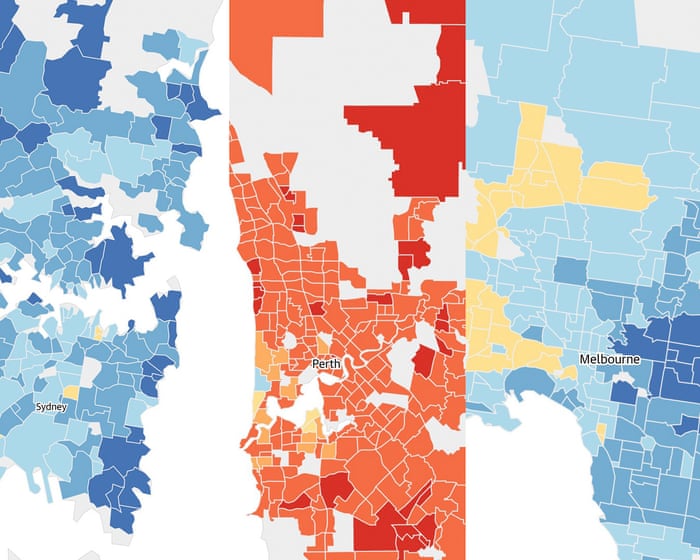
Australia’s housing market is seeing a price drop, mainly because of higher interest rates and tax changes that affect investors. Sydney’s prices are falling the most, but some cities like Brisbane, Perth, and Darwin still have higher home values compared to last year.
Key Facts
Most capital cities in Australia saw house prices drop during the winter season.
Sydney experienced the biggest price falls among these cities.
Higher inflation might lead to more interest rate increases, which could lower demand further.
Suburbs that had large price rises earlier are now seeing faster price drops.
More affordable homes tend to keep their value because first-time buyers want them.
People who bought homes a long time ago still have made good profits despite recent falls.
In Brisbane, Perth, and Darwin, home prices are still more than 10% higher than a year ago.
Rising mortgage payments are making it harder for new buyers to afford homes, despite price drops.
Read the Original
Want the full story? Tap a source to open the original
article.
The global chemicals industry, worth $5.7 trillion, is adapting to changes in markets, politics, and environmental rules. Increasing demand for rare and critical materials driven by technologies like AI and energy storage is pushing companies to find new ways to produce, recycle, and manage resources.
Key Facts
The chemical industry impacts the global economy by $5.7 trillion.
AI technology is increasing the need for rare earths and precious metals used in electronics and computing.
The growth of data centers is causing a surge in demand for power and energy storage solutions.
The U.S. government supports critical materials and battery production due to economic and national security concerns.
Recycling technology is advancing to help reduce waste and meet material demand.
Companies face challenges from supply shortages, geopolitical conflicts, and stricter environmental rules.
Industry leaders say adaptability and innovation will be key to future success in chemicals and materials.
Critical minerals need chemical processes to be useful in advanced technologies.
Read the Original
Want the full story? Tap a source to open the original
article.
Experts say that puppies should stay on special puppy food until they finish growing, which can take from 10 months to 2 years depending on the dog's size. Switching to adult dog food too early can cause health problems because puppies need more protein, fat, and certain nutrients to support their development.
Key Facts
Puppies grow at different rates depending on their breed and adult size.
Small dogs may finish growing around 10 months; giant breeds may take up to 2 years.
Puppy food contains more protein, fat, and essential nutrients like DHA needed for brain, vision, and bone growth.
Switching to adult food too soon can cause nutrient deficiencies or imbalances that harm a puppy’s health.
Deficiencies in nutrients like methionine, zinc, or iron can cause serious issues such as weight loss, poor growth, or weakness.
Excessive amounts of some nutrients can also be harmful, for example, too much lysine may cause muscle problems and vomiting.
Pet owners should monitor their puppy’s growth and use growth charts to know when to switch foods.
A complete and balanced diet tailored to growth is important for healthy puppy development.
Read the Original
Want the full story? Tap a source to open the original
article.
Mortgage rates in the U.S. reached their highest point since July 2025, climbing to 6.71% for a 30-year fixed loan due to renewed conflict between the U.S. and Iran. This increase makes it harder for many people to afford homes and may slow down the housing market.
Key Facts
The average 30-year fixed mortgage rate rose to 6.71% for the week ending September 3, 2026.
Rates had dropped below 6% briefly in February 2026 but went up again after the U.S.-Iran conflict escalated.
Higher oil prices from the Middle East conflict are increasing inflation, which leads to higher mortgage rates.
Homeowners with fixed mortgage rates are mostly unaffected because their rates do not change.
Many owners stay in their homes to keep their low mortgage rates, reducing the number of homes available for sale.
Those with adjustable-rate mortgages face higher payments as their rates adjust with market changes.
First-time homebuyers are finding it harder to buy due to higher borrowing costs.
Home prices have slightly decreased, which could help some buyers in the current market.
Read the Original
Want the full story? Tap a source to open the original
article.
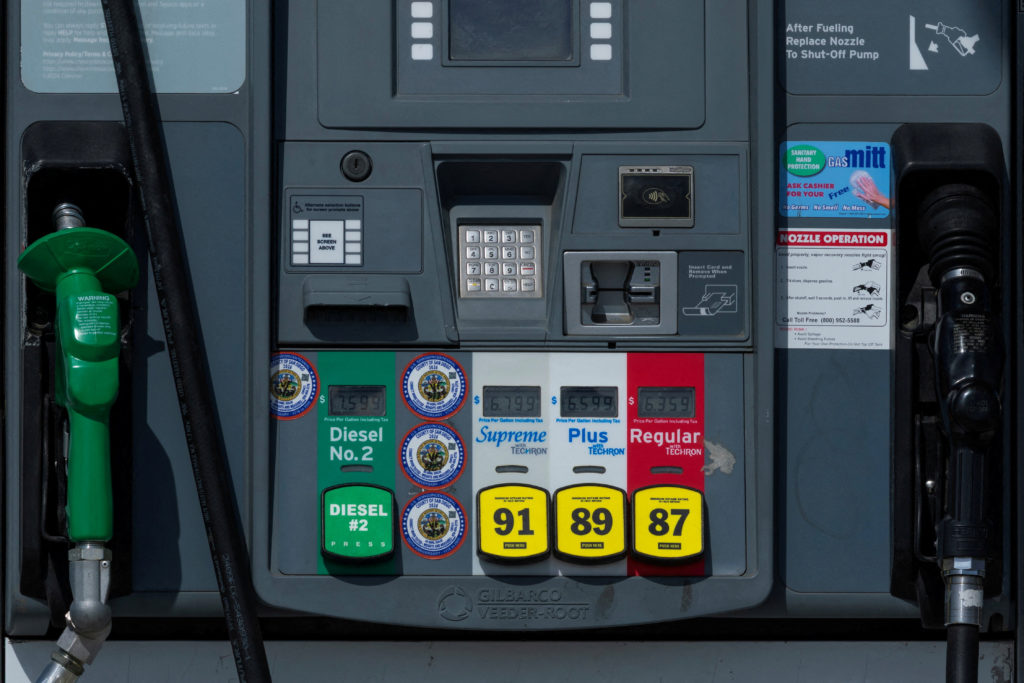
Diesel prices in the United States reached a record high of about $5.85 per gallon on Friday. This increase is linked to global energy supply problems caused by the conflict with Iran.
Key Facts
Diesel prices in the U.S. are at their highest ever recorded.
The average price per gallon is around $5.85.
This represents a 58% increase from previous prices.
The rise in prices is connected to tensions and conflict involving Iran.
Higher diesel costs may affect transportation and goods prices.
The data comes from AAA, a travel and automobile organization.
Read the Original
Want the full story? Tap a source to open the original
article.
If you are enrolled in a debt forgiveness program, a creditor can still sue you to collect the debt. Being in the program does not stop lawsuits, and you must respond to any court cases; otherwise, the creditor might get a judgment that allows them to take wages or property.
Key Facts
Debt forgiveness programs help reduce what you owe, often by 30% to 50%, but the process can take months.
Creditors can file lawsuits even if you are enrolled in a debt forgiveness program because it is a negotiation, not legal protection.
During the program, you usually save money to make settlement offers, but interest and fees may keep adding to your debt.
If sued, you must respond to the court by deadlines; ignoring the lawsuit can lead to a default judgment against you.
A judgment may allow creditors to collect money by garnishing wages, freezing bank accounts, or placing liens on property.
Debt forgiveness negotiations can continue after a lawsuit is filed and might still stop the creditor from getting a judgment.
Debt relief companies may offer guidance but usually do not represent you in court.
It is important to deal with the lawsuit promptly to avoid additional legal consequences.
Read the Original
Want the full story? Tap a source to open the original
article.
Diesel fuel prices in the U.S. reached a new high, averaging $5.85 per gallon for the first time. The rise is linked to a six-month conflict involving Iran, which has disrupted global fuel supplies and raised transportation costs for many products.
Key Facts
U.S. diesel prices hit a record average of $5.85 per gallon.
The price increase happened on a Friday.
A six-month war with Iran has affected global fuel supply.
Diesel is important for freight and delivery services.
Higher diesel costs lead to increased transportation expenses.
Increased transportation costs affect the price of many everyday goods.
The article focuses on the impact of fuel prices on the economy and goods transport.
Read the Original
Want the full story? Tap a source to open the original
article.
Travel costs for the Labor Day weekend are higher than last year. Airplane tickets are about 20% more expensive, and gas prices have increased by nearly one dollar per gallon compared to 2025. Diesel fuel prices have also reached a record high.
Key Facts
Airfare is up 20% compared to last year.
Gasoline costs nearly $1 more per gallon than in 2025.
Diesel fuel prices have reached an all-time high.
These price increases come just before the busy Labor Day holiday weekend.
Rising fuel costs affect both road travel and airline prices.
Higher travel expenses may impact many people planning holiday trips.
The information is reported by CBS News and presented by Kris Van Cleave.
Read the Original
Want the full story? Tap a source to open the original
article.
The governor of the Bank of England, Andrew Bailey, said that populist politicians create difficulties for independent central banks because they may be seen as blocking the will of the people. He emphasized the importance of central banks explaining their decisions clearly to maintain public trust and independence, especially amid political attacks and economic challenges like inflation.
Key Facts
Andrew Bailey is the governor of the Bank of England.
Populist politicians often claim to represent the true will of the people and may attack independent institutions like central banks.
Bailey spoke at the London School of Economics about the risks of central banks being seen as "unrepresentative elites."
Nigel Farage’s Reform UK party has criticized the Bank of England and suggested replacing Bailey if they come to power.
In the US, President Trump criticized former Federal Reserve chair Jerome Powell over interest rate decisions.
The Bank of England became independent in 1997, with a Monetary Policy Committee (MPC) setting interest rates.
The MPC is currently divided on how to handle inflation caused in part by the conflict in Iran.
The Bank plans to decide soon about continuing quantitative tightening, a policy meant to reduce the amount of money in the economy.
Read the Original
Want the full story? Tap a source to open the original
article.
Japanese motor company Nidec Corp. found 844 cases of quality control misconduct over the past decade, involving changes to materials or processes without approval, faked tests, and false labeling. The company said the problems came from worker pressure during rapid growth but stated no safety issues or product recalls have been reported.
Key Facts
Nidec discovered 844 cases of quality control misconduct dating back to 2012.
Misconduct included unapproved changes to product materials or manufacturing and falsifying test results.
The investigation began after accounting fraud was discovered last year.
Nidec’s CEO Mitsuya Kishida apologized and said the company is improving its quality controls.
No safety problems or major recalls have been reported so far.
Nidec makes motors used in many products, such as air conditioners, robots, and car parts.
The company grew quickly, creating pressure on workers that contributed to the misconduct.
Nidec plans stronger governance and encourages workers to report problems early.
Read the Original
Want the full story? Tap a source to open the original
article.
Volkswagen’s board approved a plan to cut costs by reducing 50,000 jobs, closing four factories in Germany, and cutting its car models in half. These changes aim to address strong competition from Chinese companies and higher U.S. import tariffs, after profits fell 31% in the first half of 2026.
Key Facts
Volkswagen shares rose 6% after the board approved the cost-cutting plan.
The plan includes cutting 50,000 jobs and shutting down four factories in Germany between 2031 and 2034.
Volkswagen will reduce its 150 different car models to about 75 to increase production volume per model and lower costs.
The company faces tough competition in China, where the car market dropped over 20% this year.
Higher U.S. tariffs on European car imports have also hurt Volkswagen’s profits.
Profits fell 31% in the first half of 2026 to 3.1 billion euros ($3.6 billion), despite increased worldwide car sales outside China.
Volkswagen’s board includes employee representatives who hold half the seats, making it challenging to approve big changes.
CEO Oliver Blume has already reduced 37,000 jobs through earlier restructuring deals like early retirement.
Read the Original
Want the full story? Tap a source to open the original
article.
The Federal Communications Commission (FCC) asked a judge to dismiss a lawsuit from Disney and ABC. The lawsuit challenges the FCC’s decision to review the licenses of some local ABC TV stations earlier than usual.
Key Facts
The FCC oversees TV station licenses to make sure they follow rules.
Disney and ABC sued because the FCC wants to renew some local station licenses early.
The FCC says the lawsuit came too soon and should be dismissed.
The case involves the renewal process for local TV stations’ broadcast licenses.
The issue centers on the timing of the FCC’s license review for ABC stations.
The court will decide whether the FCC’s early license check is allowed.
Disney owns ABC and runs many local TV stations across the U.S.
Read the Original
Want the full story? Tap a source to open the original
article.
New Jersey has asked the U.S. Supreme Court to decide who controls online prediction markets—state regulators or federal agencies. This comes after conflicting rulings from two appeals courts about whether states can oversee sports-related prediction market contracts or if only the federal Commodity Futures Trading Commission (CFTC) has that authority.
Key Facts
New Jersey requested the Supreme Court to resolve a legal fight over regulation of online prediction markets.
The 9th Circuit Court ruled that states like Nevada can regulate prediction markets, rejecting federal preemption claims.
The 3rd Circuit Court ruled that only the federal CFTC can regulate prediction markets, including sports-based contracts.
Prediction market companies say their contracts are financial derivatives called swaps, regulated federally, not gambling.
States argue they can regulate prediction markets under their sports gambling laws.
New Jersey has regulated sports wagering for over 100 years and wants to maintain oversight.
Other states like Minnesota, New York, and Connecticut have taken legal actions either supporting federal oversight or claiming prediction markets are unlicensed gambling.
Kalshi, a major prediction market platform, opposes state oversight and supports exclusive federal regulation.
Read the Original
Want the full story? Tap a source to open the original
article.
The US economy added 162,000 jobs in August, much more than the 56,000 jobs experts predicted. Most new jobs were in hospitality, like restaurants and bars, and in local government education before the school year started.
Key Facts
The US created 162,000 new jobs in August.
Experts had expected only 56,000 new jobs.
Job growth was strongest in hospitality sectors such as restaurants and bars.
Local government education jobs also increased ahead of the school year.
Earlier job reports from the summer were updated to show more jobs than first reported.
This stronger job growth may lead the Federal Reserve to raise interest rates later this month.
Read the Original
Want the full story? Tap a source to open the original
article.
The US economy added 162,000 jobs in August, which is much higher than the expected 56,000 jobs. The July job losses were revised to show growth instead, indicating the labor market is stronger than first thought.
Key Facts
August saw 162,000 new jobs added in the US economy.
July’s job numbers were revised up from losing 23,000 jobs to gaining 21,000 jobs.
The unemployment rate in August stayed steady at 4.1%.
Most new jobs came from food services and drinking places, adding 59,000 jobs.
Local government education added 42,000 jobs in August.
Manufacturing jobs rose by 16,000 and health care jobs by 13,000.
The information sector lost 23,000 jobs, including in computing, publishing, and broadcasting.
The US dollar rose following the stronger-than-expected jobs report.
Read the Original
Want the full story? Tap a source to open the original
article.
Foreclosures in the United States increased in July during President Donald Trump's term, with about 1 in every 3,603 homes having a foreclosure filing. Rising mortgage rates and economic uncertainty are making it harder for some Americans to keep their homes, while many potential buyers wait for lower mortgage rates to enter the market.
Key Facts
In July, 39,906 homes in the U.S. had foreclosure filings, a 1% rise from June and 10% higher than the previous year.
Foreclosure rates remain low compared to historical levels but are increasing due to financial pressures on homeowners.
A Massachusetts home involved in a tragic family case was sold for over $100,000 below its market value earlier this year.
The national average for a 30-year fixed mortgage rate rose to 6.66%, higher than the expected decline below 6%.
The rise in mortgage rates happened partly because of economic uncertainty linked to the war in Iran.
Higher borrowing costs and home prices are preventing many potential buyers from purchasing homes.
Experts are watching key factors this September that could either help the housing market improve or lead to further problems.
Read the Original
Want the full story? Tap a source to open the original
article.
More Americans are choosing adjustable-rate mortgages (ARMs), which start with lower interest rates but can change after several years. This is happening because home prices and mortgage rates have risen, making traditional fixed-rate loans less affordable.
Key Facts
The share of people picking adjustable-rate mortgages rose to 8 percent in late August, the highest in five weeks.
ARMs have a fixed interest rate for a set time (up to 10 years) but then change with market rates.
The national 30-year fixed mortgage rate averaged 6.71 percent in early September, higher than a year ago.
The median U.S. home price in July was $407,730, up 3.2 percent from the previous year.
ARMs can help buyers with short-term plans avoid higher payments later if they sell or refinance before the rate changes.
The increase in ARM use reflects buyers trying to afford homes amid high prices and mortgage rates, not a rise in risky lending as seen in 2008.
Lending rules created after the 2008 financial crisis remain in place to prevent another crash.
The current housing market is slow due to affordability problems and economic worries linked to the Middle East conflict, but experts do not expect a crash.
Read the Original
Want the full story? Tap a source to open the original
article.
Diesel prices in the U.S. reached a new high of $5.85 per gallon ahead of the Labor Day weekend. Vice President JD Vance said gas prices might have been even higher without U.S. actions related to the conflict with Iran. Shipping through the Strait of Hormuz remains below normal levels, contributing to higher oil prices.
Key Facts
Diesel hit a record price of $5.85 per gallon on Friday, surpassing the previous record of $5.81 in June 2022.
The American Automobile Association (AAA) predicts the highest gas prices ever for the Labor Day travel weekend.
Vice President JD Vance stated that gas prices could have been much higher if not for U.S. efforts in the Iran conflict.
President Trump said oil flow from the Persian Gulf has recovered, but ship traffic through the Strait of Hormuz is still below pre-war levels.
Shipping data shows 102 ships passed through the Strait of Hormuz last week, down from 126 the week before and far less than the typical 130 ships daily before the conflict.
The ongoing Iran conflict is disrupting one of the world’s key oil shipping routes, increasing global oil prices.
The article also mentions Lebanon’s release of detainees held by Israel but the main focus is on U.S. diesel prices and the Iran conflict’s effect.
Read the Original
Want the full story? Tap a source to open the original
article.
A government minister in the UK warned people to stock up on food because a strong El Niño weather pattern could bring more extreme storms. The National Audit Office said Britain’s food supply is at risk due to climate change, cyber-attacks, and dependence on private companies to handle problems.
Key Facts
El Niño is a natural climate event causing changes like drier summers and wetter winters with extreme storms in the UK.
Environment Secretary Dame Angela Eagle encouraged households to keep extra food to prepare for emergencies.
The National Audit Office reported that Britain’s food supply chain is vulnerable to cyber-attacks, diseases, and extreme weather.
The UK government relies heavily on private companies to manage food supply disruptions.
Britain's emergency food preparedness is lower than in countries like Finland, Sweden, and some EU nations.
A new government strategy to help households prepare for food and water shortages will be released by the end of 2026.
Experts warn of ongoing threats to food supply from cyber-attacks, global shipping issues, and pandemics.
Households are advised to store some food to be more resilient during potential supply problems.
Read the Original
Want the full story? Tap a source to open the original
article.