US borrowing costs rose to their highest level since January 2025 due to rising oil prices and inflation fears. This increase affects government borrowing rates and the interest rates people pay on loans like mortgages and car financing.
Key Facts
The 10-year US government borrowing rate rose to 4.79%, the highest since January 2025.
Oil prices went above $92 a barrel following renewed strikes in the Middle East.
Higher borrowing costs are linked to concerns about rising inflation in the US.
The Federal Reserve has kept interest rates between 3.5% and 3.75% but may increase them soon.
Inflation rose 3.4% in the year up to July, above the Fed’s 2% target.
US national debt has passed $40 trillion, doubling over the past decade.
Rising borrowing costs have pushed 30-year mortgage rates up to nearly 6.7%, a one-year high.
The US government plans to buy back more debt to try to lower borrowing costs, but this had limited effect.
Read the Original
Want the full story? Tap a source to open the original
article.
This article explains how to get a refund when you use a credit card. It gives practical advice on the steps to take if you need to return a purchase or if there is a problem with a payment made by credit card.
Key Facts
Credit cards can offer protection when you want to get money back after buying something.
If you return an item, the seller usually sends the refund to your credit card.
If a seller refuses to refund you, your credit card company can help you dispute the charge.
Disputing a charge means asking your credit card company to review the problem and possibly reverse the payment.
It is important to keep receipts and records of your purchases and communications with the seller.
Some rules vary depending on the credit card provider, so checking their refund and dispute policies helps.
Acting quickly after a problem can improve the chance of getting your money back.
JavaScript must be enabled in the browser to watch the related video mentioned in the article.
Read the Original
Want the full story? Tap a source to open the original
article.
More than 170 Jewish artists and public figures wrote a letter supporting actor Mark Ruffalo after he was accused of using antisemitic ideas. Ruffalo criticized the $111 billion merger of Paramount Skydance and Warner Bros Discovery, linking it to the business ties between the Ellison family and the Israeli military.
Key Facts
Mark Ruffalo criticized the merger of Paramount Skydance and Warner Bros Discovery, worth $111 billion.
Ruffalo linked the merger to Oracle, owned by Larry Ellison, which supplies technology to the Israeli Defense Forces.
Paramount Skydance accused Ruffalo of using antisemitic tropes in his criticism.
Over 170 Jewish artists, including Todd Haynes and Wallace Shawn, signed a letter defending Ruffalo.
The letter calls the antisemitism accusation a false attack meant to silence criticism.
Ruffalo said criticizing Israeli policies and military technology is not the same as criticizing Jewish people.
The merger has already been approved by President Trump's administration in June 2024.
The letter warns the merger will harm jobs, creativity, and increase media control by a few companies.
Read the Original
Want the full story? Tap a source to open the original
article.
France has introduced new fees on very cheap and quickly made clothes sold online, aiming to reduce fast fashion sales by big e-commerce companies like Shein and Temu. These fees, starting low in 2026, could rise to nearly 20 euros per item by 2030, based on the amount of clothes sold and how easy the items are to repair.
Key Facts
France passed a law imposing fees on "ultra-fast fashion" items from online sellers like Shein, Temu, and AliExpress.
The fees began in November 2025 and will increase over time, potentially reaching €19.50 per garment by 2030.
Fees depend on how many clothes are sold and how repairable they are compared to their purchase price.
The law does not apply to European retailers like H&M or Zara.
The Chinese government says the French law may break World Trade Organization rules and is discriminatory.
Shein, valued at $26.2 billion after going public in Hong Kong, said this law could hurt French shoppers during a cost-of-living crisis.
Temu, also Chinese-owned, says it is not a fast fashion company because it does not make its own products but operates as a marketplace.
French officials say ultra-fast fashion harms the environment and the economy.
Read the Original
Want the full story? Tap a source to open the original
article.
Chris Pilkerton, a U.S. Treasury official, attended the G20 summit in Asheville, North Carolina. He talked about the economic goals the U.S. aims to achieve during the meeting.
Key Facts
Chris Pilkerton is the assistant secretary for investment security at the U.S. Treasury Department.
The G20 summit took place in Asheville, North Carolina.
The G20 is a group of 20 major economies that meet to discuss global economic issues.
The U.S. is focusing on specific economic goals during this summit.
Pilkerton shared insights about these goals in an interview with CBS News.
The discussion was about cooperation between countries on investment and economic security.
The summit allows leaders to work together on economic growth and stability.
Read the Original
Want the full story? Tap a source to open the original
article.
House prices in Australia are falling in more than 90% of suburbs, and values are expected to drop about 10% from their recent peak over the next six to nine months. Despite this, the Reserve Bank of Australia plans to raise interest rates again to control inflation, as the housing downturn is not their main concern.
Key Facts
House prices are declining in over 90% of Australian suburbs.
Average home values are expected to drop about 10% nationally, which would be the largest fall since World War II.
Sydney and Melbourne property prices could fall 12-13%, while Brisbane, Perth, and Adelaide may see around 8% drops.
Even with these falls, housing will remain unaffordable in many cities.
The Reserve Bank of Australia plans a fourth interest rate hike to fight inflation.
Inflation remains high despite the slowing economy and housing market downturn.
The Australian economy is expected to have grown only 0.1% in the last quarter, the slowest in two and a half years.
Experts say the RBA will continue to raise rates because inflation is the bigger problem, not falling house prices.
Read the Original
Want the full story? Tap a source to open the original
article.
An Indiana woman found a picture frame at Goodwill that she first thought was just nice but then realized it was made of real sterling silver. She bought it for less than a dollar and believes she can resell it for about $150 because silver prices have risen a lot recently.
Key Facts
The frame was found by Tatiana Brito at a Goodwill store in Gary, Indiana.
It had a sticker showing it was made from pure .925 sterling silver and made in Greece.
Sterling silver contains 92.5% pure silver, which is valuable.
Silver prices rose from about $40 per ounce in August 2025 to over $67 per ounce in August 2026.
Industrial demand and investor interest have driven the increase in silver prices.
Many thrift stores do not recognize silver hallmarks, so valuable items can be sold cheaply.
Brito paid less than one dollar for the frame but thinks she can sell it for around $150.
The secondhand market in the U.S. was worth $56 billion in 2025, growing 14.3% from the previous year.
Read the Original
Want the full story? Tap a source to open the original
article.
A weight loss supplement was recalled because it contained DNP, a toxic chemical often used as a pesticide, and another ingredient that was not listed on the label. The FDA warned that DNP is dangerous and should not be in dietary products.
Key Facts
The weight loss supplement contained DNP, a harmful chemical.
DNP is commonly used as a pesticide, not a food ingredient.
The supplement also had an ingredient that was not declared on the label.
The FDA issued a warning about the dangers of DNP.
The supplement was officially recalled to protect consumers.
Consuming DNP can cause serious health problems.
Regulatory agencies monitor supplements to ensure they are safe.
Read the Original
Want the full story? Tap a source to open the original
article.
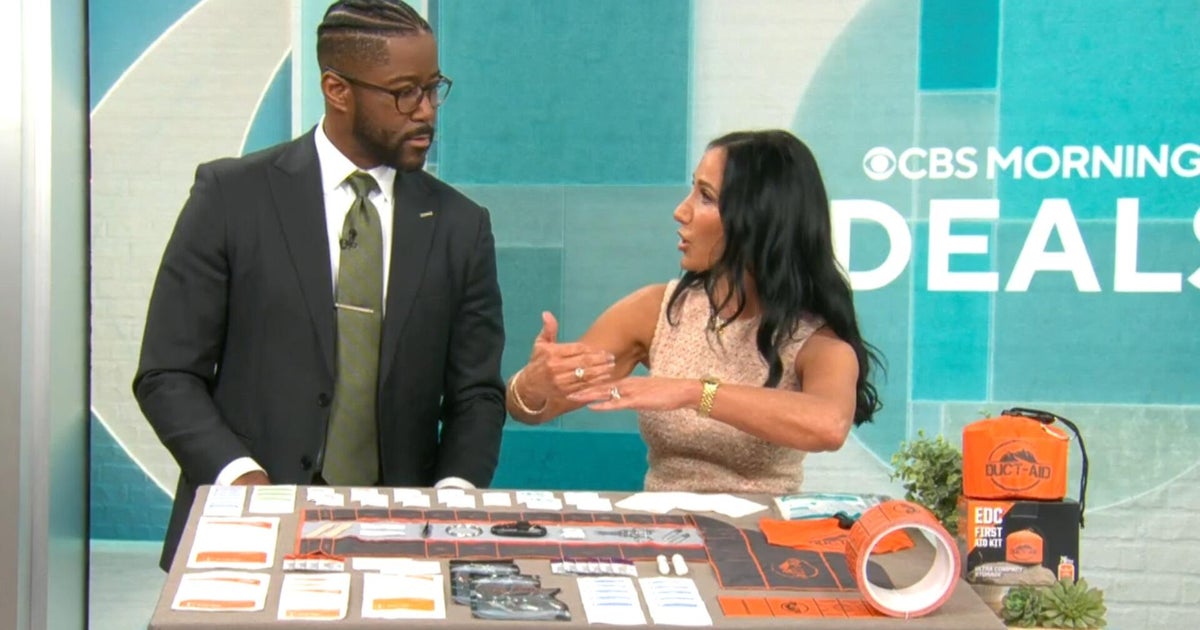
CBS Mornings Deals offers special discounts on products that can help improve daily life. People can visit cbsdeals.com to access these exclusive offers, and CBS earns money when customers buy through this site.
Key Facts
CBS Mornings Deals features discounted products.
The deals are meant to help improve everyday lifestyle.
Customers can find these deals at cbsdeals.com.
CBS receives commissions when purchases are made via their website.
The promotion encourages viewers to shop online for savings.
The deals are promoted during the CBS Mornings program.
Read the Original
Want the full story? Tap a source to open the original
article.
Dyson has launched a new high-tech toothbrush priced at £420 that features a built-in camera to show live video from inside the user’s mouth. The toothbrush combines brushing, flossing, and mouthwash spraying, and connects to an app for real-time feedback on dental cleaning.
Key Facts
Dyson’s new toothbrush took six years and 661 engineers to develop.
It has a 100k pixel camera inside to show live footage of the mouth while brushing.
The toothbrush can spray mouthwash into gaps between teeth to help remove plaque.
It claims to remove up to 72% more plaque than other leading electric toothbrushes.
The device connects with the MyDyson app to provide cleaning feedback.
Dyson also sells a special toothpaste and mouth rinse that don’t foam to keep the camera clear.
The product is part of a crowded market that includes other expensive smart toothbrushes like the Philips Sonicare DiamondClean.
The British Dental Association says expensive gadgets are not necessary for good oral health and recommends following regular dentist advice instead.
Read the Original
Want the full story? Tap a source to open the original
article.
Investors sold government bonds in many countries on Tuesday because they worry about rising prices and growing government debts. In the United States, the interest rates on 10-year and 30-year Treasury bonds reached their highest levels since late 2023.
Key Facts
Government bond yields increased in several countries on Tuesday.
Investors are selling bonds due to concerns about inflation and high public debts.
The 10-year U.S. Treasury bond yield rose above 4.7 percent.
This is the highest 10-year yield seen since October 2023.
The 30-year U.S. Treasury bond yield remains above 5.2 percent.
Rising bond yields mean that governments pay more interest to borrow money.
Higher inflation typically causes bond yields to rise as investors demand higher returns.
Public debts increasing can lead to investor worries about government finances.
Read the Original
Want the full story? Tap a source to open the original
article.
Paying off a court judgment related to unpaid debt should eventually stop wage garnishment, which is when an employer takes money from your paycheck to pay creditors. However, the garnishment may not end immediately after payment because legal and administrative steps must happen first.
Key Facts
Household debt and credit card balances are increasing, making it harder for people to pay debts.
When a debt goes unpaid and results in a court judgment, creditors can use wage garnishment to collect money directly from paychecks.
Paying the judgment in full eliminates the debt that garnishment is based on.
Employers stop garnishment after receiving legal proof that the judgment is paid, but this process can take time.
Creditors usually must file paperwork with the court to confirm payment and end the garnishment before employers stop withholding wages.
Timing issues can cause a paycheck garnishment to happen even after the debt is paid if paperwork isn’t processed in time.
It is important to get written confirmation from the creditor and check with the court and employer to ensure garnishment stops.
If you cannot pay the judgment all at once, contacting the creditor to discuss payment alternatives may help avoid or reduce garnishment.
Read the Original
Want the full story? Tap a source to open the original
article.
Food & Wine magazine has named John's Food & Wine in Chicago as its Restaurant of the Year. This recognition highlights the restaurant's quality and popularity.
Key Facts
The award is given by Food & Wine, a well-known food magazine.
John's Food & Wine is located in Chicago.
The restaurant received the title Restaurant of the Year.
Ash-har Quraishi reported this news.
The announcement was featured on CBS News.
Viewers can watch the report on the CBS News app or online.
The award reflects the restaurant’s excellence in food and service.
Read the Original
Want the full story? Tap a source to open the original
article.
Nicki Minaj and actor Dean Cain will be part of a judging panel for a Small Business Administration (SBA) event similar to the TV show "Shark Tank." The event, called the "Million..." (title cut off), includes other business leaders to help small businesses.
Key Facts
Nicki Minaj and Dean Cain are judges for an SBA event modeled after "Shark Tank."
Nicki Minaj is known as a rapper and has expressed support for President Donald Trump.
The judging panel is described as "all-star" and includes Airbnb co-founder Joe Gebbia.
Investor Grant Cardone is also part of the judging panel.
The event is designed to support and promote small businesses through pitching ideas.
The Small Business Administration (SBA) is a government agency that helps small businesses grow.
The format involves reviewing business proposals, similar to the TV show where entrepreneurs pitch to investors.
Read the Original
Want the full story? Tap a source to open the original
article.
Credit card interest rates are high, making it expensive to carry balances. The article explains five ways people can try to lower their credit card interest rates this September.
Key Facts
Total U.S. credit card debt increased by $21 billion in the second quarter of 2026.
The average credit card interest rate is 22.15%, with some cards charging even higher rates.
High interest rates mean more of your monthly payment goes to interest, not paying down the debt.
One way to lower rates is to ask your credit card company directly, especially if you have a good payment history.
Hardship programs may offer temporary lower rates or reduced payments for people in financial trouble.
Transferring balances to a card with a 0% introductory rate can save interest but may include fees.
Your options depend on your credit score, payment history, and personal financial situation.
Read the Original
Want the full story? Tap a source to open the original
article.
More young people are investing today because of easy-to-use online apps and better knowledge about stocks. Studies show that although women start investing less often than men, they usually earn more money when they do invest.
Key Facts
Investing was once seen as something for older people in suits.
Online investing apps have made investing easier and more popular with young people.
Women are less likely to start investing compared to men.
When women do invest, they often earn higher returns than men.
The article explores why women might be better investors.
It explains what investing is and how it can involve risks.
Two women in their 20s share their experiences with investing.
The content comes from a BBC World Service episode.
Read the Original
Want the full story? Tap a source to open the original
article.
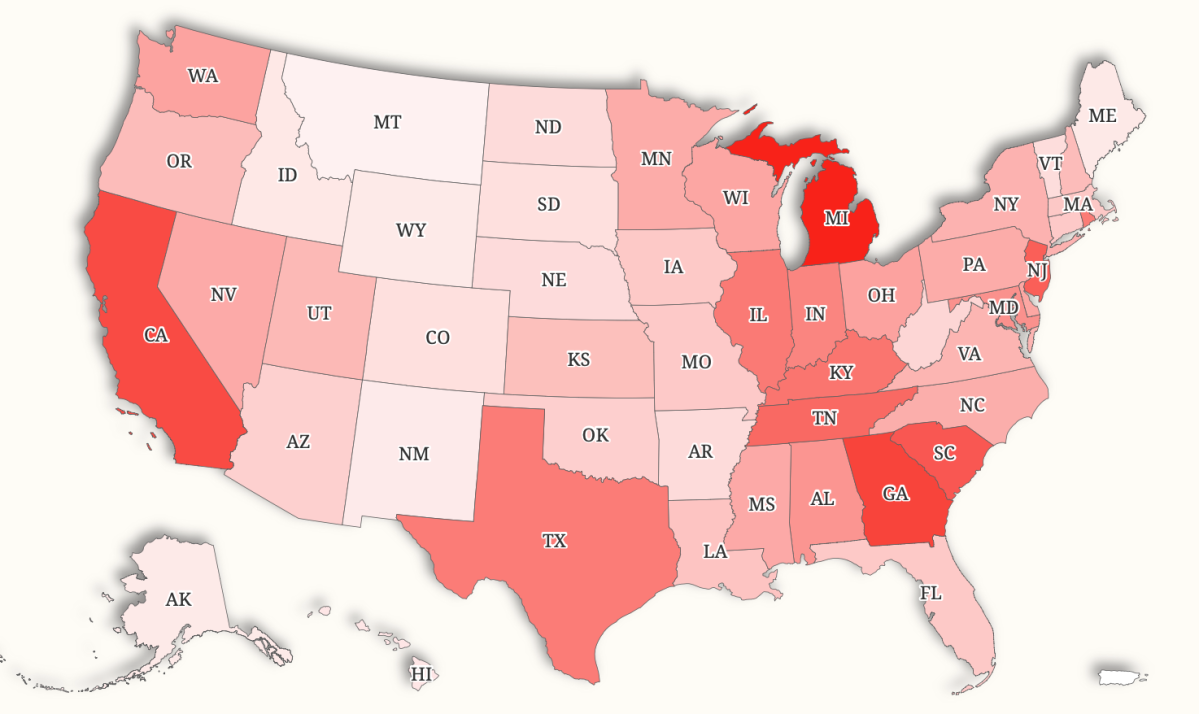
President Donald Trump's tariffs have changed how much states pay to import goods into the U.S. The costs vary widely by state, with some states facing much higher tariff expenses, especially those with big manufacturing and auto industries.
Key Facts
The National Taxpayers Union Foundation (NTUF) tracked tariffs costs for each state from January 2025 to June 2026.
California has the highest total tariff cost at about $63 billion, with major costs from cars, clothes, and batteries.
Texas ranks second with $37 billion, heavily affected by manufacturing-related tariffs like steel and metals.
Michigan is third with $23 billion, where cars and auto parts make up most tariff costs.
States like Alaska, Montana, and Wyoming have the lowest total tariff costs, around $100 million or less.
Michigan has the highest estimated tariff cost per household at $5,619, while Montana has the lowest at $228 per household.
Tariffs were used as a tool to encourage U.S. manufacturing and negotiate trade deals with countries like China, Canada, and Mexico.
Tariffs can increase prices for goods, which may affect what businesses and consumers pay.
Read the Original
Want the full story? Tap a source to open the original
article.
New research shows that some bosses want employees to come back to the office not only to work together more easily but also because being in the office lets these leaders have a visible audience and more control. This means the office acts like a stage where leaders feel more important and can show their authority.
Key Facts
Some leaders prefer office work because it is easier to collaborate there.
New research suggests that some bosses want employees back mainly to have an audience.
Being in the office provides leaders with a clearer hierarchy or chain of command.
The office gives leaders a "stage" to display their authority and presence.
This preference is less about work efficiency and more about leadership dynamics.
The research focuses on why some leaders resist remote work.
The study offers insight into workplace power and behavior.
Read the Original
Want the full story? Tap a source to open the original
article.
Mangoes sold in four states were recalled because they may have caused salmonella infections. The affected mangoes were sold between August 10 and 21, including some in certain Walmart stores.
Key Facts
Mangoes were recalled in four U.S. states.
The recall is due to a risk of salmonella contamination.
The mangoes were sold from August 10 to August 21.
Some of the mangoes were available in select Walmart stores.
Salmonella is a bacteria that can cause food poisoning.
The recall aims to prevent people from getting sick.
No specific states were named in the article summary.
Customers are advised to check their mangoes and avoid eating the recalled batches.
Read the Original
Want the full story? Tap a source to open the original
article.