Bond yields, especially long-term UK government bonds called gilts, have risen sharply, increasing borrowing costs for the UK government. At the same time, oil prices have climbed above $90 per barrel, and wheat prices have reached their highest levels since early 2023, raising concerns about inflation and economic stability.
Key Facts
The 30-year UK gilt yield increased to 5.88%, the highest since 1998, meaning higher interest payments on government debt.
Oil prices rose to $92.1 a barrel for Brent crude and $87.35 a barrel for US West Texas Intermediate.
Higher bond yields reflect global trends, with increased borrowing costs seen not only in the UK but also in the US and other countries.
Inflation expectations are driving yields up because investors want compensation for inflation reducing the value of fixed payments from bonds.
The UK government faces a budget deficit near 4% of GDP, with interest payments on debt consuming about 3.7% of national income.
Higher borrowing and inflation risks lead investors to demand higher returns on bonds, increasing government financing costs.
Economic policies favoring more spending and tax cuts (populism) may increase risks of financial instability and affect investor confidence.
Private sector borrowing is also rising, with AI companies expected to borrow around $500 billion this year for data centers, adding competition for funds and pushing bond yields higher.
Read the Original
Want the full story? Tap a source to open the original
article.
Freedom Fuel, a chain of gas stations in New Jersey and Pennsylvania praised by President Donald Trump for low gas prices, is accused in a lawsuit of not paying $4 million for fuel it bought last month. The fuel supplier, Mansfield Oil Company, filed the lawsuit against KRSM, the company that bought fuel for Freedom Fuel stations, while KRSM denies the claim, calling it an accounting dispute.
Key Facts
Freedom Fuel operates 29 gas stations in New Jersey and Pennsylvania.
President Trump publicly praised Freedom Fuel for offering gas below typical market prices.
Mansfield Oil Company sued KRSM, the fuel buyer for Freedom Fuel, for unpaid fuel deliveries worth $4 million.
The lawsuit does not name Freedom Fuel itself as a defendant.
KRSM's president, Syed Kazmi, is named in the lawsuit.
The lawsuit alleges 1.12 million gallons of gasoline were delivered but not paid for.
Freedom Fuel’s gas prices recently stopped being the cheapest in the region.
The Trump administration is not involved with Freedom Fuel and has not provided it funding.
Read the Original
Want the full story? Tap a source to open the original
article.
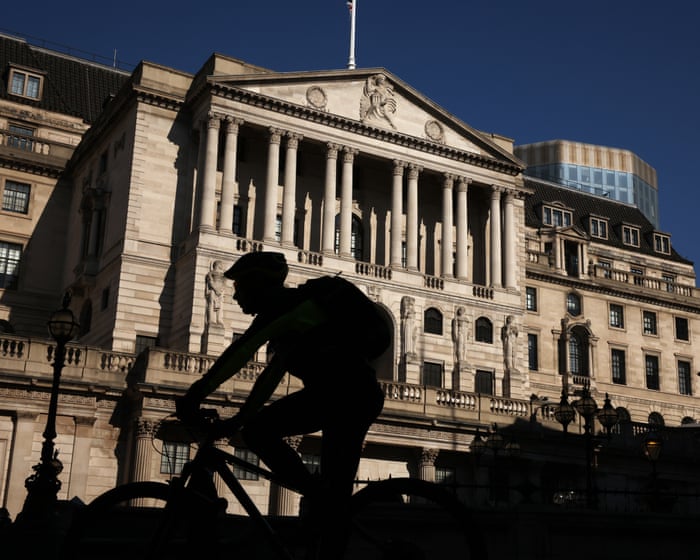
The UK government’s cost to borrow money for a long time has reached the highest level since 1998, making it more expensive for Prime Minister Andy Burnham’s government to finance its spending. This rise in borrowing costs is linked to global inflation worries, conflicts like the Iran war, and competition for loans from big tech companies.
Key Facts
The UK’s 30-year government bond yield rose to 5.89%, the highest since 1998.
Long-term borrowing costs are also increasing in the US, Japan, and Europe.
Higher borrowing costs mean the UK government will have less room to spend money on helping people with living costs.
Prime Minister Burnham and Chancellor John Healey are preparing the first Budget under these tougher financial conditions.
Borrowing costs increase because investors demand higher returns amid inflation and global uncertainty.
The UK government is working to cut its deficit faster than other G7 countries.
The Chancellor attended a meeting with global finance leaders, highlighting UK economic growth and improved productivity.
Rising bond yields make debt interest payments more expensive for the UK government.
Read the Original
Want the full story? Tap a source to open the original
article.
Ikea is cutting prices on popular furniture items in Europe to help customers who are struggling with higher living costs. The company is spending about €1.2 billion on these price cuts, made possible by saving money in areas like packaging.
Key Facts
Ikea is lowering prices on items like the Billy bookcase and Kallax storage units by up to 28%.
The price cuts are aimed at people affected by the rising cost of living in Europe.
Ikea is spending €1.2 billion (£1 billion) on these price reductions.
Savings come from making the supply chain cheaper, including cutting packaging costs.
Ingka, Ikea’s main European operator, says the cuts are not temporary but a long-term plan.
Some price examples in the UK: Kallax shelving down from £60 to £49, Billy bookcase down £10 to £25.
Ikea is opening smaller stores in city centers like London and Brighton to attract more customers.
In 2024, Ikea started a second-hand online marketplace to compete with platforms like eBay and Facebook Marketplace.
Read the Original
Want the full story? Tap a source to open the original
article.
The article explains what to do if you have been scammed. It provides advice on how to protect yourself and steps to take after falling victim to a scam.
Key Facts
The article gives practical tips for people who have been scammed.
It emphasizes the importance of acting quickly after discovering a scam.
It likely advises contacting your bank to secure your accounts.
It may suggest reporting the scam to appropriate authorities.
The article is connected to the topic of fraud and UK banking.
It aims to help people understand how to respond to scams and reduce harm.
The information is presented as part of a business-related topic about fraud.
Read the Original
Want the full story? Tap a source to open the original
article.
This article discusses how more young people are spending money on cosmetic treatments like Botox and how to balance these costs with other financial needs. It also features advice on budgeting for private preschool tuition.
Key Facts
Cosmetic procedures, such as Botox, are becoming more popular among young people.
Financial experts Kayla Sabbagh and Jill Schlesinger talk about managing money for both cosmetic expenses and everyday needs.
The show discusses whether cosmetic treatments should be a regular part of a personal budget.
They offer guidance on deciding if private preschool tuition is affordable for a caller named Rachel.
The article includes a quiz on the cost of private schools in Indiana to highlight education expenses.
The goal is to help viewers make smart choices about spending on looks and family priorities.
Read the Original
Want the full story? Tap a source to open the original
article.
The cost for the UK government to borrow money for a long time rose to the highest level since 1998. This increase happened as investors sold bonds worldwide, worried about rising oil prices pushing up inflation, which could lead to higher interest rates.
Key Facts
The interest rate on 30-year UK government bonds (gilts) reached 5.89%, the highest since early 1998.
The 10-year gilt yield rose to 5.25%, the highest since the 2008 global financial crisis.
Higher borrowing costs make it more expensive for the UK government to handle its debt.
Rising oil prices and international tensions, including conflict in Iran, are increasing inflation concerns.
Bank of Japan may raise interest rates to control inflation, pushing Japanese 10-year bond yields to their highest since the 1990s.
US Treasury Secretary Scott Bessent suggested Japan might act to strengthen the yen after previous currency market interventions.
US Federal Reserve chair warned inflation is not yet under control, indicating possible future rate increases.
Concerns also exist about the US deficit, which has grown due to tax cuts and lost tariff revenue; spending cuts might be considered but none announced yet.
Read the Original
Want the full story? Tap a source to open the original
article.
A Halloween costume designed as a World War II-era German soldier uniform has caused complaints after being sold by Walmart, Target, and Amazon. Target and Amazon have removed the costume from their websites, but Walmart still sells it.
Key Facts
The costume is called the "German Army Soldier Adult Costume" and is made by Orion Costumes.
It looks like a 1940s German military uniform but does not mention Nazi symbols or leaders.
Target and Amazon have taken the product off their sites, but Walmart has not.
Many shoppers criticized the costume online, saying it is inappropriate due to its connection to World War II German soldiers.
Some people called for boycotts of stores selling the outfit.
This is not the first time Target removed a controversial Halloween costume after public complaints.
The debate shows how Halloween costumes can lead to public concern over what is sold in stores.
Read the Original
Want the full story? Tap a source to open the original
article.
Nurse practitioners and physician assistants are two of the fastest-growing jobs that earn more than $100,000 per year. These healthcare roles are in high demand and offer good salaries.
Key Facts
Nurse practitioners and physician assistants are growing quickly as job options.
Both jobs offer salaries exceeding $100,000 yearly.
These roles are part of the healthcare field.
Demand for healthcare workers in these jobs is increasing.
Fast growth means many new jobs are expected soon in these positions.
Read the Original
Want the full story? Tap a source to open the original
article.
Three more companies listed on the London Stock Exchange (LSE) are being taken over by private equity firms, as the total value of companies leaving the LSE reaches over $100 billion this year. These takeovers involve firms from different sectors including manufacturing, telecoms, and energy, with buyers primarily from the US and Europe.
Key Facts
Bodycote, an industrial services company, agreed to a £1.84 billion takeover by US private equity firm Veritas.
Gamma Communications, a telecom company, accepted a £1.1 billion offer from UK private equity firm Epiris.
Scottish energy company Capricorn agreed to a $396 million deal with Norwegian company DNO after switching from a previous recommendation.
The London Stock Exchange has seen nearly $110 billion worth of companies taken over this year.
Notable recent takeovers include easyJet bought by US firm Apollo for £5.7 billion and warehouse firm Segro acquired by US company Prologis for £14 billion.
Other large deals involve Schroders (£9.9 billion takeover by a US investor) and Intertek (£10 billion takeover by a Swedish-led group).
The trend suggests many companies prefer private ownership to public market pressures, seeking more flexibility for growth.
Most buyers are private equity firms or competitors from outside the UK.
Read the Original
Want the full story? Tap a source to open the original
article.
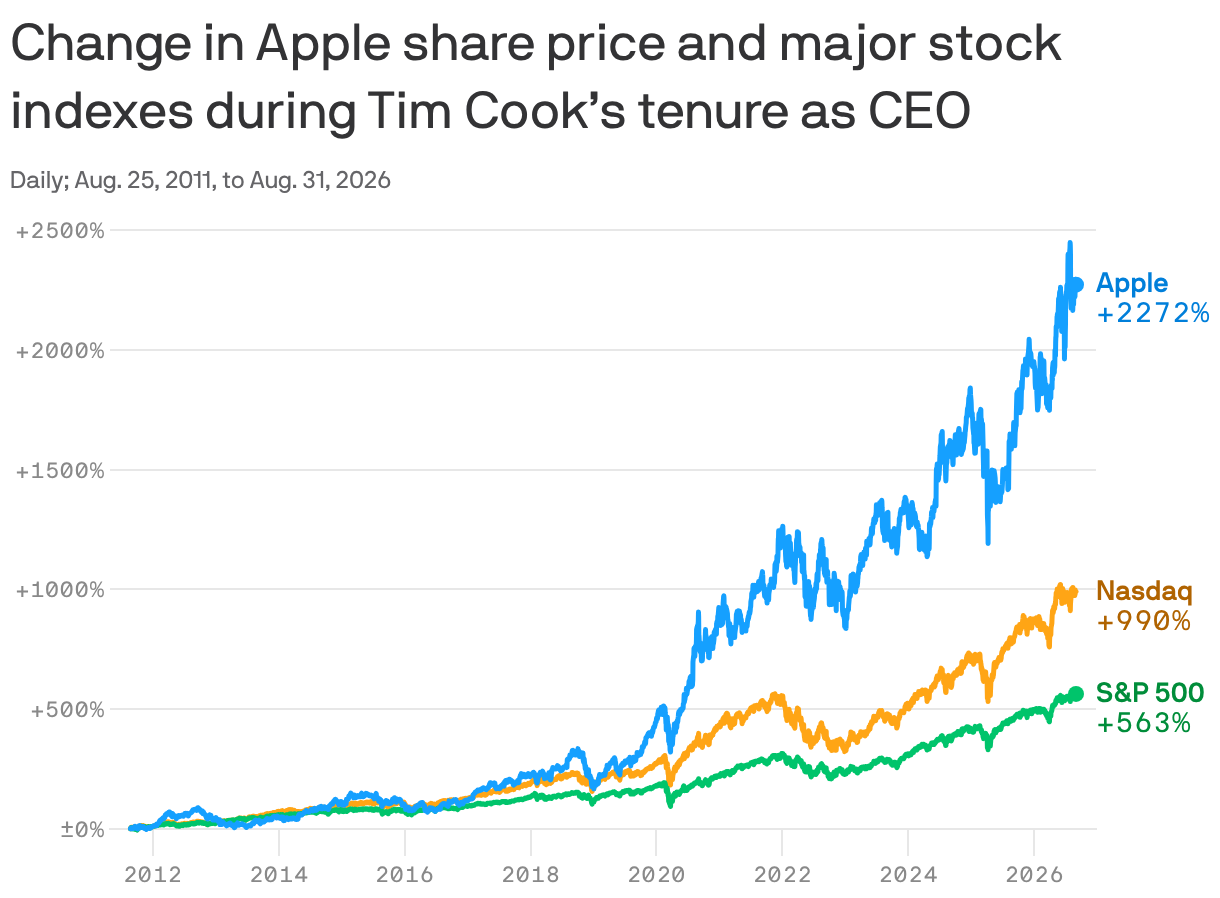
Tim Cook is stepping down as Apple's CEO after 15 years. During his time, Apple’s stock price grew from $13.35 to $316.61, and the company became one of the most valuable in the world, with a market value of $4.7 trillion.
Key Facts
Tim Cook became Apple’s CEO in August 2011.
Apple’s stock price increased by about 2,272% under Cook’s leadership.
The company’s market value rose from $347 billion in 2011 to $4.7 trillion.
Apple gained $32 million in market value every hour for 15 years, according to Bank of America.
Cook shifted Apple’s focus from just making devices to building services like the App Store, iCloud, Apple TV, Apple Music, Apple Pay, and Apple News+.
Apple now has over 1.5 billion paid subscriptions on its platforms.
In the most recent quarter, Apple’s services made $30.7 billion, a 12% increase from the previous year.
The company faces a new challenge in adapting to developments in artificial intelligence (AI).
Read the Original
Want the full story? Tap a source to open the original
article.
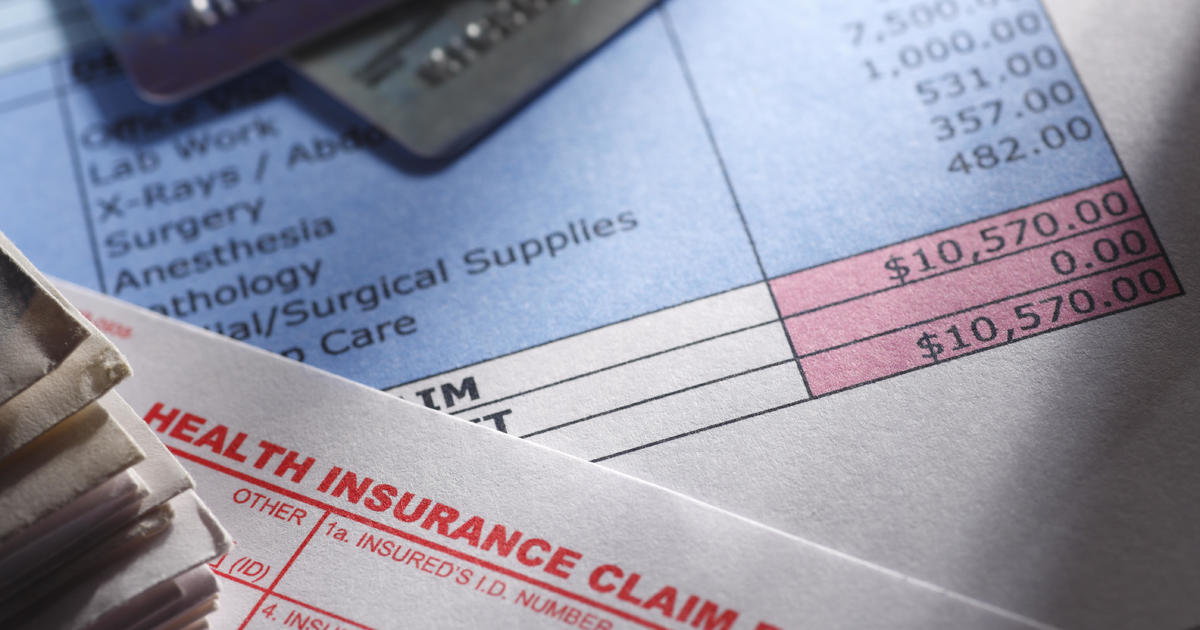
Hospitals and healthcare companies are buying doctors' offices and clinics to control where patients get care. This often makes medical procedures more expensive without improving patient health. Laws meant to stop these business deals are slow and don't always work well.
Key Facts
Anne Hug was told she needed a simple procedure that could be done in a doctor's office but was forced to have it done in a surgery center, raising her bill from $3,000 to $6,000.
This situation happened because a large health system owns the doctor’s practice and controls where patients must go.
Many hospitals are buying doctors' offices, surgery centers, and even insurance companies to control more parts of healthcare.
Private equity firms buy medical practices, cut costs, and then sell them to hospitals or insurers for profit.
Studies show this vertical integration leads to higher prices and no benefits, or worse health results for patients.
Experts say current antitrust laws (rules to keep competition fair) are not strong enough or fast enough to stop these deals.
Patients often have fewer choices and must use more expensive places or pharmacies owned by their insurance company.
This trend is happening quickly across the United States.
Read the Original
Want the full story? Tap a source to open the original
article.
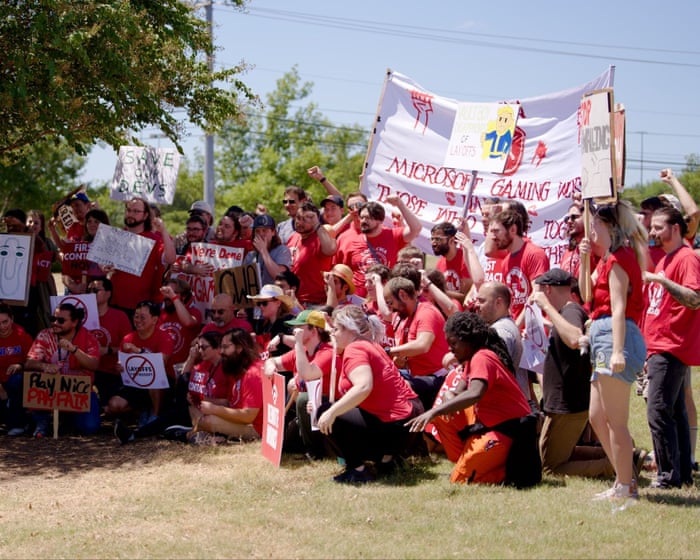
Microsoft’s Xbox division announced the largest restructuring in its history, planning to cut 3,200 jobs by 2027, with 1,600 layoffs happening immediately. Many employees were informed through brief virtual meetings, leaving them unable to respond or ask questions, and some studios are now working with unions to negotiate severance and seek re-employment.
Key Facts
Xbox CEO Asha Sharma sent an email on July 6 announcing major layoffs affecting 3,200 staff by 2027.
Out of these, 1,600 job cuts happened immediately across Xbox game studios worldwide.
Employees at Bethesda Game Studios Austin and ZeniMax Online Studios received layoff notices via short virtual calls without interaction.
Slack communication channels were shut off quickly after layoffs, leaving remote workers disconnected.
Bethesda and ZeniMax game studios are unionized and are negotiating with Microsoft about severance packages and benefits.
US law requires at least 60 days’ notice for large layoffs, so affected workers are paid through September 4.
Staff had heard rumors about layoffs for weeks, with some shocked as they believed their projects at Bethesda were secure.
Rallies are taking place outside studios in North America, with the union seeking public support on social media.
Read the Original
Want the full story? Tap a source to open the original
article.
The summer 2026 movie season was the biggest since 2019, earning over $4 billion, 20% more than last year. Spider-Man: Brand New Day was the top hit, making over $2 billion worldwide, while some superhero and kid-focused films did poorly. Low-budget horror films like Obsession also had surprising success, showing new trends in Hollywood.
Key Facts
The summer 2026 box office made more than $4 billion, the highest since 2019.
Revenue increased by 20% compared to the previous year.
Spider-Man: Brand New Day earned over $2 billion globally, becoming the second biggest superhero movie ever.
Some superhero movies like Supergirl ($126 million) and Thunderbolts ($382 million) did poorly.
Low-budget horror films Obsession (made with $750,000) and Backrooms succeeded unexpectedly well.
Spider-Man has a strong track record of huge box office success, often beating trends in the movie market.
Marvel plans to release Avengers: Doomsday in December, hoping to replicate the success.
Horror movies are profitable because they cost little to make but can earn a lot, appealing to new filmmakers.
Read the Original
Want the full story? Tap a source to open the original
article.
Young people in Generation Z want to start their own businesses more than ever because it seems exciting and possible with modern tools like social media and online shops. However, many of them also feel a strong fear of failure, which is a big challenge because starting a business usually involves facing many failures along the way.
Key Facts
Entrepreneurship is very popular among Gen Z, with many seeing it as a way to control their financial future.
Social media influences this generation heavily, providing many role models who show success stories.
The first generation to grow up with smartphones and social media also faces more anxiety about failure.
Starting a business today is easier than before due to tools like Shopify, PayPal, Instagram, TikTok, and AI-based apps.
Despite the excitement, over half of new businesses fail within the first five years.
Entrepreneurs need emotional strength to handle repeated failures, which is often overlooked in the encouraging stories online.
In the UK, the number of people calling themselves founders on LinkedIn rose by 69% in 2025 compared to previous years.
A report found that 67% of people aged 18-34 are thinking about starting a business.
Read the Original
Want the full story? Tap a source to open the original
article.
UK house prices rose by 0.2% in August, the first increase since April, according to Nationwide. The market remains cautious as buyers and sellers await the Bank of England’s decision on possible interest rate changes later this year.
Key Facts
The average UK house price in August was £275,465, up 0.2% from July.
This rise ended a three-month decline in house prices.
House prices increased by 1.6% compared to the same month last year.
Economists expected a 2% annual increase, so the actual rise was lower than forecast.
The Bank of England’s Monetary Policy Committee will decide on interest rates on 17 September.
Most think interest rates will remain the same in September but could rise by 0.25% by December.
Rising energy costs have not yet slowed house buying or selling.
House price growth is slower than wage growth, helping affordability despite higher mortgage rates.
Read the Original
Want the full story? Tap a source to open the original
article.
The BBC has told some apprentices they will not get the permanent jobs that were promised to them because of major budget cuts. The broadcaster is trying to save £500 million by 2028 and plans to cut around 2,000 jobs, affecting both current and past apprentices waiting for permanent roles.
Key Facts
The BBC promised apprentices permanent jobs but has withdrawn this due to financial pressure and job cuts.
About 20 apprentices, including current and some from past years, are affected by this decision.
The BBC aims to save £500 million by 2028 and plans to cut up to 2,000 jobs across the company.
The apprenticeship scheme is extended until December to help apprentices prepare for the change.
Apprenticeships are important for increasing diversity and bringing in young people from different backgrounds.
The BBC’s licence fee income has fallen in the last decade due to a price freeze and fewer people paying it.
The company has already announced 550 job cuts in news and content roles as part of its savings plan.
BBC leadership says popular shows may be canceled as a result of budget cuts.
Read the Original
Want the full story? Tap a source to open the original
article.
The UK energy regulator Ofgem announced a 4% increase in the energy price cap starting October 1, 2026, due to rising wholesale gas prices caused by the US-Israel conflict with Iran. While about 35% of British households are currently protected by fixed-rate energy plans, most will face higher energy bills this winter, despite a government tax cut aimed at easing the cost impact.
Key Facts
Ofgem raised the energy price cap by 4% from October 1, 2026, because wholesale gas prices went up.
The rise in gas prices is linked to the war involving the US, Israel, and Iran.
Around one-third (35%) of UK households have fixed-rate energy plans that protect them temporarily from price increases.
Most UK households will still pay roughly £60 ($80) more per year in energy costs this winter.
The UK government cut taxes on electricity bills to help reduce the impact on consumers until the end of the 2027 financial year.
Experts warn that energy price volatility will continue because the UK imports energy and global conflicts affect supply routes like the Strait of Hormuz.
About 20% of the world’s oil and liquefied natural gas passes through the Strait of Hormuz, which Iran closed after US-Israel attacks on Tehran, worsening the global energy crisis.
Ofgem reported an 11% rise in wholesale energy prices over the last three months, increasing pressure on UK energy costs.
Read the Original
Want the full story? Tap a source to open the original
article.
Luxembourg has stopped renewing its approval for Israel bonds, a type of loan that investors give to the Israeli government. This decision creates uncertainty about Israel's ability to raise money from investors in European markets.
Key Facts
Luxembourg’s approval for Israel bonds expired on August 31 and will not be renewed.
Israel bonds are loans sold to investors to help fund the Israeli government’s budget, including military spending.
These bonds raised about $4.5 billion globally from October 2023 to January 2025, with $2.5 billion from EU markets yearly.
Luxembourg’s financial regulator approved the bond prospectus after Ireland stopped doing so due to political pressure.
Ireland stopped approving Israel bonds in 2023 following concerns over the Israel-Gaza conflict.
Luxembourg’s regulator said renewing approval again would violate European rules, though another EU agency stated consecutive renewals are allowed in general.
Israel must find another EU country to approve its bond prospectus to continue selling these bonds in Europe.
The approval process is important because Israel is not an EU member, so an EU country must serve as a regulatory guarantor.
Read the Original
Want the full story? Tap a source to open the original
article.
The chief of the UK’s Financial Conduct Authority (FCA), Nikhil Rathi, is accused of threatening a consumer group, Consumer Voice, over its plans to legally challenge a £9.1 billion compensation scheme for mis-sold car loans. The legal dispute involves disagreements about the size of consumer payouts and the FCA's approach to handling challenges to the scheme.
Key Facts
FCA chief executive Nikhil Rathi allegedly warned Consumer Voice of "adverse consequences" if it challenged the car loan compensation plan.
The compensation scheme is worth £9.1 billion and aims to pay millions of drivers who were overcharged on car loans between 2007 and 2024.
Consumer Voice claims the compensation offers too little money to consumers, averaging £830 per mis-sold loan.
FCA says Consumer Voice and its founders have not been transparent about their funding and potential conflicts of interest.
Three specialist lenders, including Volkswagen Financial Services and Mercedes-Benz Financial Services, are also legally challenging the FCA’s scheme but on different grounds.
The FCA claims challenges to the scheme risk delaying payments to consumers by Christmas.
Consumer Voice works with law firms to help consumers recover money and has promoted claims against major companies like Amazon and Mastercard.
The dispute is part of a broader controversy involving banks, compensation bills, and regulatory efforts to resolve the mis-selling of car loans.
Read the Original
Want the full story? Tap a source to open the original
article.