Meta has agreed to pay $17 billion to settle a lawsuit that claimed its social media platforms cause addiction in children and teenagers. Meta is not admitting it did anything wrong but has added new safety measures to its platforms.
Key Facts
Meta will pay $17 billion to settle a legal claim about social media addiction.
The lawsuit focused on addiction in kids and teens using Meta's platforms.
Meta does not admit to any wrongdoing as part of the settlement.
The company has introduced new safety features on its platforms.
The settlement resolves the claims without a trial.
Media coverage includes analysis by reporter Katelyn Chedraoui.
The news was featured on CBS News and other outlets.
Read the Original
Want the full story? Tap a source to open the original
article.
The US Food and Drug Administration (FDA) approved a new drug called Rasonque to treat advanced pancreatic cancer. The drug, made by Revolution Medicines, is a daily pill that was shown to double survival rates in patients with metastatic pancreatic cancer.
Key Facts
Rasonque is approved for patients with metastatic pancreatic cancer who have had prior treatment or can't use combination chemotherapy.
The pill works by blocking several forms of the RAS protein, which promotes tumor growth in many pancreatic cancers.
A large clinical trial showed that Rasonque doubled survival rates for advanced pancreatic cancer patients.
The drug costs $39,800 for a 30-day supply in the United States.
The FDA used an expedited review process to approve Rasonque faster than usual, reducing the timeline to a few months.
The drug was available earlier via the FDA’s compassionate use program for patients with serious conditions.
Investor interest in Revolution Medicines increased, with the company's stock rising 166% this year.
Analysts predict that Rasonque could generate billions of dollars in global sales and significantly impact pancreatic cancer treatment.
Read the Original
Want the full story? Tap a source to open the original
article.
Experts offer advice on how to make a rented home feel more personal and cozy without spending much money or making permanent changes. They suggest checking the rental agreement first, using removable decorations, improving lighting, and adding personal touches like plants and vintage items.
Key Facts
Check your rental agreement before making any permanent changes to avoid problems with your landlord.
Plan carefully: measure spaces and buy all needed materials before starting projects.
Use temporary, renter-friendly products such as stick-on tiles, suction storage, and removable artwork.
Artwork can quickly make a rental feel more finished and personal; use command strips to avoid wall damage.
Change harsh overhead lights to warmer, layered lighting with lamps and battery-powered options to create a cozy atmosphere.
Add soft furnishings like curtains and cushions to enhance comfort and style.
Personalize your space with books, photos, plants, and vintage furniture to reflect your personality.
Avoid cheap flatpack furniture and look for unique, characterful pieces from markets or online.
Read the Original
Want the full story? Tap a source to open the original
article.
Employers are looking for six key skills that are as important as qualifications when hiring and keeping workers. These skills include communication, teamwork, problem-solving, organisation, decision-making, and the ability to stay calm under pressure. A study by the National Foundation for Educational Research shows these skills will be vital for jobs over the next decade, especially as automation may remove many low- to mid-level jobs.
Key Facts
The National Foundation for Educational Research (NFER) studied six essential skills for workers over five years.
Up to three million low- to mid-level jobs could disappear by 2035 due to AI and automation.
Communication and the ability to build positive relationships are highly valued by employers.
Employers want workers who can organise, plan, prioritise tasks, and stay calm in busy environments.
Trial work shifts help businesses see how applicants handle real job situations.
Problem-solving and decision-making skills help workers react quickly and effectively to new challenges.
Experiences outside work, like school projects or hobbies, can show these important skills.
Being confident, showing initiative, and managing conflicts are important parts of succeeding at work.
Read the Original
Want the full story? Tap a source to open the original
article.
The Scottish Highlands are seeing more visitors because people want to escape hot summers elsewhere in Europe. Northern European countries, including Scotland, are becoming popular holiday spots due to their cooler weather during summer months.
Key Facts
Visitors to northern Europe increased by 10% from April to June compared to the previous year.
Scotland, along with Denmark, Finland, Iceland, Ireland, Norway, and Sweden, is part of the northern Europe region gaining more tourists.
Searches for cooler holiday destinations rose by 74% early this year, according to travel agency Trip.com.
Awaze holiday rentals reported a threefold increase in "escape the heat" searches and a fourfold rise in "coolcation" searches.
Scottish holiday rental website Cottages.com said its listings in Scotland were the most viewed this summer.
Visitor numbers at National Trust for Scotland sites in Glencoe increased by 8% over last year.
Scotland has changed its tourism promotion from emphasizing ruggedness to focusing on its temperate climate.
Other northern European cities like The Hague are also becoming popular "coolcation" spots due to heatwaves in southern Europe.
Read the Original
Want the full story? Tap a source to open the original
article.
Plug-in solar panels will soon be available in UK stores after the government changed rules to allow their sale. These panels are cheaper and easier to install than traditional roof solar panels, helping households save money and reduce use of foreign fuel.
Key Facts
Plug-in solar panels do not require a professional electrician to install.
Retailers like Argos will start selling these panels from Thursday.
A single panel kit costs about £699; two panels cost £1,089, with expected price drops later.
Households can save around £70 to £110 per year on energy bills using these panels.
The panels produce power limited to 800 watts, enough for low-energy appliances like fridges.
They do not qualify for the UK’s Microgeneration Certification Scheme or Smart Export Guarantee.
Each panel includes a microinverter that stops electricity flow quickly if there is a power cut.
Buyers should check that panels meet the G98 safety standard and buy from reputable retailers.
Read the Original
Want the full story? Tap a source to open the original
article.
Dolly Parton built a large fortune not only through her music and acting but also by running several businesses, including a theme park and a cosmetics line. She invested wisely, kept control over her music rights, and used her earnings to support charitable causes.
Key Facts
Parton turned down Elvis Presley’s manager’s demand for half the rights to her song "I Will Always Love You" in 1974.
Whitney Houston’s 1992 cover of that song sold over 20 million copies, earning Parton more than $10 million in royalties.
She grew up poor and learned business lessons early from her father, starting her own publishing company to keep rights to her songs.
Parton co-founded Sandollar Productions in 1985, which helped create the TV show Buffy The Vampire Slayer.
She bought into Dollywood, a theme park in Tennessee, in 1986, increasing visitor numbers significantly.
In 2015, she opened the DreamMore Resort hotel and spa near Dollywood.
Parton launched Dolly Beauty cosmetics in 2025 and a travel stop with a coffee brand in 2024.
She donated millions to charity, including child literacy, wildfire relief, and Covid-19 research, earning the Carnegie Medal of Philanthropy in 2022.
Read the Original
Want the full story? Tap a source to open the original
article.
Meta agreed to pay $17 billion to settle legal claims from many U.S. states. The states said Meta made social media platforms that were addictive and harmed teen mental health.
Key Facts
Meta is a big social media company known for platforms like Facebook and Instagram.
Dozens of U.S. states took legal action against Meta.
The lawsuit claimed Meta designed its platforms to be addictive.
The addictive design reportedly harmed the mental health of teenagers.
Meta agreed to a $17 billion settlement to resolve these claims.
This settlement is a major legal and financial event for Meta.
The outcome could affect how social media companies design their platforms in the future.
Read the Original
Want the full story? Tap a source to open the original
article.
Target removed a children's Halloween costume after people criticized it for resembling racist minstrel show imagery. The company apologized and said it is reviewing how the costume was approved to prevent future mistakes. This incident occurred as Target is recovering financially and making changes in leadership and store operations.
Key Facts
Target pulled a Halloween clown costume that many said looked like racist minstrel show characters.
The costume featured gloves, a top hat, and a mask with large teeth, which critics linked to harmful stereotypes.
Target apologized, calling the costume offensive and pledging to learn from the mistake.
The retailer ended a diversity and inclusion program in January 2025 and replaced it with a "Belonging" strategy.
Activists have called for Target boycotts, which led to significant drops in the company’s stock value last year.
Target’s stock has risen about 63% in 2025 as the company focuses on store upgrades, better staffing, and pricing strategies.
New CEO Michael Fiddelke is leading Target’s turnaround, including plans to open new stores and remodel many locations.
Retail experts say mistakes in merchandise selection can happen even to large companies, but quick response is important.
Read the Original
Want the full story? Tap a source to open the original
article.
The Maine Lobstermen’s Association warned that the growing trade fight between the U.S. and Canada could hurt the lobster industry. Canada decided to add a 25% tax on American lobster in response to new taxes set by President Donald Trump’s administration.
Key Facts
Canada plans to place a 25% tariff (extra tax) on American lobsters.
This tariff is a response to new U.S. tariffs introduced by President Trump’s administration.
The Maine Lobstermen’s Association expressed concern about the negative impact on their industry.
Both Maine (U.S.) and Canada have important lobster industries involved in this trade conflict.
The trade dispute is causing uncertainty for lobstermen in Maine.
The term “collateral damage” means an unintended harmful effect on the lobster business caused by the tariff fight.
Tariffs are taxes on imported goods used to protect local industries or respond to trade actions.
Read the Original
Want the full story? Tap a source to open the original
article.
A woman named Fiona bought a horse from seller Tasha Lee Hopkins through Facebook, which later injured Fiona’s daughter seriously. Several women have told the BBC they were sold horses by Hopkins that were unsafe or had health problems not disclosed at the time of sale.
Key Facts
Fiona’s 13-year-old daughter was kicked in the head by a horse bought six weeks earlier from Hopkins.
The horse was advertised as safe and suitable for teenagers but was not properly trained.
Fiona’s daughter suffered a concussion and had to recover for about two weeks.
Hopkins sold horses through a Facebook group called CT Sports Horses, promising six-month warranties.
Five women claimed they were mis-sold horses by Hopkins in the last seven years.
One buyer was sold a horse with an undisclosed broken back.
Another buyer purchased a horse with severe arthritis that had previously been advised to be euthanized by a vet.
There are no official rules regulating horse sales, so buyers and sellers must be careful.
Read the Original
Want the full story? Tap a source to open the original
article.
Plug-in solar panels will be sold in the UK for the first time, allowing people without roof access to generate their own electricity. These small solar systems can be plugged into a wall socket to help reduce electricity bills by producing renewable energy at home.
Key Facts
Plug-in solar panels, also called balcony solar panels, will go on sale in the UK starting this week.
They are designed for people who live in flats or rented homes without access to a roof.
Argos is the first retailer to sell these systems, with Amazon, Currys, B&Q, and Screwfix following soon.
Prices for the solar panels will start at around £400 to £500 depending on size.
The systems produce about 800 watts, much smaller than typical rooftop solar setups, and can save up to £110 a year on electricity.
The solar panels plug into a standard wall socket and power household appliances directly, reducing the need to buy electricity from the grid.
Each system must be registered to help monitor the overall impact on the national energy system.
Use and savings depend on the panel’s placement, weather, and household electricity use patterns; batteries are not included with these panels.
Some homes may need planning permission or landlord approval before installing these panels.
Read the Original
Want the full story? Tap a source to open the original
article.
Nvidia reported revenue of $96.2 billion and net income of $59.7 billion, surpassing expectations for its latest quarter. The company expects to earn $108 billion in its next quarter, marking the first time it could exceed $100 billion in revenue.
Key Facts
Nvidia’s revenue more than doubled compared to the same period last year.
Net income increased by 126% to $59.7 billion.
Revenue from data centers rose 117% to $89 billion, the largest part of sales.
Nvidia’s next quarter revenue forecast is $108 billion, plus or minus 2%.
The company’s stock fell slightly after the earnings report despite strong results.
Nvidia is investing in AI infrastructure and supporting OpenAI data centers.
CEO Jensen Huang says many AI labs and startups are growing at the same time.
Nvidia’s stock is still up 11% for the year despite recent losses.
Read the Original
Want the full story? Tap a source to open the original
article.
The president of Dollywood, Dolly Parton’s theme park in Tennessee, said the park has many plans to celebrate and honor Dolly Parton’s legacy. Tributes to the singer-songwriter are coming from across the United States.
Key Facts
Dollywood is a theme park in Tennessee connected to Dolly Parton.
The park’s president spoke about future plans to honor Dolly Parton.
Dolly Parton is a well-known singer and songwriter.
Tributes for Dolly Parton are happening nationwide.
CBS News correspondent Skyler Henry reported from Dollywood.
The news segment about this story is available on CBS News platforms.
Read the Original
Want the full story? Tap a source to open the original
article.
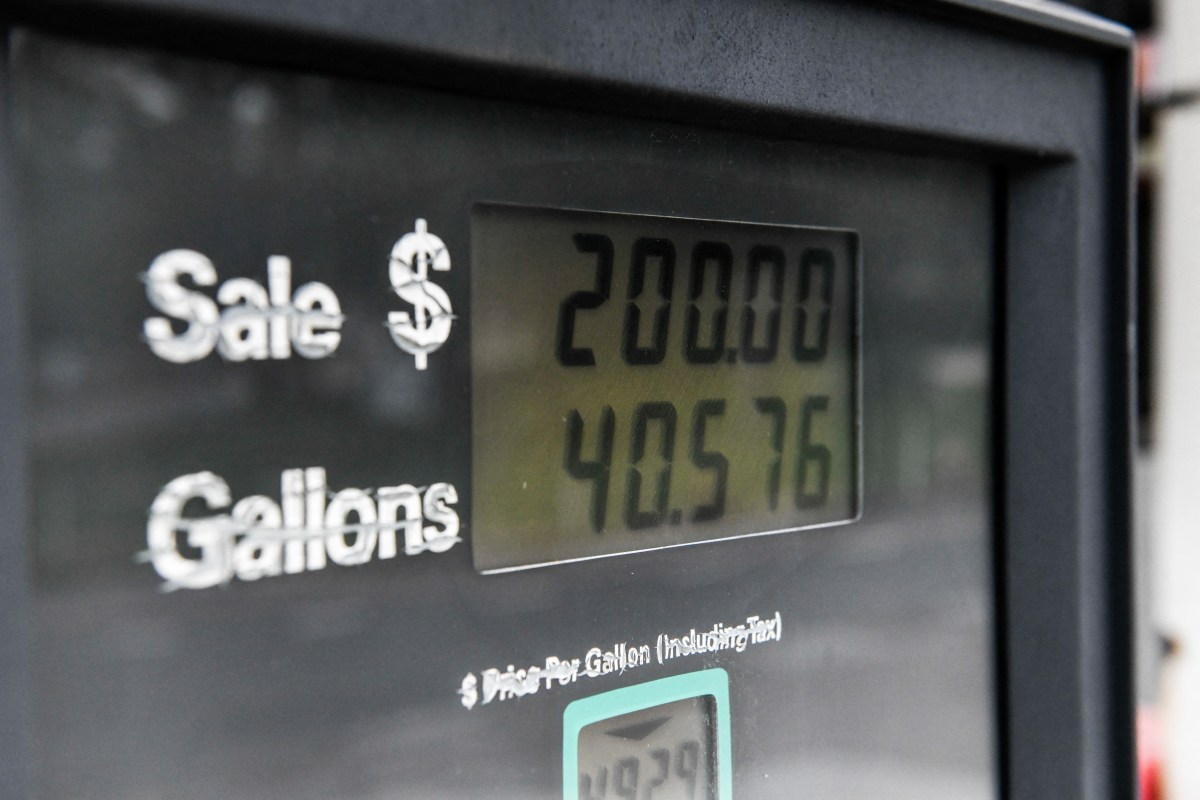
In Shungnak, a remote village in Alaska, gas prices recently reached $26.82 per gallon due to transportation challenges and higher global oil costs linked to the U.S.-Israeli conflict with Iran. This price is much higher than the national and state averages and highlights supply problems caused by the war and local delivery difficulties.
Key Facts
Gasoline in Shungnak, Alaska, hit $26.82 per gallon, the highest in the region.
The village depends on air travel for fuel deliveries because barges could not reach it due to low water levels.
The price almost doubled overnight from $13.99 to $26.82 after gasoline had to be flown in.
Shungnak’s gas prices have been high for years; it was $14.03 per gallon in 2022 and over $8 in 2007.
The U.S.-Israeli war with Iran has kept global oil prices high due to disruptions in the Strait of Hormuz, a key oil route.
National average gas price is about $4 per gallon, with Alaska’s average ranging between $3.49 and $5.62.
Fuel costs in remote Alaska communities depend heavily on transportation access, weather, and river conditions.
Rising fuel prices could impact voter sentiment in upcoming elections, especially in areas like Alaska.
Read the Original
Want the full story? Tap a source to open the original
article.
General Mills announced that it will stop using artificial colors in its cereals sold in the United States. The company said it aims to remove these dyes from all its cereals by the end of 2027.
Key Facts
General Mills is removing artificial colors from its U.S. cereal products.
The company expects to complete this change by the end of 2027.
So far, 90% of General Mills’ cereal lineup in U.S. stores already uses no artificial colors.
The announcement was made through a press release on Wednesday.
This change reflects General Mills’ efforts to offer more natural food options.
The update applies specifically to cereals sold within the United States.
Read the Original
Want the full story? Tap a source to open the original
article.
Bill Gates warns that artificial intelligence (AI) will quickly change the U.S. job market and may cause millions of job losses. He says AI will affect many industries like law, medicine, and manufacturing within the next decade, and urges new policies to protect workers.
Key Facts
AI is advancing very fast, faster than past technology changes.
AI will impact jobs in many fields including customer service, software, and manufacturing.
Gates says AI will soon do work with very few mistakes, reducing the need for human help.
Both white-collar (office) and blue-collar (physical) jobs will be affected by AI.
Gates suggests a tax on AI tools and robots to slow down replacing workers.
He proposes keeping certain jobs, like caregiving, reserved for humans.
Countries may choose different approaches based on their workforce, like Japan using robots due to fewer young workers.
Gates calls for urgent discussions on policies to handle AI job changes.
Read the Original
Want the full story? Tap a source to open the original
article.
Evergrande, once one of China’s biggest property developers, grew rapidly and took on a huge amount of debt. Its collapse has caused a crisis in China’s housing market and hurt the country’s economy. The company’s founder, Hui Ka-yan, has been sentenced to life in prison for crimes like bribery and illegal use of funds.
Key Facts
Evergrande was a major player in China’s property boom and economic growth.
The company became one of the world’s most indebted businesses.
Evergrande’s financial problems contributed to a housing market crisis in China.
Its collapse revealed weaknesses in China’s way of managing property development.
Hui Ka-yan, the founder and chairman, received a life sentence for corruption and misuse of funds.
The situation with Evergrande has implications for China’s wider economy and the global economy.
The news program discussed Evergrande’s rise, fall, and impact with reporters based in Beijing.
Read the Original
Want the full story? Tap a source to open the original
article.
The FDA has approved Rasonque, an oral medicine for advanced pancreatic cancer that targets proteins driving tumor growth. The drug, developed by Revolution Medicines, has shown in trials to extend the survival of patients with metastatic pancreatic cancer compared to chemotherapy.
Key Facts
Rasonque (generic name daraxonrasib) is a once-daily pill approved for advanced pancreatic cancer treatment.
It targets the RAS protein family, especially KRAS mutations, which are common in over 90% of pancreatic cancers.
The FDA approved the drug about 6.5 months before the deadline and granted special designations to speed up approval.
Rasonque is for adults whose cancer has worsened after prior treatment or who cannot use standard chemotherapy.
The drug costs $39,800 for a 30-day supply at wholesale price; patient costs may vary with insurance and assistance programs.
In clinical trials, patients on Rasonque lived a median of 13.2 months versus 6.7 months with chemotherapy, reducing death risk by 60%.
Side effects were fewer and less severe than chemotherapy’s and included rash, diarrhea, nausea, and fatigue.
Over 2,000 patients accessed the drug early through an expanded-access program before full approval.
Read the Original
Want the full story? Tap a source to open the original
article.
Canadian officials have suggested that cutting off electricity exports to the U.S. could be considered as a trade response, but experts say this would not cause major blackouts in U.S. cities. The U.S. gets some electricity from Canada, but it has many other sources, so electricity supply would continue, though prices might rise.
Key Facts
Ontario Premier Doug Ford said "everything is on the table" in the trade dispute with the U.S., including possibly cutting electricity exports.
Canada imposed about $20 billion in tariffs on U.S. goods but has not limited electricity exports so far.
Canada exported $3.3 billion worth of electricity to the U.S. in 2025; the U.S. imported $1.4 billion worth from Canada.
The U.S. generated 4,430 terawatt hours of electricity in 2025, while Canadian exports accounted for about 33 terawatt hours to the U.S.
Experts say stopping electricity from Canada would not cause blackouts because the U.S. has many other electricity sources.
If Canada cut off electricity, prices in the U.S. could rise due to more expensive alternative energy sources.
In extreme cases, businesses like data centers might need to reduce power use or switch to backup generators temporarily.
Any necessary rolling blackouts would be managed with notifications to consumers ahead of time.
Read the Original
Want the full story? Tap a source to open the original
article.