Rocket Lab launched a military mission called Victus Haze just under 17 hours after receiving the launch order, setting a new speed record. Meanwhile, German space company OHB plans to raise funds for its satellite and rocket projects, including Rocket Factory Augsburg’s development of the RFA One rocket.
Key Facts
Rocket Lab launched the Victus Haze mission 16 hours and 42 minutes after getting the go-ahead from the U.S. Space Force.
Victus Haze aims to show how the military and private companies can quickly launch satellites to respond to space threats.
Rocket Lab did not announce this launch widely or provide a livestream.
OHB, a German space tech company, plans to raise about 510.7 million euros (around $580 million) through new shares.
Part of this funding will support Rocket Factory Augsburg, an OHB spinoff working on the RFA One rocket.
Rocket Factory Augsburg’s rocket debut date is uncertain due to problems in testing its first stage.
Sirius Space Services secured a spot to use the Guiana Space Center for launching rockets.
Sirius Space is developing three small rockets, with the smallest carrying up to 180 kilograms to orbit.
Read the Original
Want the full story? Tap a source to open the original
article.
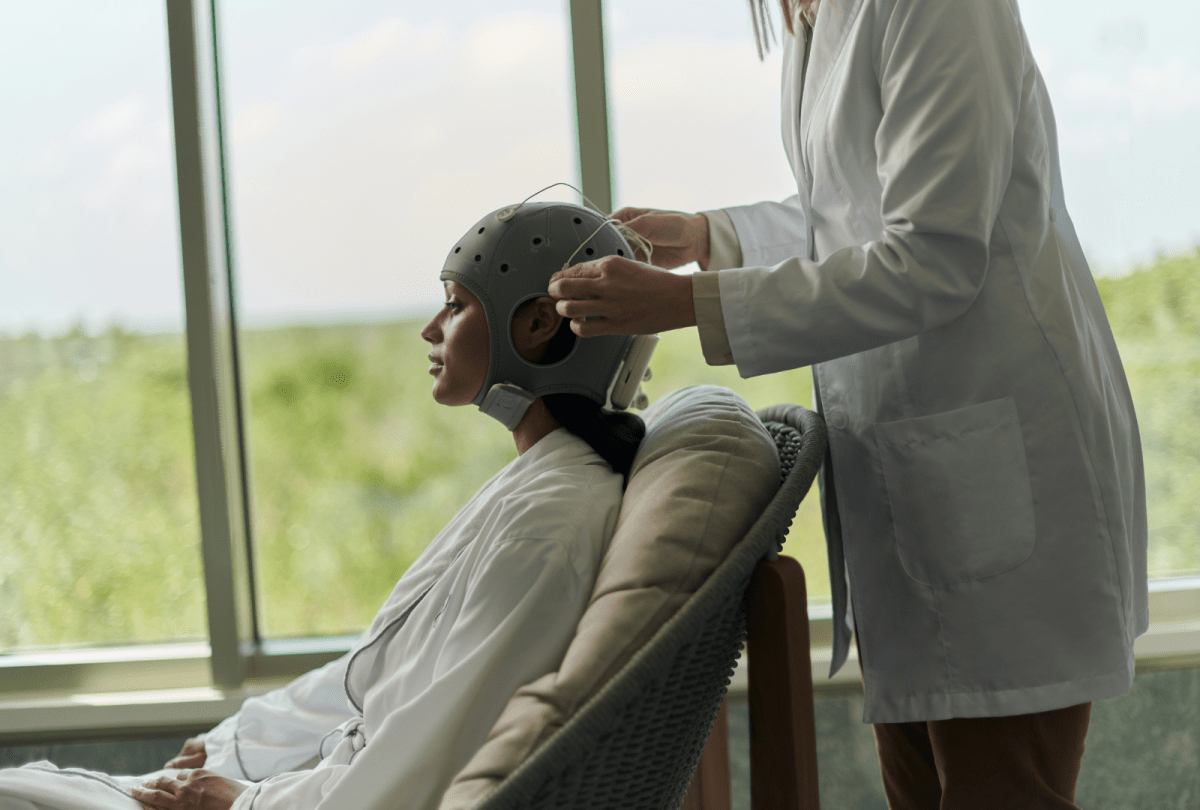
Neurowellness is a new field that uses technology and lifestyle changes to help people reduce stress and improve brain health. Devices like brainwave-reading headbands and nerve stimulators support better sleep and mental rest, while tests measure brain function to create personalized care plans.
Key Facts
Neurowellness helps people manage mental overload and stress by supporting brain health and nervous system adaptability.
Increased screen time has been linked to higher risks of insomnia, anxiety, and stress, especially in young people.
Cognitive Function Testing uses computer games to assess memory, attention, and reasoning, creating personalized brain health profiles.
SHA Wellness resort offers brain tests and treatments like acupuncture, massage, and yoga to improve cognitive performance and resilience.
Devices like Pulsetto FIT stimulate the vagus nerve to reduce stress, and the Elemind headband reads brainwaves to improve sleep quality.
Neurowellness focuses on prevention and lifestyle improvements rather than just treating illness.
The NeuroWellness Center uses a mix of therapy and brain mapping technology to provide personalized recommendations.
The Global Wellness Summit has recognized neurowellness as a major health trend for the year.
Read the Original
Want the full story? Tap a source to open the original
article.
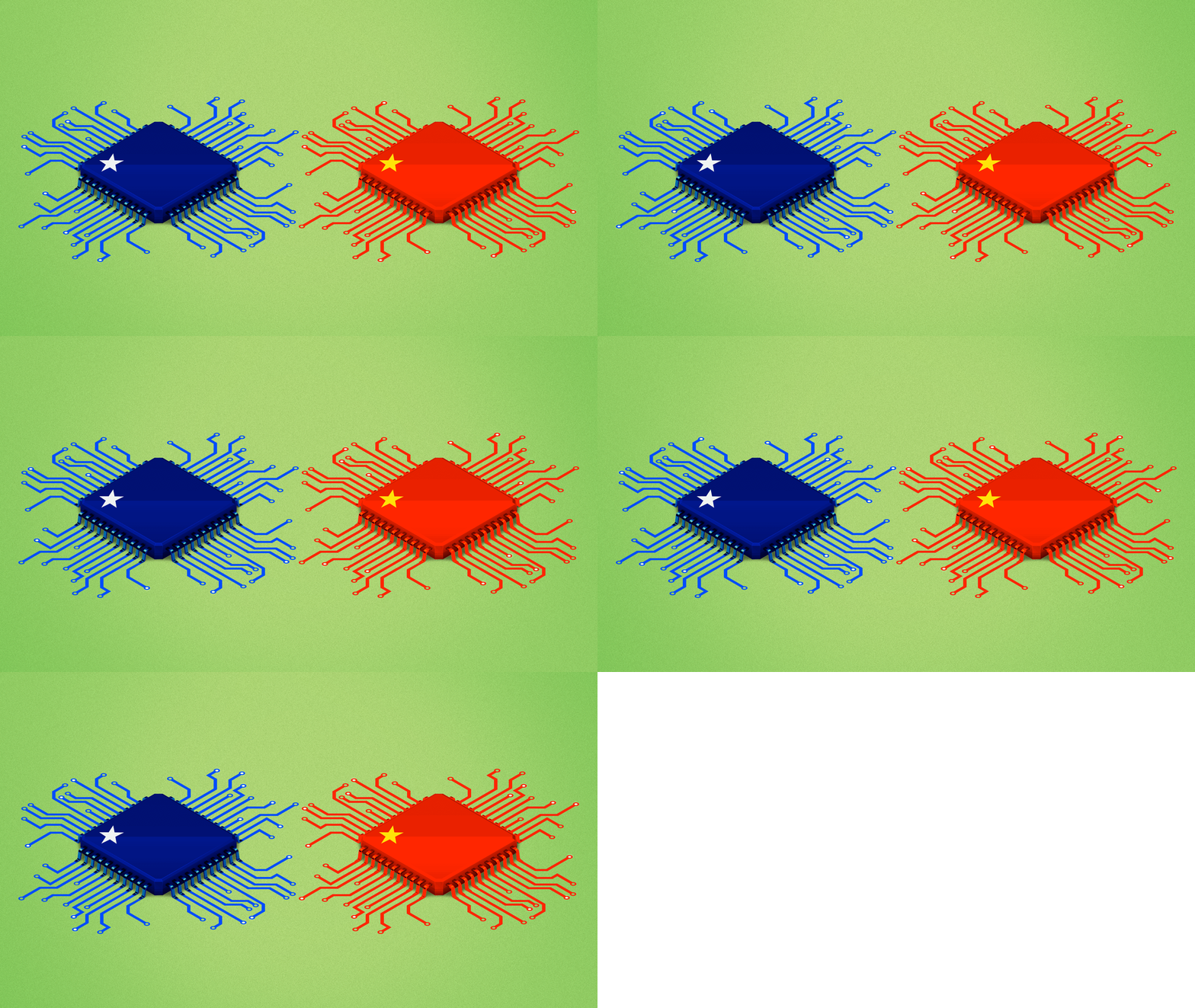
The U.S. government is working to promote American artificial intelligence (AI) worldwide, but faces challenges because Chinese AI models are cheaper and more widely used in many countries. The U.S. export controls on AI tools have caused uncertainty, while China spreads its AI technology quickly across industries and countries, leading to concern about the future global balance in AI adoption.
Key Facts
China offers AI models that are less advanced than some American ones but are more affordable and widely available.
The U.S. export controls on advanced AI models, like those from Anthropic, have created uncertainty in the AI industry.
The U.S. State Department expanded the Pax Silica initiative to build an alliance of countries supporting U.S.-led AI technology and reduce dependence on China.
Experts warn that widespread use of Chinese AI in developing countries could create dependence on Chinese technology similar to the Huawei case.
Some countries, including in Europe and the UAE, seek "digital sovereignty," wanting more control over their own AI technology.
35 countries signed the "Declaration on AI Opportunity," supporting U.S. efforts to lead global AI development.
U.S. officials criticize the pursuit of independent AI infrastructure as limiting innovation and cooperation.
The main U.S. challenge is not just developing cutting-edge AI but convincing other countries to use American AI rather than Chinese alternatives.
Read the Original
Want the full story? Tap a source to open the original
article.
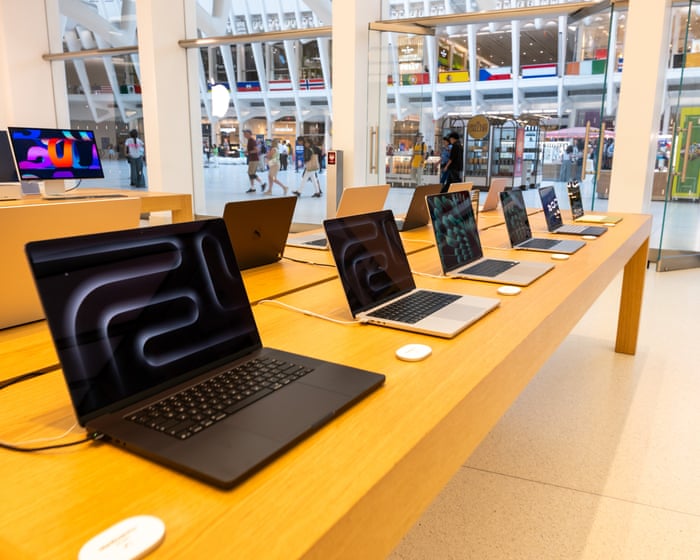
Apple and Microsoft have raised prices on their devices because AI technology is increasing the cost of key parts like memory chips. This price rise affects not only computers and tablets but also gaming consoles, as companies face higher costs they cannot absorb.
Key Facts
Apple increased prices by up to 25% on MacBook and iPad models due to higher memory chip costs linked to AI demand.
Microsoft raised Xbox console prices by up to $150 for the same reason.
Storage and memory costs have more than doubled since last fall.
Gaming consoles are often sold at a loss or very low profit, so higher component costs lead directly to price hikes.
The AI boom is driving up demand for resources like electricity, water, and data center space.
Consumer electronics prices, which usually fall over time, are now rising because of AI-related cost increases.
Computer software and accessories prices jumped a record 14.5% in May compared to last year.
AI’s effect on jobs is still uncertain, but its impact on product prices is already visible to consumers.
Read the Original
Want the full story? Tap a source to open the original
article.
Apple has raised prices on MacBooks and iPads in Australia by at least 20%, citing increased costs for computer parts driven by demand for artificial intelligence (AI). Microsoft also increased Xbox prices due to rising memory and storage costs. Retailers have not yet fully passed on these price hikes.
Key Facts
Apple increased MacBook Air 13-inch price from $1,799 to $2,099 and MacBook Pro 14-inch from $2,799 to $3,199 in Australia.
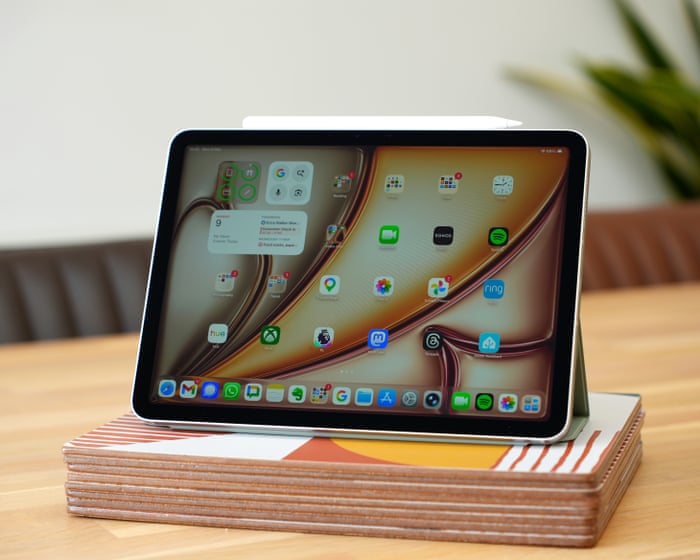
iPad prices also rose, for example, the standard iPad from $599 to $749 and iPad Pro from $1,699 to $1,999.
Apple’s smaller MacBook Neo, launched in March at $899, now costs $1,049.
Apple said it absorbed rising component costs until now, but the sharp increase forced price hikes.
Microsoft raised Xbox console prices by US$100 to US$150 due to rising storage and memory costs.
The shortage of computer chips and memory, driven by AI demand and data center growth, is leading to higher product costs.
Experts say the chip and memory shortage may permanently increase prices for affordable consumer devices.
Retailers like JB Hi-Fi still offer lower prices temporarily, but price increases are expected to spread.
Read the Original
Want the full story? Tap a source to open the original
article.
Apple and Microsoft have raised prices on some popular products because memory chip costs are going up fast due to demand from artificial intelligence (AI). Apple increased prices on Macs and iPads by about 20% or more, while Microsoft raised the cost of certain Xbox consoles.
Key Facts
Apple raised prices on many Mac and iPad models by 20% or more.
The base MacBook Air price rose from $1,099 to $1,299 in the U.S.
The Mac Studio M3 Ultra desktop increased from $3,999 to $5,299.
Apple said they delayed raising prices until now despite rising chip costs.
AI data centers are driving higher demand and prices for memory chips.
Apple’s stock dropped over 6% after the price increases were announced.
Microsoft increased prices on Xbox consoles by $100 to $150 for bigger storage models.
Microsoft expects memory and storage chip prices to double again by 2027.
Read the Original
Want the full story? Tap a source to open the original
article.
Many well-known Australian musicians discovered their songs were included without permission in large collections of music used to train artificial intelligence (AI) tools. They worry that using their creative work this way ignores their rights and takes away their control over how their art is used.
Key Facts
A tool from The Atlantic showed millions of songs used in AI training datasets, including works by Kylie Minogue, Nick Cave, Powderfinger, and others.
Musicians like Paul Dempsey, Bernard Fanning, and Darren Hayes found their entire music catalogues included without their consent.
The datasets contain millions of tracks gathered mainly from YouTube and lyrics websites.
Using songs for AI training can violate artists’ rights and bypass negotiated agreements or payments.
APRA AMCOS, a music licensing group, says this practice amounts to theft of creative work.
Some AI companies may not actually use all the songs in their training, but inclusion in datasets raises legal and ethical concerns.
Australia’s intellectual property laws require permission and payment when copyrighted work is used, but tech companies have pushed for exceptions.
The Australian government recently rejected proposed changes that would have allowed AI use of content without paying creators.
Read the Original
Want the full story? Tap a source to open the original
article.
African countries are working to develop their own artificial intelligence (AI) systems and digital infrastructure as foreign tech companies invest heavily in the continent. Governments want more control over this technology and are creating strategies to build local AI talent and reduce reliance on outside companies, but challenges remain, including limited data center capacity and infrastructure issues.
Key Facts
African Union ministers met in Morocco to discuss AI strategies and investment across Africa.
Countries like Nigeria, Kenya, Egypt, and Ghana have published national AI plans to build local capabilities.
The Africa Declaration on Artificial Intelligence calls for more investment in African AI infrastructure and innovation.
Africa holds less than 1% of the world’s data center capacity despite having about 18% of the global population.
South Africa withdrew a draft AI policy due to concerns about some content being generated by AI tools.
Kenya is considering a $1 billion data center project involving Microsoft and G42, which raised concerns about energy demands.
Global tech companies face increasing pressure from African governments to meet local needs and regulations.
Reliable electricity supply across much of Africa is a major barrier to expanding data centers and digital infrastructure.
Read the Original
Want the full story? Tap a source to open the original
article.
Apple raised prices on its iPad and MacBook products due to higher costs for memory and storage chips. This price increase is linked to strong demand for chips from companies building artificial intelligence (AI) data centers. Apple has not yet raised iPhone prices but may do so soon.
Key Facts
Apple increased the starting price of its lowest-cost MacBook, the Neo, from $599 to $699.
Prices for a MacBook Air with 512GB storage rose by $200, and a MacBook Pro with 1TB went up by $300.
Other Apple products like the HomePod smart speaker and Apple TV also saw price increases.
The price of key computer memory chips rose by nearly 100% in early 2026 and is expected to increase by 58% to 63% this quarter.
The rise in chip prices is driven by AI data center demand, with companies like Nvidia signing long-term contracts with chip makers.
Apple has tried to protect customers from these cost increases but could no longer do so.
Analysts predict iPhone prices will rise soon and say Apple timed its announcement ahead of the fall iPhone launch.
The high chip prices are expected to reduce smartphone and PC sales worldwide this year, with smartphone sales predicted to drop nearly 14% and PC sales 11.3%.
Read the Original
Want the full story? Tap a source to open the original
article.
Two young men, Owen Flowers and Thalha Jubair, pleaded guilty to a cyber-attack that disrupted Transport for London (TfL) services in 2024. Both had prior records of cyber-crime and were known to police before the attack, which exposed millions of people’s personal data and caused long service delays.
Key Facts
Owen Flowers (18) and Thalha Jubair (20) admitted to hacking TfL, causing months of disruption.
The attack affected personal data of millions and forced 28,000 TfL staff to reset passwords in person.
Both had histories of cyber-crime and were previously known to law enforcement.
Flowers was first noticed by police at age 16 and was given a cease and desist order, but no further intervention.
They were part of a cyber-crime group called Scattered Spider, linked to attacks on major UK retailers.
Police want stronger powers to stop high-risk cyber-criminals earlier, including new legal orders called Cyber Crime Risk Orders (CCROs).
During his arrest, Flowers had numerous electronic devices and cryptocurrency worth millions of pounds.
Investigation also linked Flowers to hacks on two US health organizations; he now faces charges in the US as well.
Read the Original
Want the full story? Tap a source to open the original
article.
Geothermal energy uses heat from beneath the Earth’s surface to produce power. New technologies, like enhanced geothermal systems and millimetre wave drilling, aim to access hotter and deeper parts of the Earth more efficiently and safely.
Key Facts
Geothermal energy produces low greenhouse gas emissions, appealing to both liberal and conservative politicians in the U.S.
Enhanced geothermal systems (EGS) create underground cracks by pumping pressurized fluid into wells to access heat.
The technique used in EGS is similar to fracking, but it focuses on clean energy instead of oil and gas.
New drilling technologies are being developed to reach deeper and hotter rock, including millimetre wave drilling that melts rock using electromagnetic waves.
Quaise, a company based on MIT research, is working on millimetre wave drilling to improve cost and speed by avoiding physical drill bits.
This drilling allows geothermal energy to be used almost anywhere, not just in traditional hot spots.
Water is recycled in these systems to avoid contamination and reduce usage.
U.S. lawmakers recently proposed a bill to support the development of next-generation geothermal technologies.
Read the Original
Want the full story? Tap a source to open the original
article.
Microsoft has extended its Extended Security Updates (ESU) program for Windows 10 by another year, now supporting the system until October 12, 2027. This extension allows users who still use Windows 10 to receive security updates for an extra year beyond the original end date.
Key Facts
Microsoft ended regular Windows 10 updates in October 2023.
The original ESU program provided free extended updates until October 12, 2026.
Microsoft quietly extended the ESU program by one more year, now until October 12, 2027.
About 26% of PCs still run Windows 10, while 72% use Windows 11.
Windows 11 requires newer PC hardware, which has slowed user upgrades from Windows 10.
The ESU updates are free in the EU, but elsewhere cost $30 or 1,000 Microsoft Rewards points unless users sync their Microsoft account and system settings.
The ESU license covers up to 10 personal devices; businesses pay per device.
Microsoft has extended support for old Windows versions in the past, like Windows XP.
Read the Original
Want the full story? Tap a source to open the original
article.
At a recent global summit in Edinburgh, experts discussed challenges in turning AI software advances into real-world products and factories. They highlighted that while AI software is improving very fast, making the physical machines and supply chains needed to use AI is much slower and faces legal and regulatory challenges.
Key Facts
The “World of Tomorrow” summit brought founders, ministers, and investors together to discuss AI and manufacturing.
AI software is advancing quickly, but factories and supply chains move slowly, creating a gap.
Startups rely on long-term deals with big companies like Nvidia and Intel to get hardware and funding.
Digital twins and simulations help speed up design by allowing thousands of virtual tests before building actual machines.
Legal experts warn there is uncertainty about who is responsible if AI systems cause harm.
Current laws are based on older software ideas and don’t fit well with AI, which can be unpredictable and hard to explain.
Autonomous vehicle incidents, like Tesla Autopilot crashes, show the challenges of proving safety and liability for AI.
Experts call for better regulations that protect users without stopping innovation.
Read the Original
Want the full story? Tap a source to open the original
article.
The Federal Communications Commission (FCC) is considering changes to the E-Rate program, which helps schools and libraries pay for internet services. FCC Chairman Brendan Carr proposed possibly reducing or ending the program, saying students spend too much time on screens and schools now have better internet access than when the program started.
Key Facts
E-Rate is a $2 billion yearly program providing discounts for internet and telecom services in schools and libraries.
The program began in 1997 to ensure schools and libraries had internet access.
FCC Chairman Brendan Carr led a 2-1 vote to ask the public for opinions on changing or ending E-Rate.
Carr said students increasingly spend many hours a day on screens, which motivated the review.
The FCC draft asks if E-Rate should be limited or ended since many schools are already well-connected.
Commissioner Anna Gomez, the sole Democrat on the FCC, opposed reviewing ending the program and warned the proposals show a misunderstanding of schools’ needs.
A final FCC decision could come in a few months and might face legal challenges over the agency’s authority.
E-Rate offers discounts of 20% to 90% for eligible telecom services and equipment used by schools and libraries.
Read the Original
Want the full story? Tap a source to open the original
article.
Notion bought the email and productivity company Skiff in early 2024, then shut down Skiff’s email service within a year. In April 2025, Notion launched Notion Mail, a Gmail client using Skiff’s technology, but now it announced it will close Notion Mail by September 22, 2025, since most users rely on AI tools to manage their emails instead of opening their inboxes.
Key Facts
Notion acquired Skiff, a company focused on encrypted email and productivity, in February 2024.
Skiff’s original email service was shut down within a year after the acquisition.
Notion Mail, a Gmail client influenced by Skiff’s technology and team, launched in April 2025.
Notion will close Notion Mail across all platforms on September 22, 2025.
Most Notion Mail users manage emails through AI agents without opening their inboxes.
Email data will remain in Gmail after Notion Mail closes, but users should export drafts and scheduled emails by September 21, 2025.
Users can export setups like auto-label rules to use elsewhere or recreate them with Notion’s AI agents.
Organizations needing HIPAA compliance must switch from Notion Mail by June 30, 2026.
Skiff had about 2 million users before being acquired and was known for strong email privacy, which Notion Mail did not fully keep.
Read the Original
Want the full story? Tap a source to open the original
article.
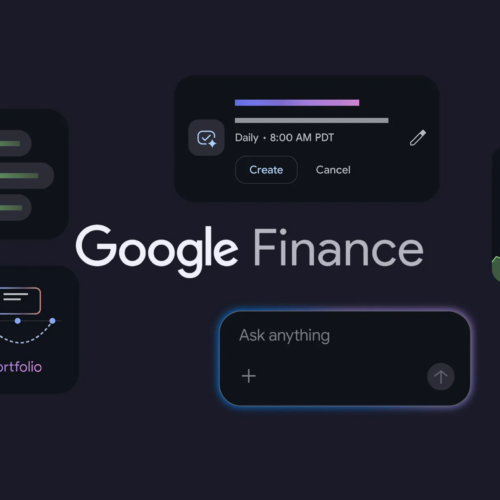
Google has launched its first Google Finance app for Android devices, with an iOS version planned for later in 2026. The app includes AI features to help users understand market changes, track stocks, and receive financial news, similar to the recently updated Google Finance website.
Key Facts
Google Finance has existed for 20 years but never had a mobile app until now.
The new app is available worldwide on Android via the Google Play Store.
An iOS version is expected to arrive later in 2026.
The app uses artificial intelligence (AI) to highlight important market events and explain stock movements.
Users can create watchlists, track real-time market data, and follow financial news in one place.
The app features a chat function powered by AI to answer questions about stocks and finance.
Some advanced features on the Google Finance website, like portfolio uploads via CSV or PDF, are not yet in the app but will be added over time.
The website and app send AI-generated research updates and notifications based on user interests, including cryptocurrencies.
Read the Original
Want the full story? Tap a source to open the original
article.
Apple is raising prices on several MacBook and iPad models because the cost of computer parts, like memory and storage, has gone up a lot due to high demand driven by artificial intelligence (AI). Apple has so far avoided price increases but now needs to pass some of the higher costs on to customers.
Key Facts
Apple announced price increases for MacBooks and iPads due to rising component costs.
The MacBook Neo price rose from $599 to $699.
MacBook Air 512GB increased from $1,099 to $1,299; MacBook Pro 1TB went from $1,699 to $1,999.
iPad Air 128GB now costs $749, up from $599.
Prices for iPhones have not been raised yet, but an increase is expected later.
The surge in AI data centers has caused higher demand for computer chips, creating shortages and price rises.
Experts say the chip shortage may continue until 2027.
Apple’s stock price fell 5.6% after the price hike announcement.
Apple CEO Tim Cook stated the situation is unusual and unsustainable despite efforts to limit price increases.
Read the Original
Want the full story? Tap a source to open the original
article.
Anthropic accused Chinese company Alibaba of illegally copying its AI model called Claude by making millions of fake interactions to steal its capabilities. This activity happened despite President Trump’s warnings against such actions, and Anthropic wants stricter laws to stop foreign companies from stealing U.S. AI technology.
Key Facts
Anthropic claims Alibaba created almost 25,000 fake accounts to interact more than 28.8 million times with Claude between April 22 and June 5.
The goal was to copy Claude’s advanced functions like reasoning and software engineering without paying for research and training.
Alibaba used methods to hide their identity online and avoid being detected.
This copying effort continued even after President Trump warned China about industrial-scale AI theft.
Anthropic said these attacks waste billions of dollars of U.S. investment and give unfair advantages to foreign competitors.
Alibaba is listed on the New York Stock Exchange and has U.S. business ties but is accused of ignoring U.S. regulations.
Alibaba is suing the Trump administration to remove a blacklist designation, denying any military connections.
Anthropic urged Congress to create stronger laws to protect American AI technology and prevent future attacks.
Read the Original
Want the full story? Tap a source to open the original
article.
Scientists have discovered the detailed 3D structure of human cone opsins, the proteins in the eye that allow us to see color. This new understanding helps explain how these proteins work and could aid future research into vision problems like color blindness.
Key Facts
Cone opsins are proteins in the eye’s retina that detect color by converting light into signals for the brain.
Researchers used special methods like cryo-electron microscopy under dim red light to capture detailed images of blue- and green-sensitive cone opsins.
Cone opsins have tiny internal "microswitches" that keep them ready to respond quickly to light.
Green-sensitive opsins are more flexible, responding to lower-energy light, while blue-sensitive opsins have a tighter structure requiring higher-energy light.
The study may help explain how certain genetic mutations cause color vision deficiencies by affecting the protein structure.
This research is fundamental and does not yet provide direct treatment methods for vision disorders.
Understanding cone opsins better could eventually assist in developing ways to preserve vision in diseases like macular degeneration.
Humans have three types of cone opsins, each detecting different colors, influenced by the protein's structure surrounding the light-sensitive part.
Read the Original
Want the full story? Tap a source to open the original
article.
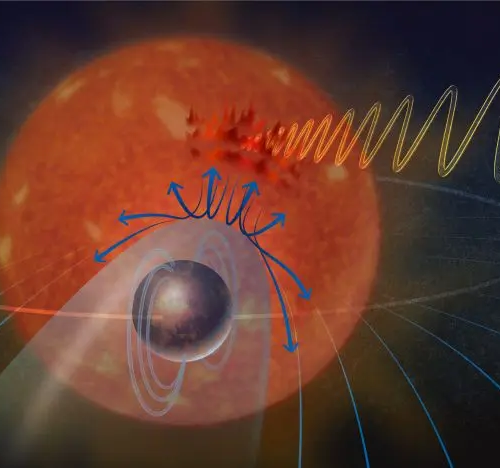
Scientists studied a star called GJ 436, which has a large planet orbiting very close to it every 2.6 days. They found that the star’s and planet’s magnetic fields interact, causing changes in the star's brightness that follow the planet’s orbit pattern with some variations.
Key Facts
GJ 436 is a red dwarf star about 30 light-years from Earth.
It has one known planet, about four times the mass of Earth, orbiting every 2.6 days.
The planet orbits so close that their magnetic fields can connect and influence each other.
Researchers observed changes in the star’s chromosphere, a thin outer star layer affected by magnetic activity.
These changes cause periodic brightening roughly aligned with the planet’s orbit.
The timing of the brightening shifts slightly due to the star’s rotation and the planet’s magnetic field tilt.
Sometimes the magnetic interaction signal disappears during high activity cycles of the star.
The study used years of existing observations to track the star and planet’s magnetic activity over time.
Read the Original
Want the full story? Tap a source to open the original
article.