Scientists used gene editing on two beagle dogs to remove a major protein that causes allergies in humans. Early results show these dogs do not produce the allergen and do not trigger allergic skin reactions in tests, opening the possibility of reducing pet allergies through genetic changes.
Key Facts
Researchers gene-edited two beagles, named Alfie and Bailey, in September 2024.
The edited dogs do not produce Can f 1, a protein responsible for many dog allergies.
Tests on the dogs' saliva, hair, and dander found no Can f 1 allergen.
One person with dog allergies showed no skin reaction to extracts from the edited dogs.
This study is a proof of concept with only two dogs, not a finished treatment.
Gene editing may help correct inherited health problems in pets by making small DNA changes.
Researchers hope gene editing will improve animal health and welfare without changing appearance or temperament.
The team is also considering applying gene editing to other animals, like cats, but allergies in cats involve more complex genetics.
Read the Original
Want the full story? Tap a source to open the original
article.
CD players and CDs are becoming popular again, especially among young people and students. Sales of CD players and CDs have increased, driven by factors like lower cost compared to vinyl and better sound quality than streaming on phones.
Key Facts
Searches for CD players have increased by 96% since July.
Popular CD players like the Crosley Voyager and Pure Classic C-D6 are sold out online.
CD sales grew by 16% this year, outperforming vinyl sales growth of 2.4%.
Artists like BTS, Olivia Rodrigo, and Ariana Grande are helping drive CD demand.
CDs typically cost around £12, much cheaper than vinyl records priced about £35.
Young buyers prefer CDs due to good audio quality, compact size, and lower price.
Retro technology, including vinyl, cassettes, and wired earphones, is gaining renewed interest.
The trend is supported by people wanting an all-in-one system for playing music without using phones.
Read the Original
Want the full story? Tap a source to open the original
article.
Hollywood writers, directors, and producers are working to train artificial intelligence (AI) systems to do their creative jobs. They are paid to teach AI how to write scripts, plan shoots, and transcribe videos, even as job opportunities in the entertainment industry decline.
Key Facts
Experienced Hollywood creatives are paid between $12 and $200 an hour to train AI models.
These AI systems learn tasks like screenplay writing, creating shooting schedules, and video transcription.
Workers feel conflicted because they are helping AI replace jobs in their own profession.
AI use in entertainment is growing; for example, Netflix used AI in 300 of its 1,000 titles in 2026.
Film shoot days in Los Angeles dropped 48% between 2021 and 2025 due to various factors including the pandemic and the writers’ strike.
US motion picture and sound recording jobs fell 28% from July 2022 to May 2026.
Industry workers view AI as inevitable and believe it will reshape or eliminate many job roles.
Directors like Ron Howard are adopting AI technology for projects such as animated documentaries.
Read the Original
Want the full story? Tap a source to open the original
article.
Experts predict a major breakthrough in artificial intelligence (AI) soon, which could lead to AI systems becoming smarter than humans. While some see great benefits, many worry that AI could cause serious disasters or even threaten human survival, but global cooperation on managing AI risks remains limited.
Key Facts
Artificial intelligence may rapidly improve itself, leading to superintelligent systems.
Some experts, like Elon Musk, expect big benefits but also acknowledge risks of AI causing harm.
Geoffrey Hinton, a leading AI researcher, estimates a 50% chance that AI could cause human extinction.
The U.S. financial market is heavily invested in AI development by major tech companies.
World leaders, including China’s president Xi Jinping and Pope Leo XIV, have spoken about AI risks and regulation.
A British think tank says global cooperation on AI governance may need a major crisis to happen.
Experts warn a significant AI disaster could happen within months, especially affecting critical infrastructure.
Despite potential disasters, there is little evidence that humans will unite globally to manage AI dangers effectively.
Read the Original
Want the full story? Tap a source to open the original
article.
A teenager known as P.M.Y. has dropped her lawsuit against social media companies Meta, YouTube, and Snapchat. The case was about claims that these platforms were designed to be addictive, but she dismissed the suit after settling with TikTok.
Key Facts
The lawsuit involved major social media companies: Meta, YouTube, Snapchat, and TikTok.
The teen, called P.M.Y., accused these platforms of creating addictive experiences.
She previously settled her case with TikTok.
The remaining claims against Meta, YouTube, and Snapchat were dismissed.
The lawsuit was scheduled for trial later this year.
This case was part of a larger group of similar lawsuits against social media giants.
The focus was on how social media platforms might affect users’ mental health via addictive features.
Read the Original
Want the full story? Tap a source to open the original
article.
Many cities in the United States are disconnecting Flock cameras that monitor traffic and record violations. This is happening because more people are worried about their privacy with these cameras.
Key Facts
Flock cameras are used to watch traffic and capture rule-breaking on roads.
Concerns about privacy have increased among the public.
Because of these concerns, cities are turning off or removing the cameras.
The cameras record video data to help enforce traffic laws.
Some people worry the cameras collect too much personal information.
This trend is happening in multiple cities across the country.
The issue has gained attention through news reports like CBS News.
Read the Original
Want the full story? Tap a source to open the original
article.
Several videos showing early footage of the new video game Grand Theft Auto 6 (GTA 6) were leaked online before its official preview. Rockstar Games' parent company, Take-Two Interactive, has started legal action to stop the spread of these clips and find the people sharing them.
Key Facts
GTA 6 is a highly awaited video game, with an official 30-minute preview planned on Netflix.
Videos showing parts of the game appeared online without Rockstar’s approval about a week before the preview.
Take-Two Interactive sued companies hosting the leaked content, asking for user details of those sharing the footage.
Rockstar has not officially commented on the leaks so far.
The leaked videos are being taken down quickly due to copyright claims.
Some hackers claim they leaked the content for player interests but also ask for cryptocurrency donations.
Experts say the leaks hurt the developers who worked on the game for about ten years.
Industry voices suggest most gamers are not seeking out leaked clips and doubt the leaks help players.
Read the Original
Want the full story? Tap a source to open the original
article.
TikTok will pay $400 million to the US government to settle a lawsuit accusing the company of violating children's privacy laws by collecting data from users under 13 without parental consent. The case involves TikTok's Chinese operations and resolves claims made by the Department of Justice under President Biden.
Key Facts
TikTok agreed to a $400 million settlement over alleged child privacy violations.
The lawsuit was filed in 2024 by the US Department of Justice.
The case was based on violations of the Children's Online Privacy Protection Act (COPPA).
TikTok’s parent company is ByteDance.
TikTok must pay $300 million immediately and $100 million later under the deal.
The lawsuit concerns TikTok’s Chinese operations, despite the US business being mostly separated last year.
Past COPPA-related fines include Google paying $170 million in 2019 and Epic Games paying $275 million in 2022.
TikTok's US business is now mostly owned by American investors; ByteDance owns 19%.
Read the Original
Want the full story? Tap a source to open the original
article.
TikTok and its parent company ByteDance agreed to pay $400 million to the U.S. Department of Justice to settle claims that the app broke children’s online privacy laws. The payment includes $300 million now and another $100 million after a court dismisses a previous agreement.
Key Facts
TikTok and ByteDance face allegations of violating a law that protects children’s online privacy.
The total settlement amount is $400 million.
$300 million will be paid immediately.
The remaining $100 million will be paid after a court dismisses an earlier consent decree.
The U.S. Department of Justice announced the settlement on a Friday.
The case involves protecting children's private information on TikTok.
Read the Original
Want the full story? Tap a source to open the original
article.
Scientists at Penn State have developed a new way to use thunderstorms and the seismic waves they create, called "thunderquakes," to study the Earth's interior. They created a computer model that can make sense of the complex seismic signals caused by thunder, allowing them to create images of underground structures without waiting for earthquakes or using explosives.
Key Facts
Seismic waves help scientists learn about what is below the Earth's surface, such as rock type and water presence.
Thunderstorms create seismic waves when thunder's acoustic shock waves hit the ground, called thunderquakes.
Thunderquake signals are very complex due to the way thunder forms and how waves travel through different materials on Earth.
The Penn State team used a 3D seismic modeling software called SPECFEM3D Cartesian to simulate these waves.
The model simplifies some parts, like treating the atmosphere as a uniform layer, which is not perfectly accurate.
Despite limitations, the model successfully interpreted real thunderquake data from thunderstorms near the university campus.
This new method can provide local seismic imaging without needing natural earthquakes or setting off explosives.
Read the Original
Want the full story? Tap a source to open the original
article.
The Dutch data protection authority fined Uber €825 million ($966 million) for using automated systems to deactivate driver accounts without properly informing them or involving human review. Uber plans to appeal the decision, which is the second-largest fine under Europe’s GDPR rules that protect people from computer-made decisions affecting their lives.
Key Facts
The fine of €825 million ($966 million) was issued on August 17 by the Dutch data protection authority.
This is the second-largest GDPR fine, after a €1.2 billion fine against Meta for data transfer violations.
Uber automated suspensions of driver accounts for suspected fraud or low customer ratings without adequate human review or warning.
GDPR rules say important decisions affecting people’s lives must include human review and a way to challenge the decision.
The case involves incidents across Europe from 2018 to 2022, starting from a French complaint.
Uber says it usually includes human reviews and disputes for suspensions and calls the fine disproportionate.
The fine is based on a share of Uber’s estimated 2025 revenue.
A digital rights group is preparing a lawsuit to seek compensation for drivers affected by the automated decisions.
Read the Original
Want the full story? Tap a source to open the original
article.
Epic Systems held its User Group Meeting in Verona, Wisconsin, focusing on practical uses of artificial intelligence (AI) in healthcare. While AI tools are becoming part of daily work, hospitals face challenges in managing and maintaining these technologies effectively.
Key Facts
Epic Systems showed progress in using AI for healthcare applications at their annual meeting.
This year’s focus was on how AI is currently used instead of future possibilities.
Epic encourages hospitals to use more AI features already available in their software.
Some hospitals, like Inova Health, have many AI features active, improving tasks such as infection prevention.
ECU Health uses AI to better manage patient transfers to regional hospitals.
AI systems require ongoing maintenance to ensure they work correctly over time.
Hospitals will need extra staff and resources to monitor AI tools and keep them updated.
Not all healthcare organizations are ready to handle the ongoing demands of AI technology.
Read the Original
Want the full story? Tap a source to open the original
article.
Motorola and the makers of GrapheneOS plan to launch new Motorola phones in 2027 that will fully support the privacy-focused GrapheneOS. These phones will be high-end devices costing more than Google’s Pixel phones, with advanced security features based on Android.
Key Facts
Motorola and GrapheneOS team up to expand support beyond Google Pixel phones.
The new Motorola phones will launch in 2027 and will be premium, expensive devices.
These phones will come with full support for GrapheneOS but won’t have it pre-installed.
GrapheneOS requires strong hardware security, currently only available in high-end chips like Google Tensor or Qualcomm’s top 8-series chips.
Motorola’s upcoming phones may be foldable models, which are usually more costly.
Cheaper Motorola phones are unlikely to support GrapheneOS soon due to hardware and update limitations.
GrapheneOS offers advanced privacy features like memory protection, detailed network controls, and a duress code to erase data.
The installation of GrapheneOS requires some technical skills, but tools exist to help with the process on supported phones.
Read the Original
Want the full story? Tap a source to open the original
article.
Several public interest groups have asked the Federal Trade Commission (FTC) to investigate AI companies for buying, scanning, and then destroying millions of books. These groups say this practice could limit public access to important books and might be an unfair business practice.
Key Facts
More than a dozen groups sent a letter to the FTC asking for an investigation.
AI companies reportedly buy many books, scan them to train AI language models, and then destroy the physical copies.
Some destroyed books may be the last existing copies of those works.
The groups call this practice "hoard-and-destroy" and say it hurts competition and public access.
They argue this may violate the FTC Act against unfair business practices.
A 2025 court ruling said AI developer Anthropic did not break copyright laws by using purchased books for AI training.
Recent reports claim Amazon also buys books in bulk, scans them for AI, and destroys the originals.
Neither Anthropic nor Amazon has responded publicly to these claims.
Read the Original
Want the full story? Tap a source to open the original
article.
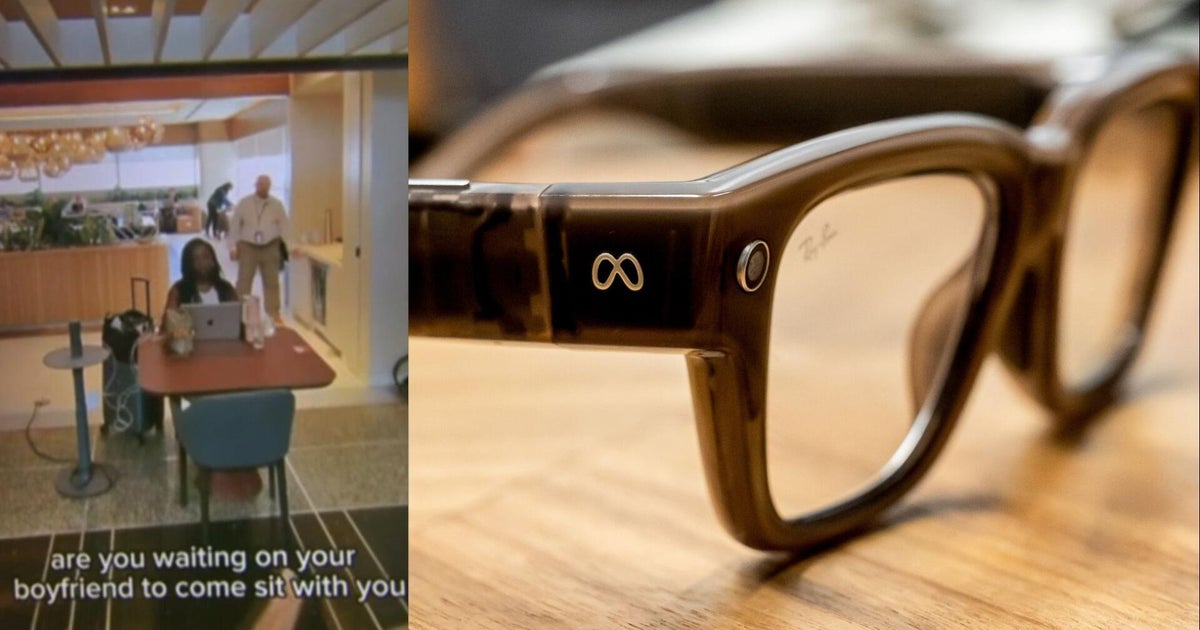
A woman was secretly recorded by a man wearing Meta’s smart glasses, and the video was posted online without her consent. This incident highlights growing privacy concerns about wearable AI devices that can record people without their permission.
Key Facts
A woman named Toluwa Omitowoju found out she was secretly filmed by a man wearing Meta’s smart glasses.
The video was shared widely on social media, gaining over 200,000 views before being removed.
Some content creators use wearable AI devices to make prank videos, often recording people without asking.
Meta says their smart glasses have a light that turns on during recording to alert people, and software to stop recording if the light is blocked.
Testing showed the glasses could still record when the light was covered after recording started, raising privacy questions.
In July, Meta’s Instagram head said the platform is removing videos that harass or take advantage of people through secret recordings.
Texas is investigating Meta’s Ray-Ban smart glasses for possible privacy violations.
Many states allow recordings if only one person consents, which complicates privacy protections for people being filmed unknowingly.
Read the Original
Want the full story? Tap a source to open the original
article.
Meta has released new AI-powered glasses that can record videos. Some people are worried these glasses might cause privacy problems because they could capture videos without others knowing.
Key Facts
Meta has introduced AI glasses that can record video.
The glasses use artificial intelligence to enhance their functions.
Critics say the video recording could invade people’s privacy.
There are concerns about people being filmed without permission.
The glasses represent new technology blending wearables and AI.
Meta is a major technology company known for social media and VR.
Read the Original
Want the full story? Tap a source to open the original
article.
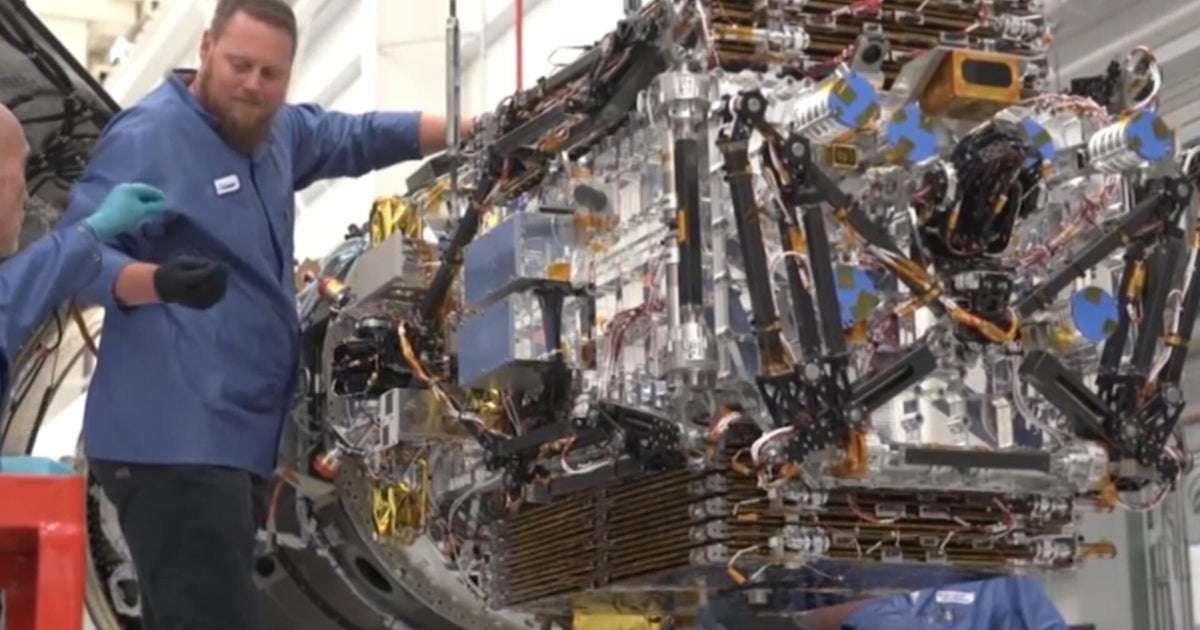
NASA has canceled its plan to rescue the Swift telescope, which is now expected to fall back to Earth. The agency changed its approach after reconsidering the risks and costs of the mission.
Key Facts
NASA had planned a mission to save the Swift space telescope.
The Swift telescope is set to re-enter Earth’s atmosphere soon.
NASA decided not to go ahead with the rescue mission.
The decision was made because of concerns over risks and expenses.
The Swift telescope is used to detect gamma-ray bursts, which are powerful explosions in space.
The telescope’s fall to Earth is uncontrolled, but most of it will likely burn up in the atmosphere.
NASA will monitor the telescope’s descent to track where debris might land.
Read the Original
Want the full story? Tap a source to open the original
article.
Artificial intelligence (AI) might be used to help create bills that could become U.S. laws. Experts have raised concerns about problems this might cause in the lawmaking process.
Key Facts
AI technology could assist lawmakers by drafting bills.
These AI-generated bills could be considered for U.S. laws.
There are worries about the quality and accuracy of bills created by AI.
Experts have discussed possible risks of relying on AI in government.
The use of AI on Capitol Hill is a new and developing idea.
Some believe AI could speed up bill creation, while others warn about oversight.
Concerns include transparency and accountability in AI-created legislation.
Read the Original
Want the full story? Tap a source to open the original
article.
Scientists found that certain bacteria in saliva may help detect early signs of stomach and colorectal cancer. This discovery could lead to simpler, less invasive cancer screening methods using a mouth rinse instead of stool samples.
Key Facts
The study examined bacteria in the mouth and digestive system to find links to cancers.
It focused mainly on gastric (stomach) and colorectal cancers.
Researchers tested 507 volunteers, including healthy people, those with metabolic disorders, and cancer patients before treatment.
Scientists created a "mouth-to-feces" (MF) index to measure how many similar bacteria are in the mouth and gut.
Cancer patients showed higher MF index scores than healthy people, suggesting a link with cancer.
The bacterial patterns were specific to cancer and not just poor health.
Oral samples detected cancer signals better than traditional stool tests.
This research could lead to easier cancer screening using just a mouth rinse.
Read the Original
Want the full story? Tap a source to open the original
article.
Tech companies like Meta are developing AI smart glasses that include features to protect user privacy. There are ongoing concerns about how these devices manage and safeguard personal information. CBS News reporter Anna Schechter explains these privacy measures.
Key Facts
AI smart glasses are wearable devices that use artificial intelligence to assist users.
Meta is one of the main companies creating these AI smart glasses.
Privacy is a key concern for people using or thinking about using these devices.
The glasses include certain features designed to protect users' private data.
Reporters are investigating how strong and effective these privacy safeguards are.
CBS News covered this topic with a report by Anna Schechter.
The report was available on the CBS News app and through web browsers like Chrome and Safari.
Read the Original
Want the full story? Tap a source to open the original
article.