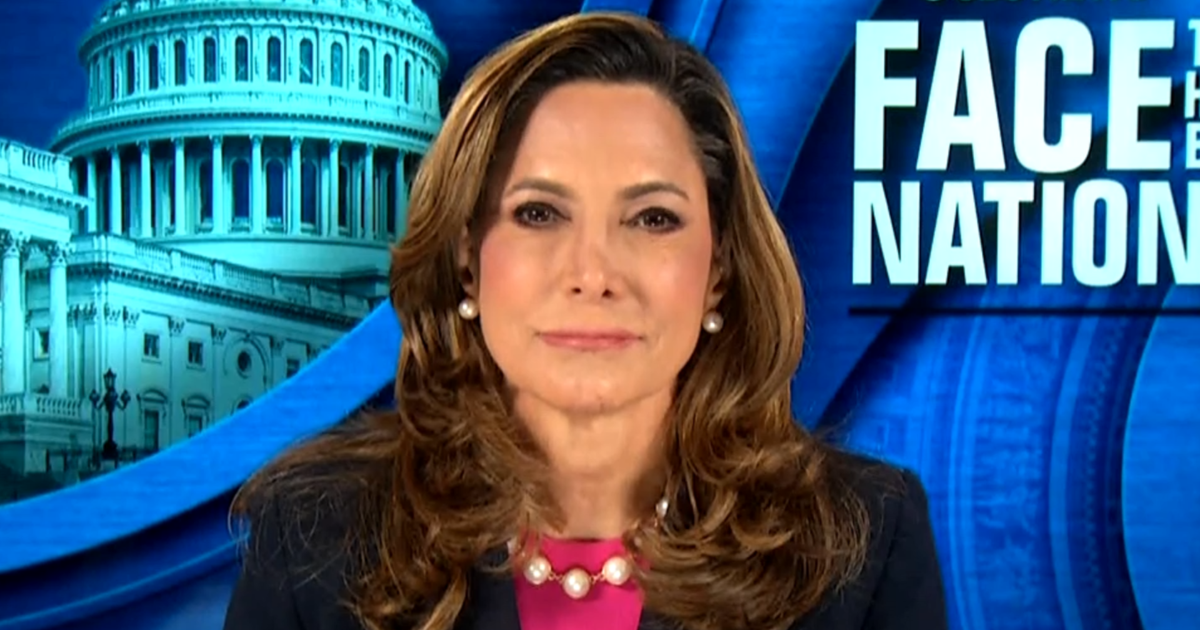
The TV show "Face the Nation with Margaret Brennan" will feature several guests on Sunday, September 20, 2026. The guests include lawmakers from both parties and a business leader.
Key Facts
Republican Senator Bill Cassidy from Louisiana will appear; he leads the Health, Education, Labor and Pensions Committee.
Democratic Representative Ro Khanna from California will be a guest; he works on technology and Chinese Communist Party-related committees.
Republican Representative Maria Salazar from Florida will also be on the show.
Gary Cohn, vice chairman of IBM and former National Economic Council director, will join the discussion.
The show airs on CBS News at 10:30 a.m. ET and streams later at 12:30 p.m. ET on Paramount+ and CBSNews.com.
"Face the Nation" is a Sunday morning news program featuring political and public affairs interviews.
Read the Original
Want the full story? Tap a source to open the original
article.
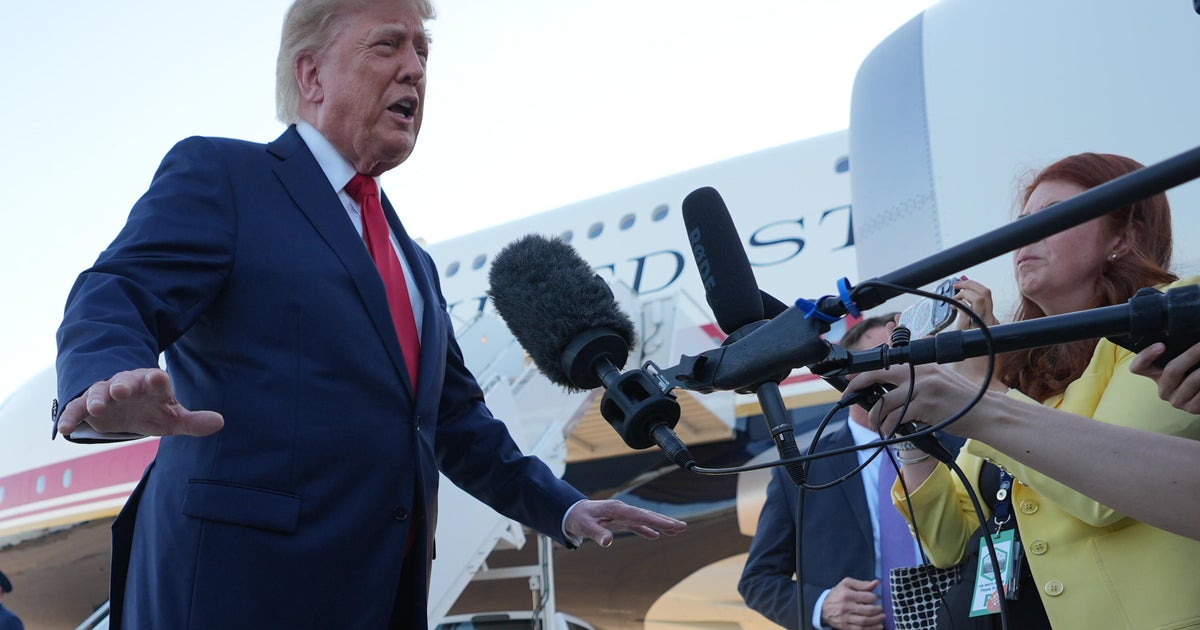
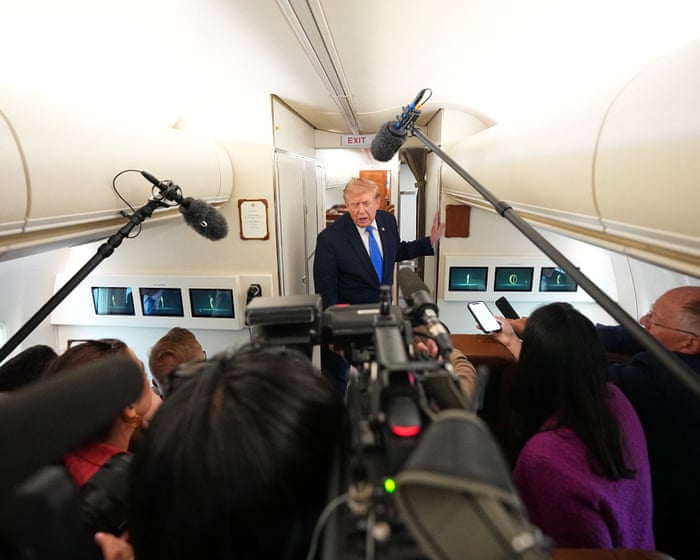
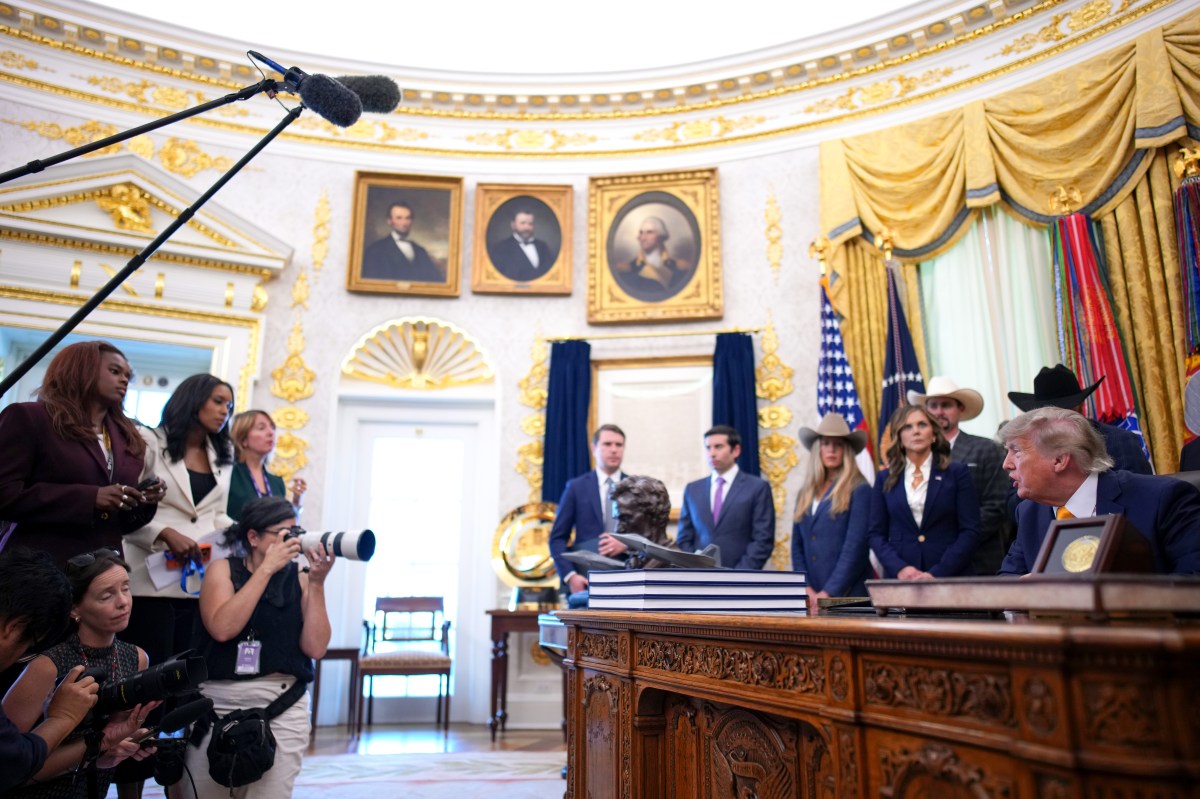
President Donald Trump announced he is banning CNN, MSNBC, and Politico from the White House, saying they report false information about his administration. It is not clear how the ban will be enforced or what specific stories caused this action, and the move may face legal challenges.
Key Facts
President Trump said the ban starts immediately for CNN, MSNBC, and Politico.
He accused these outlets of regularly reporting fiction or lies but did not give examples.
It is unclear if the ban means reporters can no longer enter White House grounds.
Reporters from CNN and Politico were still present at the White House after the announcement.
In 2025, Trump’s administration took over control of the press pool from the White House Correspondents' Association.
The administration barred Associated Press reporters from certain White House areas over their use of the term "Gulf of Mexico" instead of "Gulf of America."
Trump frequently calls reporters "fake news" and has clashed with them in various White House settings.
Legal actions are ongoing involving the Associated Press and Trump’s administration, with other lawsuits against major news outlets.
Read the Original
Want the full story? Tap a source to open the original
article.
The U.S. Marshals Service plans to move about 400 pre-trial detainees from a private prison in Georgia to a facility nearly 200 miles away. This decision follows concerns about unsafe conditions at the current prison but has raised worries about how the move could affect court cases in Atlanta.
Key Facts
The detainees are currently held at the Robert A. Deyton Detention Facility in Lovejoy, Georgia.
The new facility is about 188 miles from Atlanta, making travel to the courthouse much longer.
The transfers will start the week of September 21 and continue until the end of October 2026.
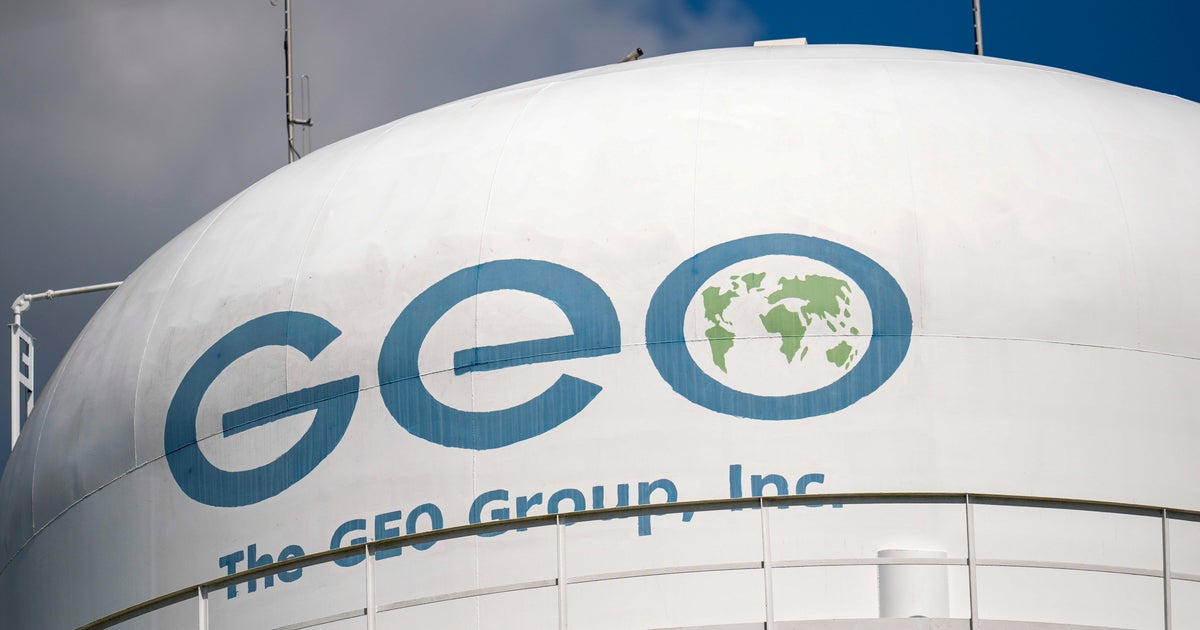
Problems at the current prison have not improved, prompting the Marshals Service not to renew the contract with the GEO Group.
Pre-trial detainees are people awaiting trial who judges believe might not show up to court or could be dangerous.
Critics worry that moving detainees farther away will make it harder for lawyers and family to visit and for detainees to attend court on time.
Chief Judge Leigh Martin May and other officials say the current facility is best because it is close to the courthouse.
The move could increase costs and make it more difficult for detainees to get fair legal representation.
Read the Original
Want the full story? Tap a source to open the original
article.
Virginia Governor Abigail Spanberger announced a plan called the “Data Center Accountability Framework.” The plan aims to limit data center growth by reducing noise and water use and encouraging clean energy.
Key Facts
The new proposal is called the “Data Center Accountability Framework.”
It will tighten rules on data center development in Virginia.
The plan targets reducing noise pollution from these facilities.
It also aims to lower water consumption linked to data centers.
The proposal promotes the use of clean energy for new data centers.
Abigail Spanberger is the governor of Virginia and a member of the Democratic Party.
Data centers are facilities that store and manage large amounts of computer data.
Read the Original
Want the full story? Tap a source to open the original
article.
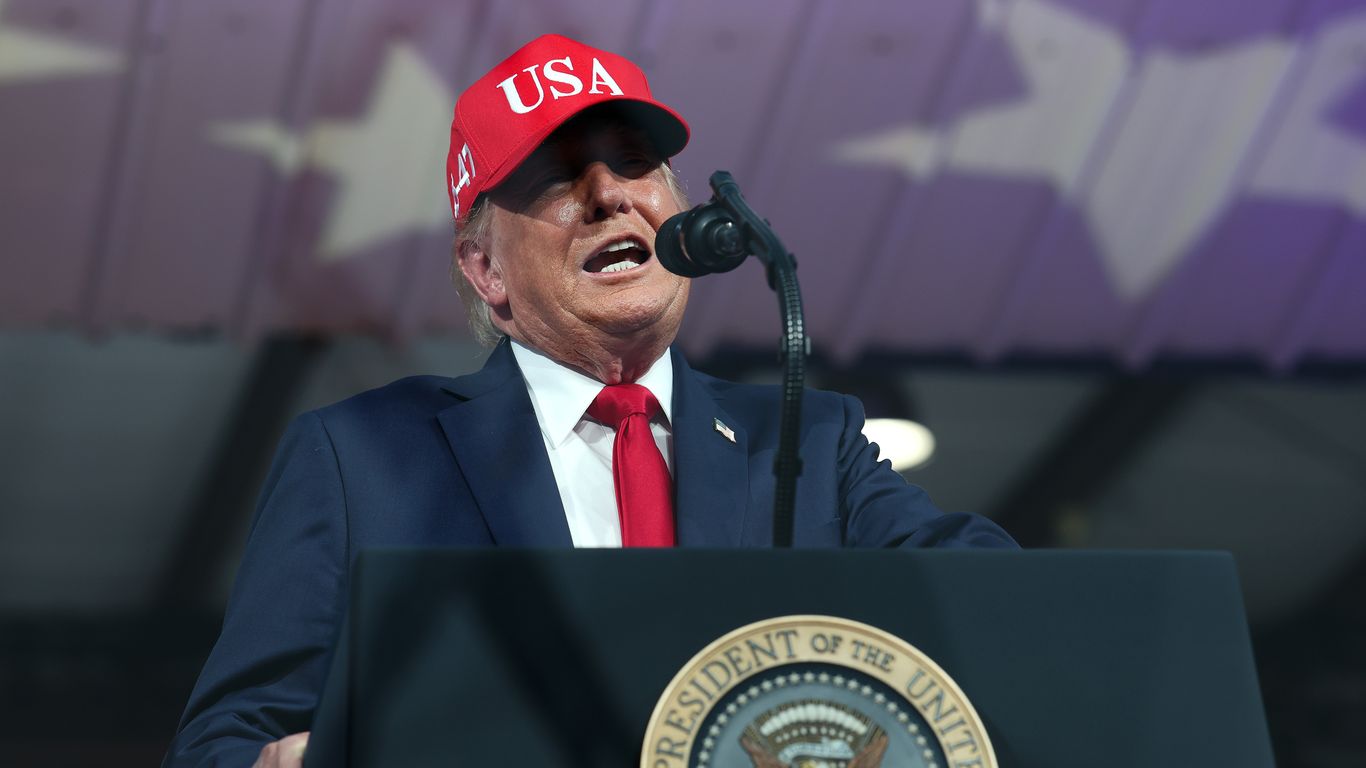
President Donald Trump announced he is banning CNN, MS NOW, and Politico from the White House because he says they report false news about him and his administration. He also warned that other media outlets could be banned soon. This step follows past actions where his administration limited press access, which led to ongoing legal battles.
Key Facts
President Trump announced the ban on CNN, MS NOW, and Politico from the White House.
He posted the ban announcement on his social media platform, Truth Social.
Trump called these outlets "Fake News" and accused them of reporting lies about him and his administration.
He threatened to ban additional media outlets in the future.
The ban is expected to lead to legal challenges and questions about press freedom.
Last year, President Trump barred the Associated Press from some White House areas, causing a legal fight over First Amendment rights.
A federal judge ordered the White House to restore AP access, but some restrictions remain during appeals.
CBS News reached out to the White House and the banned outlets for their responses.
Read the Original
Want the full story? Tap a source to open the original
article.
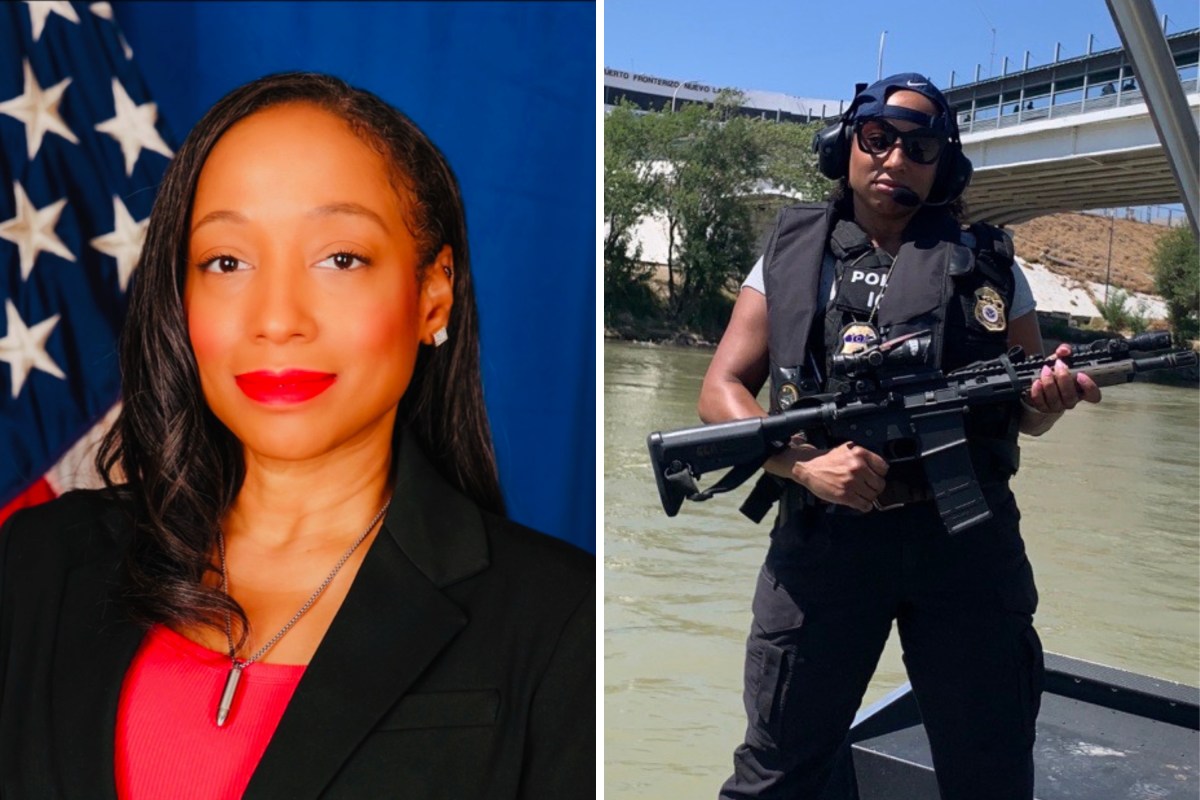
An ICE agent named Lenicia Shannon said she reported problems like discrimination and harassment at her workplace through official whistleblower channels. She claims that after making these reports, ICE took actions against her, such as suspending her law enforcement duties and placing her on paid leave.
Key Facts
Lenicia Shannon is a 46-year-old ICE deportation officer based in Florida.
She filed complaints about discrimination, harassment, and detention issues with the U.S. Office of Special Counsel and other watchdog agencies.
Shannon alleges ICE did not properly investigate her complaints and retaliated by disciplining her and suspending her law enforcement authority.
ICE accused Shannon of disruptive behavior in a meeting, which she denies.
Before the complaints, Shannon received awards and commendations from ICE.
Shannon’s complaints began in 2022, including an Equal Employment Opportunity complaint about a hostile work environment and treatment as a Black woman.
She said the harassment involved a supervisor who made her uncomfortable by displaying a black lion image she found intimidating.
ICE declined to comment on specific employee matters due to privacy laws.
Read the Original
Want the full story? Tap a source to open the original
article.
President Donald Trump has banned CNN, MS Now, and Politico from the White House because he says they report false information about him and his administration. He warned that other news outlets could face similar bans soon.
Key Facts
President Trump announced the ban on CNN, MS Now, and Politico through a post on Truth Social.
He claimed these outlets spread "fake news" and lies about him and his administration.
Trump suggested that more media outlets might be banned in the future.
Since returning to office, Trump has limited access for many traditional news organizations at the White House.
The Associated Press was also banned from some White House events after a disagreement over terminology in their reports.
The Pentagon tried to limit journalists’ ability to report on sensitive information, leading to a media walkout and a judge ruling the policy unconstitutional.
President Trump is involved in legal fights with multiple major news companies, including the New York Times, Wall Street Journal, CNN, ABC News, and the BBC.
Read the Original
Want the full story? Tap a source to open the original
article.
President Donald Trump announced that he is banning CNN, MSNBC, and Politico from the White House. He said the ban is effective immediately because he believes these news outlets spread false information.
Key Facts
President Trump made the announcement on his social media platform, Truth Social.
The ban affects CNN, MSNBC, and Politico.
He accused these outlets of regularly reporting false news.
The ban means these media outlets will not have White House access.
The decision is likely to cause strong reactions from journalists and media groups.
President Trump suggested more actions might follow involving other news organizations.
Read the Original
Want the full story? Tap a source to open the original
article.
President Donald Trump announced that he is banning three news organizations—CNN, Politico, and MS Now—from accessing the White House. He said this is because he believes these outlets report false information about him, his administration, and the country.
Key Facts
President Trump announced the ban on CNN, Politico, and MS Now from the White House.
He shared this news on his social media platform, Truth Social.
Trump accused these outlets of reporting “fake news” and spreading lies about him and his administration.
He indicated that other media outlets might also be banned in the future.
Newsweek contacted the White House Correspondents Association and the banned outlets for comments.
The announcement is part of President Trump’s ongoing criticism of mainstream media.
This news is still developing, with more updates expected.
Read the Original
Want the full story? Tap a source to open the original
article.
President Donald Trump has directed the Department of Justice (DOJ) not to challenge a court decision that eased rules on certain firearms called "gangster weapons." This means the government will not appeal the ruling that relaxes some gun restrictions.
Key Facts
President Trump gave an order to the DOJ about a court ruling on guns.
The ruling reduced limits on specific firearms referred to as "gangster weapons."
The DOJ will not appeal, or legally fight against, this court decision.
The change affects the rules on owning or using these firearms.
The news was reported by CBS News and journalist Sarah Lynch.
Read the Original
Want the full story? Tap a source to open the original
article.
President Donald Trump has banned CNN, MS NOW, and Politico from the White House, citing dissatisfaction with their news coverage. This move is expected to be challenged because the U.S. Constitution protects press access under the First Amendment.
Key Facts
President Trump announced the ban on CNN, MS NOW, and Politico from the White House.
The ban was effective immediately as per his social media post.
Trump accused these outlets of spreading "fake news" and false reports about his administration.
He indicated that more media outlets might be banned in the future.
Experts say this ban could face legal challenges based on the First Amendment, which protects free press access.
Past presidents have also criticized the media but were advised against banning news organizations.
The First Amendment prevents the government from limiting press access freely.
Read the Original
Want the full story? Tap a source to open the original
article.
President Donald Trump announced he is banning CNN, MSNBC, and Politico from the White House immediately. He called these outlets "Fake News" and said more news organizations might be banned in the future.
Key Facts
President Trump banned CNN, MSNBC, and Politico from White House access.
The bans took effect right after his announcement.
He called these news organizations "Fake News" in a post on Truth Social.
Trump accused the outlets of reporting false information.
He suggested that more news outlets could be banned next.
The White House has not replied to requests for comment.
This action continues Trump’s conflict with certain news media.
Read the Original
Want the full story? Tap a source to open the original
article.
President Donald Trump has banned CNN, MSNBC, and Politico from the White House. These media outlets will no longer be allowed to attend White House events or press briefings.
Key Facts
President Trump issued the ban on CNN, MSNBC, and Politico.
The ban prevents these outlets from attending White House events and press briefings.
The decision was announced on September 18, 2026.
This action limits access for these media organizations to the White House.
The ban affects major U.S. news and political media outlets.
No reason for the ban was detailed in the article.
This is a significant move affecting press relations with the White House.
The ban is unusual because it targets specific media companies.
Read the Original
Want the full story? Tap a source to open the original
article.
The Justice Department said a federal law that stops gun dealers from selling handguns to people aged 18 to 20 is unconstitutional because it violates their right to bear arms. This opinion means prosecutors may stop charging dealers with crimes for selling handguns to young adults under 21.
Key Facts
The law banned selling handguns or handgun ammo to young adults aged 18 to 20.
The Justice Department’s legal opinion says this ban violates the Second Amendment (right to bear arms).
The opinion was shared by the assistant attorney general for the Office of Legal Counsel.
The opinion is not legally binding and does not set a legal precedent.
It may lead federal prosecutors to not charge gun dealers who sell handguns to 18-20 year olds.
Groups like GIFFORDS oppose the opinion, saying young adults 18-20 commit many gun-related crimes.
The opinion follows another Justice Department move not to fight a court decision relaxing rules on silencers and special firearms.
The opinion highlights that 18-year-olds can do many adult activities like voting and military service but currently cannot buy handguns federally.
Read the Original
Want the full story? Tap a source to open the original
article.
President Donald Trump announced he is banning CNN, MSNOW, and Politico from the White House because he claims they report fake news about him. This follows previous actions where he restricted other media outlets, challenging protections under the First Amendment, which guarantees freedom of the press.
Key Facts
President Trump banned CNN, MSNOW, and Politico from the White House on September 18, 2026.
The ban is due to what he calls their unfavourable or false news coverage of him.
He announced the ban on his official social media account.
In February 2025, Trump blocked Associated Press journalists from certain White House events.
The Associated Press sued, and the legal case is still ongoing.
Trump has previously sued media organizations like The New York Times, The Wall Street Journal, and the BBC.
His actions raise questions about the First Amendment’s protection of free speech and press.
Trump has also publicly criticized individual reporters and media companies via social media.
Read the Original
Want the full story? Tap a source to open the original
article.
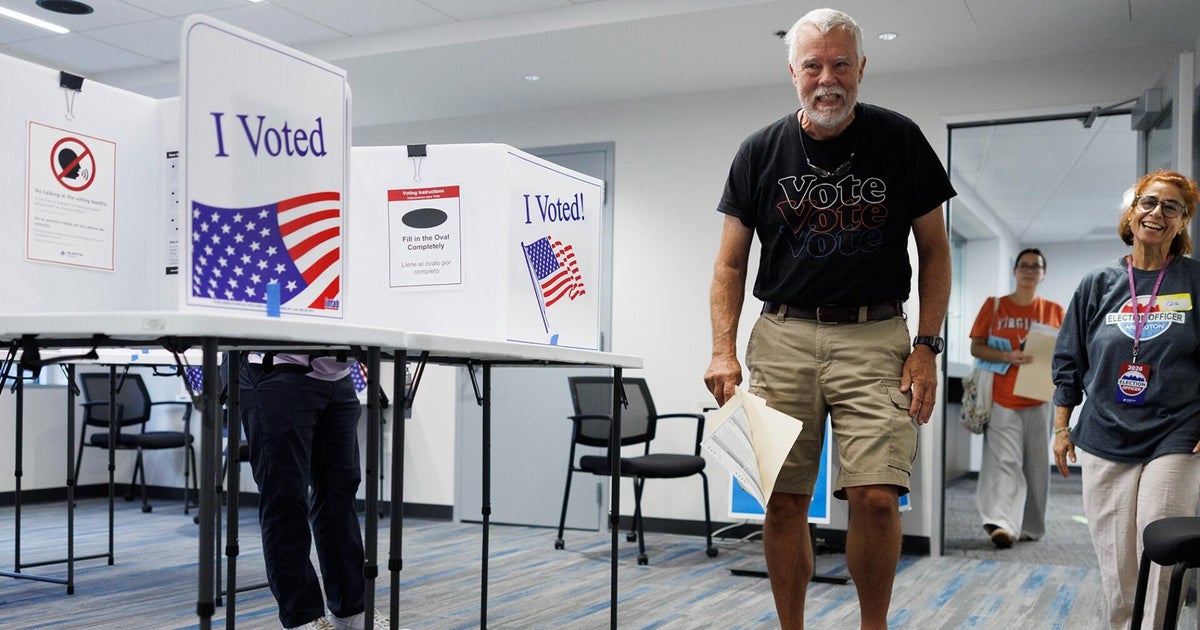
Some states have started in-person early voting for the midterm elections. Virginia, Minnesota, and South Dakota are among the states where voters can cast their ballots before the official Election Day.
Key Facts
Early in-person voting has started in Virginia, Minnesota, and South Dakota.
This early voting is for the upcoming midterm elections.
Midterm elections happen halfway through a president’s term.
Early voting allows people to vote before the regular election day.
Early voting helps reduce long lines and makes voting more convenient.
The news report was shared by CBS News journalist Shawna Mizelle.
Voters in these states can visit designated places to vote early.
Read the Original
Want the full story? Tap a source to open the original
article.
The Pentagon has started a new program requiring most male service members aged 30 and older to take testosterone tests. This program does not include women and has raised questions among medical experts about whether it is necessary and effective.
Key Facts
The Pentagon issued official guidelines for mandatory testosterone testing for male troops 30 years old and above.
Women are not included in this testing program at this time.
Defense Secretary Pete Hegseth said the program is meant to help troops perform at their best.
The guidance for how the program will work was released recently.
Some medical experts question if the program is needed or will actually help.
Interest in testosterone has grown due to men's health influencers promoting it for more energy, muscle, and youthfulness.
The program aims to detect "testosterone deficiency" in service members.
Read the Original
Want the full story? Tap a source to open the original
article.
A lawyer representing people affected by last year’s major immigration enforcement operation in Chicago said federal agents involved may soon face consequences. The operation, called Midway Blitz, led to claims from citizens and journalists who say they were wrongly treated by U.S. Immigration and Customs Enforcement (ICE) agents.
Key Facts
The legal claims were filed under the Federal Tort Claims Act, which allows people to sue the government for certain wrongdoing.
Operation Midway Blitz took place in Chicago and nearby areas during President Donald Trump’s second term.
Over 4,500 immigrants were detained during the operation, according to the Department of Homeland Security (DHS).
Critics say federal agents used too much force, including against U.S. citizens who were protesting and recording the events.
The claims include complaints from journalists, elected officials, and lawyers who say their rights were violated.
ICE and DHS officials denied any misuse of force during the operation.
One claimant, Juan Munoz, an elected official, said the experience changed his view on public responsibility and the importance of defending constitutional rights.
Another claimant, Kyle Frankovich, reported serious harm caused to families, including permanent injuries and deaths.
Read the Original
Want the full story? Tap a source to open the original
article.
A study found that increased ICE arrests in U.S. cities in 2025 led to a drop in employment, not only among immigrants but also American workers. The arrests caused fear among workers, disrupted businesses, and lowered consumer spending, which together reduced jobs and hurt local economies.
Key Facts
Employment fell by 0.4% below expected levels in cities with the fastest rise in ICE arrests in 2025.
Each ICE arrest was linked to about four lost jobs in affected cities.
ICE enforcement caused some workers to stop going to work due to fear, even if they were not arrested.
Business disruptions included reduced hours, hiring freezes, layoffs, or closures.
Lower consumer spending from fear and fewer workers led to further business struggles.
ICE arrested over 46,000 people in July 2025, a record monthly total during President Trump’s second term.
The Trump administration prioritized border security and increased immigration enforcement in 2025.
White House statements connected stronger enforcement to protecting American workers and reducing community strain.
Read the Original
Want the full story? Tap a source to open the original
article.
A juror in the Lindsay Clancy case said he believed she was guilty from the start and did not have any doubts about her responsibility. The juror also said he thought Clancy was mentally aware when she committed the act.
Key Facts
A holdout juror believed Lindsay Clancy was guilty from the beginning of the trial.
The juror had no doubts about Clancy’s guilt during the decision process.
The juror stated that Clancy was sane, meaning she understood what she was doing.
This statement came from someone named Marcel, who spoke about the juror’s views.
The case involves questions about Clancy’s mental state at the time of the incident.
Read the Original
Want the full story? Tap a source to open the original
article.