Nigerian security forces shot at protesters who were upset about the deaths of 37 miners. The miners died while in detention after a raid on an illegal mining site by a paramilitary group.
Key Facts
37 miners died while held in detention in Nigeria.
These deaths followed a raid on a suspected illegal mine.
The raid was conducted by a Nigerian paramilitary agency.
Protests erupted as people were angry about the miners' deaths.
Nigerian security forces responded by firing at the protesters.
The incident took place within Nigeria.
The protest was specifically about the treatment and deaths of detained miners.
Read the Original
Want the full story? Tap a source to open the original
article.
A pregnant woman named Vani Garcia learned during her 20-week ultrasound scan that her unborn son might be born without hands. After further tests, doctors found that an amniotic band had stopped the development of his left hand, but her son William is now thriving at age 2 despite his limb difference.
Key Facts
The 20-week anatomy scan checks a baby’s major organs and development.
During Garcia’s scan, a doctor said her son might be born without hands.
A second ultrasound showed William had a right hand, confirmed by hospital tests.
Amniocentesis, a procedure taking fluid from the womb, showed no genetic cause.
An amniotic band wrapped around William’s left hand area during development, stopping blood flow and growth.
The CDC estimates limb differences occur in about one in every 1,852 babies in the U.S.
William has some wrist bone and partial hand digits without bones.
He is learning to use his left hand and doing regular kid activities like puzzles and playing.
Read the Original
Want the full story? Tap a source to open the original
article.
Millions of people in Cuba lost electricity due to a major blackout caused by a transmission fault and bad weather. This is the sixth big blackout this year, made worse by old power systems, fuel shortages, and U.S. sanctions blocking oil imports to Cuba.
Key Facts
Cuba’s entire electricity grid shut down on Friday, causing a nationwide power outage.
Some essential places like hospitals and water stations in Havana had power back by late evening.
The blackout happened around 2 p.m. local time because of a problem in the power lines and bad weather.
Cuba has had at least six big blackouts this year due to weak infrastructure and fuel problems.
U.S. sanctions including an oil blockade have made fuel shortages worse for Cuba.
Power restoration has started but may take several days for full recovery.
The blackouts are leading to protests in Cuba, where protests are usually banned.
Cuba blames U.S. sanctions under President Trump for its energy crisis, while the U.S. says Cuba mismanages its resources.
Read the Original
Want the full story? Tap a source to open the original
article.
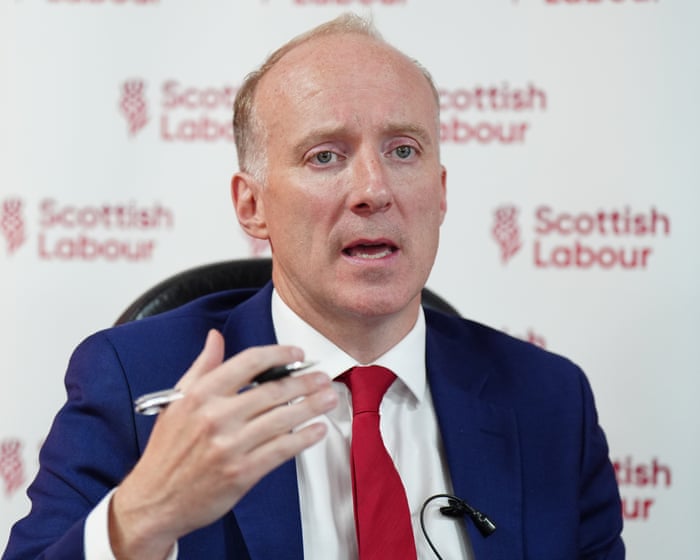
Michael Marra has been chosen as the new leader of the Scottish Labour Party. He takes over from Anas Sarwar, who left the Scottish Parliament to work in Andy Burnham’s government.
Key Facts
Michael Marra is now the leader of Scottish Labour.
He replaces Anas Sarwar as party leader.
Anas Sarwar left his Scottish Parliament position.
Sarwar joined Andy Burnham’s government.
The Scottish Labour Party is part of the UK’s Labour political party system.
Andy Burnham holds a government role, related to England’s political leadership.
Read the Original
Want the full story? Tap a source to open the original
article.
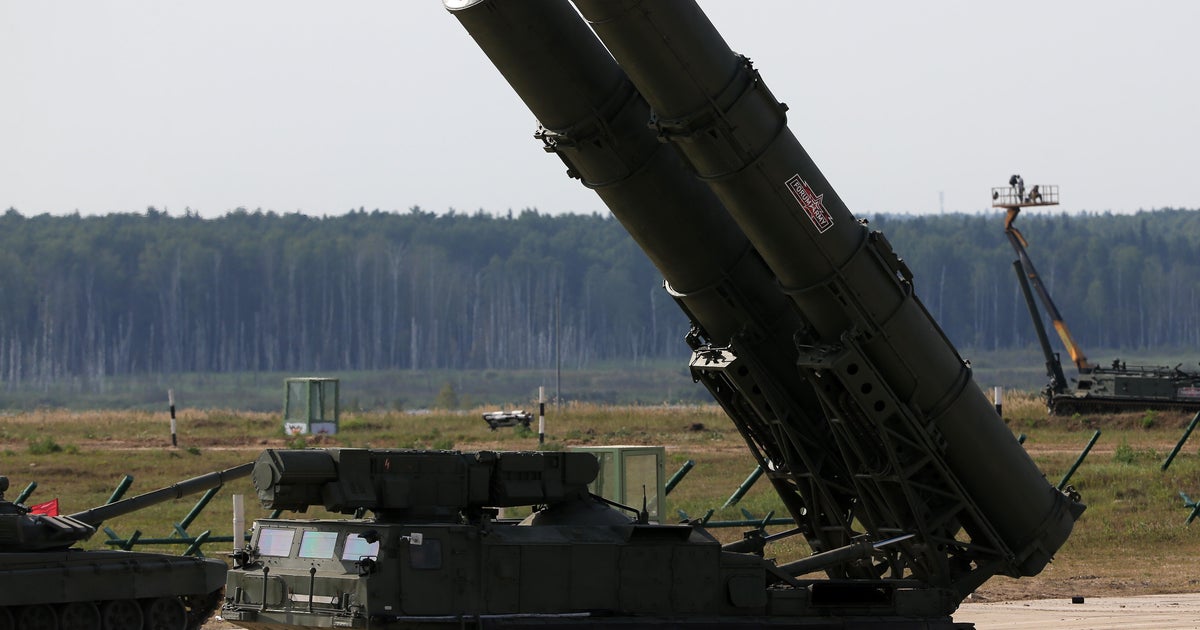
The U.S. State Department approved a potential $2.7 billion sale of air defense equipment to Ukraine, including missiles, radars, and launchers. The purchase needs congressional approval and would be funded partly by European contributions and U.S. military aid.
Key Facts
The sale is for air defense upgrades and related equipment for Ukraine.
Ukraine requested items like S-300 Clone missiles, GAM-67 missiles, and counter-drone radars.
The total value of the sale is approximately $2.68 billion.
Funding would come from European contributions and U.S. Foreign Military Financing.
Congress must review and approve the sale before it is finalized.
Ukraine’s capital, Kyiv, is facing increased Russian attacks and shortages in ammunition.
President Trump signed a sanctions bill targeting Russia’s energy and defense sectors.
Russia warned of "military deterrence" in response to new sanctions against it.
Read the Original
Want the full story? Tap a source to open the original
article.
Scientists used the James Webb Space Telescope (JWST) to observe the small object Chariklo, located between Saturn and Uranus, which has two rings. They found that over the past decade, one ring became thicker and darker while the other nearly disappeared, but they are not yet sure why these changes happened.
Key Facts
Chariklo is a small celestial body about 250 kilometers wide with two narrow rings around it.
Rings were first discovered around Chariklo in 2013 using ground-based telescopes.
The two rings, named C1R and C2R, orbit at about 390 and 405 kilometers from Chariklo’s center.
Scientists spotted changes in the rings during a 2022 observation using JWST, a space telescope.
The inner ring became denser and darker, while the outer ring almost vanished.
JWST’s observation used infrared light, which can’t be seen from Earth due to the atmosphere.
Observing Chariklo and its rings required precise timing and positioning because the object is very small and far away.
The reason for the ring changes is still unknown, and scientists are exploring different explanations.
Read the Original
Want the full story? Tap a source to open the original
article.
President Donald Trump and Canadian Prime Minister Mark Carney’s relationship has grown more tense during Carney’s visit to the European Union. This visit happened while the U.S. and Canada face trade disagreements involving tariffs on each other’s goods.
Key Facts
Mark Carney, Canadian Prime Minister, took a trip to meet with European Union leaders.
Carney's visit has increased tensions with President Donald Trump.
The U.S. and Canada are currently involved in a trade dispute with tariffs on goods from both sides.
President Trump renamed a lake, which contributed to the strained relationship between the two countries.
The current trade and diplomatic situation shows ongoing challenges between the U.S. and Canada.
Read the Original
Want the full story? Tap a source to open the original
article.
The Democratic Republic of Congo (DR Congo) government says the Ebola outbreak is getting better, with fewer cases in the hardest-hit areas. However, health experts disagree and warn that the outbreak is still very serious.
Key Facts
The DR Congo government reports a decline in Ebola cases in key regions.
Health experts and responders believe the outbreak is still severe.
Ebola is a virus that causes a serious and often deadly illness.
The situation is being closely monitored by local and international health groups.
There are ongoing efforts to control the spread of the virus.
Some people question the government's claim about improvements.
The outbreak affects public health and safety in DR Congo.
The World Health Organization (WHO) is involved in the response.
Read the Original
Want the full story? Tap a source to open the original
article.
Spain’s police moved hundreds of migrants from the beaches of Ceuta, a small Spanish area in North Africa, to a temporary camp near the port. This operation happened after a large number of people arrived in Ceuta recently, and authorities had difficulty controlling the crowds during the transfer.
Key Facts
Police cleared migrants from the beaches in Ceuta, Spain.
Migrants were moved to a temporary camp set up at Ceuta’s port.
The move came after a record number of migrants arrived in Ceuta.
Police struggled to manage crowds trying to get into the new camp.
Ceuta is a small Spanish territory located in North Africa.
Migration is a major topic in Spain’s political discussions right now.
The operation occurred on September 18-19, 2026.
Read the Original
Want the full story? Tap a source to open the original
article.
French President Emmanuel Macron warned about Russian "hybrid attacks" amid rising fuel costs driven by conflicts in Iran and Ukraine. To tackle energy problems and political tensions before France's presidential election, Macron met with major presidential candidates to discuss strengthening the country's energy defenses.
Key Facts
Fuel prices in France have increased due to wars in Iran and Ukraine.
France faces energy challenges that are causing public dissatisfaction.
President Macron held a meeting with top presidential candidates at the presidential palace.
Macron warned about "hybrid attacks" from Russia, which means attacks using a mix of military, cyber, and other tactics to destabilize a country.
Macron wants to improve France’s defenses against energy threats.
The warning comes just months before the French presidential election.
The situation reflects broader tensions involving Russia and energy security in Europe.
Read the Original
Want the full story? Tap a source to open the original
article.
President Donald Trump announced that the US has reached a deal with Denmark giving America permanent control over Greenland’s security. The agreement, expected to be signed at the United Nations meeting, would block US rivals like China and Russia from military or sensitive investments on the island, while Denmark keeps sovereignty.
Key Facts
The US and Denmark are finalizing a deal granting the US permanent security control in Greenland.
Greenland is part of Denmark but governs itself in many ways.
The deal prevents non-NATO countries, including China and Russia, from building bases or making sensitive investments in Greenland.
The US can build more military sites on Greenland without needing approval from Denmark or Greenland.
Denmark and Greenland will still approve the agreement through their parliaments.
The deal is intended to remain valid even if Greenland gains independence in the future.
Greenland's leaders say the agreement benefits their interests and strengthens security for NATO and Europe.
The US interest in Greenland includes access to rare-earth minerals important for technology and defense.
Read the Original
Want the full story? Tap a source to open the original
article.
AGRA, the Alliance for a Green Revolution in Africa, is marking 20 years of promoting commercial seeds and fertilizers to improve farming. However, new research shows its focus on maize has reduced land and investment for traditional African crops like millet, which are more resilient and nutritious. Hunger and undernourishment rates have increased in countries working with AGRA, despite its efforts.
Key Facts
AGRA was created to improve Africa’s food systems through commercial farming inputs like seeds and fertilizers.
Maize production has doubled in countries involved with AGRA, but yields have grown only modestly.
Traditional crops such as millet, sorghum, cassava, and groundnuts have lost land and investment since AGRA began in 2006.
Millet production has decreased by 27% and its yields dropped 17%, while maize land increased by 71% and maize production more than doubled.
Millet and other traditional crops are drought-tolerant and nutritious, important for food security in harsh climates.
Hunger and undernourishment have increased by about 60% in countries where AGRA operates, matching the continental trend.
The UN has emphasized the importance of affordable, healthy diets, which include diverse crops rather than monocultures.
Crop diversity helps protect soil health and reduces risk by ensuring some crops survive drought or pests.
Read the Original
Want the full story? Tap a source to open the original
article.
A man was killed by a great white shark while swimming at Sorrento Beach in Western Australia, leading authorities to issue a rare order to catch and kill the shark. Beaches in the area remain closed as the search continues, and this attack is the third fatal shark attack in the state this year.
Key Facts
The victim, Greg O’Neil, was a 63-year-old swimmer from Perth.
The attack happened on a Friday morning at Sorrento Beach, north of Perth.
Authorities issued a catch-and-kill order for the shark after it was identified by water police.
This order is rare and has not been issued in Western Australia for 10 years.
Beaches near Perth remain closed until at least Sunday as a safety measure.
There have been five fatal shark attacks in Australia so far this year, including two other deaths in Western Australia and one in Queensland.
The Western Australia Fisheries Minister said the order is due to the shark posing a serious threat, but this is not a large-scale shark cull.
Efforts to protect beachgoers will also include more drone monitoring and shark tagging.
Read the Original
Want the full story? Tap a source to open the original
article.
The government in England and Wales plans to strengthen laws that hold parents responsible if their children commit crimes. Parents could face fines, lose benefits, or even jail time in rare cases if they fail to help control their child’s behavior.
Key Facts
Parents may lose benefits, be fined up to £1,000, or go to jail in extreme cases if their children commit crimes.
Parenting orders require parents to attend counseling or residential courses to address their child’s behavior.
The youth justice minister said jail would be used only in the most extreme cases and judges will decide the punishment.
Experts say parenting orders have not been effective and may hurt poor families by adding financial pressure.
The use of parenting orders has declined from over 1,000 in 2009/10 to just 33 in 2022/23.
Courts must consider parenting orders for children under 16 convicted of offenses and may consider them for 16- and 17-year-olds.
Breaching a parenting order is a criminal offense with a maximum fine of £1,000.
Some researchers say support for parents should be voluntary and question the effectiveness of parenting orders.
Read the Original
Want the full story? Tap a source to open the original
article.
The European Union has asked the United States to allow Palestinian Authority officials to get visas so they can attend the United Nations General Assembly in New York, after the US denied these visas for the second year in a row. The US said it is continuing visa restrictions because it accuses Palestinian leaders of actions that hurt peace efforts, while the UN and the Palestinians criticize this decision.
Key Facts
The US denied visas to Palestinian Authority officials for the second year to attend the UN General Assembly in New York.
The European Union called on the US to reconsider the visa ban, citing its responsibilities as the UN host country.
The UN Secretary-General expressed regret over the US decision and its effect on Palestine’s participation in the UN.
The US State Department said it extended sanctions because the Palestinians did not meet reform commitments and took actions that undermine peace, like seeking recognition of statehood outside direct talks with Israel.
The US also cited Palestinian financial support for families of people involved in attacks as a reason for the visa ban.
Palestinian President Mahmoud Abbas will address the General Assembly via prerecorded video despite the visa restrictions.
Abbas’s speech is expected to focus on gaining international recognition for Palestine and raising concerns about the humanitarian crisis in Gaza and settlement growth in the West Bank.
Palestine’s Ministry welcomed the UN vote allowing Abbas’s address, seeing it as a win against attempts to block Palestine’s participation.
Read the Original
Want the full story? Tap a source to open the original
article.
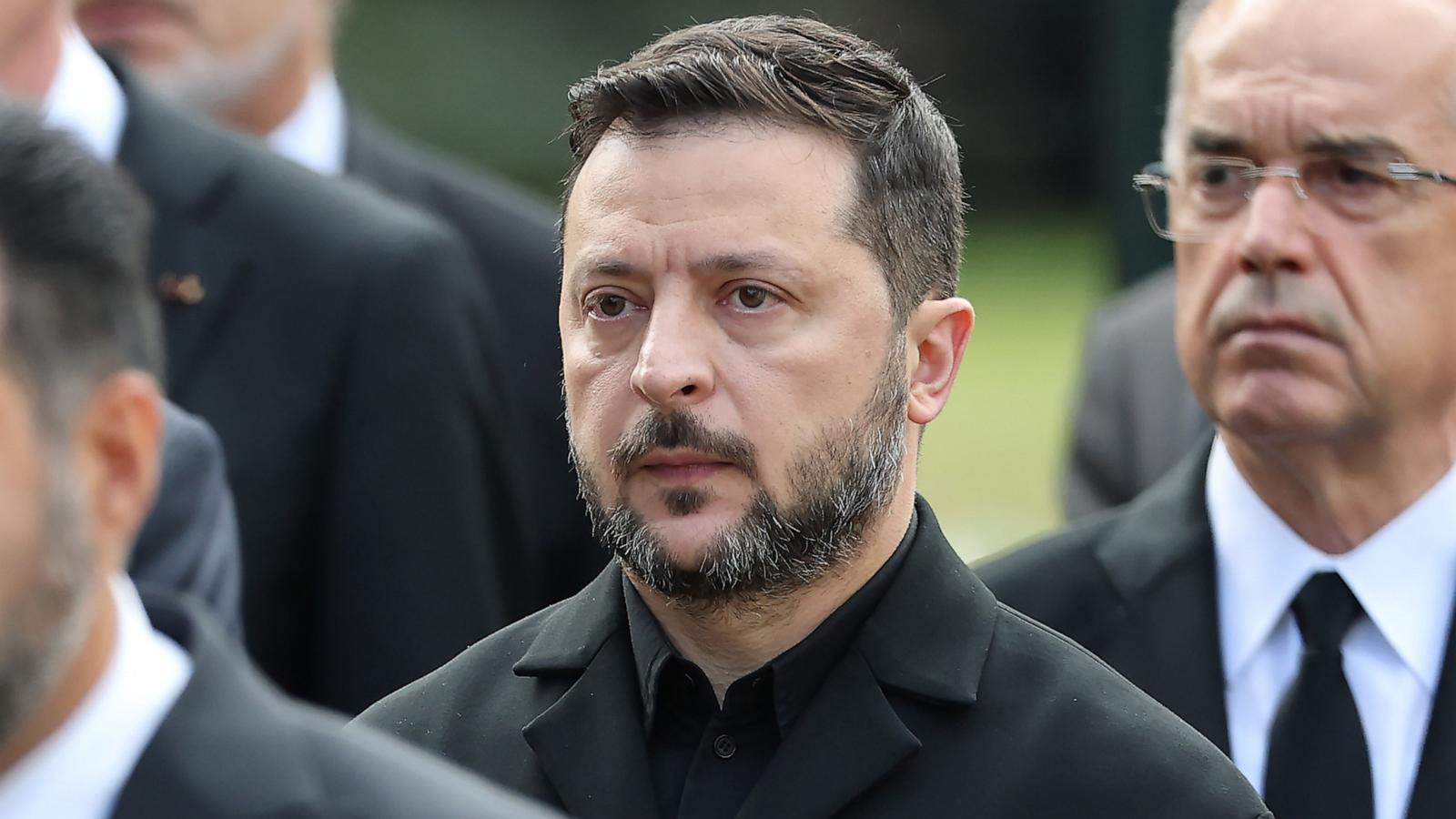
Ukrainian President Volodymyr Zelenskyy thanked President Donald Trump for signing a new law that expands sanctions against Russia and extends sanctions on Iran. The law targets Russian leaders, businesses, and efforts to avoid sanctions as part of ongoing international pressure related to Russia's invasion of Ukraine.
Key Facts
President Trump signed the Russia and Iran sanctions bill into law on a Friday in 2026.
The bill was strongly supported by both parties in the U.S. Congress and championed by the late Senator Lindsey Graham.
The legislation expands sanctions against Russia and allows sanctions on countries helping Russia evade penalties.
Sanctions target Russian officials, oligarchs (wealthy influential people), banks, and a fleet of tankers that bypass sanctions.
It permits tariffs on the top five buyers of Russian oil and gas and on the top five countries aiding Russia's energy evasion.
The sanctions law also prevents funding gaps for sanctions related to Iran's energy and weapons sectors.
Zelenskyy said enforcing this law fully is the best way to honor Senator Graham's memory and help bring peace.
The sanctions are part of efforts against Russia's ongoing full-scale invasion of Ukraine, which started five years earlier.
Read the Original
Want the full story? Tap a source to open the original
article.
Streamer Hasan Piker said the United States has caused more deaths than al-Qaeda, calling some U.S. actions acts of terror. His comments sparked strong reactions from both political parties. Experts say there is no single agreed definition of terrorism, but it usually means using illegal violence to cause fear and influence politics.
Key Facts
Hasan Piker said the U.S. caused more deaths "pound for pound" than al-Qaeda.
He referenced a 2026 strike on a girls' school in Iran that killed more than 140 students as an act of terror.
Piker clarified he does not call all Americans terrorists.
His remarks led to criticism from Republicans and some Democrats.
Piker previously made a controversial comment in 2019 about America deserving 9/11 but later walked it back.
The term "terrorism" became more central after the September 11, 2001 attacks.
Experts say terrorism generally means illegal violence used to create fear and influence government actions.
There is no universal legal or academic definition of terrorism.
Read the Original
Want the full story? Tap a source to open the original
article.
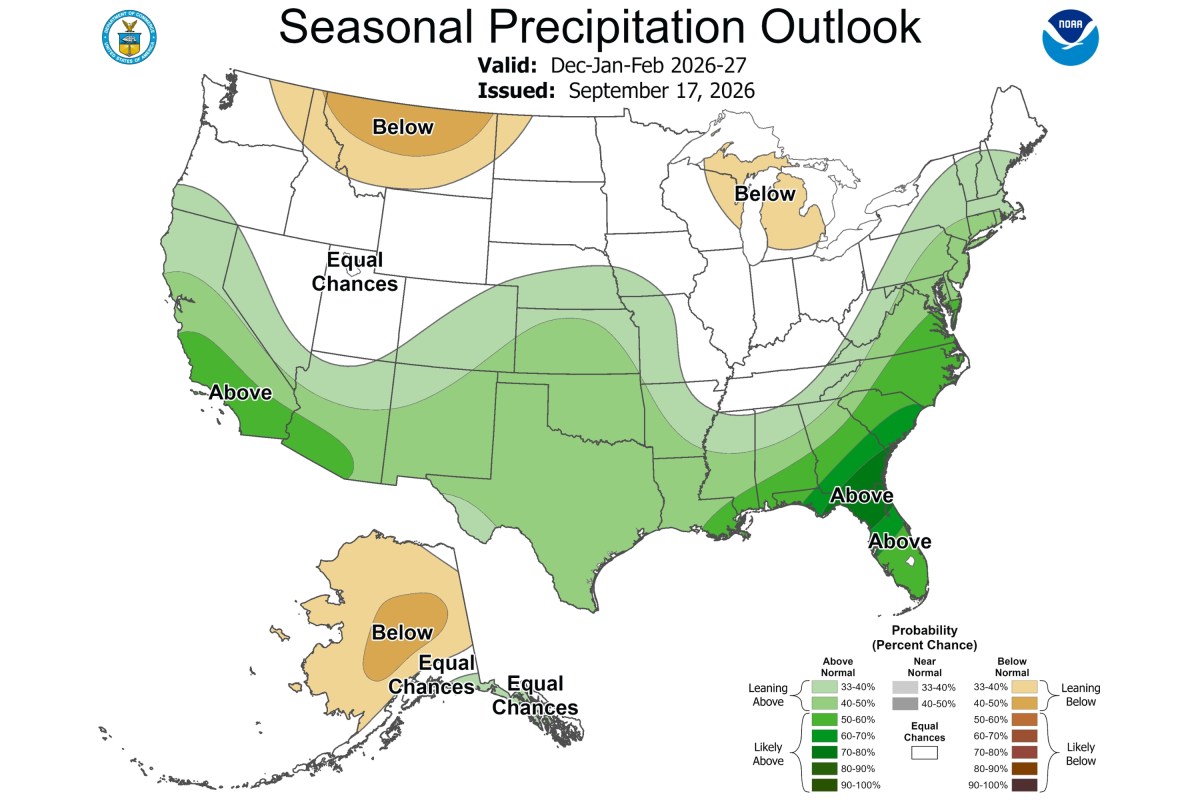
Federal forecasters predict a wetter-than-normal winter for much of the U.S. due to a likely very strong El Niño event. The forecast shows more rain especially along the West and East coasts, the Southern area, and parts of the Central Plains for December through February.
Key Facts
There is over a 90% chance of a very strong El Niño this fall and winter.
El Niño is a climate pattern caused by warmer ocean temperatures in the Pacific, affecting weather worldwide.
This El Niño could be the strongest since 1950.
Above-normal rainfall is expected along the West Coast, East Coast, Southern Tier, and Central Plains.
Northern and Alaskan regions will likely see warmer temperatures this winter.
El Niño often brings more storms to the Southern U.S. and wetter weather in places like California and the Southeast.
Increased rain may help reduce drought conditions in California and the Southeast.
The winter outlook shows probabilities for overall seasonal weather, not specific storms or cold periods.
Read the Original
Want the full story? Tap a source to open the original
article.
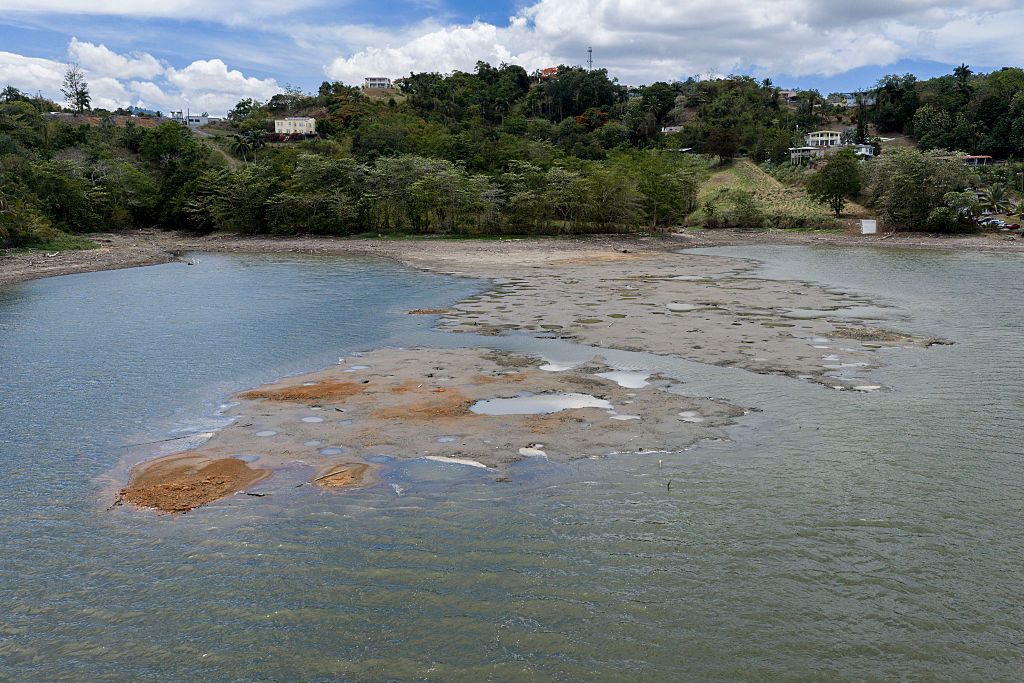
Puerto Rico is facing a serious water crisis caused by severe drought and old, failing water pipes. The crisis highlights ongoing problems with the island’s water system and the need for better government action and infrastructure upgrades.
Key Facts
Many residents of Puerto Rico are experiencing water shortages and rationing due to drought and old water systems.
July was the driest month in over 120 years in San Juan, worsening water shortages.
The Puerto Rico Aqueduct and Sewer Authority (PRASA) loses up to 65% of produced water before it reaches homes because of leaks and broken pipes.
A major pipeline broke in June, showing that the water system is still fragile despite emergency repairs.
Problems with water supply have existed long before the current drought and even before Hurricanes Irma and Maria.
Hurricane Maria in 2017 revealed major issues in Puerto Rico’s infrastructure and emergency response.
Experts say the crisis is not due to residents’ lack of knowledge, but to long-term neglect of vital public systems.
The U.S. White House says it is closely monitoring the situation.
Read the Original
Want the full story? Tap a source to open the original
article.
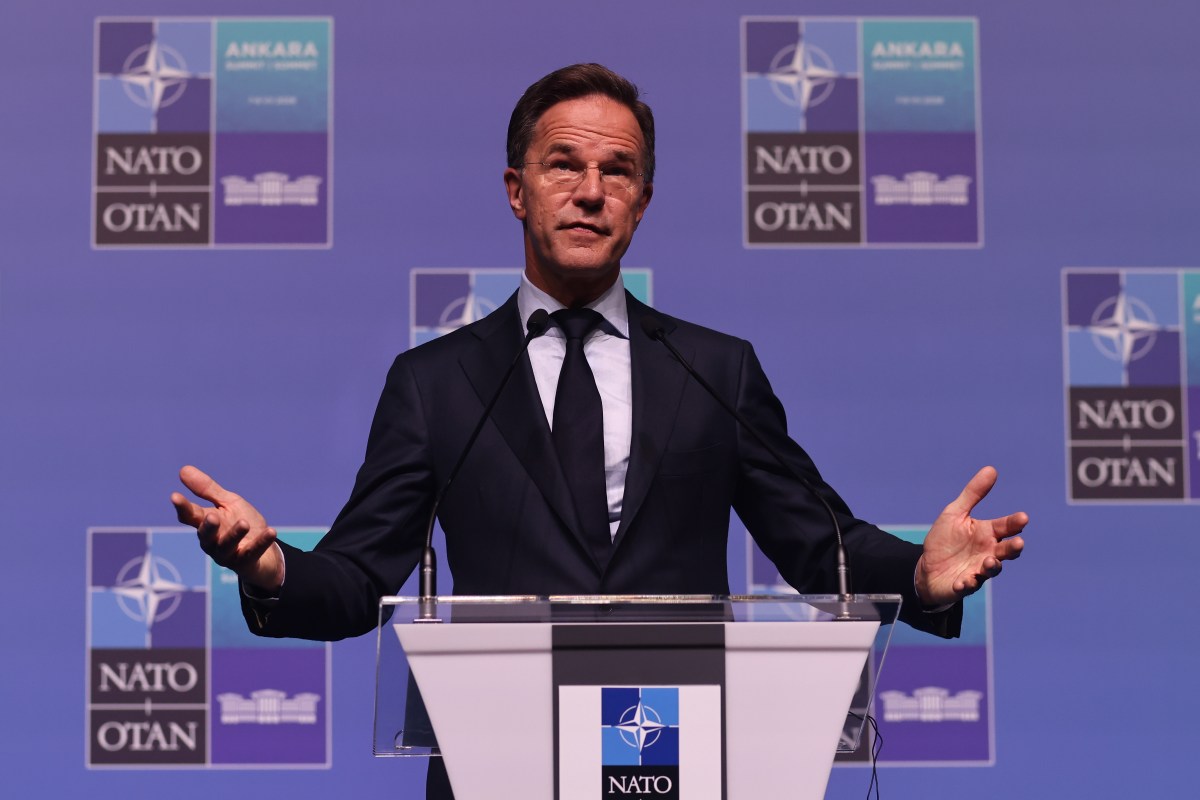
NATO faces challenges in responding quickly to drone threats near its territory, especially in the Black Sea region, where drones have approached key energy and transport sites. The alliance must improve its rules and processes to allow faster and clear action against unidentified drones without waiting for full proof of who is responsible.
Key Facts
On August 16, a Spanish F-18 shot down a drone that entered Romanian airspace on a NATO mission.
Four days later, Romanian F-16s reacted to a maritime drone near an important offshore gas platform in the Black Sea.
Neither drone incident caused injuries or deaths.
Gray-zone warfare involves low-scale actions, like drone testing, meant to cause confusion or hesitation without full war.
On September 13, a drone hit a train near the Poland-Ukraine border but caused no injuries.
Current NATO rules mean each country decides how to respond to threats in its airspace, causing delays.
Faster, pre-approved rules are needed to help commanders act quickly and legally against potential high-risk drone threats.
The goal is to deter threats by showing NATO will respond firmly and promptly to any airspace violations.
Read the Original
Want the full story? Tap a source to open the original
article.