Colombia and Brazil are the deadliest countries for environmental activists, with many killed due to land conflicts. A report by Global Witness shows Latin America accounts for most killings of these activists, often linked to illegal mining and drug-related violence.
Key Facts
In 2025, at least 124 environmental activists were killed worldwide, with 39 deaths in Colombia and 26 in Brazil.
Latin America made up 85% of all documented killings of environmental activists.
Most murders involved land disputes and were often carried out by hired killers or organized crime groups.
Nearly half of the victims in Colombia were indigenous people; others were small farmers.
Indigenous guards in Colombia patrol land without weapons but face threats from illegal groups aiming to expand drug production or mining.
Jacob Guachetá Zambrano, an indigenous guard member, was recently found tortured and killed in Colombia’s Cauca region.
Killings in Brazil doubled from 2024 to 2025, mainly related to land conflicts.
Outside Latin America, the Philippines had the highest number of deaths in Asia, with 12 activists killed.
Read the Original
Want the full story? Tap a source to open the original
article.
The US government announced visa bans on some South African individuals connected to policies that allegedly discriminate against the white Afrikaner minority. The restrictions target people involved in race-based discrimination, violence, or land seizures in South Africa.
Key Facts
The US visa restrictions target foreign nationals linked to discriminatory policies or violence against white Afrikaners.
No specific individuals were named in the announcement.
Since early last year, the US cut aid to South Africa and excluded it from the 2024 G20 summit.
The US created a refugee program for Afrikaners and other white minorities claiming persecution.
South African government policies aim to fix racial inequalities dating back to apartheid, including land redistribution.
Some white South Africans say they face discrimination, a view promoted by some US conservatives.
The US criticizes South Africa’s law allowing land seizure without payment in certain cases.
The “Kill the Boer” chant used by some South African opposition voices is condemned by the ruling party and courts.
Read the Original
Want the full story? Tap a source to open the original
article.
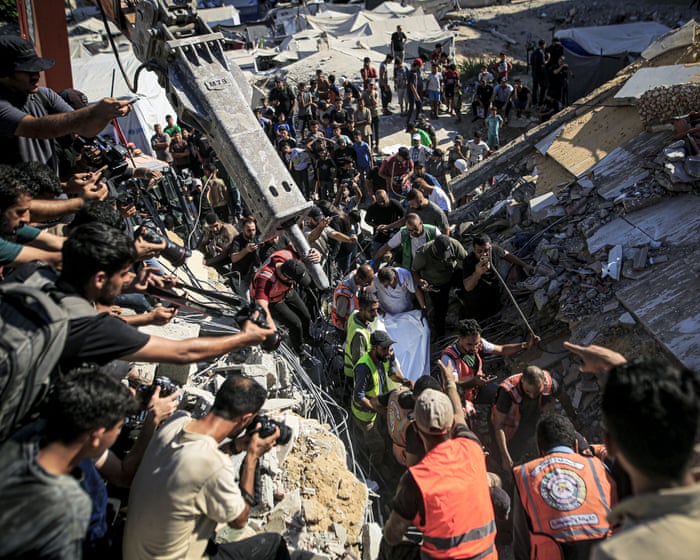
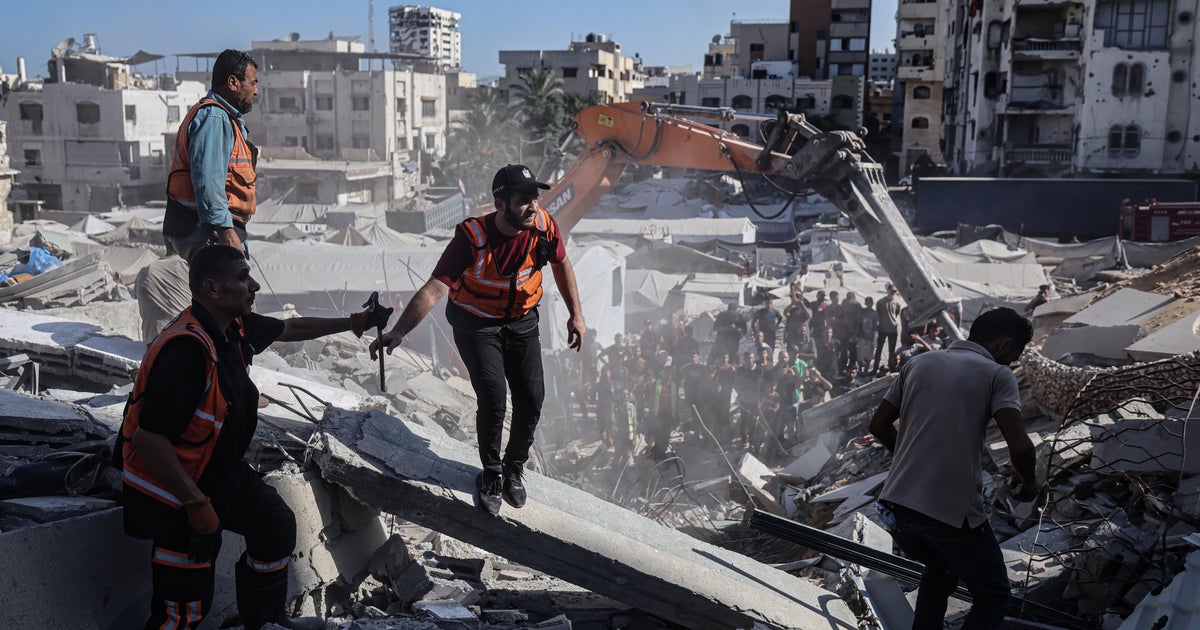
At least 16 people died when a building holding displaced Palestinian families collapsed in Gaza City after being damaged by Israeli strikes. Rescue teams are searching the rubble for more survivors, but lack proper equipment due to restrictions on bringing machinery into Gaza.
Key Facts
The collapsed building had been hit by Israeli airstrikes and was structurally weak.
At least 16 people, including five children, were killed in the collapse.
Fourteen injured people were taken to hospitals from the site.
Rescue workers are trying to reach people trapped under the rubble by hand, as heavy machinery is not available.
Israeli restrictions on Gaza limit the entry of equipment, which officials say is meant to stop weapons going to militant groups.
Many displaced families live in damaged buildings or makeshift tents due to a lack of safe housing.
Similar building collapses have happened repeatedly during the conflict, leading to more deaths and injuries.
The search and rescue efforts involve local civil defense teams as well as UN and Egyptian relief agencies.
Read the Original
Want the full story? Tap a source to open the original
article.
Former Philippine President Rodrigo Duterte appeared in person at the International Criminal Court in The Hague for the first time since his arrest. He faces charges of crimes against humanity linked to his war on drugs, which led to thousands of deaths. Duterte’s trial is set to begin in November despite his lawyers claiming he has health issues.
Key Facts
Rodrigo Duterte was arrested in Manila and has been detained in The Hague since March 2025.
He faces trial for alleged crimes against humanity due to his drug war, which involved many extrajudicial killings.
Duterte appeared in person at the ICC for the first time 18 months after his arrest, wearing a dark suit and white shirt.
The ICC is examining killings from November 2011 to March 2019, covering his time as mayor and president before the Philippines withdrew from the ICC.
His lawyers say he has memory problems and cannot participate properly in his defense, but prosecutors disagree.
Duterte disclosed in 2019 that he has myasthenia gravis, a disease that affects nerves and muscles.
The political situation in the Philippines involves a rivalry between Duterte’s family and the current President Ferdinand "Bongbong" Marcos.
Duterte’s daughter, Vice-President Sara Duterte, faces impeachment charges and is a leading candidate for the 2028 presidential election.
Read the Original
Want the full story? Tap a source to open the original
article.
A war-damaged building in Gaza City collapsed, killing at least 14 people, mostly women and children. The building had been housing displaced Palestinian families and was damaged during the ongoing Israel-Hamas conflict. Rescue teams are searching the rubble for more victims.
Key Facts
The collapsed building was home to about six displaced Palestinian families.
At least 14 people died, including 12 women and children, and at least 15 others were injured.
The building was previously damaged by an Israeli strike early in the Israel-Hamas war.
Many buildings in Gaza have been damaged or destroyed due to the conflict, causing frequent collapses.
The war began in 2023 after Hamas attacked southern Israel, killing around 1,200 people.
Israel’s counterattacks have killed over 73,000 Palestinians according to Gaza’s Health Ministry.
A fragile ceasefire brokered by the U.S. is in place but fighting and strikes still continue.
U.S. envoy Jared Kushner linked the lack of progress in Gaza to upcoming Israeli elections in October 2026.
Read the Original
Want the full story? Tap a source to open the original
article.
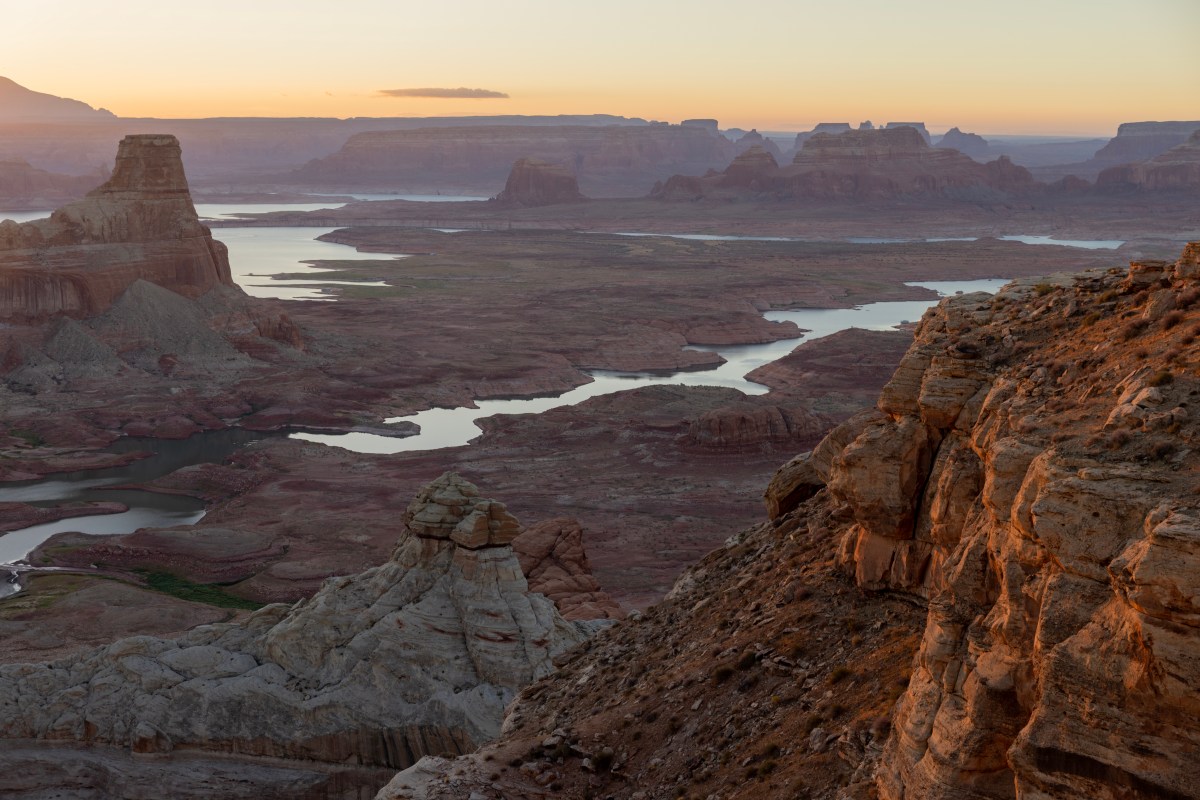
Officials have agreed to continue emergency water releases from Flaming Gorge Reservoir until April 2027 to help raise water levels at Lake Powell, which is critically low. These releases aim to support the Colorado River system, which supplies water to millions of people across seven U.S. states and Mexico.
Key Facts
About 450,000 acre-feet of water have been released from Flaming Gorge Reservoir since April, with plans for another 550,000 acre-feet by next April.
The goal is to keep Lake Powell’s water surface above 3,510 feet while releasing 6 to 7 million acre-feet downstream yearly.
Emergency releases help manage reservoir levels and protect water supply but can disrupt local recreation, businesses, and fishing around Flaming Gorge.
The Colorado River is roughly 1,400 miles long and supports 40 million people, farmlands, hydropower, and wildlife across seven U.S. states and Mexico.
Lake Powell and Lake Mead, the two largest U.S. reservoirs, reached record-low water levels in August 2026, with Lake Powell at 21% capacity and Lake Mead at 26%.
Drought, low snowpack, and continued water demands have contributed to the record-low reservoir levels.
The Bureau of Reclamation and regional officials use coordinated water releases and reductions to protect the river system.
The Indian Glen Canyon Dam closed in 1963 to create Lake Powell, which has since been a critical water storage site.
Read the Original
Want the full story? Tap a source to open the original
article.
Gerard Joseph “Jerry” Howell, a New Orleans Catholic priest accused of abusing children in the local deaf community, died at age 87 in Texas after apparently falling. Despite serious accusations known by the New Orleans archdiocese for decades, Howell remained a priest with support and benefits until a court stopped payments in 2020.
Key Facts
Howell was 87 years old and died after an apparent fall in his Texas apartment on 8 September.
Police found Howell unresponsive and he was pronounced dead at the scene.
The New Orleans archdiocese knew about Howell’s abuse of deaf children for over 40 years.
Howell continued as an active priest even after reports to law enforcement in 1980 and public exposure in 1992.
The archdiocese paid Howell retirement benefits until 2020, when a federal judge stopped these payments.
Records show the church was aware of at least 24 child victims and labeled Howell as “high risk” by a psychologist.
Vatican authorities ordered Howell to keep his priest status and financial support after 1992.
Survivors expressed relief at Howell’s death, feeling it ends his ability to harm others.
Read the Original
Want the full story? Tap a source to open the original
article.
Dolly Parton is being honored across the United States with corn mazes featuring her image. These corn mazes celebrate her life and legacy by creating large pictures of her in fields.
Key Facts
Dolly Parton is being commemorated through corn mazes in various locations across the US.
The corn mazes display images that resemble Dolly Parton.
Corn mazes are large patterns created by cutting paths in cornfields.
This tribute takes place across North America.
The recognition is a way to celebrate Dolly Parton's impact on culture and music.
Read the Original
Want the full story? Tap a source to open the original
article.
Prime Minister Andy Burnham thanked political leaders and the public for their support after the death of his father, Roy Burnham. He cancelled public events and shared that his father's advanced Alzheimer's disease prevented him from knowing about Andy becoming prime minister.
Key Facts
Roy Burnham, father of Andy Burnham, passed away on Monday.
Andy Burnham is the Prime Minister and received condolences from other party leaders.
Burnham cancelled several official engagements following his father’s death.
His father's advanced Alzheimer's disease meant he did not know Andy had become prime minister.
Andy Burnham thanked everyone who sent kind messages during this time.
Roy Burnham was a former telephone engineer and raised Andy with love and support.
Andy has said his father’s illness motivated him to improve adult social care in England.
Burnham’s family lives in Culcheth, Cheshire.
Read the Original
Want the full story? Tap a source to open the original
article.
The European Commission president, Ursula von der Leyen, has supported the idea that Canada could become the EU's first "associate member," leading to closer cooperation between Canada and the EU. This plan aims to strengthen ties in areas like trade, technology, and security, and it comes amid tensions between Canada and the United States under President Donald Trump.
Key Facts
Ursula von der Leyen, president of the European Commission, wants to explore Canada's associate membership in the EU.
Canadian Prime Minister Mark Carney seeks a special partnership with the EU due to strained relations with the U.S.
The proposal aims for closer cooperation in trade, AI, climate change, security, and other important sectors.
Von der Leyen said this partnership is not against any country, but to build common strength and respond to global instabilities.
Canada and the EU have supported each other on issues like Ukraine and supply chains.
Trade talks between Canada and the U.S. recently failed, triggering new tariffs.
Von der Leyen also suggested creating a European Security Council including the UK, Ukraine, and partners like Canada.
This security council proposal responds to the ongoing threat Russia poses to Europe.
Read the Original
Want the full story? Tap a source to open the original
article.
Ed Sheeran’s US tour is facing challenges as his backup band and all supporting acts have pulled out. This situation started after rapper Macklemore was removed from the tour following his pro-Palestinian comments during a performance.
Key Facts
Ed Sheeran’s backing band and all support acts have left his US tour.
Rapper Macklemore was dropped from the tour after making pro-Palestinian remarks on stage.
The decision to remove Macklemore was made by the tour promoter, not Ed Sheeran.
The changes may affect Sheeran’s upcoming tour performances.
The tour is happening in the United States and Canada.
Ed Sheeran’s management and the promoter have not announced if the tour will be canceled.
Read the Original
Want the full story? Tap a source to open the original
article.
Macklemore was removed from Ed Sheeran's North American tour after speaking in support of Palestine during a concert. This led to venue owners objecting to his participation, and several artists have either supported Macklemore by leaving the tour or defended Sheeran’s decision.
Key Facts
Macklemore gave a two-minute speech saying “Free Palestine” at a concert in New Jersey on September 4.
Venue owners like Robert Kraft, who owns Gillette Stadium, opposed Macklemore staying on the tour.
Some artists, including Roger Waters and Finneas, publicly backed Macklemore and condemned the removal.
Others, like Aaron Rowe and the band Lukas Graham, withdrew from the tour in protest.
Alexandria Ocasio-Cortez described the controversy as an example of powerful interests silencing political speech.
Critics pointed out that Ed Sheeran had shown support for Ukraine but stayed silent on Palestinian issues.
Irish groups BEOGA and Kneecap also expressed support for Macklemore and Palestinian causes.
The issue has sparked wider discussion about politics, censorship, and freedom of expression in music tours.
Read the Original
Want the full story? Tap a source to open the original
article.
A South Korean court fined Evett, a popular Michelin-starred restaurant in Seoul, and its chief executive for serving a dessert topped with ants, which are not approved for eating under local food safety rules. The court said the ants contained unsafe levels of heavy metals and that the restaurant failed to get official permission to use them.
Key Facts
Evett is a two-Michelin-star restaurant located in Gangnam, Seoul.
The restaurant and its chief executive were fined 10 million won and 15 million won respectively for using ants in a dessert.
Ants are not on South Korea’s approved list of edible insects; only 10 insect types are allowed by law.
The restaurant served ants on a sorbet dessert from April 2021 to January 2025 without permission.
Tests found heavy metals in the ants above legal limits, raising food safety concerns.
The restaurant imported dried ants from the US and Thailand.
The court noted the restaurant admitted to the offense and has stopped using ants.
The chef Joseph Lidgerwood, who founded Evett, was not charged as the legal responsibility is on the business operator.
South Korean law imposes up to 5 years in prison or a 50 million won fine for unapproved insect use.
Read the Original
Want the full story? Tap a source to open the original
article.
A woman named Molly Connah gave birth to her daughter Elsie Lamb inside a Cineworld cinema in Broughton, Wales, during a screening of Harry Potter. The birth certificate officially lists Cineworld as the place of birth, and both mother and baby are healthy.
Key Facts
Molly Connah was overdue and went to see a Harry Potter film with her family.
She went into labor about 40 minutes into the movie and gave birth at the cinema.
Cinema staff helped by calling emergency services and providing towels and sheets for privacy.
Molly’s mother assisted in delivering the baby before paramedics arrived.
The baby’s birth certificate records Cineworld Broughton as the place of birth.
Molly and baby Elsie were taken to a hospital shortly after birth and are doing well.
The family later returned to thank the cinema staff and received free movie passes.
The newborn weighed 7 pounds (3.2 kilograms) and is described as a content baby.
Read the Original
Want the full story? Tap a source to open the original
article.
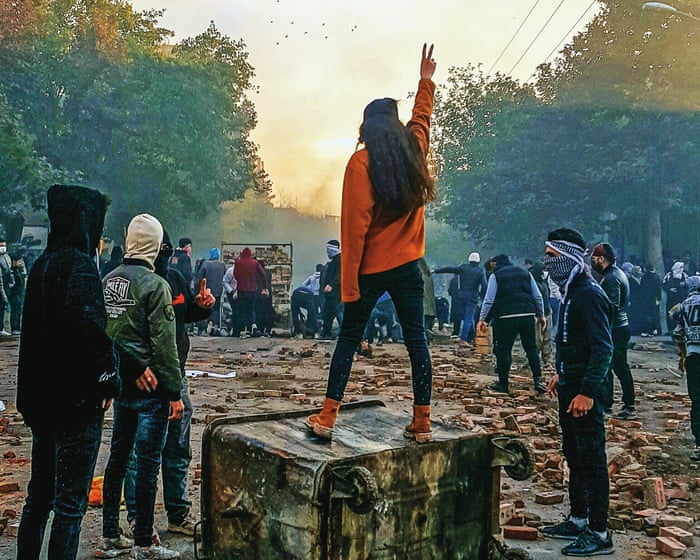
Amnesty International reported that Iranian security forces planned and carried out killings, torture, and sexual abuse against hundreds of protesters in September 2022. These protests followed the death of Mahsa Amini, who died after being arrested for not following Iran’s dress rules. Amnesty also said similar violence continued during later protests in January 2026.
Key Facts
Iranian security forces were ordered to respond with severe and deadly force to protesters.
Amnesty verified the deaths of 377 protesters and bystanders, including 56 children.
At least 16 people were sexually abused while detained, including women, men, and children aged 14 to 17.
Sexual abuse included forced penetration with objects and by security agents.
The violent crackdown was connected through a clear chain of command involving senior Iranian officials.
Amnesty named 87 Iranian leaders, including Supreme Leader Ali Khamenei and others, for possible crimes against humanity.
The protests started after the death of Mahsa Amini, a 22-year-old woman who died in custody after being arrested for dress code violations.
The crackdown intensified in January 2026, resulting in thousands of deaths over two days.
Read the Original
Want the full story? Tap a source to open the original
article.
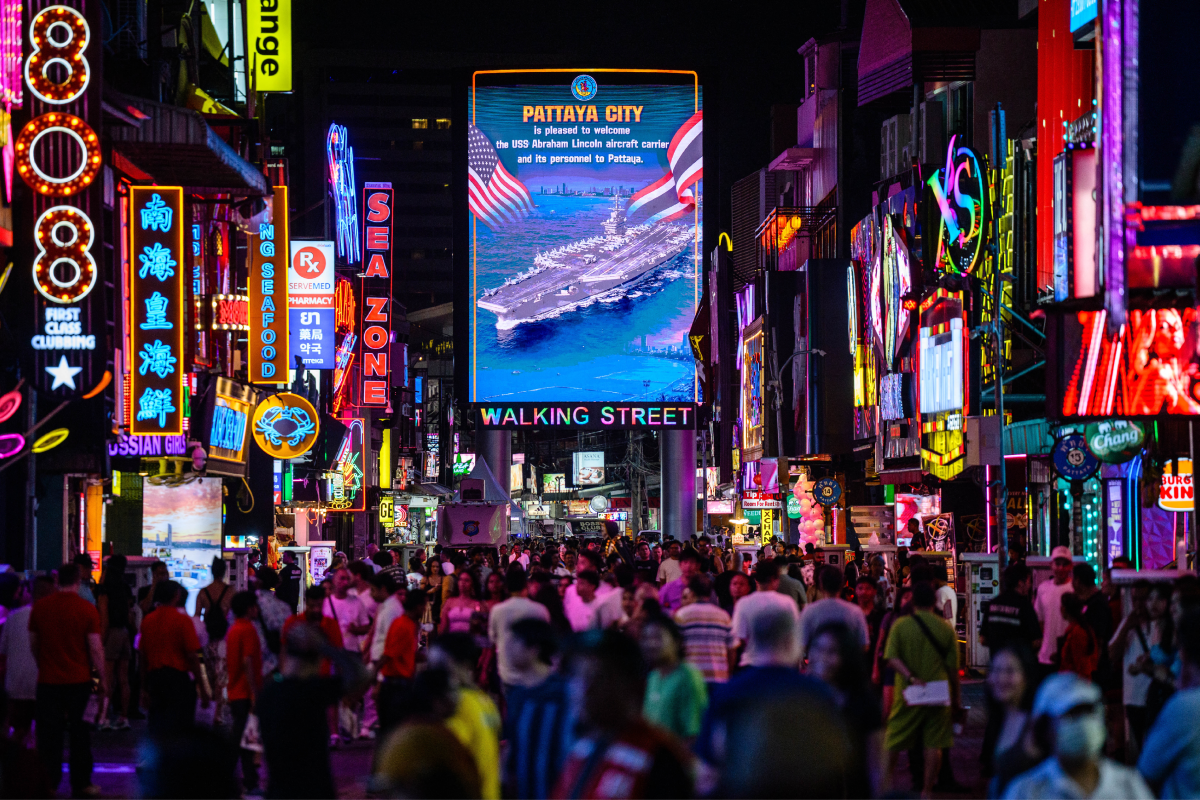
The USS Abraham Lincoln’s sailors spent shore leave in Pattaya, Thailand, where the Navy reminded them that paying for sex is against rules. The article discusses how stereotypes about Thailand’s sexual culture and transgender policies contrast with those of Iran, highlighting both countries’ complex approaches to gender identity despite very different social and legal settings.
Key Facts
The USS Abraham Lincoln’s crew spent 286 days at sea before arriving in Pattaya, Thailand, for shore leave.
The Navy reminded sailors that paying for sex is prohibited.
Pattaya has a reputation for sexual permissiveness, shaped by past U.S. military visits during the Vietnam War.
Thailand is known for a visible transgender community; a 2020 survey found 37% of transgender people had gender-affirming surgery.
Iran, despite harsh laws against same-sex activity, also allows and sometimes subsidizes gender-reassignment surgery for transgender people.
Iran legally recognizes gender changes following surgery and court approval, but within strict male/female gender norms.
Thailand lacks a legal system for changing gender on official documents, even after legalizing marriage equality.
The article challenges stereotypes about sailors, Thailand, and Iran by showing the complexities behind social attitudes and laws on gender and sexuality.
Read the Original
Want the full story? Tap a source to open the original
article.
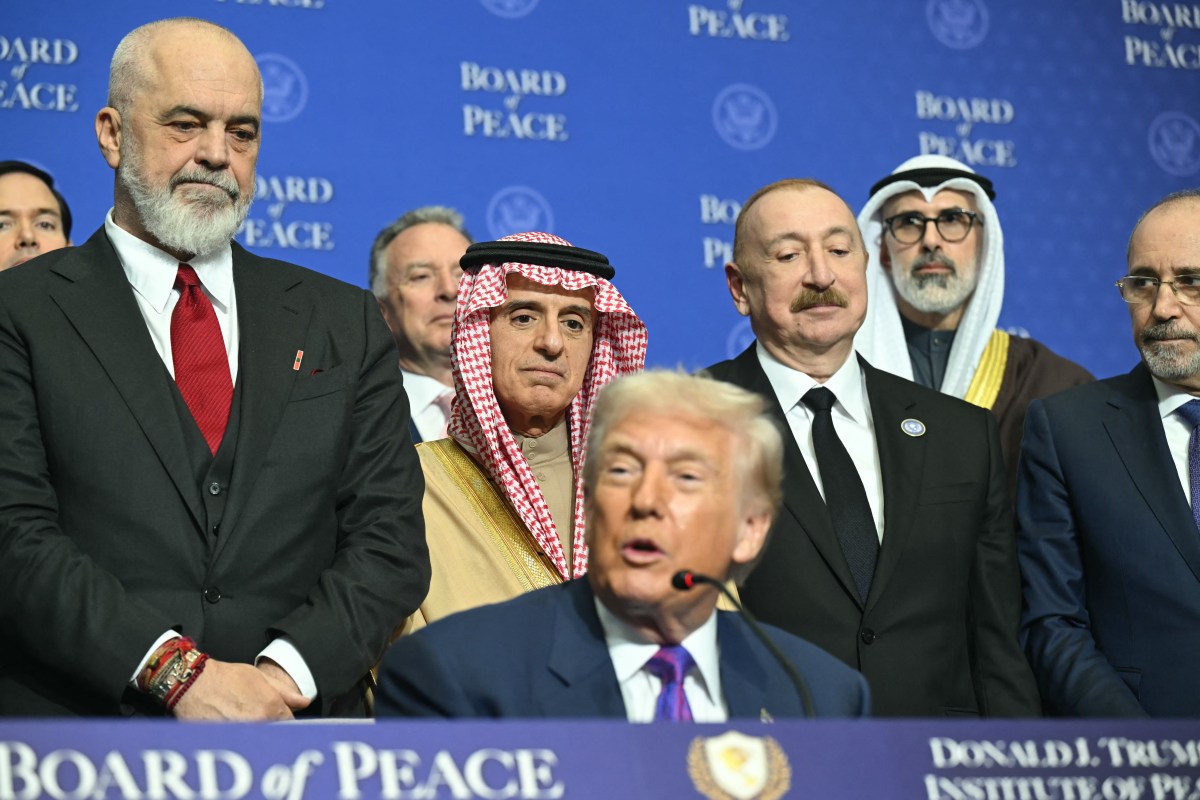
President Donald Trump has asked NATO members to spend more on defense and fight crime in their countries. Albania, a NATO member and close American ally, is criticized for not meeting these expectations, including defense spending and tackling organized crime and corruption.
Key Facts
President Trump wants NATO allies to increase defense spending and protect important infrastructure.
On August 27, the Pentagon asked NATO countries to show what they contribute to defense.
Albania is seen as a loyal American ally but is criticized for not spending enough on defense.
NATO's planned 2026 summit in Albania is delayed due to concerns over Albania's defense and reliability.
Reports show Albanian criminal groups run cocaine trafficking and launder money through real estate.
Albania’s police are said to be vulnerable to corruption, according to the European Commission.
U.S. Congress member Joe Wilson requested a classified report on Albania’s role in drug trafficking and political repression.
President Trump views drug cartels and criminal networks as threats to national security, pressing for stronger cooperation against them.
Read the Original
Want the full story? Tap a source to open the original
article.
The U.S. and China are competing to lead in artificial intelligence (AI) technology. President Donald Trump and his administration see this as a critical race affecting national power, while some Chinese officials call for global cooperation instead. Winning the AI race means having the most advanced AI technology and using it widely for economic and military advantages.
Key Facts
President Donald Trump criticized calls for AI regulation, saying limits would help China.
AI company leaders like OpenAI’s CEO warn about risks if AI develops too quickly without safeguards.
The U.S. government views winning in AI as essential for global leadership and security.
The AI race has been compared to historic contests like the Space Race and Cold War arms race.
Success means both creating advanced AI models and applying AI broadly across the economy and society.
Experts say AI can boost productivity, enable new industries, and improve public services.
China’s officials have pushed back against framing AI competition as a hostile conflict.
U.S. Treasury officials warn that if China wins, it could have serious consequences for America’s future status.
Read the Original
Want the full story? Tap a source to open the original
article.
A political campaign started in Beijing is promoting anti-U.S. military base protests in Asia and has spread to the United States. This campaign uses social media and public events to spread slogans like “Hands Off Asia!” and is tied to a U.S.-registered network funded by a tech millionaire based in China. U.S. authorities are investigating these activities.
Key Facts
The slogan “Hands Off Asia!” first appeared on social media in March on an account linked to Vijay Prashad, director of a U.S.-registered group called Tricontinental.
Tricontinental is funded by Neville Roy Singham, an American tech millionaire living in Shanghai.
The campaign officially launched on April 30, the anniversary of the fall of Saigon, with an event in Beijing.
Rallies and political meetings supporting the campaign took place in U.S. cities like Philadelphia and New York in August.
The Justice Department is investigating the network, and Congress has subpoenaed Tricontinental and related groups.
Research shows that anti-American content related to the campaign is being pushed disproportionately on TikTok, possibly amplified by the platform itself.
The campaign aims to remove U.S. military bases from allied Asian countries such as South Korea, Japan, and the Philippines.
Experts say China uses political warfare to influence opinion without direct fighting, and the U.S. was once strong in this area but is now less prepared.
Read the Original
Want the full story? Tap a source to open the original
article.
The Netflix series "Monster," created by Ryan Murphy, features a dramatized version of the Lizzie Borden murder case. Actors Charlie Hunnam and Rebecca Hall play Lizzie’s father and stepmother, respectively, exploring complex characters with a mix of campy and tragic elements.
Key Facts
The series "Monster" is part of Ryan Murphy’s anthology on Netflix.
It tells the story of Lizzie Borden, who was acquitted of killing her father and stepmother in 1892.
Charlie Hunnam plays Andrew Borden, Lizzie’s father.
Rebecca Hall plays Abby, Lizzie’s stepmother.
Ella Beatty portrays Lizzie Borden.
Both Hunnam and Hall have worked previously with Ryan Murphy on other projects.
The actors describe their characters as layered and complex, blending humor and tragedy.
The show explores themes of oppression and personal tragedy within the story.
Read the Original
Want the full story? Tap a source to open the original
article.