Autism is recognized more now than before, but many autistic people still do not get the right support in jobs, education, or care. Autism affects people with very different needs, and treating all cases the same ignores the support many individuals require.
Key Facts
In 2021, the World Health Organization estimated that 1 in 127 people had autism.
Autism includes a wide range of needs, from people who live independently to those who need lifelong care.
Public discussions often focus on autistic people who can speak for themselves, leaving others and their families without enough help.
In the UK, only 34% of working-age disabled people with autism had jobs in 2024–25, compared to 82% of non-disabled people.
Employers may exclude autistic candidates who communicate differently or struggle with interviews, despite talking about acceptance.
Autism diagnosis now groups several conditions, like Asperger’s, under "autism spectrum disorder," which covers very different situations.
This broad diagnosis makes it hard for families, schools, and healthcare to decide what support each person needs.
People at the same support level can have very different challenges, but they often get the same treatment or services.
Read the Original
Want the full story? Tap a source to open the original
article.
A planned meeting to discuss a temporary solution for shipping traffic through the Strait of Hormuz was postponed because Saudi Arabia objected to the proposed agreement between Iran and Oman. Tensions in the region remain high due to attacks on Saudi Arabia and ongoing disputes involving Iran, Oman, and Gulf Cooperation Council (GCC) countries.
Key Facts
Officials from Iran, Iraq, Oman, and GCC nations except Bahrain were set to meet in Oman to discuss new shipping routes in the Strait of Hormuz.
The meeting in Salalah, Oman was postponed without a new date given.
Iran's foreign ministry said Saudi Arabia's objection caused the postponement.
Saudi Arabia submitted changes to the Iran-Oman proposal, concerned the original would create an unacceptable status quo.
Saudi Arabia recently shut down its East-West oil pipeline after drone attacks, which US President Trump said were ordered by Iran.
The Houthis, controlling Yemen’s Red Sea coast, claimed missile and drone attacks on Saudi military sites in retaliation for air strikes.
Iran says it will only negotiate with the US on the Strait of Hormuz if the US lifts its naval blockade and returns to a previous agreement.
Iran plans to continue working with Oman on their bilateral deal to manage traffic through the strait despite regional tensions.
Read the Original
Want the full story? Tap a source to open the original
article.
A Russian drone struck a passenger train near the Ukraine-Poland border shortly after a convoy of European diplomats, including former leaders, passed through. EU officials say the attack was meant to intimidate Europe but emphasize their continued support for Ukraine.
Key Facts
A Russian drone attacked a passenger train close to the Ukraine-Poland border.
The train had recently carried European diplomats, including Boris Johnson, David Petraeus, and Carl Bildt.
EU officials say the strike was intended to send a threatening message to Europe.
The EU remains committed to supporting Ukraine, approving a €6.1 billion loan tranche to help Ukraine defend itself.
Over 450 Russian drones and missiles were launched across Ukraine in recent attacks, killing at least six people.
Ukrainian air force intercepted most of the incoming drones and missiles.
Poland’s prime minister warned that Russian attacks might escalate and potentially affect Polish territory.
EU diplomatic talks are ongoing to extend sanctions against thousands of Russians involved in the war.
Read the Original
Want the full story? Tap a source to open the original
article.
Russian forces carried out strikes on a train bound for Warsaw near the Poland-Ukraine border shortly after visits by top Western officials. The European Union's top diplomat said these attacks were intended to frighten countries that support Ukraine.
Key Facts
The strike targeted a train heading to Warsaw near the border between Ukraine and Poland.
The attack happened soon after important Western leaders visited the area.
The EU's highest diplomat suggested the strike aimed to scare Kyiv’s supporters.
Russia used drones as part of its attacks on Ukraine.
Poland warned that the strikes could lead to an escalation of the conflict.
The incident raised concerns about increasing tensions between Russia and Western countries.
The situation contributed to ongoing instability near the Ukraine-Poland border.
Read the Original
Want the full story? Tap a source to open the original
article.
Russia launched a large drone attack against Ukraine, sending 453 drones overnight. One drone flew close to the border with Poland, causing the Polish military to respond with fighter jets and helicopters.
Key Facts
Russia increased its air attacks on Ukraine using many drones.
A total of 453 drones were launched in one night.
One drone landed about 800 meters from the Poland-Ukraine border.
Poland reacted quickly by sending fighter jets and helicopters to intercept.
The drone near Poland raised concerns about possible escalation in the conflict.
The event highlights ongoing tensions between Russia, Ukraine, and neighboring countries.
No information was given about damage or casualties from the drone strikes.
Read the Original
Want the full story? Tap a source to open the original
article.
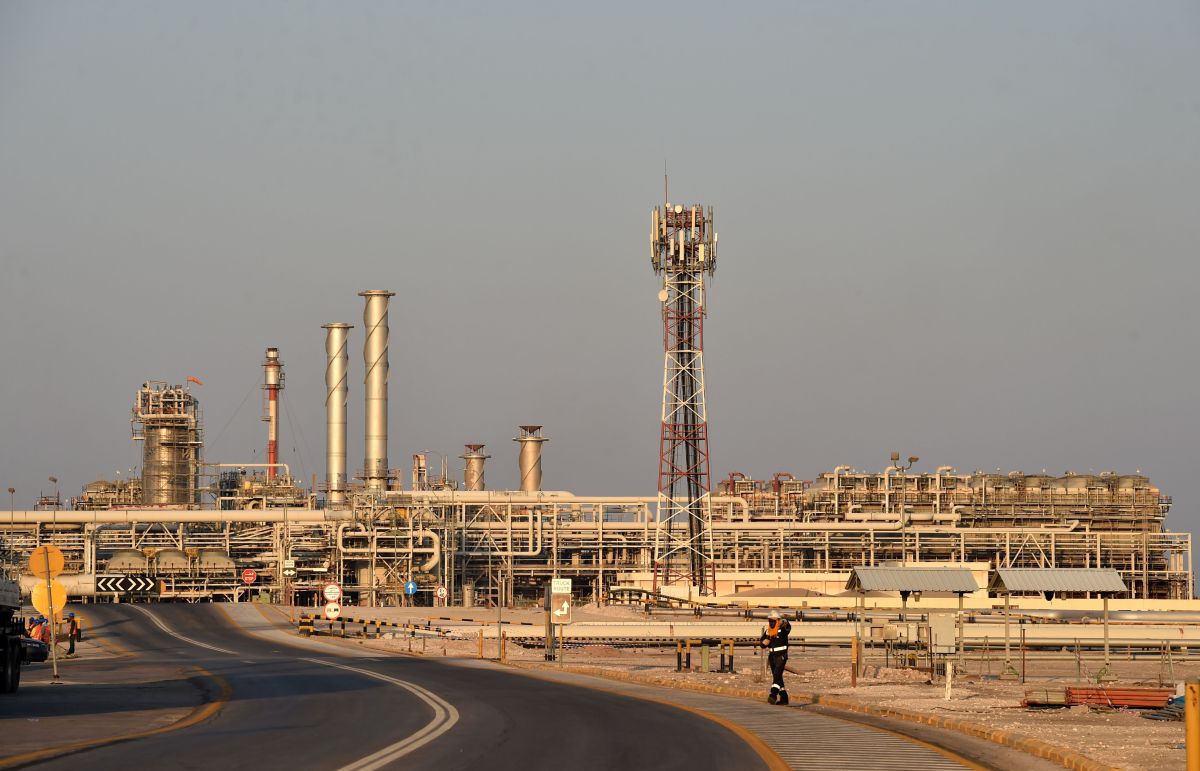
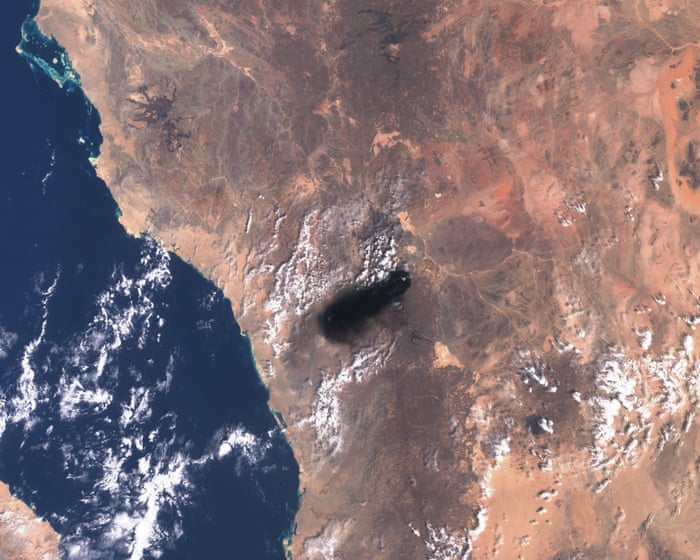
Saudi Arabia stopped a key oil pipeline after drone attacks damaged it. This pause could make the country run out of oil to export in about a week if the pipeline is not quickly fixed.
Key Facts
Saudi Arabia shut its East-West oil pipeline after drone attacks on Friday.
The attacks likely came from Iranian-backed militant groups in Iraq.
The pipeline moves 4 million barrels of oil per day to Yanbu port on the Red Sea.
The pipeline helps bypass the Strait of Hormuz, which is closed due to the war involving Iran.
Repairs could take up to six weeks to complete.
Without the pipeline, Saudi Arabia can only export oil for 5 to 7 more days.
The pipeline shutdown could threaten about 4% of the world’s oil supply.
Saudi officials have not said how bad the damage is or how long the pipeline will be down.
Read the Original
Want the full story? Tap a source to open the original
article.
Authorities in Zambia have warned people not to eat meat from dead wild animals after at least 60 animals died in an anthrax outbreak. Twelve people who ate this meat have been infected and are receiving treatment, but no human deaths have been reported.
Key Facts
Dozens of wild animals, including hippos, elephants, buffalo, and a crocodile, died from anthrax in Muchinga province.
Twelve people were infected after eating meat from these dead animals.
Officials advise against eating, selling, or handling meat from animals that die suddenly or from unknown causes.
Hunting in the affected area has been temporarily stopped while tests continue.
Anthrax is caused by bacteria that can live in soil for many years and mainly affects grazing animals.
Humans can get anthrax by touching or eating contaminated animal products.
Previous major anthrax outbreaks in Zambia happened in 2011 and 2023, with some human deaths reported.
Authorities are working to find out how far the current outbreak has spread through surveillance and lab testing.
Read the Original
Want the full story? Tap a source to open the original
article.
China has rejected claims that it is engaging in harmful competition with the US over artificial intelligence (AI). Chinese officials called for cooperation among countries to manage AI development safely and fairly, while the US continues to focus on leading in AI technology.
Key Facts
China called threat stories about AI rivalry with the US "malicious competition" and said they hurt global AI governance.
The US government, including President Donald Trump, aims to develop AI faster than China to maintain technological leadership.
China’s foreign ministry wants AI development to be open, inclusive, and beneficial for everyone.
Experts say cooperation between the US and China on slowing AI development is unlikely due to national security concerns.
Despite US export bans on key chips, China’s AI sector grows through open-source technologies and government support.
Chinese leader Xi Jinping and officials emphasize balancing AI progress with security and ethics, warning against misuse by foreign intelligence.
China created the World AI Cooperation Organisation to influence global AI rules and proposed an open-source AI community at a recent international meeting.
US tech leaders called for AI safety and regulation after warning about AI risks, but President Trump prioritized winning the AI race over slowing development.
Read the Original
Want the full story? Tap a source to open the original
article.
Scientists have discovered nine new species of deep-sea sponges in the Gulf of Alaska and Aleutian Islands, bringing the total known sponge species in Alaska to 232. These sponges play important roles in the ecosystem by providing habitats for fish and crabs, but their environment faces threats from proposed deep-sea mining and bottom trawling.
Key Facts
Nine new sponge species were found in Alaska's deep-sea areas including the Gulf of Alaska and Aleutian Islands.
The discoveries were made by analyzing samples collected during NOAA Fisheries’ bottom-trawl surveys since 2012.
Sponges filter seawater and create habitats on the seafloor, supporting important fish and crab populations.
Scientists use microscope structures and DNA barcodes to identify sponge species because they lack obvious physical features.
Dense sponge communities are officially recognized as essential fish habitat by NOAA.
Some sponge chemicals show potential for medical uses, such as cancer treatments.
President Donald Trump has proposed expanding deep-sea mining in Alaska for minerals like nickel and copper.
Environmental groups warn that mining and bottom trawling damage fragile seafloor habitats important for marine life.
Read the Original
Want the full story? Tap a source to open the original
article.
Oil prices rose above $108 per barrel after drone attacks from Iraq forced Saudi Arabia to close a key oil pipeline. The attacks, linked to Iran-aligned groups, have raised fears about oil supply in the Middle East, while Saudi Arabia’s oil export stocks may run out soon if the pipeline does not reopen.
Key Facts
Drone attacks from Iraqi territory targeted Saudi Arabia’s east-west oil pipeline.
Saudi Arabia closed the pipeline to protect oil supplies, which reroute about 4 million barrels daily.
Saudi Arabia’s export oil stocks at the Red Sea port will last only five to seven days without the pipeline.
The Iran-aligned Houthi forces in Yemen also attacked Saudi Arabia and took control of a strategic island at the Bab al-Mandab strait.
Iraq’s government confirmed the pipeline attack came from its land and launched an investigation.
U.S. President Donald Trump said he believes Iran is responsible for the attacks.
The supply disruption is part of broader tensions involving the US, Israel, Iran, and regional groups impacting Middle East energy exports.
Read the Original
Want the full story? Tap a source to open the original
article.
Thousands of people in Culiacán, Mexico, marched to ask for an end to violence caused by a war between two groups in the Sinaloa cartel. The violence began two years ago and has caused many murders, disappearances, and fear among residents. The protest included families of victims, local groups, and religious leaders asking the fighting factions to stop.
Key Facts
The protest took place in Culiacán, the capital of Sinaloa state in northern Mexico.
Two factions of the Sinaloa cartel, called Los Chapitos and La Mayiza, have been fighting since the arrest of drug lord Ismael "El Mayo" Zambada.
Violence includes shootouts, ambushes, and roadblocks using burned trucks.
The conflict has increased murders, kidnappings, extortions, and robberies in Sinaloa.
Over 5,000 businesses have closed due to the violence, according to local opposition leader Sergio Esquer.
The protest began with a church ceremony where the bishop urged the cartel groups to stop killing.
A one-year-old boy died from a bullet wound during a recent shootout.
Sinaloa’s governor, Rubén Rocha, is under investigation for alleged ties to Los Chapitos and drug smuggling but denies wrongdoing.
Read the Original
Want the full story? Tap a source to open the original
article.
A Romanian van driver named Vasile Barbu was jailed for killing British triathlete Rebecca Comins by hitting her from behind while she was cycling. He lost his appeal to avoid deportation from the UK to Romania after the judge ruled the crime was serious and not accidental.
Key Facts
Vasile Barbu, 50, hit Rebecca Comins while she was cycling in June 2022.
Barbu was delivering furniture near Calais when the crash happened.
Barbu was found guilty of causing death by dangerous driving after a trial.
His van was not roadworthy and was carrying too much weight, which made it harder to control.
Barbu moved to the UK in 2002, worked as a pub chef, and later owned a pub.
He appealed against deportation, saying he considers the UK his permanent home and that his family would struggle without him.
The immigration judge said Barbu’s children are adults and not dependent on him, so deportation is justified.
The judge said the public interest in deporting Barbu is more important than his private family life.
Read the Original
Want the full story? Tap a source to open the original
article.
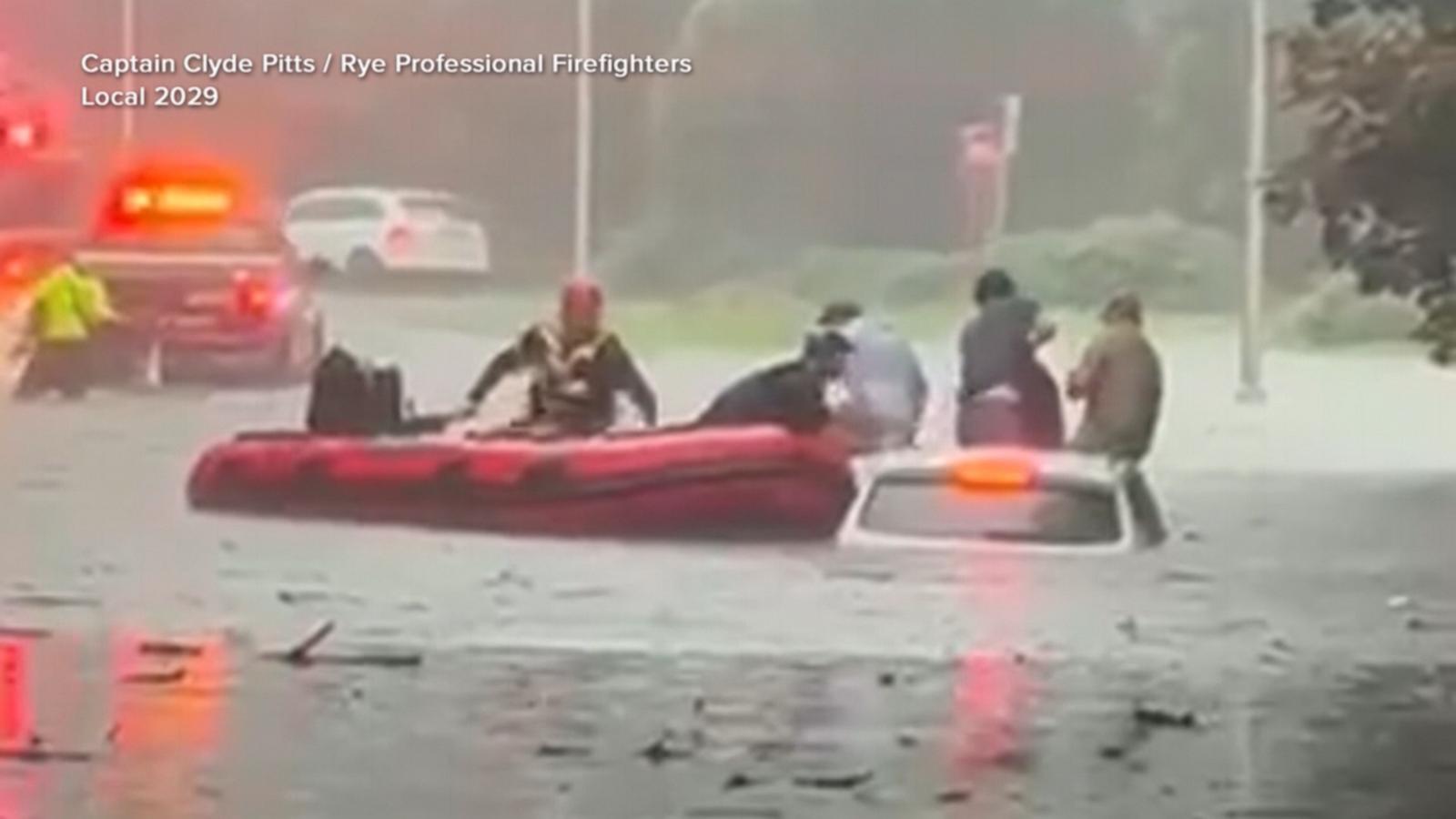
Heavy rain is causing serious flooding along the I-95 corridor in the northeastern United States. Many neighborhoods are underwater, and emergency teams are conducting urgent rescues.
Key Facts
Torrential rain is affecting millions of people along the I-95 highway.
The rain has caused flash flooding and submerged entire neighborhoods.
Emergency responders are performing urgent rescues in flooded areas.
The storm is impacting parts of the Northeast, including the Appalachians and Mid-Atlantic.
The flooding situation is ongoing, with weather experts tracking the threat closely.
Read the Original
Want the full story? Tap a source to open the original
article.
The investigation into actress Hayden Panettiere’s death is now being conducted in both Los Angeles and South Carolina. Authorities are looking into whether drugs were involved and trying to find out where the drugs may have come from.
Key Facts
Hayden Panettiere died on August 16 at age 36.
She was found unresponsive and in cardiac arrest in Greenville, South Carolina.
First responders tried to save her but she was pronounced dead at the scene.
The investigation is taking place in Los Angeles and South Carolina.
Officials are focusing on what drugs may have played a part in her death.
Authorities are also investigating the source of any drugs involved.
Panettiere was known for her roles in TV shows like "Heroes" and "Nashville."
The story is still developing and more updates are expected.
Read the Original
Want the full story? Tap a source to open the original
article.
Reform UK received two large donations totaling £72 million from two British billionaires who have lived overseas. The government is planning a new law to limit political donations from British voters living abroad to £100,000, sparking debate about whether these donations should be allowed.
Key Facts
Reform UK got £72 million in donations from two billionaires, Ben Delo and Christopher Harborne.
Each billionaire donated £36 million.
Both donors are British but have spent time living abroad.
A new bill proposes a £100,000 limit on political donations from British voters living abroad.
Reform UK says these donations are still legal under the new proposed rules.
The debate about the bill will take place in the House of Lords.
Reform UK’s Deputy Leader Richard Tice said the government is trying to change the rules after the fact.
The donations are considered controversial due to their size and timing.
Read the Original
Want the full story? Tap a source to open the original
article.
British lawmakers want new laws and an independent watchdog to control artificial intelligence (AI) because they worry it could harm human rights and public safety. Around the world, there are calls for slowing down AI development to prevent serious risks, while the UK and US governments discuss how to balance safety with competition.
Key Facts
UK MPs and Lords say current AI rules are not good enough and want stricter laws and oversight.
AI threats include face recognition misuse, fake videos (deepfakes), and unfair treatment of workers.
Over 70 UK lawmakers asked the Prime Minister to ban artificial superintelligence, but the government refused and plans smaller safety measures.
US House Speaker Mike Johnson met with AI company leaders about product safety but rejected a pause on AI development due to China’s competition.
President Donald Trump said the US leads in AI and wants to keep that advantage.
Anthropic, an AI company, suggested that leading companies and governments slow AI progress and coordinate globally.
OpenAI supports some federal safety rules but wants to start improving AI safety without waiting for new laws.
A summit on AI safety with global tech leaders and King Charles will take place soon in Scotland.
Read the Original
Want the full story? Tap a source to open the original
article.
The United States says it is improving oil ship traffic through the Strait of Hormuz, a key waterway for global oil supply. However, Iran disputes US control, shipping traffic remains lower than usual, and recent attacks on Saudi oil facilities have pushed oil prices above $100 a barrel.
Key Facts
President Donald Trump claims the US is escorting more oil tankers through the Strait of Hormuz.
The Strait of Hormuz handles about one-fifth of the world’s oil and gas supply.
Iran controls access to the strait and set a new restricted shipping zone recently.
Ship tracking data shows fewer vessels passing through the strait compared to before the conflict began.
Oil prices rose to over $107 per barrel after an Iranian ship attack and a drone strike on a Saudi oil pipeline.
Saudi Arabia’s East-West oil pipeline was shut temporarily due to a drone attack from Iraq.
4% of the global oil supply could be at risk if the Saudi pipeline remains closed.
Yemen’s Houthi group has increased missile and drone attacks on southern Saudi Arabia, affecting civilian areas and adding to regional instability.
Read the Original
Want the full story? Tap a source to open the original
article.
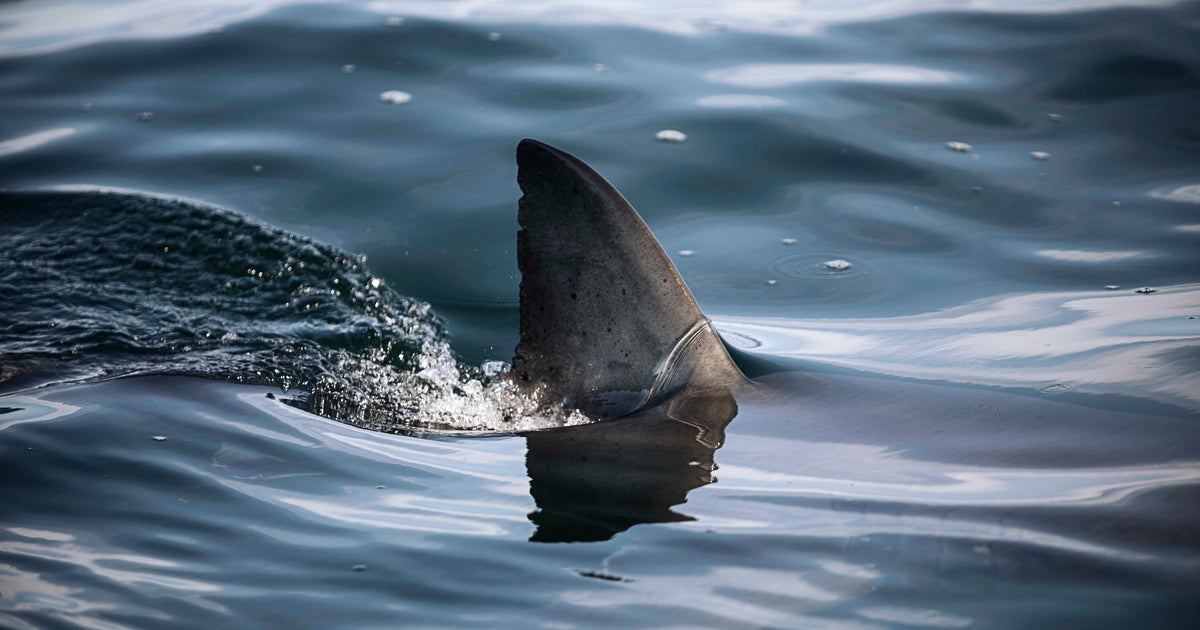
A man in his 50s was bitten by a shark while surfing at Glenfield Beach in Western Australia and was taken to the hospital in serious but stable condition. Shark attacks in Australia have increased recently, possibly because warmer waters and more people in the ocean are changing where sharks swim.
Key Facts
The shark attack happened around 9:45 a.m. at Glenfield Beach, about 250 miles north of Perth.
The injured surfer, named Mel Ismail, is recovering in hospital.
Authorities are testing his damaged surfboard to identify the shark species.
Scientists say warmer ocean temperatures and crowded waters may be causing sharks to change their migration routes.
Earlier this year, a 12-year-old boy died from a shark bite in Sydney Harbour.
Recent months also saw fatal shark attacks on three divers and a woman who lost part of her arm.
Australia has recorded over 1,280 shark incidents since 1791, including more than 250 deaths.
More people doing water activities like surfing and diving has contributed to the rise in shark encounters.
Read the Original
Want the full story? Tap a source to open the original
article.
Thousands of people have gathered in Brazil to support President Luiz Inacio Lula Da Silva ahead of the presidential election on October 4th. The election campaign is very active, with Lula and his main rival, Flavio Bolsonaro, showing close results in polls.
Key Facts
Brazil will hold its presidential election on October 4th.
President Luiz Inacio Lula Da Silva is running for re-election.
Flavio Bolsonaro is Lula’s main opponent.
Lula and Bolsonaro represent opposite political views.
Supporters of both candidates have been rallying in the streets.
Recent polls show a very close race between the two candidates.
The political atmosphere is tense as the election approaches.
Read the Original
Want the full story? Tap a source to open the original
article.
Turkish police arrested dozens of people during raids on LGBTQ bars and the homes of LGBTQ activists. The police said these actions were part of a campaign called the "Decade of the Family," launched by President Recep Tayyip Erdogan to protect children, families, and social order.
Key Facts
Police raids targeted gay bars and homes of LGBTQ activists in Turkey.
Dozens of people were arrested during these raids.
The raids took place in connection with the "Decade of the Family" initiative.
This campaign was announced by Turkish President Recep Tayyip Erdogan.
The goal of the campaign is to protect children, the family institution, and social order.
The event occurred on Sunday, September 14, 2026.
The article does not provide detailed reasons behind the raids beyond the campaign's objectives.
There is no information about the response from LGBTQ groups or international reactions in the article.
Read the Original
Want the full story? Tap a source to open the original
article.