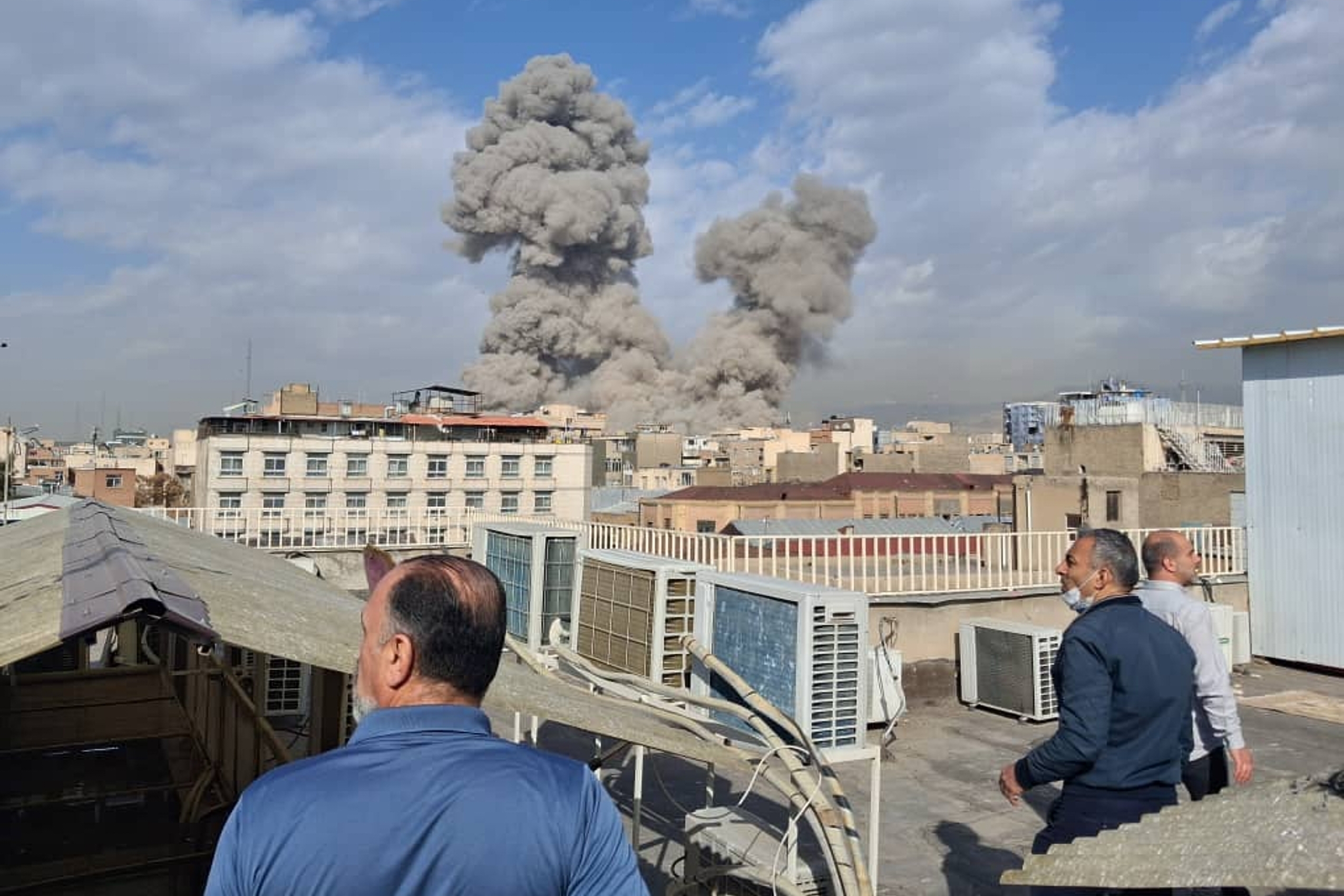
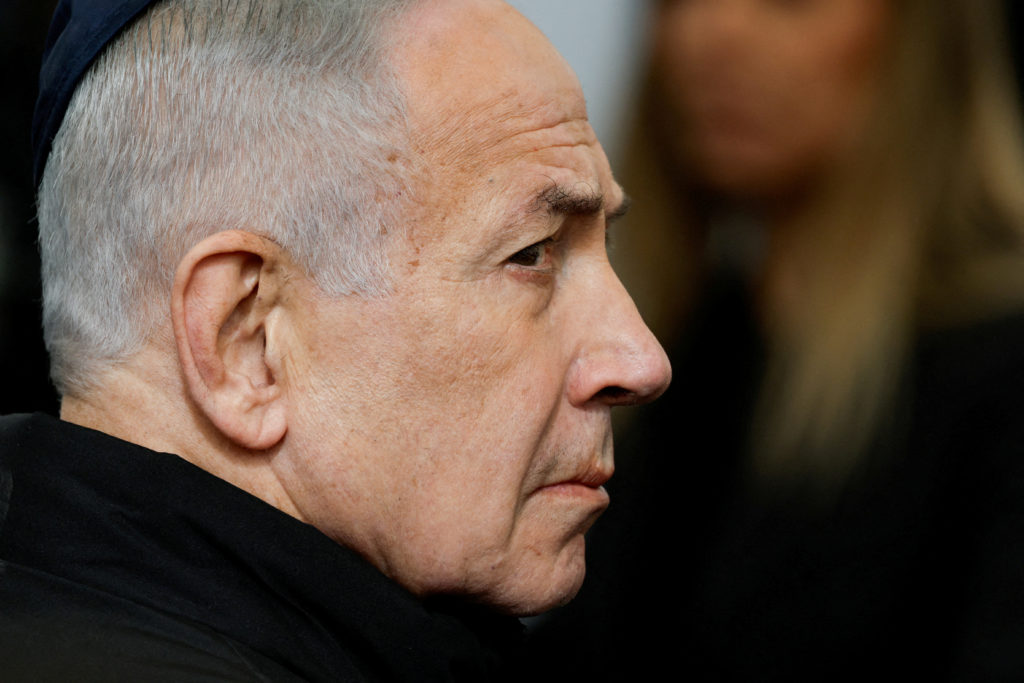
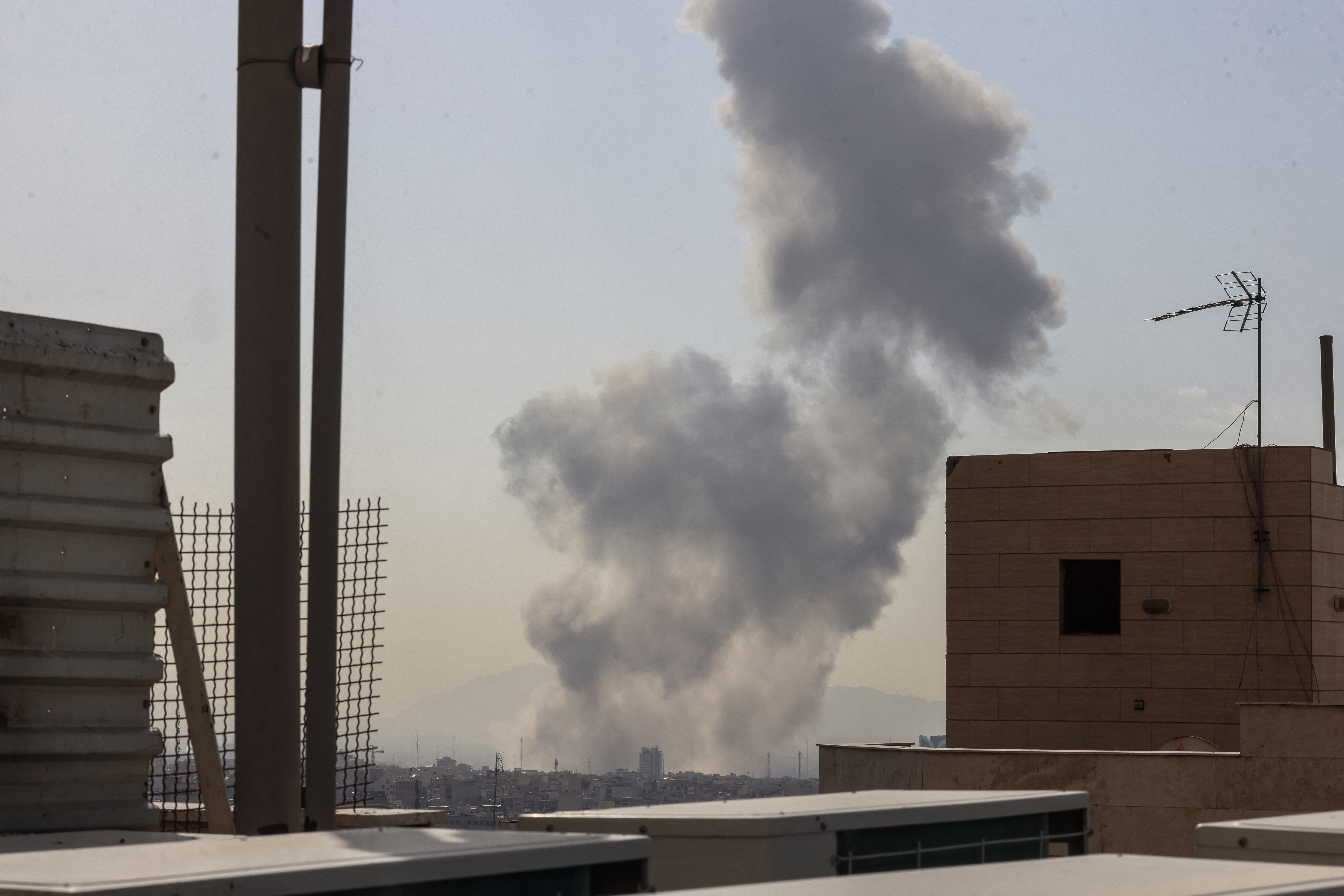
The United States and Israel conducted an attack on Iran that led to major disruptions in air travel across the Middle East. Many countries, including Iran, Iraq, and the United Arab Emirates, closed their airspace, resulting in flight cancellations and diversions affecting hundreds of thousands of passengers. Key hub airports in Dubai, Abu Dhabi, and Doha were closed, and multiple airline flights were canceled or rerouted.
Key Facts
The U.S. and Israel attacked Iran, affecting flight operations across the Middle East and beyond.
Countries like Iran, Iraq, and the United Arab Emirates closed their airspace, disrupting flights.
Over 1,800 flights were canceled by major Middle Eastern airlines.
Dubai and Abu Dhabi airports experienced strikes; one person was killed in Abu Dhabi, and several were injured.
Airlines must reroute flights over Saudi Arabia to avoid closed airspace, leading to longer flights and potential cost increases.
Countries involved may reopen parts of their airspace as the situation stabilizes.
Passengers are advised to check flight status updates due to ongoing uncertainties.
Read the Original
Want the full story? Tap a source to open the original
article.
An 84-year-old woman named Nancy Guthrie disappeared from her home in Tucson, Arizona. Following this event, there has been an increase in people interested in securing their homes with features like safe rooms. The case is being investigated as a possible abduction with the involvement of local authorities and the FBI.
Key Facts
Nancy Guthrie went missing from her home in Tucson, Arizona on January 31, 2026.
Authorities are treating the disappearance as a possible kidnapping.
Surveillance footage showed a masked person near her home.
Drops of Guthrie’s blood were found on her front porch.
Guthrie needs important daily medication, which adds urgency to the situation.
Interest in home security features like safe rooms has risen since her disappearance.
Companies like Sportsman Steel Safes reported a significant rise in customer inquiries.
The Pima County Sheriff's Department and FBI are actively investigating the case.
Read the Original
Want the full story? Tap a source to open the original
article.
World leaders responded cautiously to U.S. and Israeli military strikes on Iran. European countries called for negotiations and condemned Iran's regional actions, stressing they didn't join the strikes. Russia and China criticized the military action and urged for immediate talks.
Key Facts
The U.S. and Israel launched military strikes on Iran, raising concerns of a larger conflict.
European leaders called for a return to negotiations between the U.S. and Iran over nuclear issues.
The U.K., France, and Germany did not participate in the strikes and are in contact with U.S. and Israeli leaders.
Russia and China criticized the strikes as acts of aggression and urged a halt to military actions.
Australia and Canada showed more support for the strikes, citing concerns over Iran's nuclear ambitions.
Neither warning nor advance notice of the strikes was clearly given to all U.S. allies, causing additional concern.
France called for an emergency U.N. Security Council meeting to address the situation.
Australian Prime Minister Anthony Albanese noted past Iranian actions as justification for supporting the strikes.
Read the Original
Want the full story? Tap a source to open the original
article.
The U.S. military teamed up with Israel to carry out pre-emptive strikes on Iranian targets using new techniques. These strikes included the use of attack drones and missiles to suppress Iran's defenses. The operation is ongoing and updates are expected.
Key Facts
The U.S. and Israel conducted coordinated military strikes on Iran.
They used new capabilities, including "one-way attack drones" also known as LUCAS drones.
These drones, nicknamed "kamikaze" drones, are less expensive than other military drones.
Tomahawk missiles were also used in the strikes.
The operation aims to reduce perceived threats from Iranian targets.
The U.S. claims the Iranian defense response has been ineffective so far.
The military action is described as a pre-emptive measure, suggesting it was meant to prevent future threats.
The operation is planned to last multiple days.
Read the Original
Want the full story? Tap a source to open the original
article.
Iranian missiles hit several parts of Israel, causing fires and damage. Israelis took cover in bomb shelters, and defense systems attempted to stop further attacks.
Key Facts
Iranian missiles were launched at Israel.
The missiles caused fires and scattered damage in various areas.
Many Israelis went to bomb shelters for protection.
Defense systems were activated to intercept more attacks.
Interceptors were seen in action over Tel Aviv and other cities.
Read the Original
Want the full story? Tap a source to open the original
article.
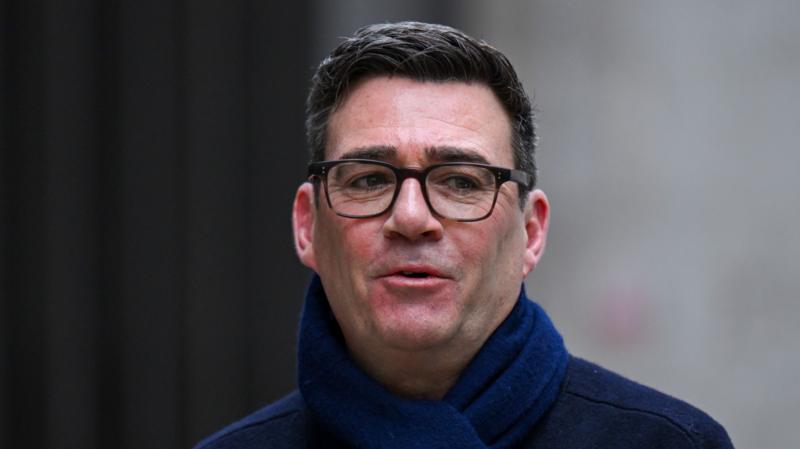
Lucy Powell, Labour's deputy leader, stated that Andy Burnham might have won the Gorton and Denton by-election if he had been able to run. The Green Party won the seat, with Reform UK coming second, leading to questions about Labour's decision to block Burnham from participating. Some within the Labour Party believe Burnham's popularity could have helped them maintain the seat.
Key Facts
Andy Burnham was blocked from running in the Gorton and Denton by-election by Labour's National Executive Committee.
Labour's deputy leader, Lucy Powell, suggested Burnham might have won the by-election.
The Green Party won its fifth parliamentary seat in this election.
Reform UK secured second place, and Labour came third.
The NEC cited high costs of a replacement mayoral election as the reason for blocking Burnham.
Some Labour members believe Burnham's popularity could benefit the party nationwide.
Angela Rayner described Labour's loss as a "wake-up call".
The by-election was considered an important test for Labour in a working-class area with a diverse population.
Read the Original
Want the full story? Tap a source to open the original
article.
A winter storm warning has been issued across several U.S. states, from Alaska to the Upper Midwest, due to heavy snowfall and challenging travel conditions. Alaska is expected to receive the highest levels of snowfall, while other states like Minnesota, Wisconsin, and Iowa will experience varying amounts. The National Weather Service has placed various advisories and warnings in place to alert residents of the potential impacts.
Key Facts
Winter storm warnings and advisories are in effect from Alaska to the Upper Midwest due to a fast-moving winter system.
Alaska's Panhandle may receive the most snow, with predictions of 11 to 14 inches in some areas like Hyder.
In Alaska, Juneau could see 6 to 12 inches of snow, with warnings emphasizing difficult travel.
Parts of Minnesota, Wisconsin, and Iowa are under winter weather advisories, expecting 2 to 6 inches of snow.
In Minnesota, a snow band might lead to snowfall rates of one inch per hour in some areas, affecting travel.
Visibility and road conditions are primary concerns, with snow possibly mixing with rain in Alaska on Sunday.
Gusty winds could further complicate travel in certain areas, especially in the southern Panhandle of Alaska.
Read the Original
Want the full story? Tap a source to open the original
article.
"EPiC: Elvis Presley in Concert" is a new film by director Baz Luhrmann that showcases Elvis Presley performing in a concert experience. Despite Elvis passing away in 1977, this film allows global audiences to appreciate his music and presence. Luhrmann, who directed the 2022 Elvis biopic, continues to explore the legacy of Elvis Presley.
Key Facts
Elvis Presley wanted to world tour, but died in 1977 before he could.
"EPiC: Elvis Presley in Concert" is a new concert/documentary film about Elvis.
Baz Luhrmann directed this film and the 2022 biopic "Elvis."
The film shows in theaters worldwide, showcasing Elvis’s talent.
Luhrmann plans to develop a musical stage version of Elvis's story.
Discussions about a Director's Cut of the 2022 "Elvis" movie are ongoing.
Luhrmann described Elvis as "the high priest" of "the church of music."
Read the Original
Want the full story? Tap a source to open the original
article.
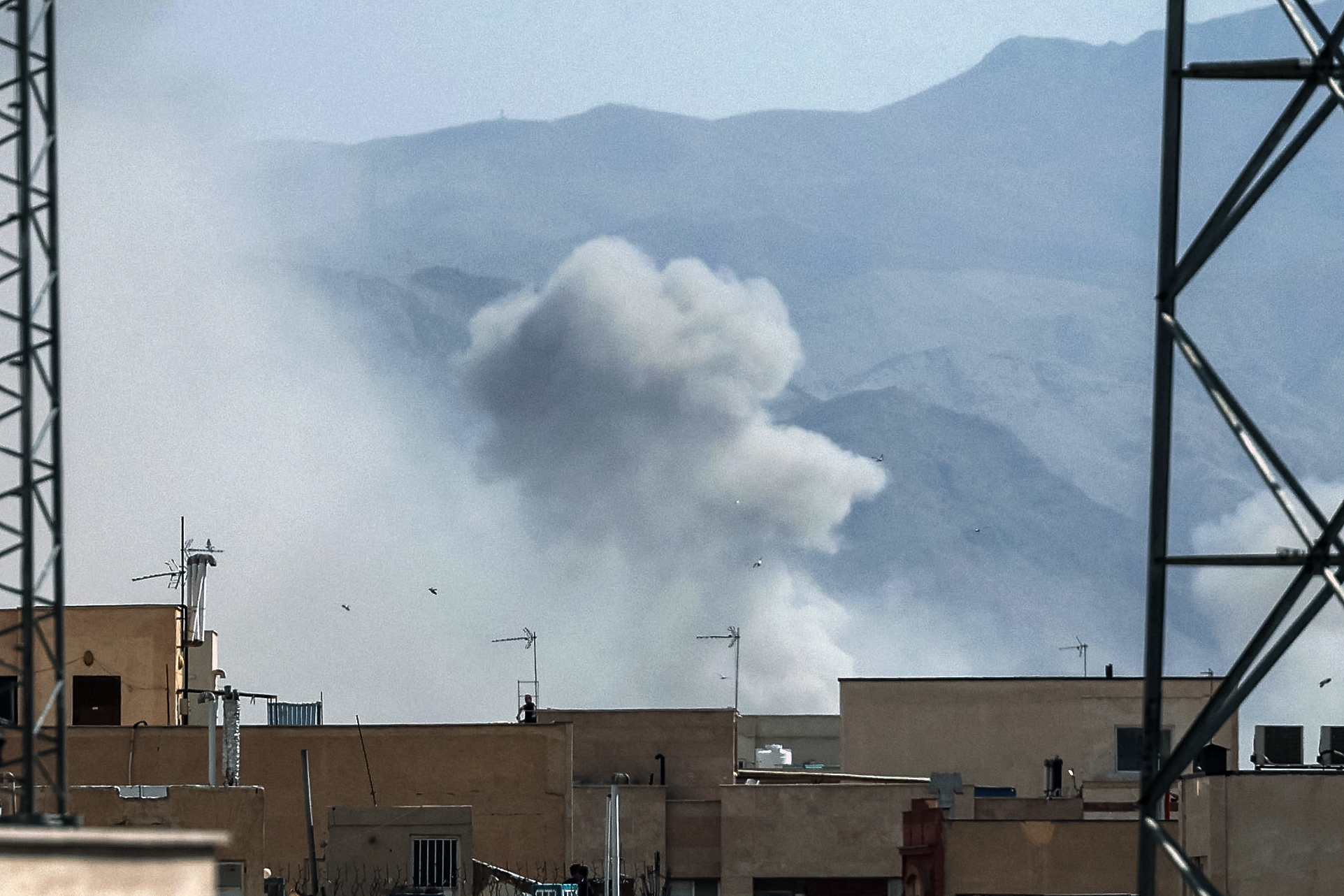
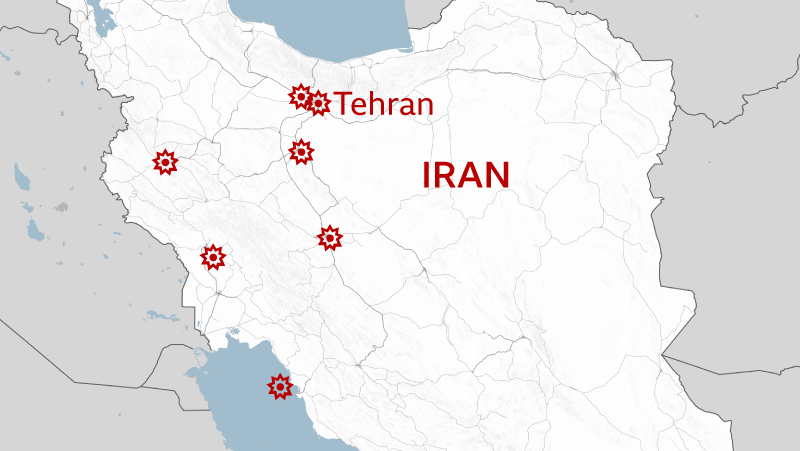
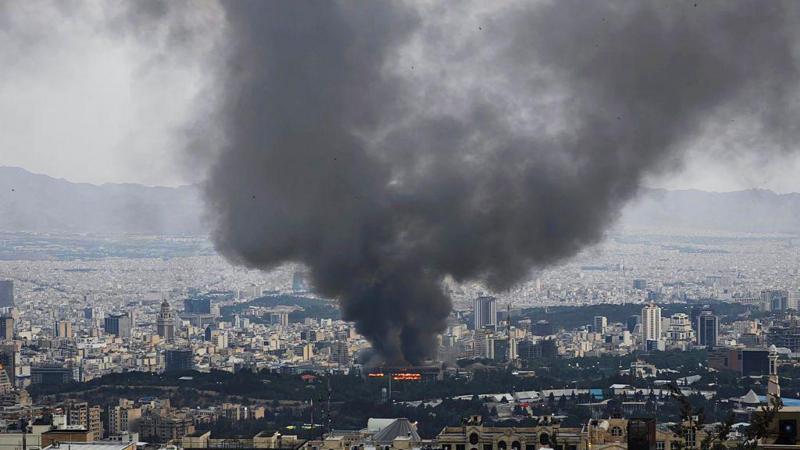
The United States and Israel have launched attacks on multiple locations in Iran, including the office of Iran's Supreme Leader. In response, Iran has carried out retaliatory strikes against U.S. and Israeli bases in various countries. These events have led to damage in several regions, and various governments have reported intercepting missiles.
Key Facts
The U.S. and Israel conducted attacks on Iran, targeting both the Supreme Leader's office in Tehran and military sites nationwide.
Verified imagery shows significant damage to the Leadership House in Tehran, with black smoke visible from the area.
Strikes in Iran also hit military locations in cities like Kermanshah, Qom, Isfahan, Tabriz, and Karaj.
Iran retaliated with strikes on U.S. and Israeli sites in countries including Qatar, UAE, Bahrain, and Kuwait.
The UAE reported one death after intercepting Iranian missiles, while Bahrain's U.S. Navy base was attacked.
Kuwait's air defense intercepted ballistic missiles targeting the Ali Al-Salem airbase.
Jordan intercepted ballistic missiles directed at its land, which caused only material damage.
Both military and civilian locations have been affected in this exchange of strikes.
Read the Original
Want the full story? Tap a source to open the original
article.
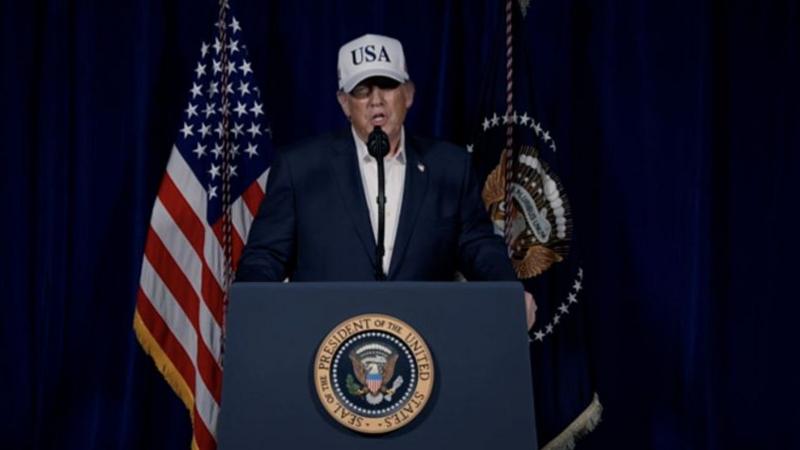
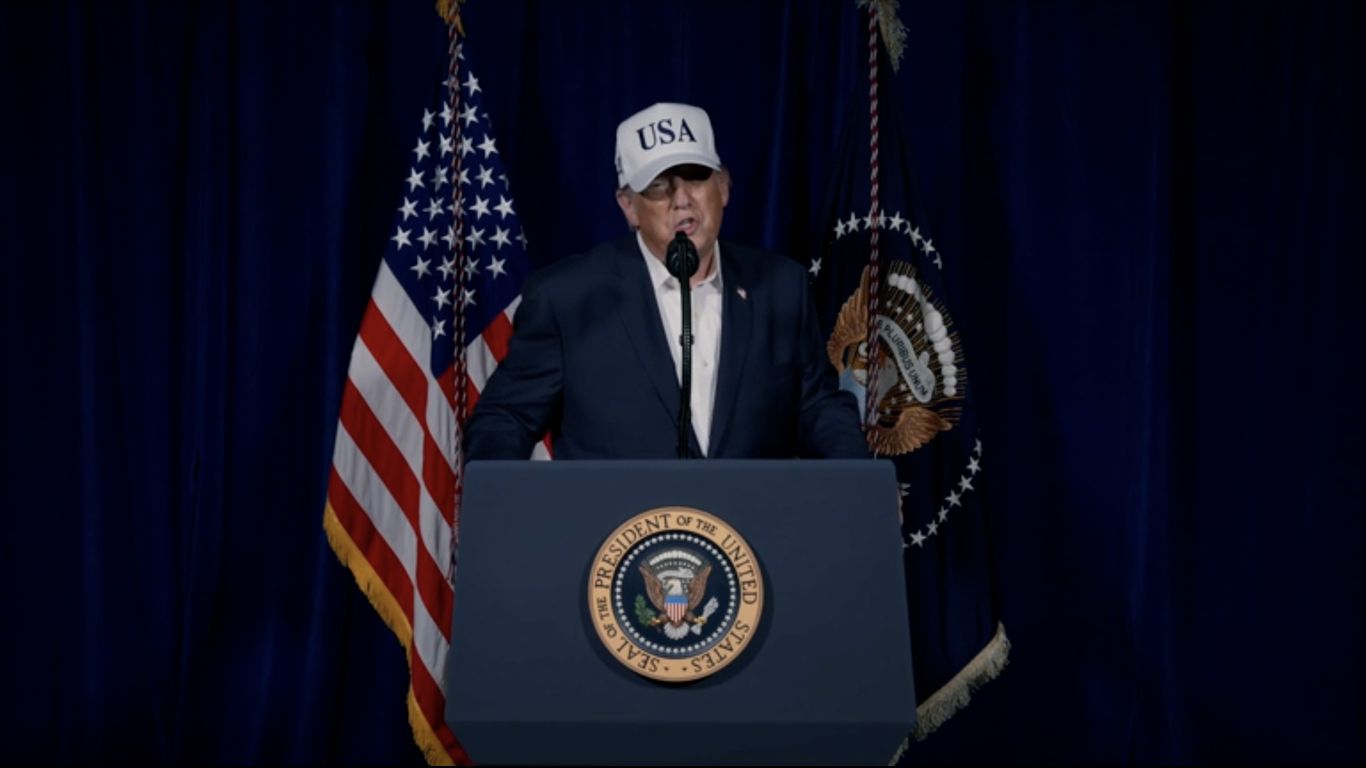
President Donald Trump announced that the US has started military operations against Iran. He stated the goal is to prevent Iran from obtaining nuclear weapons and to address security threats to the US and its allies. The military strike was launched without formal backing from international authorities or authorization from US Congress.
Key Facts
President Trump announced US military strikes on Iran in a social media video.
He called the operation "massive and ongoing," aiming for regime change in Iran.
Trump claims the strikes are to stop Iran from developing nuclear weapons.
The operation lacks formal backing from international bodies and US Congress.
Trump described Iran as an imminent threat to US safety and interests.
Previous negotiations with Iran over its nuclear program were unsuccessful.
Trump withdrew the US from a 2015 nuclear deal with Iran, citing it as too weak.
Read the Original
Want the full story? Tap a source to open the original
article.
The United States and Israel launched military strikes on Iran as part of a coordinated effort called "Operation Epic Fury." President Donald Trump stated the aim was to weaken Iran's nuclear and missile capabilities and encouraged Iranians to overthrow their government. The strikes resulted in casualties and sparked concerns about escalating regional conflict and legal issues regarding the use of military force.
Key Facts
The U.S. and Israel carried out joint military operations in Iran, called "Operation Epic Fury."
President Trump aimed to target Iran’s nuclear and missile systems.
Iran reported 57 fatalities and 45 injuries due to the strikes.
The attacks followed recent unsuccessful nuclear talks between the U.S. and Iran.
Additional U.S. military forces have been deployed to the Middle East.
There are legal questions about the strikes under international and U.S. domestic law.
Public opinion in the U.S. shows more Americans oppose than support military actions against Iran.
The U.S. previously damaged Iranian nuclear facilities in June 2025.
Read the Original
Want the full story? Tap a source to open the original
article.
Democratic lawmakers are divided on how to respond after President Trump and Israel launched military operations in Iran. Some Democrats want Congress to limit Trump's military powers, while others support the strikes as necessary. Iran and the U.S. have exchanged missile attacks following these operations.
Key Facts
President Trump announced military strikes in Iran to prevent Iran from getting nuclear weapons and destabilizing the region.
The strikes also involved the Israeli Air Force targeting Iran's supreme leader.
Iran responded by firing missiles at U.S. bases in the Middle East.
Some Democrats, like Rep. Greg Meeks, criticize the actions for bypassing Congress's approval.
Other Democrats, such as Rep. Josh Gottheimer, support the strikes and urge more communication with Congress.
A vote is planned on a resolution to limit Trump’s war powers, but some Democrats plan to vote against it.
A few House Republicans have expressed plans to support the resolution, crossing party lines.
Whether there is enough support to pass the resolution remains unclear.
Read the Original
Want the full story? Tap a source to open the original
article.
There are no ads, so there is no reason to bait you. Readers who chip in keep it that way. Most choose $3.99/month, and get the daily digest every morning.
The United States and Israel launched attacks on Iran, leading to explosions in Tehran and other cities. Iran responded with missile and drone strikes on Israel and U.S. military bases in the Middle East. Information on casualties and damage is still being gathered.
Key Facts
U.S. and Israel attacked Iran, causing explosions in Tehran and other cities.
Iran launched missile and drone strikes on Israel and U.S. bases in the Middle East as retaliation.
Explosions in Tehran hit key government and military sites, including the Ministry of Intelligence and Ministry of Defence.
In Tehran, at least two students died when a school was attacked.
An Israeli strike in Minab killed at least 51 people at a girls' school.
Iran's attack led to Israel declaring a "special state of emergency," with missile intercepts reported.
Explosions and interceptions were also reported in Qatar, UAE, and Bahrain.
Details of casualties and damage from these attacks are still being collected.
Read the Original
Want the full story? Tap a source to open the original
article.
American and Israeli forces conducted air strikes on cities in Iran, which President Trump described as "major combat operations." In response, Iran's Revolutionary Guard Corps launched strikes on US bases in the Middle East. The international community, including the United Nations, has expressed concerns over escalating tensions and the potential for regional conflict.
Key Facts
US and Israeli forces launched strikes on Iranian cities.
President Trump called these actions "major combat operations."
Iran responded by targeting US bases in the Middle East.
The UN Secretary General condemned the escalation and called for peace.
An emergency UN Security Council meeting is scheduled.
Oman's Foreign Minister criticized the situation for impacting nuclear negotiations.
European leaders urged Iran to find a peaceful solution.
Saudi Arabia and Russia both condemned the attacks and the escalation.
Read the Original
Want the full story? Tap a source to open the original
article.
A wedding filmed with a 1990s camcorder gained widespread attention for its raw and authentic style. The video, capturing a luxury wedding in Italy, stands out from modern polished wedding videos and has been viewed millions of times online. Videographer Lenny Pellico aimed to show genuine moments without editing or direction.
Key Facts
A wedding video was filmed using a late-1990s camcorder without filters or editing.
The video showcases the wedding of Antigone and Michelangelo Missoni at Rocca di Angera, Italy.
The video was shared on Instagram and TikTok, receiving over 4 million views.
Photographer Lenny Pellico filmed the event, emphasizing real and authentic moments.
The wedding featured luxury elements, despite the rustic style of the video.
The bride and groom were dressed by the Missoni fashion label.
Pellico aimed to document the event naturally, not using typical wedding video production techniques.
The video highlighted genuine emotions like tears and laughter.
Read the Original
Want the full story? Tap a source to open the original
article.
President Donald Trump launched a military operation called "Epic Fury" against Iran. The operation aims to prevent Iran from getting nuclear weapons and to encourage regime change. There's mixed support in the U.S. for this action, with some of Trump's supporters unsure about this Middle East involvement.
Key Facts
The operation against Iran is named "Epic Fury."
President Trump announced major combat operations began in Iran.
Trump encouraged Iranians to change their government.
Some Trump supporters and figures, like Representative Thomas Massie, publicly oppose the intervention.
Polls show mixed support from the American public regarding military action in Iran.
Trump's campaign message included promises to end wars, aiming for peace during his presidency.
Internal conflict exists within Trump's MAGA base over foreign interventions.
Some Republicans, like Marjorie Taylor Greene, express opposition to further U.S. military involvement in foreign conflicts.
Read the Original
Want the full story? Tap a source to open the original
article.
Israeli Prime Minister Benjamin Netanyahu announced a joint military operation with the United States called Operation Lion's Roar. The operation targets Iran, aiming to disable its nuclear and missile capabilities, with the goal of ending threats to both Israel and the U.S.
Key Facts
Israeli Prime Minister Benjamin Netanyahu announced Operation Lion's Roar.
This is a joint operation between Israel and the United States.
The operation targets Iran's nuclear and missile sites.
The goal is to prevent Iran from threatening Israel and U.S. forces.
Israel and the U.S. aim to stop Iran from rebuilding its military capabilities underground.
Netanyahu suggests that the operation might enable Iranians to change their government.
The United States is working closely with Israel under President Trump's leadership.
Netanyahu noted potential high costs and urged patience among Israeli citizens.
Read the Original
Want the full story? Tap a source to open the original
article.
A school in Minab, Iran, was hit by a US-Israeli strike, causing significant damage. Over 80 people have died, and rescuers are searching for survivors amidst the rubble.
Key Facts
A girls' elementary school in Minab, Iran, was struck by a US-Israeli attack.
The incident resulted in more than 80 confirmed deaths.
Rescuers are working to find survivors in the debris.
The affected building was an educational institution for young girls.
The event took place in the city of Minab, located in Iran.
Read the Original
Want the full story? Tap a source to open the original
article.
Several countries reacted to U.S. and Israeli military attacks on Iran. European leaders, while not supporting the attacks, pressed Iran to change its actions. Russia and China criticized the attacks but did not offer strong support to Iran.
Key Facts
The U.S. and Israel conducted military attacks on Iran, backed by President Trump.
European countries like Germany, Britain, and France did not condemn the U.S. and Israel but blamed Iran for ongoing tensions.
These European nations called for Iran to resume negotiations and engage in peaceful solutions.
French President Macron warned against escalating conflict and called for a UN Security Council meeting.
Russia condemned the attacks, labeling them as deliberate aggression.
China expressed concern but did not prioritize the issue in its news.
India called for restraint and dialogue without directly condemning the attacks.
Read the Original
Want the full story? Tap a source to open the original
article.
The United States and Israel launched an attack on Iran, aiming for a regime change. Iran quickly responded by firing missiles at US bases and Israeli cities. The conflict has political implications for President Donald Trump within the United States.
Key Facts
The US and Israel attacked Iran, targeting leadership and military sites.
President Trump and Israeli Prime Minister Netanyahu aim for regime change in Iran.
Iran responded immediately by firing missiles at US bases in the Middle East and Israeli cities.
The attack came after a supposed breakthrough in diplomatic talks, scheduled to resume next week.
Israeli reports say the attack was planned to occur before the Jewish holiday of Purim.
Iran reports no confirmed leadership deaths despite Israeli claims.
A poll shows low American public support, at 27%, for military action against Iran.
The conflict could affect US domestic politics, especially with upcoming midterm elections.
Read the Original
Want the full story? Tap a source to open the original
article.