Mali is facing a serious security crisis with armed groups coordinating attacks and blockades disrupting fuel supplies to the capital, Bamako. The government is struggling to control the country as attacks continue, including a recent deadly assault on an army camp.
Key Facts
Armed groups Jama’at Nusrat al-Islam wal-Muslimeen (JNIM) and the Tuareg Azawad Liberation Front (FLA) have increased coordination in attacks against the Malian government.
On September 10, JNIM attacked an army camp in central Mali.
The April offensive by these groups led to the death of Mali’s Defence Minister Sadio Camara and exposed government weaknesses.
Since September 2025, JNIM has targeted fuel tankers and roads supplying fuel to Bamako, causing shortages and power cuts.
On September 14, over 900 fuel tankers reached Bamako under military protection, showing how vulnerable supply routes are.
The government took power in a 2020 coup, promising security, but faces difficulty controlling vast parts of the country.
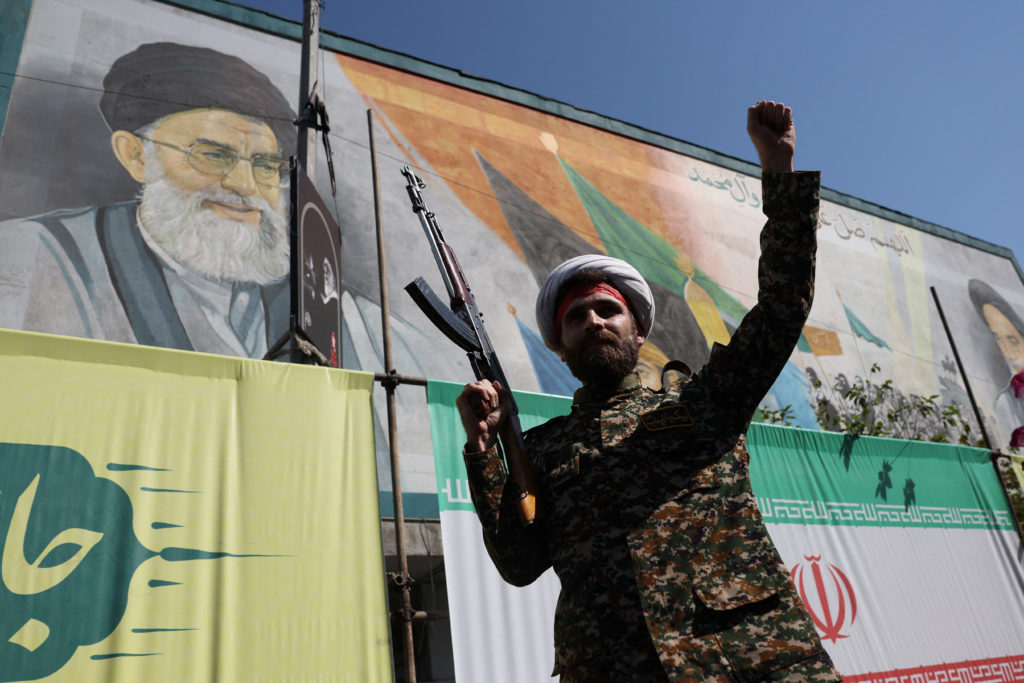
Mali’s government is shifting alliances away from Western countries toward new partnerships, including increased reliance on Russia.
Regional support from countries like Algeria, Burkina Faso, Niger, Senegal, and Togo may help delay the crisis from worsening.
Read the Original
Want the full story? Tap a source to open the original
article.
A new report warns that schools in England are not prepared to use artificial intelligence (AI) safely and need clear government guidance. The report suggests creating a national plan to train teachers and help schools develop AI strategies by next year.
Key Facts
Schools are using AI more often but without clear rules, causing confusion.
The report calls for a national framework for AI use in education.
Teachers should get training on how to use AI safely and effectively.
Schools should make their own AI plans, which inspectors like Ofsted will check.
The government is updating the curriculum to include digital skills and spotting false information.
AI could change how student progress is tracked and how exams work.
Some young people think AI might replace teachers or make universities unnecessary.
The Department for Education says it takes AI’s opportunities and risks seriously and is working on new AI tools and career paths for students.
Read the Original
Want the full story? Tap a source to open the original
article.
Scientists found that a new, more harmful type of meningitis B bacteria caused the outbreak in Kent earlier this year. This new strain formed when the bacteria exchanged genetic material with other germs in people's throats, leading to severe illness mainly among young people at a nightclub.
Key Facts
Over 20 young people, mostly students, got infected in the March outbreak linked to a Canterbury nightclub.
Nine patients were in intensive care and two died during this outbreak.
Scientists discovered the bacteria gained new genes from other throat germs, creating a new strain.
This new strain spread among club-goers due to close contact and social mixing.
Meningitis spreads through close contact like kissing or sharing drinks.
The outbreak was short-lived because very sick people were less likely to unknowingly spread the disease.
The UK is offering a meningitis B vaccine to young people starting university to protect against this strain.
Teenagers around age 15 are now recommended to get the vaccine through the NHS with catch-up programs for missed vaccination.
Read the Original
Want the full story? Tap a source to open the original
article.
A police officer was shot outside a synagogue in Ontario, Canada, just after sundown on Yom Kippur, the most sacred day in the Jewish calendar. This incident is part of a series of attacks targeting synagogues in Canada this year.
Key Facts
The shooting happened outside a synagogue in Ontario during Yom Kippur.
Yom Kippur is the holiest day in the Jewish calendar.
A police officer was the victim of the shooting.
The attack occurred just after sundown on a Sunday night.
There have been several attacks on synagogues in Canada in 2024.
The event was reported by CBS News correspondent Ian Lee.
The incident is considered part of a pattern of violence against Jewish places of worship in the region.
Read the Original
Want the full story? Tap a source to open the original
article.
Disha Salian, a Bollywood celebrity manager, died in June 2020 after falling from a building in Mumbai. Although police initially said it was a suicide, the Bombay High Court has ordered a new investigation after her father claimed she was murdered and evidence was destroyed.
Key Facts
Disha Salian was 28 years old and managed Bollywood actor Sushant Singh Rajput.
She died after falling from the 12th floor of a Mumbai building on the night of June 8-9, 2020.
Police first described her death as a suicide, mentioning she had been drinking and fell accidentally.
Her father, Satish Salian, has insisted she was gang-raped and murdered.
The Bombay High Court criticized the original police investigation and ordered the Central Bureau of Investigation (CBI) to reopen the case.
The court noted many problems in the police work, like delays in paperwork and injuries inconsistent with a fall.
A First Information Report (FIR) was only recently filed based on Satish Salian’s complaint.
The investigation includes claims that Disha knew about illegal activities involving powerful people and was killed to keep her silent.
Read the Original
Want the full story? Tap a source to open the original
article.
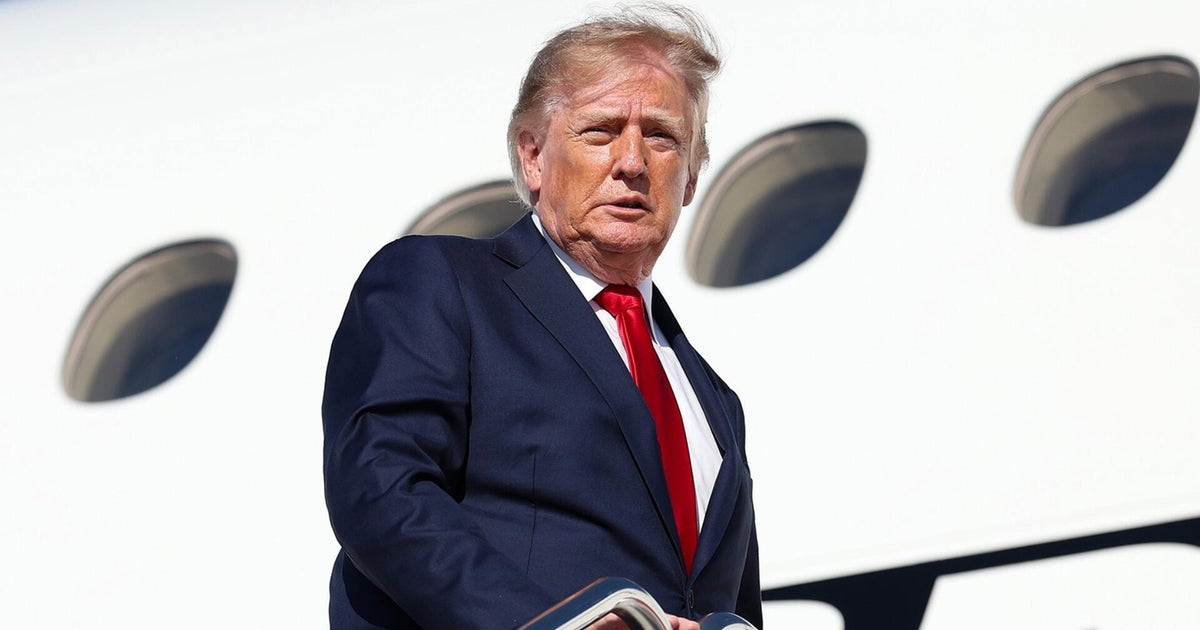
The United States, Denmark, and Greenland will sign a security agreement on Tuesday at the UN General Assembly in New York. The deal expands U.S. involvement in Greenland’s defense while confirming Denmark’s authority over Greenland and respecting the islanders' right to self-rule.
Key Facts
The agreement will be signed by President Donald Trump, Danish Prime Minister Mette Frederiksen, and Greenland’s Prime Minister Jens-Frederik Nielsen.
It gives the U.S. a stronger role in Greenland’s security but keeps Greenland under Danish sovereignty.
Greenland is an autonomous territory of Denmark located in the Arctic region.
The deal aims to prevent China and Russia from building military bases or making sensitive investments in Greenland without U.S. approval.
Danish Prime Minister Frederiksen said the agreement supports security in the Arctic, benefiting NATO and Europe.
President Trump has pushed for U.S. control over Greenland since returning to office in 2025, viewing it as a strategic location.
Details of the agreement have not been fully published yet.
The Arctic and North Atlantic areas are considered important defense zones for NATO members.
Read the Original
Want the full story? Tap a source to open the original
article.
Many teenagers get acne because of changes in their hormones and skin during puberty, which is normal and treatable. Experts say teens do not need complicated skincare routines and recommend simple care with gentle products, good sleep, and a balanced diet.
Key Facts
Over 80% of teens aged 13 to 18 experience acne.
Hormones like testosterone cause more oil production, leading to blackheads and pimples.
Complex skincare routines with many products can harm the skin’s natural barrier and cause irritation.
Experts suggest using just three basic products: a gentle cleanser, a fragrance-free moisturizer, and sunscreen with SPF 30+.
Ingredients like salicylic acid can help oily or acne-prone skin but should be used carefully to avoid dryness.
Poor sleep and diets high in sugar and white carbs may worsen acne by increasing stress hormones.
Severe acne should be treated by a doctor or dermatologist, not managed only through social media advice.
Many popular beauty images on social media show unrealistic skin appearances that are not natural or common.
Read the Original
Want the full story? Tap a source to open the original
article.
President Donald Trump considered ordering airstrikes against Houthi rebels in Yemen last weekend. He decided not to launch the attacks late on Saturday.
Key Facts
The Houthi rebels in Yemen are supported by Iran.
President Trump came close to authorizing airstrikes against the Houthis.
The decision to hold off on strikes happened late on a Saturday.
The information comes from sources reported by CBS News.
The Houthis are involved in Yemen's ongoing conflict.
The possible strike was related to U.S. foreign policy in the Middle East.
Read the Original
Want the full story? Tap a source to open the original
article.
Lewis Jackson, who has wanted to join the British Army since childhood, was rejected because of cataract surgery he had at age three. Despite having good vision now, Army rules say anyone who had lens replacement surgery cannot serve, and Jackson was ruled permanently medically unfit. The Ministry of Defence says strict medical rules are needed to keep the forces effective, but some argue these rules are too strict and block capable people from joining.
Key Facts
Lewis Jackson, 21, from Cirencester, was rejected from the British Army due to cataract surgery in childhood.
He spent years in the Army Cadets and was an excellent marksman.
The Army recruitment process rejected over 114,000 applicants on medical grounds in the last five years.
Common medical rejection reasons include psychiatric issues, eye problems, and musculoskeletal conditions.
The Ministry of Defence says strict health rules maintain operational readiness but have removed over 100 outdated policies recently.
The British military is currently about 6% below its personnel target with a shortfall of over 8,000.
Jackson appealed with medical evidence proving his vision is stable and excellent now, but rules about lens surgery remain strict.
Some experts and MPs suggest medical standards should allow people with stable, non-disabling conditions to serve.
Read the Original
Want the full story? Tap a source to open the original
article.
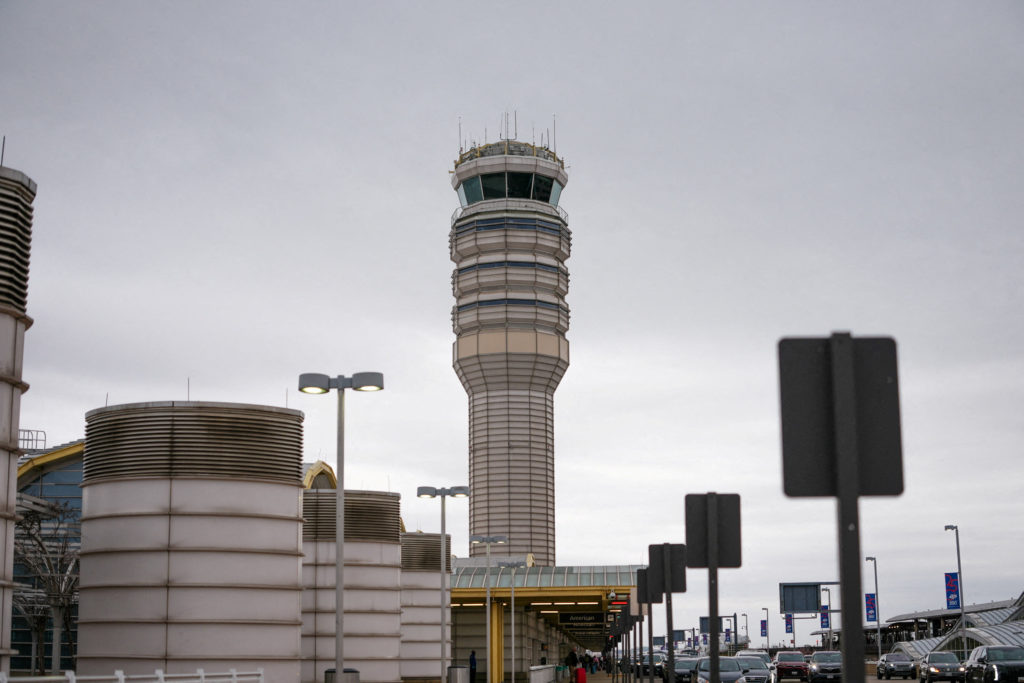
The FAA stopped flights from leaving some big East Coast airports because of a problem with their equipment. Paramount resolved legal issues about competition with several states after buying Warner Bros. Discovery. A man from Venezuela who was shot by an immigration officer in Austin remains in a detention center with a bullet still in his back.
Key Facts
The FAA caused ground stops at major East Coast airports due to equipment failure.
Paramount settled antitrust (competition law) concerns with 12 states related to its purchase of Warner Bros. Discovery.
A Venezuelan man was shot by an ICE officer in Austin.
The man is still being held in a detention center with a bullet in his back.
The news covers issues in aviation, corporate law, and immigration enforcement.
Read the Original
Want the full story? Tap a source to open the original
article.
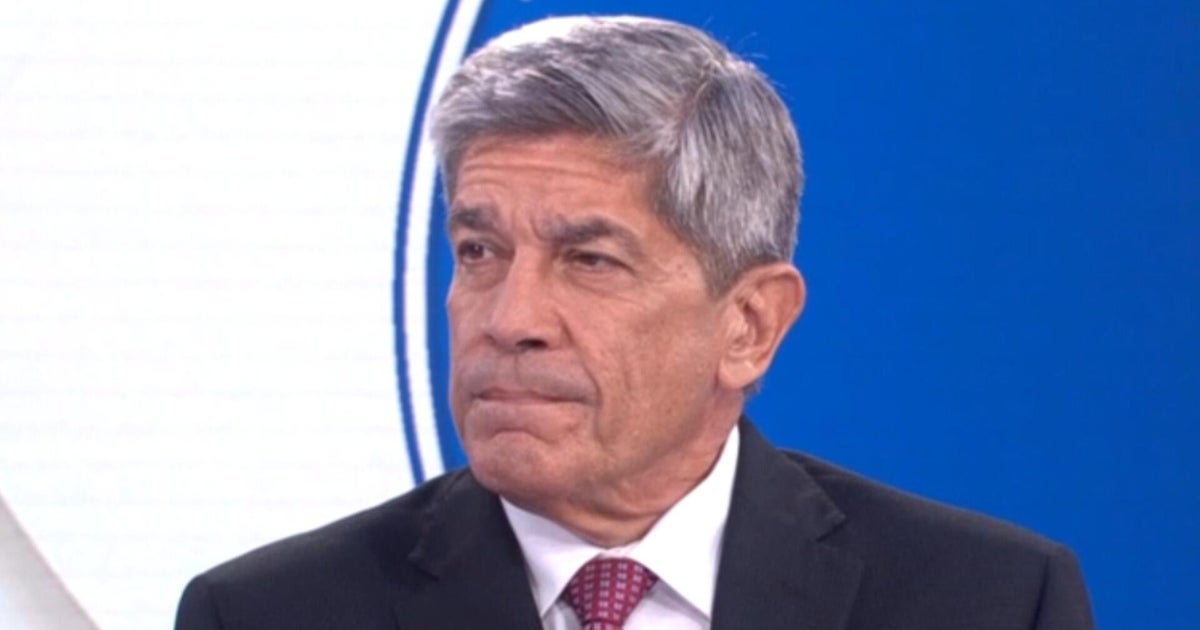
Cuba's deputy foreign minister said it is ridiculous to claim that Cuba is a threat to the United States. Recently, Cuba experienced a big power failure that left millions without electricity, which happened after President Donald Trump stopped sending fuel to Cuba in January.
Key Facts
Cuba had a major power outage affecting millions of people.
This was the sixth known time Cuba’s electricity failed recently.
The power problems began after President Donald Trump cut off fuel shipments to Cuba in January.
Cuba’s deputy foreign minister called the idea that Cuba threatens the U.S. an "absurd allegation."
The statement was made during an interview with CBS News correspondent Matt Gutman.
President Trump imposed fuel restrictions as part of a U.S. policy against Cuba.
Read the Original
Want the full story? Tap a source to open the original
article.
Manchester will host the G20 leaders’ summit on November 27-28, 2027, at the Manchester Central Convention Centre. World leaders, including President Donald Trump, will attend this major meeting of the world’s largest economies.
Key Facts
The G20 summit will be the largest event ever held in Manchester.
The summit will bring together 19 large economies plus the European Union and African Union.
The G20 represents about two-thirds of the world’s population and over 85% of global wealth.
Manchester was chosen as the location before Andy Burnham became UK prime minister.
President Donald Trump will attend the summit and will meet with Prime Minister Burnham.
The UK previously hosted the G20 summit in London in 2009, with security costing about £7.2 million.
The UK will hold the G20 presidency in 2027, currently held by the United States.
Preparations will involve many local people in Manchester, and there will be events across the UK next year.
Read the Original
Want the full story? Tap a source to open the original
article.
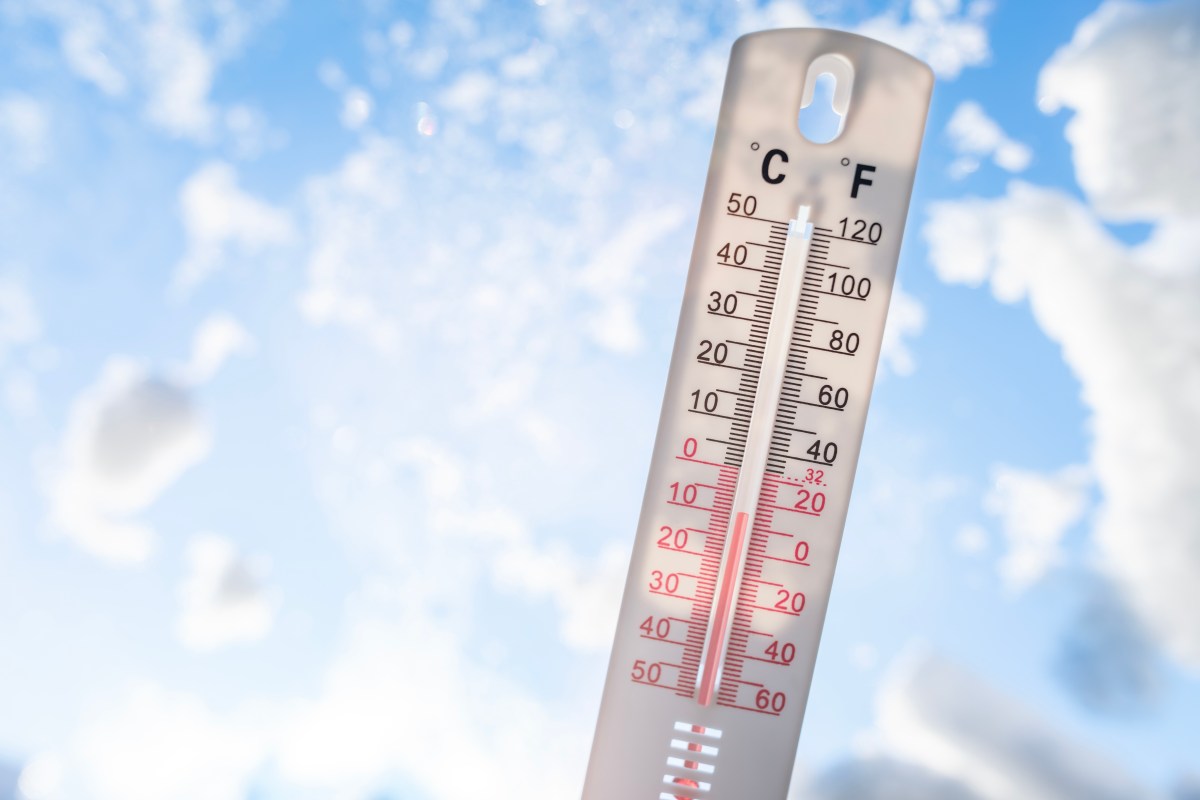
The U.S. Midwest is experiencing its first major cold spell of the fall season, with freeze warnings and frost advisories issued in parts of Minnesota, Michigan, Wisconsin, and North Dakota. Cold air from Canada is causing temperatures to drop below normal levels, leading to alerts that warn of potential damage to plants and water pipes.
Key Facts
Freeze warnings mean temperatures are expected to fall below 32°F for a long time and are more serious than frost advisories.
Frost advisories are alerts when frost might form, even if air temperatures are above freezing, because the ground can be colder.
The NWS Marquette office in Michigan issued a freeze warning starting at 2 a.m. Tuesday for several counties, with temperatures as low as 30°F expected.
Frost advisories were issued in Duluth (Minnesota), Gaylord and Marquette (Michigan), Grand Forks (North Dakota), and Green Bay (Wisconsin), with lows around 33-34°F.
These cold alerts help farmers and gardeners protect sensitive plants and advise residents to protect water pipes from freezing.
Fall officially begins Tuesday, September 22.
A strong El Niño in the Pacific Ocean is expected to affect U.S. winter weather, bringing cooler, wetter conditions to the South and warmer, drier weather to the North.
Weather warnings will expire after temperatures rise when the sun comes out Tuesday.
Read the Original
Want the full story? Tap a source to open the original
article.
A report warns that healthcare in Africa and other developing regions is under pressure after the United States cut funding to key health aid programs. The report calls for African and Global South countries to have more control over their health systems instead of relying on foreign aid.
Key Facts
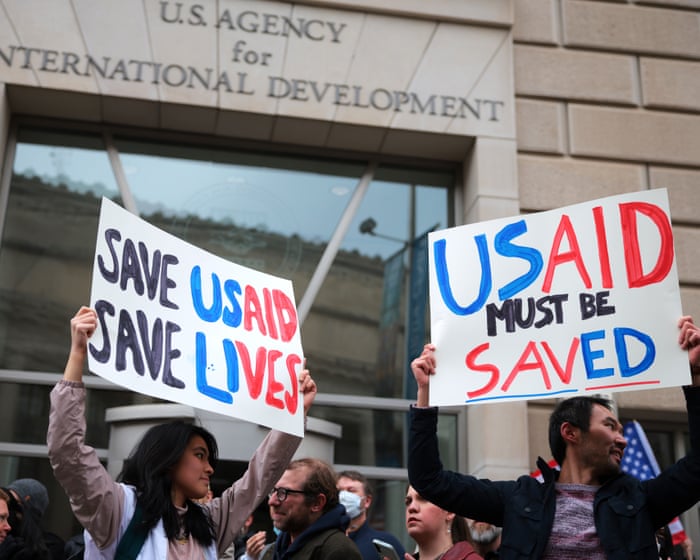
The US government, under President Trump, reduced funding to programs like USAID, causing strain on healthcare in Africa and the Global South.
Africa makes less than 1% of its vaccines but carries about 25% of the world's disease burden.
The US stopped funding several global health initiatives, forcing countries like Nigeria to take over health workers previously paid by USAID.
External health aid to Africa dropped by nearly 70% between 2021 and 2025.
South Africa lost $400 million annually from the end of US PEPFAR funding, leading to the closure of HIV clinics and jeopardizing treatment for 1.4 million people.
Ghana lost $78 million after USAID programs ended, affecting maternal health, malaria treatment, nutrition, and HIV/AIDS care.
The Accra Reset initiative, led by Ghana’s President John Dramani Mahama, urges a shift toward country-led health solutions and better cooperation with donors.
The Covid-19 pandemic and rising global costs have made healthcare reform more urgent in these regions.
Read the Original
Want the full story? Tap a source to open the original
article.
Scott Anderson is a journalist who recently wrote about important changes in the Middle East. His past work looked at how wars and political events affected people's lives, and his new book focuses on how Iran's last Shah was removed from power and how the Islamic Revolution started.
Key Facts
Scott Anderson wrote a project called Fractured Lands for The New York Times Magazine about the Middle East.
Fractured Lands followed the stories of six people living through wars and political changes.
The project covered events like wars, dictatorships, and the Arab Spring.
Anderson's new book is titled "King of Kings."
The book tells the story of the fall of Iran’s last Shah in 1978.
It also explores the Islamic Revolution that followed and its effects today.
Anderson discussed his work in an interview with Geoff Bennett.
Read the Original
Want the full story? Tap a source to open the original
article.
An American Israeli man who was held hostage by Hamas in Gaza for almost 500 days performed a concert in the Israeli town of Nir Oz. The town was severely damaged during the terrorist attacks on October 7. The man used songs to share his experience of survival and hope.
Key Facts
The concert took place in Nir Oz, a small Israeli town hit hard by attacks on October 7.
The singer is an American Israeli who was kidnapped by Hamas.
He spent nearly 500 days as a hostage in Gaza.
He is not a professional musician but performed songs about survival and hope.
The event was reported by producer Karl Bostic and journalist Nick Schifrin.
Hamas is a Palestinian group involved in conflicts with Israel.
The concert was seen as a symbol of resilience after the attacks.
Read the Original
Want the full story? Tap a source to open the original
article.
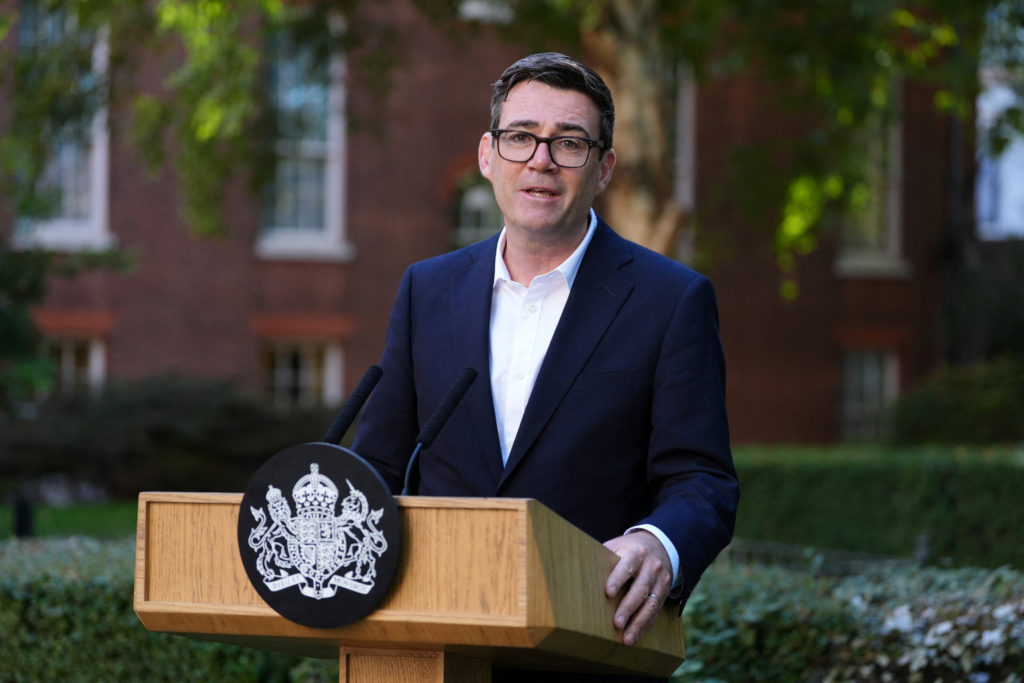
Britain's Prime Minister Andy Burnham will meet U.S. President Donald Trump for the first time. They plan to discuss important topics including the war in Ukraine, artificial intelligence, and the rising costs of conflict in the Middle East.
Key Facts
Andy Burnham is the Prime Minister of Britain.
This will be his first meeting with President Donald Trump.
The meeting will cover issues about Ukraine.
Artificial intelligence risks and opportunities will be discussed.
They will talk about the increasing cost of conflicts in the Middle East.
Burnham previously said he would not meet President Trump.
Britain has offered military support to Saudi Arabia.
The meeting will also include Britain’s debut at the United Nations.
Read the Original
Want the full story? Tap a source to open the original
article.
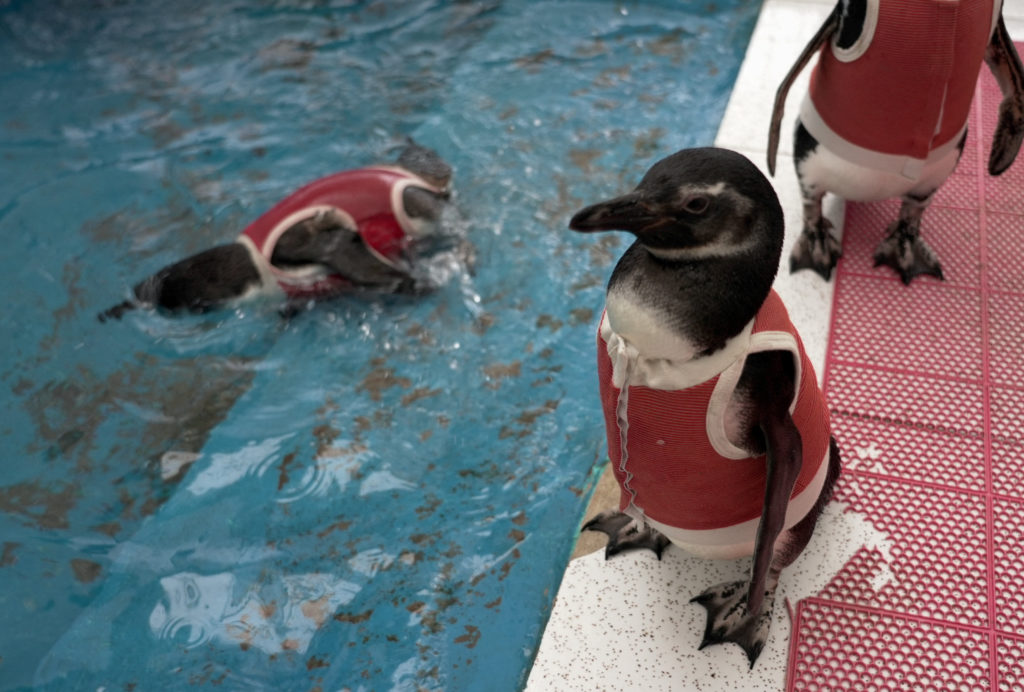
In Chile, scientists are using special copper vests to help injured penguins heal more quickly. These suits support the penguins’ recovery by aiding their injured bodies.
Key Facts
The treatment involves copper vests made for injured penguins.
The vests are designed to help the penguins recover faster.
The project is taking place in Chile.
Penguins wearing the vests receive support for their injuries.
The suits are part of a new approach to wildlife care.
Read the Original
Want the full story? Tap a source to open the original
article.
Fat Bear Week is an annual event run by Katmai National Park in Alaska where people vote online to see which brown bear has gained the most weight before winter hibernation. The contest runs from September 22 to 29 and compares photos of bears from early and late summer.
Key Facts
Fat Bear Week is held by Katmai National Park in Alaska.
It is now in its 13th year.
The event runs from September 22 to 29.
Fans vote online for the bear that has put on the most weight.
Photos show bears at the start and end of summer for comparison.
Last year, over 1.7 million votes came from more than 100 countries.
The competition highlights brown bears preparing for winter hibernation.
The event is popular worldwide and helps raise awareness about wildlife.
Read the Original
Want the full story? Tap a source to open the original
article.