The United States and China have released a list of goods recommended for lower tariffs after a recent summit between President Donald Trump and President Xi Jinping. The agreement targets $60 billion of trade, with $30 billion of imports from each side suggested for tariff cuts to improve trade relations.
Key Facts
The US and China agreed to reduce tariffs on $60 billion worth of goods, split evenly between the two countries.
The list includes 77 Chinese products such as microwave ovens and weighing scales, and over 1,600 US products including poultry, dairy, eggs, and silk.
The goal is to provide better market access for US exports, especially benefiting US farmers, manufacturers, and consumers.
China confirmed the plan aims at a reciprocal $30 billion tariff reduction to stabilize trade between the two largest economies.
Trade between the US and China fell by 25% in 2025 compared to the previous year.
Both sides listed mostly small-scale products that are unlikely to significantly affect overall trade flows or inflation.
Presidents Trump and Xi plan to continue meetings later this year at international economic summits.
The tariff reduction is part of ongoing efforts but does not resolve all trade tensions or geopolitical disagreements.
Read the Original
Want the full story? Tap a source to open the original
article.
The article discusses tips on how to grow the amount of money in your savings account. It provides advice for personal finance and ways to build savings over time.
Key Facts
The article focuses on improving your savings account balance.
It offers practical advice to help people save more money.
The content is related to personal finance and money management.
The article encourages good saving habits.
It is part of a series or section on savings topics.
Readers can follow updates on savings and personal finance through the news platform.
Read the Original
Want the full story? Tap a source to open the original
article.
Wales is considering a new tourism tax that local councils can choose to charge visitors staying overnight. Some councils, like Anglesey, have delayed or rejected the tax due to concerns about its impact on tourism. Experts say the tax rules should be more flexible to fit different local areas better.
Key Facts
The Welsh government allows local councils to decide whether to charge a tourism tax starting in 2027.
The tax would charge visitors a fixed fee each night they stay, with different rates for types of accommodation.
Anglesey council rejected the tax for now because of worries about harming the island’s tourism business.
Gwynedd and Conwy councils postponed their decisions to analyze public feedback, which included thousands of responses.
A senior tourism expert, Dr. Linda Osti, suggests the tax should be adjustable by smaller regions instead of fixed county-wide rules.
Some tourism businesses do not trust local councils to spend the tax money effectively.
In England, regional mayors may soon have more flexible powers to set and manage visitor levies.
Public consultations showed mixed opinions, with residents more supportive than visitors and businesses.
Read the Original
Want the full story? Tap a source to open the original
article.
Fixed-rate savings accounts in the UK are currently offering some of the highest interest rates in years, with rates up to 5.25%. People can choose to lock their money in for set periods, typically between six months and five years, to earn guaranteed returns, but some experts suggest interest rates might rise even more later.
Key Facts
Top fixed-rate savings accounts offer interest rates up to 5.25%.
One-year fixed savings bonds average around 4.41% interest.
Banks like GB Bank, Kent Reliance, Shawbrook Bank, and Vanquis offer some of the best rates.
Fixed-rate savings mean your money is locked in and cannot be accessed until the term ends.
Interest rates were as high as 6% in late 2023, and they could rise if the Bank of England increases its base rate.
Some savings accounts allow adding money over time, called “drip-feeding.”
Easy access savings accounts pay up to 5% interest, offering more flexibility.
Using Individual Savings Accounts (ISAs) can offer tax benefits, with a yearly allowance of £20,000, which will be reduced for people under 65 from 2027.
Read the Original
Want the full story? Tap a source to open the original
article.
Australia faces rising unemployment, stubbornly high inflation, and a likely increase in interest rates by the Reserve Bank of Australia (RBA) to 4.6%, the highest in nearly 15 years. Treasury officials will soon present updated budget results, showing a smaller deficit than first expected, despite these economic challenges.
Key Facts
The RBA is expected to raise its official interest rate to 4.6% soon, a level not seen since 2011.
Inflation in Australia remains high and may rise from 3.5% to 4% according to upcoming official data.
Rising fuel prices have pushed petrol to $2.37 per litre and diesel to $2.69 per litre in major Australian cities.
The US, Japan, and Europe have also increased interest rates, partly due to higher oil prices linked to the US-Iran war.
Deputy Prime Minister Richard Marles acknowledged Australians are struggling and said the government is working to lower inflation.
The Labor government rejected calls to cut fuel taxes again despite higher fuel costs.
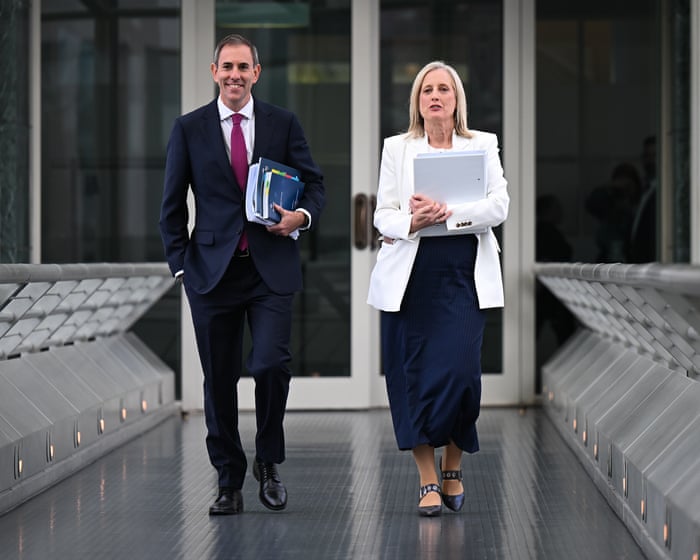
Treasurer Jim Chalmers and Finance Minister Katy Gallagher will present the final 2025-26 budget outcome showing an improved deficit forecast.
Read the Original
Want the full story? Tap a source to open the original
article.
Starbucks announced it will close 250 stores across North America by the end of the week due to poor financial performance. The company plans to support affected employees with job transfers or severance pay but has given some staff very short notice about their job status.
Key Facts
Starbucks will close about 1% of its North American stores, which equals 250 locations.
The closures come after a review showing some stores are not financially successful or providing good customer experiences.
Staff received short notice of layoffs, some with less than 48 hours.
Starbucks plans to help affected employees by offering transfers or severance packages if no transfer is possible.
This closure is part of ongoing portfolio management, with some stores closing and others opening every year.
Starbucks expects to open fewer new stores globally this year, about 440 instead of the previously planned 600-650.
The company will incur about $300 million in costs due to the closures, including lease termination and severance pay.
Starbucks has not yet provided a full list of which stores will close but will place signs on affected locations.
Read the Original
Want the full story? Tap a source to open the original
article.
This summer marked a record-breaking box office season in North America, with a total of $4.7 billion in ticket sales. Younger audiences, especially those aged 18 to 35, played a big role in this success, driven in part by movies made by young directors who first gained fame on YouTube.
Key Facts
The summer of 2026 was the highest-grossing in North American box office history with $4.7 billion in revenue.
About 322 million movie tickets were sold this summer, a 22% increase from last year.
People aged 18 to 35 made up 37% of the movie audience, recovering strongly after the pandemic.
Two popular movies, "Obsession" and "Backrooms," attracted mostly young viewers and were directed by very young filmmakers.
"Obsession" cost under $1 million to make but earned over $500 million worldwide.
Curry Barker, the director of "Obsession," started as a YouTube content creator with 800 million views before making his first feature film.
The movie "Backrooms," directed by Kane Parsons at age 20, earned $118 million worldwide in its opening weekend, making Parsons the youngest director of a #1 film.
Both Barker and Parsons built large online audiences on YouTube before moving into mainstream movies, showing a new path to Hollywood success.
Read the Original
Want the full story? Tap a source to open the original
article.
Two horror movies directed by YouTube creators, "Obsession" and "Backrooms," became big hits despite low budgets, earning hundreds of millions of dollars at the box office. This success has led movie studios to look for filmmakers who have strong followings on social media, especially YouTube.
Key Facts
"Obsession" and "Backrooms" are horror films made by YouTube creators.
Both movies had small budgets but earned hundreds of millions of dollars.
These films surprised Hollywood by becoming major box office successes.
Movie studios now want to find directors who have large audiences on social media.
YouTube creators can study their viewers’ interests and habits to make popular content.
YouTube is becoming a new way for filmmakers to learn and develop their skills.
Experts like Matt Belloni and filmmaker Mark Vins discussed this trend on CBS News.
The shift shows how online platforms influence the traditional movie industry.
Read the Original
Want the full story? Tap a source to open the original
article.
Interest rates have risen above 5%, affecting borrowers, savers, and the U.S. government's financial outlook. Higher rates make borrowing more expensive, slow down the housing market, increase government debt costs, and offer better returns for savers.
Key Facts
Most risk-free interest rates have moved above 5% recently.
Mortgage rates for 30-year fixed loans are near 7.5% to 8%, making home buying more costly.
The Federal Reserve is reconsidering its rate policies to control inflation.
Higher interest rates make borrowing more expensive for individuals and businesses, especially in housing.
U.S. government debt interest payments are forecasted to rise, potentially doubling by 2035.
If rates stay 1% higher than expected, public debt could reach 222% of GDP by 2056.
Savers benefit from higher rates because new bonds offer better returns than in recent years.
The rise in rates is seen as a sign of stronger economic growth rather than higher inflation.
Read the Original
Want the full story? Tap a source to open the original
article.
The UK chancellor faces two main decisions before the Budget on October 28. These include dealing with economic pressures from the Iran war and deciding how to maintain improving confidence among consumers and businesses despite ongoing global challenges.
Key Facts
The UK government introduced a new plan to help young people buy homes.
Oil prices rose from $75 to over $100 per barrel in recent months, increasing costs.
The interest rate on 10-year UK government bonds increased from 4.9% to about 5.4%.
The Iran war affects energy prices and the economy but might end soon after the US midterm elections on November 3.
The chancellor must decide whether to prepare for a long conflict or wait for peace before making tax and spending plans.
The current government has £24 billion left in borrowing room from previous rules, but this may shrink.
Inflation causes higher costs for the government but also increases tax income because some tax rules are frozen.
Consumer confidence in the UK is at a two-year high, helped by factors like the government’s optimistic approach, good weather, and events like the World Cup.
Read the Original
Want the full story? Tap a source to open the original
article.
The UK government will take control of Avanti West Coast train services starting next March. This decision aims to improve train reliability and passenger experience by ending the current contract with the private company running Avanti West Coast.
Key Facts
Avanti West Coast will become publicly owned from March next year.
The current contract with Avanti West Coast ends on 7 March.
The government wants to reduce train delays and improve service for passengers.
Avanti West Coast is a joint venture: FirstGroup owns 70%, and Italy’s Trenitalia owns 30%.
Avanti West Coast had to cut some of its busiest train services in May to save money.
Other train services in the UK are already publicly owned, like Great Western Railway and Welsh services.
The move is part of a wider government plan to bring all train services operated under Department for Transport contracts into public ownership.
Avanti West Coast’s managing director said they will work with the government for a smooth transition.
Read the Original
Want the full story? Tap a source to open the original
article.
The "Your First Home" scheme in England helps first-time buyers save for a home deposit by allowing a small deposit of 5% on the average house price. Experts suggest several ways to save including regular savings, using a Lifetime ISA with government bonuses, starting to save early, and considering low-deposit mortgages.
Key Facts
The average UK house price is about £272,000, requiring a 5% deposit of around £16,850.
Saving regularly like a monthly bill helps build a deposit gradually.
A Lifetime Individual Savings Account (LISA) allows saving up to £4,000 yearly with a 25% government bonus, up to £1,000 per year.
LISA money can only be used for homes costing under £450,000 or after age 60, with penalties for other withdrawals.
Starting to save early benefits from compound interest, which adds interest on interest over time.
Some lenders offer mortgages with deposits as low as £5,000, borrowing up to 98-99% of the home price.
Not everyone qualifies for low-deposit mortgages, and some buyers receive help from parents.
The government plans to replace the LISA with a new First Time Buyer ISA, but details are not yet clear.
Read the Original
Want the full story? Tap a source to open the original
article.
Plans to build a third runway at Heathrow Airport are delayed by up to four years, pushing the expected opening from 2035 to around 2039. The project faces mixed reactions from political leaders and unions, with concerns about environmental impact and economic benefits.
Key Facts
Heathrow Airport no longer expects the third runway to open by 2035 but aims for around 2039.
The runway project is estimated to cost £33 billion and would allow up to 756,000 flights per year, up from the current 480,000 limit.
Building the runway requires demolishing homes, diverting rivers, and rerouting part of the M25 motorway.
The project could create about 100,000 jobs and boost the UK economy.
Andy Burnham, a political leader, avoided stating clear support and called the project “contested” pending public consultation results.
Environmental groups oppose the runway, citing high social and environmental costs.
Unite and GMB unions support the project, emphasizing job creation and economic benefits.
Heathrow says delays are due to planning and regulatory issues, not a change in support for expansion.
Read the Original
Want the full story? Tap a source to open the original
article.
Australia’s central bank, the Reserve Bank of Australia (RBA), is expected to raise its main interest rate to 4.6%, the highest since 2011. This increase will raise mortgage costs, lower house prices, and reduce how much people can borrow, putting pressure on household budgets.
Key Facts
The RBA plans to raise the cash rate from 4.35% to 4.6%, marking the fourth increase in 2026.
Typical home loan interest rates could rise to about 6.5%, increasing mortgage repayments by roughly $119 a month for an average mortgage.
Since January, average mortgage repayments have increased by nearly $480 monthly due to rate rises.
Rising petrol prices linked to the US-Iran conflict have added about $44 to the cost of filling a 55-litre tank.
House prices in Australia have fallen more than 4% from their peak earlier this year and may fall another 7.3% by mid-2027.
Borrowing power has dropped by about $47,400 for someone earning an average wage, limiting people's ability to buy homes.
Home loan inquiries have declined from nearly 15,000 a week in early 2026 to just over 12,000 recently.
The RBA is increasing rates despite a weak economy because inflation remains above its 3% target level.
Read the Original
Want the full story? Tap a source to open the original
article.
Many British High Streets, like Aberdeen’s Union Street, face problems with empty shops due to online shopping and changes in shopping habits. Aberdeen is trying new plans to fill empty stores and improve its city center, including investing in food markets and redeveloping the seafront to attract visitors.
Key Facts
The Marks & Spencer store in Aberdeen closed after 80 years, symbolizing High Street decline.
About one in eight shops on British High Streets is currently empty.
Aberdeen’s city council is investing tens of millions of pounds in projects to revive the city center.
Many High Street buildings have multiple owners, making large-scale improvements hard.
High Street shops face higher running costs, including wages and business rates.
Online shopping has reduced foot traffic on High Streets, a trend that continues.
Experts say there is 20% to 40% more retail space than needed in many town centers.
Aberdeen is focusing on creating experiences, such as indoor food markets and seafront improvements, to attract people.
Read the Original
Want the full story? Tap a source to open the original
article.
Lime, a company that rents electric bikes and scooters, has seen its profits more than double in England due to more people using its services. The company added thousands of bikes and expanded to new cities while facing some safety and parking issues.
Key Facts
Lime’s monthly users in England grew by 31% to nearly 700,000.
The company added over 4,500 electric bikes and scooters, bringing its total to almost 38,000.
Sales increased by one-third to £148 million in 2025.
Profits rose from £1.7 million to £4.7 million the same year.
Lime operates in several English cities like London, Oxford, Nottingham, Milton Keynes, and Salford.
It employs 54 people in the UK but relies mostly on self-employed workers to manage the bikes.
Local councils have seized thousands of bikes, mainly due to complaints about blocked paths and unsafe parking.
Lime introduced a safer, smaller bike model with batteries moved to the rear after criticism.
Read the Original
Want the full story? Tap a source to open the original
article.
John Healey, the UK Labour Party chancellor, will deliver a speech promising a "new age of industrialisation" focusing on advanced manufacturing and shipbuilding. He will announce plans to build floating docks and a marine research vessel in the UK, aiming to boost national security and job growth but will not reveal Budget details yet.
Key Facts
Healey will promise modern industrial growth, moving away from coal mining.
Labour will support advanced manufacturing and renew Britain's shipbuilding industry.
Three new floating docks will be built at HM Royal Naval Base Clyde in the UK, part of a £15bn Royal Navy shipyard upgrade program.
The government plans to fund a new marine research vessel with £115 million, expecting it by the early 2030s.
The docks will support future British submarines and improve naval facilities.
Labour is under pressure to detail Budget plans to manage government borrowing and cost-of-living issues but will not do so in this speech.
Some opposition figures criticize Labour for vague plans and urge clearer funding sources.
Trade unions support the move to boost UK shipbuilding and call for stronger actions to help workers.
Read the Original
Want the full story? Tap a source to open the original
article.
Datacenter developers are using a method to divide their pollution sources into smaller parts to avoid strict reviews required by U.S. air pollution law. This approach helps them get permits faster and avoid extra pollution controls, even though their projects emit significant pollution that can harm nearby communities.
Key Facts
Datacenters need federal permits to release air pollutants like nitrogen oxides, ozone, and greenhouse gases.
Some developers split large pollution sources into smaller ones, called "minor" sources, to skip detailed federal reviews.
Skipping major reviews saves companies time, money, and effort but hides the true pollution impact from the public.
Amazon and Duke Energy plan to install 649 diesel generators at a datacenter in a polluted, low-income area of North Carolina using two minor permits.
In New Mexico, developers tried to avoid a major review by splitting a natural gas power project into two minor permits.
A Maryland datacenter campus includes multiple datacenters with separate minor permits, collectively causing significant pollution.
Experts say this "lego permitting" tactic is designed to avoid attention and bypass pollution rules.
Amazon states it properly applied for and obtained all needed air permits for its datacenter project.
Read the Original
Want the full story? Tap a source to open the original
article.
Monty Don, the BBC presenter known for hosting Gardeners’ World from his own garden, announced he is leaving the show. Because the BBC helped pay for two full-time gardeners to keep his garden camera-ready, he may need to let them go when that support ends.
Key Facts
Monty Don has hosted Gardeners’ World from his garden, Longmeadow, for 15 years.
The BBC has paid part of the salaries for two full-time gardeners since he started in 2011.
The gardeners keep the garden ready for filming even when Don is away.
Don said the BBC’s contribution to the gardeners’ wages will stop after he leaves the show.
He may have to find ways to earn money from the garden to keep paying the gardeners.
Don does not plan to open the garden to the public, citing privacy and parking issues.
The garden is 2 acres and has four different sections, including a vegetable garden.
Don will continue working with the BBC on other projects and writing books.
Read the Original
Want the full story? Tap a source to open the original
article.
A high court ruled that houses can be built on floodplain land in England and Wales even if they fail a key safety test designed to protect against flooding. This decision allows a controversial housing development in north Somerset to go ahead, despite concerns from government agencies, local authorities, and residents about increased flood risks.
Key Facts
The high court judgment allows building on floodplains even if the development fails the "sequential test," which checks if safer sites are available.
The ruling affects a plan for 190 new homes in north Somerset, in a high-risk flood area called "flood zone 3a."
Local councils, politicians, and residents opposed the development due to flood risk concerns.
The Environment Agency and others had objected, but the court accepted the developer’s argument about the project’s wider benefits and safety measures.
The decision is seen as setting a national example that developers might use across England and Wales.
Some government officials want to change the national planning rules to prevent similar cases in the future.
The flooding and flooded communities all-party parliamentary group will meet the housing minister to seek changes in the planning framework.
Local residents are worried the ruling will increase flood danger near their homes and reduce their property safety.
Read the Original
Want the full story? Tap a source to open the original
article.