Monty Don, the BBC presenter known for hosting Gardeners’ World from his own garden, announced he is leaving the show. Because the BBC helped pay for two full-time gardeners to keep his garden camera-ready, he may need to let them go when that support ends.
Key Facts
Monty Don has hosted Gardeners’ World from his garden, Longmeadow, for 15 years.
The BBC has paid part of the salaries for two full-time gardeners since he started in 2011.
The gardeners keep the garden ready for filming even when Don is away.
Don said the BBC’s contribution to the gardeners’ wages will stop after he leaves the show.
He may have to find ways to earn money from the garden to keep paying the gardeners.
Don does not plan to open the garden to the public, citing privacy and parking issues.
The garden is 2 acres and has four different sections, including a vegetable garden.
Don will continue working with the BBC on other projects and writing books.
Read the Original
Want the full story? Tap a source to open the original
article.
A high court ruled that houses can be built on floodplain land in England and Wales even if they fail a key safety test designed to protect against flooding. This decision allows a controversial housing development in north Somerset to go ahead, despite concerns from government agencies, local authorities, and residents about increased flood risks.
Key Facts
The high court judgment allows building on floodplains even if the development fails the "sequential test," which checks if safer sites are available.
The ruling affects a plan for 190 new homes in north Somerset, in a high-risk flood area called "flood zone 3a."
Local councils, politicians, and residents opposed the development due to flood risk concerns.
The Environment Agency and others had objected, but the court accepted the developer’s argument about the project’s wider benefits and safety measures.
The decision is seen as setting a national example that developers might use across England and Wales.
Some government officials want to change the national planning rules to prevent similar cases in the future.
The flooding and flooded communities all-party parliamentary group will meet the housing minister to seek changes in the planning framework.
Local residents are worried the ruling will increase flood danger near their homes and reduce their property safety.
Read the Original
Want the full story? Tap a source to open the original
article.
Camouflage clothing, popular in the early 2000s, is becoming trendy again in 2026. It is seen at major fashion events and sold by many brands, blending military style with everyday fashion.
Key Facts
Nicole and Natalie Appleton, members of the music group All Saints, said army and combat trousers are a key part of their style.
Camo pants were a popular trend at London Fashion Week in 2026, following a similar trend spotted in Copenhagen.
Celebrities like Alexa Chung, Iris Law, and Brad Pitt have recently worn camo clothing.
Searches for camo products increased by 108% on the resale app Depop since April 2026.
Brands such as Zara, Marks & Spencer, and Adidas sell camo items in regular stores.
The fashion label Maharishi, linked to All Saints, revived camo styles with an Arsenal football club collaboration in 2023.
Camouflage became widely accepted in fashion during the early 2000s and is now seen as a timeless pattern like tartan or leopard print.
Camo has military origins but has also symbolized protest and counterculture, which may explain its lasting appeal in fashion.
Read the Original
Want the full story? Tap a source to open the original
article.
London’s investment bankers and lawyers earned more than £1 billion in fees from takeover deals in 2026. The value of these deals surged by 175% to about £100 billion, driven by private equity and foreign buyers picking up British companies.
Key Facts
Mergers and acquisitions of UK-listed companies rose to $132.9 billion (£100 billion) in 2026, a 175% increase.
Investment bankers, lawyers, and accountants earned over £1.2 billion in fees from these deals.
JP Morgan advised on 14 UK takeover deals worth $89.4 billion (£67.6 billion) this year.
The UK government removed a cap on bank bonuses in late 2023; some banks now pay bonuses up to 25 times salary.
The biggest deal was EQT’s £10.6 billion takeover of lab testing group Intertek, generating over £370 million in fees.
Senior partners at top law firms earned record pay, with some averaging more than £2 million a year.
The takeovers prompted debate about the London stock market's future and rising inequality amid the UK’s cost of living crisis.
Banks and their leaders have lobbied against higher taxes, warning the UK government not to raise bank taxes further.
Read the Original
Want the full story? Tap a source to open the original
article.
Australian officials say the public's concerns about AI datacentres are influenced by media coverage from the United States, not local facts. They argue that Australia’s datacentre industry is smaller, more regulated, and less harmful than in the US, despite rising local protests and government inquiries.
Key Facts
Australia is experiencing growing public concern about AI datacentres like the US, but the scale in Australia is smaller.
Australian data centres are more regulated in terms of energy and water use compared to those in the US.
Social media is spreading US debates and concerns about datacentres to Australian audiences.
Australia has 252 datacentres with about 1.4 gigawatts of capacity; the US has 5,400 with 53.7 gigawatts.
The population ratio of datacentres is lower in Australia (about 1 per 100,000 people) than in the US (about 1.5 per 100,000 people).
Some Australian states encourage datacentre development to boost the economy, sometimes overriding local government decisions.
Protests, government inquiries, and calls for moratoriums on datacentre projects have increased in Australia in 2026.
Industry leaders say that negative views of datacentres in Australia come mainly from American issues and don’t reflect Australian conditions.
Read the Original
Want the full story? Tap a source to open the original
article.
Andy Burnham announced a new housing scheme in England called “Your first home” to help first-time buyers who cannot get financial help from family. The scheme offers a 20% equity loan, low deposit requirements, and targets buyers with moderate incomes to help them buy new homes.
Key Facts
The scheme offers first-time buyers a 20% equity loan, initially interest-free.
Buyers need a minimum deposit of 2.5% to qualify.
Income and price caps will limit the scheme to moderate earners and modest homes.
It aims to help those without family financial support, often called the “bank of mum and dad.”
The plan includes giving local leaders more power to take over long-term empty homes.
Funding will come from existing government budgets and fees from property developers.
The scheme is expected to launch registration by the end of 2026.
The government also plans to increase overall housing supply to avoid raising prices.
Read the Original
Want the full story? Tap a source to open the original
article.
Chef Fabio Trabocchi, who has won a James Beard Award, has brought his Michelin-starred Italian restaurant Fiola to Washington, D.C. The restaurant offers a special tasting menu showcasing Italian cuisine.
Key Facts
Fabio Trabocchi is a chef recognized with a James Beard Award.
His main restaurant, Fiola, holds a Michelin star.
Fiola is located in Washington, D.C.
The restaurant serves an Italian tasting menu.
The tasting menu highlights various Italian dishes.
The news includes a feature with Ed O’Keefe visiting Fiola for lunch.
Read the Original
Want the full story? Tap a source to open the original
article.
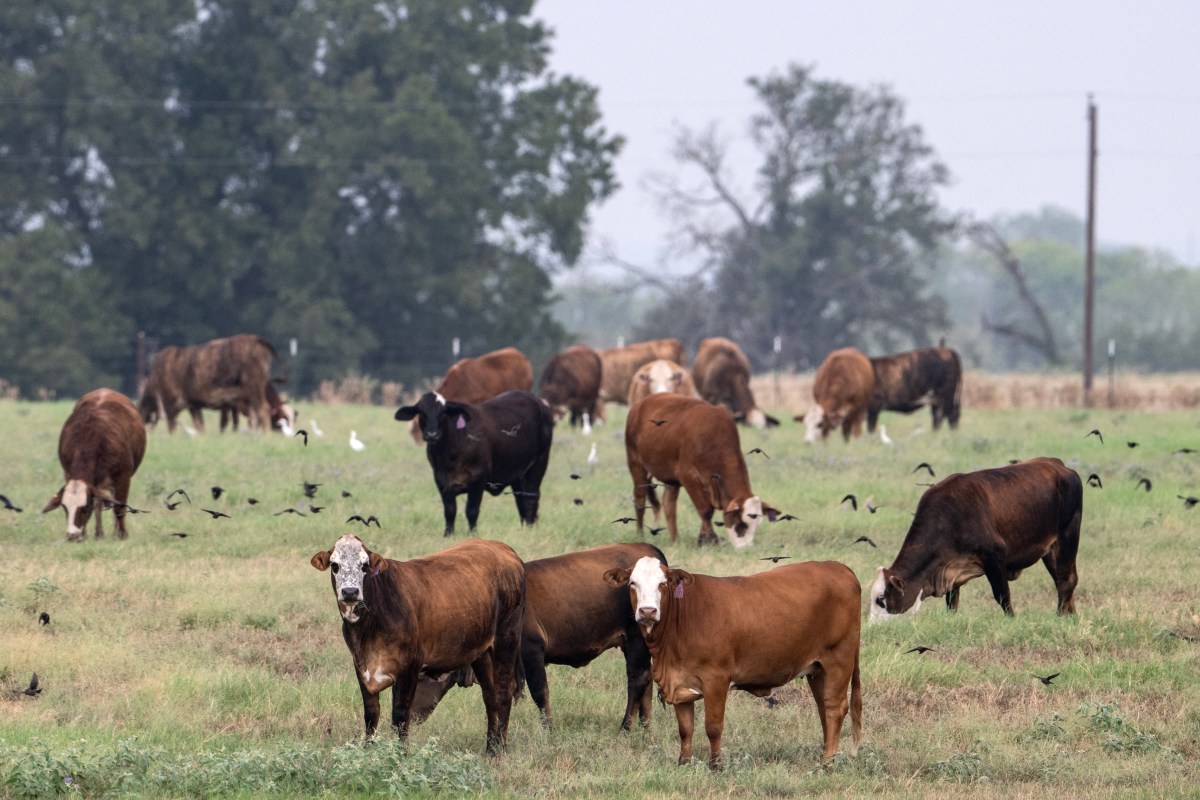
Immigration enforcement actions in Texas, Oklahoma, and Kansas are delaying shipments of cattle and causing financial losses for ranchers. These disruptions could lead to higher beef prices for consumers, according to cattle industry groups.
Key Facts
Immigration and Customs Enforcement (ICE) operations are reported to be affecting cattle shipments in Texas, Oklahoma, and Kansas.
Thousands of cattle shipments to processors have been delayed, resulting in millions of dollars in lost revenue and added costs.
The cattle industry groups say these enforcement actions disrupt workers and operations at feedyards, dairies, processors, transportation, and related services.
The Department of Homeland Security stated that ICE is not conducting worksite raids in Kansas but is targeting criminals with serious convictions.
Beef prices are already high, with ground beef averaging $6.92 per pound in August, according to the U.S. Bureau of Labor Statistics.
President Donald Trump’s administration faces pressure over beef prices and is investigating pricing practices at major retailers.
Cattle groups ask for immigration enforcement to be done in a lawful and orderly way to minimize industry disruption and protect animal welfare.
The disruptions add to existing challenges in the cattle and beef supply chain, affecting production beyond the immediate enforcement actions.
Read the Original
Want the full story? Tap a source to open the original
article.
Highlights magazine is celebrating its 80th anniversary. For many years, children have shared their drawings, poems, and questions with the magazine, making it a beloved publication.
Key Facts
Highlights magazine has been published for 80 years.
It focuses on content created by and for children.
Kids often send in their drawings, poems, and questions.
The magazine is well-known and cherished by many families.
It has a long history of engaging with children.
CBS News covered the anniversary with a special segment.
Read the Original
Want the full story? Tap a source to open the original
article.
A Milwaukee mother of seven, Bonnie Mata, bought a snakeskin wallet from a thrift store and later discovered a $100 bill from 1985 hidden inside. The discovery reflects the growing popularity of thrifting in the U.S., where many shoppers find unexpected valuables while buying secondhand items in stores.
Key Facts
Bonnie Mata found a handmade snakeskin wallet at a Milwaukee thrift store.
When examining the wallet closely at home, she discovered a hidden $100 bill dated 1985 inside.
Thrifting has become very popular in the U.S., with 90% of consumers engaging in thrift store shopping or donating in 2024.
Shoppers spend over four times more money at physical thrift stores compared to online resale sites.
Most of the money spent on used clothing (77 cents of every dollar) happens in brick-and-mortar thrift shops.
Mata liked snakeskin wallets but didn’t initially plan to buy it until she saw its good condition.
Experienced thrifters often check pockets and compartments carefully for money or valuables left behind.
Experts say people have long hidden money in old clothing and household items, making such finds more common than expected.
Read the Original
Want the full story? Tap a source to open the original
article.
CBS Mornings Deals offers special discounts on products designed to improve daily life. Customers can visit cbsdeals.com to access these exclusive offers, and CBS earns money when people buy through their website.
Key Facts
CBS Mornings Deals features products that aim to improve everyday life.
Discounts on these items are available exclusively through cbsdeals.com.
CBS earns commissions from purchases made on their deals website.
The deals are promoted during CBS Mornings broadcasts.
Shoppers can access CBS Deals through the CBS News app or online.
The promotion encourages viewers to visit the website to find and buy discounted items.
The products range across various categories to suit daily needs.
Read the Original
Want the full story? Tap a source to open the original
article.
Heathrow Airport’s plan to open a new third runway may be delayed until 2039 due to challenges with planning and government approval. The UK government and Heathrow are working to simplify the process, but the project faces opposition from environmental groups and local residents.
Key Facts
The third runway at Heathrow is expected to cost about £49 billion.
The government initially aimed for the runway to open by 2035 but now sees possible delays until 2039.
Heathrow hopes to get planning permission by 2029 and then open the runway within ten years.
The project could create around 100,000 new jobs and boost the UK economy.
Expansion requires demolishing hundreds of houses, rerouting rivers, and building a tunnel for the M25 motorway under the runway.
Flight numbers could increase from 480,000 to 720,000 per year (around 2,000 daily flights).
London Mayor Sadiq Khan opposes the project due to concerns about noise, air pollution, and climate change.
The third runway is privately financed and aims to help the UK remain competitive in global air travel.
Read the Original
Want the full story? Tap a source to open the original
article.
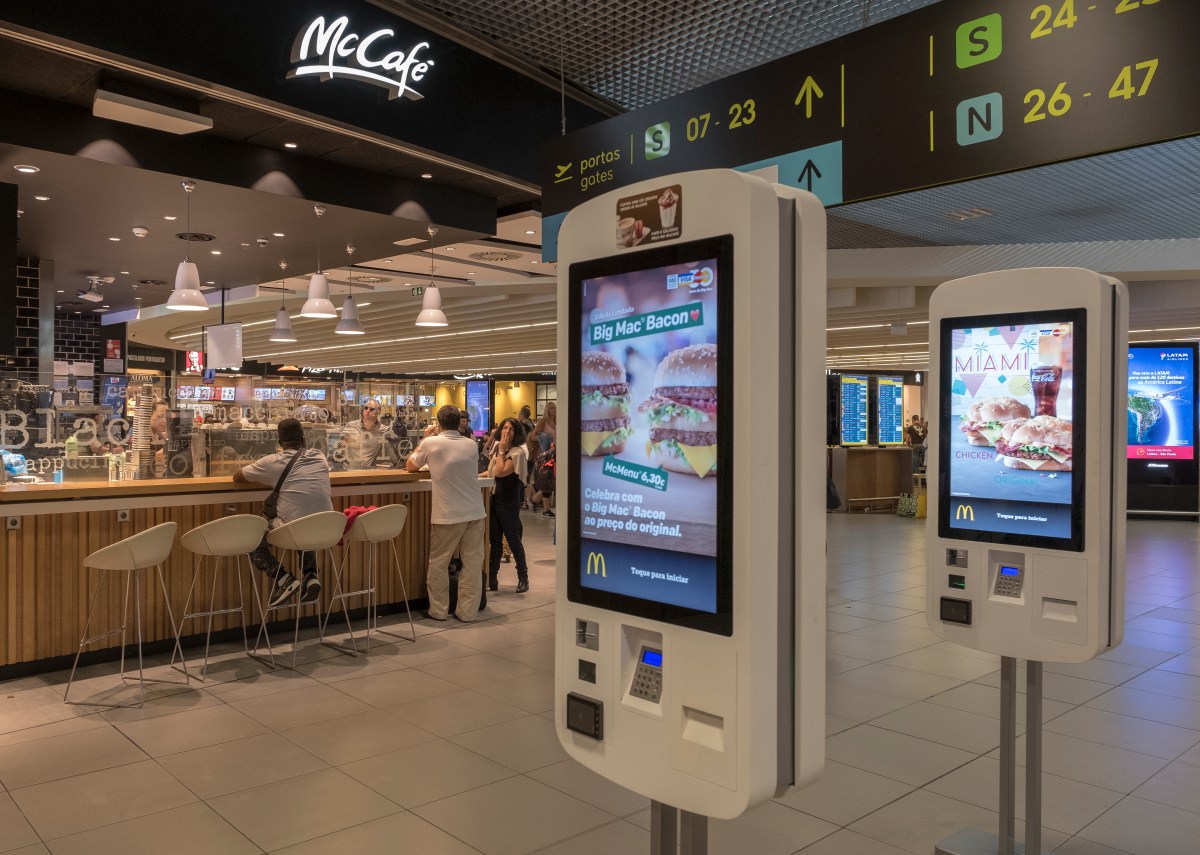
Major U.S. restaurant chains like McDonald’s, Burger King, Wendy’s, and Starbucks are combining new artificial intelligence (AI) tools with a renewed focus on human customer service. While AI helps make ordering and kitchen tasks more efficient, restaurants see real human hospitality as important for customer experience and handling unpredictable situations.
Key Facts
McDonald’s introduced a strategy called McDonald’s > NEXT, which uses AI for efficiency and also focuses on improving hospitality through a new program called Make It Golden.
Burger King found that some customers prefer not to interact with AI bots in their drive-through trials and leave instead.
AI can process large amounts of information, like menus and reviews, but it cannot detect real-time changes in restaurants such as staff changes or menu item shortages.
Starbucks invests in AI tools that assist employees behind the scenes while encouraging more personal interaction between baristas and customers.
Hospitality involves noticing small, real-time details that AI currently cannot track, such as delays or ingredient substitutions.
The combination of AI and human service aims to improve both restaurant efficiency and customer satisfaction.
AI’s strength lies in handling predictable tasks and data, while humans handle unpredictable aspects of customer service.
This shift shows that automation and human service can work together rather than compete in the restaurant industry.
Read the Original
Want the full story? Tap a source to open the original
article.
The article argues that current government rules promoting green energy are causing higher energy prices. It suggests that removing these rules before the upcoming midterm elections could help lower energy costs.
Key Facts
The article focuses on energy prices and affordability.
It claims that policies supporting green energy increase energy costs.
These policies are described as “green mandates.”
The timing mentioned is before the midterm elections.
The article implies changing or ending these mandates could reduce prices.
The piece criticizes the current energy approach taken by the Democratic party.
It links energy costs directly to government energy regulations.
Read the Original
Want the full story? Tap a source to open the original
article.
Andy Burnham, a Labour politician, is working to improve relations with UK farmers after a period of conflict over new taxes, including inheritance tax. Recent protests by farmers over these taxes have quieted, and there may be changes to support farmers in the next budget.
Key Facts
Andy Burnham reached out personally to farmers like Olly Harrison, showing a new approach to connect with them.
Farmers protested the 2024 budget’s inheritance tax changes, worrying it would cause farm closures.
Jeremy Clarkson joined farmers in a protest in London against these tax changes.
Since the protests, Burnham’s team has tried to rebuild trust with farmers and avoid further clashes.
There is no planned farmers' protest for the upcoming budget, suggesting improved relations.
In 2023, about 6,300 agricultural and related businesses closed, linked to taxes, weather, and inflation.
A possible change to inheritance tax or added financial support for farmers may happen in the next budget.
Farmers have also faced issues with the government’s new farming budget replacing EU subsidies, with funds running out quickly.
Read the Original
Want the full story? Tap a source to open the original
article.
The UK government is working on new laws to stop ticket touts from selling concert tickets at very high prices. The laws aim to protect fans from being overcharged and have support from many famous artists. Officials are preparing rules to prevent touts from avoiding UK laws by operating from other countries.
Key Facts
The UK government is drafting laws to ban the resale of concert tickets for profit.
The proposal is backed by well-known artists like Radiohead, Dua Lipa, Coldplay, and the Smiths’ drummer.
The laws are not yet in the king’s speech but the work is ongoing within the Department for Digital, Culture, Media and Sport (DCMS).
Research found ticket touts charging up to 19,728% more than face value for some events.
Three ticket sellers based in Latvia, North America, and Germany listed more than 75% of resold tickets.
Some tickets were sold without proper seller information, breaking competition rules.
Tickets were often “speculative,” meaning sellers listed tickets they did not yet have.
Ticket resale site Viagogo denies some claims and says it follows UK laws and forbids speculative listings.
Read the Original
Want the full story? Tap a source to open the original
article.
Tesla has started high-volume production of its electric Semi truck, which can travel 325 to 500 miles on one charge. The Semi faces challenges such as high costs, limited charging infrastructure, and reduced government support for electric vehicles in the U.S., but recent large orders show growing interest.
Key Facts
Tesla officially launched large-scale production of its electric Semi truck nearly 10 years after its initial announcement.
The long-range Semi can travel about 500 miles per charge; the standard version can go 325 miles.
Electric trucks cost 2 to 3 times more upfront than traditional diesel trucks.
Specialized megawatt chargers needed to quickly recharge big truck batteries are scarce, with only two public chargers currently in the LA area. Tesla plans to open 30 chargers by the end of this year.
The U.S. government, under President Trump, cut billions in electric vehicle support and is lowering fuel economy standards for trucks.
Heavy trucks produce about 7% of U.S. greenhouse gas emissions.
Diesel prices have doubled recently due to Middle East conflicts, making electric trucks more economically attractive.
A group including Microsoft and PepsiCo ordered 2,500 Tesla Semis, nearly doubling the number of heavy-duty electric trucks on U.S. roads.
Read the Original
Want the full story? Tap a source to open the original
article.
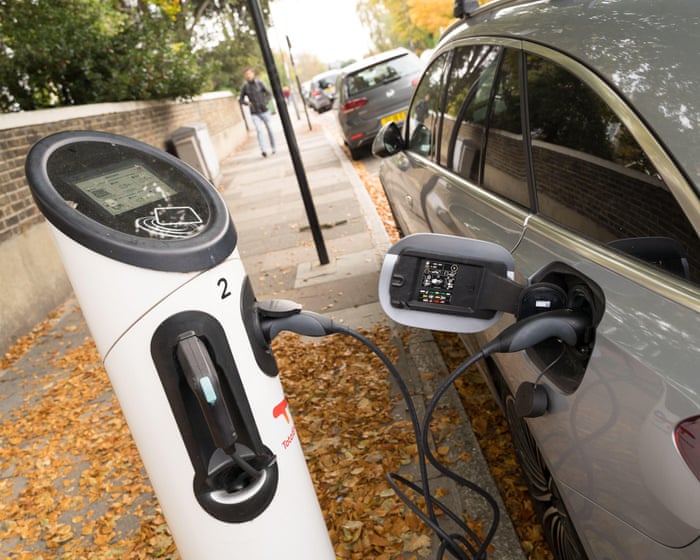
Research in the UK found that 75% of the top 20 plug-in hybrid electric vehicles (PHEVs) cannot use rapid chargers, limiting their ability to quickly recharge during trips. While PHEVs combine electric batteries and petrol engines, many drivers end up relying on petrol because slow charging makes frequent electric use inconvenient.
Key Facts
75% of the top 20 plug-in hybrid cars in the UK cannot use rapid chargers (50 kW or more).
Rapid chargers can add a substantial battery charge in 20-30 minutes, important for long-distance travel.
Cars unable to use rapid chargers must charge at slower speeds, sometimes taking several hours.
PHEVs can run on either electric power or petrol engines, but lack of fast charging may cause more petrol use.
PHEVs were the fastest-growing car type in the UK last year, with 227,000 sold, up about 35% from 2023.
All of the top 20 pure electric vehicles sold last year could use rapid chargers, and 64% could use ultra-rapid chargers.
Studies show PHEVs often emit more pollution than official figures suggest, as many drivers rarely charge them.
The UK government may weaken electric vehicle sales targets for pure EVs after industry lobbying, including from Nissan.
Read the Original
Want the full story? Tap a source to open the original
article.
The article discusses how many adults without children are spending money and time at Disney parks, acting like children. It highlights that adult-only households now make up the majority of toy sales, growing faster than households with children. The author suggests that many adults are avoiding traditional adult responsibilities and instead focusing on childhood entertainment and nostalgia.
Key Facts
Disney parks are popular with both families and some adults without children.
Adults without children represent 55% of toy sales as of the first half of 2026.
Toy sales to adult-only households increased by 16%, faster than sales to families with children.
The number of one-person households increased from 20% to 29% over fifty years.
Families with children under 18 dropped from 54% to 39% over the same time period.
The article contrasts childish behavior at Disney with classic literature and other forms of adult entertainment.
The growing trend shows more adults are engaging in activities traditionally associated with children.
Read the Original
Want the full story? Tap a source to open the original
article.
A rare painting by David Hockney of his dachshund dog Stanley is going to be sold at Christie’s auction with an estimated price of £1.5 million to £2.5 million. This piece is the first from his dog series to appear at auction and highlights an important part of Hockney's life and work.
Key Facts
The painting is called Dog Painting 17 and shows Hockney’s first dachshund, Stanley, sleeping on a cushion.
David Hockney painted over 40 works in his Dog Series during 1994-95.
Stanley was named after Stan Laurel and was one of Hockney’s two dachshunds, the other being Boodgie.
Hockney loved his dogs and often included them in his life and art despite their house-training habits.
The painting is rare, with only six such dog paintings in private hands; the rest belong to the David Hockney Foundation.
Christie’s will auction the painting on 14 October during Frieze Week in London.
The painting will be displayed publicly at Christie’s London from 8 October and is free to view.
Hockney created the Dog Series after losing close friends, seeking comfort through painting something loving.
Read the Original
Want the full story? Tap a source to open the original
article.