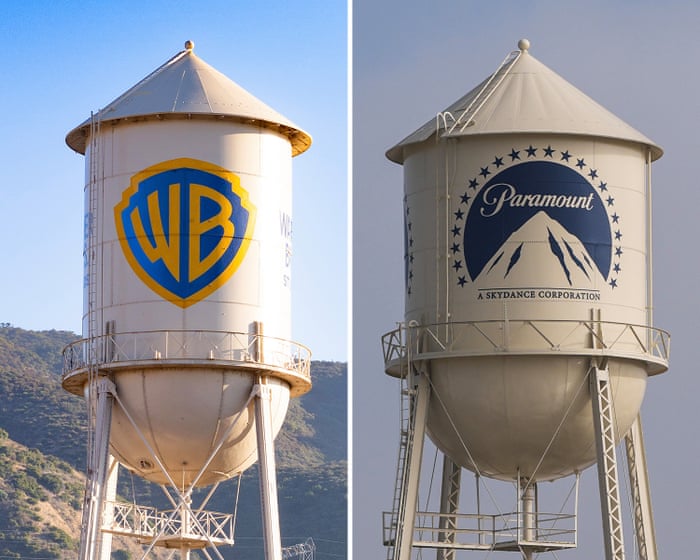
Paramount Skydance reached an agreement with California and 11 other states that had sued to stop its $110 billion merger with Warner Bros Discovery. The deal includes setting up independent boards to oversee news coverage at CNN and CBS and penalties if Paramount fails to produce the promised number of movies.
Key Facts
Twelve US states sued to block the $110 billion merger of Paramount Skydance and Warner Bros Discovery.
The settlement requires independent editorial boards for CNN and CBS to guard against political influence.
Paramount Skydance is owned by Larry Ellison, a close ally of President Donald Trump, and managed by his son.
If Paramount does not produce 30 movies a year as promised, it will pay a $30 million penalty.
The Writers Guild of America also sued the companies, but recently settled with concessions for workers.
The merger had already passed review by the Trump administration before these lawsuits.
The companies’ stocks rose after the settlement news, with Paramount up 10% and Warner Bros Discovery up 11%.
Additional measures discussed include selling some cable channels and possibly CNN.
Read the Original
Want the full story? Tap a source to open the original
article.
The Trump Organization, managed by President Donald Trump's sons, is planning many new real estate projects around the world. These include hotels, residential towers, golf courses, and resorts in countries like Oman, the UAE, India, Indonesia, Saudi Arabia, Qatar, Romania, Vietnam, and the Maldives.
Key Facts
The Trump Organization is led by Eric Trump and Donald Trump Jr., not President Trump himself.
New projects include a $500 million hotel and golf course in Muscat, Oman, opening in 2028.
A Trump International Hotel and Tower is planned in Dubai, near the Burj Khalifa, expected in 2025.
India will have multiple projects, including luxury residences in Gurgaon and office towers in Pune.
Developments in Bali and Vietnam will feature golf courses, luxury homes, and resorts.
Trump Tower Jeddah in Saudi Arabia is a 47-floor residential building planned for completion in 2029.
Qatar will have a golf club and luxury villas near Doha as part of a large coastal development.
The Trump Organization also announced its first project in Romania and a luxury beach hotel in the Maldives.
Read the Original
Want the full story? Tap a source to open the original
article.
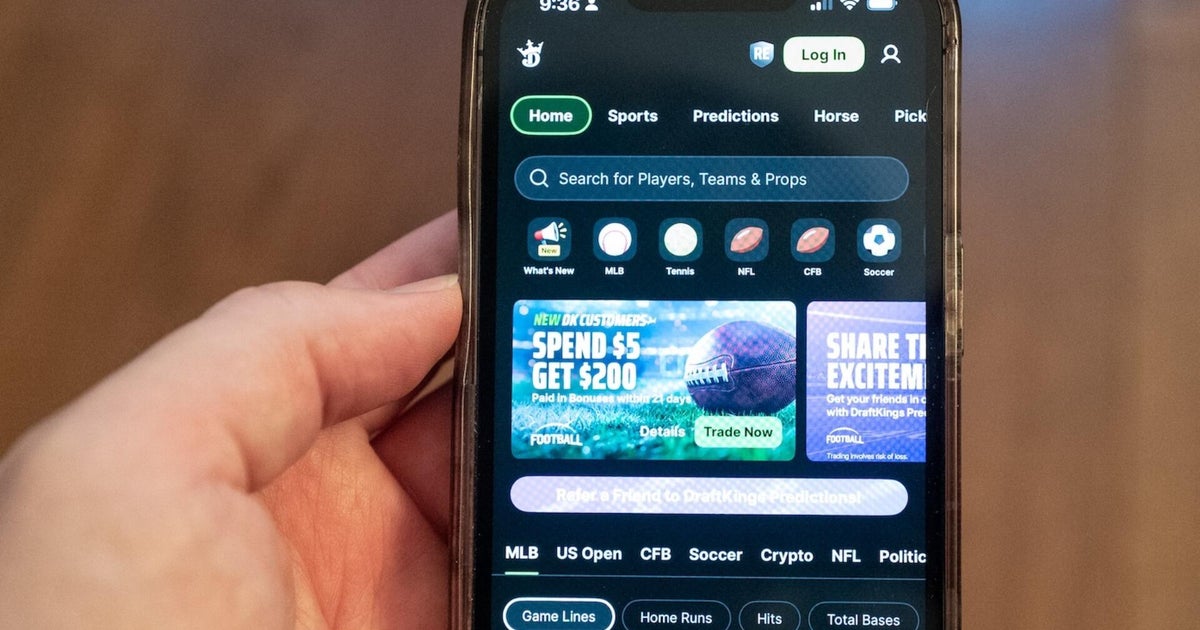
Betting apps are being accused of encouraging addictive gambling behavior. Some former employees of the DraftKings app say the company may have focused on users who are addicted to gambling.
Key Facts
Betting apps are under scrutiny for possibly increasing gambling addiction.
Former DraftKings employees provided information about the app's practices.
These employees say DraftKings may target people with gambling problems.
The story was discussed by journalist Alex Klavens from The New York Times.
The issue raises concerns about protecting vulnerable gamblers.
Read the Original
Want the full story? Tap a source to open the original
article.
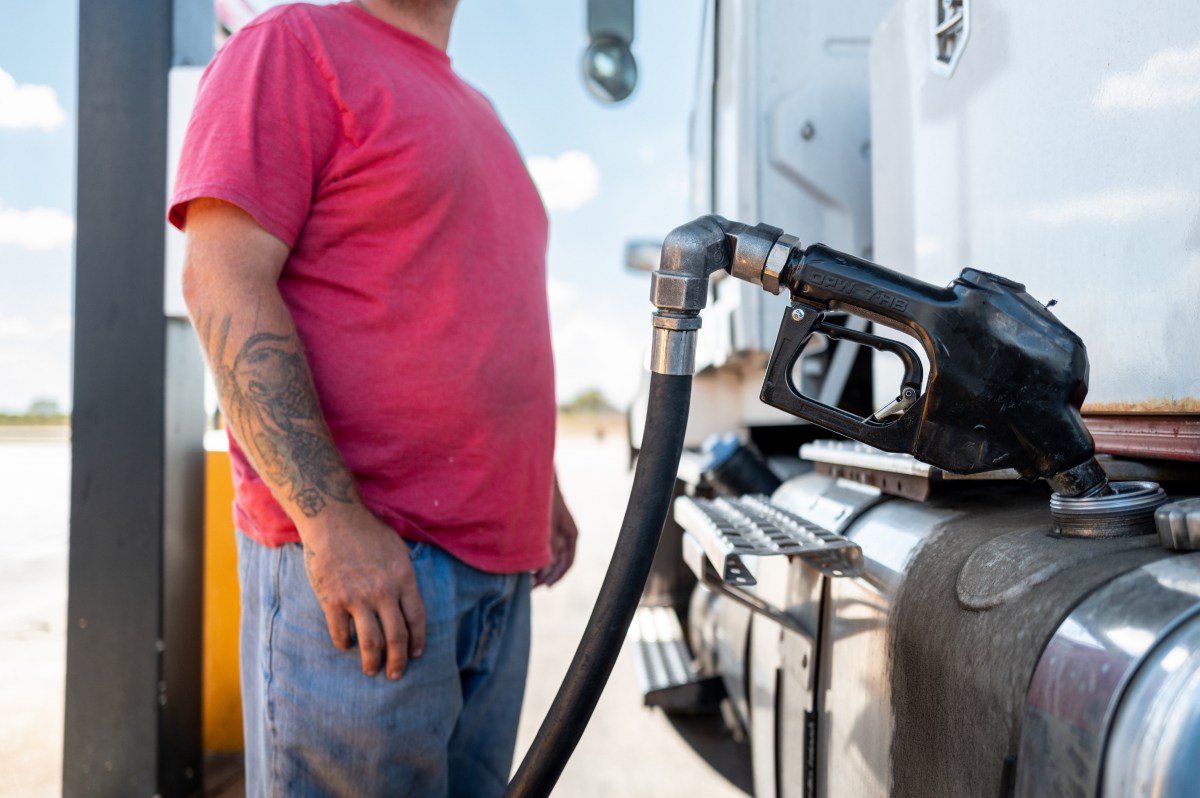
Social media claims say U.S. truckers plan a nationwide strike on October 1 because diesel fuel prices have risen to over $6.50 a gallon. However, trucking groups and fact-checkers found no proof this strike is actually being organized, though many truckers are struggling with high fuel costs.
Key Facts
Diesel fuel prices have reached an average of $6.51 per gallon in the U.S., up from about $3.70 a year ago.
Claims about a trucker strike on October 1 spread mainly on social media with videos and posters.
The Owner-Operator Independent Drivers Association (OOIDA) says talk of a strike is mostly social media talk, but they are watching the situation.
Small trucking businesses make up over 90% of U.S. trucking companies and are hit hardest by diesel price increases.
These small truckers often cannot raise their delivery rates quickly to cover higher fuel costs.
The price jump is partly due to a conflict with Iran that began with actions by President Donald Trump, disrupting oil supplies.
Experts and trucking groups have not confirmed any organized nationwide strike at this time.
Some truckers and supporters are asking President Donald Trump to take action to lower fuel prices.
Read the Original
Want the full story? Tap a source to open the original
article.
Converse removed a social media ad featuring K-pop singer Karina after people said the images looked like symbols linked to racism and violence. The company apologized, saying they understand why the image upset people and that they are working to remove it everywhere.
Key Facts
Converse posted an ad with singer Karina holding Chuck 70 X sneakers.
Critics said the lighting on her skirt resembled a Ku Klux Klan (KKK) hood.
People also said the way the sneakers were held looked like the feet of a lynching victim.
Converse apologized, removed the ad, and promised to do better in the future.
The KKK is a white supremacist hate group with a history of violence, especially against Black people.
Calls for justice have increased due to recent deaths of people of color in the U.S. linked to racism.
Some people defended Converse, saying the imagery was likely unintentional.
Converse is owned by the company Nike.
Read the Original
Want the full story? Tap a source to open the original
article.
Paramount has settled lawsuits with 12 US states that challenged its $81 billion merger with Warner Bros Discovery. The settlement removes legal barriers and allows the companies to merge, combining major TV networks and studios under one owner.
Key Facts
The merger between Paramount and Warner Bros Discovery is valued at $81 billion.
A group of 12 states, led by California, sued over concerns the merger would reduce competition and limit movie and streaming options.
Paramount agreed to keep CBS and CNN editorially independent and to release at least 30 films per year in theaters, with a $30 million penalty if this is not met.
Paramount will not have to sell cable channels like CBS, MTV, Nickelodeon, and Showtime as part of the deal.
Some states held out on the settlement until recently but agreed to the deal by this weekend.
Delays beyond September 30 would have increased the merger cost by millions of dollars.
Paramount and Warner Bros Discovery had considered selling studio properties in California amid the lawsuit.
David Ellison, who leads Skydance/Paramount, emphasized editorial independence and factual news coverage after concerns about CNN’s future were raised.
Read the Original
Want the full story? Tap a source to open the original
article.
The UK's main air traffic control provider, National Air Traffic Services (Nats), has faced repeated failures recently, causing thousands of flight cancellations and delays. These incidents have disrupted many passengers and raised concerns about the reliability and resources of the air traffic control system.
Key Facts
Earlier this month, Nats’ Swanwick centre failure caused over 2,000 flight cancellations in two days, affecting hundreds of thousands of people.
A more recent issue at the Prestwick centre led to over 200 flight cancellations and delays for tens of thousands of travelers.
The first failure was due to a software flaw; the second was caused by a connectivity problem. Nats says the two problems are not related.
In August 2023, air traffic problems affected 700,000 passengers over a bank holiday weekend.
Nats manages up to 8,000 daily flights in some of Europe’s busiest airspace, including Heathrow and Gatwick airports.
Airlines like Jet2 and EasyJet have criticized Nats for repeated failures and questioned the system's reliability.
Ryanair has publicly called for Nats' chief executive to resign or be removed by the Transport Secretary.
The UK government has asked the Civil Aviation Authority to review the first incident for independent analysis.
Read the Original
Want the full story? Tap a source to open the original
article.
California and Paramount Skydance have agreed to settle a lawsuit allowing Paramount to complete its $111 billion merger with Warner Bros. Discovery. Some states and media advocates opposed the deal, saying it reduces competition and harms media quality, but the companies made some promises and financial penalties as part of the settlement.
Key Facts
Paramount Skydance is merging with Warner Bros. Discovery in a deal worth $111 billion.
California and three other states sued to block the merger over competition concerns.
The states agreed to settle after deciding the cost of a legal fight was too high.
The merged company will have about $80 billion in debt.
The settlement includes promises like releasing 30 films per year in theaters and creating independent editorial boards for CBS and CNN.
Media advocates argue the merger reduces competition, leading to higher prices and fewer choices for consumers and creative workers.
Some critics say the oversight boards for news outlets won’t ensure true independence.
The settlement ends the lawsuit and allows the merger to go forward.
Read the Original
Want the full story? Tap a source to open the original
article.
The cryptocurrency super PAC Fairshake will spend $30 million to oppose Sherrod Brown’s attempt to return to the U.S. Senate in Ohio. Brown, a Democrat, is running against the current Senator Jon Husted, a Republican.
Key Facts
Fairshake is a political action committee (PAC) funded by the cryptocurrency industry.
The PAC plans to spend $30 million in Ohio on the 2024 Senate race.
Their spending is aimed at opposing Sherrod Brown, the Democratic candidate.
Sherrod Brown served as Ohio’s Senator for almost 20 years before losing in 2024.
Brown is trying to win back his Senate seat.
The Republican incumbent Senator is Jon Husted.
The group confirmed this spending plan to The Hill news outlet.
This is part of a larger trend of cryptocurrency groups getting involved in U.S. elections.
Read the Original
Want the full story? Tap a source to open the original
article.
Converse removed an online ad featuring K-pop singer Karina after people said the image reminded them of racist symbols like the Ku Klux Klan and lynching. The company apologized and promised to do better, while also working to take the ad down completely.
Key Facts
Converse shared an Instagram ad with Karina holding Chuck 70 sneakers while wearing a long white skirt.
Critics said the skirt looked like a Ku Klux Klan hood, and the way she held the shoes suggested a lynching victim.
Converse is owned by Nike and immediately apologized for the ad.
The company said it is removing the ad from all platforms.
Civil rights attorney Lee Merritt said Converse’s apology was not enough.
Converse was founded in 1908 and is famous for Chuck Taylor sneakers introduced in 1917.
Karina and her management did not comment on the controversy.
Target also recently stopped selling a Halloween costume accused of racist imagery and apologized.
Read the Original
Want the full story? Tap a source to open the original
article.
Neel Kashkari, president of the Minneapolis branch of the Federal Reserve, said inflation remains too high despite recent interest rate increases. He noted that inflation is elevated across many parts of the economy, not just due to volatile energy and food prices.
Key Facts
Neel Kashkari leads the Minneapolis Federal Reserve branch.
The Federal Reserve raised interest rates recently to combat inflation.
Kashkari said inflation is still too high in all parts of the economy.
Energy and food prices are volatile and affect inflation measures.
Even without energy and food prices, inflation remains a concern.
The Federal Reserve uses interest rates to try to control inflation.
High inflation means prices for goods and services are rising faster than usual.
Read the Original
Want the full story? Tap a source to open the original
article.
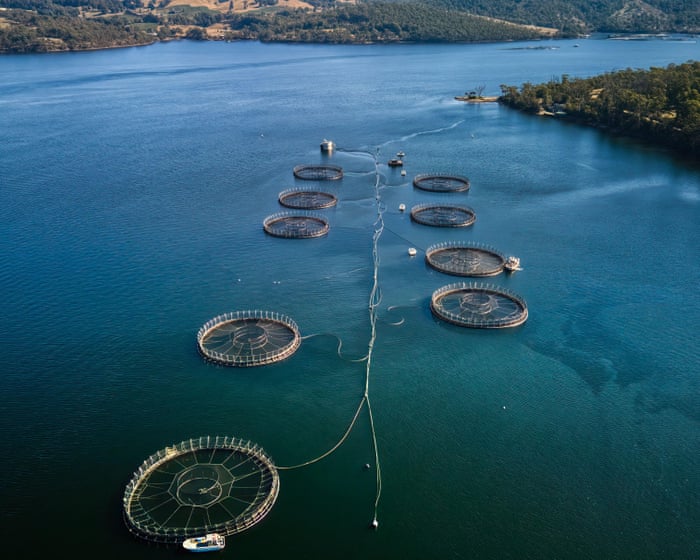
Since 2016, over 150,000 underwater explosives have been used to keep seals away from salmon farms in Tasmania. The main companies involved are Huon Aquaculture, Tassal, and Petuna, with Huon using the most explosives. Seal deaths at farms have occurred, and the use of explosives dropped after 2021 but has recently started to rise again.
Key Facts
More than 150,000 underwater explosives were used by Tasmanian salmon farms to deter seals since 2016.
In the first half of 2026, nearly 1,800 explosives were used.
Four fur seals died in the first half of 2026 due to various causes related to the farms.
Since 2021, 48 seals have died at these farms.
Huon Aquaculture, owned by Brazilian company JBS, used about two-thirds of the explosives in early 2026.
Tassal aims to phase out seal deterrents but still used 551 explosives in early 2026, more than twice previous years.
Tassal also used 31 bean bag rounds, which are fabric-coated plastic shells with lead shot, the only company to do so.
Both companies report efforts to reduce wildlife harm, including improving farm infrastructure and using new technologies.
Read the Original
Want the full story? Tap a source to open the original
article.
A second technical problem in two weeks with the UK's air traffic control system caused major flight delays and cancellations across parts of the UK. National Air Traffic Services (Nats), which manages air traffic control, said a "connectivity issue" at Prestwick was to blame, and airlines have criticized Nats for the repeated disruptions.
Key Facts
A technical fault at Prestwick air traffic control caused flight delays and cancellations in Scotland, Northern Ireland, and northern England.
At least 200 flights were canceled or did not fly on Monday due to the problem.
EasyJet, Wizz Air, Ryanair, British Airways, and Jet2 were among the most affected airlines.
Nats explained the issue was separate from a previous software defect at Swanwick that caused 2,000 cancellations earlier in September.
Airlines expressed loss of confidence in Nats’ leadership and called for urgent reform of the air traffic control system.
The UK Civil Aviation Authority said passengers were likely ineligible for compensation because the issue is classed as an "extraordinary circumstance."
Nats apologized and said safety was their top priority, working to restore normal operations quickly.
UK Transport Secretary Heidi Alexander acknowledged the flight disruptions were frustrating for travelers.
Read the Original
Want the full story? Tap a source to open the original
article.
CBS Mornings Deals offers special discounts on products aimed at making daily life better. Customers can visit cbsdeals.com to buy these items and save money.
Key Facts
CBS Mornings Deals features exclusive discounts on various products.
The products are selected to improve everyday lifestyle.
Shoppers can access these deals by visiting cbsdeals.com.
CBS earns a commission when people buy through the website.
The deals are promoted on the CBS News platform.
Read the Original
Want the full story? Tap a source to open the original
article.
The article explains that investing in artificial intelligence (AI) is costly but necessary for businesses to stay competitive. Instead of cutting jobs too quickly, companies should use AI to handle routine tasks and let workers focus on decision-making and creativity.
Key Facts
AI requires high initial spending, similar to past technology shifts like the dot-com era.
Over 142,000 tech jobs were cut in early 2026 while companies invested about $700 billion in AI infrastructure.
AI works well for repetitive tasks but struggles in unpredictable and complex situations.
Cutting people before AI can fully do their jobs is not effective.
Companies with CEOs responsible for AI decisions see better financial returns from AI investments.
Education and training need to adapt so workers can develop skills to work alongside AI.
Key human skills such as judgment, creativity, and leadership remain important in the AI workplace.
Business leaders should treat AI as a new team member and keep humans responsible for major choices.
Read the Original
Want the full story? Tap a source to open the original
article.
Converse removed a social media ad featuring K-pop singer Karina after critics said the image looked like racist symbols linked to the Ku Klux Klan and lynching. The company apologized, saying they understood why people were upset and promised to do better in the future.
Key Facts
Converse posted an Instagram ad showing Karina wearing a skirt and holding Chuck 70 X sneakers.
Critics said the lighting on her skirt looked like a white triangular hood associated with the Ku Klux Klan.
People also said the way she held the sneakers resembled the feet of a lynching victim.
Converse apologized and took down the ad from all platforms.
The company refused to give more details about how the ad was approved or screened.
Karina and her management have not responded publicly to the situation.
Similar incidents have happened before, with brands apologizing for racial insensitivity.
Some called for consequences for the staff involved, while others believed the ad's message was unintentional.
Read the Original
Want the full story? Tap a source to open the original
article.
UK consumer confidence has fallen to its lowest level in three months because people worry about rising mortgage payments and job security. The government may raise taxes to manage higher borrowing costs caused by international conflicts and economic challenges.
Key Facts
UK consumer confidence dropped to 42.7 in September from 42.9 in August, showing lower financial optimism.
Over half of surveyed consumers expect interest rates set by the Bank of England to rise in the next year.
Fixed mortgage rates in the UK have reached multi-year highs, with two-year rates at 5.88% and five-year rates at 5.92%.
Higher mortgage costs could add around £150 per month for a typical £250,000 home loan starting in March 2026.
Job market confidence is at a 3.5-year low, with fewer job vacancies and cautious hiring by employers.
The UK government might announce tax increases to balance its rising borrowing costs due to conflicts in the Middle East.
The British Chamber of Commerce urges the government to support businesses amid recent tax rises.
Fuel tax cuts are being proposed by political leaders as a way to help with rising living costs.
Read the Original
Want the full story? Tap a source to open the original
article.
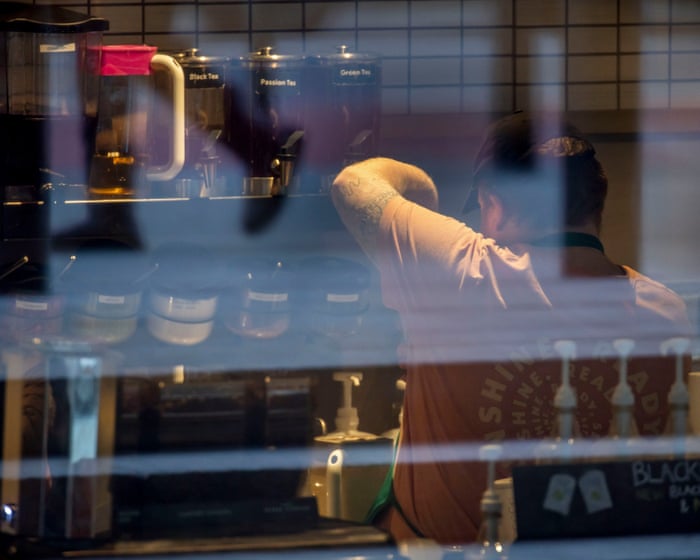
Starbucks workers report that their health insurance costs have risen significantly this year, with some premiums nearly doubling. This increase is causing financial strain, with some workers considering quitting or taking a second job to afford healthcare.
Key Facts
A survey of over 130 Starbucks workers found big increases in health insurance premiums starting October 1.
Some workers’ premiums almost doubled, making it hard to afford other living expenses.
More than 700 Starbucks stores have unionized since December 2021, with over 12,000 workers now represented.
Some workers are dropping their health insurance because they cannot afford the higher costs.
One worker in Minnesota said her weekly health insurance cost rose from $130 to $170, a 30% increase.
Another worker in Utah saw premiums rise from $70 to $122 every two weeks, making it hard to pay for heart medication and other bills.
Starbucks Workers United filed a complaint alleging unfair labor practices after the company didn’t explain the insurance increases.
Starbucks said it faces rising healthcare costs like many employers but is committed to providing affordable coverage for workers.
Read the Original
Want the full story? Tap a source to open the original
article.
New rules starting in October will affect how travelers can get money back if their flights are delayed or canceled. These changes will change when and how passengers can receive compensation for travel problems.
Key Facts
The new rules begin in October.
They apply to flight delays and cancellations.
The rules will impact passenger compensation.
Compensation depends on specific reasons for delays or cancellations.
Airlines and passengers will have to follow these updated regulations.
The goal is to clarify when passengers can expect money back.
Read the Original
Want the full story? Tap a source to open the original
article.