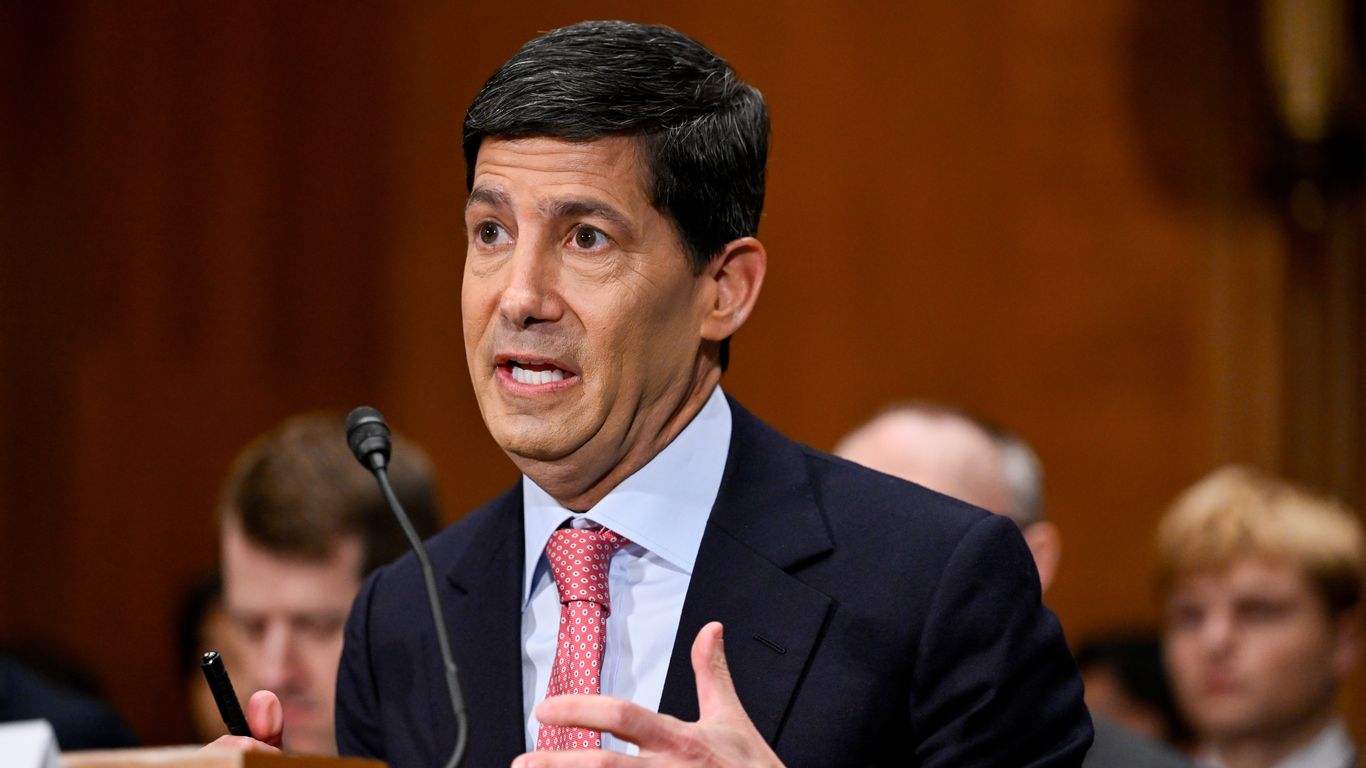
Jonathan Carr says rules that stop companies from owning many TV stations are hurting local news. He believes these limits make it hard for local TV news to compete and survive.
Key Facts
A rule limits how many TV stations one company can own.
Jonathan Carr says this ownership rule affects local journalism.
The rule makes it hard for local TV news to have enough power.
Without more control, local stations struggle to compete with big networks.
Carr suggests changing the rule could help local news survive.
The discussion focuses on improving the business side of local TV news.
The issue involves the relationship between local stations and national networks.
Read the Original
Want the full story? Tap a source to open the original
article.
The UK government plans to require employers to show salary information in job adverts to help job seekers understand pay and reduce discrimination. The exact details are still being decided, including whether to show exact salaries or pay ranges, and whether to include bonuses.
Key Facts
Employers will need to include salary details in job adverts under new government proposals.
Other job conditions may also have to be shared with candidates.
The goal is to help job seekers make better decisions and prevent pay discrimination claims.
Officials will consult on whether to show exact salaries, pay ranges, or benchmark rates.
Employers must give salary information in writing before interviews if it is not in the advert.
Similar pay transparency rules are being introduced in the European Union for large employers.
The rules will apply in England, Wales, and Scotland after a consultation ending in October.
The situation in Northern Ireland is not yet clear, with discussions ongoing about following EU rules.
Read the Original
Want the full story? Tap a source to open the original
article.
The fashion industry faces high return rates, which cost retailers money and harm the environment. SNAG, a clothing company that designs for a wide range of body sizes, has reduced returns to about 2 percent by creating better-fitting clothes, attracting investment from entrepreneur James Caan.
Key Facts
Online fashion return rates average around 40 percent in the industry.
Returns cause financial losses and environmental damage due to extra shipping and waste.
SNAG designs clothing for U.K. sizes 4 to 38, roughly U.S. sizes 0 to 34, aiming to fit more customers correctly the first time.
SNAG has reduced its return rate to approximately 2 percent.
The company has sold over three million products and earned more than £250 million ($335 million) since 2018.
Investor James Caan made a seven-figure investment in SNAG, his first consumer brand investment in 20 years.
Caan believes SNAG’s model can improve fashion’s economics and reduce waste.
SNAG’s approach challenges traditional sizing by focusing on real body diversity rather than convenience in manufacturing.
Read the Original
Want the full story? Tap a source to open the original
article.
Comcast has agreed to a $117.5 million settlement due to a 2023 hacking incident that exposed customer information. Eligible Xfinity customers can file claims by September 14 to receive payments or identity protection services.
Key Facts
Hackers accessed Comcast systems between October 16 and 19, 2023.
Personal data exposed included usernames, passwords, birth dates, contact details, some Social Security digits, and security question answers.
Comcast denies wrongdoing but agreed to pay $117.5 million to settle the lawsuit.
The settlement covers customer payments, identity protection, legal fees, and administrative costs.
Customers who got a notice from Comcast about the breach can file claims until September 14.
Payments can range from a flat amount up to $10,000 for documented losses.
Data breaches like this have been increasing, with 3,322 reported in 2025, according to the Identity Theft Resource Center.
Most consumers receiving breach notices have experienced harmful effects like phishing attempts and account takeovers.
Read the Original
Want the full story? Tap a source to open the original
article.
FCC Chair Brendan Carr said California might stop its lawsuit against the merger of Paramount Skydance and Warner Bros. Discovery if CNN is separated into an independent company. This merger has raised concerns because of its impact on media competition.
Key Facts
FCC Chair Brendan Carr made the statement on Wednesday.
California has a lawsuit opposing the merger of Paramount Skydance and Warner Bros. Discovery.
The lawsuit is a joint effort involving California and possibly other parties.
The main issue is the combined company's control over important media outlets.
California could end the lawsuit if CNN is spun off as a separate media company.
Spinning off means making CNN its own independent business, separate from the merged company.
News reports indicated California was considering this idea a few weeks ago.
Read the Original
Want the full story? Tap a source to open the original
article.
Stonegate Group, the largest chain of pubs and bars in Britain, is under investigation for possibly treating some landlords unfairly. The investigation focuses on how Stonegate manages rent calculations, repair information, and customer interactions with pub tenants.
Key Facts
Stonegate owns over 3,000 pubs that it leases to landlords, known as “tied” tenants.
The pubs code adjuicator (PCA) suspects Stonegate may have broken rules meant to protect these tenants.
Possible issues include not giving correct repair information and not using fair rent estimates based on profits.
Stonegate’s managers who communicate with tenants are also being investigated for fair treatment and record keeping.
The PCA’s rules do not apply to Stonegate’s managed pubs, like Be At One and Walkabout.
Stonegate could be fined more than £16 million if found guilty of breaking the code.
A recent survey showed Stonegate had the lowest tenant satisfaction rating at 43%.
Stonegate is owned by private equity firm TDR Capital and reported strong profits recently.
Read the Original
Want the full story? Tap a source to open the original
article.
The House of Representatives passed the Common Cents Act, which allows businesses to round cash transactions to the nearest five cents since pennies are being phased out. The act aims to give clear rules to protect businesses and customers during cash payments and now goes to the Senate for approval.
Key Facts
The Common Cents Act sets guidelines for rounding cash payments to the nearest nickel (five cents).
It instructs the U.S. Treasury to stop making pennies.
Pennies will keep their value but will no longer be used for transactions requiring exact change.
If the total is $10.02, it rounds down to $10.00; if $10.04, it rounds up to $10.05.
Businesses currently risk lawsuits if they can’t give exact change, even if they round fairly.
The measure is supported by business groups like the National Restaurant Association to protect businesses from legal problems.
Producing pennies costs more than their actual value—almost four cents per penny.
About 25% of restaurant customers pay with cash, making this law relevant for many businesses.
Read the Original
Want the full story? Tap a source to open the original
article.
The UK government has passed a law to take control of British Steel, a steel company based in Scunthorpe, making it publicly owned. This move aims to secure the steel industry's future, while the current owner, a Chinese company, is seeking compensation.
Key Facts
Both houses in the UK Parliament approved the Steel Industry (Nationalisation) Bill.
The King signed the bill into law on July 15, 2026.
British Steel is based in Scunthorpe, an important area for steel production and the local economy.
The government says nationalisation is to protect the steel industry's future in the national interest.
The previous private owner, Chinese company Jingye, opposed the takeover and is claiming compensation.
Jingye said the company was losing £700,000 per day before nationalisation.
The UK government may limit or refuse how much compensation is paid.
Local officials see the nationalisation as important but believe more investment is needed for a sustainable steel industry.
Read the Original
Want the full story? Tap a source to open the original
article.
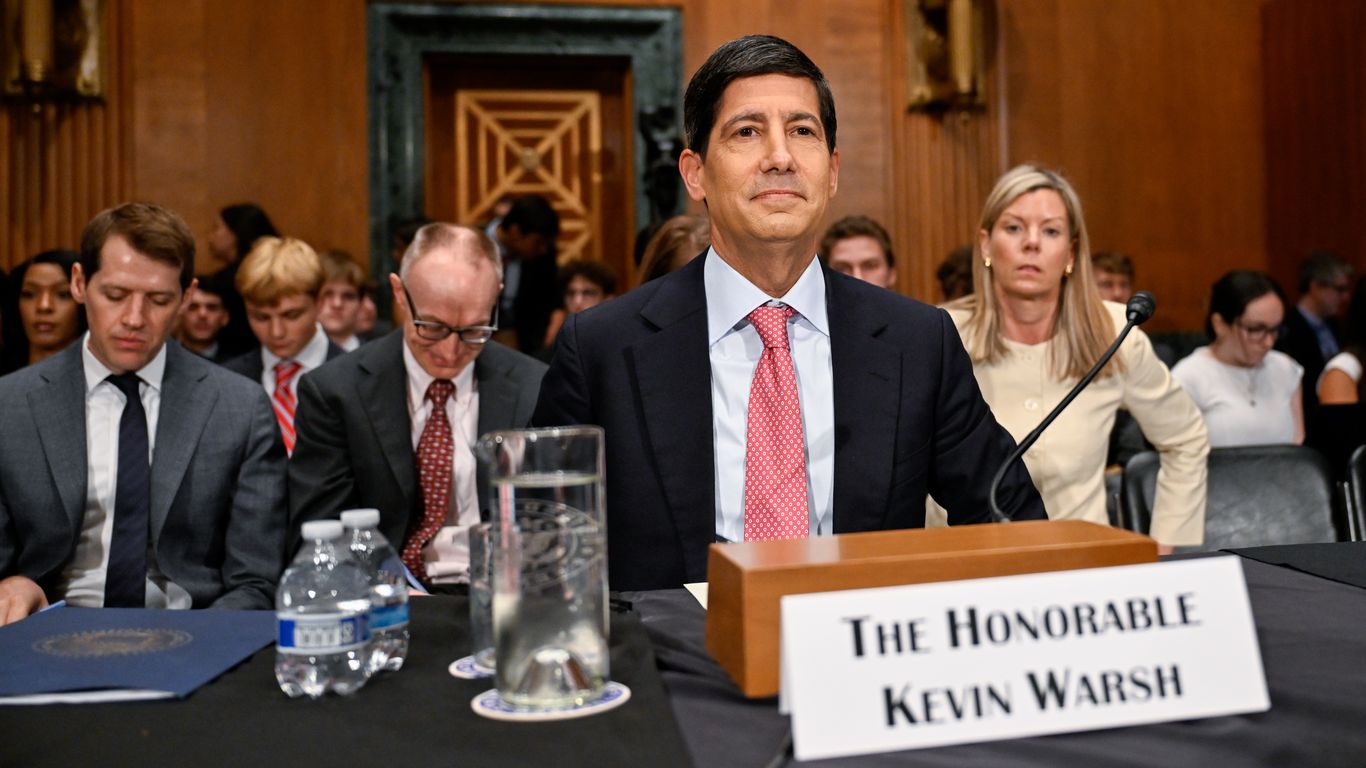
Federal Reserve Chairman Kevin Warsh said that investment in artificial intelligence (AI) will likely cause prices to rise over the next year. However, he believes these price increases may not lead to ongoing inflation because higher supply could balance the demand.
Key Facts
Warsh expects AI spending to increase prices within the next 12 months.
He distinguishes between a one-time price increase and lasting inflation.
The AI boom is raising demand for computer chips and capital goods.
Other Fed officials say AI investment is pushing up costs for certain products and electricity.
The timing of AI’s productivity benefits, which could lower prices, is still uncertain.
Warsh testified before Congress for the first time as Fed chairman since May.
He said President Trump has not tried to influence monetary policy before Warsh took office.
Five outside-led task forces are reviewing the Fed’s monetary policy and will report results within six months.
Read the Original
Want the full story? Tap a source to open the original
article.
Congresswoman Dina Titus says that some prediction markets, like Kalshi, avoid state rules by calling sports bets financial derivatives. This lets them operate without the usual consumer protections and checks.
Key Facts
Prediction markets let people bet on future events, like sports results.
Some platforms label these bets as financial derivatives to avoid state laws.
Financial derivatives are contracts whose value depends on something else, like stocks or commodities.
By using this label, these platforms escape normal gambling regulations.
Congresswoman Dina Titus wants to close this loophole to protect consumers.
State-level consumer protections and regulatory oversight usually help keep betting fair and safe.
Kalshi is one example of a platform using this strategy.
Read the Original
Want the full story? Tap a source to open the original
article.
Federal Reserve Chairman Kevin Warsh testified before Congress as new data showed prices producers receive fell in June. This report, combined with earlier consumer price data, makes a rise in interest rates at the Fed's next meeting less likely.
Key Facts
The Producer Price Index (PPI) fell by 0.3% in June, showing lower prices for goods at the production level.
The core PPI, which excludes food, energy, and trade services, rose slightly by 0.1%.
Consumer Price Index (CPI) data released earlier also indicated slowing inflation.
Markets now see little chance of interest rate increases for the rest of the year.
Chairman Warsh said no immediate policy changes are planned but noted discussions will continue about how and when to act.
He warned that inflation measurements are imperfect and a Fed task force will study how to improve data methods.
Warsh emphasized the Fed still aims to maintain price stability but gave no clear signal of upcoming moves.
His comments suggest the central bank is cautious and waiting on further data before deciding.
Read the Original
Want the full story? Tap a source to open the original
article.
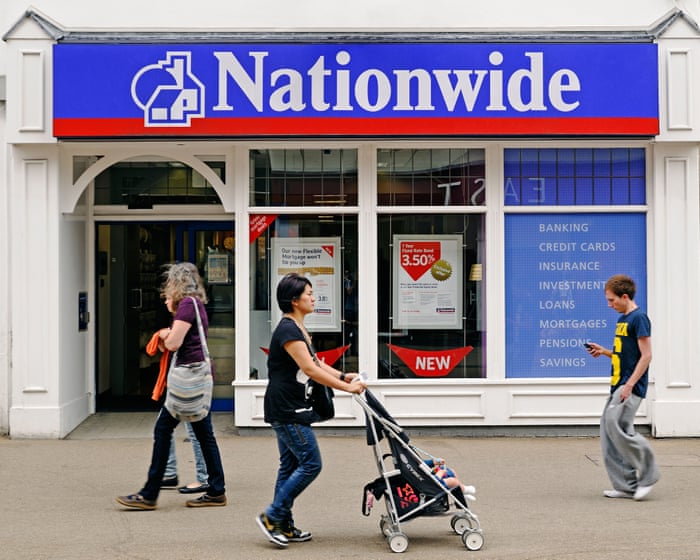
A Nationwide customer, James Sherwin-Smith, tried to join the building society’s board but did not get enough votes. He received about 12.5% of votes, which was below the 50% needed. Sherwin-Smith plans to continue campaigning to change how Nationwide is run and stand for election again in 2027.
Key Facts
James Sherwin-Smith got 12.5% of the vote at Nationwide’s annual meeting.
He needed at least 50% of the vote to join the board but failed.
The board said he lacked the experience needed for the job.
The board recommended members vote against him using a "quick vote" system.
Sherwin-Smith plans to run again in 2027 and wants to encourage others to run too.
He aims to change Nationwide’s rules, including ending the quick vote and allowing more member-nominated directors.
Nationwide is a building society owned by its members but hasn’t had a member on the board since 2002.
The AGM also included approval of a large pay increase for the chief executive to £4.7 million.
Read the Original
Want the full story? Tap a source to open the original
article.
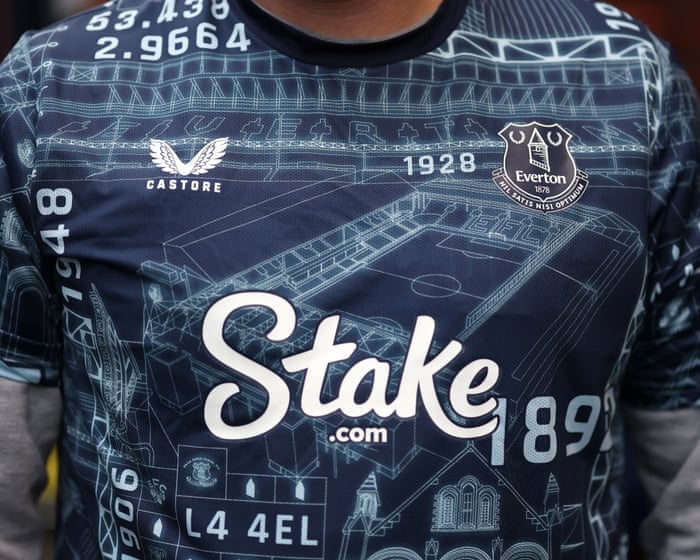
The UK government plans to ban unlicensed casinos from sponsoring sports teams starting as early as August 2027. This move aims to protect people from gambling risks and stop illegal money use in sports, affecting football clubs like Everton and sports such as Formula One.
Key Facts
The ban targets unlicensed gambling companies sponsoring sports teams in the UK.
Sponsorships could include logos on team kits, stadiums, and pitch-side signs.
Current rules allow sponsorship from unlicensed firms if they don't accept UK bets, but this will change.
The ban could become a criminal offense if sponsorship deals continue after the new law.
Everton FC has a £10 million deal with Stake.com, a crypto casino without a UK license.
The ban will start no later than August 2028, with possible enforcement from August 2027.
Other clubs like Chelsea, Ipswich, and Fulham also have deals with unlicensed gambling firms.
The proposal excludes online partnerships for now but may consider further laws later.
Read the Original
Want the full story? Tap a source to open the original
article.
Unreleased recordings from 1965 by David Bowie, made early in his career when he was known as Davy Jones, will be released in a new compilation on September 18. Some songs feature guitarist Jimmy Page, who later joined Led Zeppelin, and the recordings were produced by Shel Talmy, a notable 1960s rock producer.
Key Facts
The recordings date back to 1965, before Bowie became famous with "Space Oddity" in 1969.
Bowie used the name Davy (or Davie) Jones before changing it in 1966 to avoid confusion with another musician.
Some songs include support from the bands the Lower Third and the Manish Boys.
Jimmy Page, later of Led Zeppelin, played guitar on some tracks as a session musician.
Producer Shel Talmy handled the sessions; he also worked with the Kinks and the Who.
The new compilation is called *David Bowie: The Shel Talmy Recordings*.
One song, "I Want Your Love," is already available and shows a bluesy rock style.
Bowie revisited some early songs in 2000 for an album called *Toy*, which was released posthumously in 2021.
Read the Original
Want the full story? Tap a source to open the original
article.
A $250,000 deposit in a 1-year certificate of deposit (CD) or high-yield savings account can earn about $10,250 to $10,375 in interest at current rates around 4.10% to 4.15%. CDs offer fixed rates and guaranteed returns, while savings accounts offer variable rates with easy access to funds.
Key Facts
Current top 1-year CD rates range from about 4.11% to 4.15% annual percentage yield (APY).
A $250,000 deposit in a CD at 4.11% APY earns $10,275 in interest after one year.
At 4.15% APY, the same deposit would earn $10,375 in interest.
A high-yield savings account paying 4.10% APY would earn about $10,250 on $250,000 in one year.
CD interest rates are fixed for the term, providing predictable earnings.
Savings account rates can change with market conditions, which may raise or lower earnings.
CDs generally restrict access to funds without penalties until maturity, unlike savings accounts.
Because of small differences in rates, shopping around can increase earnings on large deposits.
Read the Original
Want the full story? Tap a source to open the original
article.
James Watt, co-founder of Brewdog, has made an offer to buy back the company after it was sold to the US firm Tilray earlier in 2024. Brewdog previously faced financial collapse, losing hundreds of jobs, and now Watt hopes to restore value for former investors through his proposed takeover.
Key Facts
Brewdog was once worth more than $1 billion and owned four breweries plus about 100 pubs worldwide.
The company collapsed owing over £500 million in debts, leading to hundreds of job losses.
Brewdog was sold to US company Tilray, which also operates in beverage and medical cannabis sectors.
James Watt stepped down as Brewdog CEO in 2024 and took a new role as "captain and co-founder."
Watt and co-founder Martin Dickie sold shares to US private equity fund TSG in 2017, each earning £50 million.
Watt launched a new beer brand, Second Best, offering shares to those who lost money in Brewdog’s "Equity for Punks" investment scheme.
Watt promises that if his buyback succeeds, former investors who joined Second Best will regain their original ownership shares for free.
Brewdog faced criticism and controversy over workplace culture, marketing, and treatment of staff and investors.
Read the Original
Want the full story? Tap a source to open the original
article.
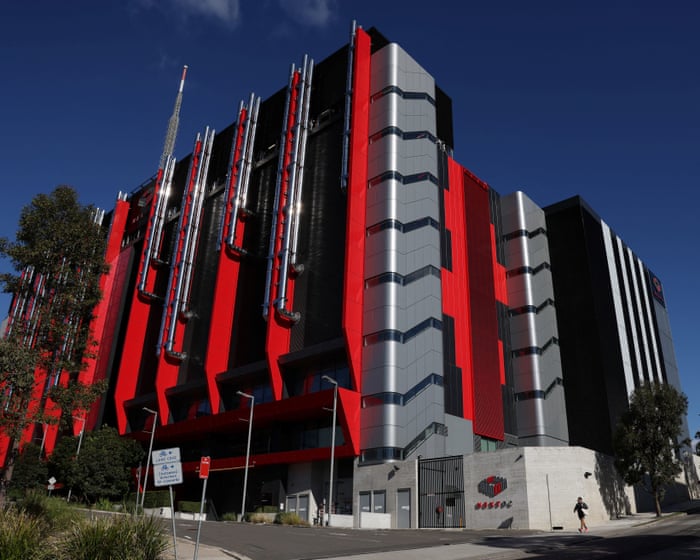
Prime Minister Anthony Albanese announced new national rules for large datacentres in Australia, requiring them to secure new power supplies, pay their share for grid connections, and add energy back to the grid. Environmental and community groups want a pause on new datacentre developments until these regulations are fully in place.
Key Facts
Albanese aims to create legal requirements for datacentres to support new power and energy on the grid.
Current datacentre regulation in Australia is fragmented across federal, state, and local governments.
New national standards must be agreed upon by all state and territory energy and climate ministers before adoption.
Queensland is currently the only state not supporting the proposed national standards.
The Climate Council warns rapid datacentre growth could increase energy prices and climate pollution if unchecked.
Data Centres Australia’s CEO agrees with the need for regulations but highlights challenges in using 100% renewable energy immediately.
Community groups call for a moratorium on new datacentre approvals until the national regulatory framework is established.
Some communities, like Lane Cove in Sydney, are concerned about datacentres taking up large shares of industrial land.
Read the Original
Want the full story? Tap a source to open the original
article.
Stores are starting to sell Halloween decorations and items much earlier than before, with some showing their spooky products as early as July. ABC News gave a sneak peek of one retailer's Halloween collection for 2026.
Key Facts
Retailers are introducing Halloween merchandise months earlier than usual.
Some stores start showing Halloween items as early as mid-July.
The spooky items include things like "Skelly," a themed decoration.
ABC News reporter Sam Champion got an exclusive look at one store’s Halloween collection for 2026.
This early release aims to attract shoppers sooner in the year.
Halloween products are becoming a larger part of early seasonal sales strategies.
The trend reflects how retailers try to boost sales by appealing to customers earlier.
Read the Original
Want the full story? Tap a source to open the original
article.
Smart thermostats can help reduce electric bills during heat waves by cutting unnecessary air conditioning use, but savings vary. Most studies show people save about 10% to 15% on cooling costs, which can mean $15 to $22.50 saved in a month with high air conditioning use.
Key Facts
Heat waves are causing air conditioners to run almost continuously, raising electric bills.
Smart thermostats aim to make cooling more efficient by reducing wasted use.
Manufacturers claim savings of 8% to 26%, but independent studies find average savings closer to 10% to 15%.
If half a $300 electric bill is from cooling, a 10% to 15% cut saves about $15 to $22.50 per month.
Smart thermostats save money mainly by turning off or lowering cooling when no one is home or when people sleep.
Larger savings occur if people previously kept the thermostat at the same setting all day.
Smart thermostats cost between $100 and $300 before installation.
Some homeowners can install the devices themselves, while others may need professional help, adding to the cost.
Read the Original
Want the full story? Tap a source to open the original
article.
New rules started on July 15, 2026, for Buy Now Pay Later (BNPL) services like Klarna and Clearpay. These rules require companies to check if customers can afford payments, aiming to protect shoppers but also leading to more rejected applications.
Key Facts
New regulations for BNPL began on July 15, 2026.
Shoppers must now pass affordability checks before using BNPL.
BNPL allows people to pay for items over several months without interest.
Last year, there were about 100 million BNPL transactions, totaling roughly £7 billion.
Money Wellness, a free money advice service, saw record BNPL debt help requests in June with 4,520 customers.
This June number was only second to the usual high demand after Christmas in January.
The Financial Conduct Authority and experts are involved in explaining the new rules.
The changes aim to make BNPL safer but could also mean more people are turned down for these payment plans.
Read the Original
Want the full story? Tap a source to open the original
article.