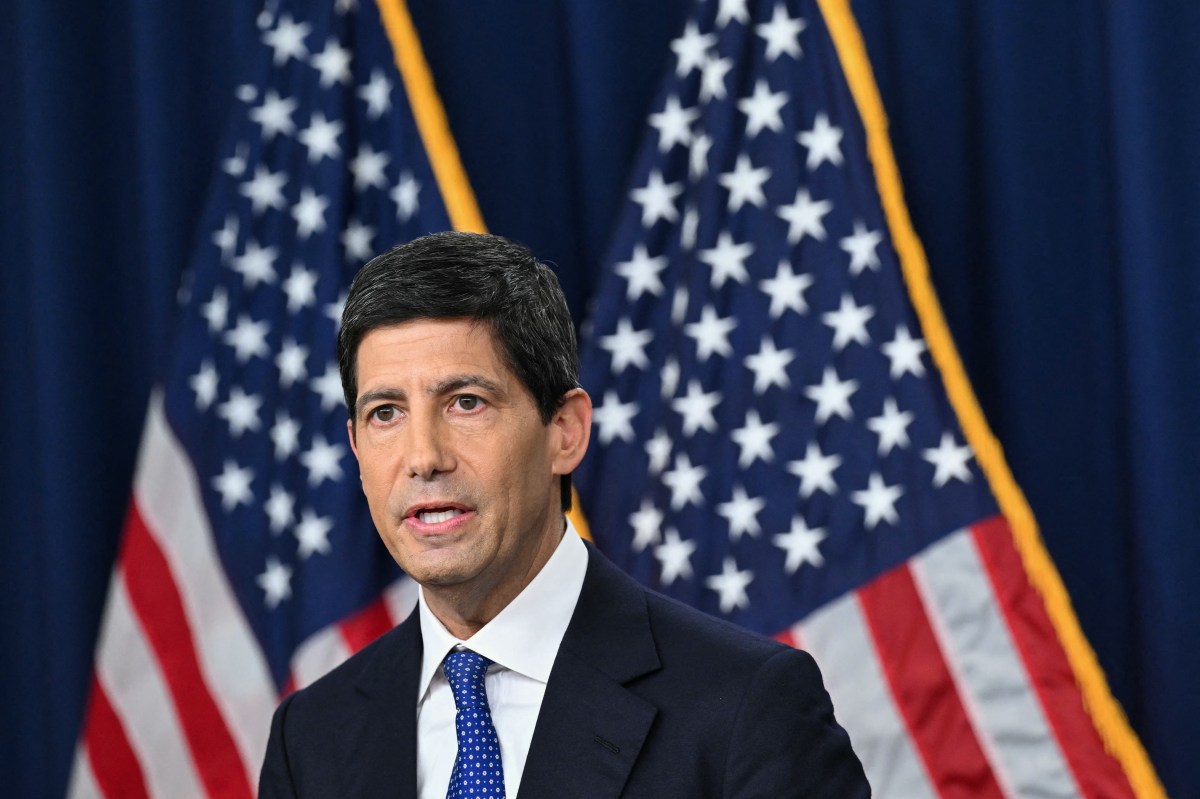
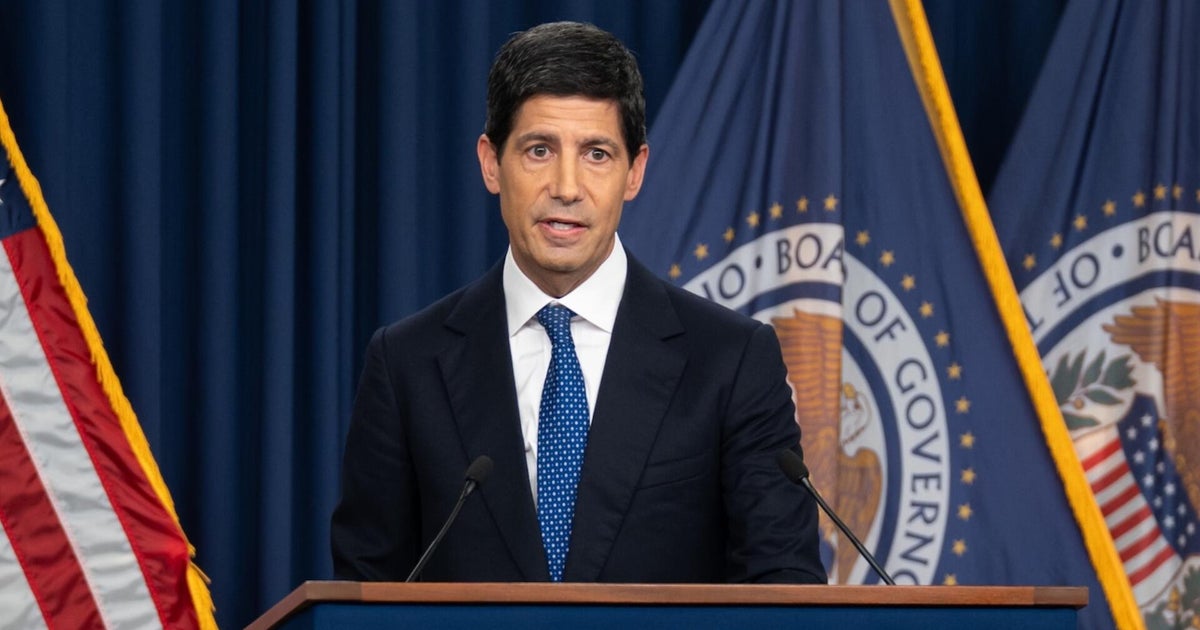
The Federal Reserve has raised interest rates to between 3.75% and 4.00%, the first increase in over three years. This change means people who save money can now earn higher interest, but they should take specific steps to maximize their earnings.
Key Facts
The Federal Reserve raised the federal funds rate to 3.75% - 4.00%.
Higher interest rates can lead to savers earning more on their accounts.
Traditional savings accounts pay very low interest (around 0.38%) and are not ideal now.
Moving money into high-yield savings accounts can increase earnings and offer flexibility.
Certificates of Deposit (CDs) have fixed interest rates that are slightly higher but lock in money for a set time.
Savers should use CDs carefully, avoiding locking in too much money or choosing terms they can’t complete.
Money market accounts offer check-writing ability and interest rates close to high-yield savings accounts.
Other options, like high-yield checking accounts, may also help take advantage of higher interest rates.
Read the Original
Want the full story? Tap a source to open the original
article.
Paying less than the minimum amount on your credit card is considered a late payment. This can result in late fees, continued interest charges, loss of promotional rates, and damage to your credit score if the payment is more than 30 days late.
Key Facts
The minimum payment is the smallest amount you must pay each month to keep your account in good standing.
Paying less than the minimum works as a late payment and may trigger late fees.
Interest will continue to grow on the unpaid balance even if you pay part of the minimum.
Paying less than the minimum can cause you to lose special low-interest rates (promotional APRs) or trigger higher penalty rates.
Credit bureaus usually report late payments only if they are 30 days or more past due, damaging your credit score.
Partial payments do not stop the clock on a late payment; the account must be brought current.
Repeated late or partial payments can lead to account closure or collections.
If you can’t afford the minimum payments, you can contact your credit card company to ask about hardship programs or other help.
Read the Original
Want the full story? Tap a source to open the original
article.
The Federal Reserve raised interest rates by 0.25 percentage points, affecting the economy. This increase could create challenges for U.S. farmers and middle-class Americans by making borrowing more expensive.
Key Facts
The Federal Reserve increased interest rates by 0.25 percentage points.
Higher interest rates can lead to more costly loans for individuals and businesses.
U.S. farmers often rely on loans for equipment and supplies.
The rate hike may raise costs for farmers, impacting their financial health.
Middle America, which includes many working- and middle-class families, may face higher borrowing costs.
The Federal Reserve uses interest rate changes to try to control inflation and stabilize the economy.
This is part of ongoing efforts to address economic concerns in the U.S.
Read the Original
Want the full story? Tap a source to open the original
article.
President Donald Trump threatened to impose serious new tariffs on the European Union if it strengthens trade and political ties with Canada. This threat risks billions of dollars in trade between U.S. states and the EU, especially impacting states that rely heavily on imports from Europe.
Key Facts
The EU plans to make Canada its first associate member, increasing trade and political cooperation.
President Trump called the EU-Canada partnership "laughable" and said he might impose heavy tariffs or stop trading with Europe on many goods.
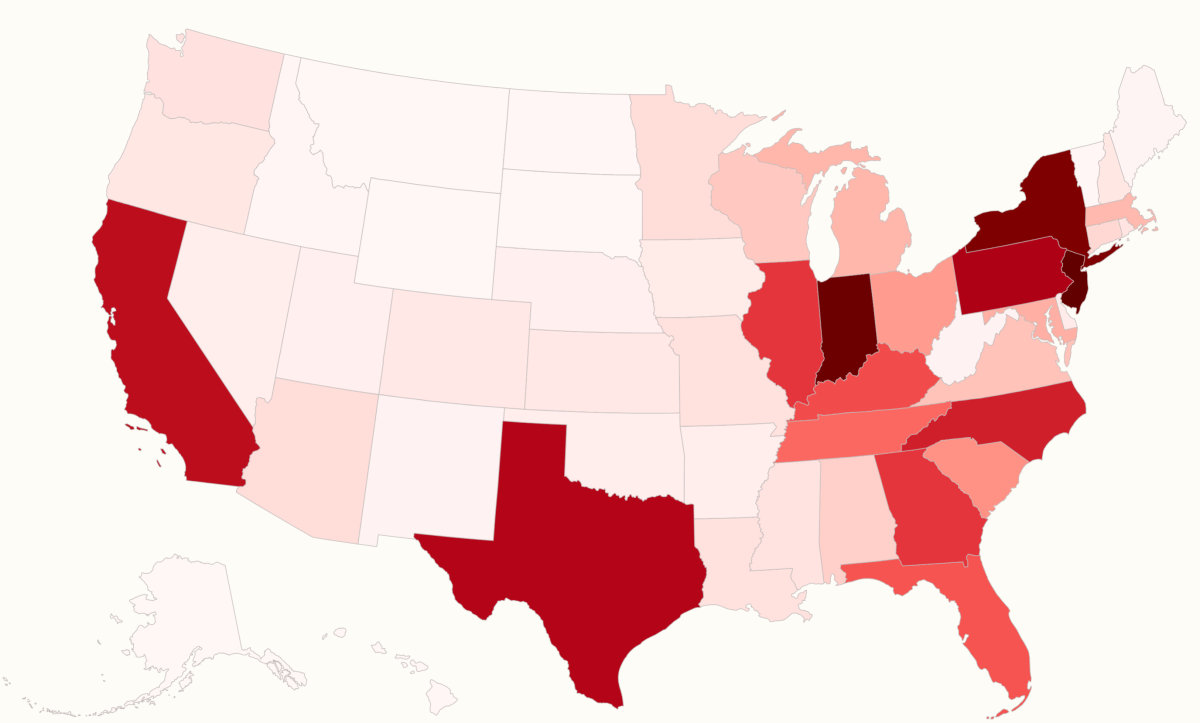
New Jersey is the U.S. state most dependent on EU imports, with over $60 billion worth in 2024.
Indiana, South Carolina, and Rhode Island have the highest share of imports coming from the EU, between 39% and 46%.
Trump previously placed 50% tariffs on about $28 billion of Canadian goods, causing a tit-for-tat response from Canada.
Canada’s Prime Minister Carney supports deeper ties with the EU as a way to protect sovereignty and economic resilience.
U.S. business groups hope the U.S. and Canada can return to negotiations to improve their trade relationship.
The EU’s automobile sector, especially in Germany and central Europe, could suffer most from trade disruptions with the U.S.
Read the Original
Want the full story? Tap a source to open the original
article.
Heather Joseph, head of SPARC, says the Office of Management and Budget should make it clear that researchers can meet government rules on public access by putting their work in free online repositories. This would avoid the need for researchers to pay high fees to publish their articles.
Key Facts
Heather Joseph is the executive director of SPARC, an organization supporting open access to research.
The Office of Management and Budget (OMB) sets rules for how federally funded research must be shared with the public.
Current rules allow for paying article processing charges (APCs) to publish research openly.
Joseph wants the OMB to clarify that researchers can use free repositories instead of paying APCs to follow public access rules.
Free repositories are online places where research papers can be shared without cost.
This change would help reduce the financial burden on researchers and institutions.
The discussion aims to improve access to publicly funded research while managing costs.
Read the Original
Want the full story? Tap a source to open the original
article.
The U.S. Food and Drug Administration (FDA) issued a serious recall for 23 products made by Taylor Fresh Foods that contain jalapeños possibly contaminated with salmonella. The recall affects over 223,000 units distributed in 27 states and is tied to an outbreak causing over 400 illnesses and 57 hospitalizations.
Key Facts
The recall was classified as Class I, the FDA’s highest risk level, meaning the products could cause serious health problems.
Products recalled include jalapeños, guacamole, salsa, dips, a sandwich, shrimp salad, and large food-service containers.
The contamination comes from jalapeños sourced from a grower in Sinaloa, Mexico.
The recall covers sales in 27 states, including North Carolina which was added to the list after FDA enforcement records were reviewed.
As of August 21, the salmonella outbreak linked to the jalapeños caused 431 illnesses and 57 hospitalizations in 32 states, but no deaths.
Most people who got sick (91%) ate at Mexican-style restaurants before falling ill.
Taylor Fresh Foods stopped using jalapeños from the affected supplier and is using other sources.
Consumers are advised to check product names, sizes, and labels carefully and to discard or return recalled items.
Read the Original
Want the full story? Tap a source to open the original
article.
Investors are excited about artificial intelligence (AI) and are putting a lot of money into companies involved with AI. However, putting too much money into AI without careful planning can be risky, as prices might be higher than the actual value of the companies. Experts suggest that investors should spread their money across different types of investments to protect their financial future.
Key Facts
Big tech companies like Microsoft, Alphabet, Amazon, and Meta plan to spend about $760 billion on AI-related infrastructure by 2026.
Many retirement accounts and investment funds may rely heavily on a small group of AI-focused companies.
There is a risk that investors expect too much from AI companies and may lose money if those expectations are not met.
Past technology booms, like the dot-com era, showed that high excitement can lead to overpriced stocks and big losses.
Experts warn that AI investment is not guaranteed to bring consistent profits despite its importance.
Diversifying investments beyond AI-related companies can help reduce financial risk.
Investors should know exactly how much of their money is tied to AI companies and adjust their portfolios accordingly.
Successful investing requires balancing the chance to benefit from AI’s growth while protecting against market downturns.
Read the Original
Want the full story? Tap a source to open the original
article.
Ed Sheeran asked Robert Kraft, an American stadium owner, to donate $2 million to help with a humanitarian crisis in the region. This happened after rapper Macklemore, who was removed from Sheeran’s tour by Kraft, pledged to donate $1 million to Palestinian groups and challenged Kraft to match his donation.
Key Facts
Robert Kraft owns the New England Patriots football team and some stadiums.
Kraft had Macklemore removed as Ed Sheeran’s opening act on the US tour.
Macklemore said he would give $1 million to Palestinian organizations.
Kraft was challenged by Macklemore to match this $1 million donation.
Ed Sheeran called Kraft and asked him to donate $2 million to help the region.
Kraft said Sheeran wants to work with other venue owners to build cooperation.
The situation has caused Sheeran’s tour to be in "damage control mode," meaning they are trying to manage the negative effects.
This story involves music, donations, and efforts to support people affected by a conflict.
Read the Original
Want the full story? Tap a source to open the original
article.
A $50,000 certificate of deposit (CD) with a 5-year term is currently offering interest rates between 4.35% and 4.45%, making it a good option for savers wanting steady returns. If kept for the full term without penalties, this CD could earn between about $11,860 and $12,160 in interest by 2031.
Key Facts
The Federal Reserve recently raised its benchmark interest rate, leading to higher rates on some savings accounts.
5-year CDs currently offer rates from 4.35% to 4.45%, higher than many savings and money market accounts.
A $50,000 5-year CD at these rates would earn between $11,863 and $12,160 in interest if held to maturity.
CD rates are fixed, meaning the interest rate stays the same for the entire 5 years.
Early withdrawal from a CD usually results in a penalty, which can be costly, especially for large deposits.
Many higher CD rates are available from online banks, so shopping around can help find better offers.
CDs offer predictable returns and lower risk compared to investing in stocks or other assets.
This saving option suits those who can leave their money untouched for several years.
Read the Original
Want the full story? Tap a source to open the original
article.
Making a partial payment on a debt usually does not stop debt collectors from calling or trying to collect the remaining balance. Federal rules limit how often collectors can call, and you can ask them to stop contacting you, but this does not erase the debt or stop other collection actions.
Key Facts
Partial payments reduce the amount owed but don’t automatically stop collection calls.
Debt collectors often continue pursuing the remaining balance after a partial payment.
Federal law limits debt collectors to no more than seven calls in seven days about the same debt.
You can send a written request to a debt collector to stop contacting you, but they can still take legal steps.
Stopping contact requests do not remove the debt or prevent negative credit reports.
Making a payment or acknowledging an old debt can restart the time allowed for a debt lawsuit, depending on the state.
It is important to understand your state’s rules on old debts before making payments.
If full payment isn’t possible, it may be better to negotiate payment plans or other options with the collector.
Read the Original
Want the full story? Tap a source to open the original
article.
The Federal Reserve raised its main interest rate to between 3.75% and 4.00%, the highest since last fall, to help reduce inflation. This increase leads to higher mortgage rates, which can make it harder for people to buy or sell homes at their desired prices. President Donald Trump called for lower interest rates to support the economy.
Key Facts
The Federal Reserve raised its benchmark interest rate for the first time in three years.
The new rate range is 3.75% to 4.00%.
Mortgage rates have risen, with the average 30-year fixed mortgage at about 6.76%.
Higher interest rates can cause borrowing to become more expensive for homebuyers and sellers.
Another rate hike may happen before the end of the year.
President Donald Trump wants the Fed to lower rates quickly to help the economy.
The Fed influences mortgage rates but does not directly set them.
Inflation in the U.S. has been above the target for over five years, partly due to rising energy prices from global events.
Read the Original
Want the full story? Tap a source to open the original
article.
CBS Mornings Deals offers special discounts on various products that aim to improve daily life. Shoppers can visit cbsdeals.com to access these deals. CBS earns a commission when purchases are made through their website.
Key Facts
CBS Mornings Deals features exclusive discounts on different items.
These products are designed to help improve everyday living.
Customers can visit cbsdeals.com to find and buy these discounted products.
CBS receives a commission from purchases made on their site.
The deals are promoted as part of CBS News content.
Read the Original
Want the full story? Tap a source to open the original
article.
A federal judge has told Google to change how it runs auctions for online ads. The judge ruled that Google had an illegal monopoly on the technology that links advertisers with website publishers.
Key Facts
A U.S. federal judge named Leonie Brinkema made the ruling.
The judge found Google controls too much of the market for online ad auctions.
The judge ordered Google to adjust its ad auction rules.
The order aims to increase competition between advertisers and publishers.
The judge’s opinion was made public on a Wednesday.
The case is based in a U.S. district court.
The ruling follows an earlier decision from last year.
Google's ad auction system helps decide which ads appear on websites and how much advertisers pay.
Read the Original
Want the full story? Tap a source to open the original
article.
Labor's Home Affairs Minister Tony Burke said the government will improve its current immigration policy instead of cutting migration numbers sharply. He explained that immigration is needed to fill job shortages and support the economy, while targeting migrants to meet Australia's needs.
Key Facts
Tony Burke supports making the existing migration policy work better, not reducing migration drastically.
Cutting migrant numbers too much could harm Australian services and the economy.
Many skilled workers in trades like plastering in Sydney and Melbourne were born overseas.
Business groups agree that immigration is needed to address current worker shortages in many jobs.
Nearly one third of job types in Australia have not enough workers right now.
Labor plans to keep net overseas migration around 225,000 people by 2027-28.
Other parties like One Nation want to reduce migration to as low as 130,000 per year.
The government aims to balance migration numbers with public concerns and economic needs.
Read the Original
Want the full story? Tap a source to open the original
article.
A survey shows that Americans believe they need about $1.2 million saved to retire comfortably. The actual value of this amount changes a lot depending on the cost of living in different places.
Key Facts
Americans think $1.2 million is the amount needed for a good retirement.
This number comes from a survey by Schroeders.
The survey was published earlier this year.
The value of $1.2 million varies depending on where someone lives.
Living costs affect how far retirement savings will go.
Some places are more expensive, so the money doesn’t last as long.
Other areas have lower costs, letting retirees live well on less money.
Read the Original
Want the full story? Tap a source to open the original
article.
A $750,000 annuity can provide retirees with steady monthly payments to help cover their expenses. The exact payment amount depends on the retiree’s age, gender, annuity type, and payout plan, with older retirees typically receiving higher monthly payments.
Key Facts
A $750,000 annuity converts savings into regular income payments, helping retirees plan their money.
In 2026, a 60-year-old man might get about $3,975 per month, while an 80-year-old man might get about $8,625 per month from the same amount.
Women usually receive lower monthly payments because they tend to live longer.
Payments are based on how long the insurance company expects to pay out the annuity.
The type of annuity and contract terms also affect monthly income amounts.
Inflation and changing interest rates impact retirees’ income and expenses.
Other income sources like Social Security or pensions often complement annuity payments.
Monthly payment estimates are not guaranteed and vary by insurer, state, and rate environment.
Read the Original
Want the full story? Tap a source to open the original
article.
The Federal Reserve has raised interest rates for the first time since 2023. This decision may affect how much Americans pay to borrow money, including loans and credit cards.
Key Facts
The Federal Reserve increased interest rates recently.
This is the first rate hike since 2023.
Higher interest rates usually make borrowing more expensive.
This can impact personal loans, credit cards, and mortgages.
The change aims to control inflation and stabilize the economy.
Americans may notice higher monthly payments on debts.
The Federal Reserve uses interest rate changes to influence the economy.
Read the Original
Want the full story? Tap a source to open the original
article.
The article explains how a rise in interest rates affects people's finances. It discusses the impact on personal budgets and borrowing costs for Americans.
Key Facts
Interest rates have increased.
Higher interest rates make borrowing money more expensive.
Monthly payments on loans and credit cards may go up.
Savings accounts may earn more interest.
Rising rates can affect mortgage costs and car loans.
The article aims to help people understand how these changes influence their wallets.
Read the Original
Want the full story? Tap a source to open the original
article.
A popular type of squishy toy for children has been recalled because it poses a risk of serious injury or death. Federal regulators are worried about something inside the toys that can be dangerous.
Key Facts
A popular squishy toy for kids is being recalled.
The recall is due to safety concerns from federal regulators.
The danger comes from something inside the toy, not the outside.
The toy could cause serious injury or even death.
The recall aims to protect children who use these toys.
Details about the toy or the hazardous contents were not provided in the article.
Read the Original
Want the full story? Tap a source to open the original
article.
Mortgage interest rates have risen following the Federal Reserve's recent increase in interest rates to between 3.75% and 4.00%. As of September 17, 2026, the average 30-year mortgage rate is 7.37%, higher than earlier this year, affecting decisions on buying and refinancing homes.
Key Facts
The Federal Reserve raised its benchmark interest rate for the first time in over three years to 3.75%-4.00%.
This rate hike aims to reduce inflation, which has been above the 2% target.
The average 30-year mortgage rate is currently 7.37%, and the average 15-year rate is 6.62%.
These mortgage rates are about two percentage points higher than in early March 2026.
Refinance rates are 7.41% for 30-year loans and 6.75% for 15-year loans, also higher than six months ago.
Borrowers with good credit, large down payments, or adjustable-rate mortgages might find lower rates.
Refinancing may still be beneficial if borrowers can lower their rate by about 0.5% or more.
Homebuyers and homeowners are encouraged to shop around and analyze their options before deciding.
Read the Original
Want the full story? Tap a source to open the original
article.