Texas is facing a large surplus of homes for sale, which is causing home prices to drop in many parts of the state. This surplus happened because Texas built a lot of new houses during 2020-2024, but fewer people are moving there now and higher mortgage rates have made buying homes more expensive.
Key Facts
Texas gained over 2.1 million people from 2020 to 2024, sparking a big increase in new home construction.
Builders created many new homes when mortgage rates were low (around 3%), but rates have since risen to about 7%.
The number of homes for sale in Texas is about twice as many as are being bought each month.
Nearly half (48%) of homes listed in Texas have had their prices cut to try to attract buyers.
Home sales in Texas fell by 4% in July compared to the previous year.
Since August 2022, Texas housing prices have dropped by around 9%, and home inventory has increased by over 76%.
Texas cities like Dallas, Houston, Austin, and San Antonio contributed about 15% of all new homes built in the U.S. since 2020.
The housing market slowdown in Texas is called a "correction," but some experts warn it could worsen as buyers struggle with high prices and mortgage costs.
Read the Original
Want the full story? Tap a source to open the original
article.
The U.S. Securities and Exchange Commission (SEC) introduced a new order called the "innovation exemption" to promote tokenized stock trading. This order gives a five-year exemption for platforms that trade tokenized stocks, so they don't have to follow some of the usual rules for stock exchanges.
Key Facts
The SEC released the "innovation exemption" to support tokenized stock trading in the U.S.
Tokenized stock trading means using digital tokens to represent shares of stock.
The order provides two five-year exemptions related to tokenized stock trading platforms.
One exemption means these platforms are not classified as stock exchanges by the SEC.
These exemptions aim to help new technology develop in the stock trading market.
The policy is intended to encourage innovation while maintaining some regulation.
Read the Original
Want the full story? Tap a source to open the original
article.
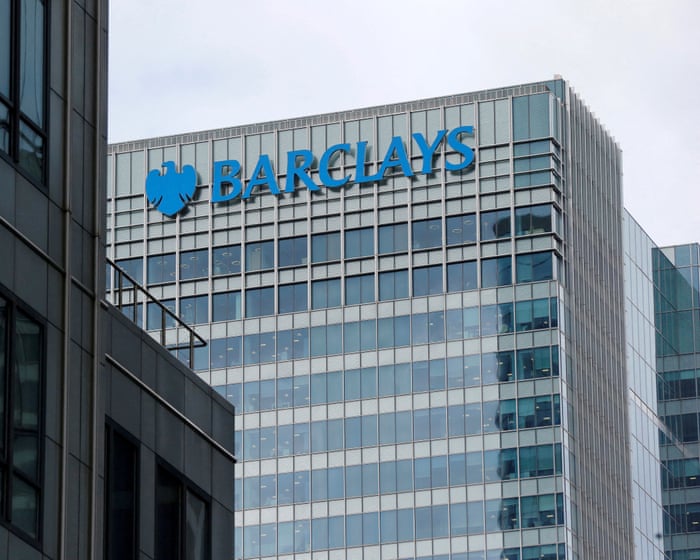
Barclays wants its employees to work in the office at least three days a week starting next month, up from the current two days. Thousands of Barclays staff and their union are asking the bank to keep the more flexible work-from-home rules and make some exceptions for travel and childcare costs.
Key Facts
Barclays plans to increase office work to a minimum of three days per week for most staff.
The union Unite represents 36,000 Barclays workers and is opposing this change.
Staff and the union have signed a letter asking Barclays to reverse its decision.
The union’s demands include exceptions for long commutes and extra support for childcare.
Barclays says that office days vary by team, with some, like investment bankers, already working five days in the office.
The bank emphasizes balancing flexible work with in-person collaboration.
Other companies like Amazon and JP Morgan have also required more office attendance after the pandemic.
The pandemic led many companies to allow working from home, but now some want employees back in offices more often.
Read the Original
Want the full story? Tap a source to open the original
article.
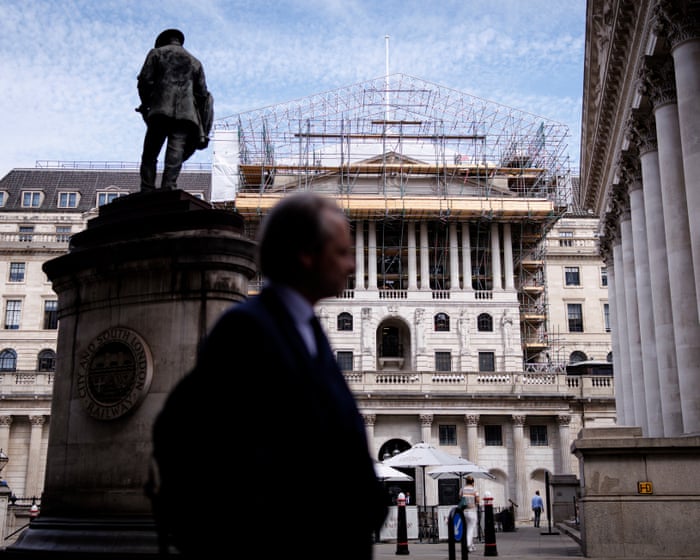
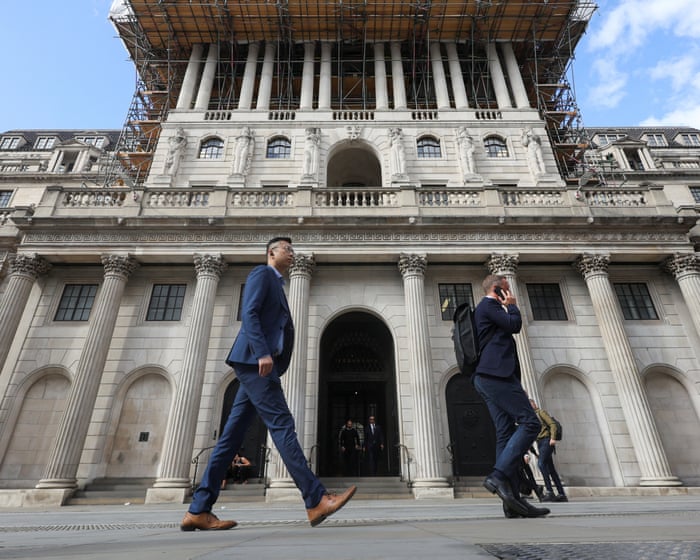
The Bank of England kept interest rates at 3.75% but warned it might raise them soon due to ongoing conflict in the Middle East. Rising oil prices and inflation are creating challenges for the UK economy and government efforts to ease the cost of living.
Key Facts
The Bank of England’s monetary policy committee decided to keep interest rates steady at 3.75% for now.
The Bank governor, Andrew Bailey, said if the Middle East conflict continues, interest rates may need to rise.
Inflation in the UK reached 3.1% in August, driven by higher fuel prices.
The Bank expects inflation to be above 4% in early 2027.
Energy prices have increased global costs and put pressure on Europe and Asia.
UK mortgage rates have already increased due to expectations of higher inflation.
New Prime Minister Andy Burnham introduced measures to help with the cost of living, like capping bus fares and reducing VAT on electricity.
Higher inflation, energy costs, and borrowing rates may outweigh those government efforts.
Read the Original
Want the full story? Tap a source to open the original
article.
Some gas stations in the U.S. have run out of diesel fuel, causing concern as diesel prices rise. However, data from fuel experts shows these shortages are limited to a few stations and not a national problem.
Key Facts
Pictures of stations without diesel have appeared on social media from places like North Texas and Florida.
Diesel prices are high partly because of conflicts in the Middle East affecting oil shipping.
The U.S.-Israel war in Iran has disrupted shipping through the Strait of Hormuz, a key route for global oil.
Shipping traffic through the Strait of Hormuz has dropped due to attacks and fighting since February.
Patrick De Haan from GasBuddy says there are no widespread diesel shortages in the U.S. based on their data.
Temporary diesel shortages at some stations can happen because of local demand or delivery delays.
Claims of widespread diesel outages are exaggerated and based on isolated cases.
Read the Original
Want the full story? Tap a source to open the original
article.
Many U.S. states and Congress are working on rules about who should pay for the electricity needed by large data centers that support AI companies like Meta, Google, and Microsoft. A new bill passed by the House suggests that very large electricity users should pay for the power plants and grid upgrades they require, instead of passing the cost to regular homes and small businesses.
Key Facts
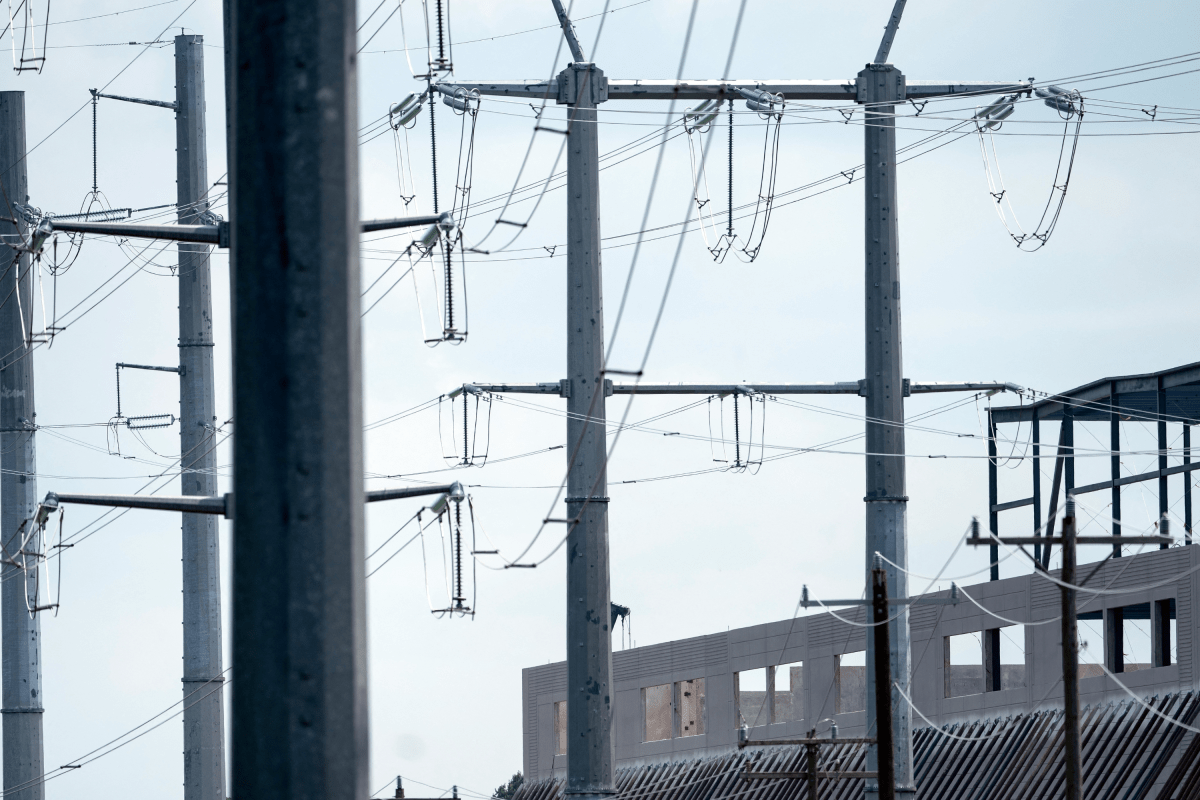
Large data centers use a lot of electricity, causing high costs for power plants, substations, and transmission lines.
The House passed the Ratepayer Protection Act with a 417-3 vote to protect small customers from these costs.
The bill targets businesses or organizations using 100 megawatts or more of power at one location.
It requires these large users to pay the full cost for any new electricity infrastructure they need.
State utility regulators will review and decide whether to adopt the new standard; it does not force a single federal rule.
Data centers consumed about 4.4% of U.S. electricity in 2023, with consumption expected to grow by 2028.
Some states, like Florida, Oregon, Virginia, and Texas, already require large electricity users to pay infrastructure costs.
The bill aims to prevent higher electricity rates for homes and small businesses if large users reduce or delay usage.
Read the Original
Want the full story? Tap a source to open the original
article.
India’s government will start charging a 0.4 percent fee on Unified Payments Interface (UPI) transactions over 2,000 rupees ($21) made to businesses, beginning October 15. The fee aims to help cover the cost of running the digital payment system but has raised concerns among merchants about higher costs.
Key Facts
UPI is India’s digital payment system that allows instant, free payments through apps and QR codes.
From October 15, a 0.4% fee (capped at 300 rupees or about $3.13) will apply to business transactions above 2,000 rupees ($21).
Person-to-person UPI payments will remain free of charge.
A flat fee of 5 rupees ($0.05) will be charged for payments for some services like fuel, train tickets, and telecom bills.
The fee is called the Merchant Discount Rate (MDR) and shifts payment infrastructure costs to businesses.
The government bans businesses from passing the fee directly to customers, but some merchants have started charging extra to cover costs.
UPI processes nearly half of all global real-time digital payment transactions, with 24.51 billion transactions in one month worth over $10 billion daily.
UPI has been adopted in 10 countries, including Singapore, UAE, France, Sri Lanka, and Qatar.
Read the Original
Want the full story? Tap a source to open the original
article.
The Bank of England kept interest rates steady at 3.75% but warned that ongoing conflict in the Middle East could lead to future rate increases to control inflation. It also announced a plan to sell £146 billion of UK government bonds back to the Treasury, aiming to manage market stability and public finances ahead of the next budget.
Key Facts
The Bank of England’s base interest rate remains at 3.75%.
The ongoing Middle East war has caused energy prices to rise, increasing inflation risks.
Inflation in the UK is expected to reach 4% by early next year due to higher energy costs.
The Bank’s rate-setting committee voted 6-3 to keep rates unchanged.
The Bank plans to sell £146 billion of government bonds to the Treasury by 2034.
Selling bonds back to the Treasury is a new move to reduce market instability and public finance pressures.
The Bank paused its current program of selling bonds to investors until a deal with the government is reached.
This bond sale is part of the Bank’s quantitative tightening, reversing earlier bond-buying during financial crises.
Read the Original
Want the full story? Tap a source to open the original
article.
This article explains how artificial intelligence (AI) might affect your money and investments. It gives advice on how to protect your finances from possible ups and downs in the market because of AI changes.
Key Facts
AI is a popular topic right now and many people wonder how it will impact their finances.
The article discusses what AI means for your investment portfolio (the collection of your investments).
It offers tips on how to guard your money against possible market changes caused by AI developments.
The article also includes advice on preparing for major career changes related to AI.
The information is presented by Jill and Mark on CBS News’ Money Moves segment.
Read the Original
Want the full story? Tap a source to open the original
article.
Inflation is rising again because oil prices have gone over $100 a barrel due to ongoing conflicts in the Middle East. Central banks are now thinking about raising interest rates, even though this can slow economic growth, to help manage higher energy costs affecting families and businesses.
Key Facts
Oil prices surged past $100 a barrel recently.
The Iran war has been ongoing for six months, disrupting the Strait of Hormuz, a key oil route.
Advances by the Houthi movement threaten Saudi Arabia’s oil supply.
Energy costs are increasing household and business expenses.
Central banks usually did not raise interest rates after oil price shocks before.
Raising interest rates now could slow economic growth but might help control inflation.
Policymakers are reconsidering past decisions because of these new challenges.
Read the Original
Want the full story? Tap a source to open the original
article.
A new virtual queuing system for visitors with disabilities will be introduced first at Alton Towers and later at other Merlin theme parks. The system allows users to wait for rides via an app instead of physical lines, and disability groups have praised the improvements.
Key Facts
The new Ride Access Pass (Rap) system will start at Alton Towers at the end of the year.
It will later be used at other Merlin parks, such as Thorpe Park and Legoland Windsor.
The virtual system lets visitors queue through an app and get notified when their turn is near.
The eligibility for the Rap remains the same for people with physical, emotional, or learning needs.
The system was created with input from disability charities and groups like the National Autistic Society and Scope.
The previous plan to limit physical Rap use for some conditions caused public backlash and was paused.
The new virtual queue means pass holders wait the same time as others but can wait in more comfortable places.
Merlin aims to improve visitor experience and make parks more inclusive for people with disabilities.
Read the Original
Want the full story? Tap a source to open the original
article.
In Castletown, Isle of Man, many shops are closing because fewer people are visiting the town center. Local business owners and residents say that parking problems, high costs to start and run shops, and the rising cost of living are major problems affecting both businesses and customers.
Key Facts
Castletown, the ancient capital of the Isle of Man, is seeing a sharp decline in the number of open shops.
A tearoom owner said she is the only shop left open on one street, showing how many have closed.
Lack of parking spaces, especially in Market Square, has reduced the number of visitors coming to shop.
Some business owners feel there is no clear plan to improve parking and accessibility for shoppers.
High rents may be making it hard for new shops to open or stay open.
Residents note that tourists arrive but find fewer shops to visit.
Rising living costs are putting pressure on local people, especially pensioners and families.
Some residents want the government to help by making it easier and cheaper to start and keep businesses running.
Read the Original
Want the full story? Tap a source to open the original
article.
An old railway station house in Bleasby, Nottinghamshire, is up for auction and has gained attention for its eerie atmosphere. The house, which dates back to the 1840s, features original brickwork and has not been updated for many years. The listing photos, especially one showing a "creepy doll" in a bedroom, have sparked public interest and increased attention on social media.
Key Facts
The house was the home of station masters from the 1840s when the railway station opened.
It has been empty for some time, and downstairs windows were boarded up due to break-ins.
Auction staff found the house unsettling due to lack of light and eerie decor like the doll and an old pram.
The house was featured on a TikTok account called Housing Horrors, which shares unusual property listings.
Despite its spooky reputation, the property has attracted strong interest from potential buyers.
The house maintains original features like brickwork and design untouched for many years.
The auction is scheduled for 28 September.
Comments on social media show some people want to buy the house for fun or find it a good deal.
Read the Original
Want the full story? Tap a source to open the original
article.
Barclays plans to require most staff to work at least three days a week in the office starting in October, with senior staff coming in at least four days. Thousands of unionized employees are protesting and asking for travel cost support and exceptions for those living far away.
Key Facts
Barclays wants staff back in the office at least three days weekly from October.
Senior employees are expected to be in the office at least four days a week.
Currently, staff must work in the office two days a week.
Unite union represents nearly 80% of Barclays’ 45,000 UK workers.
Thousands of employees signed a letter opposing the return-to-office rules.
Union asks for payouts to help with travel and exceptions for long commutes over 40 minutes.
Other big banks like JP Morgan have also tightened work-from-home rules after the pandemic.
Barclays says office time rules vary by department and senior leaders need more in-person presence for teamwork and leadership.
Read the Original
Want the full story? Tap a source to open the original
article.
The US Federal Reserve raised its main interest rate by 0.25% for the first time in three years. This decision was made by the new Fed Chair Kevin Warsh, even though President Donald Trump wanted lower rates.
Key Facts
The interest rate was increased by 0.25 percentage points.
This is the first rate hike in three years by the Federal Reserve.
Kevin Warsh is the new Chair of the Federal Reserve.
President Donald Trump preferred to keep interest rates lower.
The rate hike affects consumer banks and bond markets.
The Federal Reserve's decision signals concern about rising inflation.
The article also mentions recent AI misconduct revelations by OpenAI, showing concerns about AI control.
The rate change is part of the Fed’s efforts to manage the economy and inflation.
Read the Original
Want the full story? Tap a source to open the original
article.
Top AI experts and leaders have called for slowing down AI development due to potential risks, causing concern that this could slow the U.S. economy. The close link between AI investments and the stock market means changes in AI development might impact economic growth and job markets.
Key Facts
Leading AI figures, like OpenAI’s Sam Altman and Anthropic’s Dario Amodei, warn rapid AI advances may create dangerous AI systems.
Some experts urge governments and companies to slow AI progress to build safety measures.
President Donald Trump has dismissed fears about AI risks and supports continuing development to compete with China.
About one-third of the S&P 500 stock index value is tied to seven big tech companies heavily involved in AI.
Investors worry a slowdown in AI growth could cause a stock market drop similar to the Dot-Com Crash.
Fitch Ratings warns a big drop in AI spending and stock prices could trigger a U.S. economic recession.
Recent stock market drops reflect investor concerns about future AI growth, not confirmation of an AI bubble bursting.
AI infrastructure development is important for the economy, so slowing AI investment could affect jobs and financial growth.
Read the Original
Want the full story? Tap a source to open the original
article.
A new book by economists Owen Zidar and Eric Zwick shows that many millionaires in the U.S. are small business owners, like dentists or HVAC contractors, rather than tech or finance workers. These "everywhere millionaires" have built wealth mainly through their own businesses, making up a large part of the country’s rich people.
Key Facts
There are about 5 million U.S. households with at least $5 million in wealth.
These millionaires often own small or local businesses, such as dental offices or HVAC companies.
Their combined wealth is over 13 times greater than that of the Forbes 400 richest Americans.
Most did not inherit wealth but built it themselves by running their businesses.
These businesses often use tax structures called "pass-through" entities, like sole proprietorships or partnerships.
About 3 million of these millionaires own private businesses with an average wealth of $25 million.
Unlike the very wealthy in Silicon Valley or Wall Street, these millionaires are spread across the country and have more typical, physical businesses.
The typical millionaire is around 62 years old, married, and slightly more likely to have a college degree than average.
Read the Original
Want the full story? Tap a source to open the original
article.
Sugar prices in India have risen sharply this year due to lower sugar production caused by less sugarcane planting, lower rainfall from El Nino, and other factors. This increase is affecting the cost of sweets, which are important for festival celebrations like Diwali, making it harder for people to afford traditional treats.
Key Facts
Sugar prices reached up to 75 rupees ($0.79) per kilogram in some markets, almost double the price from September 2025.
India’s festival season, including Diwali, creates high demand for sweets that contain 30-60% sugar by weight.
India is the world’s largest consumer and second-largest producer of sugar.
Expected sugar production for 2025-26 is about 30.6 million tonnes, 11% less than earlier estimates.
The sugar shortage is mainly due to less sugarcane planting, bad weather from El Nino, and some farmers switching to other crops.
The government says hoarding has worsened the sugar shortage.
Farmers also say high labor costs and low profits from sugarcane farming reduce their incentive to grow it.
The government denies that diverting sugarcane to ethanol production is causing the price rise.
Read the Original
Want the full story? Tap a source to open the original
article.
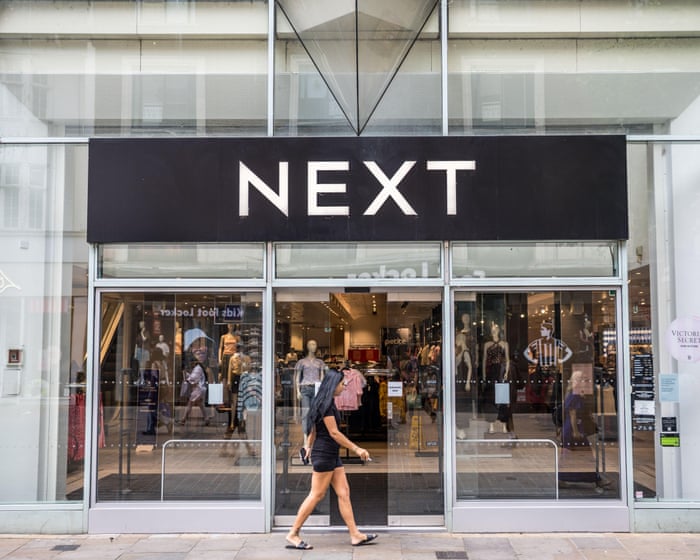
Next, a UK clothing retailer, raised its profit forecast for the fourth time this year after warmer weather increased sales. The company reported a 9% rise in sales and an 11% increase in pre-tax profits in the first half of the year, helped by cost-cutting and strong online demand.
Key Facts
Next raised its full-year profit forecast by £12 million to £1.26 billion.
Total sales grew by 9% in the six months to July.
Pre-tax profits rose 11% to £566 million in the first half of the year.
Warmer UK weather during two summers helped boost sales.
Next owns UK rights to US brands like Gap and Victoria’s Secret.
The company cut costs mainly in its warehouses.
Next uses AI but focuses on human-led fashion design for creativity.
Rising inflation and potential tax increases are concerns for the company’s future.
Read the Original
Want the full story? Tap a source to open the original
article.