New Jersey lawmakers have passed the Fair Price Protection Act to stop retailers from using shoppers’ personal data to charge different prices for the same grocery items. The bill now waits for Governor Mikie Sherrill’s signature and would ban using data collected through electronic surveillance and other sources to set individualized food prices.
Key Facts
The New Jersey Senate approved the Fair Price Protection Act by a 22-14 vote; the Assembly passed it 51-20-1.
The bill bans retailers and grocery delivery services from using personal data to charge different prices for the same products.
Personal data includes information gathered through electronic surveillance, biometric monitoring, and genetic data.
The bill includes a one-year pause on new electronic shelf labels while their role in surveillance pricing is studied.
Democrats support the bill, calling surveillance pricing a form of consumer fraud that hurts families.
Republicans oppose the bill, warning it may end loyalty programs and personalized discounts.
The bill allows promotions for broad groups like teachers and seniors and does not ban all discounts.
Maryland and Connecticut have similar laws, and New York has a pending bill on this issue.
Read the Original
Want the full story? Tap a source to open the original
article.
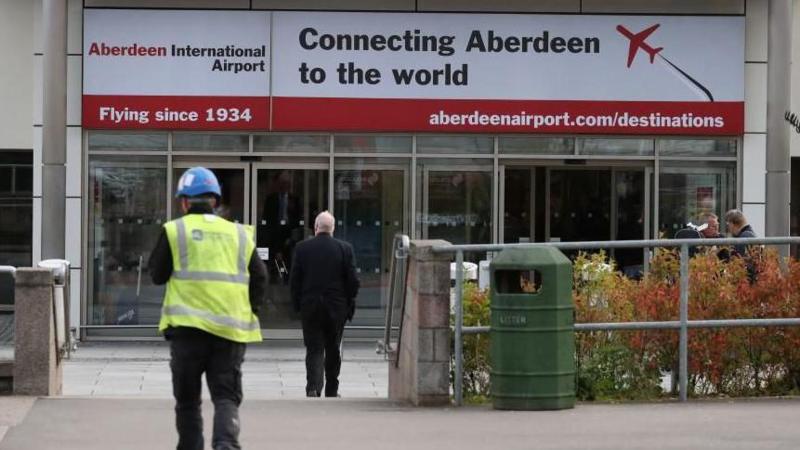
Security staff at Aberdeen Airport, who handle baggage checks, plan to strike for 14 days because pay talks with their employer ICTS HBS Security have failed. The strike could cause major delays at the airport, and the union urges the company to resume negotiations to avoid disruption.
Key Facts
The strike will last 14 consecutive days starting Monday.
The workers involved are mainly baggage screening staff.
The union representing them is Unite.
Pay negotiations between Unite and ICTS HBS Security broke down despite help from Acas, a government service that tries to resolve disputes.
Similar strikes were avoided recently at Glasgow and Edinburgh airports after pay deals were reached.
Unite warns the strike will cause significant delays at Aberdeen Airport.
The union says ICTS is a profitable company that can afford to increase pay.
Both Aberdeen Airport and ICTS have been asked to comment but no public response is noted.
Read the Original
Want the full story? Tap a source to open the original
article.
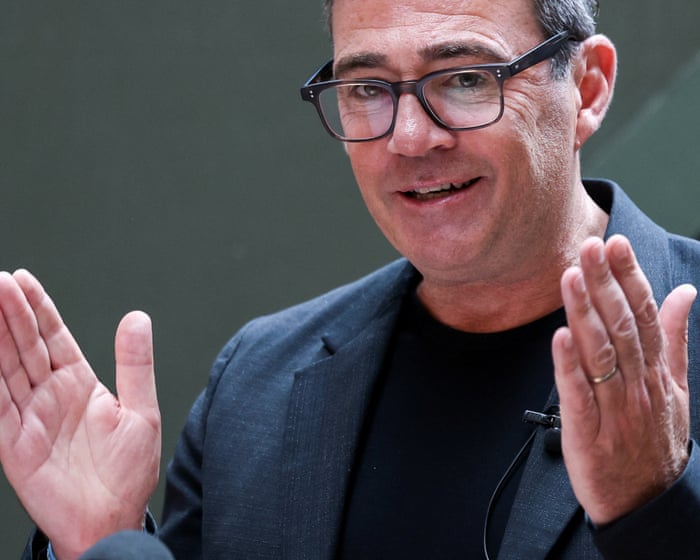
Andy Burnham, expected to become the next UK prime minister, faces challenges in managing the country’s finances due to global energy issues, higher borrowing costs, and rising spending demands. The government has some budget space left but must carefully balance extra defence spending and other costs while sticking to existing fiscal rules.
Key Facts
Burnham plans to follow Labour’s fiscal rules and 2024 manifesto promises.
The previous chancellor set a £23.6 billion budget “headroom” to balance daily spending within five years.
Recent factors like the Iran war and increased defence spending have reduced this buffer.
The outgoing prime minister added £15 billion in defence spending over four years without clear funding plans.
£10.3 billion of the defence costs is to be covered by moving funds within government departments.
The remaining £4.7 billion will need to be found in the autumn budget, causing a yearly shortfall of about £1.2 billion.
The impact of the Iran war on the UK economy may be smaller than first feared due to lower oil prices and bond yields.
The Bank of England’s decisions and Burnham’s budget choices will influence borrowing costs and market reactions.
Read the Original
Want the full story? Tap a source to open the original
article.
The demand for affordable horse boarding, called retirement livery, has grown a lot because many horse owners cannot afford rising costs. Padwick Farm in Staffordshire offers livery at less than half the usual price to help owners keep their horses instead of euthanizing them.
Key Facts
Livery means paying to board and care for horses in stables.
Costs for typical livery average about £800 a month, but Padwick Farm charges less than half of that.
There has been a 60% increase in livery bookings at Padwick Farm over the past five years.
Rising costs of hay, grass seed, vet visits, and farrier services make horse care difficult for many owners.
More than 80% of UK horse owners worry about the costs of keeping their horses.
Around 5% of owners have considered euthanizing their horses due to financial problems.
Padwick Farm aims to give horses a relaxed life without riding pressure and support owners with lower fees.
The British Horse Society says owners spend about £5,350 a year on direct horse care costs.
Read the Original
Want the full story? Tap a source to open the original
article.
Olivia Prince started selling clothes from her grandmother’s house during the Covid pandemic, and her business, Murci, has grown to a company making £10 million a year. The brand gained attention after being featured on the TV show Love Island and now has 35 employees and a distribution center in the US.
Key Facts
Olivia Prince founded the womenswear brand Murci while working as a receptionist during the Covid pandemic.
She began by buying and reselling clothes online from her grandmother’s house in Manchester.
Murci became well known after Love Island contestant Millie Court wore its clothes in 2021.
The business grew quickly, selling over 1,000 items of some designs in a single day.
Murci now employs 35 people and has moved to a larger headquarters in Manchester.
Olivia’s family helped from the start, with her mother and grandmother assisting with packaging and labeling.
Olivia’s brother set up a US distribution center to handle expanding sales in America.
The company was ranked among the 20 fastest-growing businesses in the UK by The Times.
Read the Original
Want the full story? Tap a source to open the original
article.
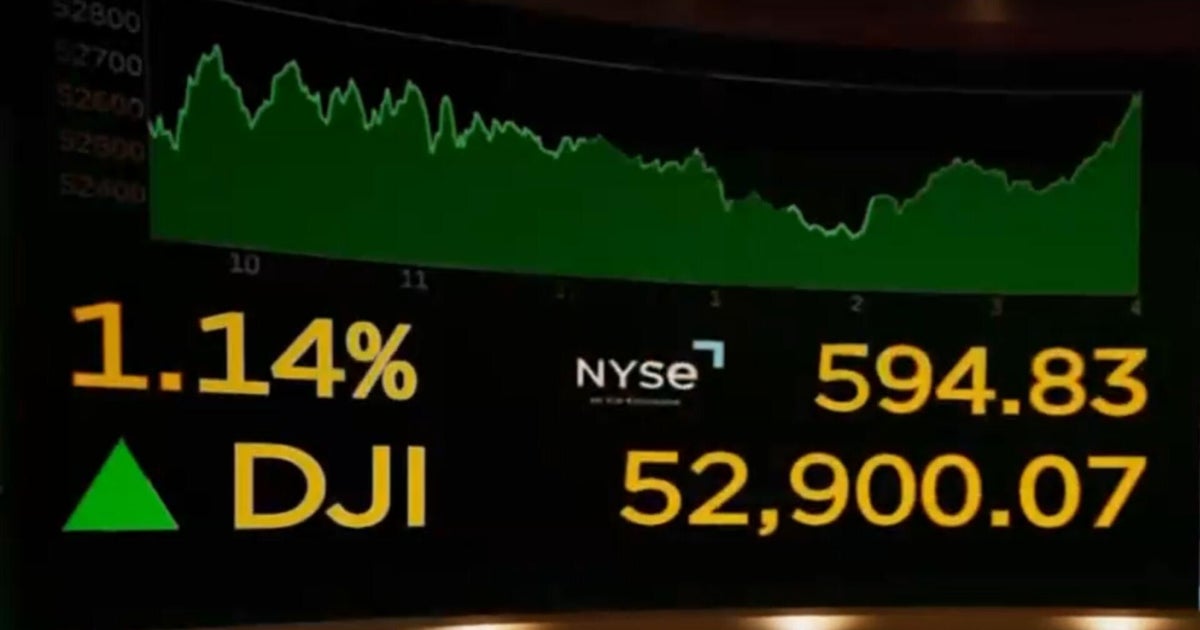
Asian stock markets rose after the Dow Jones in the U.S. hit a new record, with some artificial intelligence (AI) related stocks recovering while others continued to lose value. U.S. job growth slowed but remained positive, which might ease inflation and reduce the need for higher interest rates this year.
Key Facts
The Dow Jones Industrial Average reached a new high of 52,900.07.
South Korea’s Kospi index recovered 2.8% after a big drop the day before.
Samsung Electronics rose 7%, and SK Hynix went up 4.9%.
The Tokyo Nikkei 225 climbed 0.9%, while Tokyo Electron fell 2.5% and Kioxia jumped 6.6%.
U.S. employers added 57,000 jobs in the last month, fewer than expected but still positive.
Lower job growth might help slow inflation, possibly limiting interest rate rises by the Federal Reserve.
Some chipmakers like Micron Technology and Nvidia saw their stock prices fall sharply.
Bitcoin and crypto-related stocks, such as Robinhood and Coinbase, increased after Bitcoin’s price rose about 2%.
Read the Original
Want the full story? Tap a source to open the original
article.
A California farmer named Cesar Mora is giving away white nectarines for free after being sued by a fruit company that claims it has exclusive rights to sell this type of nectarine. The lawsuit is about whether Mora broke a contract by selling the fruit to others, with a trial scheduled soon.
Key Facts
Cesar Mora, a farmer in Reedley, California, is giving away free white nectarines to avoid wasting them.
Mora has given away more than 100,000 pounds of nectarines since the giveaway started.
Giumarra Brothers Fruit Co. sued Mora, claiming exclusive rights over the white nectarine variety called "Monalise."
Giumarra says it owns sublicensing rights for the Monalise nectarines, which are sweeter and less tart.
Mora faces accusations of breaking a contract by selling nectarines outside the company’s approved packers.
Mora has accused Giumarra of unfair and dishonest business tactics.
The dispute will be settled in court, with a trial set for later in July 2026.
The case reflects wider conflicts between individual farmers and companies holding exclusive rights to certain plant varieties.
Read the Original
Want the full story? Tap a source to open the original
article.
Indonesians are opposing a German cement company, Heidelberg Materials, which plans to build a limestone mine and cement factory in Central Java’s Kendeng Mountains. The local community and activists say the project could harm the environment and their livelihoods, and they have filed a complaint under Germany’s supply chain law, which aims to protect human rights and the environment in global business operations.
Key Facts
Heidelberg Materials is a major German cement producer planning a mine and factory in Kendeng Mountains, Central Java, Indonesia.
Locals and environmentalists worry the project will damage a rare karst ecosystem and hurt Indigenous peoples’ ways of life.
The company says it gathered feedback from local communities during the project approval process.
No final decision has been made by the company about starting the project.
The complaint uses Germany’s supply chain law, which holds companies responsible for human rights and environmental protections overseas.
This is the first Indonesian case using the German supply chain law.
Other European countries are preparing similar laws to regulate their companies’ global supply chains.
Similar legal actions are happening against European companies like Adidas and Shell in Asia, increasing risks for these businesses.
Read the Original
Want the full story? Tap a source to open the original
article.
Canadian Prime Minister Mark Carney has reached an agreement with British Columbia to build a large oil pipeline. The pipeline will carry oil from Alberta to the west coast, allowing Canada to export more oil to Asian markets and rely less on the United States.
Key Facts
The pipeline will carry about 1 million barrels of oil per day from Alberta across British Columbia to the Pacific coast.
This pipeline aims to open new export markets for Canadian oil, especially in Asia.
The project follows a route similar to the existing Trans Mountain pipeline corridor.
Alberta and the federal government are partnering with energy companies like Pembina Pipeline on the pipeline.
British Columbia has agreed to keep a tanker ban on its northern coast to protect the environment.
The province will be compensated for environmental risks from the pipeline on the southern coast.
Alberta plans to double its oil production to 8 million barrels per day in 10-15 years.
The pipeline strategy is part of Canada’s effort to reduce economic reliance on the United States amid trade tensions under President Donald Trump.
Read the Original
Want the full story? Tap a source to open the original
article.
South Korea is experiencing a large increase in wealth due to the success of companies making chips used in artificial intelligence (AI). While some workers and investors are earning big bonuses and profits, many people are not benefiting, leading to discussions about how to share this wealth more fairly.
Key Facts
South Korea is a major producer of AI chips, with Samsung Electronics and SK Hynix leading the market.
These companies' profits are expected to increase nearly seven times this year.
Workers at these firms are receiving very large bonuses, sometimes thousands of percent of their monthly salary.
Stock markets in South Korea have reached record highs because of these companies.
Luxury sales and housing prices near chip factories have increased significantly.
Some ordinary investors have gained huge returns by buying shares in these companies.
Experts and politicians are debating ways to share the wealth more evenly, such as through taxes or direct payments to citizens.
The government and companies acknowledge the role of past state support in building the chip industry.
Read the Original
Want the full story? Tap a source to open the original
article.
Taylor Swift and Travis Kelce together donated $26 million to support 20 different charities. They made this announcement just before a rehearsal dinner event involving 100 people at Madison Square Garden.
Key Facts
Taylor Swift and Travis Kelce donated a total of $26 million.
The donations were given to 20 different charities.
The announcement was made on a Thursday.
The announcement came hours before a large rehearsal dinner.
The rehearsal dinner was held at Madison Square Garden.
About 100 people attended the rehearsal dinner.
The news was reported by CBS News and Jo Ling Kent.
Read the Original
Want the full story? Tap a source to open the original
article.
Many couples now ask wedding guests to give money for specific experiences like honeymoons instead of traditional physical gifts. The amount guests give varies widely depending on their relationship to the couple and personal budgets, with averages around £50 to £400.
Key Facts
Couples often request money gifts for honeymoons rather than traditional presents.
Wedding list service Prezola says the average guest contributes about £116.
Some guests give between £250 and £400 when closer to the couple or able to afford it.
One couple received £4,000 in total gifts for their wedding.
Couples sometimes use QR codes on invitations or at the venue to collect money gifts.
Average UK honeymoon spending is about £4,000.
Some guests still prefer to give physical gifts, like champagne or vouchers.
Cash gifts can feel impersonal to some guests, who prefer giving meaningful physical presents.
Read the Original
Want the full story? Tap a source to open the original
article.
Chef Susan Bae, a pastry chef and partner at Moon Rabbit, a Vietnamese restaurant in Washington, D.C., won the Outstanding Pastry Chef Medal at the 2026 James Beard Awards. She shared her dessert creations on CBS News' program "The Takeout."
Key Facts
Susan Bae is a pastry chef and partner at Moon Rabbit restaurant.
Moon Rabbit is located in Washington, D.C.
Susan Bae won the Outstanding Pastry Chef Medal in 2026.
The award is part of the James Beard Awards, which recognize culinary excellence.
Bae showcased her dessert creations on CBS News' show "The Takeout."
Read the Original
Want the full story? Tap a source to open the original
article.
Pollstar has published its list of the top 20 global concert tours, ranking artists by the average amount of money they made per city and the average ticket price. BTS leads the list with the highest average box office gross per city, followed by Luke Combs and Bruce Springsteen & The E Street Band.
Key Facts
BTS earned an average of about $10.7 million per city with an average ticket price of $211.24.
Luke Combs ranked second, averaging about $7.6 million per city with a ticket price of $128.03.
Bruce Springsteen & The E Street Band ranked third with $4.5 million average per city and the highest average ticket price of $254.90.
The rankings are based on data from concert promoters and venue managers worldwide.
Other artists in the top 5 include Guns N’ Roses and Phish with millions of dollars in average earnings per city.
The list also shows the number of tickets sold per city for each artist.
Ticket prices vary widely, from less than $80 to over $250 on average.
The list is available on Pollstar’s website along with upcoming tour information.
Read the Original
Want the full story? Tap a source to open the original
article.
Germany's government has approved major changes to taxes, work rules, and pensions to boost the economy and reduce far-right support. The European Union upheld a large fine against Google for unfair practices, and a star wedding in New York is expected to bring big business to the city.
Key Facts
Germany’s ruling coalition agreed on wide-ranging reforms for taxes, labor, and pensions.
Chancellor Friedrich Merz expects the reforms to increase Germany’s economic growth rate from 0.4% to 0.7% per year.
Germany’s growth forecast was recently lowered due to higher energy prices from the US-Israel conflict involving Iran.
The EU Court of Justice confirmed a €4.1 billion fine against Alphabet (Google) for anti-competitive practices linked to Android phone deals.
This ruling marks a final defeat for Google in a long-running EU antitrust case.
A potential wedding between Taylor Swift and Travis Kelce in New York could generate $20 million, boosting the city’s hospitality industry.
The article mentions other global events but focuses mainly on Germany’s reforms, the Google fine, and the economic impact of the Swift wedding.
Read the Original
Want the full story? Tap a source to open the original
article.
The U.S. Energy Department suggested new steps that would make it harder to set stricter rules for how much energy appliances use. These changes would apply to all government administrations but could slow down efforts by a Democratic leadership to increase energy efficiency requirements.
Key Facts
The Energy Department made a proposal to add challenges to creating future appliance energy efficiency standards.
These new hurdles would affect all current and future government administrations equally.
Democrats are generally more likely to want stronger energy efficiency rules for appliances.
The proposed hurdles could slow or block future efforts to raise these standards.
Energy efficiency standards set limits on the energy appliances can use to reduce waste and environmental impact.
The proposal could affect the speed and strength of future energy-saving regulations.
The announcement was made on a Thursday by the Energy Department.
Read the Original
Want the full story? Tap a source to open the original
article.
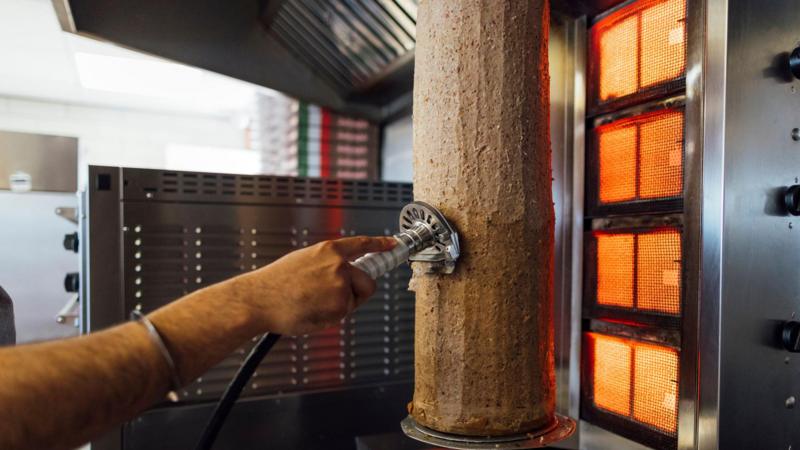
A UK company called Kismet Kebabs sold millions of takeaway kebabs labeled as mostly lamb meat, but many actually contained goat, fat, skin, and little lamb. The company pleaded guilty to fraud, was fined £500,000, and the case is compared to the 2013 horsemeat scandal.
Key Facts
Kismet Kebabs, a large UK doner kebab maker, supplied kebabs to fast food shops across the country.
The company falsely advertised kebabs as containing up to 87% lamb meat.
DNA tests showed some kebabs had less than 10% sheep meat and contained goat, fat, skin, and offcuts.
Fraud occurred from around 2021 and possibly earlier under different leaders.
Authorities raided the factory in Essex in May 2021 and found no lamb deliveries except lamb fat.
The kebabs were made by mixing cheap ingredients to look like lamb meat, then labeled to sell at higher prices.
Kismet Kebabs admitted to fraud by false representation and was fined £500,000.
This case is likened to the 2013 horsemeat scandal where horsemeat was found in beef products.
Read the Original
Want the full story? Tap a source to open the original
article.
Canadian Prime Minister Mark Carney said a new pipeline from Alberta to the Pacific Coast will keep a tanker ban on northern British Columbia to protect the environment. The government aims to expand oil export routes beyond the U.S. and ease tensions with Alberta, where there is growing support for independence.
Key Facts
The pipeline will carry Alberta oil to the Pacific Coast while respecting a ban on oil tankers off northern British Columbia.
Alberta Premier Danielle Smith will announce details about the pipeline route in Calgary.
The Canadian government wants to reduce dependence on the U.S. oil market by expanding exports to other countries.
Alberta is planning a public vote this fall on holding a referendum for Alberta’s possible independence from Canada.
British Columbia and some Indigenous groups oppose pipelines crossing northern British Columbia.
British Columbia Premier David Eby confirmed the northern tanker ban will remain and said the province will receive compensation for environmental risks if the pipeline goes through southern British Columbia.
Carney aims to double Canada’s oil exports outside the U.S. over the next ten years.
Former Prime Minister Justin Trudeau opposed pipelines crossing northern British Columbia and the Great Bear Rainforest but approved one to the southern coast.
Read the Original
Want the full story? Tap a source to open the original
article.
Fans have sued StubHub for canceling World Cup tickets they bought, saying the company sold tickets that did not exist or were later revoked. The lawsuit claims StubHub’s sales practices were misleading, and fans want compensation and a stop to StubHub selling World Cup tickets.
Key Facts
Two fans from California filed a federal lawsuit against StubHub in New York.
They say they bought tickets for group stage World Cup matches but never received them.
The lawsuit may become a class action for many affected fans.
Fans claim tickets were canceled due to problems with FIFA’s digital ticket system.
StubHub did not comment directly on the suit but said their goal is to get fans into events.
StubHub offers a FanProtect Guarantee promising replacement tickets or refunds, but one fan said they did not get a refund.
FIFA says it cannot control ticket resale on third-party platforms like StubHub and denies responsibility for system problems there.
FIFA sells tickets through its official marketplace and adds a 30% fee on resold tickets.
Read the Original
Want the full story? Tap a source to open the original
article.