Channel 4 has taken over the TV advertising sales for Paramount’s UK channels, including Channel 5, from Sky. This deal boosts Channel 4’s advertising business as it faces major job cuts, while Sky loses a big client just as it tries to buy ITV’s TV and streaming business.
Key Facts
Channel 4 now handles TV ad sales for Paramount’s UK channels, including Channel 5, MTV, Comedy Central, and Nickelodeon.
Paramount’s streaming services like Paramount+ and Pluto TV are not part of the deal.
Channel 4 depends on advertising for about 90% of its £1 billion revenue.
The deal is the first time two public service broadcasters’ ad sales (Channel 4 and Channel 5) are sold together.
Channel 4 plans to cut around 300 jobs, more than a quarter of its workforce of 1,276.
Sky lost the business after miscalculations in ad revenue payouts to partners, including Paramount, caused about £300 million in missed payments since 2017.
Sky has repaid £98 million to Paramount related to these miscalculations.
The change may affect Sky’s ongoing attempt to get approval for its £1.6 billion takeover of ITV’s TV and streaming business, which would create a dominant player in TV advertising.
Read the Original
Want the full story? Tap a source to open the original
article.
The Federal Reserve is expected to raise interest rates soon, which may seem bad for homebuyers at first because it can increase mortgage costs. However, a rate hike could improve investors' trust that inflation will be controlled, which might help lower long-term borrowing costs, including mortgage rates, in the future.
Key Facts
The Federal Open Market Committee (FOMC) sets the federal funds rate, currently between 3.50% and 3.75%.
The 10-year Treasury yield recently reached 5.041%, a level not seen since 2007.
Average 30-year mortgage rates hit about 7.17%, near the highest level since January 2025.
Mortgage rates depend on long-term bond yields, not just the short-term federal funds rate.
Long-term yields reflect expectations for future short rates, inflation, and risk premiums.
Many analysts expect the Fed to raise rates soon to boost its credibility in fighting inflation.
A rate increase is seen by some experts as more likely to lower long-term rates than keeping rates the same.
If investors believe inflation control is strong, they may charge less to lend money, which can reduce mortgage costs over time.
Read the Original
Want the full story? Tap a source to open the original
article.
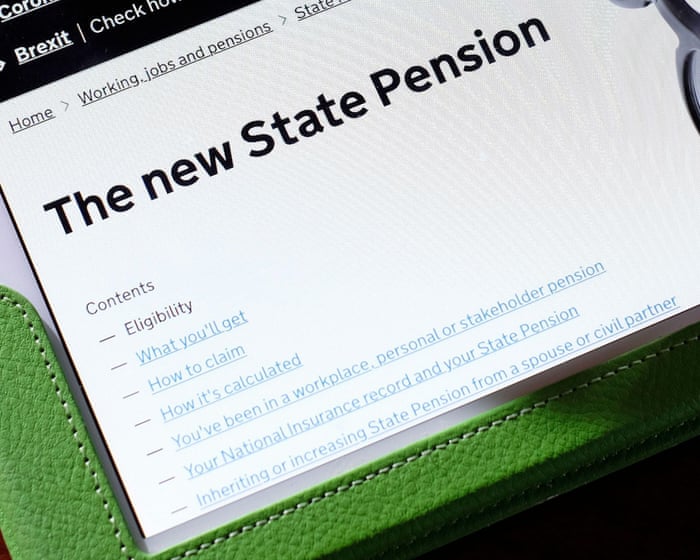
The UK state pension is expected to increase by 3.9% next year due to rising wages, under the triple-lock system that raises pensions by the highest of wage growth, inflation, or 2.5%. This increase would raise the full state pension to more than £13,000 annually, benefiting many pensioners.
Key Facts
The triple-lock system sets pension increases based on the highest of wage growth, inflation, or 2.5%.
Recent data showed wages rose by 3.9% over the past year, likely setting the pension increase.
The state pension could rise to over £13,000 next April if the rise is confirmed.
Inflation is currently below wage growth, so an earnings-based increase is expected.
Some experts warn the government might consider suspending the triple lock.
Pensioners receiving only the state pension may avoid tax even if the pension rises above the personal allowance.
However, pensioners with private pensions might still face tax, even if their income is lower.
The UK job market shows weakness in many private sectors, which could impact economic outlooks.
Read the Original
Want the full story? Tap a source to open the original
article.
Americans' 401(k) retirement account balances have reached a record average of $155,800, mainly driven by strong market performance and regular contributions. Baby boomers have the highest savings, while millennials and Gen Z workers show significant growth in their accounts.
Key Facts
The average 401(k) balance rose 10.5% in the second quarter of 2026 to $155,800, the biggest quarterly gain since 2020.
Baby boomers have the largest average 401(k) balance at $283,200 and contribute 12.2% of their pay on average.
Generation X holds an average balance of $240,700 and contributes 10.6% of their pay.
Millennials’ average balance increased by 14.3% to $94,300, about 26% higher than a year earlier.
Gen Z savers have an average balance of $20,800 and contribute 7.6% of their pay.
Employees and employers together contribute 14.4% of pay on average to 401(k) plans; employees contribute 9.6% and employers 4.8%.
About 81% of workers contribute enough to get their employer’s full match, a key boost to retirement savings.
Experts note that regular saving over time is more important for retirement readiness than market ups and downs.
Read the Original
Want the full story? Tap a source to open the original
article.
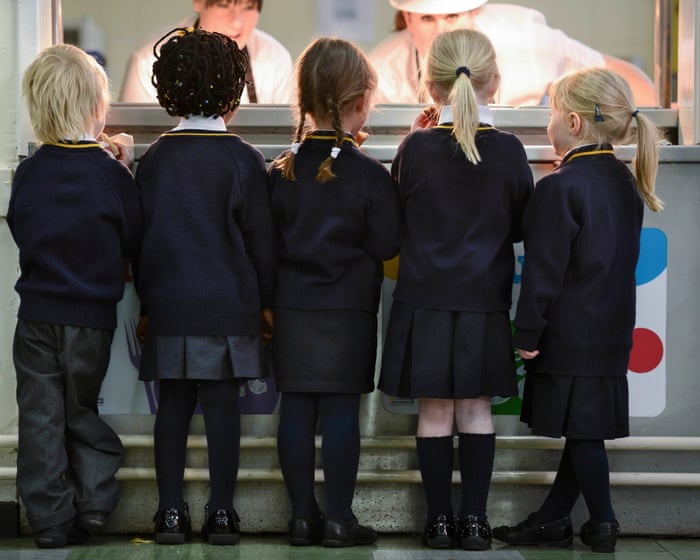
Parents in the UK spent less on school uniforms this year, averaging £54.53, as they used discounts and second-hand items to save money. Grocery sales grew by 2% in the same period, with shoppers changing their buying habits as summer ended and the school season started.
Key Facts
Spending on school uniforms dropped by 12.5%, from £62.29 last year to £54.53 this year.
Nearly half of families focused on spending as little as possible on uniforms, even if that meant lower quality.
Grocery inflation (price increases) rose slightly to 2.3%, but this is still lower than earlier in the year.
Shoppers made 18 million fewer trips to supermarkets compared to July’s peak.
Sandwiches were common in kids’ lunchboxes, with more families buying bread, satsumas, and cucumbers before school started.
Asda’s sales grew by 0.1% over 12 weeks, but its market share fell to 11.5%.
Online supermarket Ocado had sales growth of 13.3% and increased its market share to 2.2%.
Tesco’s market share decreased slightly to 27.8%, while Lidl and Aldi held 8.7% and 10.6% of the market, respectively.
Read the Original
Want the full story? Tap a source to open the original
article.
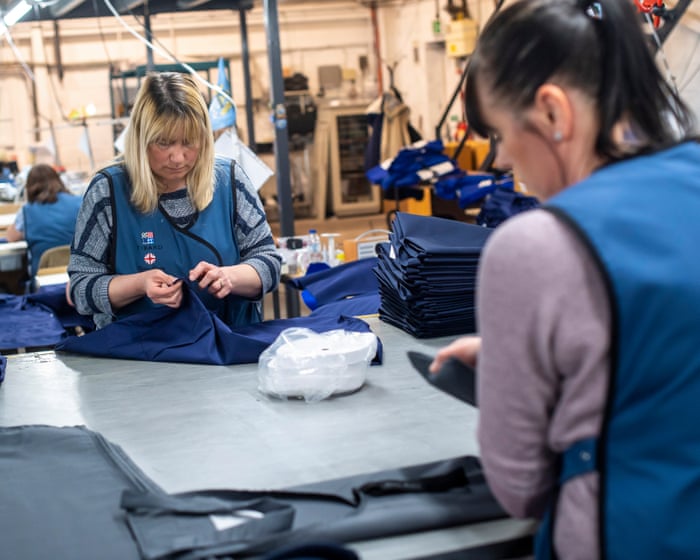
A UK fashion thinktank called Fashion Roundtable has asked Andy Burnham to support making NHS and Ministry of Defence uniforms in the UK. They believe buying these uniforms from British manufacturers can help preserve local jobs and boost the economy.
Key Facts
The NHS and Ministry of Defence spend about £120 million a year on uniforms, with 55% made outside the UK.
Fashion Roundtable’s letter has over 1,200 signatures, including some public figures.
The UK lost money buying PPE from overseas during the Covid pandemic, while Scotland's domestic PPE production created jobs and economic value.
The US requires military uniforms to be made domestically by law, which supports its manufacturing industry.
UK manufacturers say steady, long-term contracts from government could help them grow and create jobs.
Some British army uniforms are currently made in China, raising security concerns.
The process for UK companies to bid on government contracts is complicated and favors large firms.
Andy Burnham supports buying British-made products and has chosen local brands himself.
Read the Original
Want the full story? Tap a source to open the original
article.
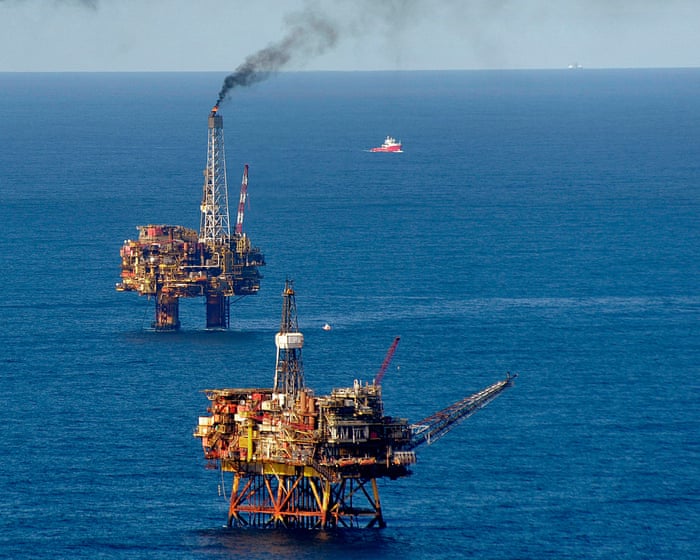
The North Sea oil and gas industry is asking the UK government to end the current windfall tax on fossil fuel companies three years early, in 2027 instead of 2030. They want a simpler tax that applies only during times of high prices to encourage investment and support jobs, while also pushing for approval of major new oil and gas fields.
Key Facts
The current windfall tax, called the energy profits levy, started in 2022 after oil and gas profits rose due to the Russia-Ukraine conflict.
The planned new tax, the oil and gas revenue levy, will only tax revenues when prices exceed a certain high level.
Energy bills in the UK are expected to reach their highest point since the Russia-Ukraine war this winter because of ongoing global conflicts like the Iran war.
The industry group Offshore Energies UK (OEUK) wants to replace the tax earlier, in 2027, with a narrower tax during price spikes.
OEUK says this change could lead to £50 billion in new investment and protect jobs in the North Sea oil and gas sector.
OEUK also wants government approval for new oil and gas projects, including the Rosebank and Jackdaw fields, to reduce dependence on imported gas.
Some campaign groups and unions oppose easing the tax, arguing it would reduce funds to support people facing high living costs.
OEUK projects that the earlier tax change could increase overall tax revenue by up to £14.9 billion over the next decade, much of it from the new jobs created.
Read the Original
Want the full story? Tap a source to open the original
article.
Jaguar Land Rover (JLR) is in discussions with NATO countries to sell its updated Defender military vehicle and is bidding for a UK defense contract to replace older Land Rovers. JLR has created a new Defender defense division to supply military vehicles worldwide, aiming to benefit from increasing defense spending while facing challenges in other markets.
Key Facts
Jaguar Land Rover is talking with NATO countries about selling the new Defender military vehicle.
JLR is competing with General Motors and Ineos for a £900 million UK Ministry of Defence contract.
The new Defender Wolf Series II is designed in the UK and has a lightweight, strong aluminum body.
JLR has created a separate Defender defense division focused on military vehicle sales globally.
The company faces weaker demand and higher costs in some markets, partly due to tariffs and a cyberattack.
JLR plans to enter the US pickup truck market with a Defender pickup built through a joint venture with Stellantis.
Other European carmakers like Volkswagen and Renault are also shifting parts of their production to defense-related products.
Read the Original
Want the full story? Tap a source to open the original
article.
The state pension in the UK is set to increase by £488 a year due to the "triple lock" system, which raises pensions by the highest of inflation, wage growth, or 2.5%. The state pension age is also rising from 66 to 67, and the increase is expected in April 2027, pending government confirmation.
Key Facts
The state pension pays people who have reached the qualifying age and paid enough into National Insurance (NI).
Since April 2026, the new flat-rate state pension is £241.30 per week (£12,547.60 a year) for those reaching pension age after April 2016.
The old basic state pension is £184.90 per week (£9,614.80 a year) for those reaching pension age before April 2016.
The triple lock raises pensions each year by the highest of inflation (measured by CPI), average wage growth, or 2.5%.
Wage growth of 3.9% is expected to set the 2027 pension increase at £250.70 per week for the new state pension.
The triple lock system was introduced in 2010 to protect pension value against rising living costs or wages.
The pension age is increasing from 66 to 67 for many people.
The cost of the triple lock is expected to reach £15.5 billion by 2030, three times higher than originally predicted.
The increase may push the state pension above the income tax personal allowance, meaning some pensioners might pay tax on their pension.
Read the Original
Want the full story? Tap a source to open the original
article.
A Which? investigation found that many major UK online retailers are not following the law by failing to refund customers properly when they return goods. Some shops did not refund delivery costs or the price of the items, leaving customers out of pocket.
Key Facts
Which? sent 12 mystery shoppers to buy over 200 items from 17 large UK online retailers.
Shoppers returned items by post and tracked refund processes, including return costs.
John Lewis was praised for good communication and became the first to get Which?’s recommended provider for returns status.
Matalan failed to refund properly in several cases and did not give refunds for original delivery charges.
Some shoppers paid for delivery and return postage but did not get these costs back.
Under UK Consumer Contracts Regulations 2013, customers have 14 days to cancel orders and 14 days to return items.
Retailers must refund standard delivery charges when customers cancel, but do not have to refund extra fees for faster delivery.
River Island and Sports Direct did not refund standard delivery fees in tested cases and still charged for return postage.
Read the Original
Want the full story? Tap a source to open the original
article.
Farmers in England are increasingly using the old craft of hedge laying to improve the environment. The government is offering grants to help farmers restore hedges, which help capture carbon, support wildlife, and reduce flooding.
Key Facts
Hedge laying is an ancient technique that keeps hedges fresh by cutting and bending their stems.
The government has allocated £225 million for environmental improvements on farms this year.
About 2,500 farmers have applied for grants to lay 1,300 km (800 miles) of hedges.
Well-maintained hedges store more carbon per hectare than forests and support many species.
Hedge laying stopped being common after World War II, leading to fewer hedgerows.
Farmers like Robert Rose use modern hedge laying methods to benefit birds and protect livestock.
Grants help farmers restore old hedges and plant new ones to improve soil, water, and wildlife.
Increased online discussions show growing interest in hedge laying among farmers.
Read the Original
Want the full story? Tap a source to open the original
article.
Wage growth in the UK slowed to 3.9% in the three months to July, as workers faced higher living costs partly due to the war in Iran. The Bank of England is preparing to decide on interest rates amid rising energy prices and a cooling jobs market.
Key Facts
Average total earnings growth, including bonuses, fell from 4.1% to 3.9% between June and July.
The state pension increase will be based on the highest of 2.5%, inflation, or average wage growth.
UK companies are continuing to reduce staff, especially in retail and hospitality sectors.
Job vacancies are at their lowest level outside the pandemic period in over ten years.
The Bank of England plans to decide on interest rates soon, with most expecting rates to stay at 3.75%.
Rising oil prices above $107 a barrel are increasing energy costs for consumers.
UK unemployment stayed steady at 4.9%, against predictions it would rise.
Inflation is expected to rise above 3% in August, above the Bank of England’s 2% target.
Read the Original
Want the full story? Tap a source to open the original
article.
The state pension in the UK is expected to increase by 3.9% in April next year. This rise follows a government rule called the triple lock, which raises pensions by the highest of average wages growth, inflation, or 2.5%.
Key Facts
The state pension increase is set for April 2027.
The increase will likely be 3.9%.
The "triple lock" guarantees pensions rise by the highest of three numbers: wage growth, inflation, or 2.5%.
Average wages grew more slowly between May and July 2026.
UK job vacancies have decreased recently.
The number of people claiming unemployment benefits in the UK has gone up.
Read the Original
Want the full story? Tap a source to open the original
article.
A government review found that the Help-to-Buy scheme provided strong value for money by helping many people, especially first-time buyers, to buy homes. The scheme supported over 387,000 home purchases and helped some buyers afford homes sooner or buy bigger houses, despite criticisms about its cost and impact on house prices.
Key Facts
The Help-to-Buy scheme created about £25 billion of social value for the UK in the last financial year.
More than 387,000 people bought homes using the scheme, including over 328,000 first-time buyers.
Nearly half of the scheme’s users said they could not have bought a home without it.
The scheme helped buyers get onto the housing ladder earlier or buy larger, more expensive homes.
Critics said the scheme was costly and may have pushed house prices higher, but the review disagreed with these points.
Labour politicians have discussed bringing back a similar scheme, but the current government has no plans to do so.
Previous Help-to-Buy versions included taxpayer-backed loans for deposits and protection for lenders on high-risk mortgages.
Labour is focusing on increasing housing supply with new social and affordable homes instead of reviving Help-to-Buy.
Read the Original
Want the full story? Tap a source to open the original
article.
Karl Stefanovic and his business partner Keshnee Ibrahim have a serious disagreement over their joint podcast company. The New South Wales Supreme Court is deciding whether Stefanovic will buy Ibrahim’s share or if the company will be closed and its value split equally.
Key Facts
Karl Stefanovic and Keshnee Ibrahim each own 45% of the podcast company 123 Podcast.
Their relationship has broken down, leading to a legal dispute.
Ibrahim asked the court to delay a company meeting, fearing she would be removed as director.
The court offered two solutions: dissolve the company or have Stefanovic buy Ibrahim’s share.
Stefanovic agrees to buy Ibrahim’s share but disputes some of her claims about company management.
The court will order an independent valuation of the company to decide the buyout price.
The podcast has been on pause since August 24, after Stefanovic faced criticism for controversial interviews.
Another court hearing is set for October 13 to continue resolving the issue.
Read the Original
Want the full story? Tap a source to open the original
article.
Pokémon is releasing a special 30th anniversary range of trading cards, which many collectors see as the brand’s biggest event in years. Shops expect large crowds as fans line up to buy the new cards, some of which have become very valuable over time.
Key Facts
Pokémon is celebrating 30 years with a new series of trading cards released on a Wednesday.
Pokémon cards have become valuable collectibles, with some older boxes now worth tens of thousands of pounds.
Gus Hall, a collector and shop owner, called this the biggest Pokémon card release in a decade or more.
Pokémon cards promote healthy social activities like trading and gaming without electronic devices.
Many stores are preparing for high demand and some will open specially for the release.
The hobby is popular across many generations, with parents and children collecting together.
Fans experience excitement from trying to get rare cards they want.
The anniversary cards feature popular Pokémon and are expected to sell out quickly.
Read the Original
Want the full story? Tap a source to open the original
article.
Charity leaders in Jersey say leaving money or gifts in wills helps their organizations a lot, even if the amounts are small. While some people face money problems due to rising living costs, many still choose to give, and these donations support important services.
Key Facts
Many people in Jersey choose to give money or gifts in their wills to charities.
The cost of living rising may make it harder for some to donate.
About 89% of people surveyed had donated money in the past year.
Younger people and those with less money donate less often, partly due to affordability.
Small donations left in wills can still make a big impact for charities.
Besides money, charities value time, skills, and support from volunteers.
Some charities received land and money through legacy gifts, which helped fund their work.
It is easy to leave a legacy gift, and no gift is too small to help.
Read the Original
Want the full story? Tap a source to open the original
article.
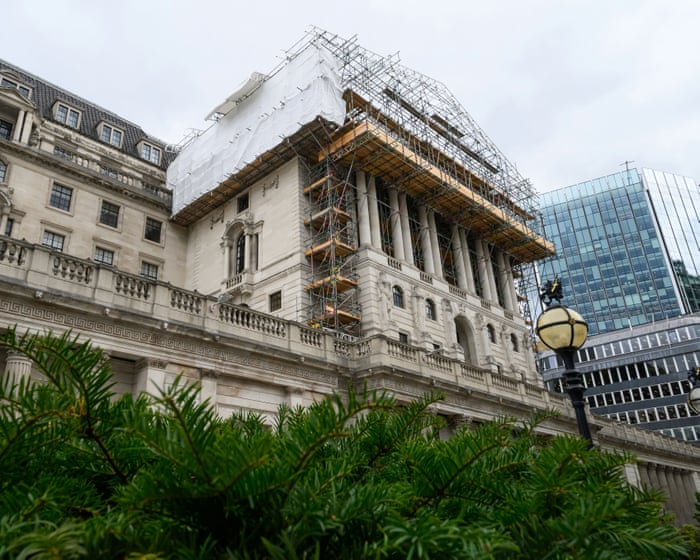
Economists are asking the UK Chancellor, John Healey, to slow or stop the Bank of England’s sale of government bonds to reduce the rising cost of UK borrowing. The Bank has been selling bonds to fight inflation but this has caused losses for the government and pushed up interest rates on debt.
Key Facts
The Bank of England is selling government bonds (gilts) to reduce inflation, a process called quantitative tightening.
Selling bonds when their value is lower causes losses for the UK government.
Higher bond sales increase supply and push up the interest rates (yields) on government debt.
UK borrowing costs are at their highest in decades, partly due to the Middle East conflict raising oil prices.
The Bank’s bond sales reduced its holdings from £875 billion to under £490 billion since 2022.
The Bank cut its bond sale targets from £100 billion to £50 billion a year but plans to continue selling bonds.
Some experts say the Bank should stop selling bonds actively to avoid more government losses.
The Bank of England’s bond-selling program is more costly than similar programs in Europe and the US.
Read the Original
Want the full story? Tap a source to open the original
article.
Aliko Dangote, Africa’s richest man, launched an initial public offering (IPO) to sell part of his $19 billion oil refinery in Nigeria, aiming to raise $1.6 billion from everyday investors in Africa. The refinery is valued at about $49 billion, and the IPO allows people to buy small shares for as little as $4, with the refinery expected to be listed publicly in Nigeria in November.
Key Facts
The IPO is aimed at retail investors across Africa and is considered the biggest in Africa’s history.
The Dangote refinery in Lagos is Africa’s largest and cost $19 billion to build.
Dangote will keep 87% ownership even after the IPO.
Each share bundle in the IPO is priced at 5,250 naira (about $4) for a minimum investment.
The refinery began production in 2024, turning Nigeria from a net importer to an exporter of refined oil.
Rising global oil prices after the US-Iran conflict have increased investor interest.
Some digital platforms in Nigeria experienced heavy traffic and outages when the IPO launched.
There are concerns about the refinery’s high valuation, which is over twice the construction cost, but company officials say the valuation is fair.
Read the Original
Want the full story? Tap a source to open the original
article.
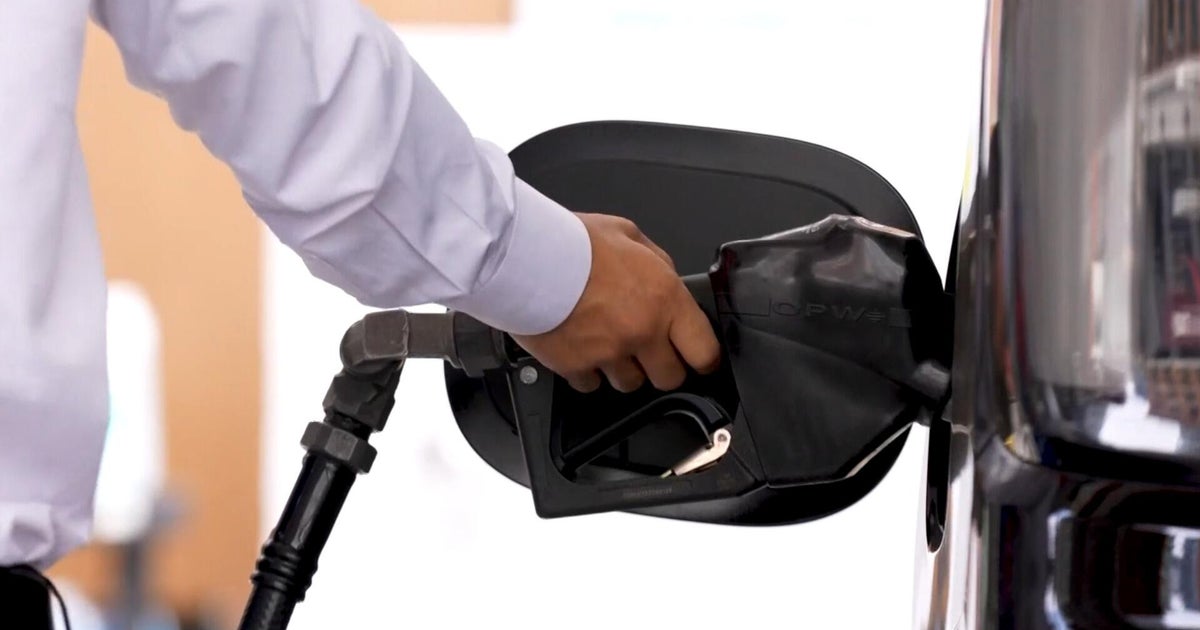
Gas prices in the United States have risen to an average of $4.31 per gallon. Diesel fuel prices have reached a record high, going over $6 per gallon. The main cause of these increases is the war with Iran, although President Donald Trump has blamed the conflict in Ukraine.
Key Facts
Gas prices nationwide are about $4.31 per gallon.
Diesel fuel prices for trucks have hit a new all-time high, over $6 per gallon.
Diesel prices rose around 15 cents per gallon in just one week.
The war with Iran is identified as the biggest reason for higher fuel costs.
President Donald Trump has said the war in Ukraine is to blame instead.
Rising fuel prices affect transportation costs, which can impact many goods and services.
The article comes from CBS News, reported by Ed O'Keefe.
Read the Original
Want the full story? Tap a source to open the original
article.