The Samsung Electronics union decided to stop a strike just before it began after the company and union agreed on a tentative pay deal. The strike was expected to disrupt South Korea’s economy and the global supply of computer chips.
Key Facts
Samsung’s workers planned to strike starting Thursday.
The strike was stopped because both sides reached a tentative agreement on pay.
The union is for Samsung Electronics employees.
The strike had the potential to harm South Korea's economy.
It also could have affected the global supply of computer chips.
The agreement is not yet final but enough to pause the strike.
Samsung Electronics is a major player in technology and chip manufacturing.
Read the Original
Want the full story? Tap a source to open the original
article.
Nike sent a special delivery to a family in New Jersey to honor their mother, who passed away from cancer in 2022. This gift is a way to help the family remember and celebrate her life.
Key Facts
The family lives in New Jersey.
Their mother died from cancer in 2022.
Nike sent a special delivery to the family.
The delivery was meant to honor and remember the late mother.
The story was reported on May 21, 2026.
The gift came from a well-known sportswear company, Nike.
The gesture is intended to provide comfort to the family.
The news was covered by ABC News.
Read the Original
Want the full story? Tap a source to open the original
article.
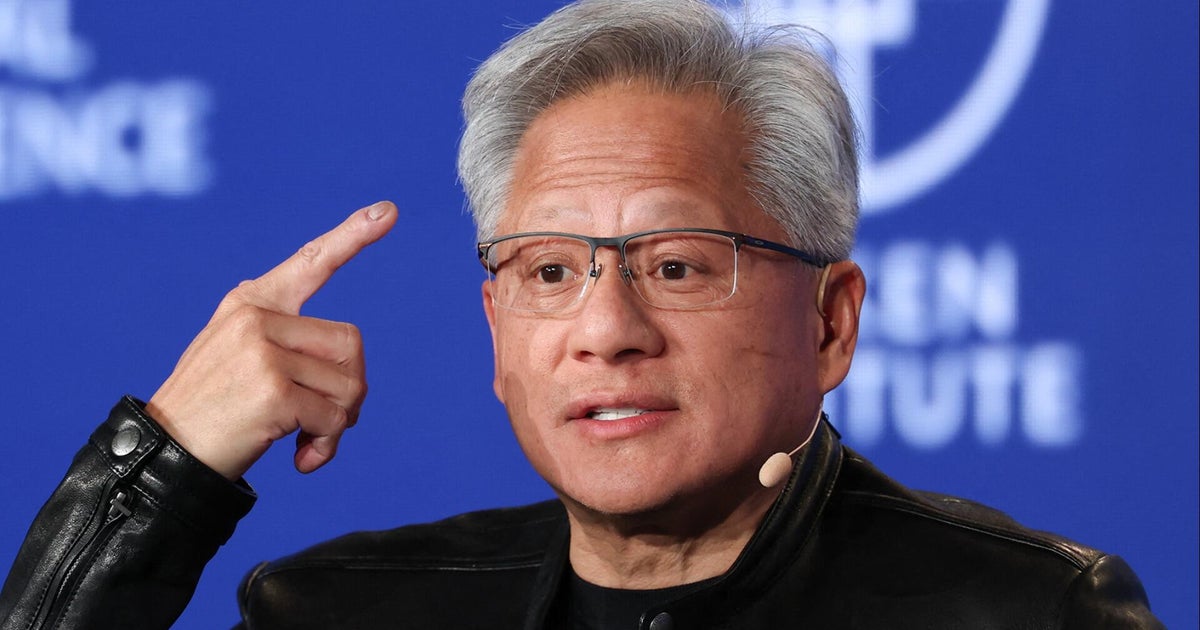
Nvidia reported record sales and profits driven by strong demand for its AI-related chips, with first-quarter revenue up 85% to $81.6 billion and net income more than tripling to $58.3 billion. Despite these results, Nvidia’s stock price fell slightly after hours due to high investor expectations and concerns about rising competition.
Key Facts
Nvidia's first-quarter revenue grew 85% compared to last year, reaching $81.6 billion.
Net income (profit) more than tripled to $58.3 billion in the same period.
The company is a key supplier of chips for AI models used by firms like OpenAI and Meta.
Nvidia’s data center division showed strong growth, driving much of the sales increase.
The company predicts annual spending on AI infrastructure could reach $3 trillion to $4 trillion by 2030.
Nvidia’s stock market value is about $5.3 trillion, making it the world’s most valuable company.
Shares fell 1.6% after hours despite the record results, as investors had very high expectations.
Concerns exist about growing competition as some large tech companies develop their own chips.
Read the Original
Want the full story? Tap a source to open the original
article.
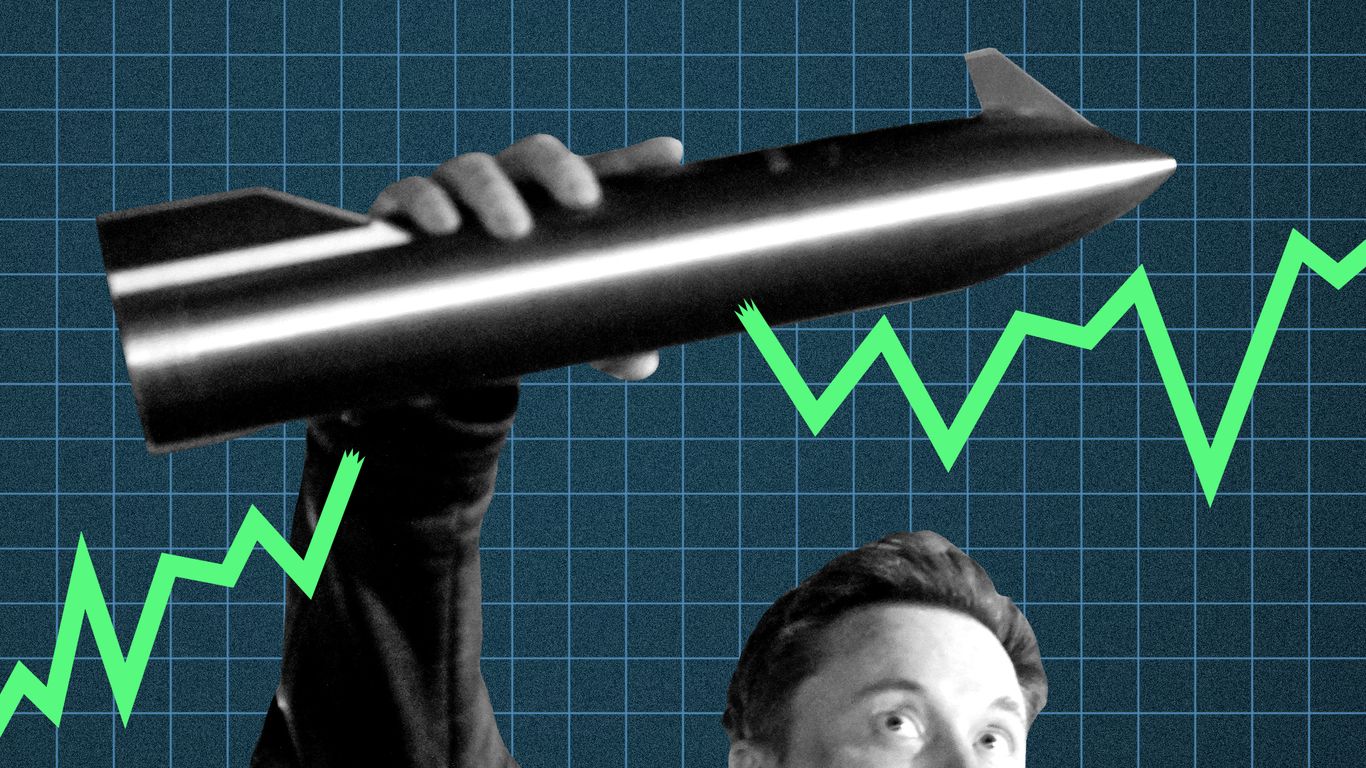
SpaceX has announced plans to sell shares to the public for the first time, valuing the company at $1.75 trillion. The company aims to build data centers in space and create a large human settlement on Mars.
Key Facts
SpaceX plans to have an initial public offering (IPO), meaning it will sell shares to the public.
The company’s valuation for the IPO is around $1.75 trillion.
SpaceX is led by Elon Musk, who is known for ambitious space projects.
Long-term goals include building data centers in space to store and process information.
Another goal is to establish a large human settlement on Mars.
SpaceX’s IPO plans were publicly filed, showing official details about the company and its finances.
These plans highlight SpaceX’s focus on both space exploration and business growth.
Read the Original
Want the full story? Tap a source to open the original
article.
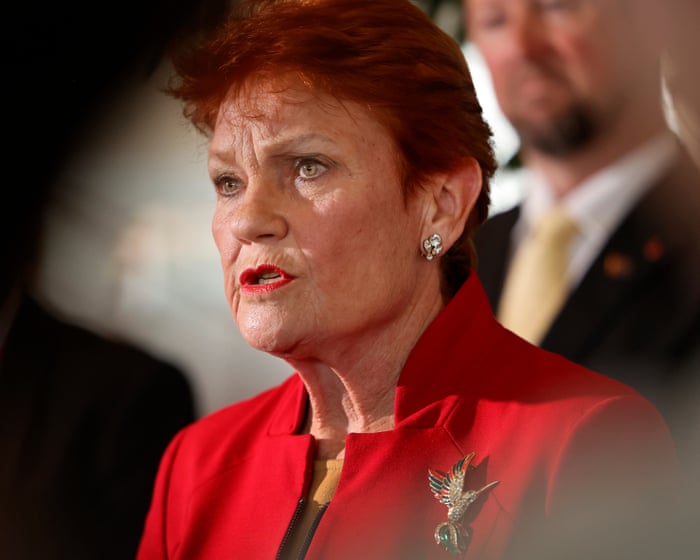
One Nation leader Pauline Hanson has proposed a new gas policy inspired by Norway, which includes replacing the current offshore gas profits tax with a system where the government can take a 30% ownership in new gas projects. This plan aims to increase returns for Australian taxpayers but has faced criticism from government and industry groups who warn of financial risks and compare it to policies in Venezuela.
Key Facts
One Nation wants to scrap the petroleum resource rent tax (PRRT) and introduce a new royalty system for new gas projects.
The policy includes the government owning up to 30% of new offshore gas ventures, with profits placed into a sovereign wealth fund.
Companies would get a 30% rebate on exploration costs in exchange for giving the government this ownership stake.
Taxpayers could share in profits but also face long-term financial risks since gas projects take over a decade to develop.
Critics, including the Liberal Party, compare the plan to Venezuela’s nationalized oil industry and warn against government ownership in the sector.
Hanson denies the policy is a “socialist takeover” and says the government would not run the gas companies day-to-day.
Major industry groups like the Minerals Council of Australia oppose government equity in the mature mining and gas industries.
The Australian Energy Producers group says the current tax system already adjusts revenues based on oil and gas prices effectively.
Read the Original
Want the full story? Tap a source to open the original
article.
SpaceX is planning a very large stock market debut, but its financial report shows the company is losing a lot of money and depends heavily on hopes for future growth. Its most profitable part is the Starlink internet service, while other parts like the AI division bring in less revenue.
Key Facts
SpaceX filed paperwork for an initial public offering (IPO) expected to be the largest ever.
The company lost $4.9 billion but made $18.67 billion in revenue in 2025.
Many companies in the S&P 500 earned more revenue than SpaceX, including Tesla, which made five times more.
The AI unit with X and xAI earned $818 million in the first quarter of 2026, less than Twitter did before Elon Musk bought it.
Anthropic agreed to pay SpaceX $1.25 billion every month for computing power.
Starlink, the internet service, is SpaceX’s only profitable part and made most of the revenue in early 2026.
SpaceX will start trading on Nasdaq next month under the symbol "SPCX."
AI companies OpenAI and Anthropic plan to go public later in the year.
Read the Original
Want the full story? Tap a source to open the original
article.
Many retirees are worried about money because of rising prices and health care costs. A survey found that inflation is the biggest concern, with most retirees afraid their savings will lose value or run out. Other fears include market drops, not knowing how to manage income, and retiring earlier than planned.
Key Facts
About 90% of retirees worry inflation will reduce the value of their savings.
87% are concerned about higher health care costs.
81% fear a big drop in the stock market could cut their assets.
69% are unsure how to best take income from their retirement savings.
68% worry they might outlive their retirement money.
One in five retirees say they are struggling financially.
Inflation recently rose 3.8% in one year, faster than in nearly three years.
Many retirees rely on Social Security, which is not increasing as fast as inflation.
42% of Americans retire earlier than planned, often due to health or job loss.
Early retirement can cause unexpected costs, like paying for health insurance before Medicare.
Read the Original
Want the full story? Tap a source to open the original
article.
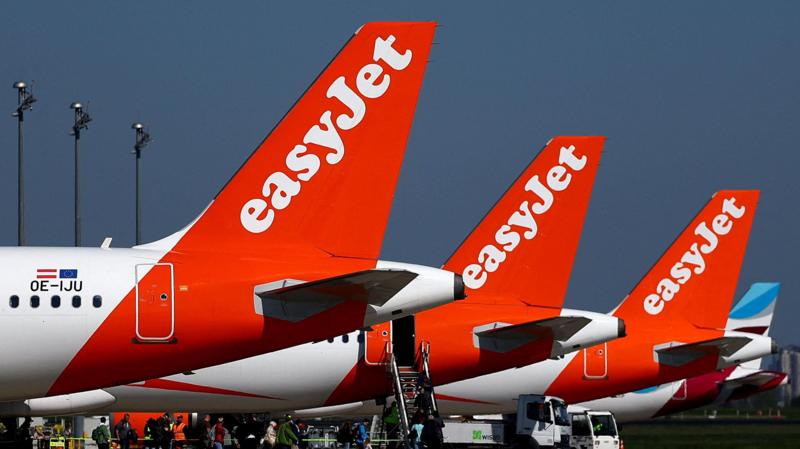
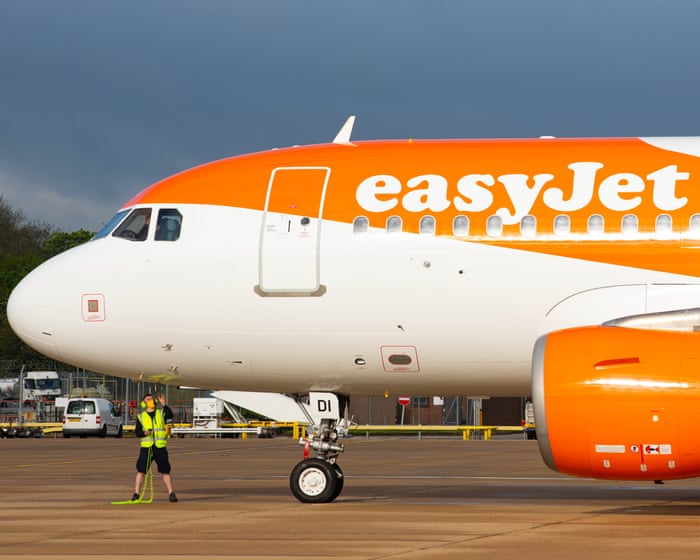
The boss of EasyJet said there are no problems with jet fuel supplies for the summer, so passengers should not worry about flight disruptions. Despite higher fuel prices caused by conflict in the Middle East, EasyJet plans to operate its full summer schedule without adding extra fuel charges to ticket prices.
Key Facts
EasyJet has not experienced any issues with jet fuel supplies at airports in the UK, Europe, or beyond.
The conflict in the Middle East has caused fuel prices to nearly double due to a blockade affecting fuel routes.
EasyJet is working closely with fuel suppliers, airports, and governments to secure fuel and sees no future supply issues.
The airline will not add additional fuel charges to its fares this summer.
Fuel production has increased in Norway, West Africa, and the Americas, helping supply outside the Gulf region.
Customers are booking flights closer to their travel dates rather than far in advance because of the uncertainty caused by the conflict.
EasyJet reported a £552 million pre-tax loss for the first half of the year but expects to rely on the summer travel season to improve profits.
Higher fuel costs and uncertain customer demand remain risks for EasyJet’s financial outlook in the second half of the year.
Read the Original
Want the full story? Tap a source to open the original
article.
EasyJet says fewer people have booked summer holidays compared to last year because concerns about the Iran war have made travelers hesitant. The airline spent extra money on fuel after the conflict began but expects to operate its full summer schedule without cancellations.
Key Facts
EasyJet’s summer bookings are lower than at the same time last year due to worries about the war in Iran.
The airline had to spend an extra £25 million on jet fuel in March after the US and Israel’s conflict with Iran started.
EasyJet has not faced any problems getting fuel and expects no flight cancellations this summer.
Customers tend to book trips closer to the travel date rather than well in advance.
The company has locked in prices (hedged) for 72% of its fuel for the next six months but paused short-term hedging because fuel prices are high.
EasyJet reported a £552 million loss before tax for the six months ending March, worse than the previous year’s £394 million loss.
The airline raised its minimum ticket prices to cover increased fuel costs and is reviewing other expenses.
EasyJet reduced its summer seats by a small amount after the conflict began but now plans to fly its full schedule.
Read the Original
Want the full story? Tap a source to open the original
article.
South Korea’s stock market rose sharply after Samsung Electronics and its union reached a last-minute agreement to stop a planned strike by 48,000 workers. This deal helped avoid a break in the supply of memory chips, important for technologies like artificial intelligence (AI), and boosted investor confidence alongside strong profits reported by US chip maker Nvidia.
Key Facts
Samsung Electronics and its union agreed to a tentative pay deal, preventing an 18-day strike by 48,000 employees.
The South Korean KOSPI stock index rose more than 8% following the announcement.
Samsung Electronics’ stock price increased by over 7.5%, while rival SK Hynix rose more than 11%.
Other South Korean companies like Hyundai Motor and Kia also saw shares rise about 13%.
Samsung makes the largest share of the world’s memory chips used in AI and had record profits recently.
Samsung’s chip division profit grew nearly 50 times in the first quarter, reaching about $35 billion.
The proposed pay deal gives union workers a claim to 10.5% of Samsung’s operating profits.
Nvidia reported a record $58.3 billion profit in the last quarter, strengthening market optimism about AI.
Read the Original
Want the full story? Tap a source to open the original
article.
Asian stock markets rose sharply after oil prices dropped and Wall Street shares gained. This increase was supported by strong earnings from Nvidia and positive news from major technology companies in South Korea and Taiwan.
Key Facts
Asian shares went up following a drop in oil prices and gains on Wall Street.
Nvidia reported a profit increase of over 200% and revenue growth of 85% for the February-April quarter.
Nvidia’s stock rose before earnings but fell slightly after the report.
South Korea’s Kospi index rose 8%, helped by Samsung Electronics and SK Hynix shares.
Taiwan’s Taiex index increased 3.9%, with TSMC shares rising 3%.
Japan’s Nikkei index jumped 3.6% after a report showed exports grew nearly 15% in April.
Oil prices fell but recovered slightly, with Brent crude around $105.87 per barrel and U.S. crude near $99.18.
U.S. stocks rose, with the S&P 500 up 1.1%, the Dow Jones up 1.3%, and the Nasdaq up 1.5%.
Read the Original
Want the full story? Tap a source to open the original
article.
Michael Fraser, an 88-year-old retiree, says he feels trapped in his retirement flat in Devon due to rising service charges that make selling difficult. Many people in England and Wales face similar problems, with high yearly fees and falling property values causing financial strain for retirees and their families.
Key Facts
Michael Fraser bought a two-bedroom flat for £140,000 with a service charge of £12,000 a year, over half his pension income.
By January 2026, his service charge will rise to £20,000 a year, a 66% increase in six years.
Fraser fears selling the flat will not cover the fees and worries about affording care home costs while paying the charge on an empty property.
More than 400 people contacted the BBC reporting issues with large service charges and low resale values on retirement properties.
Sarah Woods inherited a flat but was told she is too young to live there; she struggles to sell it and faces ongoing fees.
Some management companies say service charges must be paid even if properties are empty, and they pursue debt recovery if fees are unpaid.
Audley Group, which manages Fraser’s development, said costs have increased but vary by location and services chosen by owners.
Read the Original
Want the full story? Tap a source to open the original
article.
Students at Huntington School in York started a project called Dress 2 Impress to help make prom clothes affordable. They offer dresses for £45 and suits for £25, and some students from low-income families can borrow outfits for free. The clothes are donated from shops and people who only wore them once.
Key Facts
Prom dresses can cost up to £595 or more, which many families find expensive.
A charity found that one in four parents spend between £250 and £500 on prom clothes.
Dress 2 Impress lets students hire dresses for £45 and suits for £25.
Students eligible for free school meals can borrow outfits for free.
The dresses and suits are donated from closing shops, businesses, or individuals.
Students help run the boutique, gain work experience as "prom consultants," and manage social media and website tasks.
The boutique offers private appointments because of limited space.
A teacher said the project started as a classroom idea and has grown into a valuable support for students.
Read the Original
Want the full story? Tap a source to open the original
article.
The Michelin Guide has stopped its green star award, which recognized restaurants for eco-friendly cooking and reducing waste. Current green star winners will lose their recognition by the end of the year, and Michelin will replace the award with a new publication called Mindful Voices, which will feature sustainable restaurants but not give any official prize.
Key Facts
Michelin introduced the green star in 2020 to highlight sustainable chefs and restaurants.
The green star recognized eco-friendly ingredients and efforts to reduce waste.
Restaurants with green stars could display a green plaque and use the green star in marketing.
Michelin suddenly decided to retire the green star award and informed chefs mostly after announcing it publicly.
Michelin will replace the award with Mindful Voices, an editorial platform about sustainability in food and hospitality, with no formal awards.
Current 37 green star restaurants will lose their accreditation by the end of the year.
Some chefs who won the green star expressed disappointment and feel Michelin’s decision was poorly communicated.
The Michelin Guide did not officially explain why it ended the green star award.
Read the Original
Want the full story? Tap a source to open the original
article.
Australia’s unemployment rate rose to 4.5% in April, reaching its highest level in over four years. The number of employed people fell unexpectedly, causing concerns about the economy and affecting the central bank’s decision on interest rate increases.
Key Facts
Unemployment increased from 4.3% to 4.5% in April.
The number of employed people dropped by 18,600, the first decline this year.
The Australian Bureau of Statistics provided this data.
Rising unemployment may influence the Reserve Bank of Australia (RBA) to pause rate hikes.
The jobless rate is still below pre-pandemic levels of over 5%.
Australian budget forecasts unemployment to peak at 4.5% this year; it could reach 5% if oil prices rise sharply.
Female employment declined for the first time since August 2025.
The Australian stock market rose after the data, reflecting reduced chances of immediate interest rate increases.
Read the Original
Want the full story? Tap a source to open the original
article.
Nvidia reported record earnings with a 37% rise in profit and 20% increase in revenue from the previous quarter, driven mainly by strong sales of AI-related chips. The company announced a large share buyback and increased its dividend for shareholders as its AI technology continues to grow in demand.
Key Facts
Nvidia's profit reached $58.3 billion for the February-April quarter, up 37% from the previous quarter and over 200% higher than the previous year.
Revenue rose to $81.6 billion, a 20% increase from the last quarter and 85% higher than the same period last year.
The data-center business, focused on AI chips, accounted for most growth with revenue up 92% year-over-year to $75.2 billion.
The hardware segment earned $6.4 billion, up 29% from the prior year.
Nvidia announced it will buy back $80 billion worth of its shares and raised its quarterly dividend from $0.01 to $0.25 per share.
CEO Jensen Huang said demand for AI chips is growing rapidly due to new AI technologies that can perform useful tasks.
Despite strong results, Nvidia's stock fell slightly after hours, reflecting very high market expectations.
Experts say Nvidia is now setting the standard for growth in the tech sector, and the company is entering a more mature phase with increased dividends and buybacks.
Read the Original
Want the full story? Tap a source to open the original
article.
Elon Musk’s SpaceX has filed for an initial public offering (IPO) that could raise up to $75 billion, valuing the company at $1.75 trillion. The filing reveals SpaceX’s financial details for the first time and shows Musk will keep control as CEO, CTO, and chairman after going public.
Key Facts
SpaceX seeks to raise $75 billion in its IPO, potentially the largest in history.
The company could be valued at $1.75 trillion after going public.
SpaceX generated $18.7 billion in revenue in 2025 but had a $2.6 billion operating loss.
The Starlink satellite internet division earned $11.4 billion in 2025, growing nearly 50% year-over-year.
SpaceX’s AI businesses, including xAI and the social media site X, made $3.2 billion but lost $6.4 billion operating.
The company invested heavily in AI data centers, spending $12.7 billion in 2025 and $7.7 billion in the first quarter of 2026.
SpaceX will keep a dual-class share structure letting Musk control about 85% of voting power with 42% equity ownership.
SpaceX plans to build data centers in space using solar energy to meet AI computing power needs.
Read the Original
Want the full story? Tap a source to open the original
article.
The largest union at Samsung Electronics paused a planned strike after reaching a temporary agreement on pay with the company. The disagreement was about how to share profits from the high demand for AI memory chips, especially regarding bonus payments for different groups of workers.
Key Facts
Samsung’s union represents about 48,000 workers and planned a strike starting April 27.
The strike was paused so union members can vote on a new tentative pay deal from May 22 to 27.
The main conflict was over how to split bonuses between memory chip workers and those in other divisions.
Samsung proposed big bonuses (around 607% of annual salary) for memory chip workers but much smaller bonuses (50% to 100%) for others.
Rival SK Hynix gave larger bonuses, causing some Samsung workers to move there.
Samsung’s profits rose sharply due to AI chip demand, pushing its market value above $1 trillion in May.
A strike could have cost Samsung $14 billion to $21 billion in profits according to JP Morgan.
A South Korean court limited the strike actions to avoid serious harm to Samsung’s operations and economy.
Read the Original
Want the full story? Tap a source to open the original
article.
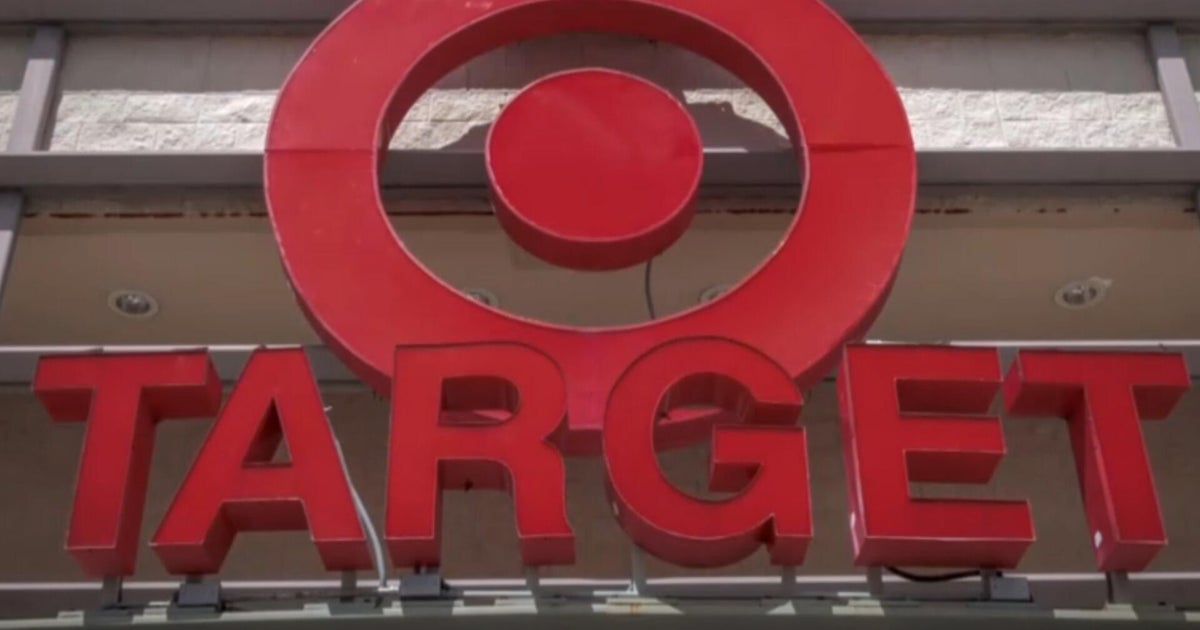
Target reported better-than-expected earnings for the first quarter of the year. Other big retailers like Home Depot, Lowes, and TJ Maxx also did well with their earnings and sales, showing strong performance.
Key Facts
Target's first quarter earnings beat analysts’ expectations.
Target experienced its strongest sales growth in several years.
Home Depot, Lowes, and TJ Maxx also reported better-than-expected earnings and revenue.
The earnings results were released on a Wednesday.
These retailers are trying to improve their financial performance.
The reports indicate positive trends for major U.S. retail companies.
Read the Original
Want the full story? Tap a source to open the original
article.
Nvidia announced record revenue in its first quarter earnings report. This report highlights Nvidia’s important role in the development of artificial intelligence (AI) technology.
Key Facts
Nvidia is now the world’s most valuable company.
The company reported its highest-ever revenue in the most recent quarter.
Nvidia produces computer chips important for AI development.
The earnings report shows strong demand for AI-related products.
Experts consider Nvidia a key player in the ongoing AI race.
The company’s success reflects growing interest and investment in AI technology.
Read the Original
Want the full story? Tap a source to open the original
article.