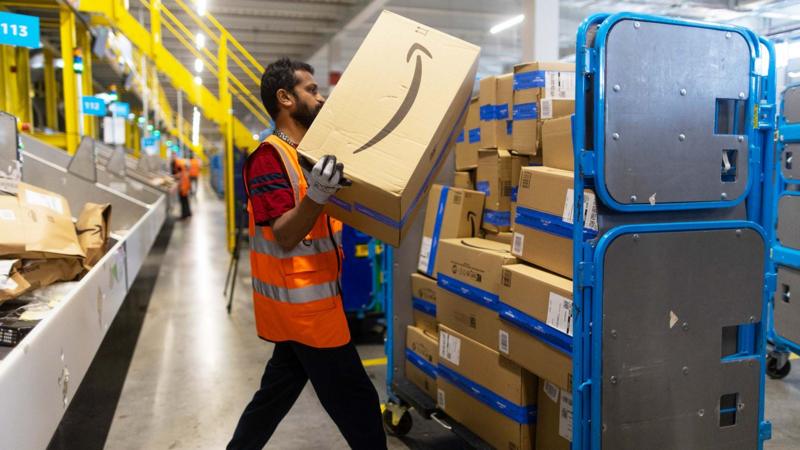
Amazon, started in 1995 as an online bookstore, is now the world’s largest company by sales and leads online shopping in the West. It holds a big share of the market because it grew fast, invested heavily in new ideas, and uses profits from its cloud-computing business to support its retail operations.
Key Facts
Amazon surpassed Walmart earlier this year to become the largest company in the world by annual sales.
In the US, Amazon has 40.5% of all online retail sales; Walmart holds 9.2%.
Amazon also controls about 30% of the UK online retail market.
Other competitors include Walmart, Target, Tesco (UK groceries), Zalando (German clothing), Temu, Shein, and eBay.
eBay focuses on auctions and second-hand goods and recently received a $55.5 billion takeover offer from GameStop.
Amazon’s early start and focus on fast, convenient shopping helped it grow quickly.
Amazon’s shareholders allowed it to reinvest profits and sell products at low prices to outpace rivals.
Amazon uses technology, like automation and data, plus profits from Amazon Web Services (AWS), to keep improving and expanding.
Read the Original
Want the full story? Tap a source to open the original
article.
A review of the HS2 high-speed rail project is expected to say the project's problems were caused by focusing too much on very high speeds and by political pressures. Costs have grown a lot, delays have happened, and parts of the original route have been cancelled, with the opening date now likely to be later than planned.
Key Facts
HS2 is a high-speed rail project in the UK aimed at increasing rail capacity.
The project was originally designed for trains to run up to 360 km/h (224 mph).
The HS2 route was initially planned from London to Birmingham, with branches to Leeds and Manchester.
The eastern leg to Leeds was cancelled in 2021; the Manchester to Birmingham section was cancelled in 2023.
Costs are expected to exceed £100 billion.
The current target opening year of 2033 is expected to be delayed.
The project review criticizes the focus on very high speeds and political changes as causes of problems.
Parts of HS2 construction continue, including a 10-mile tunnel under the Chilterns and the Colne Valley viaduct.
Read the Original
Want the full story? Tap a source to open the original
article.
UK businesses are slowing down investment and hiring because of higher costs linked to the war in Iran and political uncertainty at home. Rising energy prices and supply problems are causing companies to focus on managing expenses instead of growing.
Key Facts
The US-Israeli war on Iran began over two months ago, affecting global markets and UK businesses.
More than half of mid-sized UK companies say increased energy and fuel costs, plus supply chain issues, are their biggest challenges.
UK employers are putting cost control ahead of business growth due to these pressures.
Job vacancies in the UK fell by 7.7% from March to April and are down 5.6% compared to last year.
Some job categories, like pilots and travel agents, saw big drops in postings, while others like nannies and sales executives increased.
The UK government plans new support measures to help households and businesses cope with economic pressures.
About a third of businesses want to use more UK suppliers or bring production closer to home to reduce risks.
UK economic growth was 0.3% in March despite the Iran war starting at the end of February, but future growth is uncertain.
Read the Original
Want the full story? Tap a source to open the original
article.
A government-backed commission in Britain says women have only half the private pension savings that men have when they retire. The commission will suggest ways to reduce this pension savings gap, which is linked to career breaks for caring and part-time work by women.
Key Facts
Women near retirement have about £81,000 in private pension savings, while men have about £156,000.
The Pensions Commission plans to issue a report with recommendations next year on how to fix the pension system.
Women’s pension savings tend to stop growing after having children, a problem called the "motherhood penalty."
Men’s pension contributions roughly double in the years after their first child, while women’s stay the same.
Women often work part-time or leave work to care for family, which affects their pension savings because they might miss out on workplace pension plans.
The UK has the second-worst gender pension savings gap among rich countries in the OECD, behind Japan.
The commission recommends changing pension policies and labour market rules, including better access to childcare, to close the gap.
The commission is led by Jeannie Drake and includes experts from business and academia.
Read the Original
Want the full story? Tap a source to open the original
article.
UK business leaders say crime like shoplifting, fraud, and cyber-attacks is making it harder for companies to grow. The British Chambers of Commerce urges the government to improve support for businesses facing these problems.
Key Facts
Two-fifths of UK companies experienced some form of crime in the past year.
One in five companies faced fraud or scams, and 21% experienced cyber-attacks.
Crime is causing businesses to spend more time and money on security instead of growth.
The BCC suggests the government create a reporting system for cyber-attacks and set up regional crime hubs linking police and businesses.
High-profile cyber-attacks affected companies like Marks & Spencer, Jaguar Land Rover, and Booking.com.
The Jaguar Land Rover hack cost the UK economy about £1.9 billion, possibly the most expensive UK cyber-attack ever.
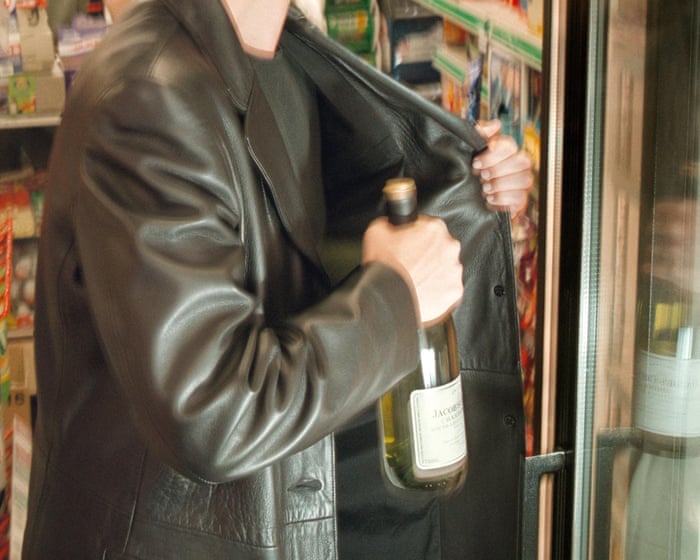
Shoplifting rose 20% in one year, with over 530,000 offences recorded by March 2025.
Larger companies and manufacturing firms are particularly affected by business crime.
Read the Original
Want the full story? Tap a source to open the original
article.
Many workers, especially younger ones, are shifting away from traditional full-time jobs toward freelance, fractional, and portfolio careers where they work for multiple employers or clients at once. While some companies are increasing freelance hires, most still offer permanent full-time roles, showing that the traditional staff job is changing, not disappearing.
Key Facts
Younger workers no longer expect job security from a single employer as they once did.
Freelance and fractional work means professionals divide their time among several companies or projects.
In 2025, 55% of U.S. Zoomers believe traditional jobs will disappear; 39% freelance or plan to.
Gen Z accounts for 28% of the freelance workforce as of 2025.
Almost half of CEOs plan to hire more freelancers in the near future.
The World Bank reports online gig workers make up 12% of the global labor market.
Despite growth in freelance roles, permanent full-time jobs still dominate hiring.
Employers and workers seek flexibility and security amid economic uncertainty.
Read the Original
Want the full story? Tap a source to open the original
article.
Several food recalls and safety alerts have been issued this month due to concerns about salmonella contamination. Many affected products share a common ingredient that may be contaminated.
Key Facts
Multiple food recalls have happened this month.
The recalls are because of possible salmonella bacteria.
Salmonella can cause illness if ingested.
Many recalled products contain the same ingredient.
Authorities are tracking and alerting consumers to stay safe.
People are advised to check their food and follow recall instructions.
The source of contamination is under investigation.
Read the Original
Want the full story? Tap a source to open the original
article.
Alex Cooper, host of the popular "Call Her Daddy" podcast, announced she is pregnant with her first child. She shared the news on Instagram, showing a photo with her husband, Matt Kaplan, whom she married in April 2024.
Key Facts
Alex Cooper hosts the widely listened-to "Call Her Daddy" podcast.
She announced her pregnancy in an Instagram post on Sunday.
Cooper married producer Matt Kaplan in April 2024.
Cooper shared photos with Kaplan, including one where she showed her baby bump.
She did not provide details about her due date or other pregnancy specifics.
"Call Her Daddy" has more than 2.1 million YouTube subscribers.
Cooper has over 7.2 million followers on Instagram.
The podcast often features celebrity guests and discusses topics like relationships and pop culture.
Read the Original
Want the full story? Tap a source to open the original
article.
The Special 301 report this year criticized both friendly countries and competitors for activities that harm American workers. It aims to address unfair practices no matter where they happen.
Key Facts
The Special 301 report is an annual review by the U.S. government.
It identifies countries that violate intellectual property rights or engage in unfair trade practices.
This year, the report calls out not only adversaries but also allies when they harm U.S. workers.
The focus is on holding all countries accountable for actions impacting American jobs.
The report supports efforts to protect U.S. economic interests globally.
It encourages fair trade and respect for U.S. intellectual property rights.
The report influences U.S. trade policy and negotiations with other countries.
Read the Original
Want the full story? Tap a source to open the original
article.
Simone Stolzoff, a journalist and author, explores how people struggle with uncertainty in life and work. His new book, *How to Not Know*, discusses ways to better accept not knowing the future, especially in today's rapidly changing world.
Key Facts
Simone Stolzoff is a journalist who experienced anxiety when choosing between two career paths.
Stolzoff’s book, *How to Not Know*, focuses on embracing uncertainty rather than trying to be certain all the time.
Humans evolved to seek certainty to stay safe, but this can cause stress in unpredictable times.
Exposure to uncertainty can help people become more comfortable with not knowing answers right away.
The rise of smartphones and the internet increases the expectation of immediate answers and reduces tolerance for uncertainty.
Stanford economist Nicholas Bloom found global uncertainty has been very high in the last five years.
Stolzoff’s research shows that avoiding uncertainty may increase anxiety instead of reducing it.
Learning to accept what we don’t know may improve how we deal with changes in careers and life.
Read the Original
Want the full story? Tap a source to open the original
article.
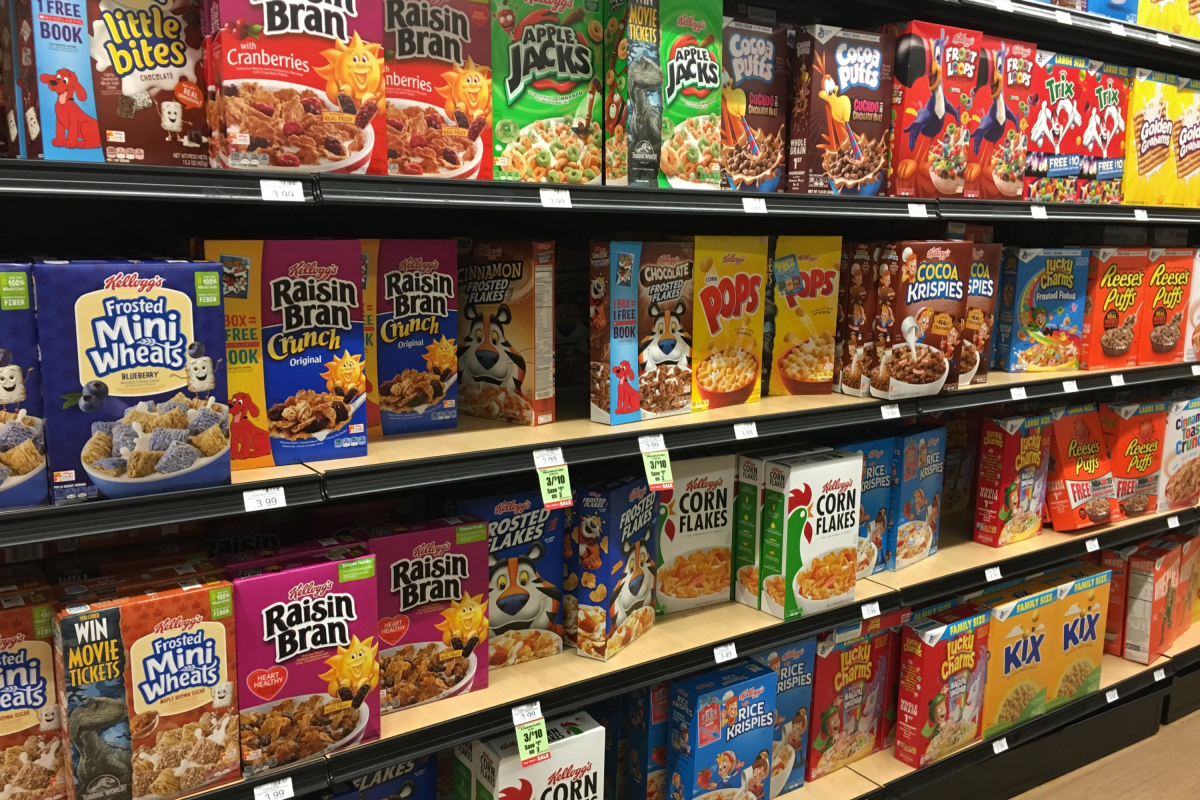
Target will remove all cereals containing artificial colors from its shelves and online stores by the end of May 2026. The company will replace these cereals with new versions and products that use natural colors from fruits, vegetables, and spices, responding to growing consumer demand and regulatory pressure.
Key Facts
Target plans to stop selling cereals with artificial colors like Red 40, Yellow 5, and Blue 1 by May 2026.
The company is working with major brands to reformulate popular cereals such as Trix and Lucky Charms without synthetic dyes.
New cereals under Target’s Good & Gather Kids line will also be free of artificial colors.
Target’s change aims to meet consumer demand for healthier food options and more transparent ingredients.
The U.S. Food and Drug Administration (FDA) has banned Red No. 3 and is pushing to phase out petroleum-based food dyes by 2027.
Artificial food dyes have been linked to behavioral issues in children and possible allergic reactions.
Some studies have raised concerns about cancer risks related to certain artificial dyes.
Target will maintain a variety of cereals that fit different price ranges and dietary needs during the transition.
Read the Original
Want the full story? Tap a source to open the original
article.
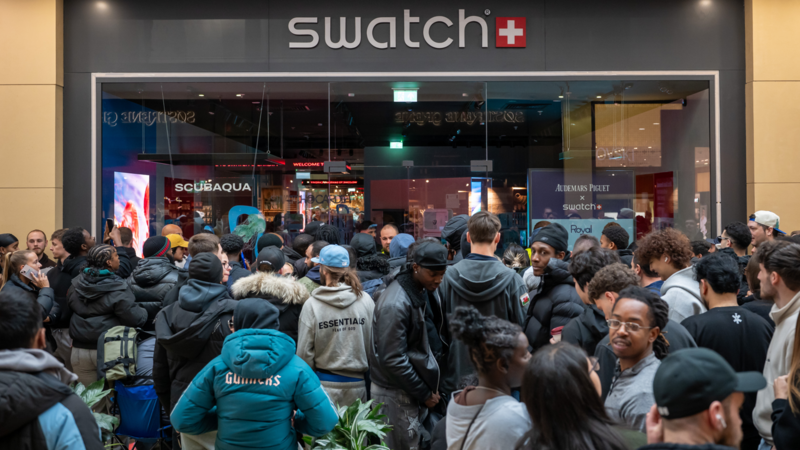
Swatch stores in the UK closed for a second day because large crowds came to buy a new pocket watch priced at £335. The company asked people not to rush stores since the watch will be available for months, and police were called to several locations due to safety concerns.
Key Facts
Swatch stores in Manchester and Liverpool closed for two days due to crowd safety.
The new watch, called the "Royal Pop," costs about £335 but is reselling online for up to £16,000.
Police were called to stores in the UK, France, Switzerland, and an event was canceled in Dubai.
One man was arrested in Cardiff, and threats were reported outside a Liverpool store.
The watch is a collaboration between Swatch and luxury brand Audemars Piguet.
The design is inspired by 1950s-60s Pop Art and combines styles from both brands.
Swatch advised customers not to form large queues and said sales might pause if too many people gather.
In New York, people camped in Times Square for a week to buy the watch, with some getting sick.
Read the Original
Want the full story? Tap a source to open the original
article.
This article highlights three popular foods in Philadelphia: cheesesteaks, soft pretzels, and hoagies. It shares details from local business owners about what makes these foods special and their significance in Philadelphia culture.
Key Facts
The cheesesteak is a sandwich with thinly sliced ribeye steak, onions, and cheese, served on an Italian roll.
Pat’s King of Steaks in Philadelphia is a famous cheesesteak shop owned by Frankie Olivieri, who emphasizes not chopping the meat.
Soft pretzels have been a popular Philly food since at least 1861 and are known for their figure-eight shape.
Center City Soft Pretzel Co. produces tens of thousands of pretzels each week and sells them for 90 cents each.
Pretzels are considered a convenient, on-the-go food and a staple of Philadelphia’s blue-collar culture.
Liberty Kitchen offers 25 kinds of hoagies, another popular Philadelphia sandwich.
Philadelphia-style pretzels are thick, crusty, salty, and traditionally eaten with mustard.
Both cheesesteaks and pretzels hold cultural significance and are cherished by many Philadelphians.
Read the Original
Want the full story? Tap a source to open the original
article.
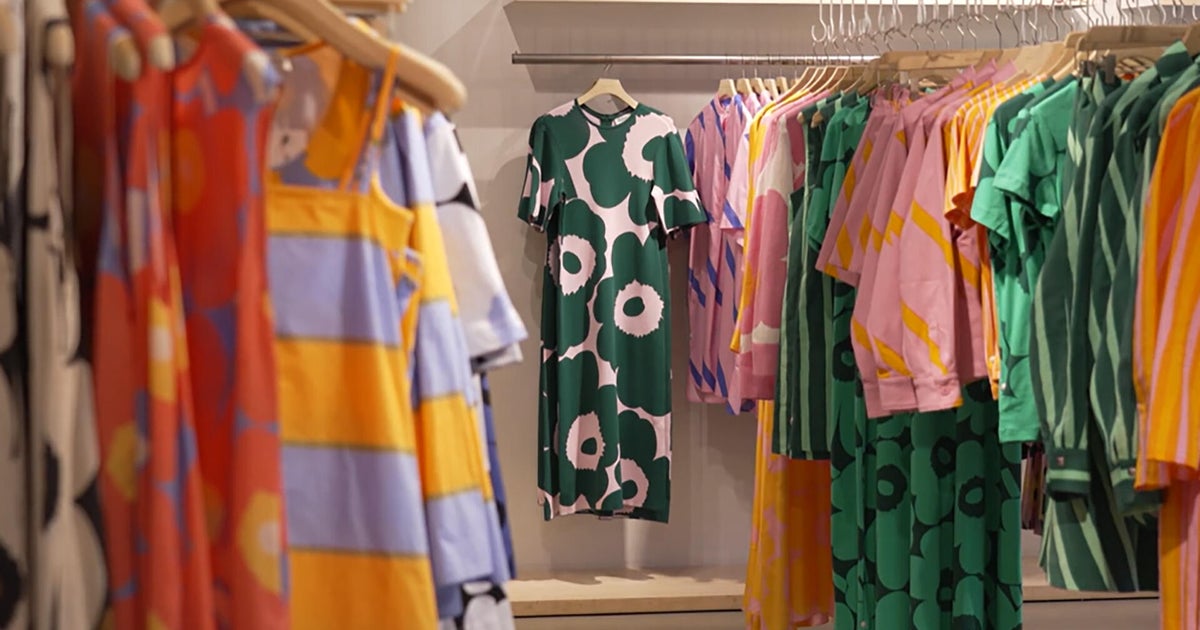
Marimekko is a Finnish company known for its bold designs on fabrics, home goods, and clothes. The company has been creating colorful and unique designs for 75 years.
Key Facts
Marimekko is based in Finland.
The company specializes in fabrics, housewares, and fashion.
Its designs are known for being bright and bold.
Marimekko has a 75-year history.
The company’s style is widely recognized around the world.
The article was reported by CBS News correspondent Seth Doane.
Read the Original
Want the full story? Tap a source to open the original
article.
Soft pretzels are a traditional and popular food in Philadelphia. The Center City Soft Pretzel Company produces tens of thousands of pretzels every week to meet local demand.
Key Facts
Soft pretzels are an important food tradition in Philadelphia.
The Center City Soft Pretzel Company is a major producer of soft pretzels in the city.
This company makes tens of thousands of pretzels each week.
Soft pretzels have a twisted shape, a crunchy outside, and a doughy inside.
The pretzels are known for their salty taste.
Read the Original
Want the full story? Tap a source to open the original
article.
Louis Vuitton is a well-known French luxury brand founded in 1821 that revolutionized travel with its flat, stackable trunks. Today, designer Nicolas Ghesquière blends the brand’s rich history with new ideas, creating collections that honor craftsmanship while looking to the future.
Key Facts
Louis Vuitton was started by a French trunk maker in 1821.
The brand's original innovation was a flat, stackable trunk that changed how people travel.
Louis Vuitton trunks are made to last a lifetime and are crafted using traditional methods.
Nicolas Ghesquière is the current designer shaping Louis Vuitton’s style.
Ghesquière draws inspiration from the original trunks for each new fashion collection.
The Petite Malle is a small handbag design inspired by the classic trunk.
Louis Vuitton is the world’s largest luxury brand with a globally recognized "LV" logo.
Upcoming collections include a collaboration with the late artist Keith Haring’s estate.
Read the Original
Want the full story? Tap a source to open the original
article.
After the 2020 Almeda Fire in Southern Oregon destroyed many homes, there was a housing shortage. Some people like Jacob and Elize Fry built small rental homes called Accessory Dwelling Units (ADUs) in their backyards to help people who lost housing. California has made it easier and cheaper to build these units, which helps provide affordable long-term rentals.
Key Facts
The 2020 Almeda Fire in Oregon destroyed thousands of homes, worsening the housing crisis.
Jacob and Elize Fry built two small rental homes (ADUs) in their backyard to help displaced people.
ADUs are small, separate houses built on the same property as a main house, also known as granny flats or mother-in-law suites.
California laws now allow multiple ADUs on single-family lots, but only for long-term renters, not short-term like Airbnb.
There are currently 82,000 ADU building permits in California, showing strong growth in this housing option.
UCLA professor Dana Cuff helped pass the California ADU law and lives in an ADU herself.
Some neighbors worry ADUs strain local infrastructure such as parking, sewers, and waste services.
Tenants living in ADUs often include young families or newlyweds looking for affordable housing options.
Read the Original
Want the full story? Tap a source to open the original
article.
Investors in Thames Water warn that temporarily nationalizing the company would slow its recovery. Thames Water is close to agreeing on a rescue deal with creditors and the water regulator, Ofwat, to avoid running out of money by November.
Key Facts
Thames Water faces a financial crisis and needs £10 billion to stabilize and improve services.
The company risks running out of money by November without new investment.
Creditors and Thames Water are working on a rescue plan that involves no government funding.
A “special administration regime,” a form of temporary nationalization, could happen if no deal is reached.
Investors say temporary nationalization would cause delays, increase uncertainty, and hinder improvements.
Labour politician Andy Burnham supports renationalizing utilities like water and energy.
Thames Water has a £17.6 billion debt accumulated since it was privatized.
Share prices of other water companies fell after Burnham’s renationalization comments.
Read the Original
Want the full story? Tap a source to open the original
article.
Swatch’s release of a special edition watch made with Audemars Piguet caused very large crowds and some fights in several cities in Europe and New York. Stores in multiple locations closed temporarily due to safety concerns and crowd control issues.
Key Facts
The limited-edition Royal Pop watch was launched by Swatch in collaboration with luxury brand Audemars Piguet.
Crowds in Paris reached about 300 people; police used teargas to control the situation.
Stores in Milan, Amsterdam, Utrecht, London, and six other UK cities also closed because of crowd problems.
In the Netherlands, police had to stop people near The Hague after quarrels broke out.
In New York’s Times Square, people pushed and shoved while waiting in line for days.
The watch sells for about $400 in stores but is being resold for up to $4,000.
Some buyers waited several days in line or paid high prices to get the watch.
Swatch has not given a public response about the incidents or store closures.
Read the Original
Want the full story? Tap a source to open the original
article.
Recent outbreaks of hantavirus and norovirus on cruise ships have caused passenger illness and deaths, but the cruise industry expects more people to travel by cruise this year than before. Experts and travelers say these outbreaks have not reduced enthusiasm for cruises, which remain popular worldwide.
Key Facts
Three passengers died from hantavirus on the Dutch cruise ship MV Hondius after it stopped in Argentina.
A norovirus outbreak occurred on the British cruise ship Ambition, docked in Bordeaux, France.
Despite these outbreaks, the Cruise Lines International Association forecasts 38.3 million cruise passengers worldwide in 2026, up 4% from last year's 37.2 million.
Major cruise companies like Royal Caribbean, Norwegian, and Carnival did not comment on how outbreaks affect bookings.
The company owning MV Hondius, Oceanwide Expeditions, plans to continue normal operations and has a cruise scheduled from Iceland on May 29.
Some experienced cruise travelers say they are not changing their plans and believe cruising is as safe as other holidays if health advice is followed.
Industry experts say travelers see outbreaks as isolated and not unique to cruises.
Read the Original
Want the full story? Tap a source to open the original
article.