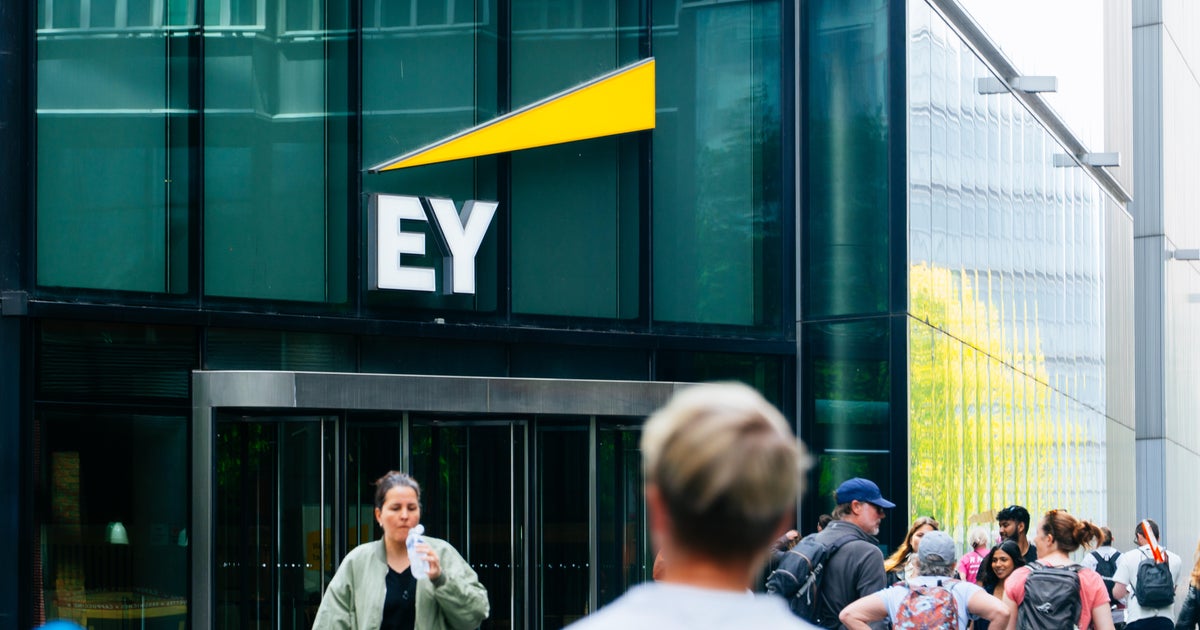
Ernst & Young (EY), a large consulting firm, will give $100 million in bonuses to workers who show strong human skills like leadership and teamwork. EY believes these skills are important for the future, especially as technology and artificial intelligence (AI) change how work is done.
Key Facts
EY is one of the "Big Four" management consulting firms.
The company plans to award $100 million in bonuses for human skills such as leadership, good judgment, business sense, teamwork, and adaptability.
EY will also reward employees who adopt new technology.
The CEO of EY Americas, Dante D'Egidio, said this shows the firm’s commitment to building a future workforce.
EY sees a future where technology leads work but human skills remain essential.
Economists say AI may eliminate some jobs but create new ones.
Workers who do not learn to use AI with their skills risk being left behind.
Read the Original
Want the full story? Tap a source to open the original
article.
Crystal Temptations is recalling certain Chocolatey Eyeballs candies sold at TJ Maxx, Marshalls, HomeGoods, and Sierra stores in 13 states because they contain milk that is not listed on the package. People with milk allergies could have serious reactions if they eat these candies. No illnesses have been reported so far.
Key Facts
The recall involves five types of Chocolatey Eyeballs with specific package sizes and style numbers.
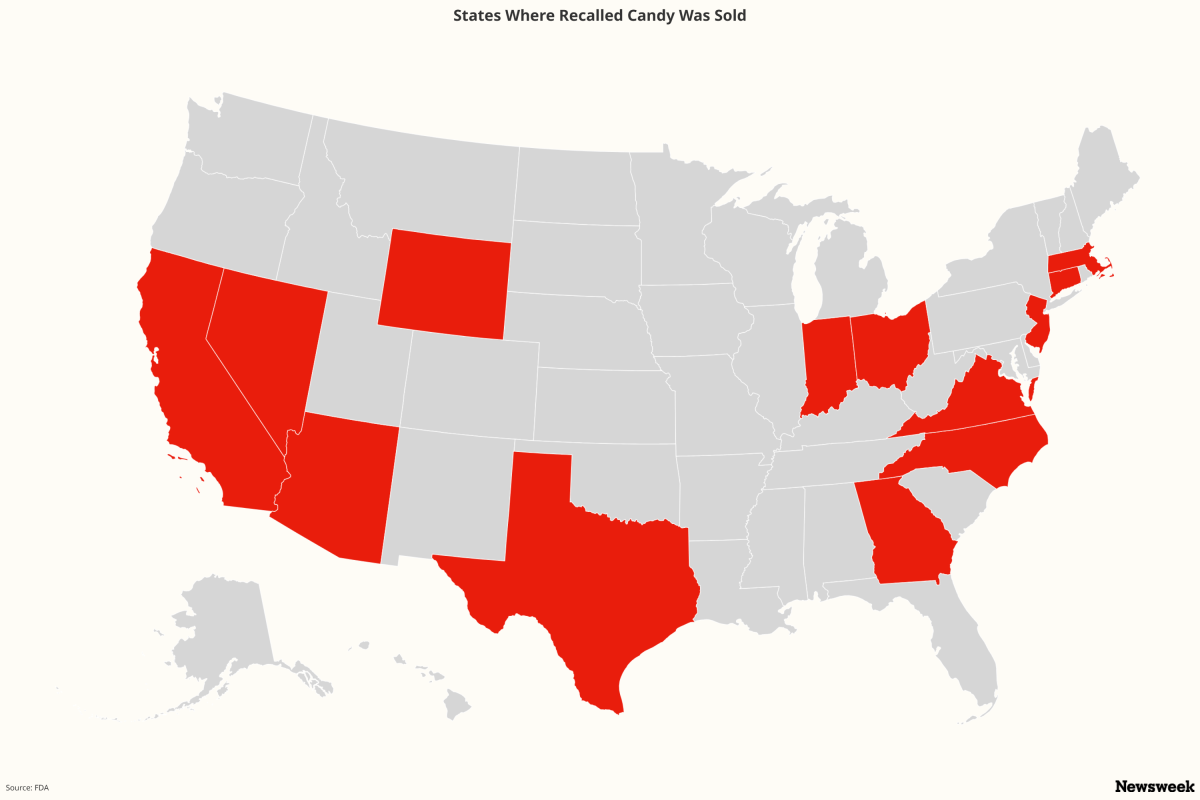
The candies were sold in Arizona, California, Connecticut, Georgia, Indiana, Massachusetts, Nevada, New Jersey, North Carolina, Ohio, Texas, Virginia, and Wyoming.
The issue was found when a store analyst noticed milk was in the candy but not declared on the label.
The problem happened due to a temporary error in the company's production and packaging.
Milk is a common allergen and has caused many food recalls in the past because people did not know it was in the product.
About 2% of people in the U.S. have a milk allergy.
Symptoms of a milk allergy can be mild or severe and may include hives, swelling, stomach pain, vomiting, wheezing, or a life-threatening reaction called anaphylaxis.
Consumers who bought the candies should throw them away and contact Crystal Temptations for a refund; refunds are not available at the stores.
Read the Original
Want the full story? Tap a source to open the original
article.
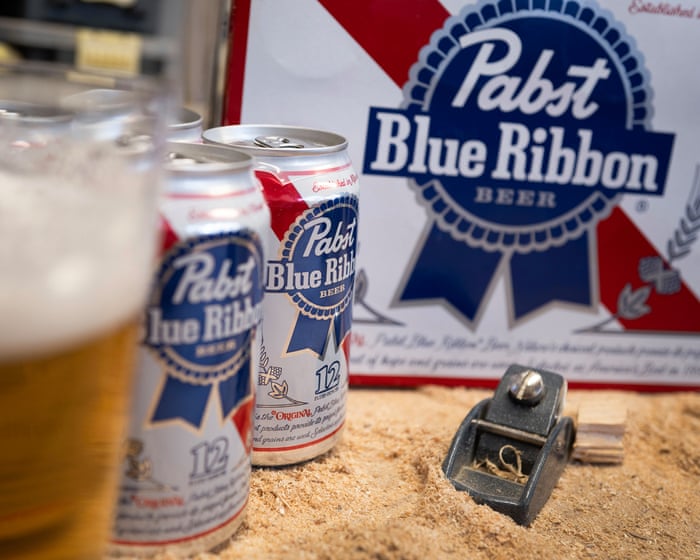
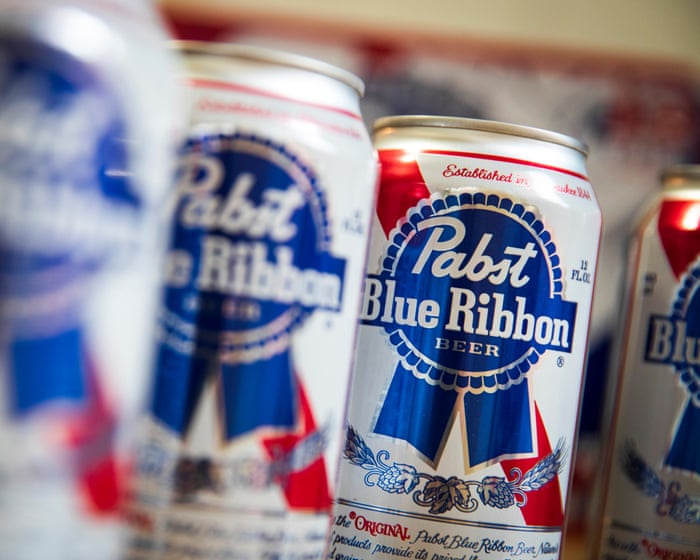
Pabst is offering a reward to anyone who helps return 40,000 pounds of its beer stolen from a warehouse in southern California. The theft involved two shipments taken under false pretenses on August 17 from a distribution center near Los Angeles.
Key Facts
About 40,000 pounds (18,000 kg) of Pabst Blue Ribbon and non-alcoholic Old Milwaukee beer were stolen.
The theft happened at an Anheuser-Busch warehouse in Montclair, California.
Two separate pickup frauds occurred on the same day, August 17.
The stolen beer's estimated value is $70,000 total.
In the first heist, $45,000 worth of beer was taken but not delivered.
The second pickup involved fake documents from a supposed subcontractor to take $25,000 worth of beer.
Pabst is offering a cash reward equal to half the value of the stolen beer.
Police are investigating whether both thefts are linked as part of a cargo-theft scheme.
Read the Original
Want the full story? Tap a source to open the original
article.
The movie *Coyote vs. Acme* has been released after three years of development and tells the story of Wile E. Coyote suing the Acme Corporation for defective products. The film combines humor and satire while featuring many references to classic Looney Tunes cartoons.
Key Facts
*Coyote vs. Acme* is based on a 1990 satirical story by Ian Frazier.
The film’s development began in 2018 and includes work by writer James Gunn.
Warner Bros. initially delayed the film in 2023 to use a tax write-off, causing criticism.
The plot centers on Wile E. Coyote hiring a lawyer to sue Acme for faulty products used in his attempts to catch the Road Runner.
The main human characters’ names honor famous Looney Tunes creators, like Tex Avery and Chuck Jones.
The story includes a large lawsuit against Acme prompted by a filing mistake, followed by a court trial.
Acme has a secret project called “Project Sisyphus” and a missing scientist from 1992.
The film features many Looney Tunes character appearances and pays tribute to the franchise’s history.
Read the Original
Want the full story? Tap a source to open the original
article.
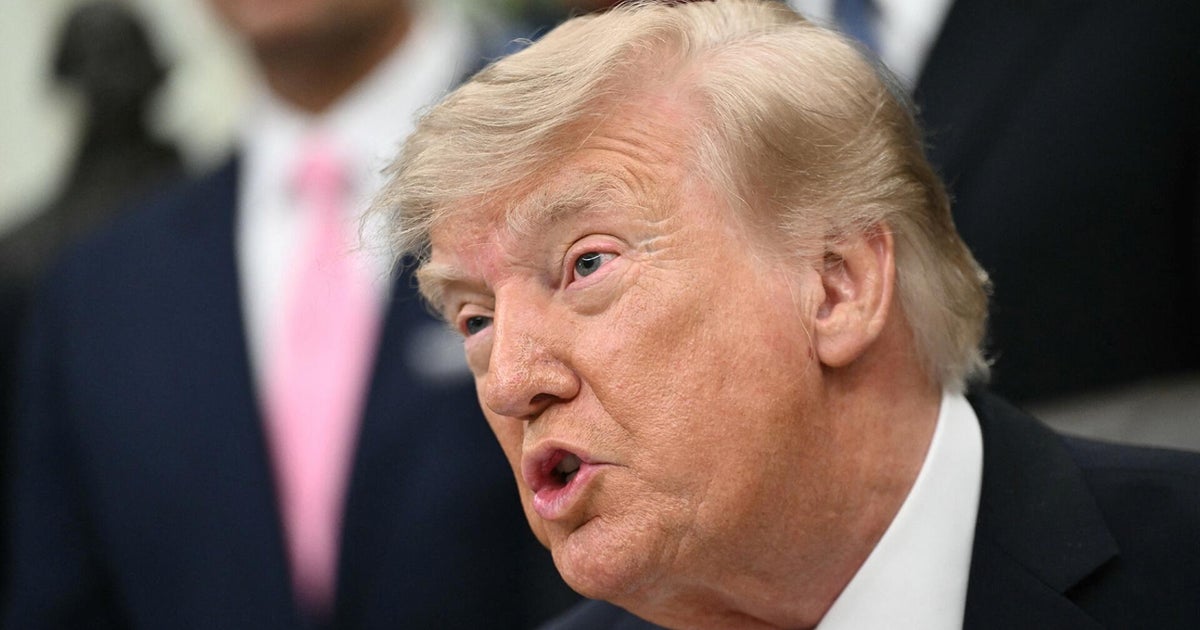
President Donald Trump encouraged communities to support the building of data centers. He stated that supporting data centers can help people become successful and wealthy.
Key Facts
President Trump posted about data centers on social media.
He said people who want to be successful and rich should back data centers.
Data centers are facilities that store and manage large amounts of digital information.
Communities sometimes resist data centers due to concerns about land use or energy consumption.
President Trump’s message suggests data centers can bring economic benefits.
Read the Original
Want the full story? Tap a source to open the original
article.
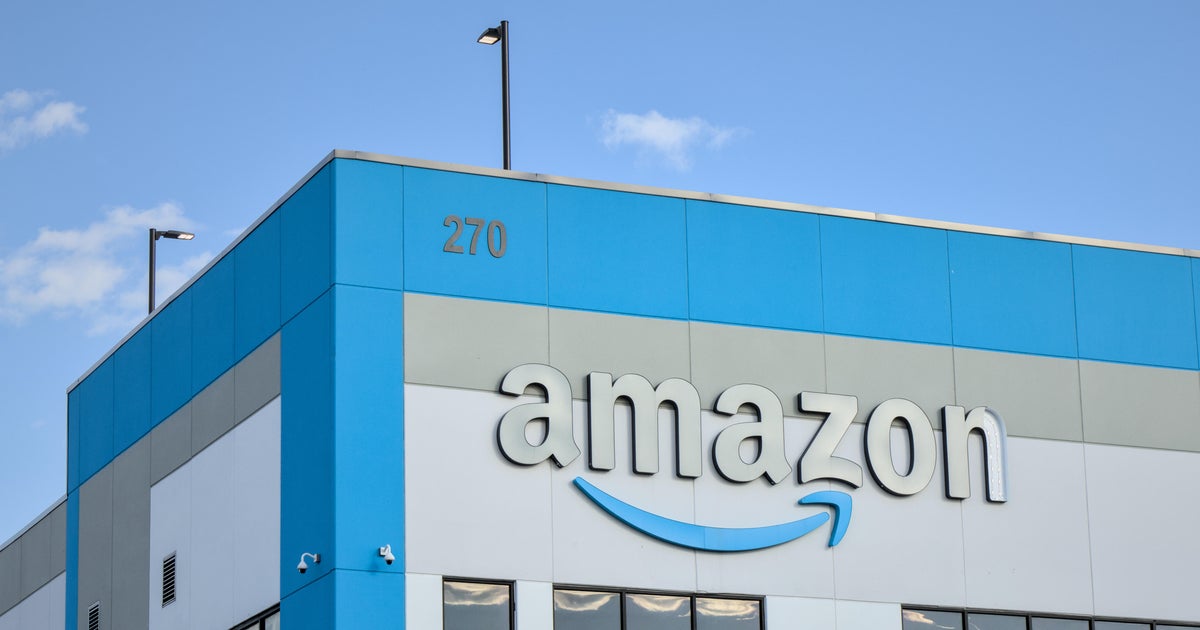
The US Federal Trade Commission (FTC) and 22 states sued Amazon, accusing it of secretly overcharging advertisers by more than $20 billion through hidden fees. The regulators say these extra charges increased the cost of many products for customers. Amazon denies the claims and calls the lawsuit wrong.
Key Facts
The FTC and 22 states filed a lawsuit against Amazon on allegations of overcharging advertisers.
The overcharges come from secret fees in Amazon’s advertising auction system.
The alleged extra charges totaled more than $20 billion since 2019.
About 1.2 million advertisers, including over 500,000 small and medium businesses, were affected.
Amazon’s advertising business is the third largest online, after Google and Meta, with over $68 billion in revenue.
Regulators say Amazon used “second-price auctions” but manipulated the process by adding fake bids to raise prices.
Amazon denies the accusations and claims it offers low prices across many products.
The lawsuit seeks to stop Amazon’s alleged unfair practices, fines, and refunds to advertisers.
Read the Original
Want the full story? Tap a source to open the original
article.
The Federal Trade Commission (FTC) and 22 states sued Amazon for allegedly charging secret extra fees in its online advertising auctions. These hidden surcharges are said to have increased advertising costs for over a million Amazon sellers and may have cost customers billions of dollars over seven years.
Key Facts
The FTC and 22 states filed the lawsuit against Amazon on Monday.
Amazon is accused of secretly raising prices in its online ad auctions without telling sellers.
The extra charges affected more than 1 million brands and sellers on Amazon’s platform.
The alleged surcharges lasted for seven years.
The increased costs for advertisers were likely passed on to customers.
The states involved include Alaska, California, Florida, New York, and others.
FTC Chairman Andrew Ferguson said Amazon’s actions misled advertisers and harmed consumers.
Amazon has not yet responded publicly to the lawsuit.
Read the Original
Want the full story? Tap a source to open the original
article.
Money market accounts currently offer interest rates around 3.8% to 4.0%, which is much higher than traditional savings accounts. If the Federal Reserve raises interest rates in September, these rates could increase, helping savers earn more money while keeping access to their funds flexible.
Key Facts
Traditional savings accounts have an average interest rate of about 0.38%.
Money market accounts offer higher rates, currently between 3.80% and 4.00%.
These accounts have variable rates, so their interest can rise if the Federal Reserve increases rates.
Higher interest rates help savers earn more money on their deposits.
Money market accounts allow easier access to money compared to some other account types.
Online banks often provide better money market rates than banks with physical branches.
Interest earned varies by deposit size; for example, $5,000 at 4% earns about $200 in one year.
With potential rate hikes, money market account returns could increase without needing any action from savers.
Read the Original
Want the full story? Tap a source to open the original
article.
This September is a good time for people with debt to think about getting professional help. With inflation high and borrowing costs possibly rising again, waiting to manage debt could cost more in interest and make paying off debt harder.
Key Facts
Managing debt has become harder due to inflation and economic uncertainty.
The Federal Reserve will meet mid-September and might raise interest rates again.
Credit card interest rates average around 22.15%, which is very high.
When interest rates rise, credit card payments get more expensive.
Debt relief options include debt consolidation (combining debts into one payment) and debt settlement (negotiating to reduce the amount owed).
Debt settlement can sometimes save 30% to 50% of the total balance.
Taking action now may help avoid higher costs if interest rates increase.
Waiting to handle debt might lead to paying more interest and slower progress on paying down balances.
Read the Original
Want the full story? Tap a source to open the original
article.
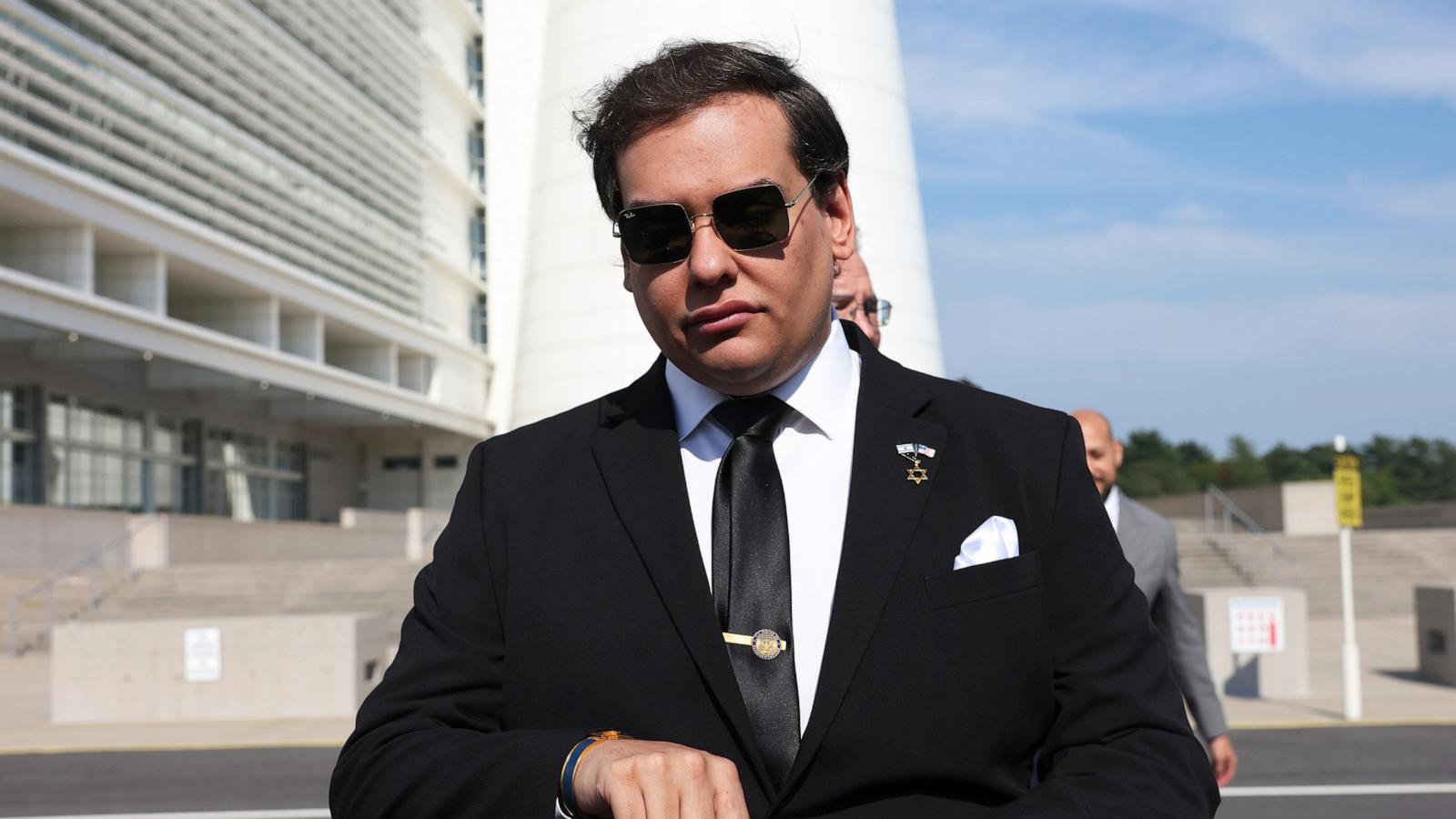
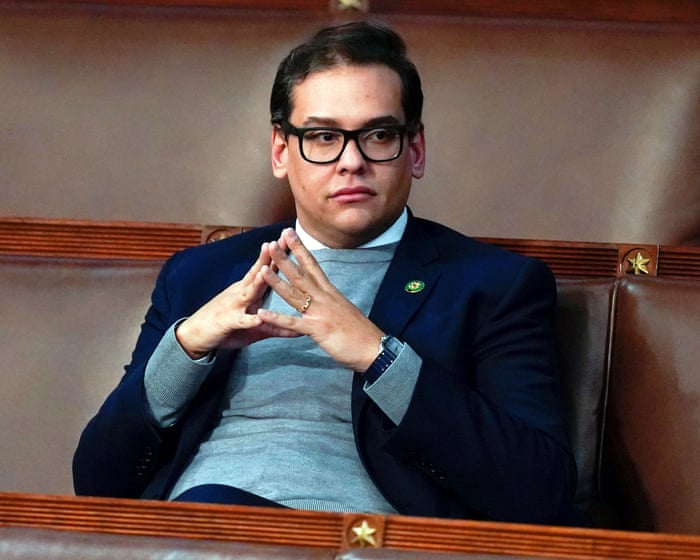
Prediction market Kalshi has banned former Representative George Santos for life after finding he manipulated contract prices by making public statements tied to his bets. The platform also penalized three political candidates for betting on their own races, which breaks Kalshi’s rules about insider trading.
Key Facts
Kalshi issued a lifetime ban against former Rep. George Santos for manipulating contract prices.
Santos made public statements about attending the State of the Union then bet on related contracts.
The Commodity Futures Trading Commission fined Santos $17,500 and made him return earnings from these trades.
Three political candidates—Ben Midgley, Stephen Cloobeck, and Laurie Buckhout—were penalized for betting on their own political races.
Cloobeck lost access to Kalshi for three years and paid a $31,770 fine; Midgley and Buckhout also faced suspensions and smaller fines.
Kalshi considers betting on one’s own race as insider trading because these candidates influence the outcomes they bet on.
All three candidates cooperated with Kalshi’s investigation.
This is Kalshi’s first lifetime ban and continues efforts to stop insider trading on its prediction market platform.
Read the Original
Want the full story? Tap a source to open the original
article.
Kalshi, a betting platform, permanently banned former Congressman George Santos and fined him $71,356 for betting on whether he would attend President Trump's State of the Union address. Regulators said Santos bet against his own attendance and misled others to profit from the bets.
Key Facts
George Santos received a lifetime ban and $71,356 fine from Kalshi.
The Commodity Futures Trading Commission (CFTC) accused Santos of profiting by betting he would miss the State of the Union speech but then signaling he would attend to raise contract values.
Santos refused to fully cooperate with Kalshi's investigation, which led to the permanent ban.
Santos was expelled from Congress in December 2023 after findings of fraud and lying.
He pleaded guilty to wire fraud and identity theft and was sentenced to over seven years but served less than three months after President Trump commuted his sentence.
Santos had previously settled with the CFTC, paying over $35,000 and receiving a three-year trading ban.
Other politicians and figures were also banned and fined by Kalshi for betting on their own political campaigns.
Santos is currently working to rebuild his public image and finances through media appearances and online video shout-outs.
Read the Original
Want the full story? Tap a source to open the original
article.
Music publishers including Sony, EMI, and Warner Chappell have sued AI company Anthropic, accusing it of illegally downloading millions of copyrighted books and music to train its AI models. The publishers argue that Anthropic’s $1.5 billion settlement is too low and does not stop the company from continuing to use pirated music that harms songwriters. Internal messages from Anthropic staff show enthusiasm for using pirate libraries like Z-Library to get training data.
Key Facts
Anthropic paid $1.5 billion to settle claims of pirating over 7 million books to train its AI models.
Music publishers (Sony, EMI, Warner Chappell) allege Anthropic also pirated thousands of copyrighted musical works.
Publishers say Anthropic’s use of pirated music hurts songwriters competing with AI-generated songs.
Anthropic employees used BitTorrent to download files from pirate libraries like Library Genesis and Z-Library.
Anthropic co-founders Benjamin Mann and CEO Dario Amodei are named defendants, with Mann directly involved in torrenting.
Internal chats from Anthropic staff praised Z-Library and encouraged torrenting to get data quickly.
Publishers claim that although Anthropic denies training with pirated songs, further court investigation may prove otherwise.
Publishers want an injunction to stop Anthropic from using pirated works in AI training and generating imitation songs.
Read the Original
Want the full story? Tap a source to open the original
article.
A court ruled against Kalshi, a company that allows people to bet on outcomes of events, stopping it from preventing Nevada from regulating bets on sports events on its platform. Robert DeNault, the head of enforcement at Kalshi, discussed the ruling and its impact on the company.
Key Facts
Kalshi lets users place bets on the results of different events.
Nevada wants to regulate betting on sports events on Kalshi’s platform.
Kalshi tried to stop Nevada’s regulation through a court appeal.
The appeals court rejected Kalshi’s attempt to block the regulation.
Robert DeNault spoke about the ruling on CBS News.
The ruling means Nevada can oversee sports betting on Kalshi.
This case affects how event speculation is controlled online.
Read the Original
Want the full story? Tap a source to open the original
article.
Victoria Beckham's fashion and beauty company made its first operating profit of £7.3 million in 2025 after 18 years of losses. The brand grew especially well in fashion and skincare, helped by a Netflix documentary and a business restructure.
Key Facts
Victoria Beckham Holdings Ltd was founded in 2008 and made an operating profit for the first time in 2025.
The company earned a profit of £7.3 million in 2025.
A Netflix documentary about Victoria Beckham’s business helped increase sales.
The fashion division grew strongly, especially in denim and jersey products.
The beauty division, launched in 2019, performed well, led by the popular Foundation Drops product.
The company was once tens of millions in debt and was supported by investment from Victoria’s husband, Sir David Beckham.
In 2017, the business sold 30% of shares to NEO Investment Partners, who helped restructure and cut wasteful spending.
The company is now focused on profitable growth with an expanding international customer base.
Read the Original
Want the full story? Tap a source to open the original
article.
Sony has agreed to a $7.85 million settlement in a class-action lawsuit claiming it limited where customers could buy digital game vouchers, which allegedly raised prices on some PlayStation games. The lawsuit says Sony stopped retailers like GameStop from selling certain game codes after April 2019, reducing competition and causing higher prices.
Key Facts
The lawsuit is called Caccuri v. Sony Interactive Entertainment LLC.
Before April 1, 2019, third-party retailers sold game-specific download vouchers for PlayStation games.
Sony ended this practice, which plaintiffs say reduced competition and led to higher game prices.
Sony denies breaking any laws but agreed to settle to avoid legal costs and uncertainty.
The $7.85 million settlement will compensate some U.S. PlayStation users who bought affected games between April 2019 and December 2023.
A court hearing on final approval of the settlement is set for October 15, 2024.
Only purchases of certain qualifying games, including titles like The Last of Us, Mass Effect Trilogy, and Resident Evil 4, may be eligible.
The settlement covers digital purchases from the PlayStation Store, not all PlayStation purchases.
Read the Original
Want the full story? Tap a source to open the original
article.
A debt collector can sell a court judgment for unpaid debt to another debt collector. The new owner of the judgment can continue to collect the debt using legal methods allowed by the court.
Key Facts
A court judgment for unpaid debt can remain valid for many years, allowing ongoing collection efforts.
The original creditor does not always handle the debt for its entire duration; debts often change hands.
When a judgment is sold, the new owner inherits the right to collect the remaining debt.
Legal steps, like filing an assignment of judgment, may be required for the new owner to enforce collection.
Federal rules require debt collectors to provide information about the debt, including the creditor’s name and amount owed.
Debtors can request more details or dispute the debt if information from the collector doesn’t match their records.
The time a judgment remains enforceable depends on state laws and is not automatically extended when the judgment is sold.
After a judgment is sold, debtors might be able to negotiate a payment plan or settle for less than the full amount.
Read the Original
Want the full story? Tap a source to open the original
article.
Pabst Brewing Company reported that 40,000 pounds of their beer were stolen from a distribution center in California. The company is offering a reward and asking for help to find the stolen beer, which was taken using fake documents.
Key Facts
40,000 pounds (about 18,144 kilograms) of Pabst Blue Ribbon beer were stolen.
The theft happened at an Anheuser-Busch distribution center in Montclair, California.
The stolen beer was worth $25,000 and was meant to be sent to San Diego.
Police said this was the second theft from the same location on the same day.
Both thefts involved false or fraudulent paperwork.
Anheuser-Busch brews Pabst Blue Ribbon beer under contract.
Pabst Brewing Company set a deadline of 18 days and 44 minutes for the beer to be returned.
The company is offering an unspecified reward for information leading to the recovery of the beer.
Read the Original
Want the full story? Tap a source to open the original
article.
Thieves stole about 34,000 cans of Pabst Blue Ribbon and Old Milwaukee beer from a warehouse in southern California in two heists on the same day. Police are investigating if the thefts were connected, while the beer company turned the incidents into a social media campaign asking for the beer’s return.
Key Facts
The thefts happened on August 17 at an Anheuser-Busch distribution center near Los Angeles.
About $70,000 worth of beer was stolen in total.
The first heist involved $45,000 worth of beer meant for Tucson, Arizona.
The second heist used fake documents to pick up $25,000 worth of beer.
Roughly 34,000 cans, or more than 1,500 cases, of beer were taken.
The stolen beer included Pabst Blue Ribbon and non-alcoholic Old Milwaukee brands.
Pabst posted on Instagram asking the thieves to return the beer and called their request serious.
Montclair police are still investigating whether the thefts were connected.
Read the Original
Want the full story? Tap a source to open the original
article.
Thieves stole about $70,000 worth of Pabst Blue Ribbon and Old Milwaukee beer from a warehouse in Montclair, California, in two thefts on the same day. The company used the incident as a social media promotion to ask for the beer's return, while police investigate if the thefts were connected.
Key Facts
Two separate thefts happened on August 17 at an Anheuser-Busch warehouse near Los Angeles.
About $45,000 worth of beer meant for Tucson, Arizona, was stolen first but never delivered.
An hour later, fake papers were used to take another $25,000 worth of beer.
The stolen beer included roughly 34,000 cans, over 1,500 cases in total.
The total weight of the stolen beer was about 40,000 pounds (18,145 kilograms).
Montclair police are investigating if the two thefts are linked.
Pabst Blue Ribbon posted on Instagram, asking for the beer to be returned and making a light-hearted comment about the theft.
The thefts happened at a distribution center operated by Anheuser-Busch, the parent company of Pabst Blue Ribbon.
Read the Original
Want the full story? Tap a source to open the original
article.
A home equity line of credit (HELOC) lets homeowners borrow money using their home’s value as collateral. In September, a $100,000 HELOC would cost about $960 to $1,218 per month depending on the repayment period and interest rate, which is variable and can change over time.
Key Facts
A HELOC is a revolving credit line secured by the value of a home.
Current average HELOC interest rate is around 8.09%.
Monthly payment for a $100,000 HELOC at 8.09% interest is about $1,218 for a 10-year repayment or $961 for a 15-year repayment.
Interest rates for HELOCs fluctuate monthly with market conditions, so payments can change.
February and April rates were lower (around 7.11% to 7.31%), resulting in lower monthly payments.
Borrowers should calculate potential costs at different interest rates to prepare for payment changes.
Fixed-rate home equity loans are an alternative if borrowers want more predictable payments.
HELOC interest rates are generally lower than personal loans and credit cards.
Read the Original
Want the full story? Tap a source to open the original
article.