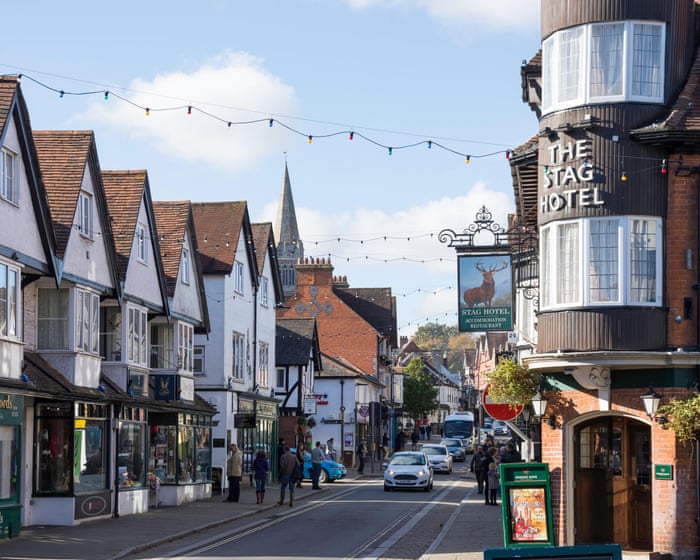
Business groups in Scotland have urged Deputy First Minister John Swinney to cancel plans for a legal cap on the prices of some essential food items. They argue that price caps will not solve the reasons behind high food prices and could lead to problems like shortages and higher overall costs.
Key Facts
The Scottish government wants to limit prices on essential food items like milk, eggs, cheese, and rice.
Twenty-three business organizations, including retail and food producers, oppose this plan.
They say rising costs in production, refrigeration, and delivery cause high food prices, not retailers’ profits.
Price caps in other countries, like Hungary, have caused shortages and replaced local products with cheaper imports.
Small shops in Scotland may be hurt because they would not have to follow the price cap rules.
Business representatives say current food prices in Scotland are among the lowest in Western Europe.
The plan may require changing UK laws that protect trade between Scotland and other parts of the UK.
The Scottish government says helping with the cost of living is a priority and will soon ask for more opinions on the proposal.
Read the Original
Want the full story? Tap a source to open the original
article.
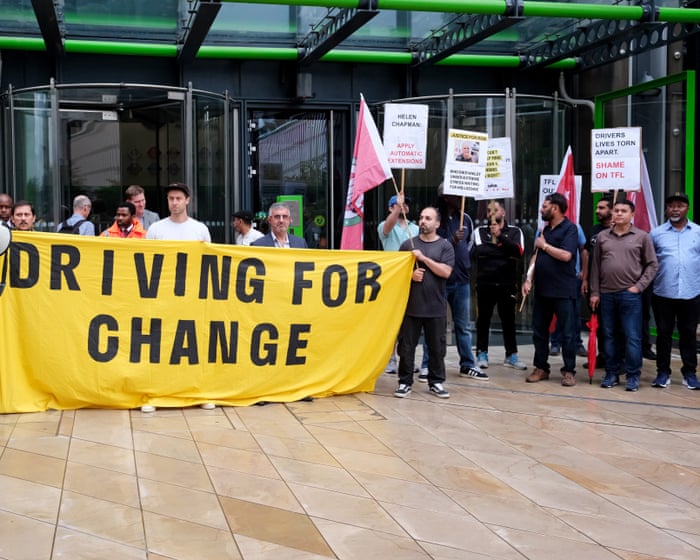
An Uber driver, Julius Mugabo, is suing Transport for London (TfL) because delays in renewing his private hire licence caused him to fall into debt and nearly lose his home. TfL acknowledges the delays and faces a legal review after thousands of drivers experienced similar problems.
Key Facts
Julius Mugabo has been an Uber driver licensed by TfL since 2016.
Private hire driver licences in London must be renewed every three years by TfL.
TfL delayed Mugabo’s licence renewal, requesting documents he said he had already provided.
The delays caused Mugabo to owe £20,000 in tax debt due to missed payments and interest.
Around 18,000 private hire drivers received “goodwill” payments from TfL because of licence delay issues.
About 100,000 private hire drivers work through apps like Uber and Bolt in London.
The Independent Workers’ Union of Great Britain supports Mugabo’s court case and reports many drivers have lost cars, fallen into debt, or faced eviction due to TfL delays.
A judge recognized that TfL’s delay caused serious harm to Mugabo and his family and allowed the case to continue.
Read the Original
Want the full story? Tap a source to open the original
article.
Young people today face unstable jobs, high living costs, and unclear futures, leading them to change how they work and earn money. Instead of traditional careers, many choose flexible side jobs or online platforms that offer faster income and personal freedom.
Key Facts
Many young people struggle with job insecurity and cannot afford homes.
Only 6% of young people aim for leadership roles in their careers.
More than half of Generation Z prefer "portfolio careers," which involve multiple jobs or income sources.
Platforms like Shopify and OnlyFans enable new types of work not imagined by past career advisors.
57% of Gen Z have side hustles, more than twice the rate of baby boomers.
Traditional long-term career goals are less realistic, so young people focus on earning money and autonomy now.
Economic uncertainty has changed how young people relate to work and the future.
Some young workers train artificial intelligence (AI) to do parts of their jobs.
Read the Original
Want the full story? Tap a source to open the original
article.
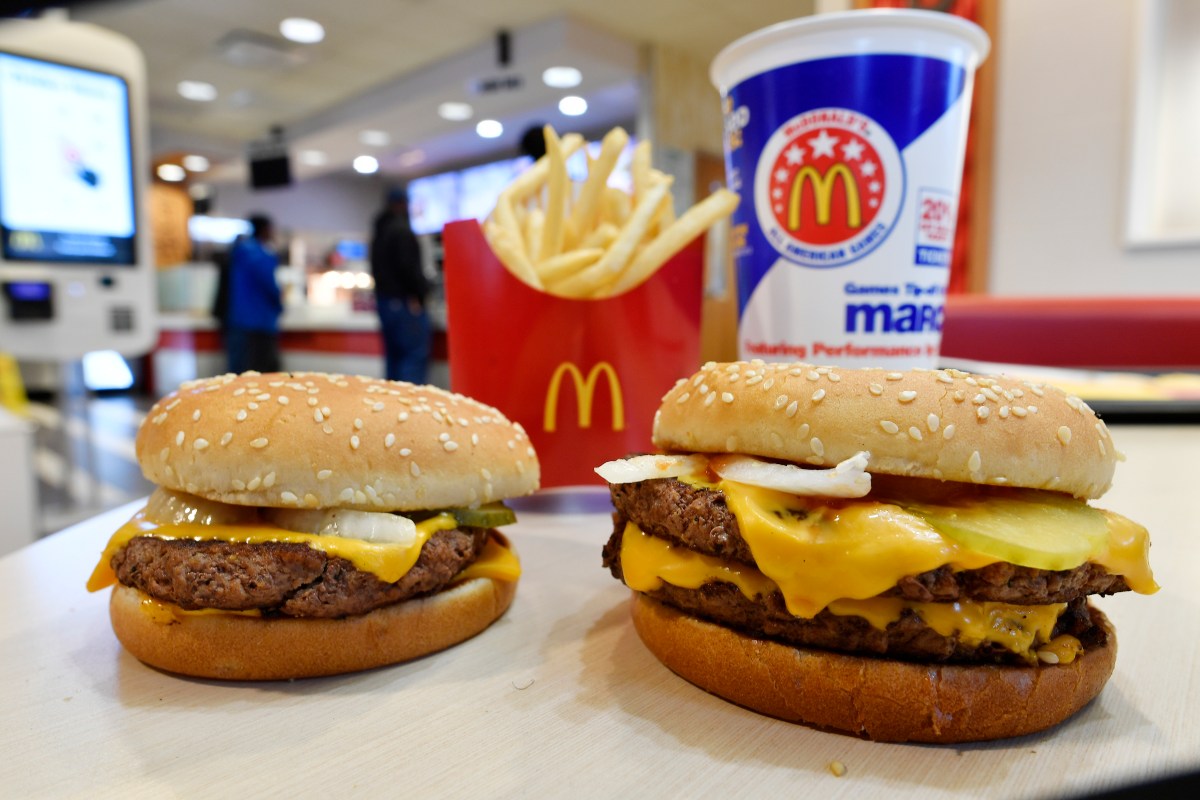
The price of the American hamburger has risen due to higher costs for ingredients like beef and bread. These price increases reflect broader challenges in the U.S. economy, such as labor shortages and supply issues, which are affecting food prices and the farming industry.
Key Facts
The median price of a burger in the U.S. reached $14.72 in July, more than double the federal minimum wage of $7.25.
Beef prices rose by 9.4 percent, driven by drought, fewer cattle, disease outbreaks, and trade limits.
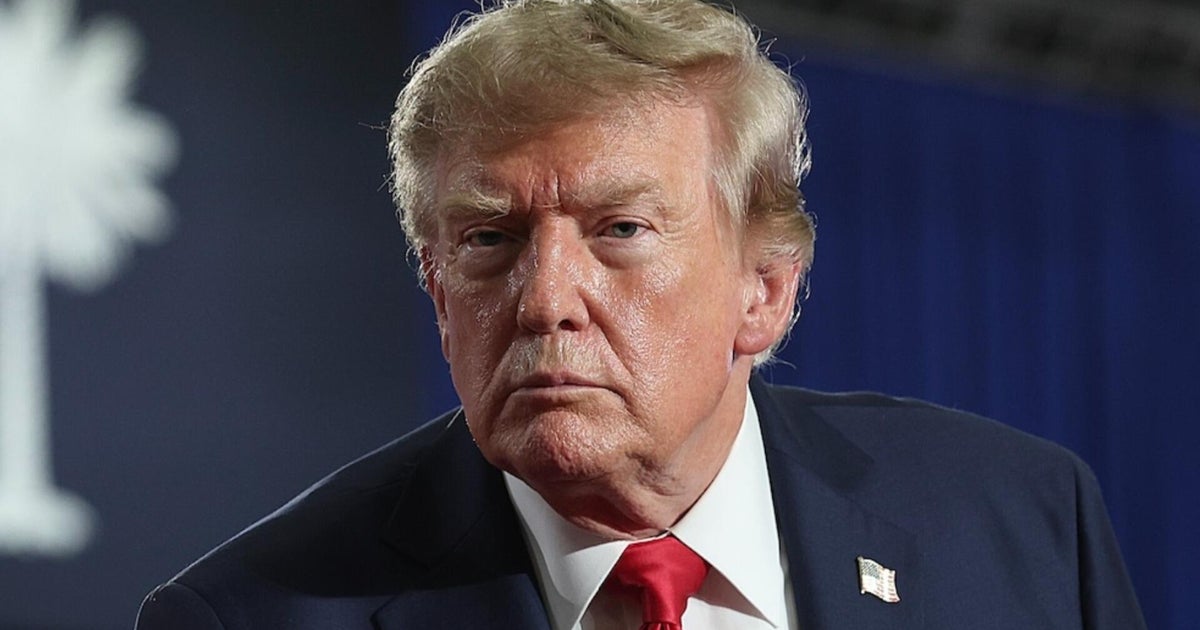
President Donald Trump announced a plan to allow tariff-free beef imports to lower grocery prices, but this was opposed by farmers and some Republican lawmakers.
Bread prices have gone up about 30 percent over five years, despite wheat costs dropping initially after Russia’s invasion of Ukraine.
The bakery industry faces rising costs in labor, transportation, energy, and has many unfilled jobs expected by 2030.
Gasoline prices remain about 40 percent higher than before the Iran conflict started in February, affecting delivery costs.
Major meat companies like JBS USA and Tyson Foods are closing facilities due to cattle shortages and financial pressures.
The burger price increase is seen by some as a simple example of wider economic struggles in the U.S. economy today.
Read the Original
Want the full story? Tap a source to open the original
article.
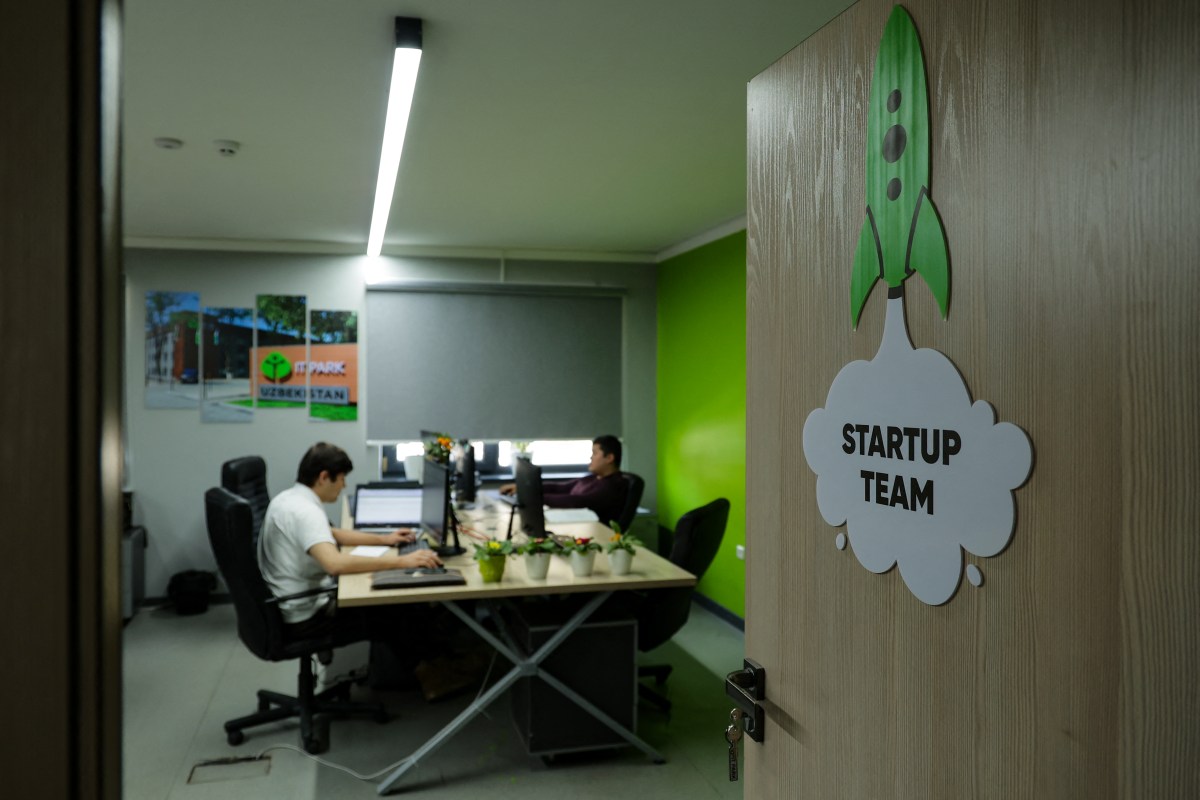
Uzbekistan's startup scene is growing fast, with many new tech companies in areas like finance, e-commerce, and artificial intelligence. This growth is attracting international investment and helping Uzbekistan become a key technology hub in Central Asia.
Key Facts
Uzbekistan's largest tech company, Uzum, reached a $2.3 billion valuation in 2026.
The country joined StartupBlink's Global Top 100 Startup Ecosystems in 2025, ranking 98th worldwide.
In 2026, Uzbekistan was named Country of the Year for startup growth, increasing by 227.3%, the fastest globally.
Tashkent, the capital, saw 132% growth as a startup city in Central Asia.
IT Park Uzbekistan has over 2,800 member companies, including 752 with foreign investment, exporting to 90 countries.
The venture capital market in Uzbekistan grew from $69.5 million in 2024 to $329 million in 2025.
U.S. companies operate in IT Park Uzbekistan, helping establish a commercial presence in the region.
The U.S. government is promoting technology partnerships in Central Asia to compete with Russian and Chinese influence.
Read the Original
Want the full story? Tap a source to open the original
article.
Asian stock markets mostly fell and U.S. stock futures dropped on Monday as investors expected the U.S. Federal Reserve to raise interest rates soon. Oil prices rose sharply after U.S. forces launched a strike on Iranian rocket launchers near the Strait of Hormuz, raising concerns about tensions in the Middle East.
Key Facts
Asian shares were mostly lower, with Japan’s Nikkei down 0.4% and South Korea’s Kospi down 0.5%.
U.S. stock futures for major indexes like the S&P 500 and Dow Jones fell about 0.3%.
Brent crude oil price increased by 2.9% to $90.61 per barrel after the U.S. military action.
U.S. benchmark crude oil rose 2.7% to $85.66 per barrel.
The U.S. Federal Reserve’s chair indicated that interest rate hikes may continue to reduce inflation.
An official survey showed Chinese factory activity was still shrinking for the second month in a row but showed slight improvements.
Shares in e-commerce company Shein are set to begin trading in Hong Kong, making it the city’s biggest stock market debut this year.
Economic concerns and geopolitical risks are influencing investor behavior across global markets.
Read the Original
Want the full story? Tap a source to open the original
article.
The Bank of England’s governor, Andrew Bailey, warned that advanced artificial intelligence (AI) could threaten the stability of the global financial system by increasing cyber risks. He called for international cooperation to manage the release and use of advanced AI models to protect financial markets.
Key Facts
Andrew Bailey, governor of the Bank of England and chair of the Financial Stability Board (FSB), sent a letter warning about risks from advanced AI.
Advanced AI models are becoming more autonomous and capable, which raises concerns about their use in cyberattacks that could disrupt global finance.
Many countries lack rules to safely manage the development and deployment of these advanced AI systems.
Bailey cautioned that cyber risks from AI could spread rapidly across borders and harm market confidence.
AI-driven optimism has pushed up financial market values, increasing risks if there is a sudden market correction.
Bailey urged international financial authorities to work together to ensure safe and responsible AI use.
The FSB coordinates global financial regulators to address risks to the financial system.
Concerns about AI risks echo those raised by researchers at leading AI labs who called for government action to manage AI development.
Read the Original
Want the full story? Tap a source to open the original
article.
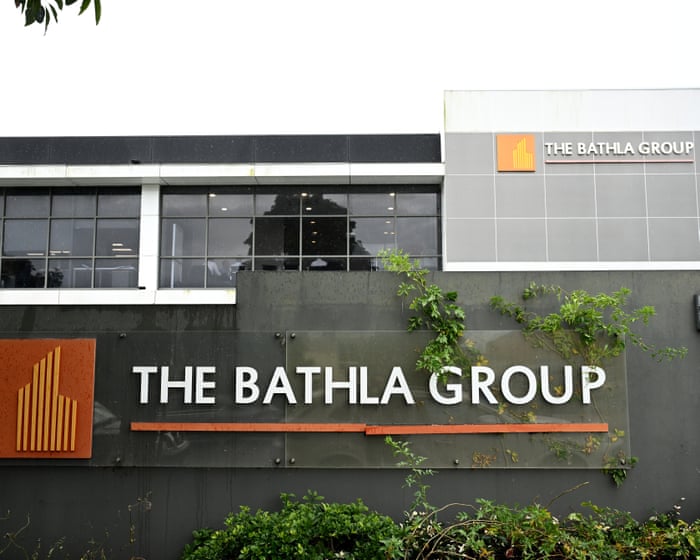
Bathla Group, a big property developer in Sydney, is at risk of shutting down by the end of the week unless it finds new funding. The company went into voluntary administration on August 25, leaving many customers with unfinished homes and staff unpaid for weeks.
Key Facts
Bathla Group is a Sydney-based construction company with about 350 head office staff.
The company entered voluntary administration on August 25, taken over by insolvency firm Teneo.
Staff have not been paid for up to eight weeks, and the company has no cash to pay wages or suppliers.
Teneo needs to secure additional funding soon or will have to close the business by the end of the week.
Thousands of customers are waiting for their homes, with 45 projects currently under construction.
Bathla has around 20,000 apartments and 7,000 houses planned across various projects.
The New South Wales government declined a financial rescue request from Bathla.
Teneo plans to prioritize ongoing projects and may reduce staff if the company continues.
A meeting with potential lenders is scheduled to decide Bathla’s future by Friday.
Read the Original
Want the full story? Tap a source to open the original
article.
China’s factory activity slightly improved in August, helped by strong export demand, but overall manufacturing still shrank. Exports grew sharply, especially in high-tech goods and electric vehicles, while weak domestic demand and a slow property market have limited economic growth.
Key Facts
China’s manufacturing purchasing managers’ index (PMI) rose to 49.8 in August from 49.2 in July; a PMI below 50 means contraction.
Production, new orders, and export orders all showed small gains, moving above 50, which indicates growth in those areas.
Chinese exports grew nearly 24% in July compared to last year, and 18% over the first seven months of 2026.
Strong demand for high-tech products like semiconductors and electric vehicles is boosting exports.
Higher energy costs due to the Iran war have increased demand for electric vehicles.
China has been exporting more to Europe and Southeast Asia as U.S. tariffs slow trade with the U.S. after President Donald Trump’s return last year.
Domestic demand remains weak, partly because of a long slump in the property sector.
China’s economy grew 4.3% annually in the April-June quarter, the slowest in over three years.
Read the Original
Want the full story? Tap a source to open the original
article.
Chef and recipe creator Alexa Soto shares a habanero roasted ceviche recipe from her cookbook “Plantas.” The dish combines cooked and fresh ingredients for a spicy, tangy flavor and includes pan-fried hominy for extra texture.
Key Facts
Alexa Soto is a Mexican American recipe creator and author of the cookbook “Plantas.”
The recipe is a roasted ceviche with habanero peppers, mixing both cooked and fresh ingredients.
The dish contains pan-fried hominy and corn, zucchini, red onion, mango, and cilantro.
The marinade includes fresh lime juice, oranges, garlic, habanero pepper, and cilantro.
The ceviche is served on tostadas or with tortilla chips, topped with sliced avocado.
Soto and her husband first experienced this style of ceviche at their wedding in Mérida, Mexico, in 2022.
The recipe is adapted from the dish prepared by an Oaxacan chef during their wedding celebration.
“Plantas” was published by Voracious, an imprint of Little, Brown and Company.
Read the Original
Want the full story? Tap a source to open the original
article.
China’s stock markets in Hong Kong and Shanghai are seeing a strong rise in new public stock offerings, led by interest in artificial intelligence (AI) and robotics. Big companies like Shein and CXMT have recently raised large amounts of money through initial public offerings (IPOs), reflecting growing investor demand for advanced technology firms.
Key Facts
Shein, a Chinese e-commerce and fashion company, raised $1.7 billion in its IPO in Hong Kong.
CXMT, China’s largest memory chipmaker, raised over $8.6 billion in Shanghai, with shares rising 466% on the first trading day.
Unitree, a leading Chinese humanoid robot maker, also went public in Shanghai, with shares increasing 460% on day one.
These IPOs are driven by strong investor interest in AI, robotics, and advanced technology.
Shanghai’s stock market is heavily influenced by individual retail investors.
Combined IPO proceeds in Hong Kong and Shanghai exceeded $54 billion so far in 2026, surpassing the $46 billion raised in 2025.
Hong Kong and Shanghai exchanges accounted for about 21% of the world’s IPO funding in 2026, second to Nasdaq’s 55%.
Due to regulatory changes and limits on foreign investments in mainland China, many Chinese companies now prefer listings in Hong Kong or dual listings to attract international investors.
Read the Original
Want the full story? Tap a source to open the original
article.
People who buy homes inside UK national parks pay about 24% more than for similar homes outside the parks. This is because there is limited new housing in these protected countryside areas, which keeps prices high.
Key Facts
Properties in UK national parks cost on average 24% more than similar homes elsewhere.
Homes within three miles of a national park cost about 6% more.
The New Forest is the most expensive national park to live in, with average home prices of £563,000.
Other pricey parks include South Downs (£485,000) and Peak District (£450,000).
Properties in national landscapes (areas of outstanding natural beauty) have a 14% price premium.
Surrey Hills is the most expensive national landscape, with average home prices of £710,000.
Limited building in national parks helps keep home prices higher.
Price premiums for homes in these areas have stayed steady compared to data from earlier in 2024.
Read the Original
Want the full story? Tap a source to open the original
article.
President Donald Trump announced a new agreement to add Venezuelan oil to the United States' strategic petroleum reserve. This move aims to increase the country's oil reserves but is not expected to lower gas prices significantly for consumers soon.
Key Facts
The U.S. will start filling its strategic petroleum reserve with oil from Venezuela.
The agreement between the U.S. and Venezuela was made last week.
President Trump described this as "topping out" the oil reserve.
The strategic petroleum reserve is a large stockpile of oil the U.S. keeps for emergencies.
This action is uncommon because of previous tensions between the U.S. and Venezuela.
Despite adding more oil to the reserve, gas prices for Americans will likely stay high for a while.
The deal represents a significant shift in U.S.-Venezuela relations regarding energy.
Details about the volume of oil or timeline for the reserve filling were not specified.
Read the Original
Want the full story? Tap a source to open the original
article.
The US and Canada continue to have a trade dispute with both countries imposing tariffs on each other's goods. The latest US tariffs affect key Canadian sectors like steel and autos, while Canada has responded with counter-tariffs mainly targeting US states important for upcoming elections.
Key Facts
President Donald Trump’s administration started imposing tariffs on Canadian goods over 18 months ago.
The US has tariffs on Canadian steel, aluminum, lumber, and autos, recently adding a 50% tariff on about C$28 billion of goods.
Canada responded with "dollar-for-dollar" counter-tariffs on American goods of similar value.
Ontario, Canada’s most populous province, has been the hardest hit by US tariffs, with job losses and factory cuts in auto and steel industries.
Quebec’s metal exports dropped 36% and employment in the sector fell by 3.6%.
Some US states like Ohio, Illinois, and Pennsylvania are more affected by Canada’s tariffs; Ohio faces heavy tariffs on steel and laundry machines.
Canada’s counter-tariffs seem aimed at US swing states that could influence midterm election outcomes.
Despite the trade fight, Canada still faces lower average US tariff rates than many countries, but recent increases have raised tariffs close to the levels faced by the UK and Vietnam.
Read the Original
Want the full story? Tap a source to open the original
article.
This article discusses how some parents give more financial help to one child over another, which can lead to feelings of jealousy and long-lasting family problems. Experts say that clear communication about money and support can reduce misunderstandings among siblings.
Key Facts
About 15% of siblings have had conflicts over money, according to one US study.
Financial favouritism can cause jealousy, resentment, and even legal disputes after a parent dies.
Parents sometimes give different financial support based on reasons like income differences, illness, or housing costs.
Lack of clear communication about financial help often leads to misunderstandings among siblings.
Some siblings share openly and resolve their differences, while others avoid talking about money, making problems worse.
Forums like Mumsnet and Reddit have many posts from people complaining about unequal financial support from parents.
One person in the article says his parents helped his brother more with house deposits and living costs, but refused to lend him money despite being able to.
Counsellors suggest open conversations about money expectations and decisions can help reduce resentment.
Read the Original
Want the full story? Tap a source to open the original
article.
A company called Freedom Fuel, which the Trump administration recently supported, is accused in a lawsuit of selling fuel that was never paid for by its supplier. Mansfield Oil Company filed the lawsuit in Eastern Pennsylvania, claiming that the fuel supplier KRSM, a foreign company, did not pay for the fuel involved.
Key Facts
Freedom Fuel gas stations were promoted by President Trump's administration last month.
Mansfield Oil Company filed a lawsuit against Freedom Fuel and its supplier KRSM.
The lawsuit was filed on August 19 in U.S. District Court in Eastern Pennsylvania.
KRSM is described as a foreign corporation.
The lawsuit claims that the fuel sold by Freedom Fuel came from KRSM but was never paid for.
The case involves allegations of unpaid fuel supply.
This legal action may affect Freedom Fuel's business reputation and operations.
Read the Original
Want the full story? Tap a source to open the original
article.
Olivia Rodrigo held a music festival called Daisy Chain Fields in Irvine, California, that raised $20 million to support nonprofits focused on women's health, legal rights, and workplace protections. The festival featured women and queer artists and connected young people with organizations like Planned Parenthood and the National Women's Law Center.
Key Facts
Daisy Chain Fields raised $20 million for women's well-being causes.
The festival had women-led music acts including Chappell Roan, Doechii, and Bikini Kill.
$10 million was donated to 10 nonprofits before the festival, including Planned Parenthood.
Melinda French Gates pledged an additional $10 million in support during the event.
The festival aimed to connect Generation Z with nonprofit causes.
Attendees engaged with nonprofits in a "philanthropy village" at the festival.
The event was inspired by the 1990s Lilith Fair music festival, which also supported women's issues.
President Donald Trump's administration had paused $27.5 million in family planning grants last year but restored the funding after pushback.
Read the Original
Want the full story? Tap a source to open the original
article.
Chris Sununu, CEO of Airlines for America, said that plane ticket prices will stop rising and stabilize. This comes after ticket costs increased due to high jet fuel prices following the Iran war that started six months ago.
Key Facts
Airlines for America represents major U.S. airlines.
Jet fuel prices have been high for six months because of the Iran war.
Rising fuel costs have made plane tickets more expensive.
CEO Chris Sununu predicts ticket prices will level off soon.
Passenger demand for flying is currently strong.
The statement was made during a news interview on NewsNation.
Airlines are adjusting to high fuel costs and steady demand.
The expectation is that ticket price growth will slow down or stop.
Read the Original
Want the full story? Tap a source to open the original
article.
The movie "Coyote vs. Acme" opened in theaters with $15.5 million in ticket sales after being canceled by Warner Bros. three years ago. Meanwhile, "Spider-Man: Brand New Day" remained the top film for the fifth weekend, earning $22.2 million in North America and reaching $2.33 billion worldwide.
Key Facts
"Coyote vs. Acme" is a mix of live-action and animation about Wile E. Coyote suing the Acme Corporation.
Warner Bros. canceled the film in 2023 despite it being completed, to take a tax write off.
Ketchup Entertainment bought the worldwide rights to the film for about $50 million and released it.
The movie cost roughly $70 million to make.
"Coyote vs. Acme" opened at number two on the North American box office chart.
"Spider-Man: Brand New Day" made $22.2 million in the U.S. and Canada this past weekend.
"Spider-Man: Brand New Day" is the fourth highest-grossing film worldwide with $2.33 billion.
Another new film, "The Dog Stars," had a poor opening, making $8 million in North America but cost $70-100 million to produce.
Read the Original
Want the full story? Tap a source to open the original
article.