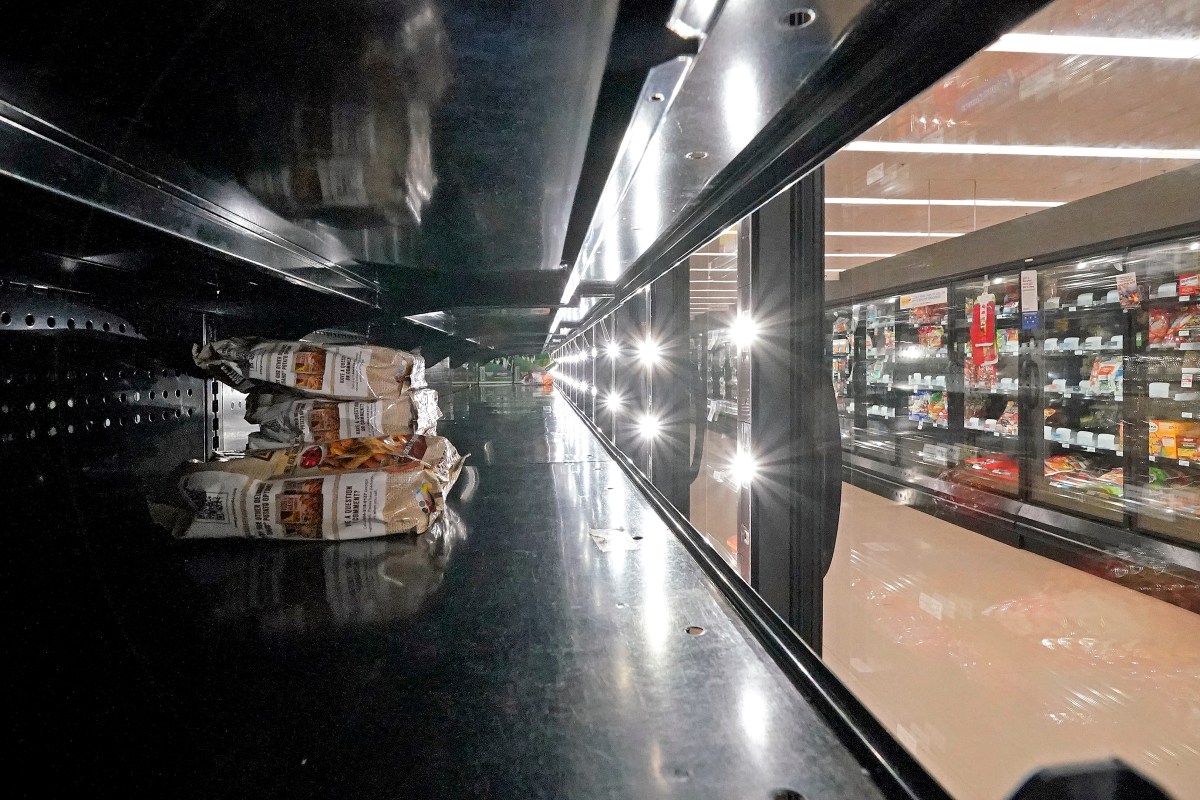
The Shanghai Ravioli Corporation is recalling about 24,900 pounds of frozen Buffalo chicken products because they were made without required federal inspection. The U.S. Department of Agriculture warns the products might contain harmful contaminants or allergens and advises foodservice locations to discard or return them.
Key Facts
The recall involves frozen Buffalo chicken products like Buffalo Chicken Rangoon and Buffalo Chicken Mozzarella Sticks.
Products were made between July 8, 2025, and June 29, 2026, with sell-by dates from July 8, 2026, to June 29, 2027.
These products were wrongly labeled with a federal inspection number (“EST. 18004”), but the facility does not have inspection approval.
The recalled items were sent to foodservice locations in Maine, Massachusetts, New Hampshire, Rhode Island, and Vermont.
No illnesses or injuries linked to these products have been reported so far.
The USDA’s recall is a Class I recall, meaning the products could cause serious health problems or death.
Consumers and foodservice providers are asked not to eat these products and to return or throw them away.
Similar recent recalls involved blueberries and pistachio nut butter due to bacteria contamination risks.
Read the Original
Want the full story? Tap a source to open the original
article.
Disney has agreed to pay $50 million to settle a lawsuit alleging it used its popular channels, like ESPN, to increase the price of streaming TV services YouTube TV and DirecTV Stream. Subscribers who used these services between April 2019 and March 2026 have until September 8 to claim part of the settlement.
Key Facts
The lawsuit claims Disney’s programming practices raised the cost of live TV streaming.
Disney denies any wrongdoing but settled for $50 million.
The case involves YouTube TV and DirecTV Stream subscribers from April 1, 2019, to March 31, 2026.
Eligible customers include past and current subscribers.
Consumers must file claims by September 8 to receive payment.
Settlement payments depend on how long subscribers had the service.
Notices about the settlement were sent by email or mail to inform subscribers.
Claims can be submitted online at OnlineTVSettlement.com or by phone.
Read the Original
Want the full story? Tap a source to open the original
article.
Federal Reserve Chair Kevin Warsh is attending an important economic meeting in Jackson Hole, Wyoming. Investors are closely watching him for clues about the future of the U.S. economy.
Key Facts
Kevin Warsh is the Chair of the Federal Reserve, which oversees U.S. monetary policy.
He is traveling to Jackson Hole, Wyoming, for an economic symposium.
The Jackson Hole meeting is a well-known event where economic leaders discuss financial and economic issues.
Investors pay close attention to statements made at this event as they can affect markets.
Warsh’s comments may impact expectations about interest rates and economic growth.
Read the Original
Want the full story? Tap a source to open the original
article.
The government is launching a new scheme to protect people doing home renovations from dishonest builders, often called "cowboy builders." This plan includes a database of trusted traders and a payment system that releases money only after certain work is done. Alongside this, new rules will regulate private bailiffs to prevent unfair treatment of people in debt.
Key Facts
The new scheme starts next month and requires traders to show good customer service and fair dispute handling.
More than 25% of people doing home improvements recently have faced problems like builders disappearing after upfront payments.
Customers lost over £10 billion in 2024 due to bad practices by builders and traders, according to a government survey.
Payments for home work will be held in an account and released step-by-step as the job progresses.
The National Federation of Builders says the scheme may not stop dishonest builders, and suggests a work "passport" to track builders’ performance.
Some politicians warn the scheme could add extra paperwork for honest businesses without stopping fraudsters.
The government will introduce rules for private bailiffs to protect debtors from intimidation and unfair payment demands.
An independent complaints system will be available for people dealing with private bailiffs.
Read the Original
Want the full story? Tap a source to open the original
article.
Federal Reserve Chair Kevin Warsh is attending an important economic meeting in Jackson Hole, Wyoming. Investors will watch closely for any signs about the Federal Reserve’s plans to handle high inflation and a nervous bond market.
Key Facts
Kevin Warsh is the Chair of the Federal Reserve.
He will speak at an economic symposium in Jackson Hole, Wyoming.
The event is a key meeting where central bankers and investors discuss economic issues.
Inflation remains a significant concern for the economy.
The bond market is showing signs of nervousness, meaning investors are worried about risks.
Investors want to know how the Federal Reserve will address inflation and market instability.
Warsh is known for a careful communication style, sharing only limited information.
Read the Original
Want the full story? Tap a source to open the original
article.
Canada's lead trade negotiator welcomed the US decision to not apply tariffs on measures supporting the French language and Canadian culture during trade talks. The change comes amid ongoing tariff disputes between the two countries, with Canada imposing retaliatory tariffs on US goods and later adjusting some of them.
Key Facts
Canada’s top trade negotiator, Dominic LeBlanc, praised the US for not taxing French language promotion and cultural measures.
The US Trade Representative said that French language discoverability on streaming services is not a major issue for the US in talks.
Commerce Secretary Howard Lutnick denied that the US raised concerns about the French language and called the issue "manufactured."
Canada and the US have recently imposed tariffs on each other's goods, including Canada’s tariffs on about $20 billion of US products starting September 8.
President Donald Trump signed an executive order to rename Lake Ontario as "Lake America."
Canadian Prime Minister Mark Carney claimed the US threatened the French language and Canadian culture during talks.
Canada later removed seafood and fish products from its list of retaliatory tariffs to reduce economic harm.
Canada is monitoring how tariffs affect industries targeted by US tariffs and may adjust measures accordingly.
Read the Original
Want the full story? Tap a source to open the original
article.
Author and personal finance expert Anthony O’Neal shares advice on how people can avoid financial problems when their paycheck does not increase. His tips focus on helping people stop living paycheck-to-paycheck and reduce money stress.
Key Facts
Anthony O’Neal is a personal finance expert and author.
He wrote a book called “Stop Living Paycheck to Paycheck.”
His advice aims to help people manage money better when income stays the same.
The focus is on avoiding financial stress and building financial stability.
Living paycheck-to-paycheck means spending all your money before the next paycheck arrives.
The article shares practical tips to improve financial situations.
The advice is meant for people who do not see their paychecks getting larger.
Read the Original
Want the full story? Tap a source to open the original
article.
Mike Ashley, the billionaire founder of Sports Direct, has criticized Prime Minister Andy Burnham’s recent retail and cost of living policies, calling them short-sighted and harmful to businesses. Ashley urged Burnham to lower costs for employers, especially by reforming business rates, and expressed concern that the current plans could damage the High Street.
Key Facts
Mike Ashley wrote a letter to Prime Minister Andy Burnham criticizing policies on business rates and worker costs.
Ashley described Burnham’s ideas as “populist” and “disastrous,” particularly the plan to raise business rates on large warehouses.
Burnham’s government plans include cutting VAT on household electricity and reducing business rates for pubs, social clubs, and live music venues.
Burnham has proposed measures to help local councils block new vaping and betting shops and to regulate misleading retail prices.
Ashley called for a fundamental overhaul of business rates to make competition fairer between physical stores and online retailers.
Ashley’s business, Frasers Group, owns Sports Direct and recently bought luxury department store Harvey Nichols.
Ashley warned that without major changes, Britain’s High Street could suffer further decline.
A Downing Street spokesperson said these policies aim to support British businesses and make essentials like energy and housing more affordable.
Read the Original
Want the full story? Tap a source to open the original
article.
Opening a 9-month certificate of deposit (CD) account with $100,000 can earn savers close to $3,000 in interest, depending on the bank's rate. CDs offer a fixed, guaranteed return and protect the deposit up to $250,000 through FDIC insurance, making them a safe option for saving money short-term.
Key Facts
A 9-month CD lets savers lock in higher interest rates than most savings accounts.
Interest earned ranges from about $2,985 to $3,060 on a $100,000 deposit.
This equals roughly $332 to $340 earned per month during the 9 months.
CD rates vary by bank, so shoppers should compare offers before investing.
Early withdrawal from a CD usually leads to a penalty, so money should stay invested until maturity.
The principal (initial $100,000) does not change and is protected by FDIC insurance up to $250,000.
Online banks often provide better CD rates than traditional banks with physical branches.
After 9 months, savers can review their strategy based on the economic environment then.
Read the Original
Want the full story? Tap a source to open the original
article.
Senator Susan Collins from Maine has called for the United States to restart trade talks with Canada. She expressed concern over the ongoing trade tensions and high tariffs that both countries have applied to each other.
Key Facts
Senator Susan Collins is a Republican from Maine.
The U.S. and Canada have imposed 50 percent tariffs on each other.
These tariffs came after trade negotiations between the two countries failed recently.
Collins has criticized the high tariffs as harmful.
She urged the U.S. to return to trade discussions with Canada.
Collins shared her message on the social media platform X.
The current trade conflict involves a tit-for-tat exchange, meaning each country responds to the other's tariffs with similar measures.
Read the Original
Want the full story? Tap a source to open the original
article.
Donors in De Smet, South Dakota, helped raise over $15 million in private funds for local projects over 15 years, including a community and event center completed in 2015. The projects were mostly paid for by donations, with little city or federal money used, showing strong local support for town development.
Key Facts
De Smet has about 1,100 residents.
A community and event center was built in 2015 with $5 million raised mostly from private donations.
The initial project budget was $3.8 million but bids came in $1 million higher than expected.
Local donors gave over 1,400 individual contributions, many matched by the company Lyle Signs.
The city contributed about $400,000 and received a $100,000 federal grant for the event center.
The city covers up to $90,000 per year in the center’s running costs; the rest comes from fees.
The council initially hesitated to approve the project because of cost concerns and social media questions.
At the last moment, local supporters donated the final funds needed, allowing the project to move forward.
Read the Original
Want the full story? Tap a source to open the original
article.
Canada decided not to include seafood and fish products in its planned tariffs on goods from the United States. This change aims to avoid wider harm to the economy and comes after receiving feedback from stakeholders.
Key Facts
Canada announced it would remove seafood and fish products from retaliatory tariffs on U.S. goods.
The decision was made by Canada’s Department of Finance.
The government acted in response to feedback they received.
Removing these products from tariffs is meant to protect the economy from larger damage.
The tariffs are part of Canada’s measures in trade disputes with the United States.
The changes were announced on a Wednesday evening.
The seafood industry was directly affected by this exemption.
Canada and the U.S. have ongoing trade tensions involving tariffs and levies.
Read the Original
Want the full story? Tap a source to open the original
article.
A privacy class action settlement is about to start paying out money to eligible people. Hundreds of millions of people may qualify to receive money through this settlement.
Key Facts
The settlement is related to privacy issues.
Payments will start in the next few weeks.
People should watch their bank accounts, Venmo, and PayPal for incoming payments.
Up to hundreds of millions of people may qualify for the payout.
This is a result of a class action lawsuit, which means a group of people sued a company or companies together.
Read the Original
Want the full story? Tap a source to open the original
article.
Pet insurance helps pet owners manage the cost of expensive veterinary treatments by reimbursing part of the bill, giving them more financial flexibility. However, insurance does not change the treatment a vet recommends, and coverage limits and exclusions mean not all costs may be covered.
Key Facts
Veterinary treatments can be very costly, especially for emergencies or specialized care.
Pet insurance reduces the money pet owners have to pay out of pocket but does not cover all expenses.
Insurance coverage varies widely with different policies having deductibles, reimbursement rates, and limits.
Some conditions, like pre-existing illnesses, may be excluded from coverage.
Most pet insurance pays claims by reimbursing the owner after payment, requiring upfront funds.
A few insurers offer direct payment to vets, but this is uncommon.
Pet insurance allows owners to consider vet recommendations without being limited strictly by cost.
The insurance policy influences financial decisions but does not affect medical treatment choices.
Read the Original
Want the full story? Tap a source to open the original
article.
This article explains how much interest $40,000 can earn in one year depending on where it is saved. It compares four types of accounts: traditional savings, money market, high-yield savings, and one-year certificates of deposit (CDs), highlighting their interest rates and risks.
Key Facts
A traditional savings account pays about 0.38% interest, earning $152 on $40,000 in one year.
A money market account offers around 4.00% interest, earning $1,600 in one year.
A high-yield savings account pays about 4.10%, earning $1,640 in a year.
A one-year CD pays the highest at 4.30%, earning $1,720 but requires leaving money untouched to avoid penalties.
Money market and high-yield savings accounts have variable rates that may change, while CDs have fixed rates.
Traditional savings accounts offer very low returns and may not keep up with inflation.
Stock market investments can average around 10% annually but come with risks of losing money.
Choosing the right account depends on balancing security, interest earnings, and risk tolerance over the year.
Read the Original
Want the full story? Tap a source to open the original
article.
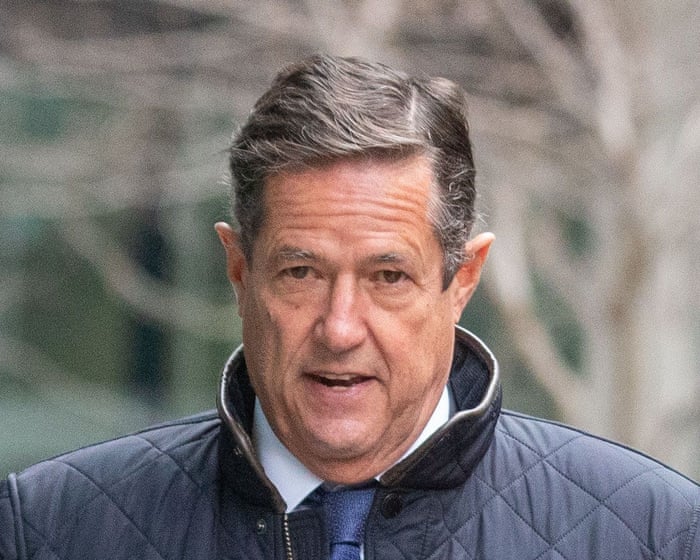
Jes Staley, the former boss of Barclays bank, denied having sex with a woman dressed as Snow White after being questioned by US lawmakers. The questions were about emails between Staley and Jeffrey Epstein, who was a convicted sex offender, discussing Disney princesses.
Key Facts
Jes Staley was the chief executive of Barclays before stepping down in 2021.
US lawmakers questioned Staley about emails with Jeffrey Epstein involving Disney princess code words.
In the emails, Staley mentioned having fun and referred to "Snow White" and "Beauty and the Beast."
Staley denied having sex with a woman dressed as Snow White.
Epstein asked someone to buy a Snow White costume weeks before the email exchange.
Staley admitted he might have seen the woman in Epstein’s apartment but did not have sex with her.
Lawmakers asked if Disney princesses were code names for selecting women for sex, which Staley denied.
Staley was banned from working in the UK financial sector due to his relationship with Epstein.
Read the Original
Want the full story? Tap a source to open the original
article.
In the first half of 2026, the United States imported most of its beef from five countries. These countries supplied about 80% of all the beef that the U.S. brought in during this period.
Key Facts
The U.S. imports beef from multiple countries.
About 80% of these imports come from just five countries.
This data covers the first six months of 2026.
The information comes from the U.S. Department of Agriculture (USDA).
Beef imports are an important part of the U.S. meat supply.
The article does not specify which five countries provide the most beef.
Read the Original
Want the full story? Tap a source to open the original
article.
The Trump administration is negotiating a major deal to gain ownership in Venezuela’s large oil fields. This agreement would increase U.S. oil reserves and involve American companies helping to develop Venezuela's oil resources, benefiting both countries.
Key Facts
The deal would more than double U.S. oil reserves from Venezuelan oil fields.
Venezuela has the world's largest proven oil reserves, mostly unused due to past mismanagement.
Talks include over a dozen oil fields capable of producing up to 90 million barrels a day.
The U.S. would get an ownership stake, while Venezuela would receive more oil revenue.
Discussions are led by U.S. Secretary of State Marco Rubio and Venezuela’s acting president Delcy Rodriguez.
The deal aims to strengthen U.S. energy security amid global oil disruptions from conflicts in Iran and Ukraine.
Energy Secretary Chris Wright may visit Venezuela soon to help plan increased oil production.
The administration wants to show the deal benefits Venezuelan people to avoid criticism of resource exploitation.
Read the Original
Want the full story? Tap a source to open the original
article.
When a debt collector gets a court order to freeze (levy) your bank account, your money may be blocked even if your paycheck or benefits arrive by direct deposit. Some funds, like Social Security payments, usually have legal protections, but other deposits might be subject to the freeze and unavailable for spending.
Key Facts
A bank levy happens when a court allows a creditor to freeze money in your account due to unpaid debts.
Even if your account is frozen, direct deposits may still be credited to your bank account.
The bank may restrict access to the funds covered by the levy but keep the account open.
Federal benefits, like Social Security, generally have strong legal protections and usually cannot be taken during a levy.
These protections cover payments deposited in the last two months, up to the total amount received.
Paychecks and other income may or may not be protected depending on state laws and the levy terms.
You can ask your employer to change where your paycheck is sent to avoid losing access to future payments.
Review court documents and bank notices carefully and seek help to address the debt causing the levy.
Read the Original
Want the full story? Tap a source to open the original
article.