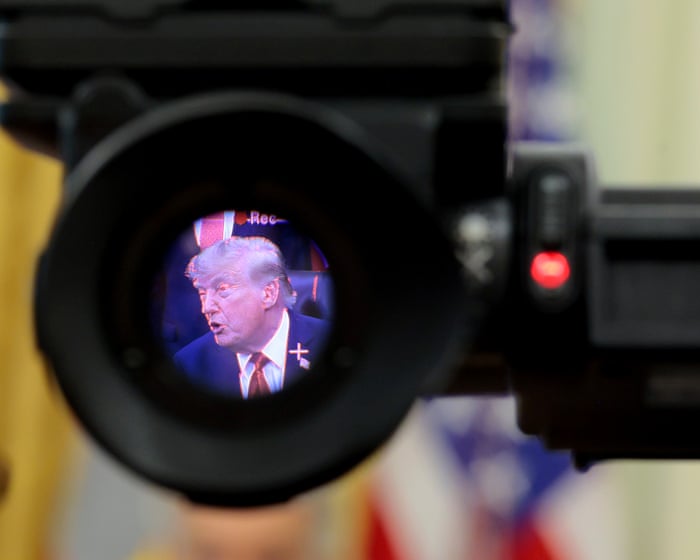
President Donald Trump removed the White House press passes from three news organizations, causing many TV networks to stop covering his daily events. The president and the White House have not changed their stance on the ban.
Key Facts
President Trump took away press credentials from three news outlets.
Major television networks united and chose not to report on the president’s daily activities during the ban.
This incident is unusual because the networks rarely unite like this.
The White House and President Trump have not reversed or softened their decision.
The ban directly affects how the media covers presidential events and access to official information.
Press credentials are important for journalists to cover the president’s work inside the White House.
Read the Original
Want the full story? Tap a source to open the original
article.
Cleveland Police carried out a large operation targeting organized crime in Middlesbrough. The raids involved about 130 officers and led to 17 arrests, following an incident where two officers died in a crash during a police chase.
Key Facts
The police operation targeted organized crime in the Middlesbrough area.
Around 130 officers took part in the raids.
Seventeen people were arrested during the operation.
The raids were connected to a recent crash on the A66 road.
Two police officers died in that crash while involved in a pursuit.
The action represents one of the largest raids by Cleveland Police in recent years.
The event received live coverage with a reporter present during arrests.
Read the Original
Want the full story? Tap a source to open the original
article.
President Donald Trump's administration proposed a plan to pay married parents $9,000 per year if one parent stays home to care for their children, aiming to help with high child care costs. The plan may have income limits and requires one parent to work at least 35 hours per week, but experts say the payment might only encourage families with multiple young children to leave their jobs.
Key Facts
The Trump administration’s plan offers $9,000 per year per child to married parents where one stays home full-time for child care.
One parent must work at least 35 hours per week according to the proposal’s expected rules.
The plan likely includes income limits and is intended to provide more child care options for families.
Child care is one of the biggest expenses for families with two working parents, averaging about $13,000 per child per year in the U.S.
Experts say $9,000 is usually not enough for most parents to quit jobs, but could help larger families with multiple children.
Countries like Finland and Hungary have similar programs paying parents who do not use formal child care.
The proposal received mixed reactions, praised by some conservatives but criticized by others for not being generous enough.
Full details of the program and eligibility requirements have not yet been released by the administration.
Read the Original
Want the full story? Tap a source to open the original
article.
A man in California was arrested for pepper-spraying a movie theater patron who was using a cellphone during a film. The incident injured three people, who were treated at a hospital, and the man was charged with misdemeanor battery.
Key Facts
The event happened at the AMC Burbank 16 theater in California.
Matthew Ware, 34, allegedly pepper-sprayed a person using a cellphone during a movie.
Two other nearby moviegoers also experienced irritation from the pepper spray.
All three injured people were treated at a local hospital.
Ware was arrested on September 15 and charged with misdemeanor battery.
He was booked at the Burbank jail.
Witnesses said Ware ran out of the theater after the incident but was caught by others.
No self-defense was reported; it appeared to be an act of frustration.
Read the Original
Want the full story? Tap a source to open the original
article.
Several major US TV news networks stopped live TV coverage of President Trump’s White House events after his administration banned some media outlets, including CNN, from the White House grounds. In protest, these networks said they would not provide televised pool coverage, limiting how the public could see and hear official presidential events.
Key Facts
President Trump’s administration banned CNN, Politico, and MS Now from the White House.
The ban prevented CNN from fulfilling its role as a pool broadcaster for White House TV coverage.
ABC, CBS, Fox News, NBC, and CNN together form a “pool” that takes turns covering the president live on TV.
In response to the ban, these networks refused to cover White House events designated as pool coverage.
Without pool coverage, viewers missed proper audio during President Trump’s midday ribbon-cutting event.
Five networks issued a joint statement defending the public’s right to independent news and criticizing the ban.
Print, radio, and wire service reporters continued covering the president’s activities despite the TV pool halt.
CNN, Politico, and MS Now sued the Trump administration to restore their White House access.
President Trump defended the ban on social media, saying it was about national security, not free press restrictions.
Read the Original
Want the full story? Tap a source to open the original
article.
Paramount agreed to create an editorial oversight board to protect the independence of CNN and CBS News after settling a lawsuit with 12 US states related to its $110 billion acquisition of Warner Bros Discovery. The board will include experienced journalists and will oversee disputes about editorial bias and adherence to journalism ethics, but some media insiders have expressed doubts about how effective the board will be in maintaining true editorial independence.
Key Facts
Paramount settled a lawsuit from 12 US states that opposed its takeover of Warner Bros Discovery.
As part of the settlement, Paramount must form an editorial oversight board within 180 days after the deal closes.
The board will have five members, all journalists with at least 10 years of experience, appointed for three-year terms.
The board’s role is to resolve disputes about reporting bias, uphold journalism ethics, and maintain editorial independence from company owners.
Some journalists and media insiders are skeptical about the board’s ability to truly protect CNN’s and CBS News’ editorial independence.
Concerns exist that the Ellison family, new owners with ties to President Donald Trump’s administration, might influence CNN’s coverage.
Critics compare the planned board to Facebook’s oversight board, which was widely seen as ineffective.
A former CNN Washington bureau chief said the board’s success will depend on how it operates and the commitment of its members to fact-based journalism.
Read the Original
Want the full story? Tap a source to open the original
article.
A Vermont jury found Jason Eaton guilty of attempted murder for shooting three Palestinian college students in 2023. Eaton argued he was not guilty due to insanity, but the jury rejected this defense. The attack left one student paralyzed and injured two others.
Key Facts
Jason Eaton, 51, was convicted of attempted murder for shooting three Palestinian students in Vermont.
The shooting happened near the University of Vermont campus in November 2023.
Hisham Awartani was paralyzed from the waist down; Tahseen Aliahmad and Kinnan Abdalhamid were also wounded.
Eaton claimed he was insane and confused by voices from intelligence agencies but the jury did not accept this defense.
The students were visiting from Ramallah and were walking near the campus when Eaton shot them.
Eaton faces up to life in prison and is jailed while awaiting sentencing.
The police found multiple guns in Eaton’s apartment, including the handgun used in the shooting.
No hate crime charges were filed despite public calls for such an investigation.
Read the Original
Want the full story? Tap a source to open the original
article.
Rep. Jamie Raskin criticized President Donald Trump’s plan to build a large arch between Washington, D.C., and Virginia, which would include a military complex with snipers and drones. Raskin also spoke in favor of making Washington, D.C. a state.
Key Facts
President Trump shared plans for a big arch connecting D.C. and Virginia.
The arch would include a military complex with snipers and drones.
Rep. Jamie Raskin publicly criticized this plan.
Raskin supports granting statehood to Washington, D.C.
The issue involves security and political changes for the D.C. area.
The arch is described as “triumphal,” suggesting it is meant to be a grand structure.
Read the Original
Want the full story? Tap a source to open the original
article.
Senators Susan Collins and Patty Murray, leaders of the Senate Appropriations Committee, criticized the White House’s reported plan to let political appointees have more control over the National Institutes of Health’s (NIH) granting decisions. They expressed concern that this change could politicize the process of awarding research funding.
Key Facts
Senators Susan Collins (Republican) and Patty Murray (Democrat) lead the Senate Appropriations Committee.
The White House plans to increase political appointees’ control over NIH grantmaking.
NIH grantmaking is the process of deciding which scientific research projects receive funding.
The senators oppose this change, warning it could politicize scientific funding decisions.
The news about the White House’s plan was reported by multiple news outlets over the weekend.
NIH is a major U.S. agency that funds health and medical research.
Political oversight means elected officials or their appointees have more say in decisions instead of experts.
Read the Original
Want the full story? Tap a source to open the original
article.
The FAA stopped flights at several busy East Coast airports due to a broken fiber optic cable that hurt air traffic control systems. The outage caused thousands of delays and cancellations, especially at Newark Airport, but flights have started resuming at some airports as repairs continue.
Key Facts
The FAA halted flights at JFK, LaGuardia, Newark, Boston Logan, Philadelphia, and Teterboro airports due to equipment failure.
A damaged fiber optic line between New Brunswick and Newark caused the problem.
The damage was caused accidentally by an Amtrak construction crew.
More than 1,000 flights were delayed or cancelled at Newark alone.
Overall in the US, about 4,000 flights were delayed and 500 cancelled.
Flights began resuming at LaGuardia, Philadelphia, and Boston as repairs progressed.
United Airlines waived change fees for affected passengers and rerouted some flights.
The problem happened on the day world leaders gathered in New York for the UN General Assembly meeting.
Read the Original
Want the full story? Tap a source to open the original
article.
Treasury Secretary Scott Bessent expressed strong trust in Federal Reserve Chair Kevin Warsh after the Fed raised interest rates by 0.25%, a move that President Donald Trump did not support. Bessent also said President Trump has confidence in Warsh’s leadership.
Key Facts
The Federal Reserve raised interest rates by a quarter point (0.25%).
This rate increase happened despite President Donald Trump’s wishes.
Treasury Secretary Scott Bessent spoke about this on CNBC’s “Squawk Box.”
Bessent said he has great confidence in Fed Chair Kevin Warsh.
He added that President Trump also has great confidence in Warsh.
The Federal Reserve’s decision affects borrowing costs and the economy.
Interest rate changes are part of the Fed’s job to manage inflation and growth.
The Fed is an independent agency, meaning it can make decisions without direct control from the President.
Read the Original
Want the full story? Tap a source to open the original
article.
An investigative journalist spoke about a global probe into President Donald Trump’s immigration deportation policies. The report focuses on how these policies affected migrants and involved international cooperation.
Key Facts
Sofia Alvarez Jurado is an investigative journalist involved in the deportation project.
The investigation looks at President Donald Trump’s migrant deportation system.
The project is part of a wider international report on immigration and deportation.
The content was shared by Forbidden Stories and featured by France24.
The video and report discuss the impact of Trump’s policies on migrants and countries.
The investigation was released or discussed on September 21, 2026.
Some technical issues like browser extensions can block access to the video content.
Read the Original
Want the full story? Tap a source to open the original
article.
President Trump spoke at a ribbon cutting ceremony for a new helipad on the White House South Lawn. His voice was not heard clearly on live TV because several major news outlets refused to join the official TV pool, protesting a ban on three outlets.
Key Facts
President Trump attended a ribbon cutting ceremony for a new helipad at the White House.
The event was on the South Lawn of the White House.
During the live broadcast, President Trump’s speech was hard to hear.
Some major TV news outlets covering President Trump refused to join the official TV pool.
The refusal was because three news outlets were banned from the pool.
The TV pool is a rotating group of media that share live coverage during events.
The ribbon cutting was still shown, but the audio difficulties affected clarity.
The situation involved disagreements between the White House and news media groups.
Read the Original
Want the full story? Tap a source to open the original
article.
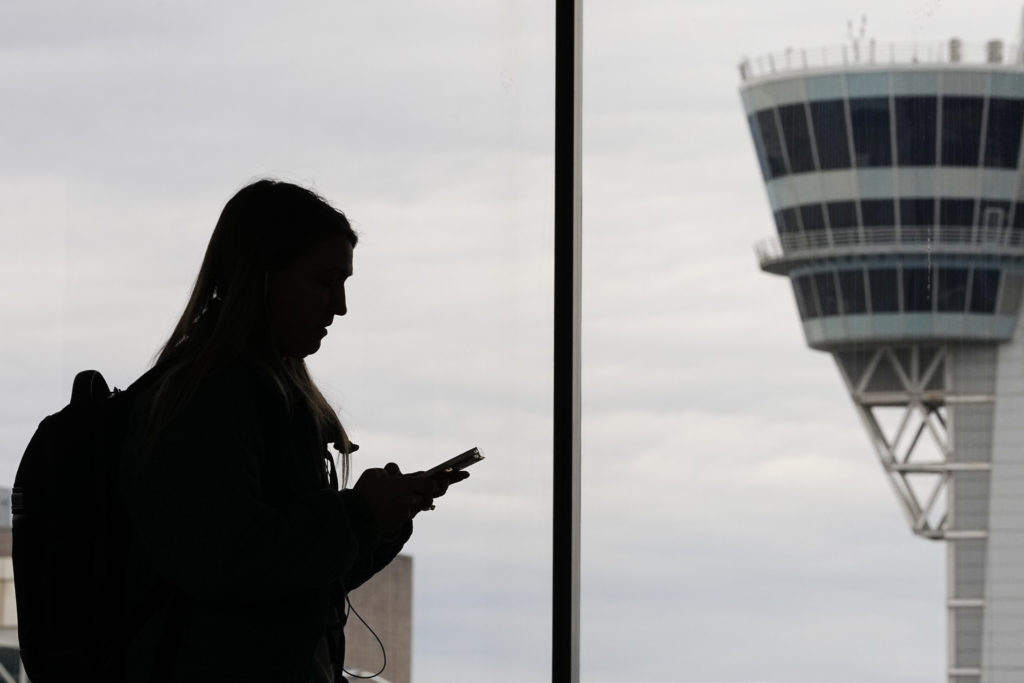
Technical problems at a major air traffic control center in the U.S. Northeast caused hundreds of flight cancellations. Airports in the New York City area stopped operations for several hours on Monday during the arrival of many foreign leaders for the United Nations General Assembly. President Donald Trump’s flight from Washington to New York was not delayed.
Key Facts
A key air traffic control center in the Northeast U.S. had technical problems.
Hundreds of flights were canceled because of these issues.
All major airports in the New York City area stopped operations for several hours.
The disruption happened on a Monday.
Many foreign leaders were arriving for the United Nations General Assembly.
President Donald Trump’s flight from Washington to New York departed as planned.
The problem affected travel during an important international event.
Read the Original
Want the full story? Tap a source to open the original
article.
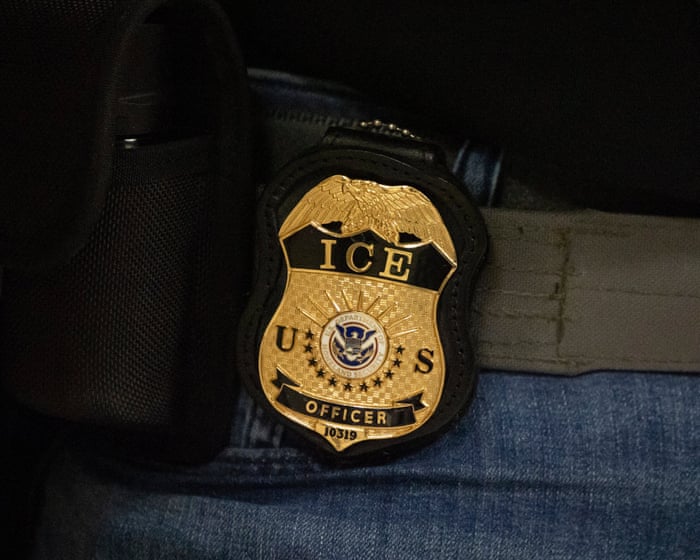
U.S. Immigration and Customs Enforcement (ICE) has stopped showing where it keeps thousands of detainees who have final deportation orders. This change makes it harder for lawyers and family members to locate these detainees and may affect their ability to challenge deportation legally.
Key Facts
ICE removed detainees with final deportation orders from its online locator system on September 15.
About 16,000 detainees booked in July had final deportation orders, over one-third of all bookings.
The change does not apply to detainees in specific facilities in California, Minneapolis, New York City, or Chicago, where courts require listing locations.
ICE did not announce this change and did not confirm or deny it in a public statement.
Detainees with final removal orders are being prioritized for deportation despite court injunctions blocking some removals.
Family members and lawyers have lost track of detainees, causing concern about deportations and legal representation.
Detainees with final removal orders still have legal options, like reopening cases or filing habeas petitions to challenge detention.
ICE detention held more than 65,000 people as of early July.
Read the Original
Want the full story? Tap a source to open the original
article.
Representative Mike Simpson, a senior Republican on the House Appropriations Committee, stated that Pentagon funds should not be used to build President Donald Trump’s triumphal arch. He said military money is needed for other important defense needs and is currently insufficient.
Key Facts
Rep. Mike Simpson is a senior member of the House Appropriations Committee.
He opposes using Pentagon (military) funds for President Trump’s triumphal arch project.
Simpson emphasized that military funding is already short and needed for other priorities.
The triumphal arch is a planned construction associated with President Trump.
Simpson made these comments during a report to the press on Monday.
Read the Original
Want the full story? Tap a source to open the original
article.
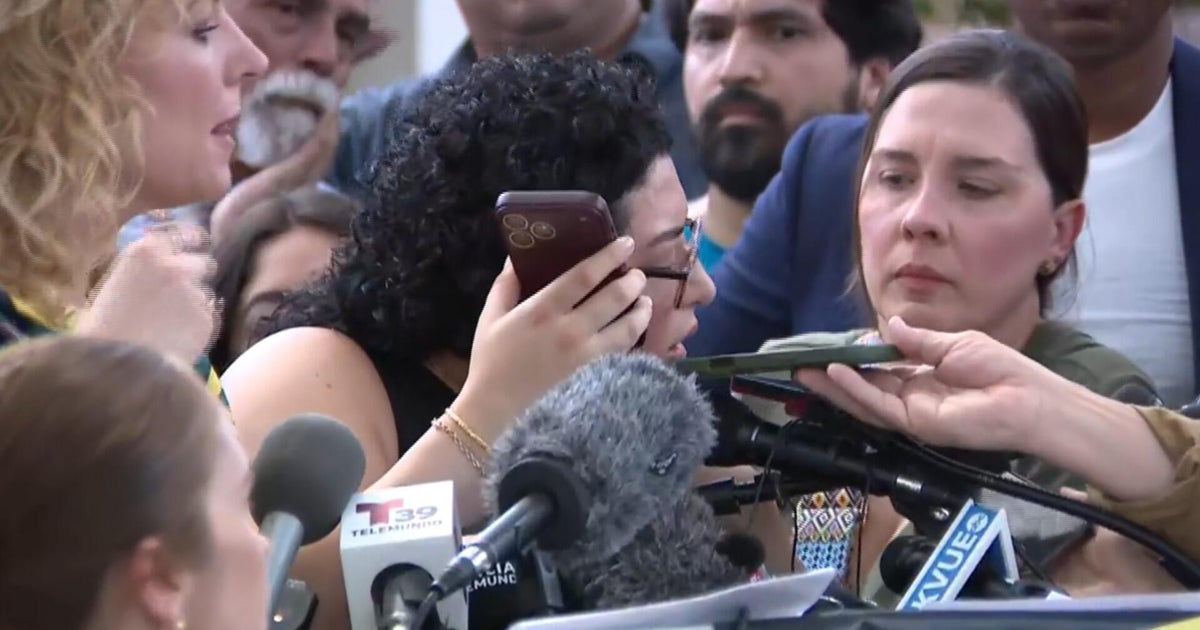
A Venezuelan man named Wilber Rafael Garces Perez was shot by an ICE agent in Austin, Texas. He spoke to reporters by phone at a news event and said the bullet is still near his spine. He is currently in federal custody.
Key Facts
Wilber Rafael Garces Perez is from Venezuela and works as a DoorDash driver.
He was shot by an Immigration and Customs Enforcement (ICE) agent on Sunday in Austin, Texas.
Perez spoke to the media by phone during a news conference the next day.
He said the bullet remains lodged close to his spine.
Civil rights lawyers and immigration advocates held the news conference.
Perez is now in federal custody.
Read the Original
Want the full story? Tap a source to open the original
article.
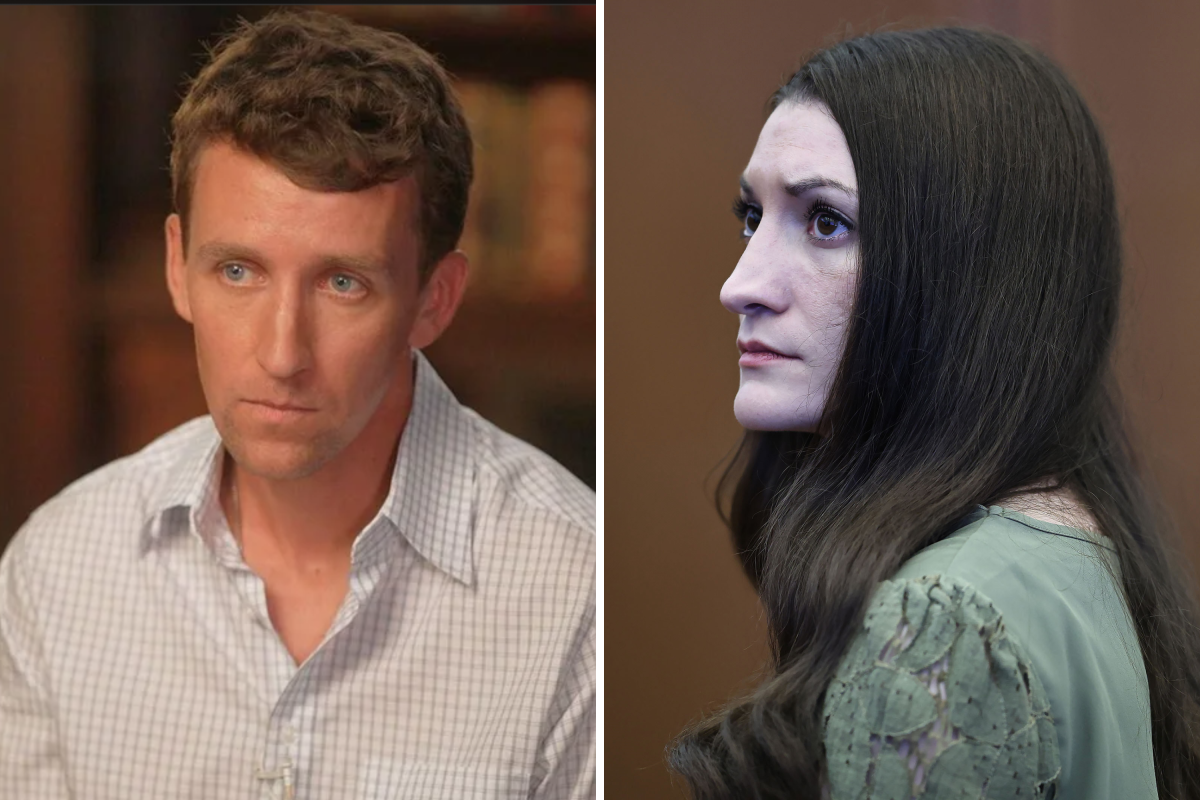
Patrick Clancy’s interview on 60 Minutes may influence the possible retrial of his ex-wife, Lindsay Clancy, who is charged with murdering their three children. Legal experts say the interview’s statements might be considered hearsay and may not be used as evidence, but could affect whether prosecutors decide to continue with a new trial or seek a plea deal.
Key Facts
Lindsay Clancy is charged with murdering their three children in Massachusetts in January 2023.
She pleaded not guilty, with her defense saying postpartum psychosis affected her responsibility.
The first trial ended in a mistrial after jurors couldn’t agree on a verdict.
Patrick Clancy gave a 60 Minutes interview discussing details about Lindsay’s mental state and the children’s deaths.
Legal experts say most statements from the interview may be hearsay, meaning they might not be allowed as evidence in court.
Some statements could qualify under exceptions, like showing Lindsay’s mental state when she made them.
The interview may influence whether prosecutors decide to retry the case or consider a plea agreement.
Patrick’s description of his emotional response during the first trial was seen as important by legal experts.
Read the Original
Want the full story? Tap a source to open the original
article.
The FAA stopped flights at several airports in the Northeast because a fiber cable was accidentally cut during construction in New Jersey. This caused delays and ground stops at major airports like JFK, Newark, and Philadelphia.
Key Facts
The Federal Aviation Administration (FAA) paused flights in the Northeast on Monday.
A fiber cable was accidentally cut at a construction site in New Jersey.
The disruption affected airports including John F. Kennedy International (JFK), Newark Liberty International (EWR), and Philadelphia International (PHL).
Ground stops mean planes were not allowed to take off.
The cable cut impacted radar and communication systems used to manage flights.
The FAA worked to fix the problem and resume normal operations.
This stoppage caused delays for many passengers traveling through the region.
Read the Original
Want the full story? Tap a source to open the original
article.
A man named Jason Eaton was found guilty of trying to kill three Palestinian students in Vermont in 2023. He claimed he was not responsible because he heard voices telling him to shoot, but the jury did not accept this defense.
Key Facts
Jason Eaton shot three Palestinian university students near the University of Vermont in November 2023.
The victims were Hisham Awartani, Tahseen Aliahmad, and Kinnan Abdalhamid, all around 23 years old.
Awartani was left paralyzed from the waist down; the other two were wounded.
Eaton said he heard voices from the CIA and Mossad telling him to shoot someone.
His lawyers said Eaton was mentally ill and believed government agencies or God told him to attack.
The trial lasted a week and included testimony from the victims and doctors about Eaton’s mental health.
Eaton was found guilty of attempted murder, rejecting his insanity defense.
The shooting happened during increased tensions from the Israel-Gaza conflict and a rise in hate crimes in the US.
Read the Original
Want the full story? Tap a source to open the original
article.