Pope Leo XIV visited the Sanctuary of Our Mother of Good Counsel in Genazzano, Italy, where he prayed soon after becoming pope. During his visit, he unveiled a fresco showing him praying at the sanctuary, which honors his connection to the place and his Augustinian order.
Key Facts
Pope Leo XIV returned to the sanctuary on September 7, 2026, where he had prayed right after his election in May 2025.
The sanctuary is located in Genazzano, a medieval village south of Rome, and has been a pilgrimage site since the 15th century.
A fresco now decorates the basilica’s upper wall, showing Pope Leo XIV praying there.
Previous popes’ visits to the sanctuary have also been commemorated with portraits, starting with Pope Urban VIII in 1630.
The sanctuary is managed by Augustinian friars, the same religious order to which Pope Leo XIV belongs.
Pope Leo XIV included a note in the sanctuary’s guest book expressing his deep spiritual connection to the Madonna of Good Counsel.
The sanctuary was elevated to a minor basilica and its convent expanded in the early 1900s by Pope Leo XIII.
Pope Leo XIV is preparing for upcoming trips to France, Uruguay, Argentina, and Peru later in 2026.
Read the Original
Want the full story? Tap a source to open the original
article.
Houthi rebels in Yemen said that Saudi Arabia struck a prison in northern Yemen, killing seven people, including a child, and injuring others. The attack happened in a strategic city amid ongoing fighting between the Houthis, supported by Iran, and Yemeni forces backed by Saudi Arabia.
Key Facts
The strike targeted the Central Corrective Facility in Hazm city, Jawf province.
Seven people died, including a child; at least seven others were wounded.
35 prisoners and a visitor were trapped under the rubble after the strike.
The Houthis accuse Saudi Arabia of using airstrikes, reconnaissance drones, and mercenaries.
No immediate response came from Saudi Arabia’s media ministry about the strike.
The Yemen civil war began in 2014 with Houthis taking control of the capital, Sanaa.
A Saudi-led coalition entered the war in 2015 to back the internationally recognized government.
The war has killed an estimated 150,000 people and caused severe humanitarian crises.
Read the Original
Want the full story? Tap a source to open the original
article.
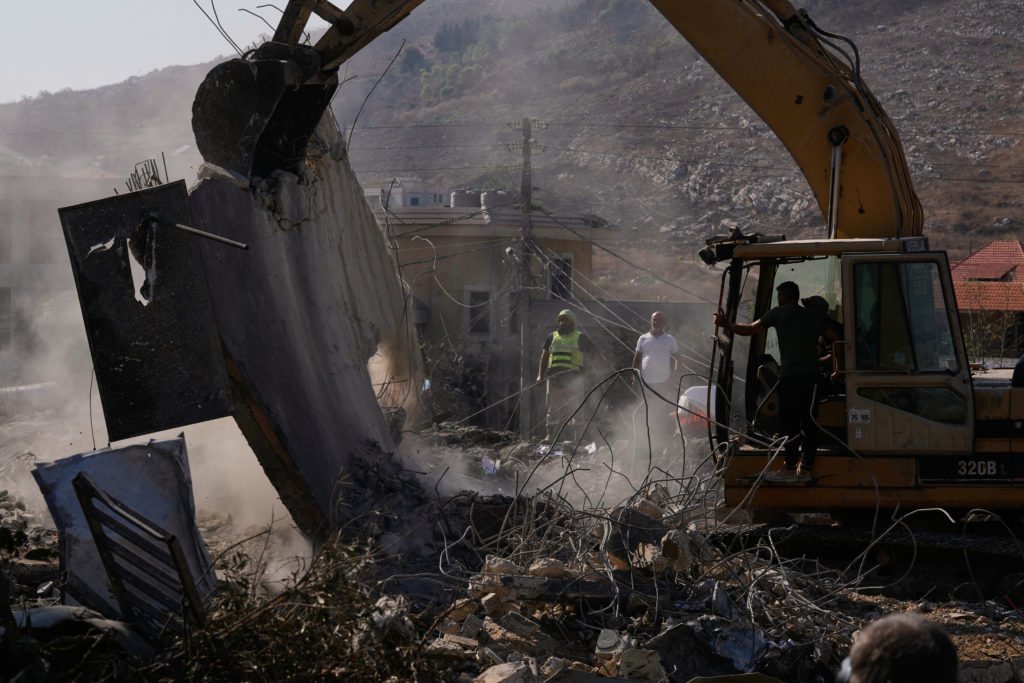
Israel’s air force conducted two airstrikes on a village in southern Lebanon, killing at least 12 people, including children. The attacks followed Hezbollah drone attacks and came amid ongoing violence between Israel and Hezbollah despite a recent truce.
Key Facts
Israeli airstrikes hit the village of Kfar Rumman early Monday, killing 12 people including 2 children.
Eight others were wounded, including children and paramedics.
One strike hit a building housing families; another targeted a car with paramedics inside.
Israel said the strikes were retaliation for Hezbollah drone attacks on Israeli troops.
Hezbollah has not claimed responsibility for the drone attacks or issued a statement.
The strikes occurred days after Israel announced control over a nearby strategic hill.
In June, Lebanon and Israel agreed to a U.S.-mediated framework aimed at reducing conflict, but little progress has been made.
Hezbollah refuses to disarm, and Israel demands disarmament of the group throughout Lebanon before withdrawing forces.
Read the Original
Want the full story? Tap a source to open the original
article.
Pope Leo XIV returned to a sanctuary in Genazzano, Italy, where he prayed soon after being elected pope. He revealed a new fresco showing himself praying, as a permanent sign of his connection to the place.
Key Facts
Pope Leo XIV visited the Sanctuary of Our Mother of Good Counsel two days after his election in May 2025.
The sanctuary is run by Augustinian friars and has been important for pilgrims since the 15th century.
Pope Leo XIV is part of the Augustinian religious order and has visited the site many times before.
The new fresco of Pope Leo XIV praying is displayed in the basilica’s upper cornice.
Past popes, including Pope Urban VIII in 1630, have also been honored with portraits at this sanctuary.
Pope Leo XIV celebrated Mass at the sanctuary with his fellow Augustinian brothers on September 7, 2026.
The pope described his visit as a way to pray to the Madonna of Good Counsel, expressing his lifelong devotion.
Pope Leo XIV is preparing for upcoming trips to France and South America, as well as events at the Vatican this autumn.
Read the Original
Want the full story? Tap a source to open the original
article.
Pope Leo XIV returned to a sanctuary in Genazzano, Italy, where he prayed shortly after his election. He revealed a new fresco of himself praying, honoring the place and its significance to his religious order.
Key Facts
Pope Leo XIV visited the Sanctuary of Our Mother of Good Counsel in Genazzano, south of Rome.
He unveiled a fresco showing him praying, placed on the basilica's upper cornice.
The sanctuary is important to his Augustinian religious order and has been a pilgrimage site since the 15th century.
Pope Leo XIV first visited two days after his election in May 2025, during his first outing as pope.
Previous popes, starting from Pope Urban VIII in 1630, have also had portraits commemorating their visits.
The sanctuary was raised to a minor basilica by Pope Leo XIII, who also expanded the nearby convent.
Pope Leo XIV referenced his 2025 visit during a Mass commemorating the birth of Mary.
The Vatican is preparing for upcoming events and the pope’s trips to France and South America later this year.
Read the Original
Want the full story? Tap a source to open the original
article.
U.S. special envoy Steve Witkoff said there was meaningful progress after peace talks with Russia and Ukraine. U.S. negotiators visited Moscow and Kyiv to encourage dialogue and both sides agreed to a three-day ceasefire to support talks.
Key Facts
Steve Witkoff is a U.S. special envoy involved in peace talks.
U.S. negotiators went to both Moscow (Russia) and Kyiv (Ukraine).
The purpose was to help start more discussions to end the war.
Before the visit, Russia and Ukraine agreed to stop shooting for three days.
This ceasefire aimed to create a peaceful environment for the talks.
Witkoff described the results of the talks as “substantive progress.”
The talks focus on finding a peaceful solution to the Russia-Ukraine conflict.
Read the Original
Want the full story? Tap a source to open the original
article.
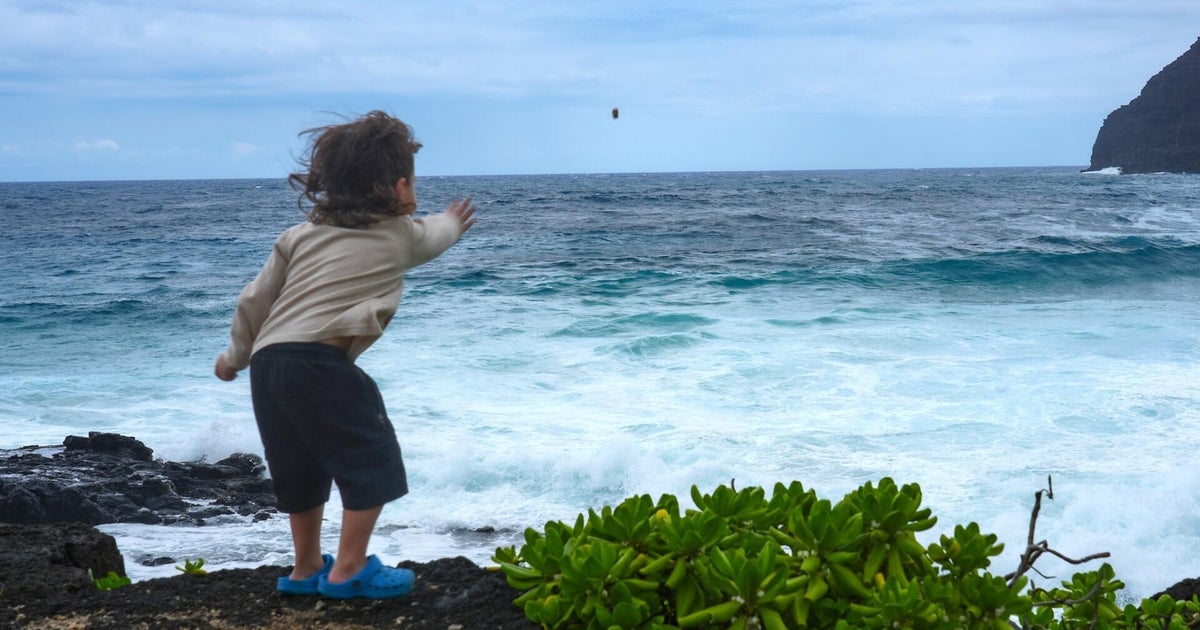
Hurricane Lowell is expected to pass near the Hawaiian Islands, bringing heavy rains and storms. Residents in Hawaii are preparing for the possible impacts from the hurricane.
Key Facts
Hurricane Lowell is moving close to the Hawaiian Islands.
The storm could cause heavy rain and strong winds in Hawaii.
Local residents are getting ready for potential flooding and storm damage.
Authorities may issue warnings or safety instructions soon.
The situation is being closely monitored by weather experts.
CBS News reporter Carter Evans is providing updates on the storm.
Read the Original
Want the full story? Tap a source to open the original
article.
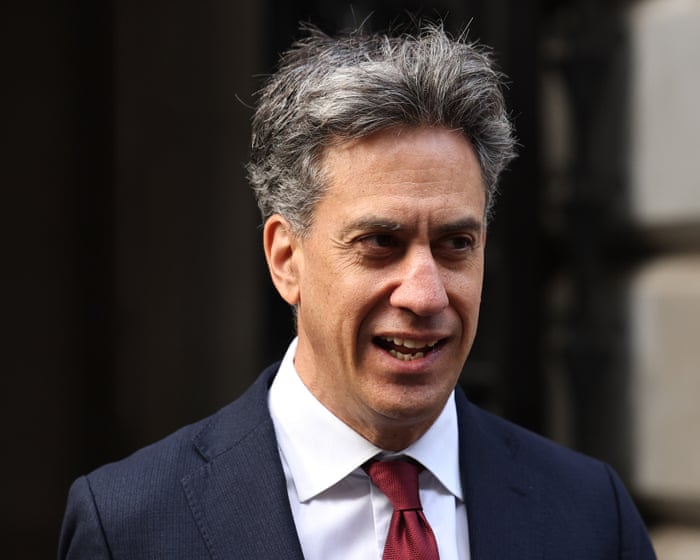
The UK government, led by Foreign Secretary Ed Miliband, will announce a ban on trade in goods and some services from illegal Israeli settlements. This move marks a stronger UK position supporting Palestinian rights, and it calls for respect of international law and the two-state solution to the Israel-Palestine conflict.
Key Facts
The UK plans to ban trade in goods and some services from Israeli settlements considered illegal under international law.
Ed Miliband will use stronger language than previous leaders to highlight humanitarian issues faced by Palestinians in Gaza.
The UK aims to support a two-state solution, promoting Palestinian rights and international law.
Israel and the US have criticized the UK’s position, with Israel warning of possible retaliations.
Polls show a majority of UK adults support the trade ban on illegal settlements by more than two to one.
The UK may join other countries at the International Court of Justice to challenge Israeli settlement activity.
The UK government does not plan to impose sanctions related to aid restrictions on Gaza or label the situation there as genocide.
The announcement comes despite concerns that it could affect Israeli political outcomes in upcoming elections.
Read the Original
Want the full story? Tap a source to open the original
article.
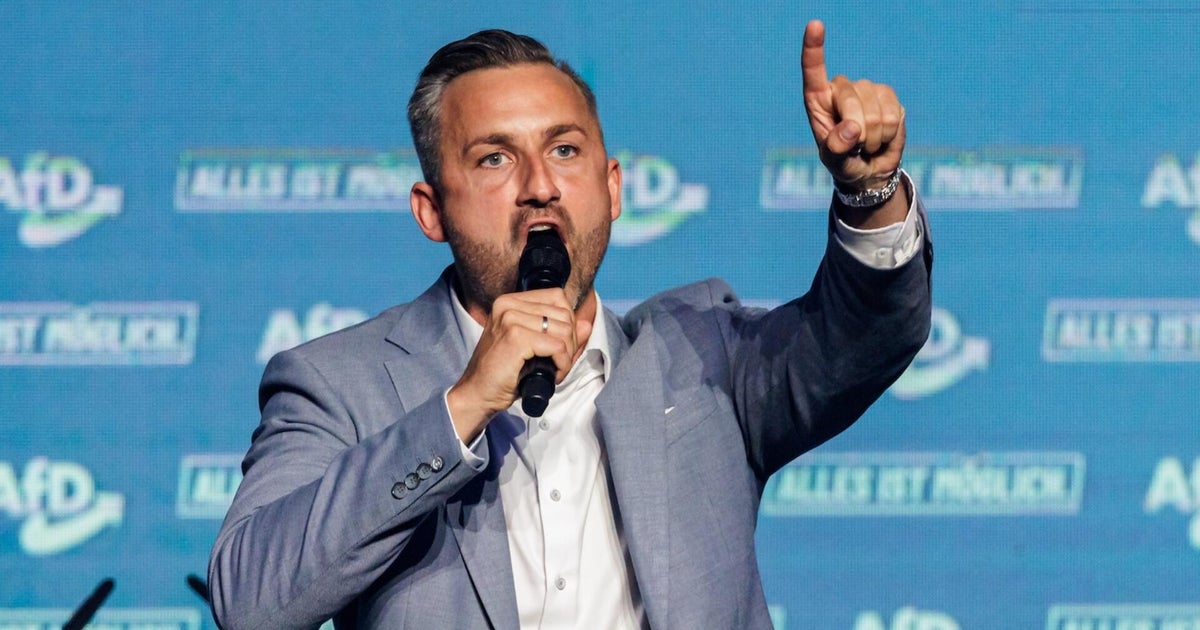
The far-right party AfD won a large victory in a regional election in Germany. This result surprised German Chancellor Friedrich Merz. The news was reported by CBS News.
Key Facts
The AfD is a far-right political party in Germany.
The party won a major victory in a recent regional election.
This win was unexpected and surprised Chancellor Friedrich Merz.
The event took place in Germany, focusing on regional political results.
CBS News covered and reported on the election outcome.
Friedrich Merz is the current Chancellor of Germany.
The election result shows changing political support in Germany.
Read the Original
Want the full story? Tap a source to open the original
article.
The Taliban continues to control Afghanistan by using weapons and equipment left behind after the United States withdrew in 2021. These American arms help the group maintain its power in the country.
Key Facts
The U.S. pulled its troops out of Afghanistan in 2021.
Large amounts of American weapons and gear were left behind during the withdrawal.
The Taliban has taken control of Afghanistan since the U.S. left.
The group uses the leftover U.S. weapons and equipment to keep its hold on Afghanistan.
This situation shows how military support can remain in place after a country's army departs.
The use of U.S. gear by the Taliban was reported by CBS News.
Read the Original
Want the full story? Tap a source to open the original
article.
Lithuanian citizens are preparing for a possible attack by Russia. At the same time, U.S. special envoys Steve Witkoff and Jared Kushner held meetings in Moscow and Kyiv to discuss related issues.
Key Facts
Lithuanian people are organizing themselves to respond if Russia becomes aggressive.
The situation is tense because of concerns about Russia's actions.
Two U.S. special envoys, Steve Witkoff and Jared Kushner, visited Moscow and Kyiv.
The envoys held talks in both Russia and Ukraine.
These efforts show international attention to the conflict risks in the region.
Read the Original
Want the full story? Tap a source to open the original
article.
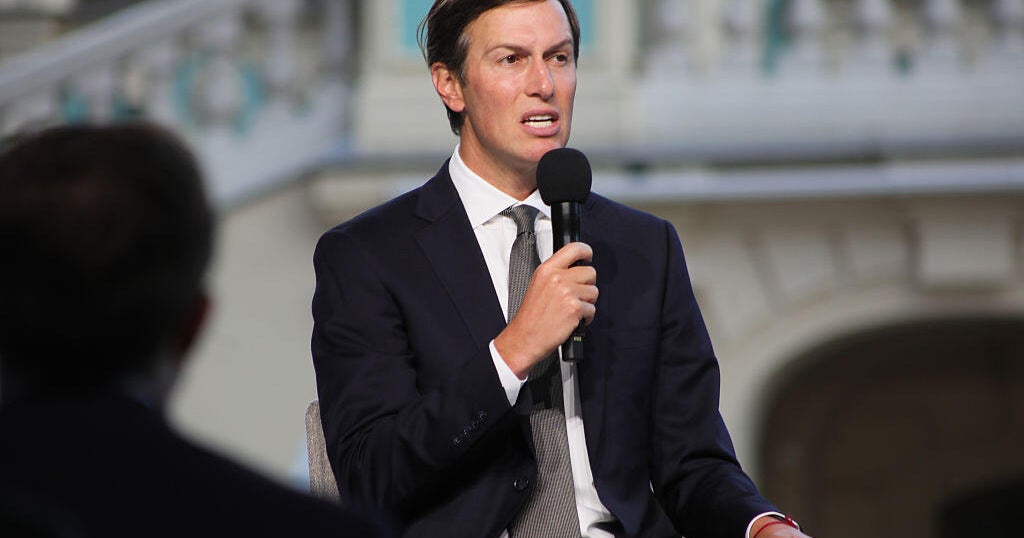
Jared Kushner, President Trump's special envoy, said the lack of progress on rebuilding Gaza is connected to upcoming Israeli elections in October. He indicated political issues in Israel, especially relating to Prime Minister Netanyahu, are slowing down U.S. efforts to disarm Hamas and restore Gaza after years of conflict.
Key Facts
Israel will hold elections in late October with a close race between Prime Minister Benjamin Netanyahu and his opponents.
Jared Kushner spoke about political challenges in Israel affecting Gaza rehabilitation during a conference in Kyiv.
U.S. efforts aim to disarm Hamas and bring investment to rebuild Gaza, but progress is stalled.
Israel has not provided guarantees needed for a new police force in Gaza that would work independently of Hamas.
Israel continues airstrikes in Gaza, which Israel says are for security against Hamas threats.
The ceasefire between Israel and Hamas started nearly a year ago after a war sparked by Hamas' attack on Israel.
Hamas agreed to the U.S.-backed plan to disarm gradually but resists taking steps without Israel fulfilling its commitments.
Netanyahu rejected the peace plan’s call for withdrawal from Gaza territory until Hamas is fully disarmed.
Read the Original
Want the full story? Tap a source to open the original
article.
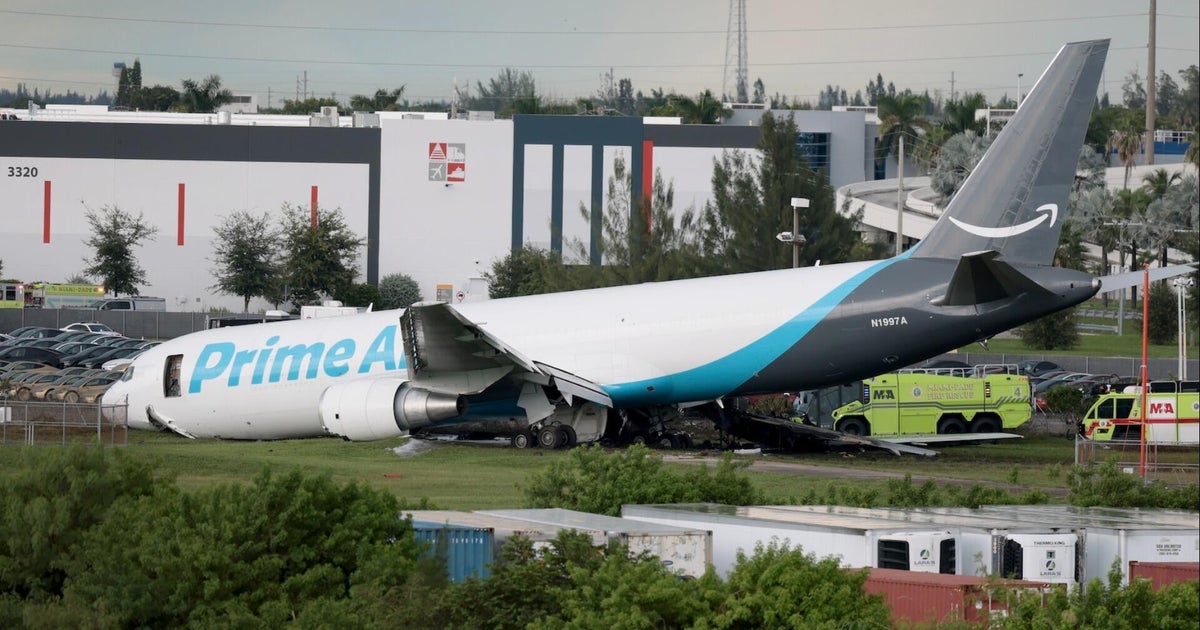
An Amazon cargo plane crashed near Miami International Airport, killing five people and injuring others. Authorities have released more information about the incident.
Key Facts
The crash involved an Amazon cargo airplane.
The accident happened close to Miami International Airport.
Five people died in the crash.
Several others were injured.
Officials are providing updates as they learn more about what happened.
Read the Original
Want the full story? Tap a source to open the original
article.
Iran has warned it will respond if the United States attacks Iranian oil tankers. This news comes as people become more worried about rising energy prices.
Key Facts
Iran threatens to retaliate against U.S. strikes on its oil tankers.
The U.S. has conducted strikes targeting Iranian tankers.
These events increase concerns about energy costs worldwide.
The situation adds tension between Iran and the United States.
Energy prices may rise due to the conflict around the tankers.
The news was reported by CBS News correspondent Taurean Small.
Read the Original
Want the full story? Tap a source to open the original
article.
A small boat carrying migrants traveled from France to Portsmouth, England, on September 6. The journey was longer than usual, and the boat’s arrival led to protests in Portsmouth. Authorities and journalists tracked the boat’s path using ship-tracking tools.
Key Facts
Migrants traveled by small boat from France to Portsmouth, England.
The crossing occurred on September 6.
The boat’s journey took longer than typical crossings.
Protests happened in Portsmouth after the migrants arrived.
BBC Verify used ship-tracking websites to monitor the boat’s route.
The report was produced by a BBC correspondent and a verification team.
The story relates to UK immigration and activity in the English Channel.
Read the Original
Want the full story? Tap a source to open the original
article.
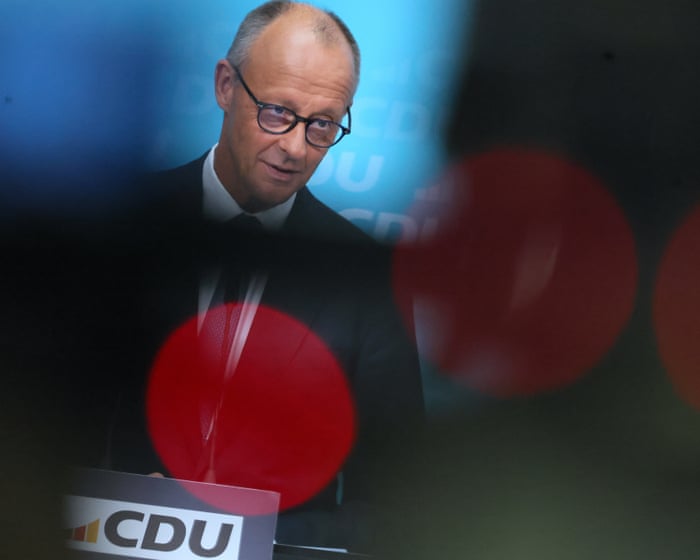
German Chancellor Friedrich Merz has said he will remain in office despite the far-right party Alternative für Deutschland (AfD) winning nearly 44% of the vote in Saxony-Anhalt’s state election. The AfD’s success challenges the conservative CDU and raises the possibility of Germany’s first far-right state government since World War II.
Key Facts
Friedrich Merz is the German Chancellor and leader of the Christian Democratic Union (CDU).
The AfD won almost 44% of the vote in the Saxony-Anhalt state election, defeating the CDU by a large margin.
The AfD is a far-right party known for anti-immigration and pro-Russia positions.
The AfD candidate, Ulrich Siegmund, came close to an absolute majority but did not win it outright.
Merz admitted this was the CDU’s worst electoral defeat in decades and acknowledged his poor poll ratings contributed to the loss.
Merz promised to continue reforms and reassured allies that Germany stays committed to its democratic values and its support for Ukraine.
The election result may lead to Germany’s first far-right government in a state since the Nazi era.
Some critics have called for Merz to be replaced as CDU leader, but he remains determined to stay in office.
Read the Original
Want the full story? Tap a source to open the original
article.
Bernie Ecclestone, former boss of Formula 1, was stopped by police at an airport in Portugal because he brought a shotgun without the right import documents. He was questioned and had to give up the weapon but was not arrested.
Key Facts
Bernie Ecclestone, 95, arrived at Tires Aerodrome in Cascais, Portugal, from Switzerland.
He was carrying a shotgun to use in a clay pigeon shooting competition.
Portuguese police and customs stopped and questioned him for about an hour.
Ecclestone did not have the correct paperwork to import the shotgun legally.
He surrendered the shotgun to the authorities during the stop.
Ecclestone said the police were helpful and denied he was arrested.
This was his second airport incident involving firearms; in 2022, he was arrested in Brazil for illegally carrying a gun.
He led Formula 1 for nearly 40 years until 2017, before Liberty Media took over.
Read the Original
Want the full story? Tap a source to open the original
article.
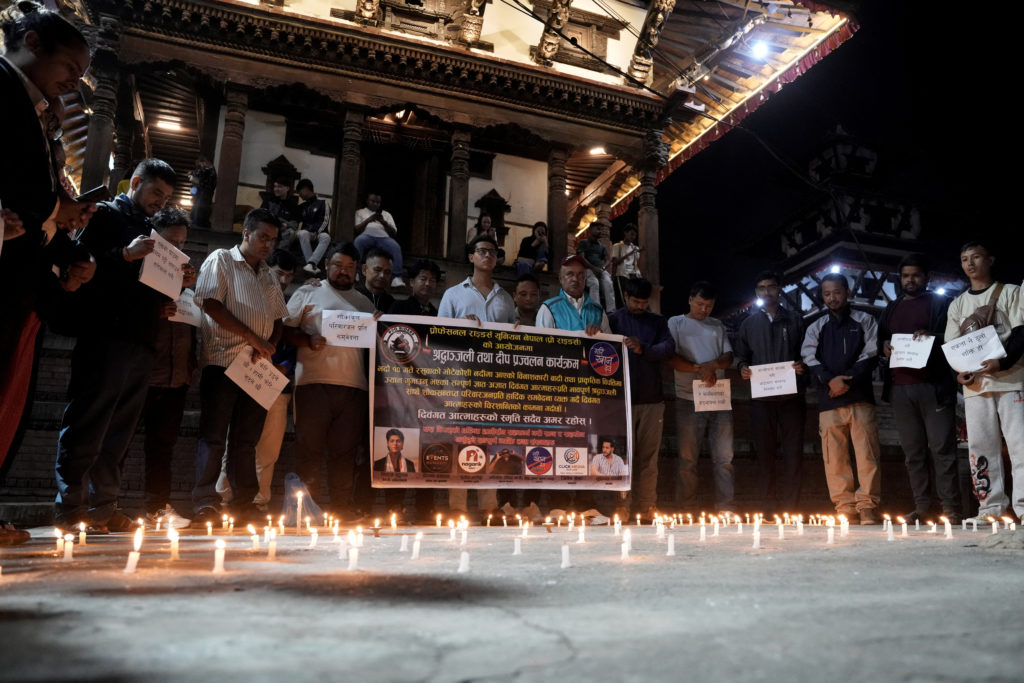
Nepal held a day of mourning on August 26 to remember over 1,300 people who died in recent floods and mudslides. Many families performed final religious rituals while search teams continued looking for about 5,000 missing people, including hundreds believed trapped in hydropower plants.
Key Facts
The floods occurred on August 26 and affected Nepal and Tibet.
At least 1,300 people have died, and around 5,000 are still missing.
Nepal observed a traditional 13-day mourning period with rituals on the final day.
The government declared an official day of mourning and lowered flags to half-staff.
Many missing are workers from hydropower projects, about 900 unaccounted for.
Rescue teams from India, China, South Korea, and the U.S. are assisting in searches.
Families protested the slow pace of government rescue efforts.
Two Nepalese and one Chinese worker were recently rescued from a buried hydropower plant.
Read the Original
Want the full story? Tap a source to open the original
article.
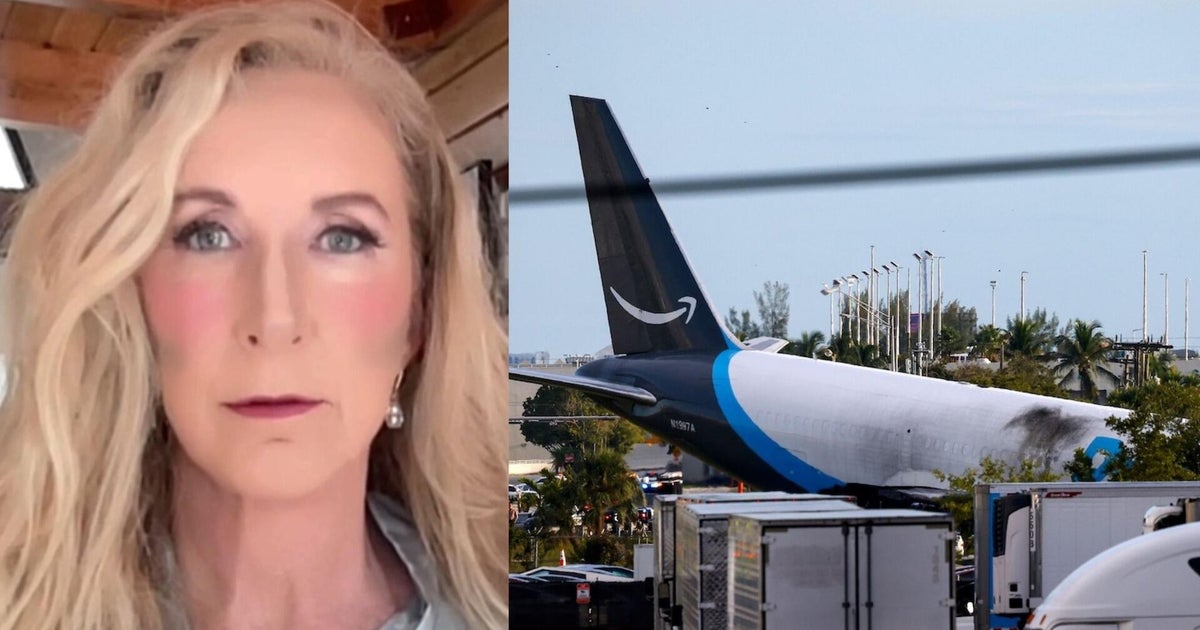
A cargo plane operated by Amazon crashed in Miami on Sunday, killing at least five people. Laura Einsettler, a commercial pilot with over 30 years of experience, explained details about the crash during a CBS News interview.
Key Facts
The crash involved an Amazon cargo plane.
The incident happened in Miami.
At least five people died in the crash.
Laura Einsettler is a commercial pilot with more than 30 years of experience.
Einsettler spoke on CBS News about the causes and details of the crash.
The interview was available on CBS News 24/7.
Read the Original
Want the full story? Tap a source to open the original
article.
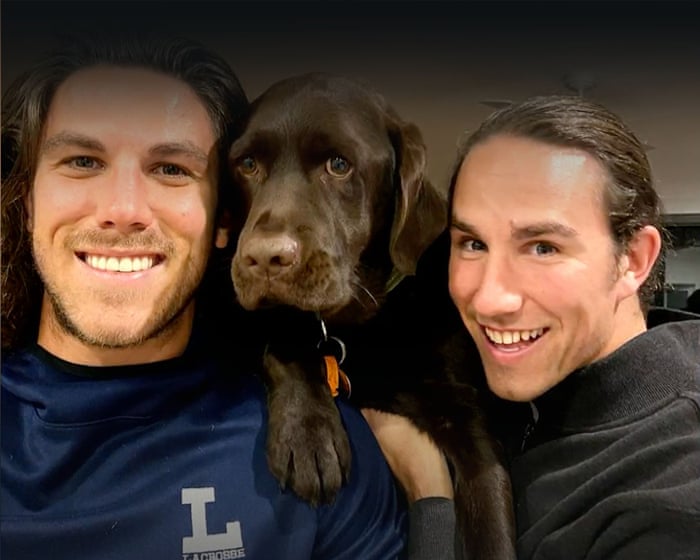
Three men have gone on trial in Mexico for the killing of two Australian brothers and their American friend at a popular surfing spot. The men were shot and robbed while camping on a remote beach in Baja California, an area known for high violence linked to organized crime.
Key Facts
The victims were Jake and Callum Robinson, Australian brothers aged 30 and 33, and their 30-year-old American friend Jack Carter Rhoad.
They were camping on a beach in Baja California, Mexico, when they were attacked and killed.
Their bodies were found hidden on a cliff near the resort city of Ensenada.
Three men stand trial for homicide related to the killings.
The girlfriend of one accused received a 20-year prison sentence after admitting she encouraged the robbery.
The victims’ families traveled to Mexico for the trial to seek answers.
Callum Robinson was a professional lacrosse player, Jake was training in medicine, and Jack Rhoad was due to marry soon.
Foreign tourists have been targeted by criminals in Mexico before, including a similar case in 2015 where two Australian surfers were killed in Sinaloa.
Read the Original
Want the full story? Tap a source to open the original
article.